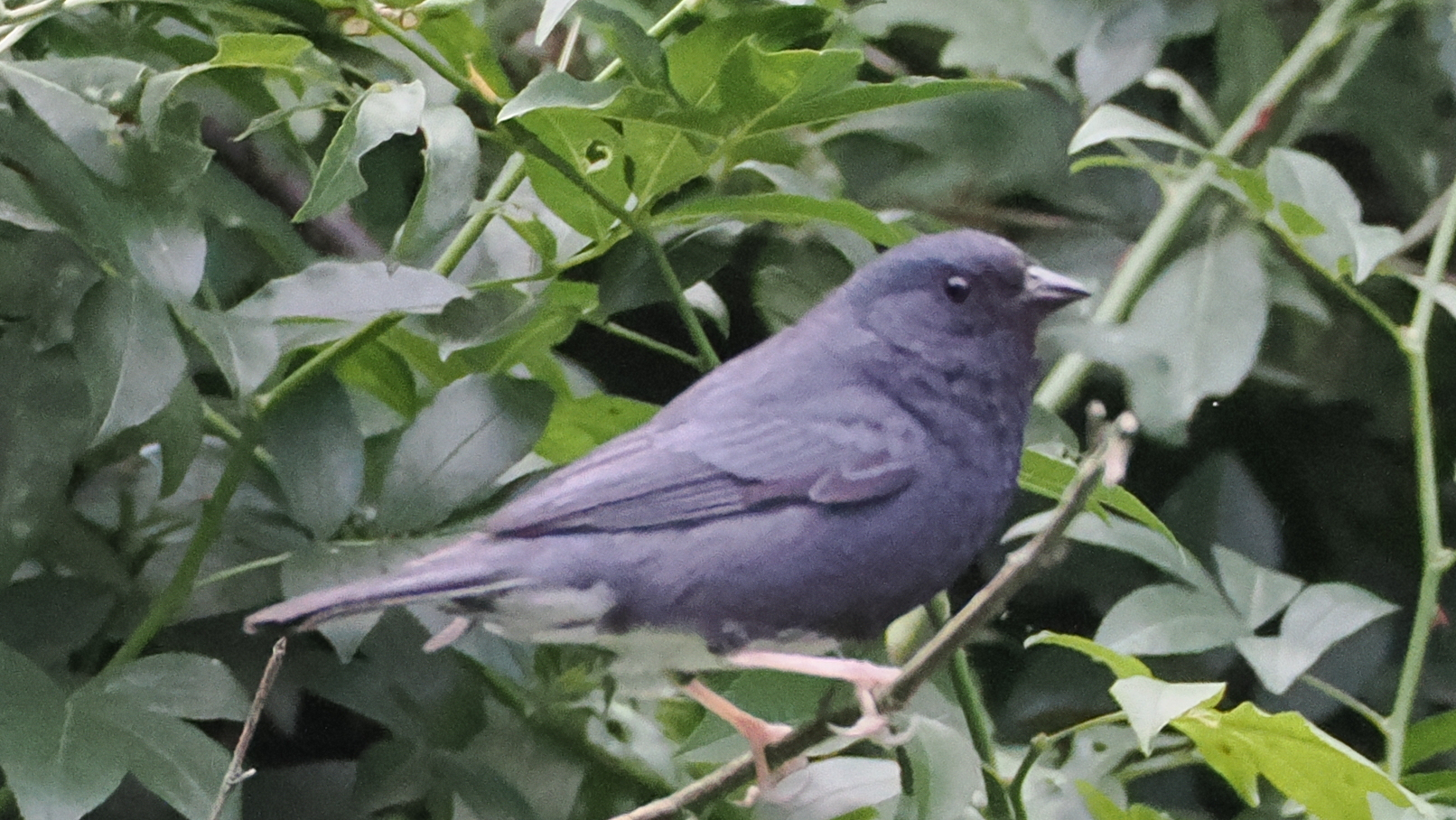
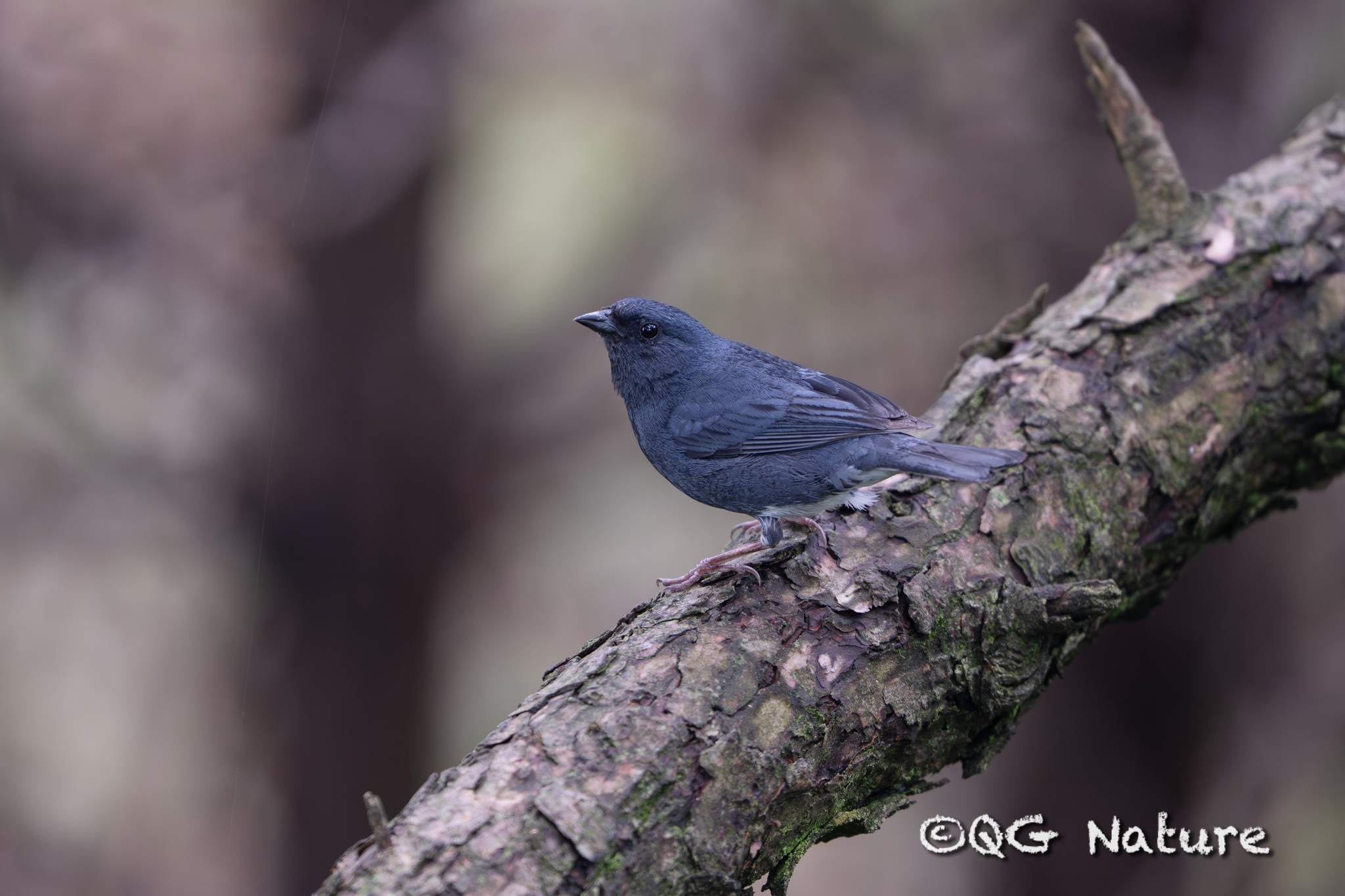
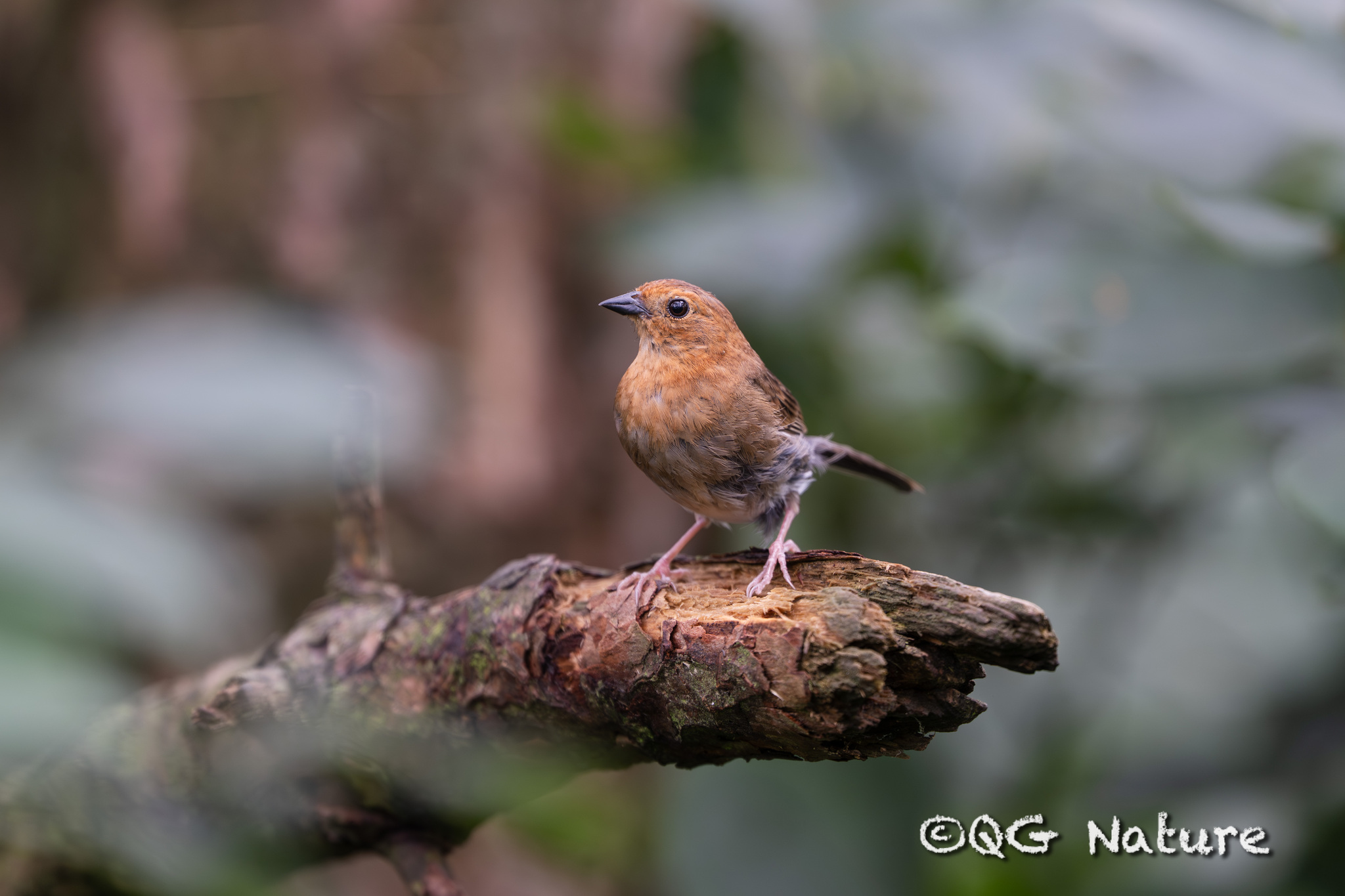
Slaty Bunting
Emberiza siemsseni
蓝鹀
Introduction
A small passerine bird in the bunting family Emberizidae. Endemic to China, where it inhabits subtropical or tropical moist shrublands. Characterized by brown plumage and unusually broad tail feathers. The population is not currently considered globally threatened, though habitat loss and migration pressures pose ongoing concerns in parts of its range.
Description
A compact bunting measuring 13 centimeters in length with a body mass of 20 grams. The plumage is predominantly brown and highly distinctive. The tail feathers are notably broad towards the tip, an unusual feature among buntings. The bill is relatively small and neatly proportioned, adapted for its seed-eating diet.
Distribution & Habitat
Restricted to China, where it occupies subtropical and tropical moist shrubland habitats. The species undertakes migratory movements, though specific wintering and breeding ranges within China require further study.
Behavior & Ecology
Forages primarily on the ground and in low vegetation. The diet consists of seeds, insects, and other small invertebrates, reflecting the omnivorous tendencies typical of many Emberizidae species. Additional behavioral details regarding breeding and social structure are not well documented.
Conservation
Assessed as not globally threatened by the IUCN. However, the species faces ongoing pressures from agricultural expansion and vegetation clearing throughout its restricted Chinese range. Migration-related threats also contribute to local population concerns.
Source: Wikipedia · CC BY-SA 3.0
Taxonomy
- Order
- Passeriformes
- Family
- Emberizidae
- Genus
- Emberiza
- eBird Code
- slabun1
Distribution
mountains of central China (southern Shaanxi, southeastern Gansu, and northeastern Sichuan)
Data Sources
Species description from Wikipedia, licensed under CC BY-SA 3.0.
Bird images and sounds sourced from GBIF, contributed by citizen scientists worldwide under Creative Commons licenses.
Taxonomy data from AviList 2025.