Chestnut Bunting
Emberiza rutila
栗鹀
Introduction
The chestnut bunting breeds in the open forested landscapes of Siberia and northeastern China. It is a long-distance migrant, wintering in southern China, Southeast Asia, and northeastern India. European records are considered escapes rather than natural vagrancy. The species favors woodland edges and clearings with abundant understory. Males display chestnut plumage during the breeding season. It has ground-feeding habits and nests in vegetated cover.
Description
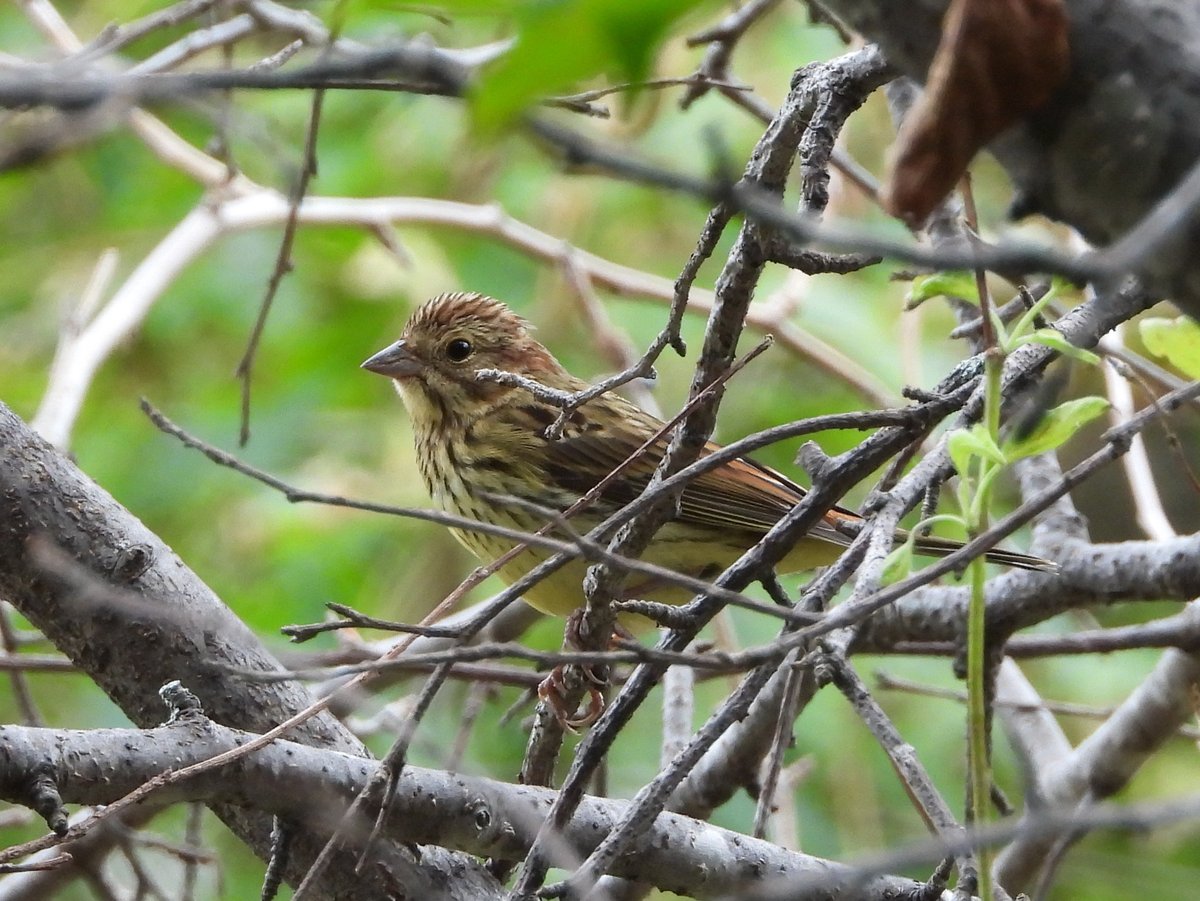
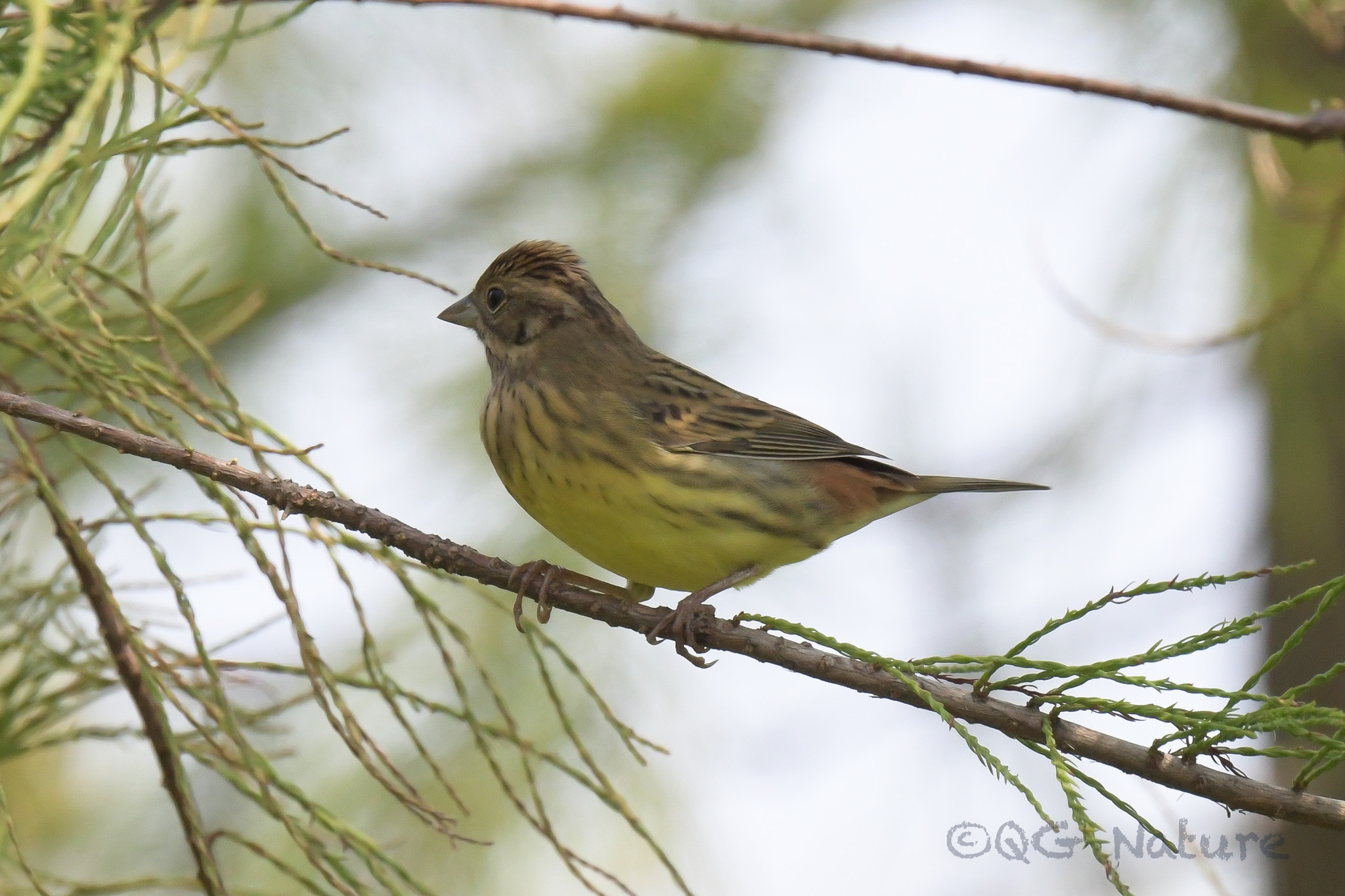
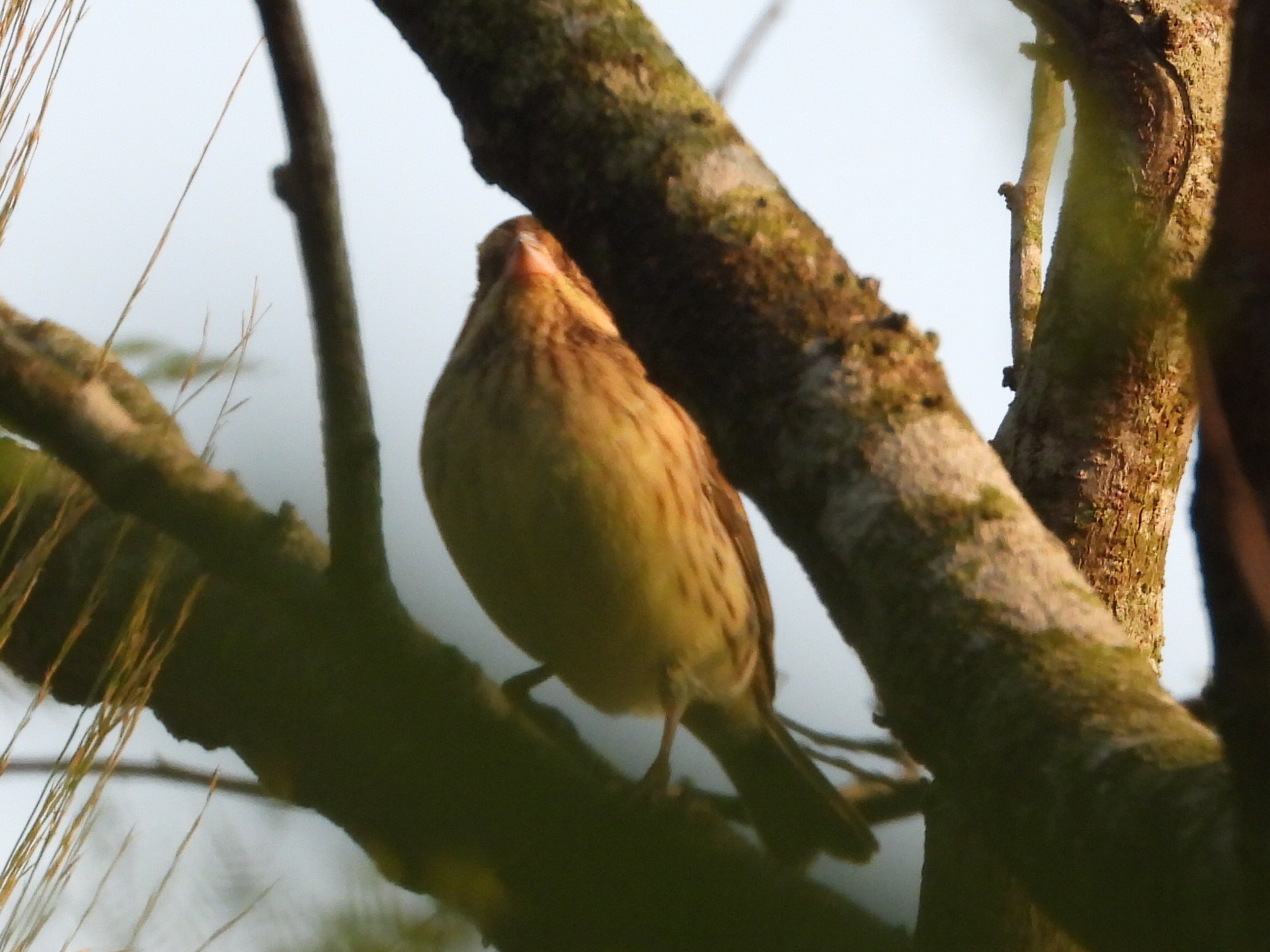
A compact, small bunting measuring 14-15 cm in length with a relatively short tail lacking white outer feathers. Breeding males are unmistakable with bright chestnut-brown upperparts and head, contrasting with yellow underparts that show dark streaks along the flanks. Non-breeding males appear similar but duller, with chestnut coloration partially obscured by pale feather fringes. Females are more subdued, dressed in dull brown plumage above with dark streaking, while underparts display pale yellow tones. A dull chestnut rump and buff throat complete the female's understated appearance.
Identification
The breeding male's bright chestnut head and upperparts distinguish it from most other buntings in its range. The combination of yellow underparts with streaked flanks and a white-free tail helps separate it from similar species. The distinctive call, a short 'zick,' closely resembles that of the little bunting, providing a useful audio clue for identification. Females and non-breeding males require more careful observation, with their streaked brown upperparts and yellowish underparts demanding attention to detail.
Distribution & Habitat
Breeds across Siberia, northern Mongolia, and northeastern China in open forest habitats with sufficient ground cover and shrubbery. This long-distance migrant winters in southern China, Southeast Asia, and northeastern India, where it frequents farmland, scrub, and woodland edges. European records exist but likely represent escaped birds rather than natural vagrants.
Behavior & Ecology
The high-pitched, variable song is delivered from a low perch in trees, making males relatively easy to locate during the breeding season. The distinctive call note, a sharp 'zick,' serves as a reliable identification aid. During winter, these birds frequent farmland, scrub, and woodland margins where they feed on seeds and small invertebrates.
Conservation
Not available
Culture
Not available
Source: Wikipedia · CC BY-SA 3.0
Taxonomy
- Order
- Passeriformes
- Family
- Emberizidae
- Genus
- Emberiza
- eBird Code
- chebun1
Distribution
breeds south-central Russia and north-central Mongolia eastward to southern Sea of Okhotsk and Ussuriland and northeastern China; winters from Nagaland and Mizoram (northeastern India) eastward through southern China and southward to central Indochina
Data Sources
Species description from Wikipedia, licensed under CC BY-SA 3.0.
Bird images and sounds sourced from GBIF, contributed by citizen scientists worldwide under Creative Commons licenses.
Taxonomy data from AviList 2025.