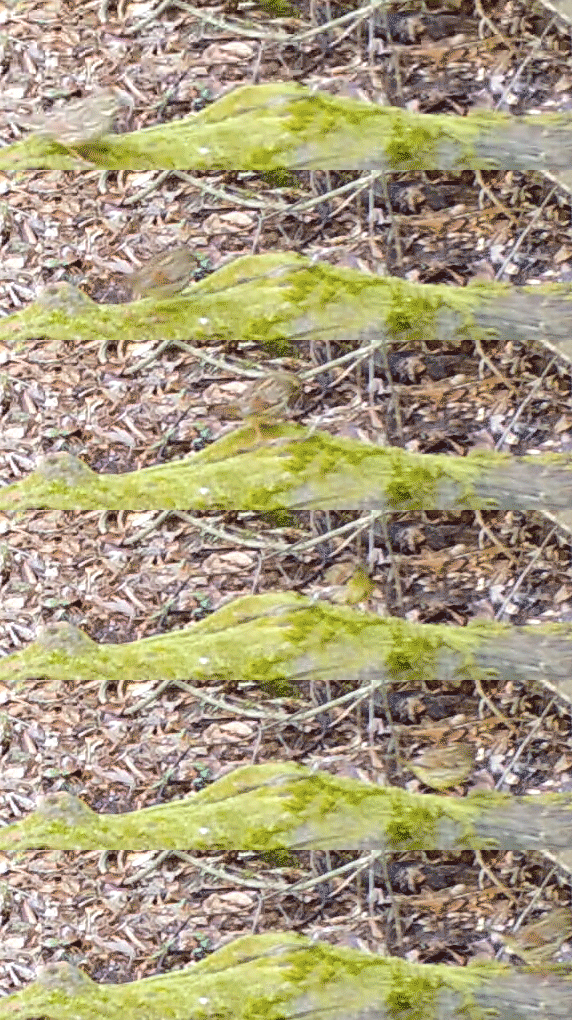
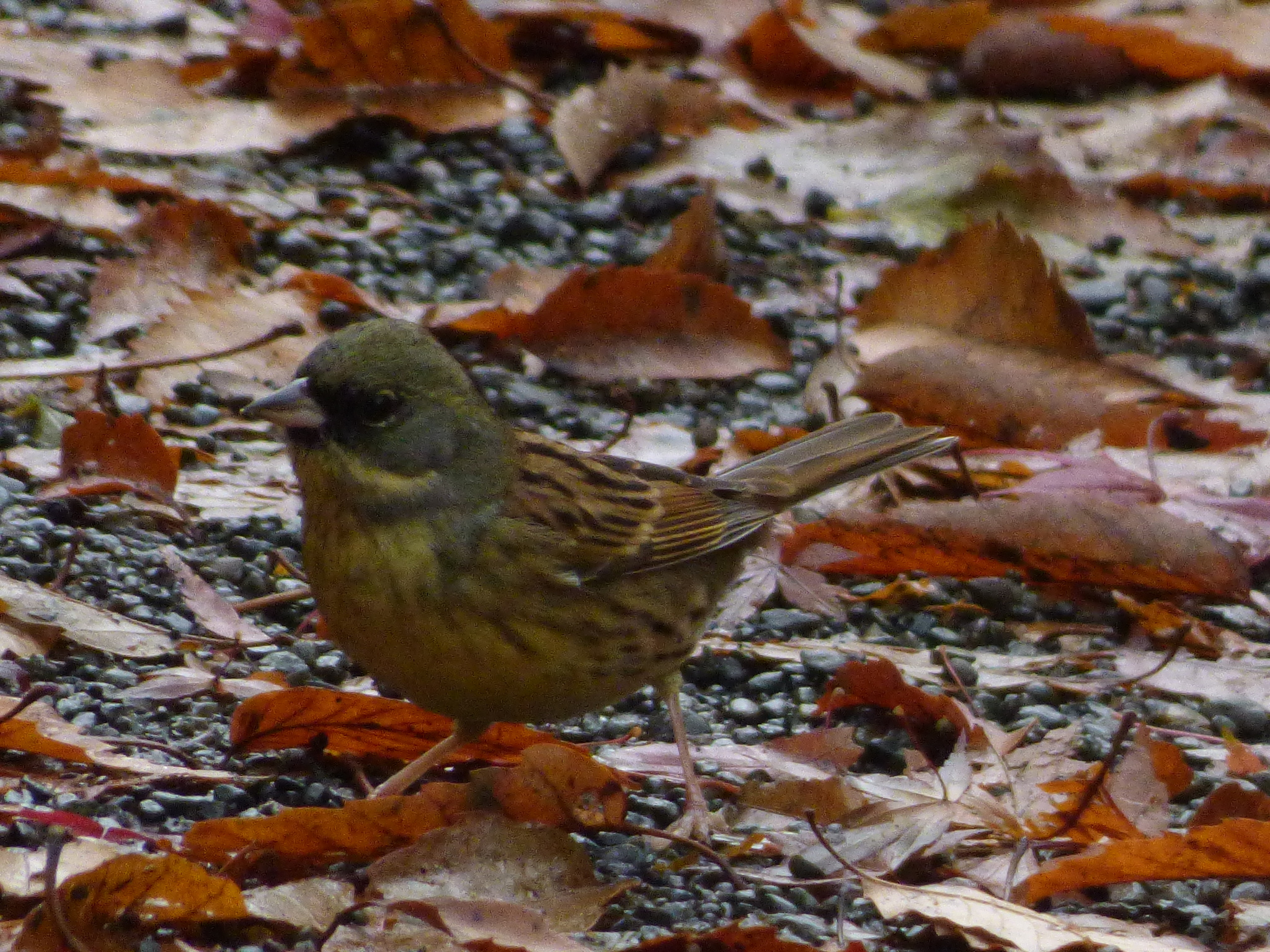
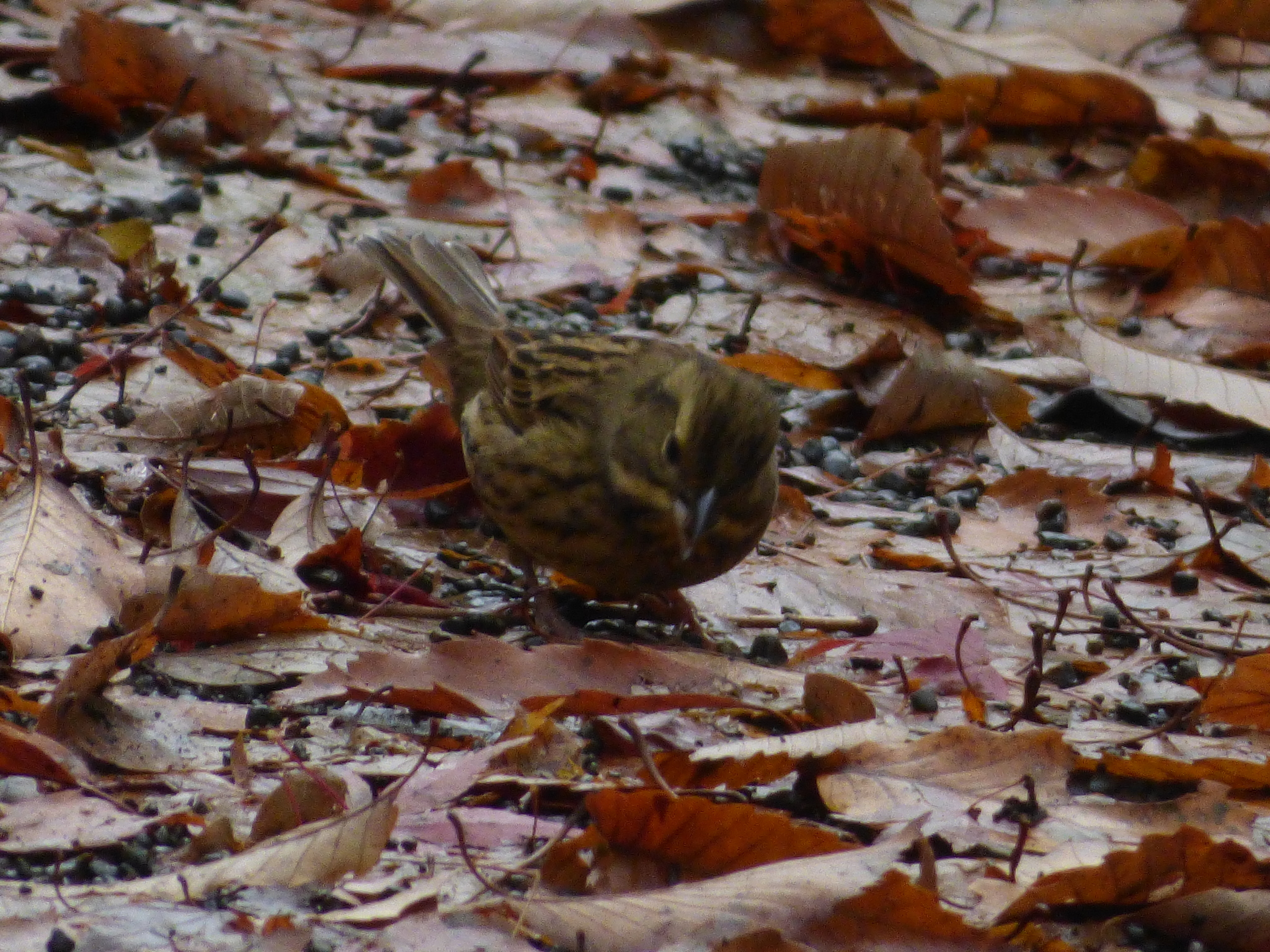
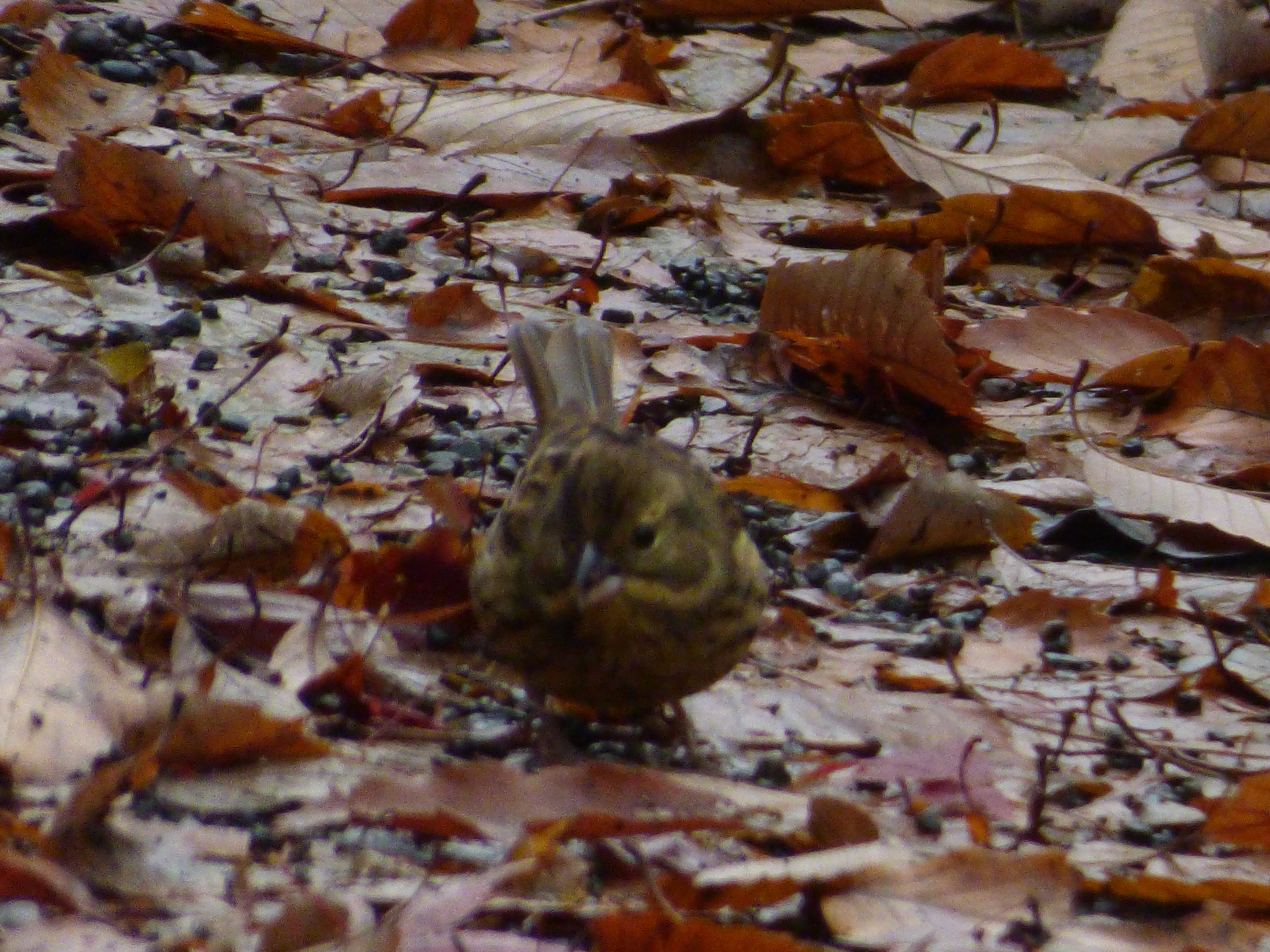
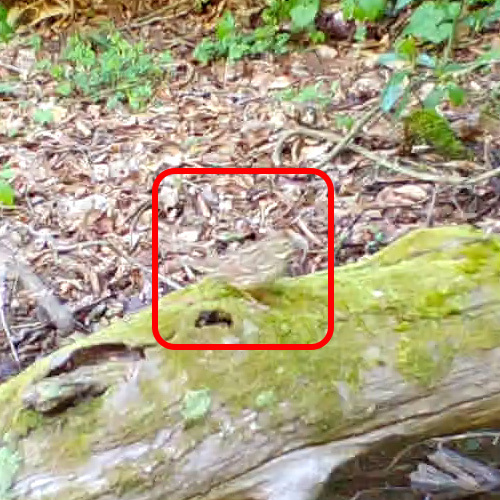
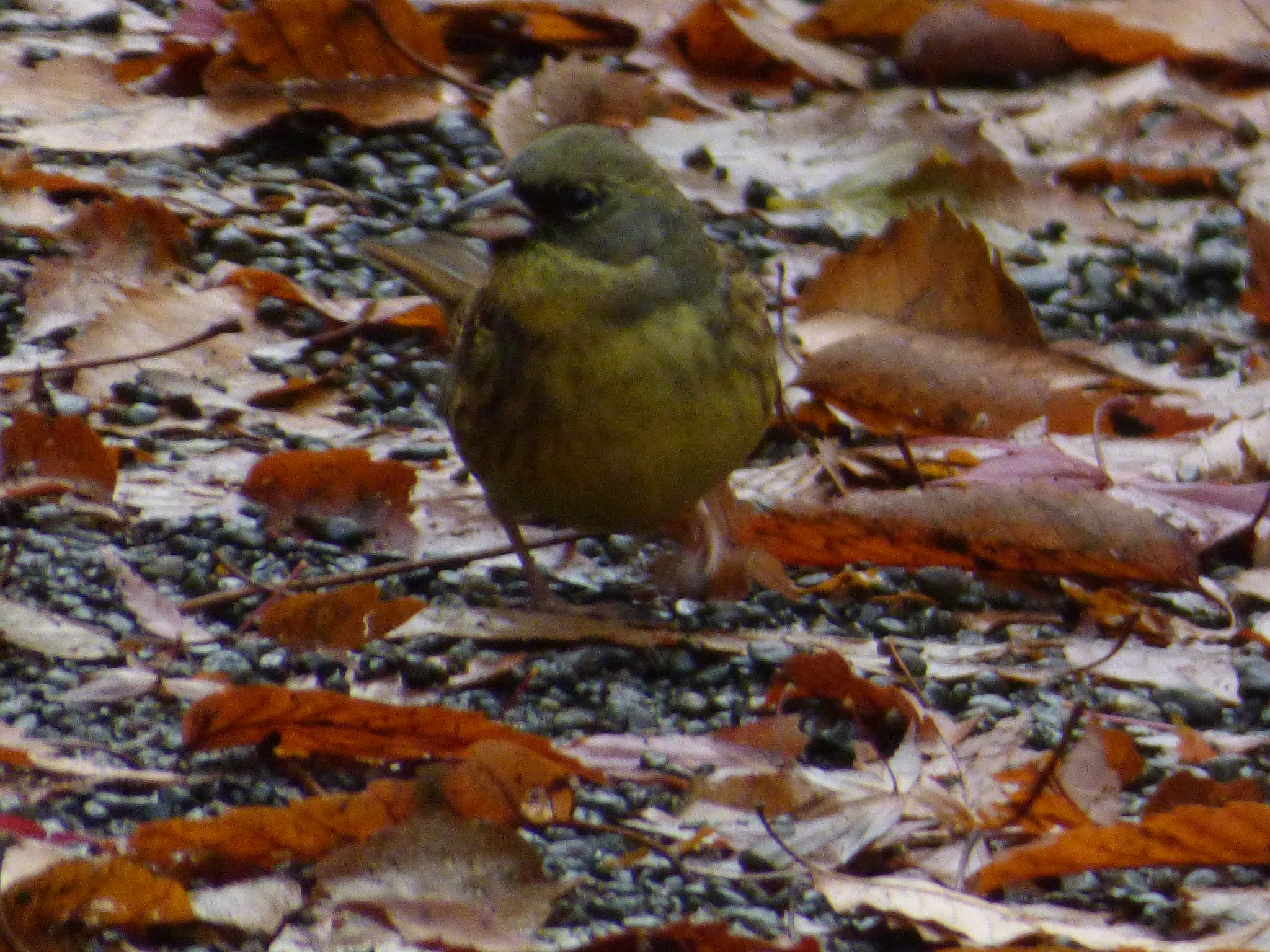
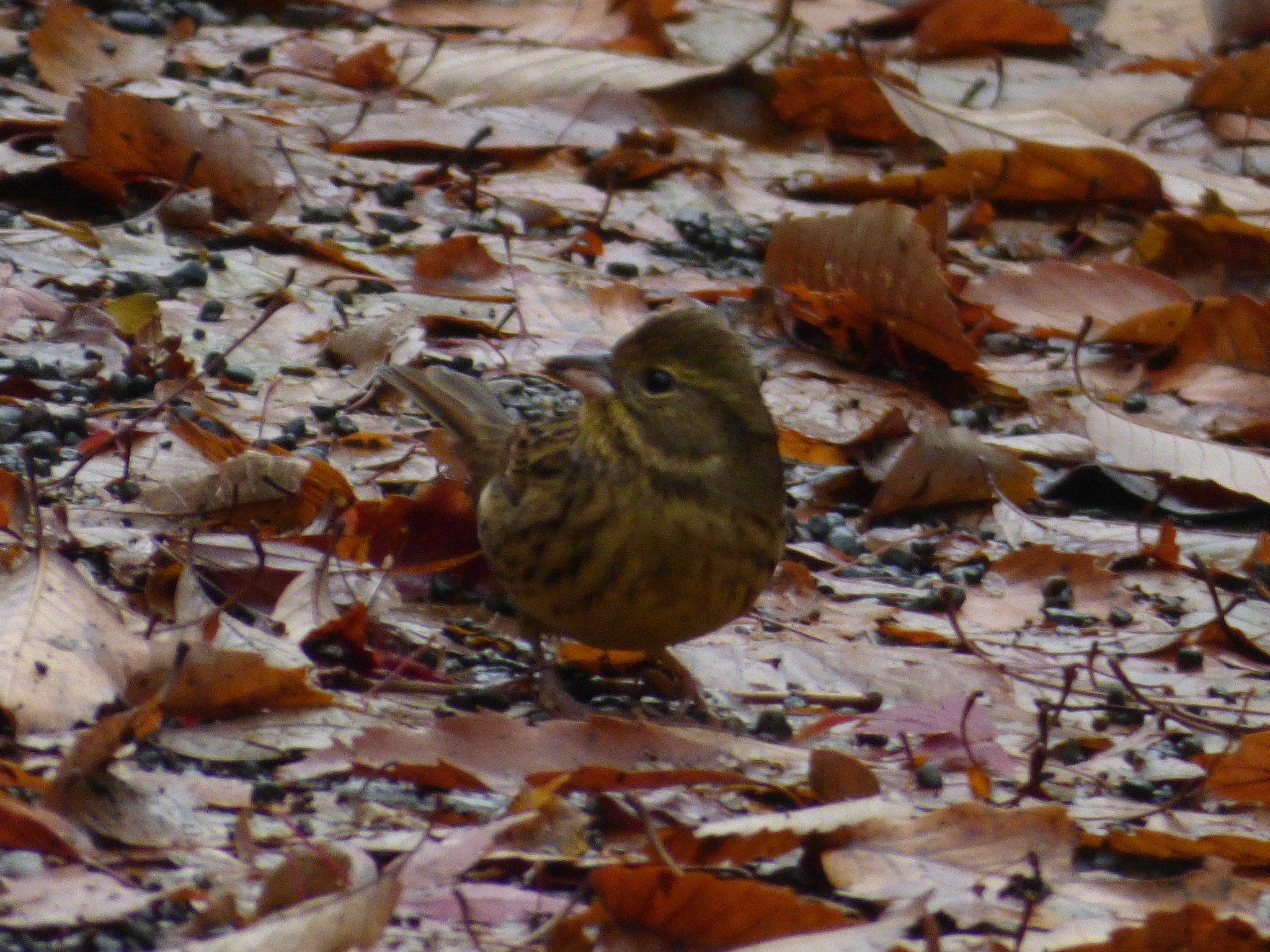
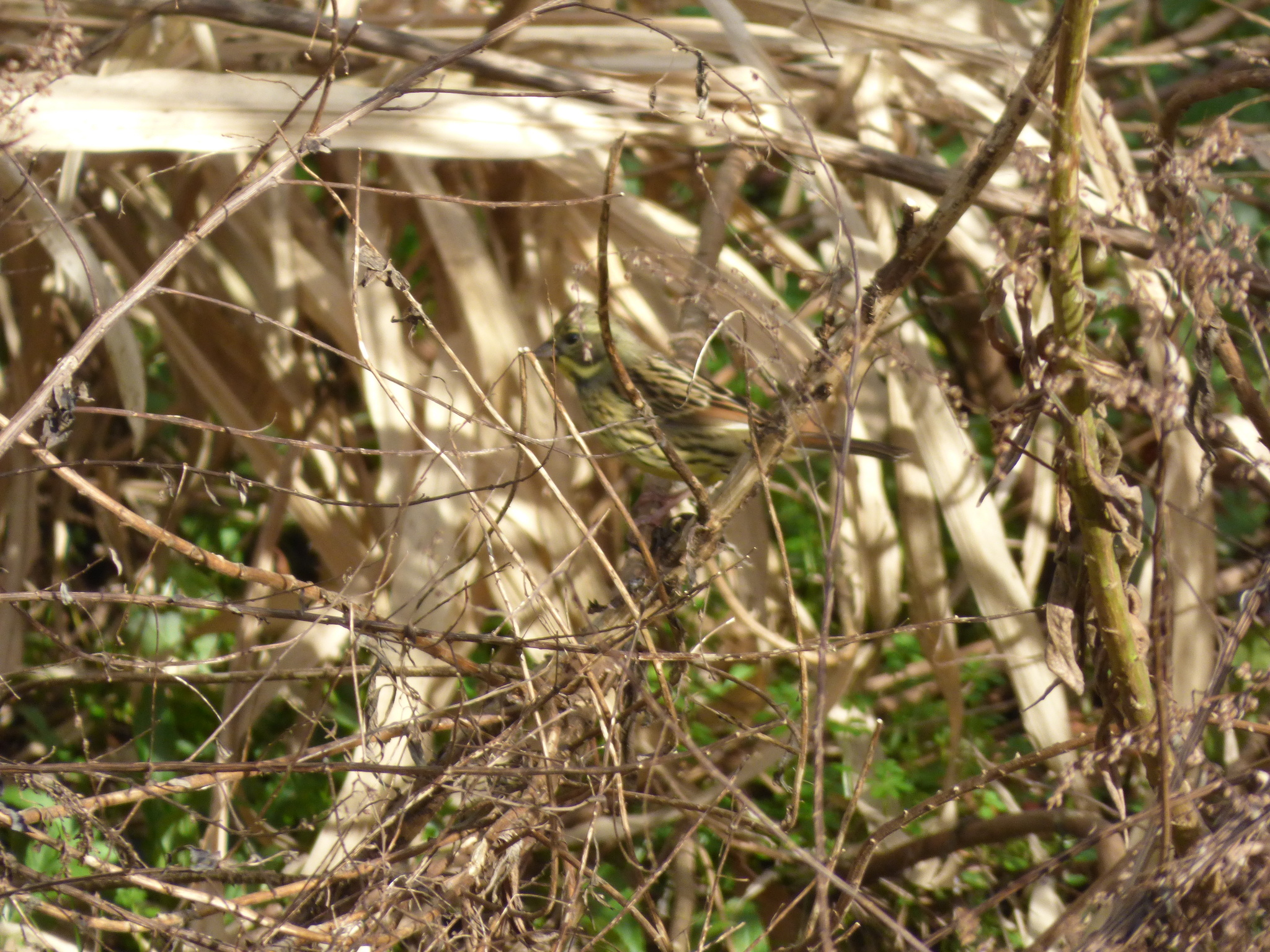
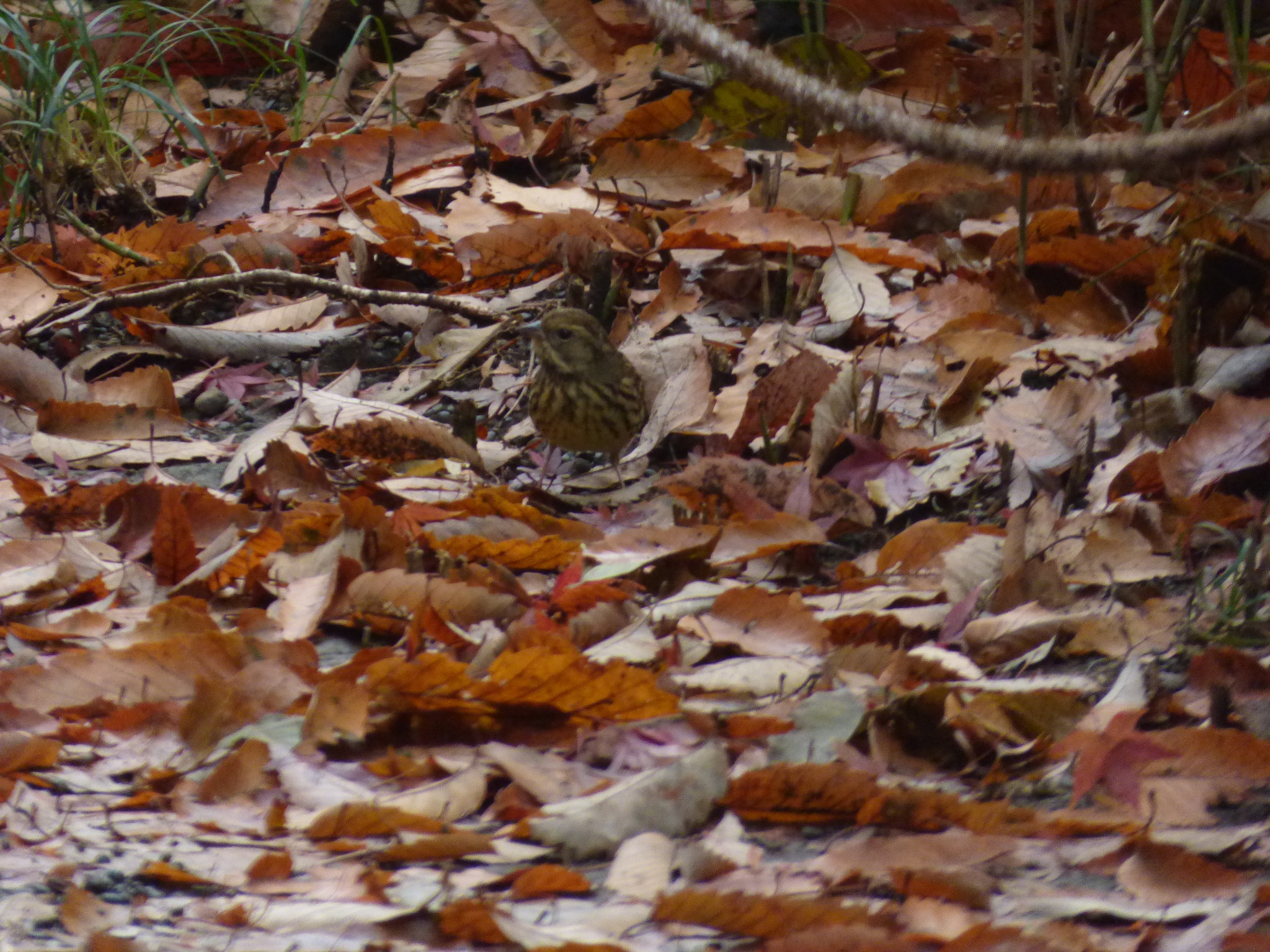
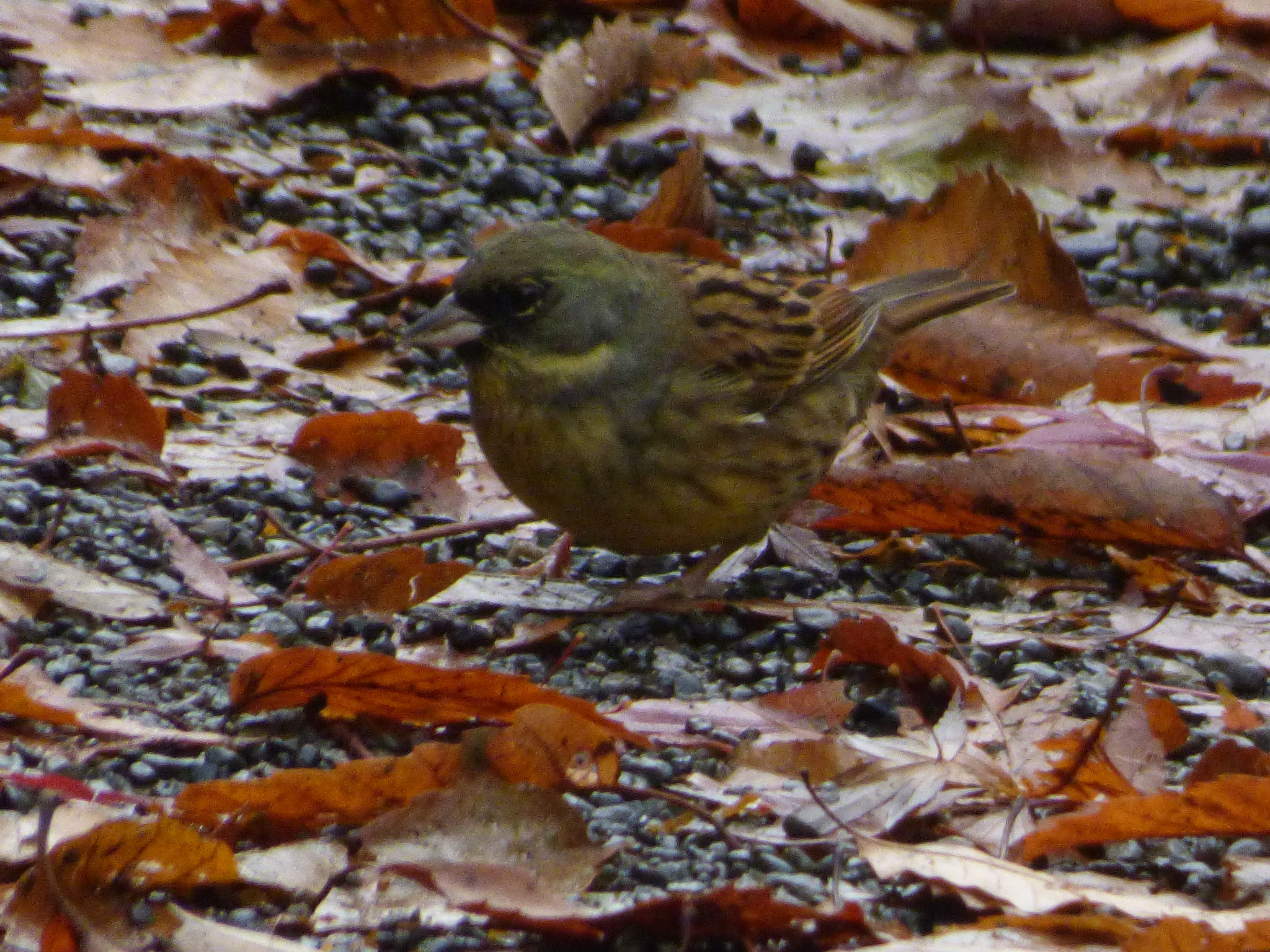
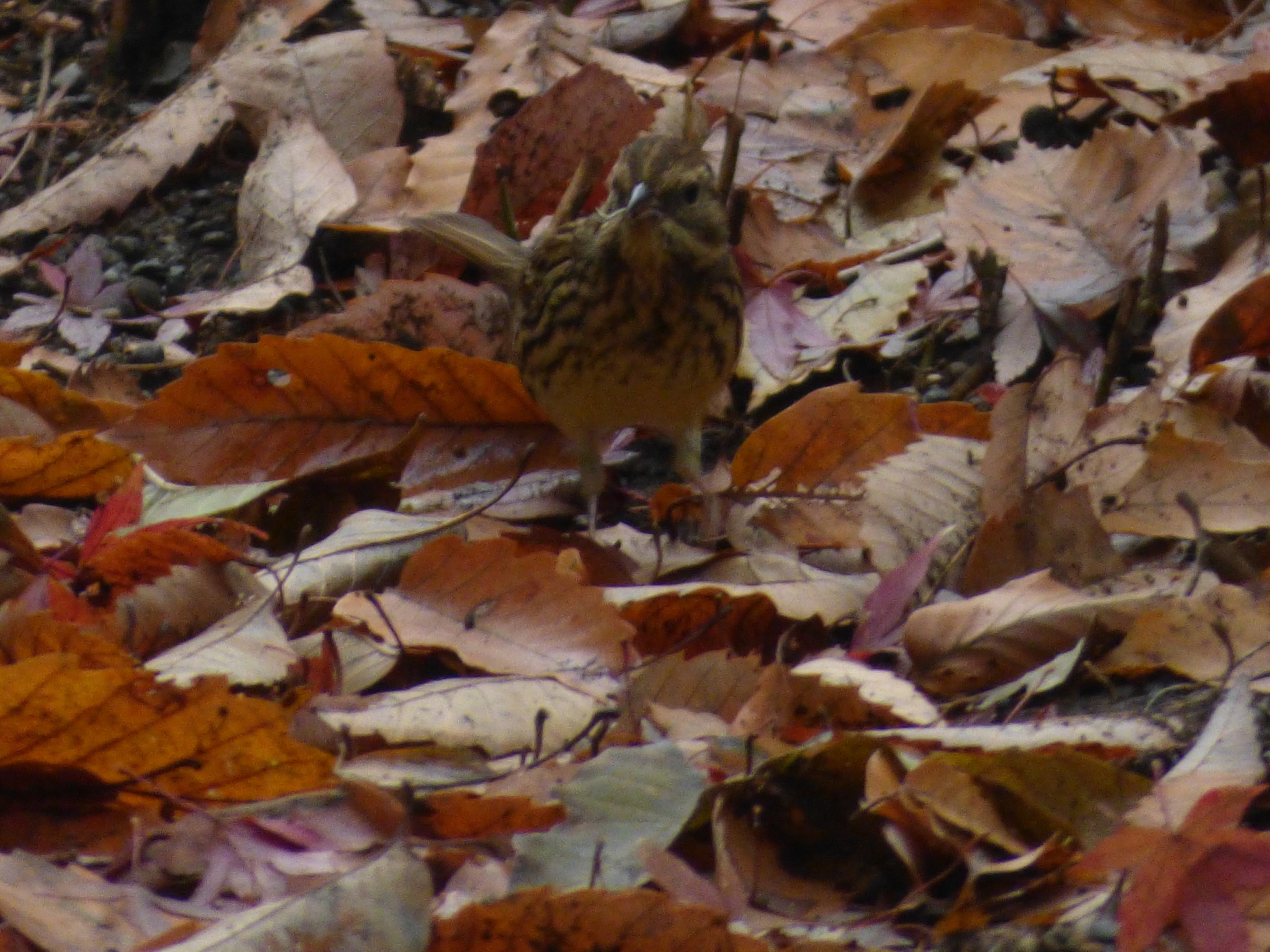
Masked Bunting
Emberiza personata
日本灰头鹀
Introduction
This passerine bird belongs to the bunting family Emberizidae. It is endemic to several island groups in the far eastern Pacific. The species was described as distinct from the black-faced bunting in 2023 based on morphological and genetic differences.
Distribution & Habitat
The species is restricted to Sakhalin Island, the Kuril Islands chain, and the Japanese archipelago. These islands form a biogeographic stepping stone between the Asian mainland and Japan, and this bird occupies the forest and edge habitats typical of the region. The distribution follows a classic island pattern, with populations adapted to the cool temperate and boreal forest zones found across these northern latitudes.
Source: Wikipedia · CC BY-SA 3.0
Taxonomy
- Order
- Passeriformes
- Family
- Emberizidae
- Genus
- Emberiza
- eBird Code
- bkfbun2
Distribution
breeds Sakhalin and southern Kuril Islands to Honshu; winters Honshu to Ryukyu Islands (southern Japan)
Vocalizations
Data Sources
CBR Notes: 将灰头鹀的 personata亚种提升为独立种日本灰头鹀Emberiza personata(Weissensteiner et al. 2014; Päckert et al. 2015; Brazil 2018; HBW/Birdlife)
Species description from Wikipedia, licensed under CC BY-SA 3.0.
Bird images and sounds sourced from GBIF, contributed by citizen scientists worldwide under Creative Commons licenses.
Taxonomy data from AviList 2025.