

Tibetan Bunting
Emberiza koslowi
藏鹀
Description
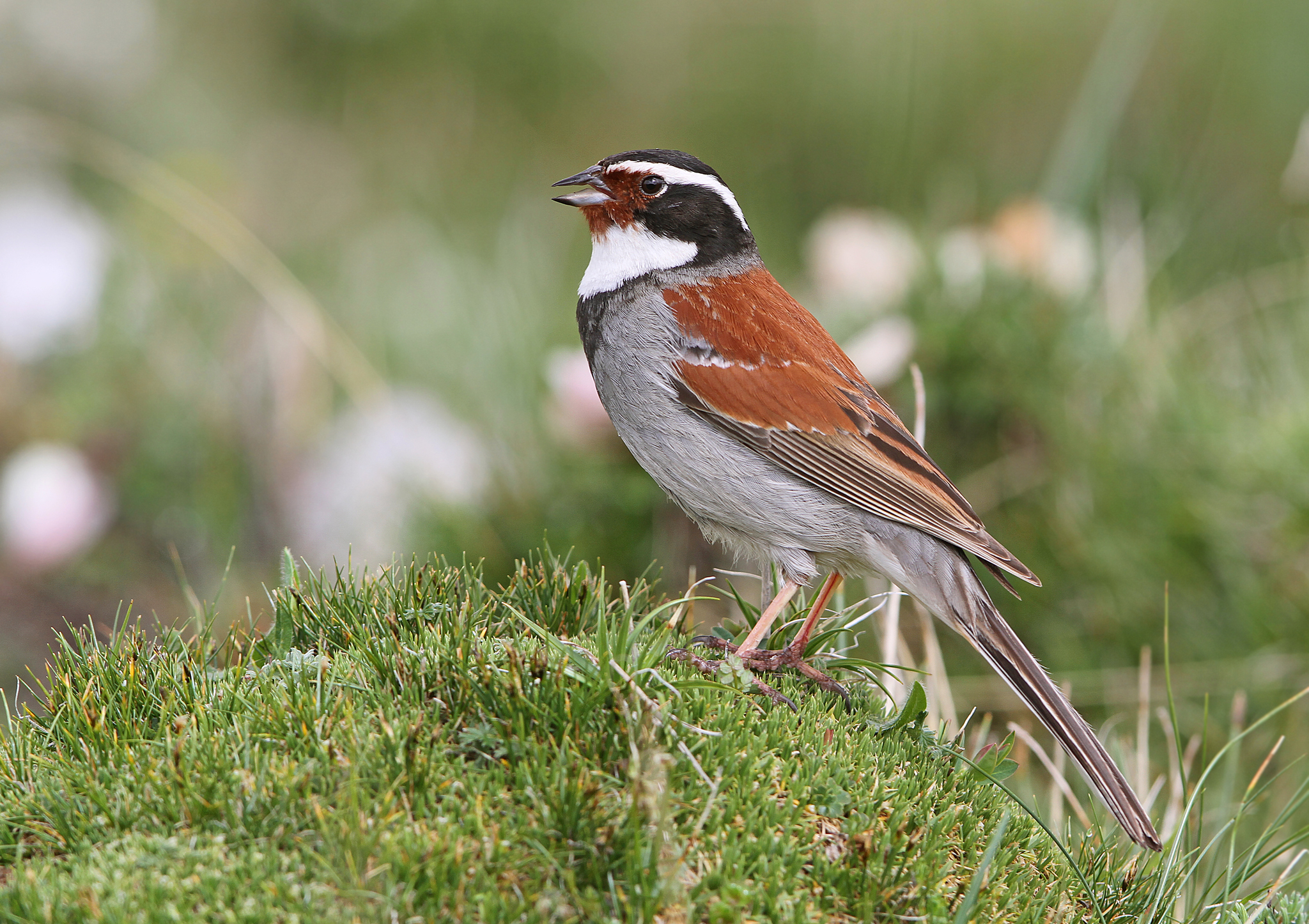
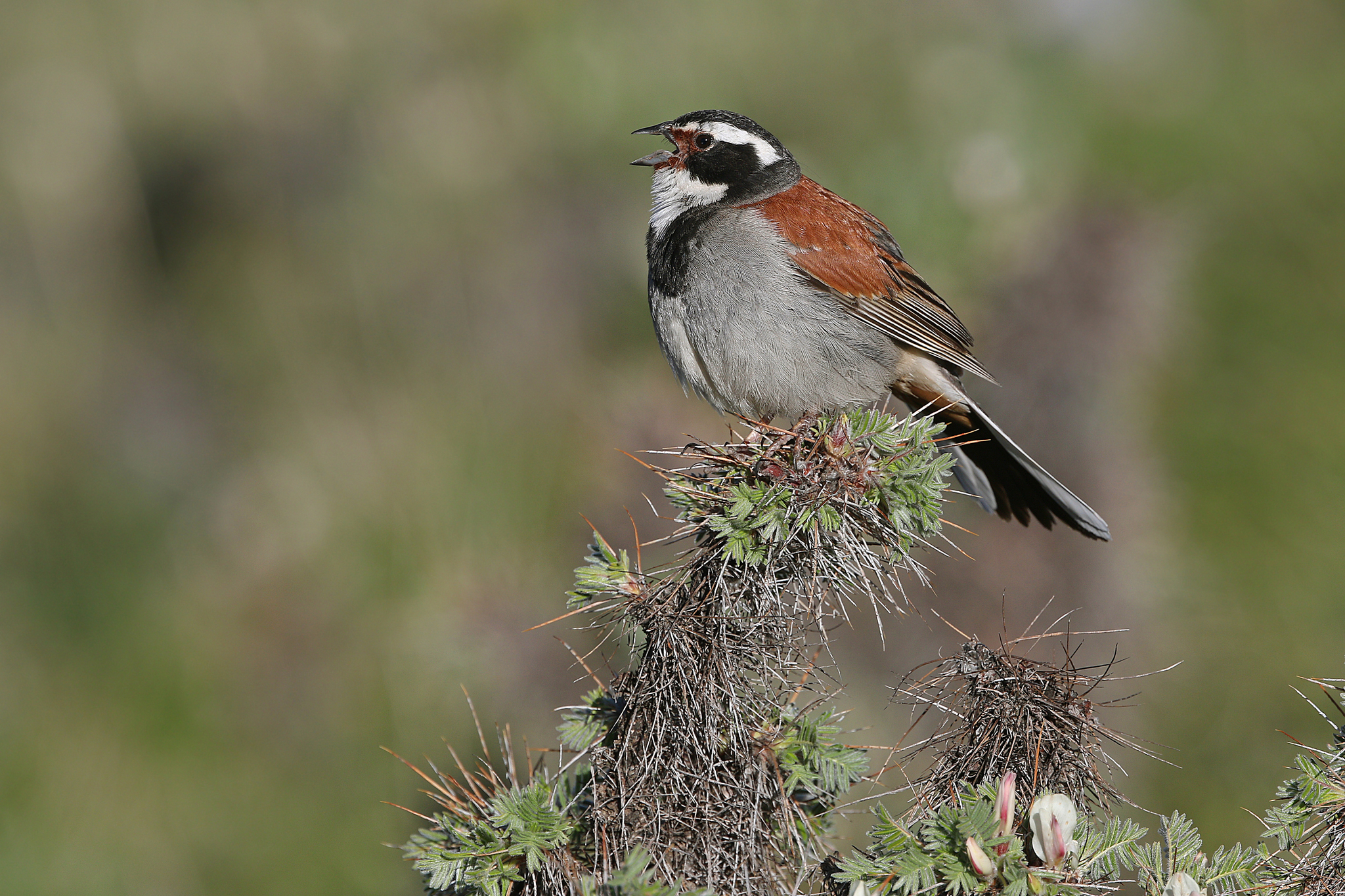
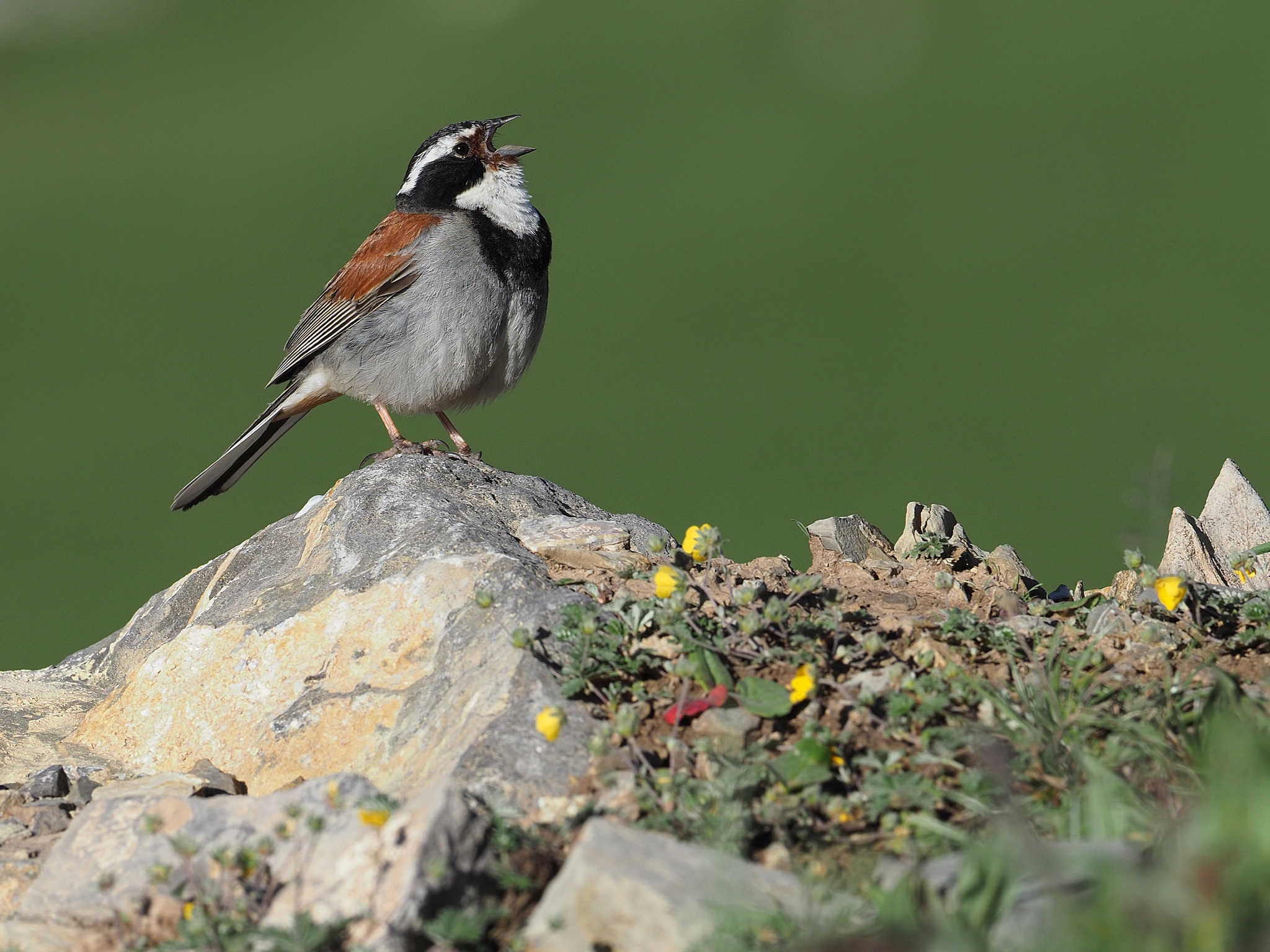
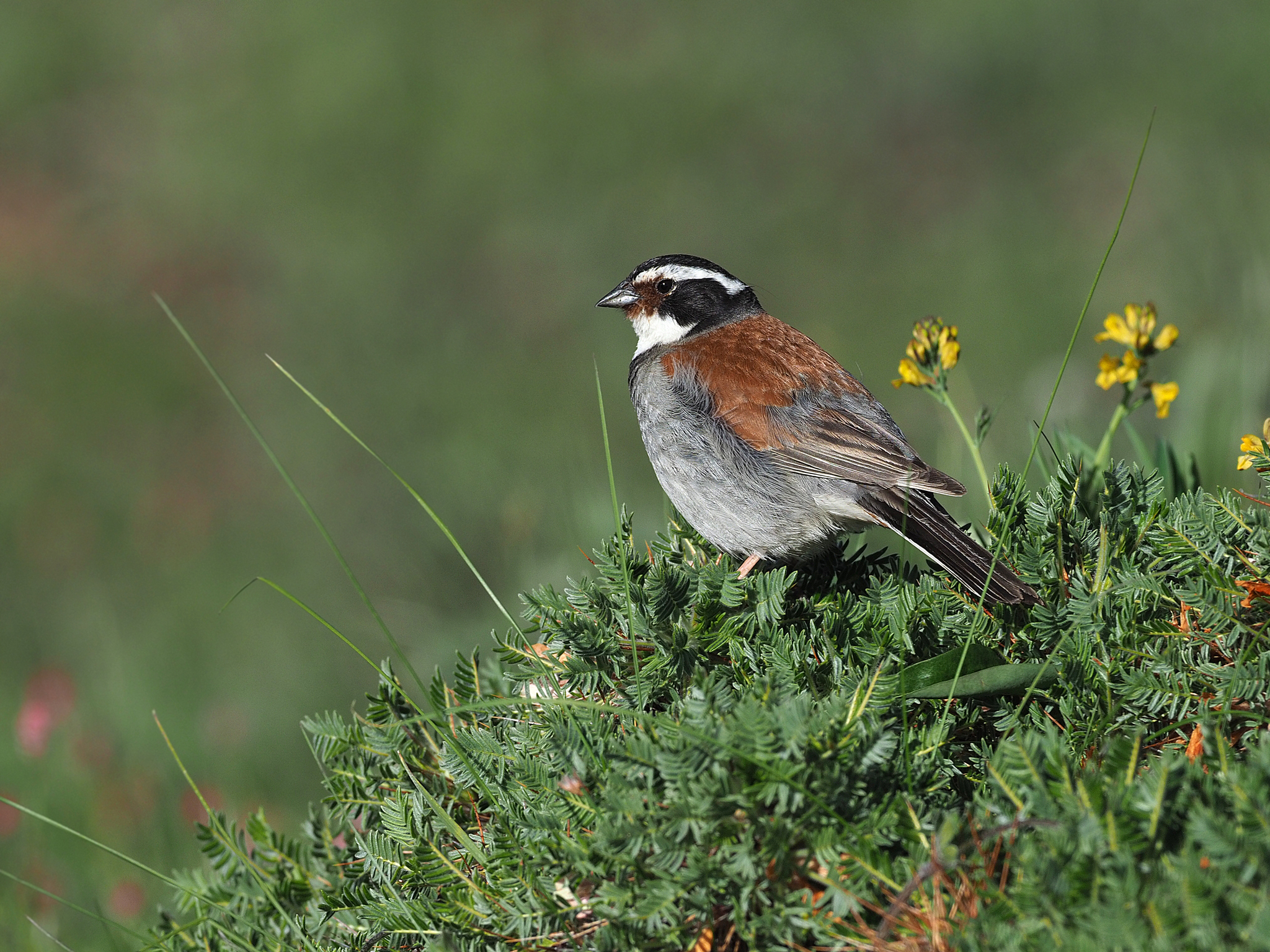
The crown is black with distinctive white stripes at the head. The back is chestnut coloured.
Distribution & Habitat
Endemic to the eastern side of the Tibetan Plateau, this species is restricted to high-altitude habitats on the plateau's eastern slopes.
Behavior & Ecology
This species constructs a unique domed nest structure among Emberizinae buntings, which typically have open cup-shaped nests. The female lays 3 or 4 eggs. Diet varies seasonally, consisting of grains in winter and insects including butterflies, grasshoppers, and beetles during summer months. Primary predators include birds of prey such as falcons and owls, as well as mammals like foxes, weasels, and badgers.
Source: Wikipedia · CC BY-SA 3.0
Taxonomy
- Order
- Passeriformes
- Family
- Emberizidae
- Genus
- Emberiza
- eBird Code
- tibbun1
Distribution
western China (borders of arid Tibet, southwestern Qinghai, and Sichuan)
Data Sources
CBR Notes: IUCN红色名录等级由NT降为LC
Species description from Wikipedia, licensed under CC BY-SA 3.0.
Bird images and sounds sourced from GBIF, contributed by citizen scientists worldwide under Creative Commons licenses.
Taxonomy data from AviList 2025.