Chestnut-eared Bunting
Emberiza fucata
栗耳鹀
Introduction
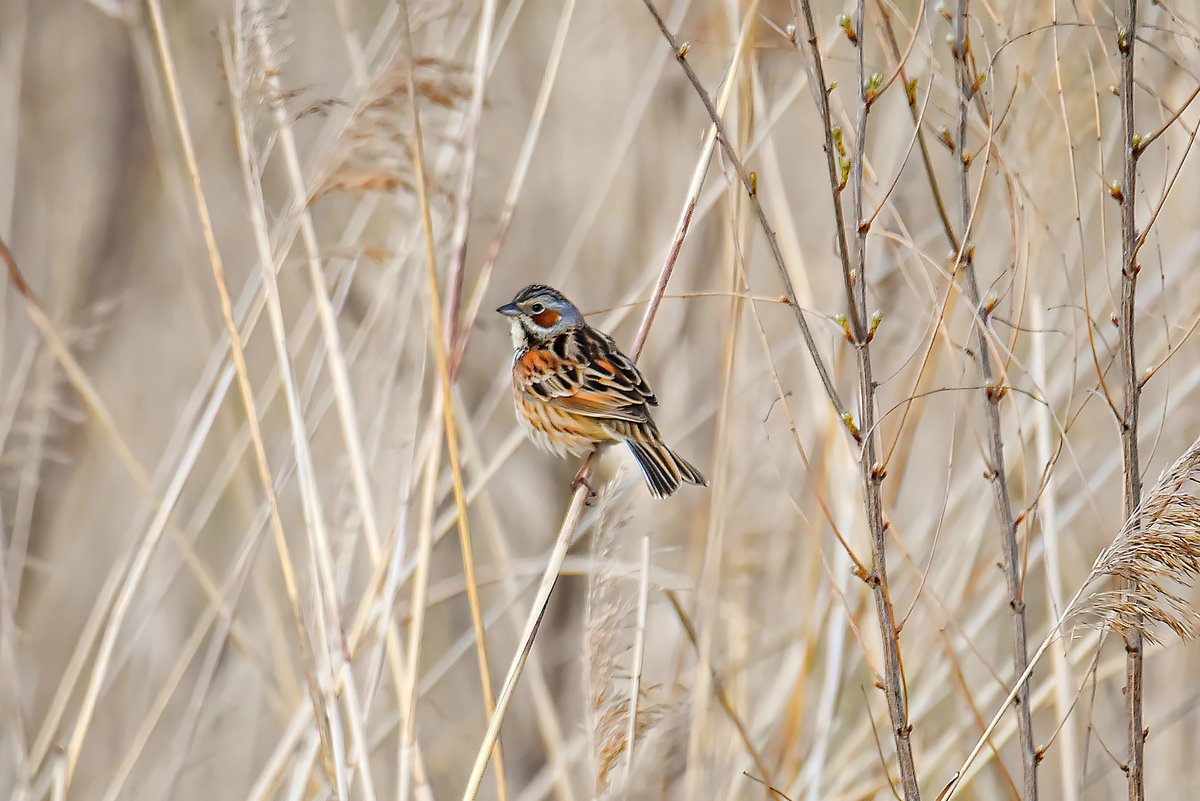
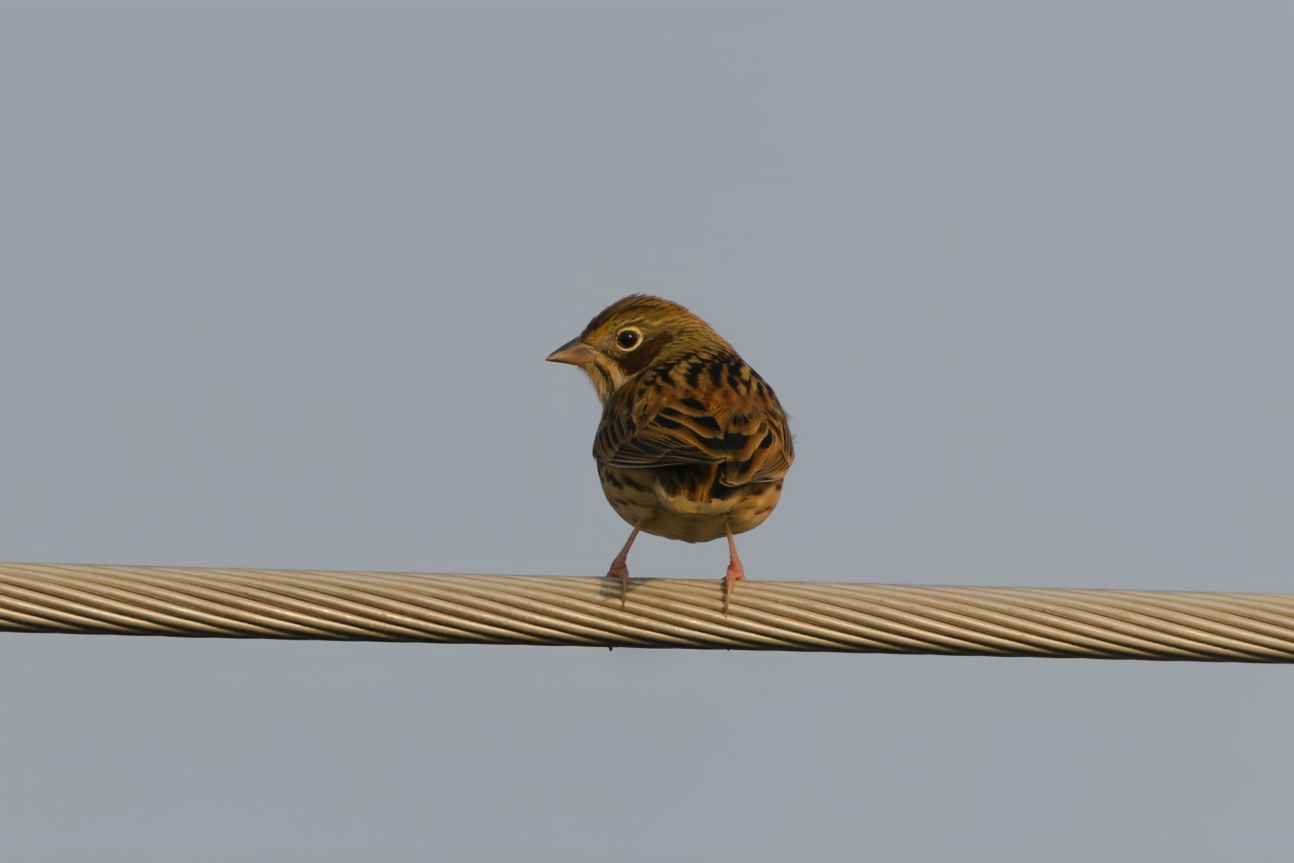
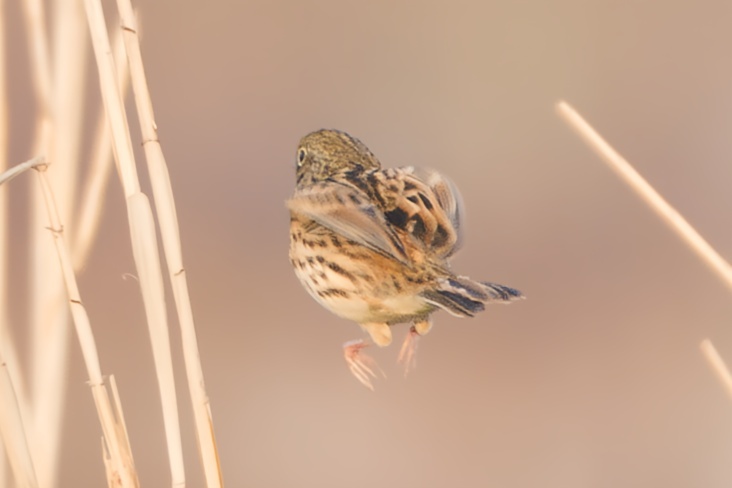
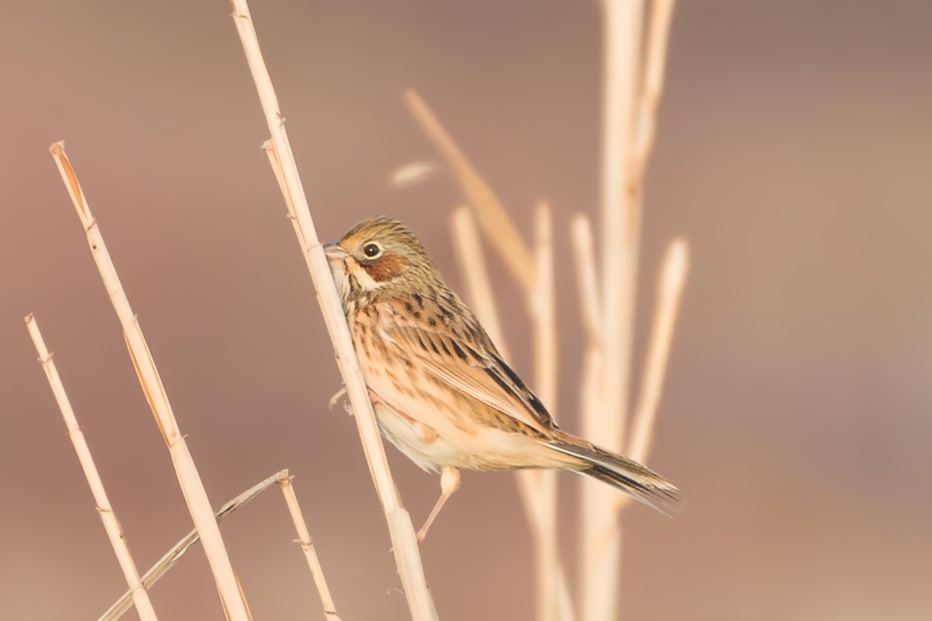
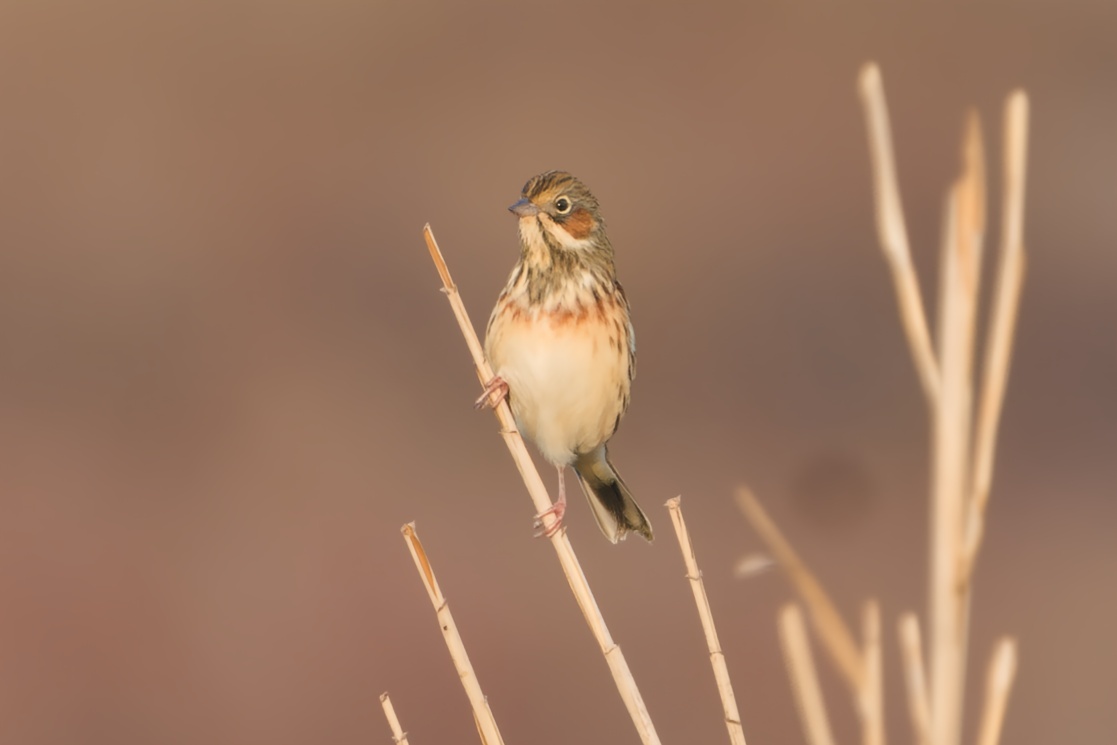
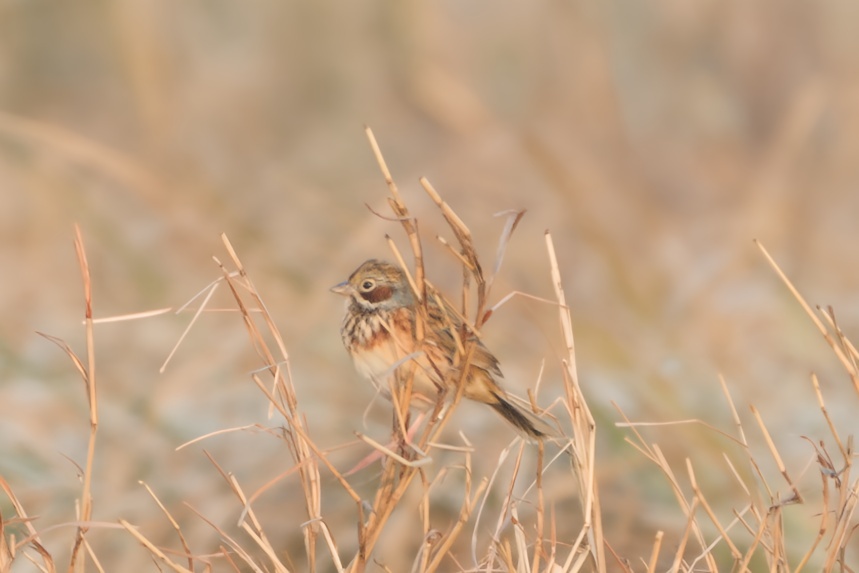
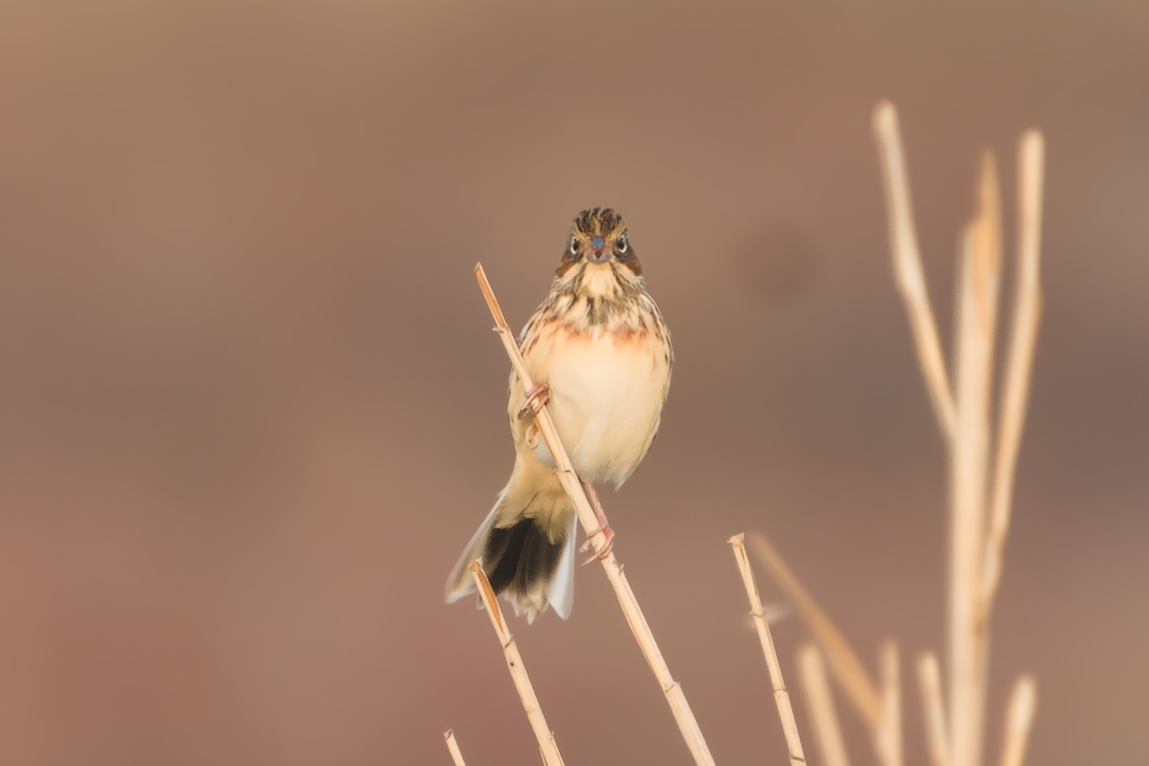
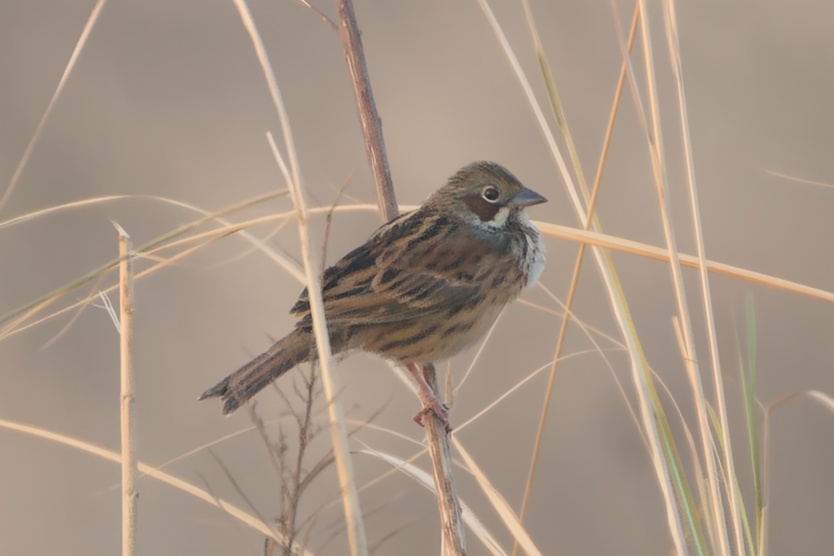
This bunting belongs to the Emberiza genus and occurs across East Asia. The species inhabits open landscapes with scrub and grassland. Its defining features include a distinctive head pattern, colorful breast markings, and chestnut ear-coverts that give the species its name. Males display these chestnut ear-coverts prominently. The species has multiple common names, including grey-headed bunting and grey-hooded bunting; however, the latter name sometimes causes confusion with the grey-necked bunting, a separate species. During breeding season, males sing from prominent perches. The species exhibits sexual and age-based plumage variation, with first-winter birds being plainer than adults. Wintering individuals join mixed flocks and become more elusive.
Description
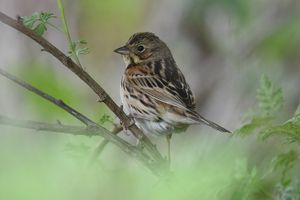
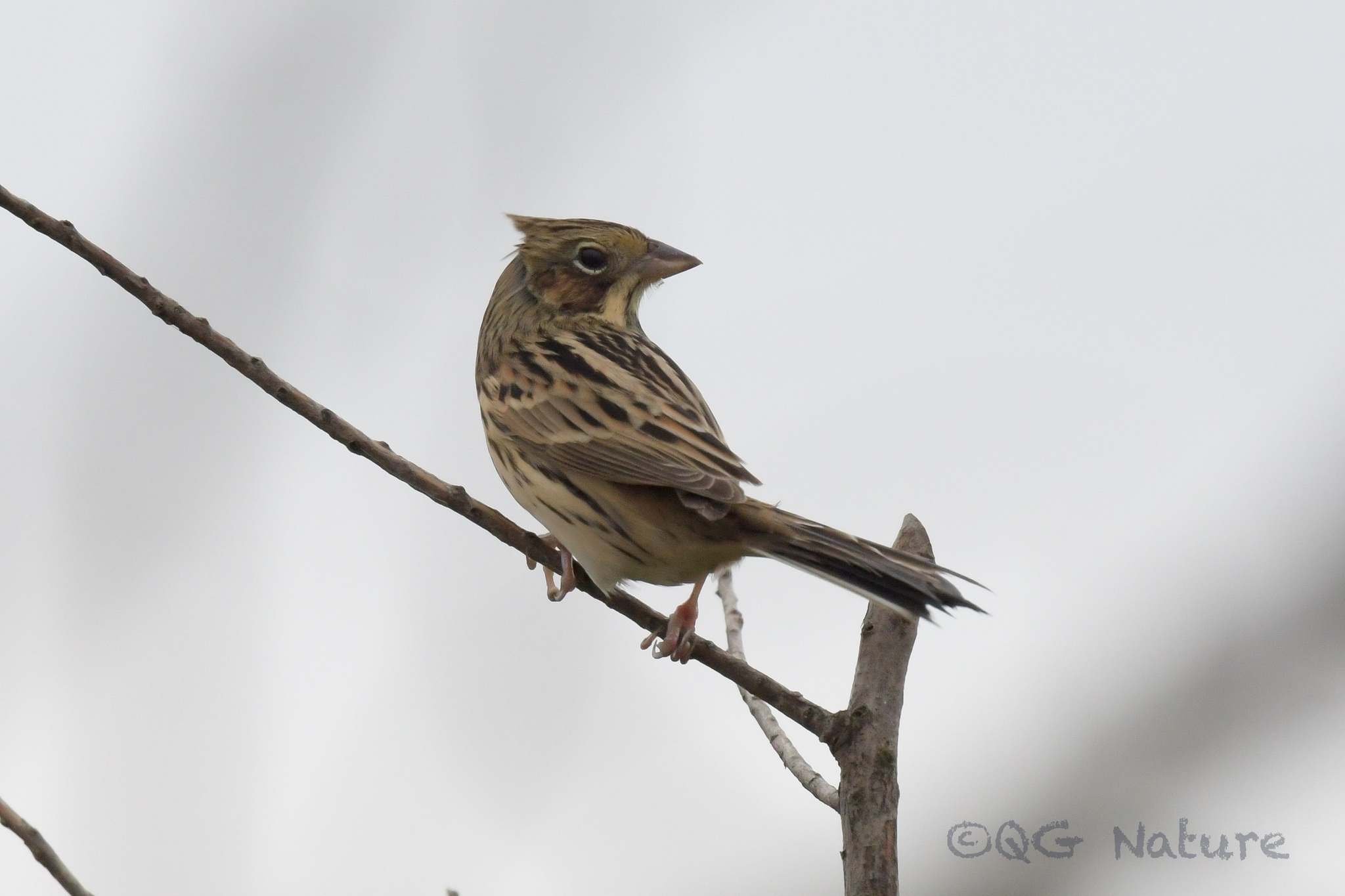
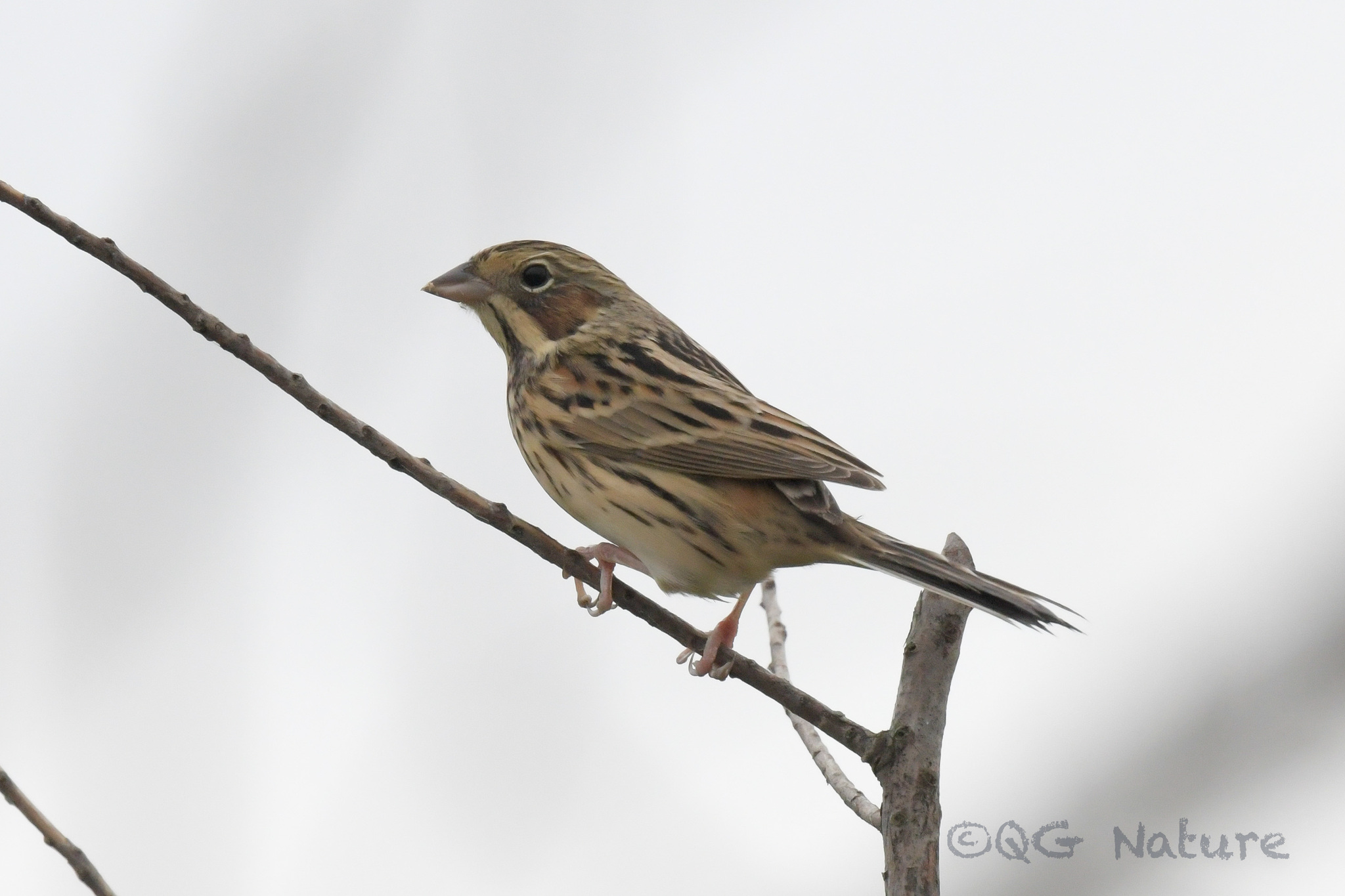
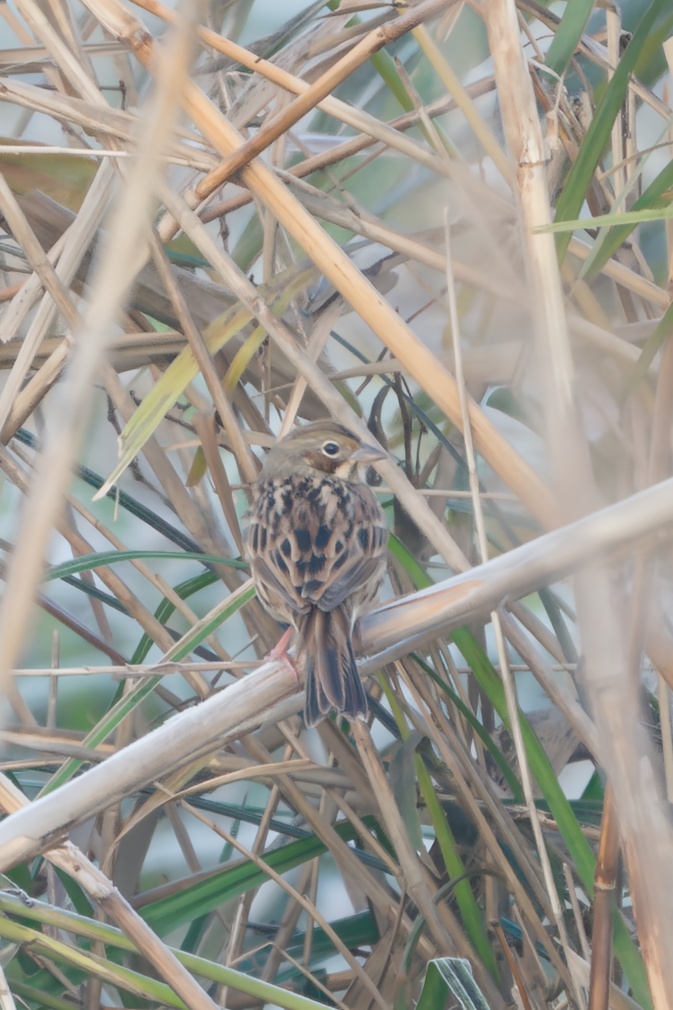
A compact bunting measuring 15 to 16 centimeters in length. The upperparts are predominantly brown with dark streaking throughout. Males display a grey crown and nape marked with dark streaks, with distinctive chestnut ear-coverts being a key identifying feature. The breast features bold bands of black and chestnut, creating a striking pattern. A rufous patch adorns the shoulders, and the rump is also washed with rufous. Females resemble males but with duller overall coloration and less distinct head and breast patterns. First-winter birds are plainer with warm brown ear-coverts and possess a conspicuous eye ring that contrasts with their otherwise subdued plumage.
Identification
The voice provides important clues for identification, being similar to the rustic bunting but noticeably quieter. The song is a rapid, accelerating twittering that begins with staccato notes before concluding with a distinctive two or three-note phrase. The call is an explosive 'pzick' sound. Males in breeding plumage are unmistakable due to the combination of grey head, chestnut ear-coverts, and the characteristic breast pattern. Females require more careful observation, with the warm brown ear-coverts and eye ring of first-winter birds serving as useful identification markers. The species' relatively small size and the breast pattern help separate it from larger bunting species.
Distribution & Habitat
The breeding range stretches from the Himalayas, scattered across China, to southeastern Siberia, Korea, and northern Japan. Northern populations are migratory, spending the winter months in southern Japan, southern China, Taiwan, northeastern India, Bangladesh, and throughout Southeast Asia. The species has occurred as a vagrant in Kazakhstan, with the first European record documented on Fair Isle in Scotland during October 2004. Preferred breeding and wintering habitats include scrub, open fields, and grassland environments where the bird forages on the ground and perches in low vegetation.
Behavior & Ecology
The breeding season varies geographically, running from May to August in India, May to July on Honshū, and June through August on Hokkaidō. The species builds a cup-shaped nest positioned either on the ground or low within a bush. Clutches typically contain three to six eggs, with four being the most common number. The eggs are whitish in base color with reddish-brown speckling throughout. Incubation lasts approximately 12 days and is undertaken by the female alone. The species feeds on seeds and insects, foraging primarily on the ground in open habitats.
Source: Wikipedia · CC BY-SA 3.0
Taxonomy
- Order
- Passeriformes
- Family
- Emberizidae
- Genus
- Emberiza
- eBird Code
- chebun2
Vocalizations
Subspecies (3)
-
Emberiza fucata arcuata
breeds Himalayas (Pakistan to Bangladesh; northern Yunnan); winters to Myanmar
-
Emberiza fucata fucata
mountains of Mongolia and Manchuria to Korea and Japan
-
Emberiza fucata kuatunensis
southern China (Jiangsu to Guangdong and southern Yunnan)
Data Sources
Species description from Wikipedia, licensed under CC BY-SA 3.0.
Bird images and sounds sourced from GBIF, contributed by citizen scientists worldwide under Creative Commons licenses.
Taxonomy data from AviList 2025.