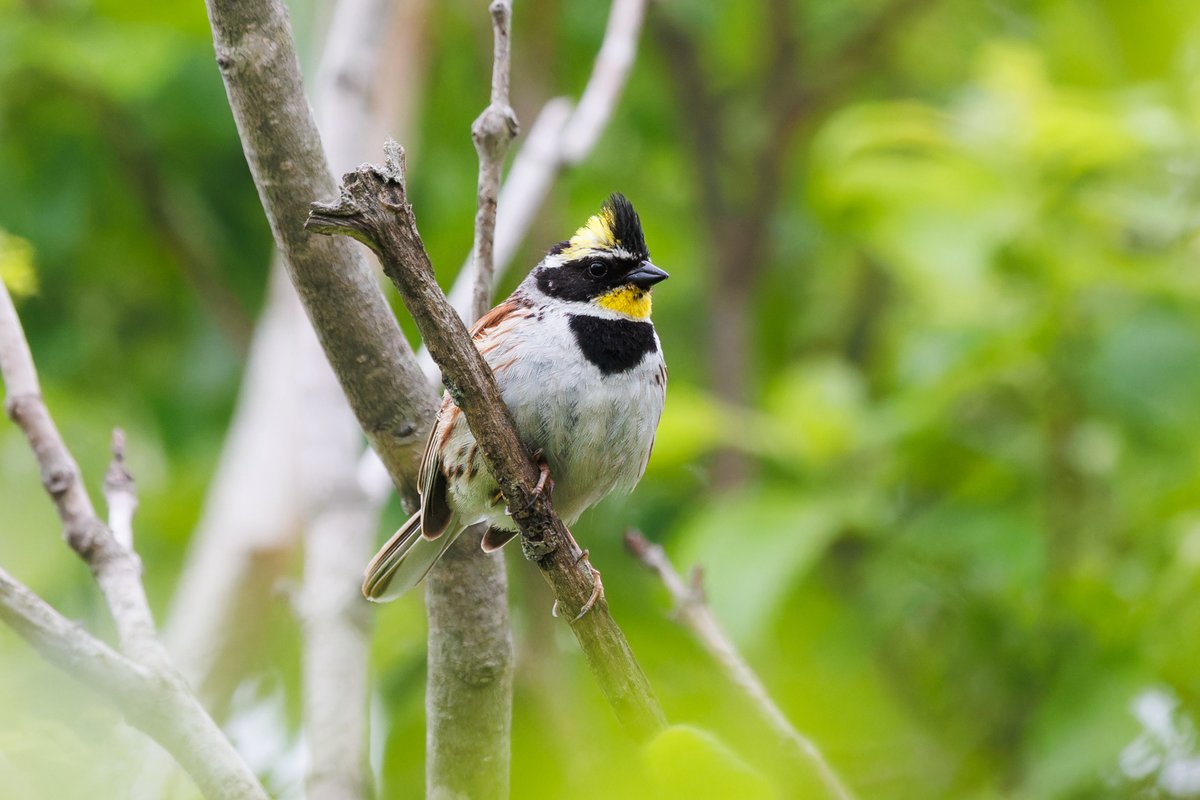
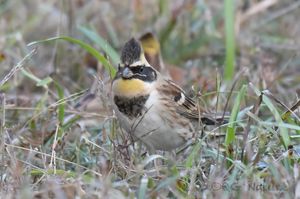
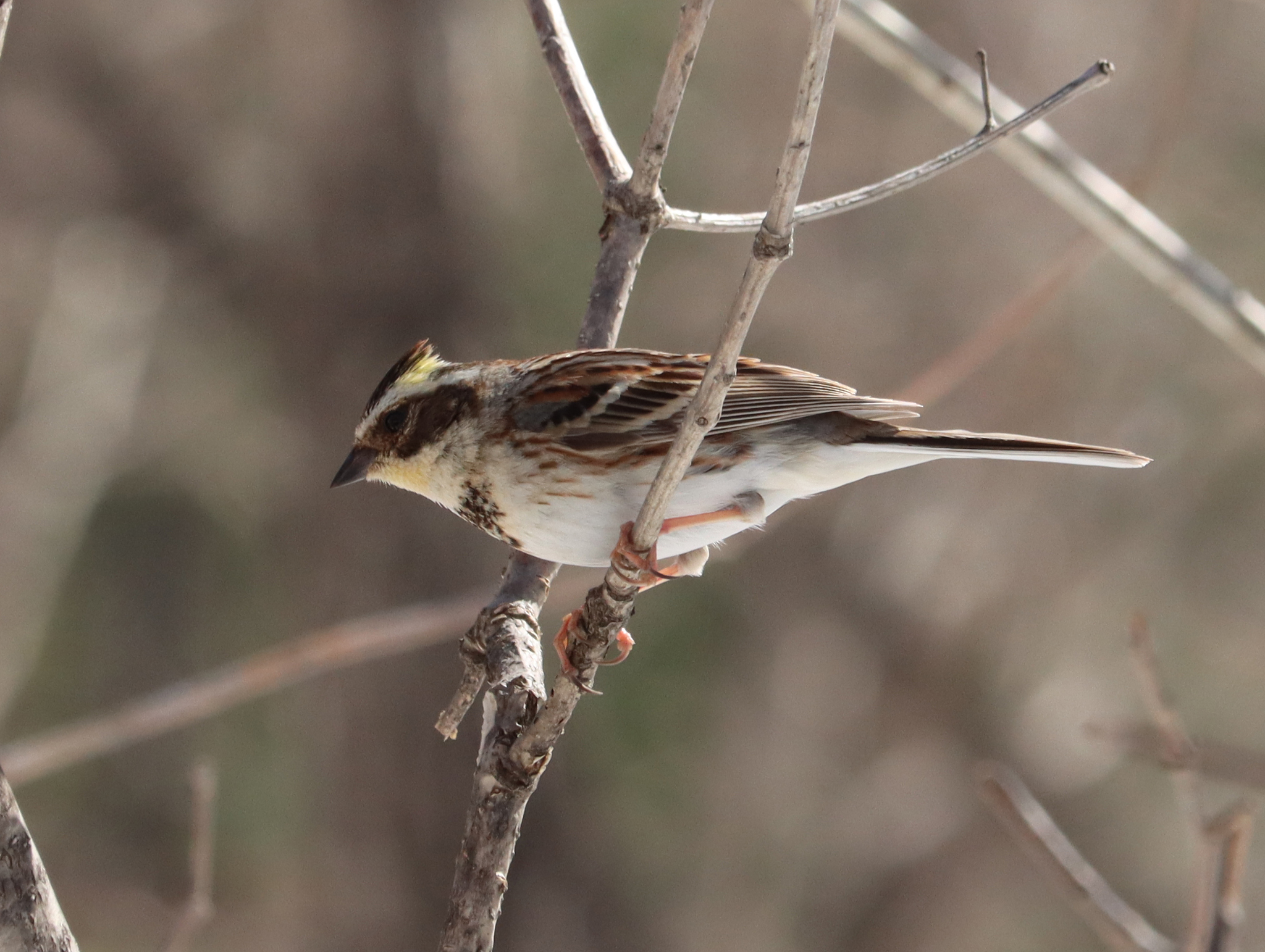
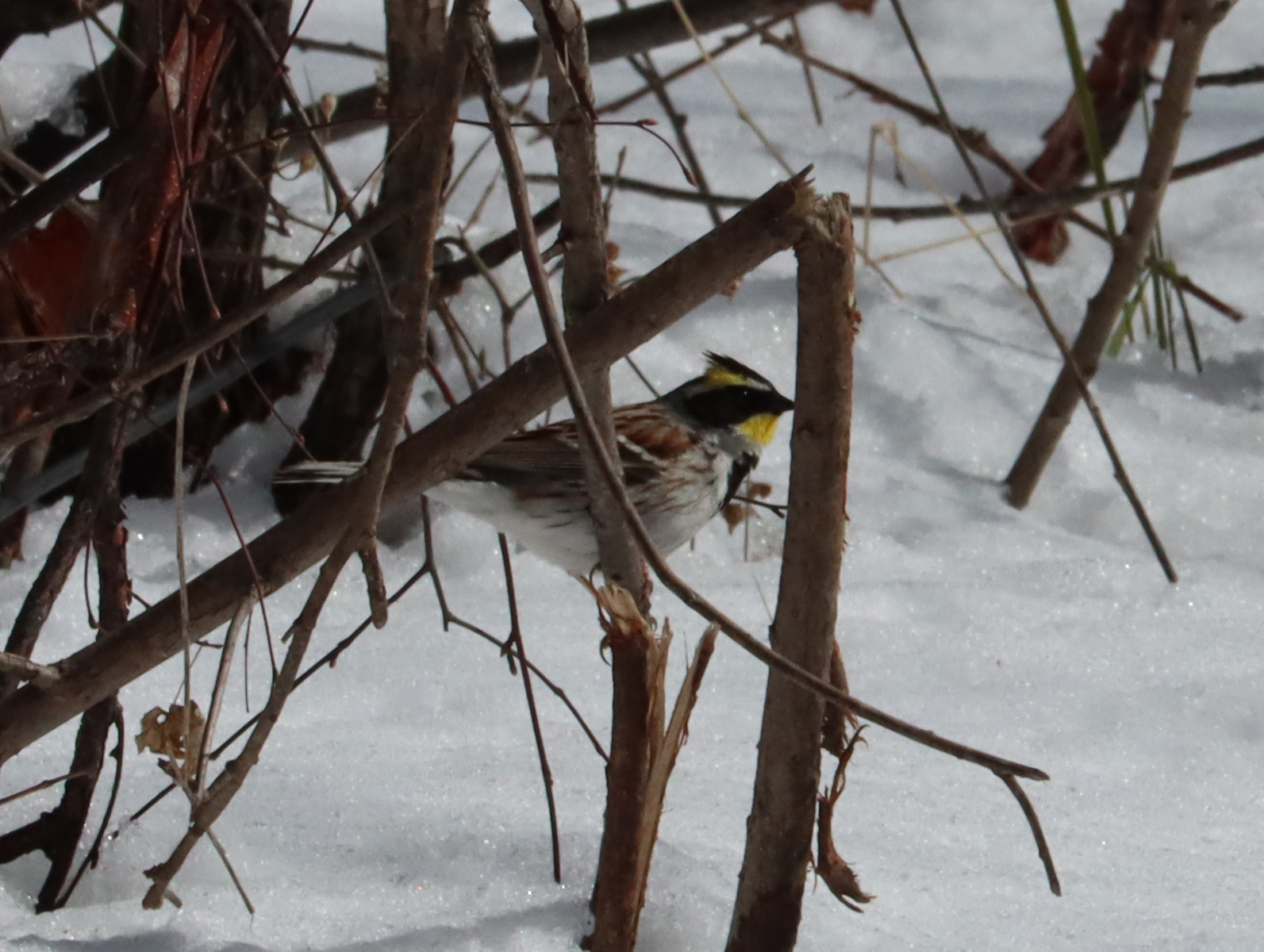
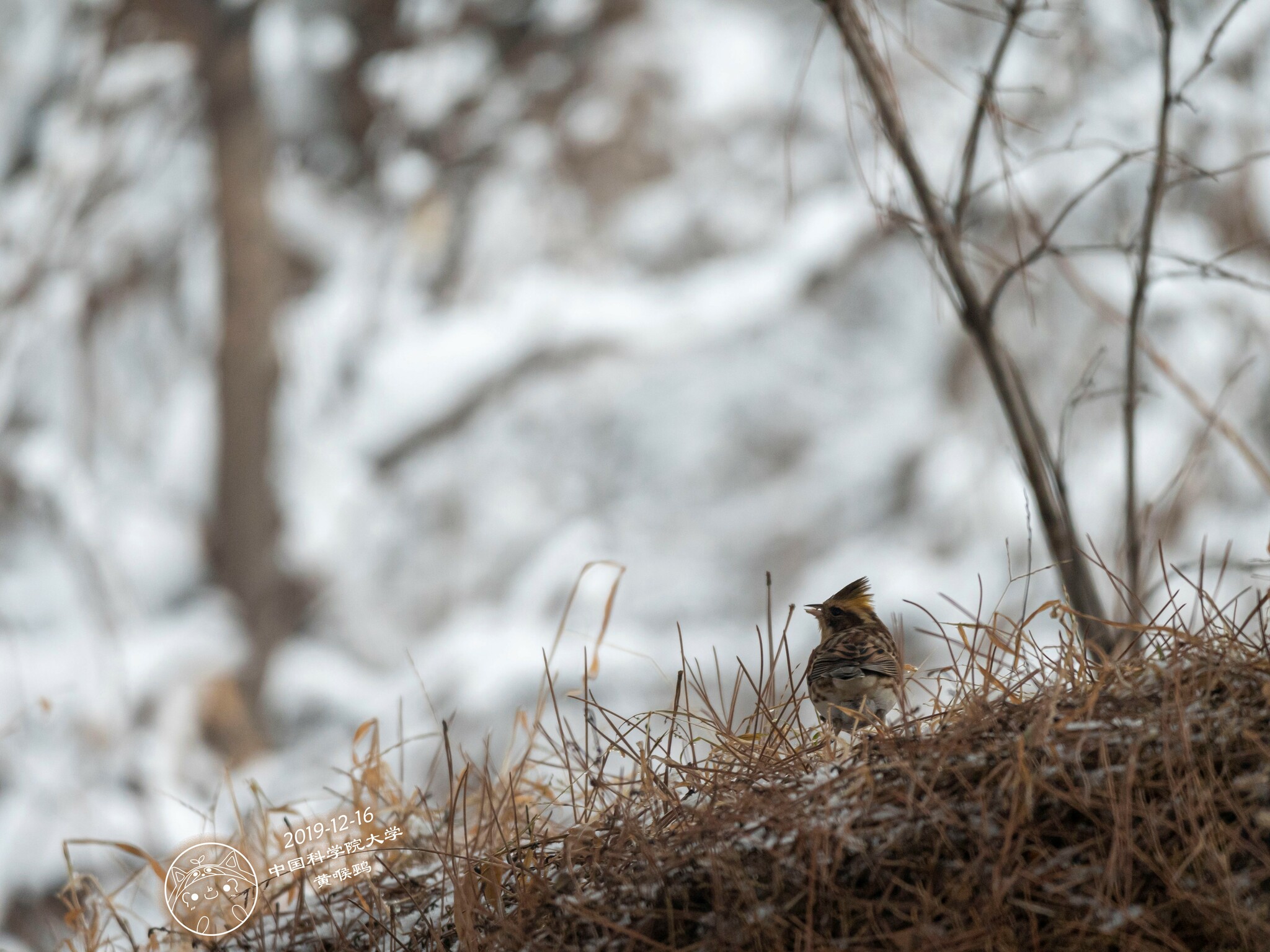
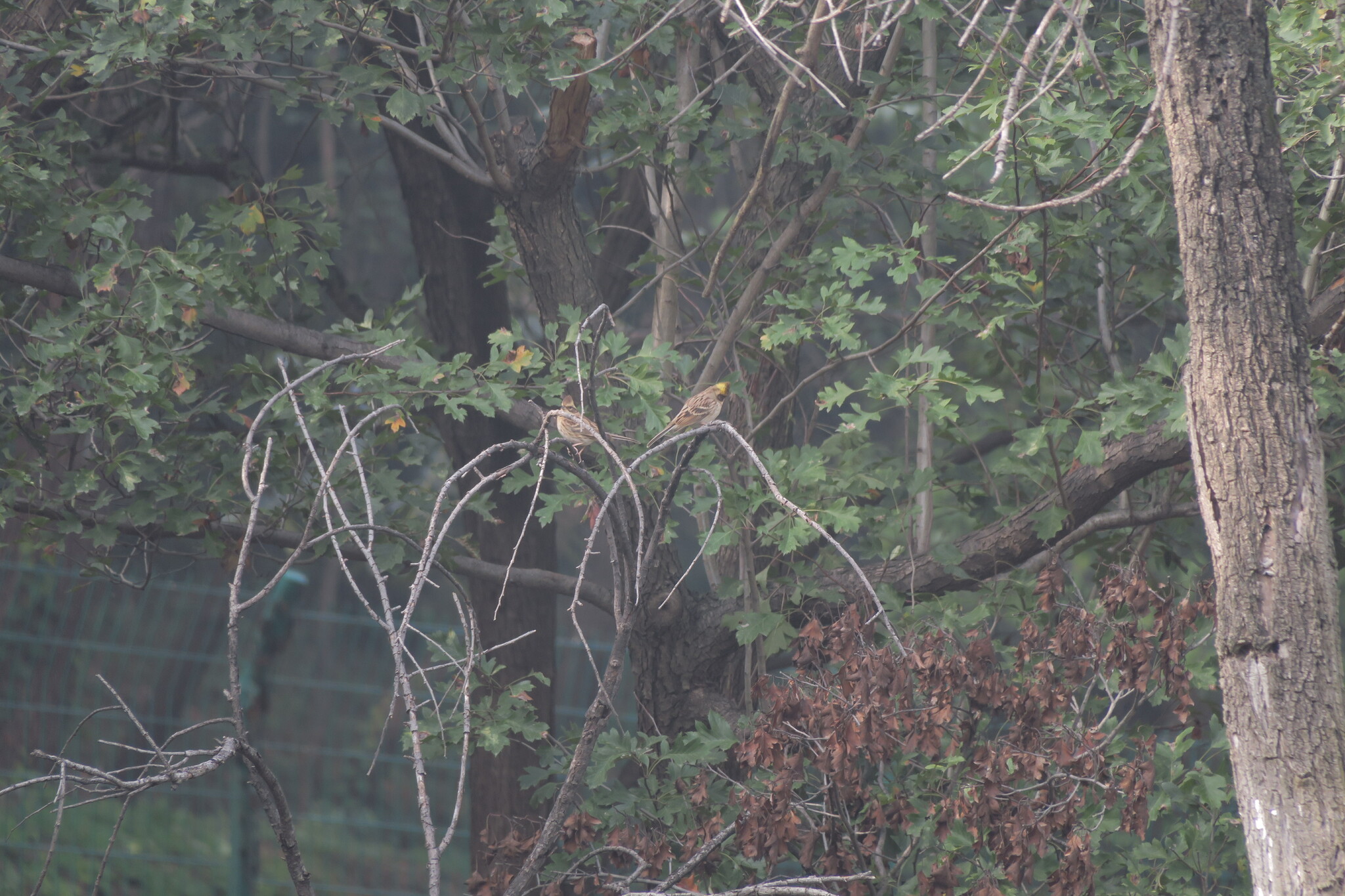
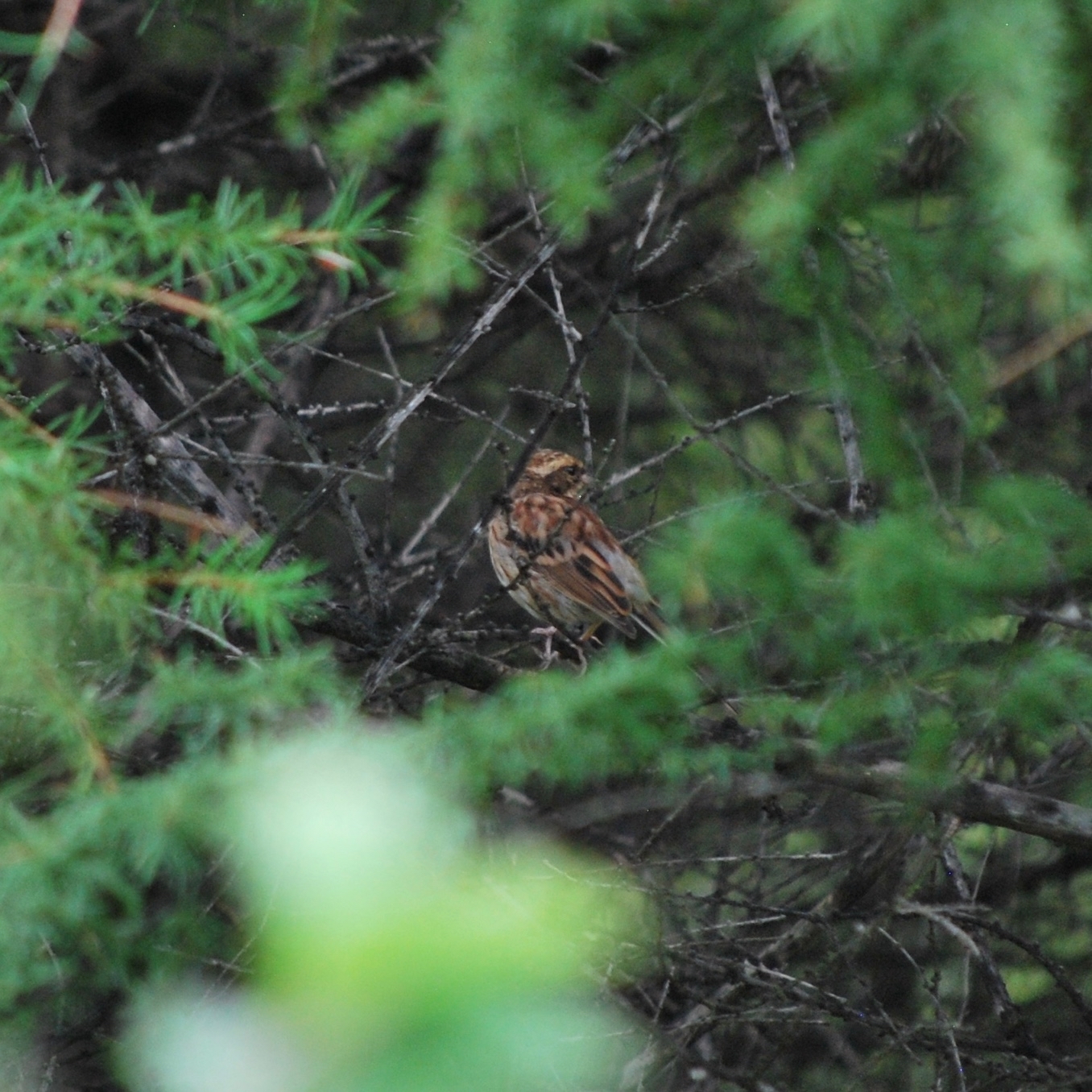
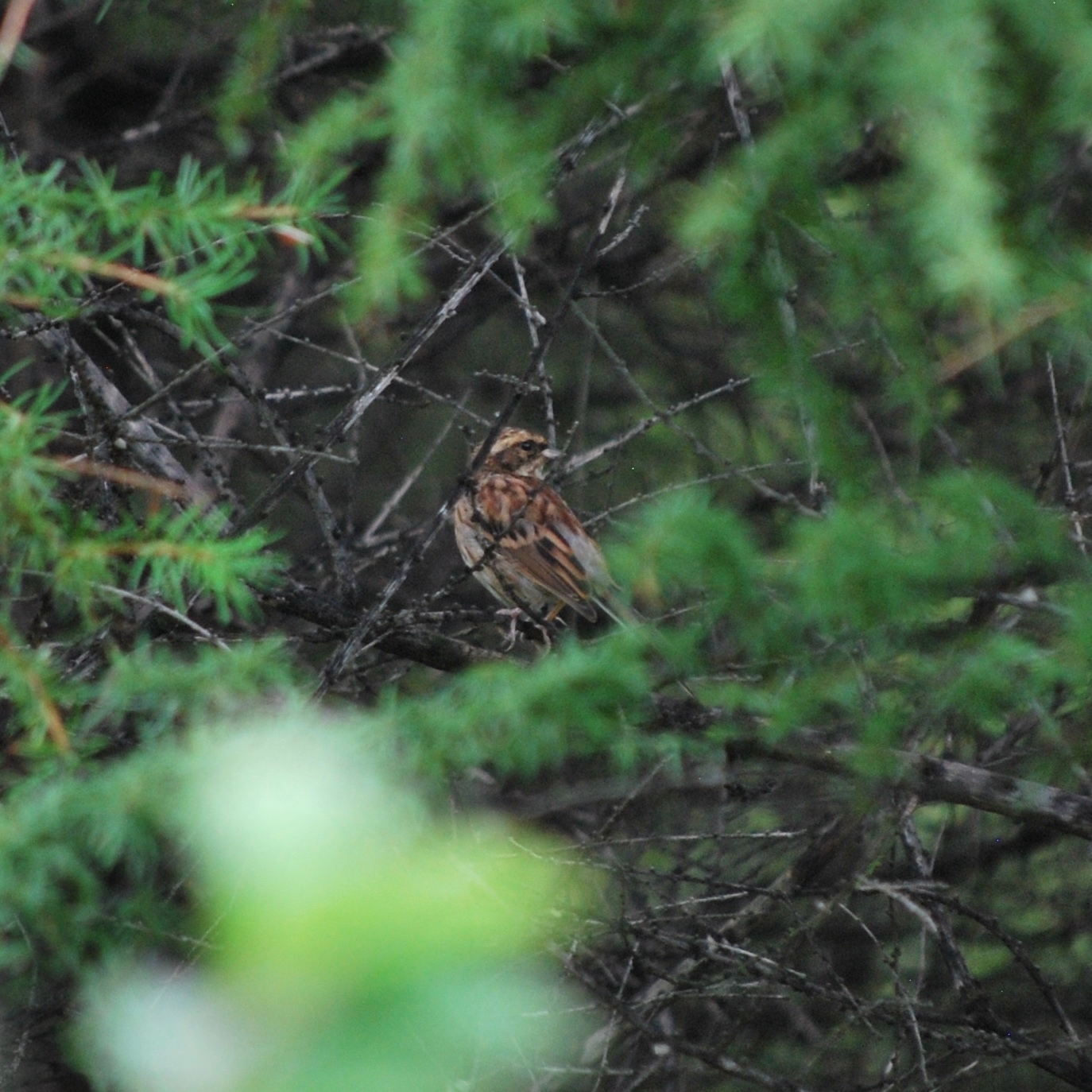
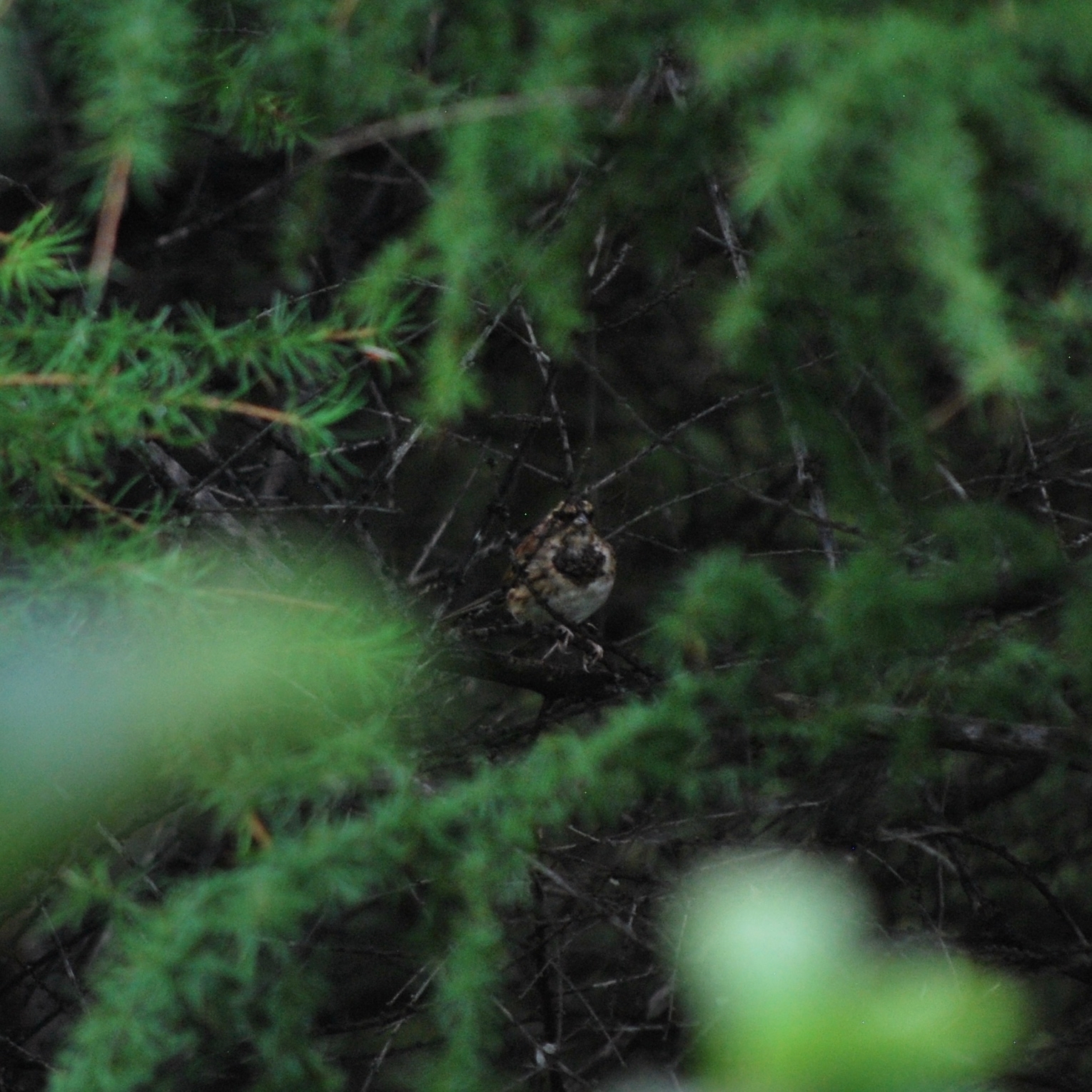
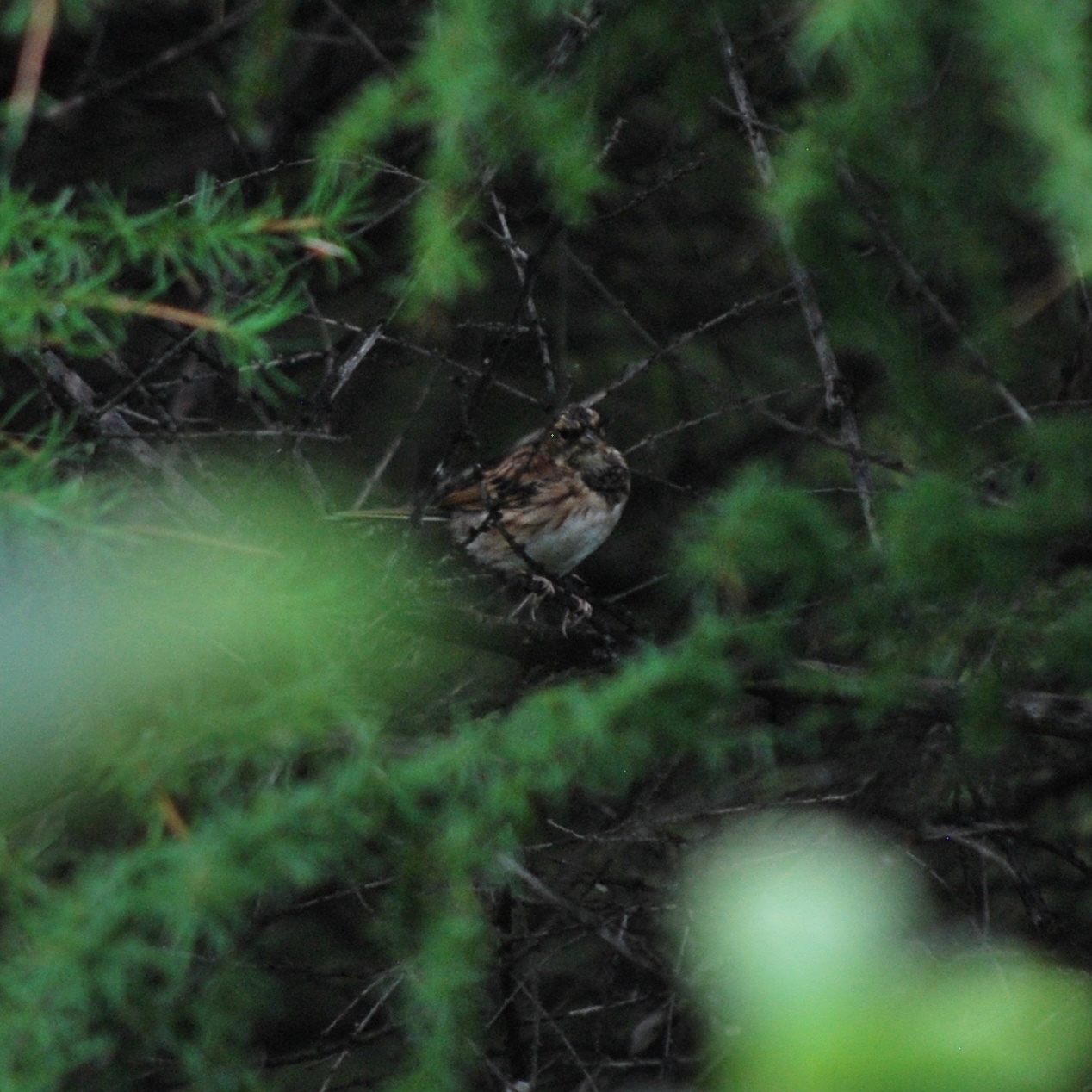
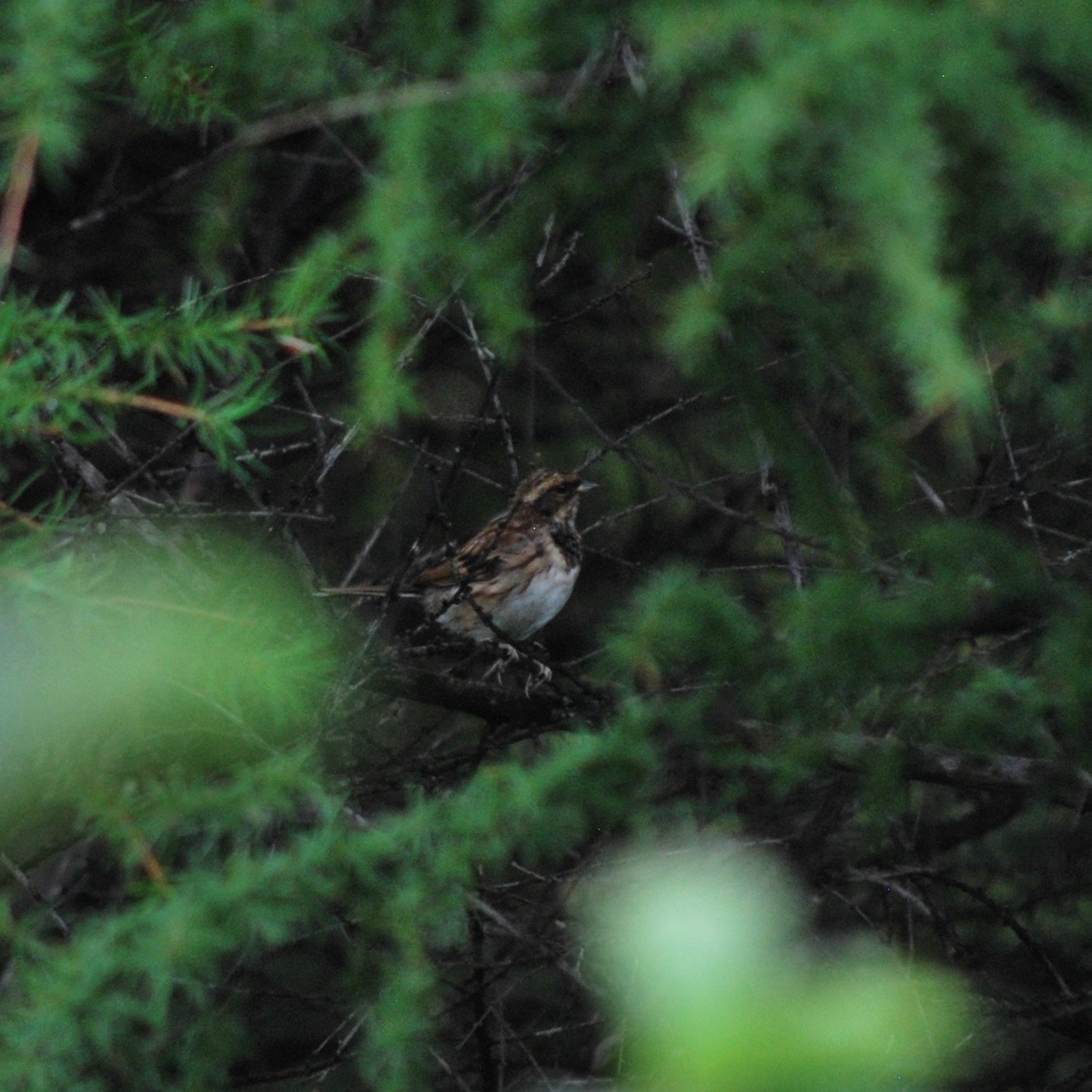
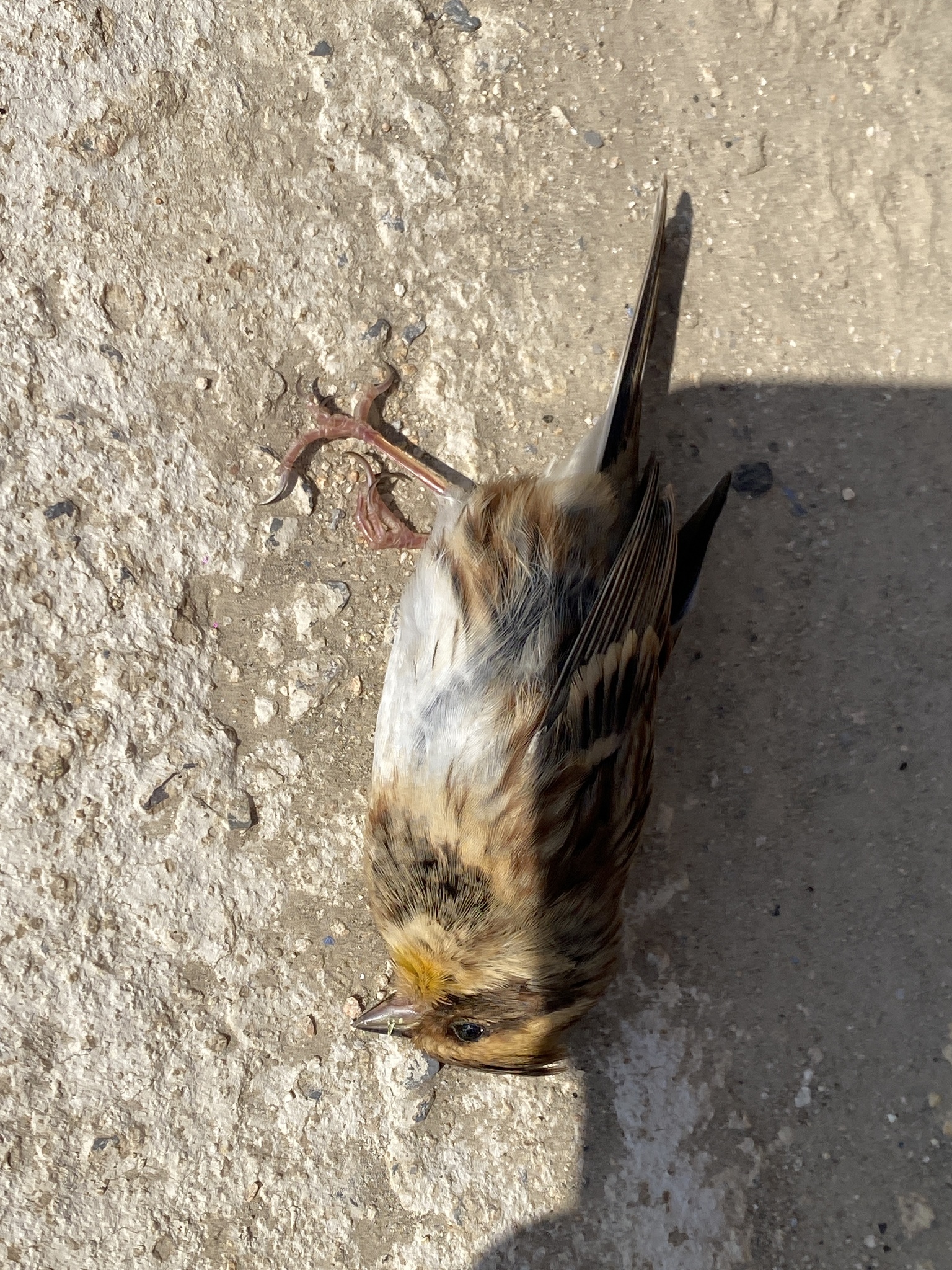
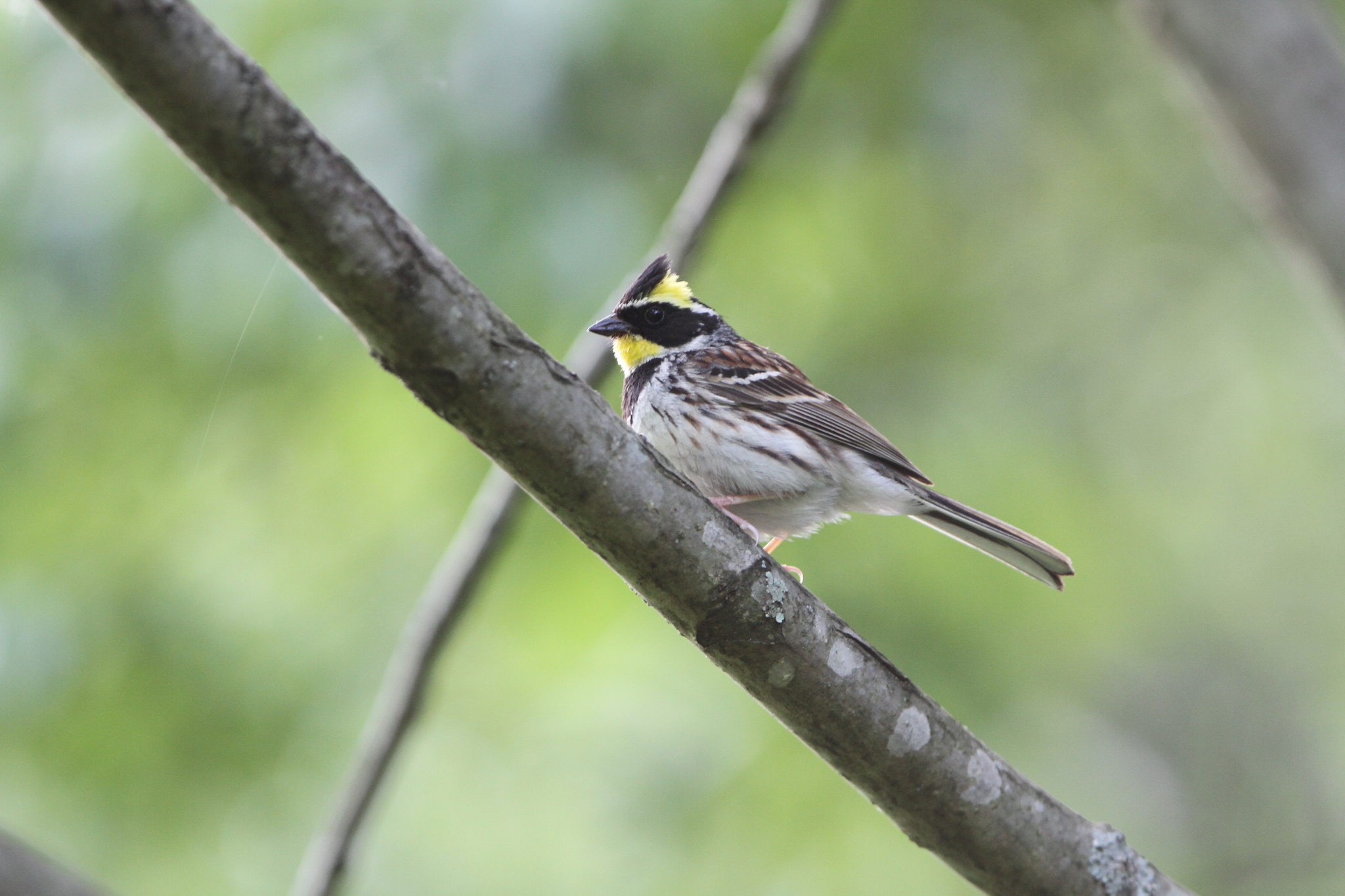
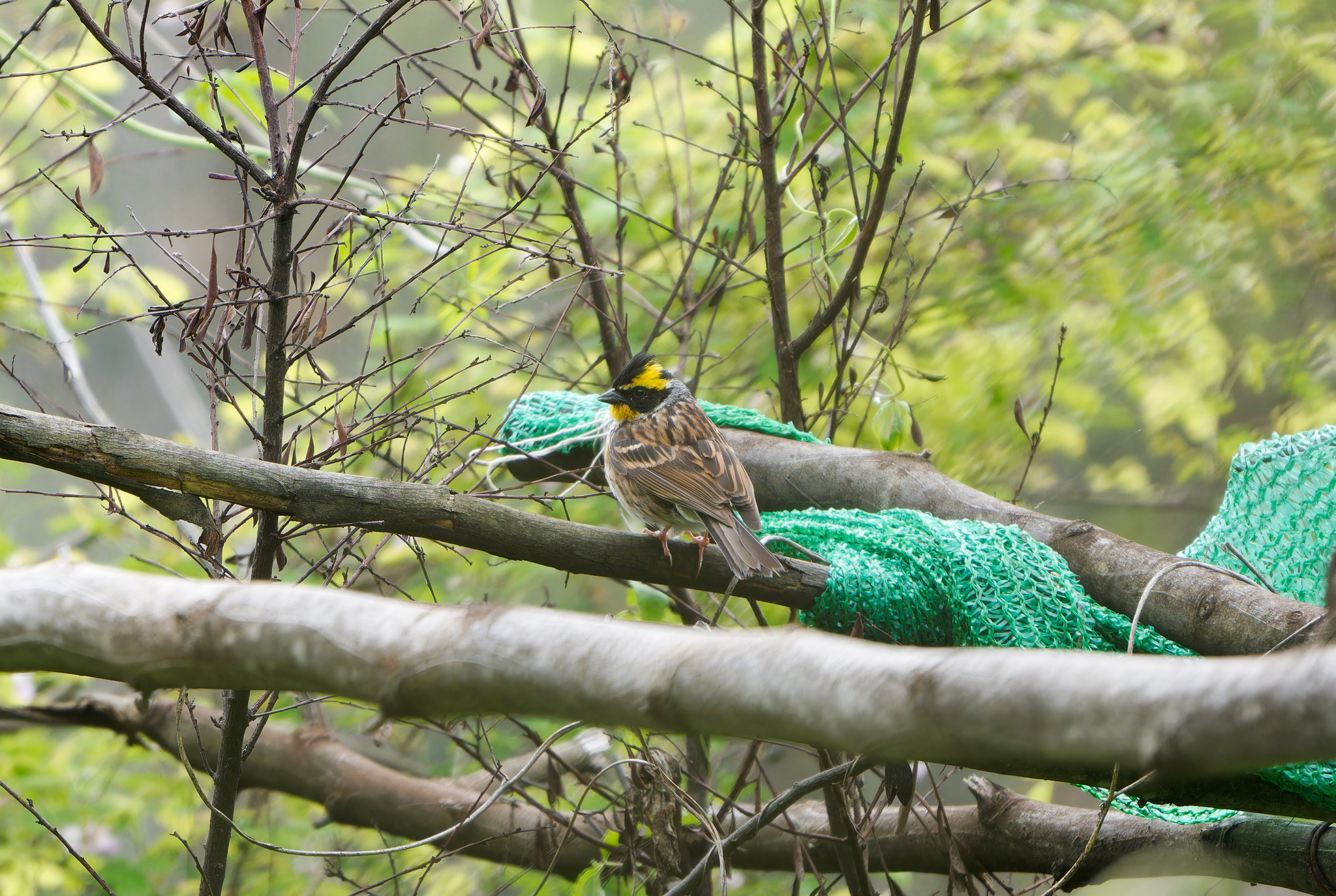
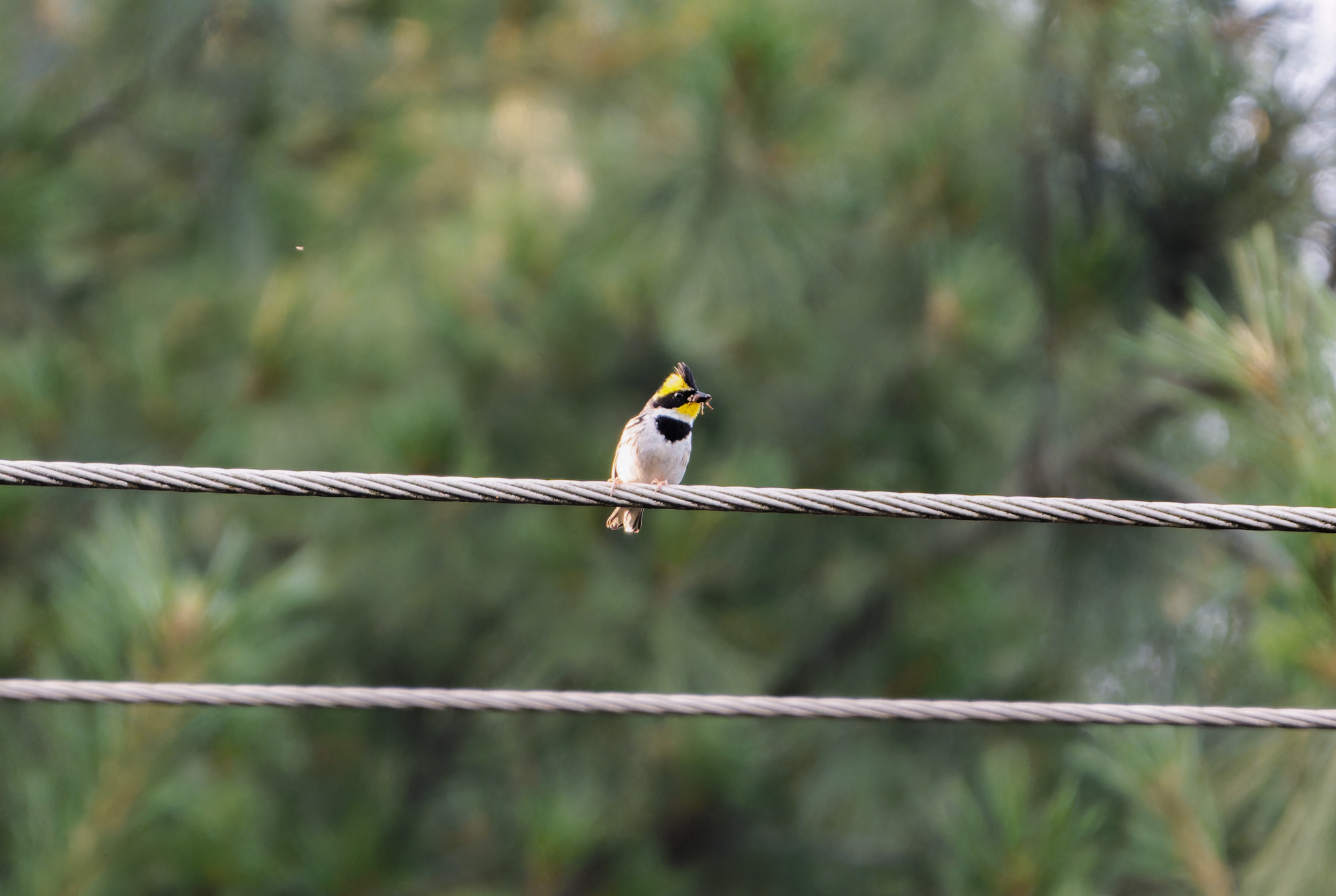
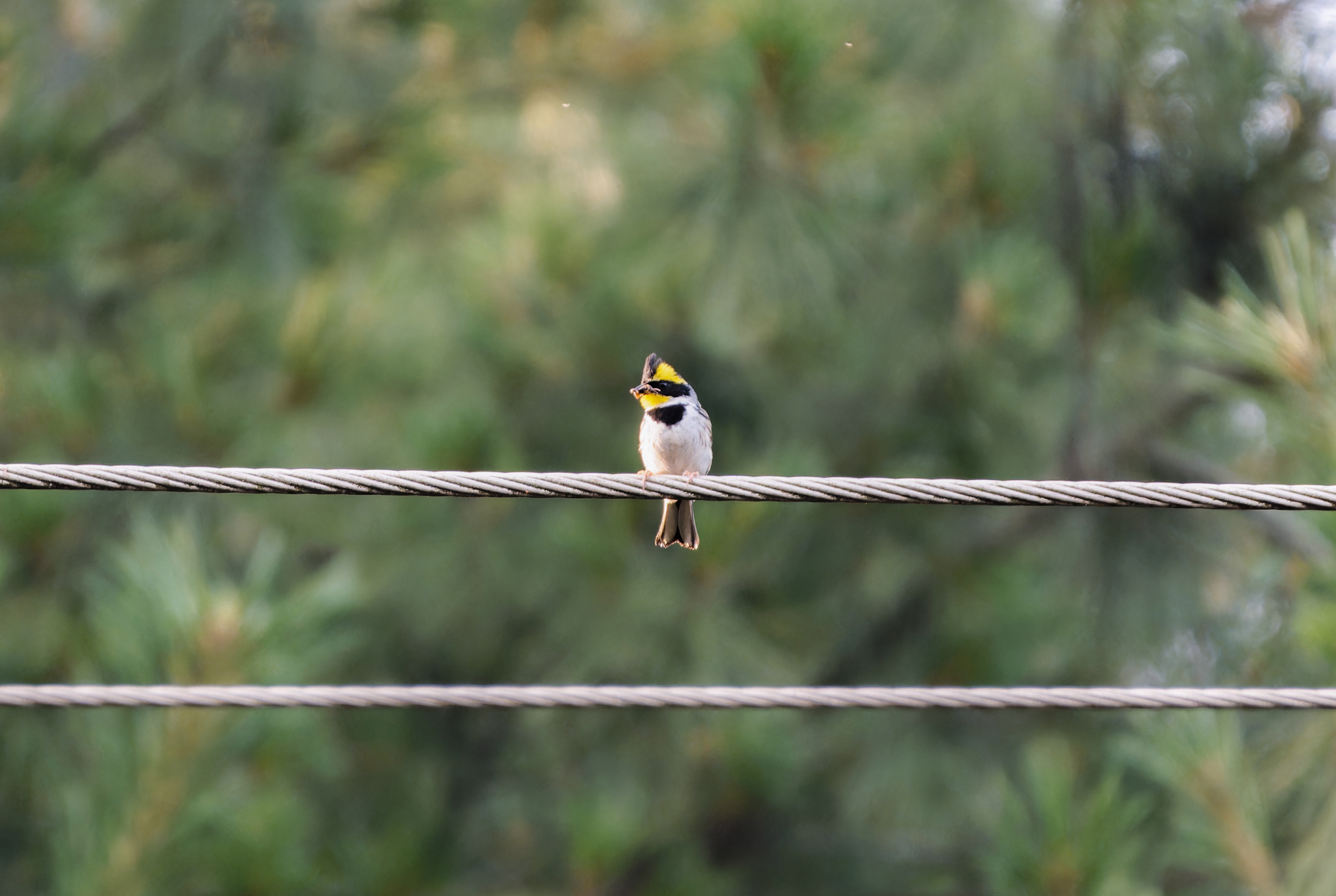
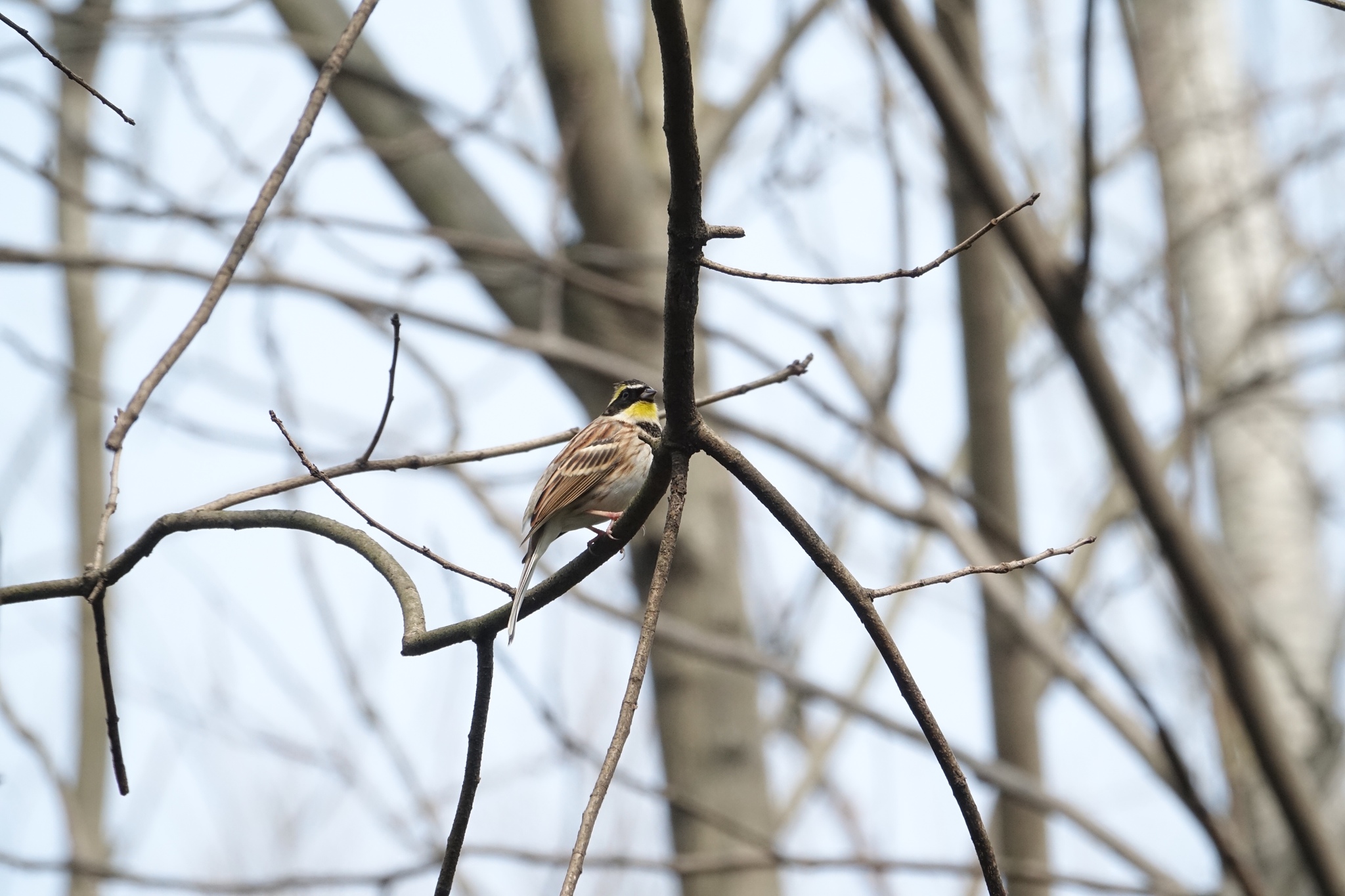
Yellow-throated Bunting
Emberiza elegans
黄喉鹀
Introduction
The yellow-throated bunting (Emberiza elegans) is a passerine bird in the Emberizidae family. It breeds and migrates across East Asia, including China, Japan, Korea, Myanmar, Russia, and Taiwan, inhabiting temperate and subtropical forest regions. The species exhibits Type II chain migration, a pattern documented through hydrogen isotope analysis of feather samples. Research indicates northern populations initiate migration earlier than southern populations, and breeding latitude correlates with wintering latitude, with northern breeders wintering in more northerly areas.
Distribution & Habitat
This species occupies a wide geographic range across East Asia, with confirmed presence in China, Japan, Korea, Myanmar, Russia, and Taiwan. The species shows a preference for temperate forest habitats, though it also utilizes subtropical and tropical dry forests where available. Its distribution encompasses both continental and island ecosystems, demonstrating adaptability to various forest types within the temperate and subtropical zones. The species follows Type II chain migration, with research indicating that northern populations initiate migration earlier than southern populations. Isotope analysis of feathers reveals that northern breeders winter in more northerly areas compared to southern breeders, suggesting a complex latitudinal gradient in wintering distribution.
Source: Wikipedia · CC BY-SA 3.0
Taxonomy
- Order
- Passeriformes
- Family
- Emberizidae
- Genus
- Emberiza
- eBird Code
- yetbun1
Vocalizations
Subspecies (2)
-
Emberiza elegans elegans
eastern Siberia and northeastern China to Korean Peninsula and Oki and Tsushima (off Kyushu, central Japan)
-
Emberiza elegans elegantula
breeds mountains of southwestern China; winters to northeastern Myanmar
Data Sources
Species description from Wikipedia, licensed under CC BY-SA 3.0.
Bird images and sounds sourced from GBIF, contributed by citizen scientists worldwide under Creative Commons licenses.
Taxonomy data from AviList 2025.