Yellowhammer
Emberiza citrinella
黄鹀
Introduction
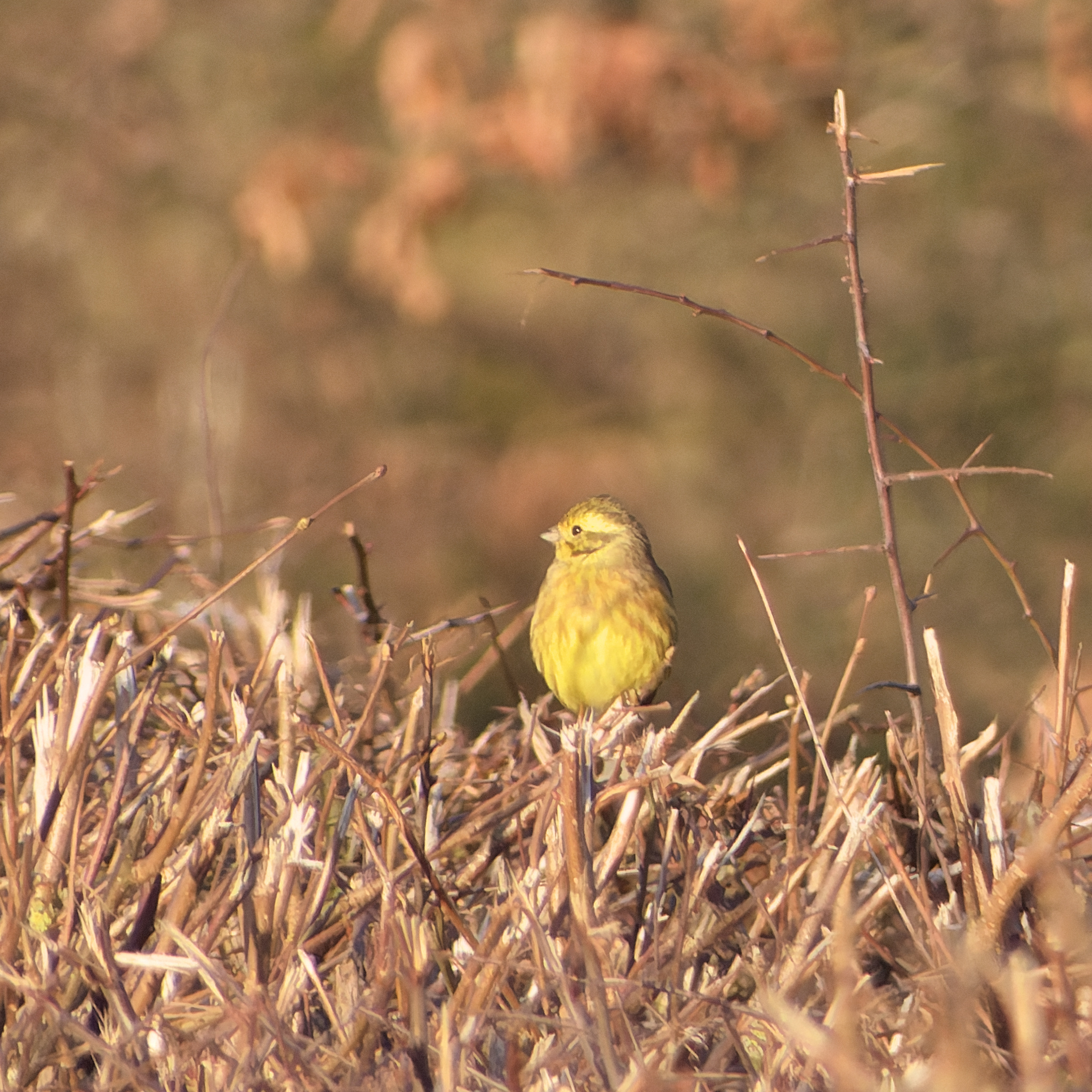
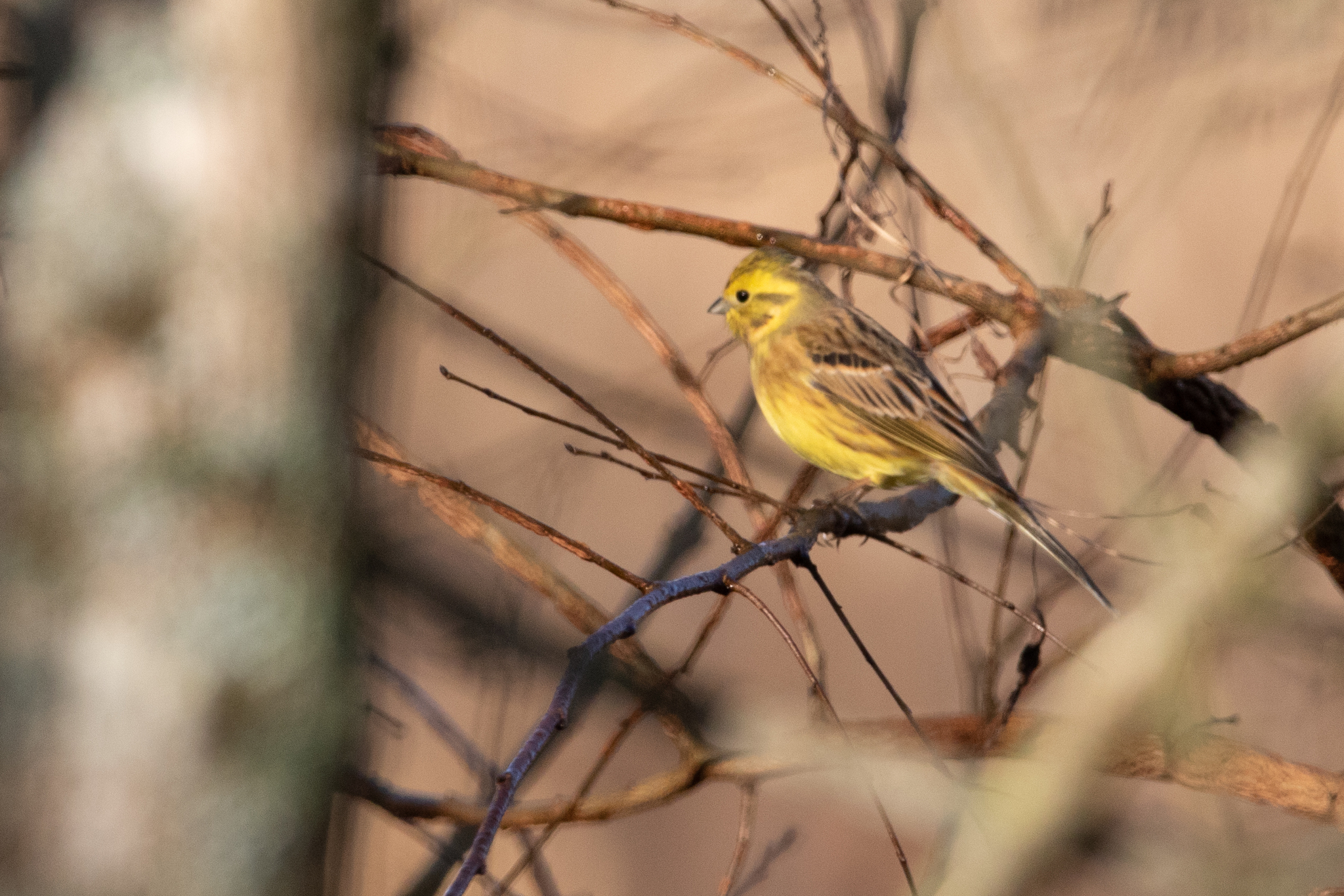
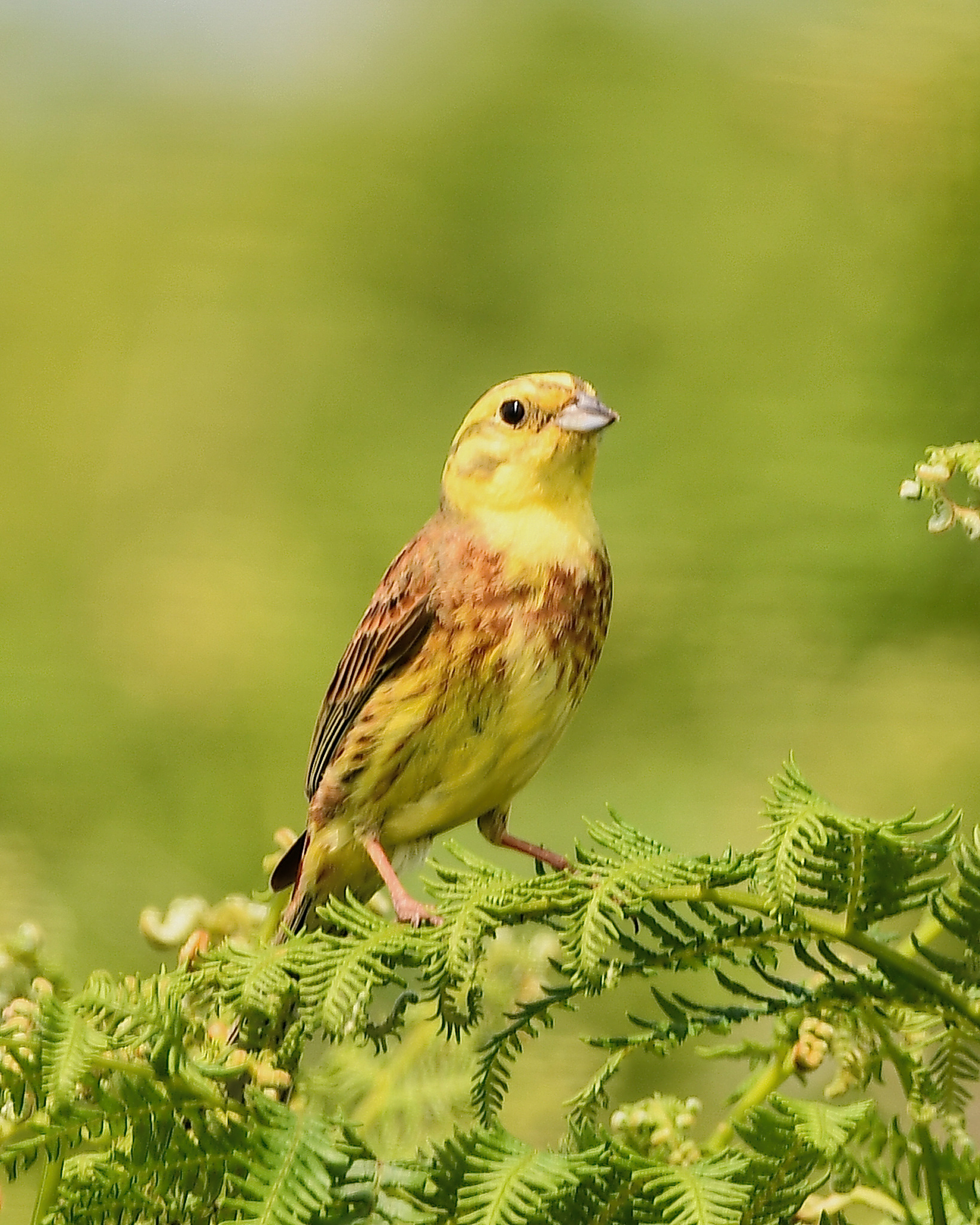
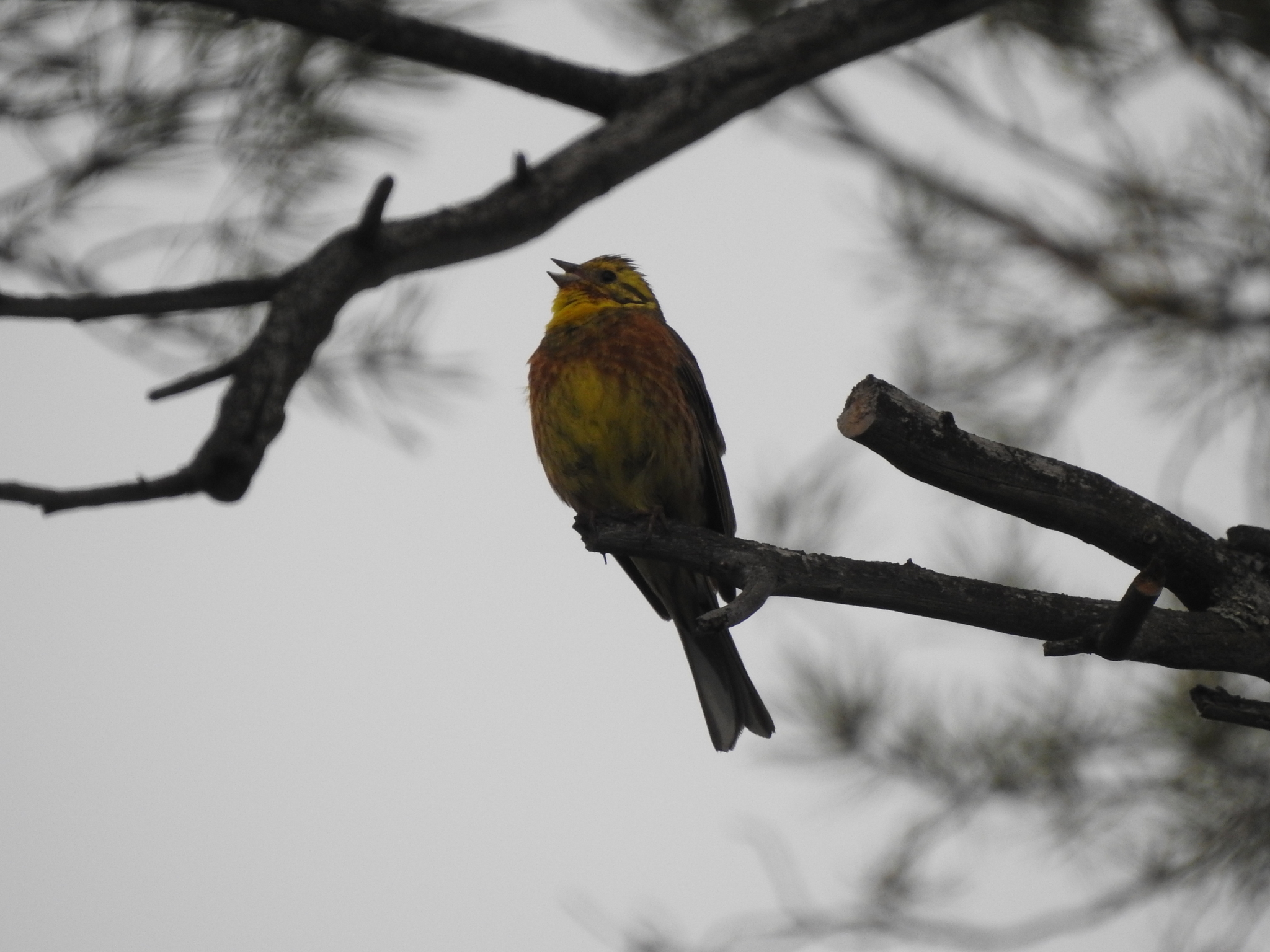
The yellowhammer (Emberiza citrinella) is a bunting found across much of Eurasia in open countryside with scrub, hedgerows, and scattered trees. Males have yellow heads and underparts, while females and immatures are duller. During breeding, males sing from prominent perches. The song has been described as 'a little bit of bread and no cheese.' Outside breeding season, they form small flocks and forage on the ground for seeds. The species has been introduced to New Zealand, where population densities exceed those in the native range. Western European populations have declined due to agricultural intensification. The yellowhammer interbreeds with the pine bunting where their ranges overlap, producing fertile offspring.
Description
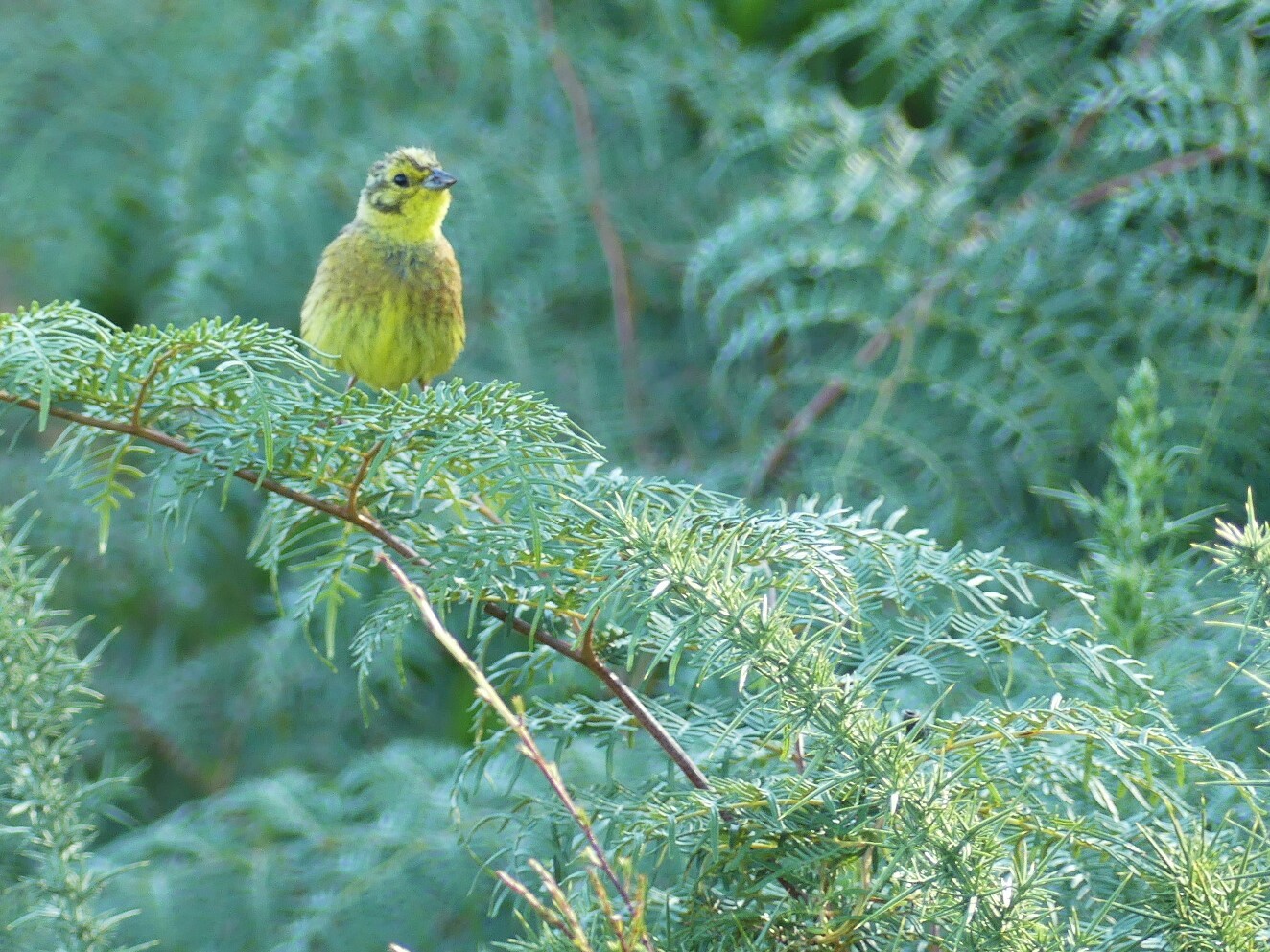
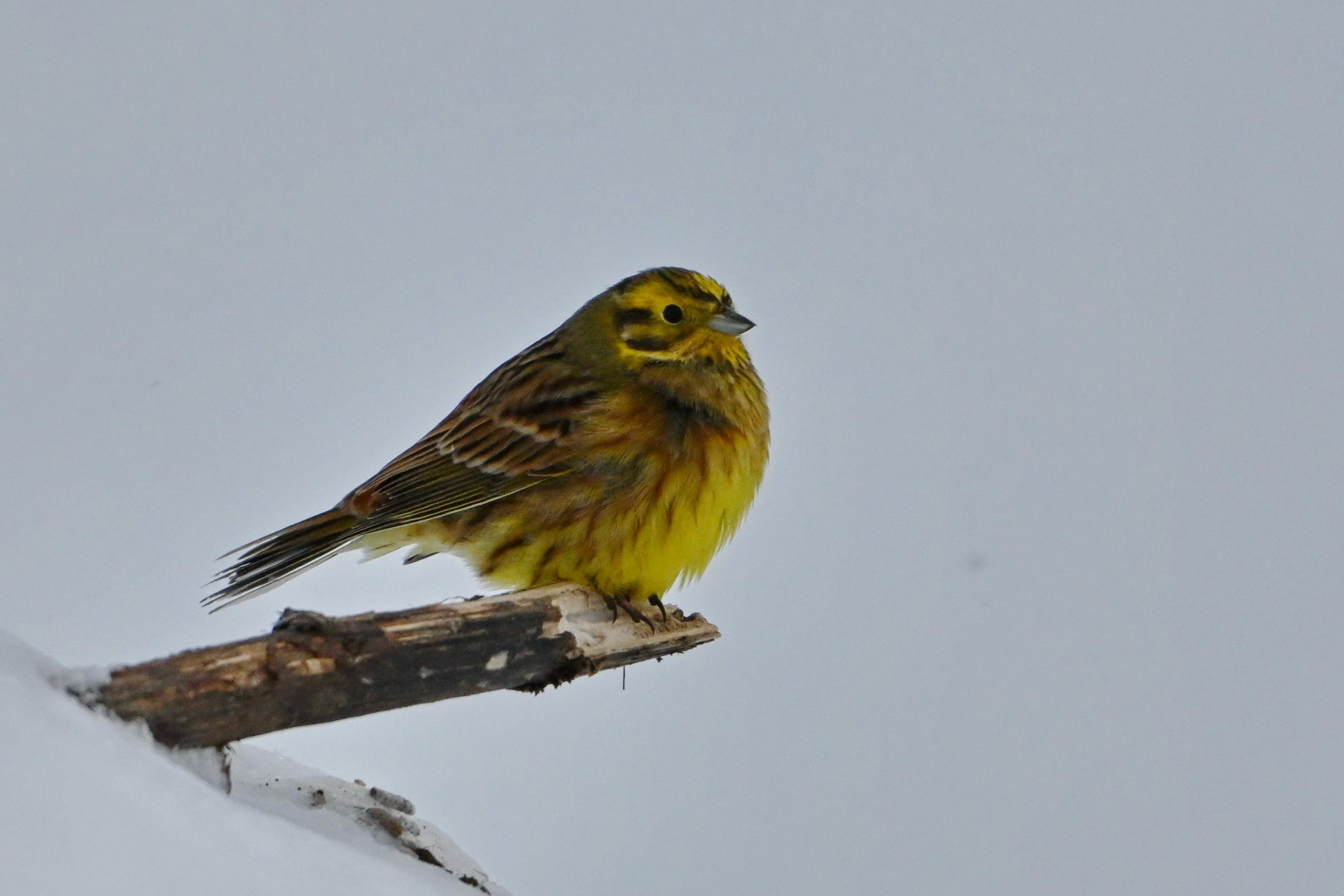
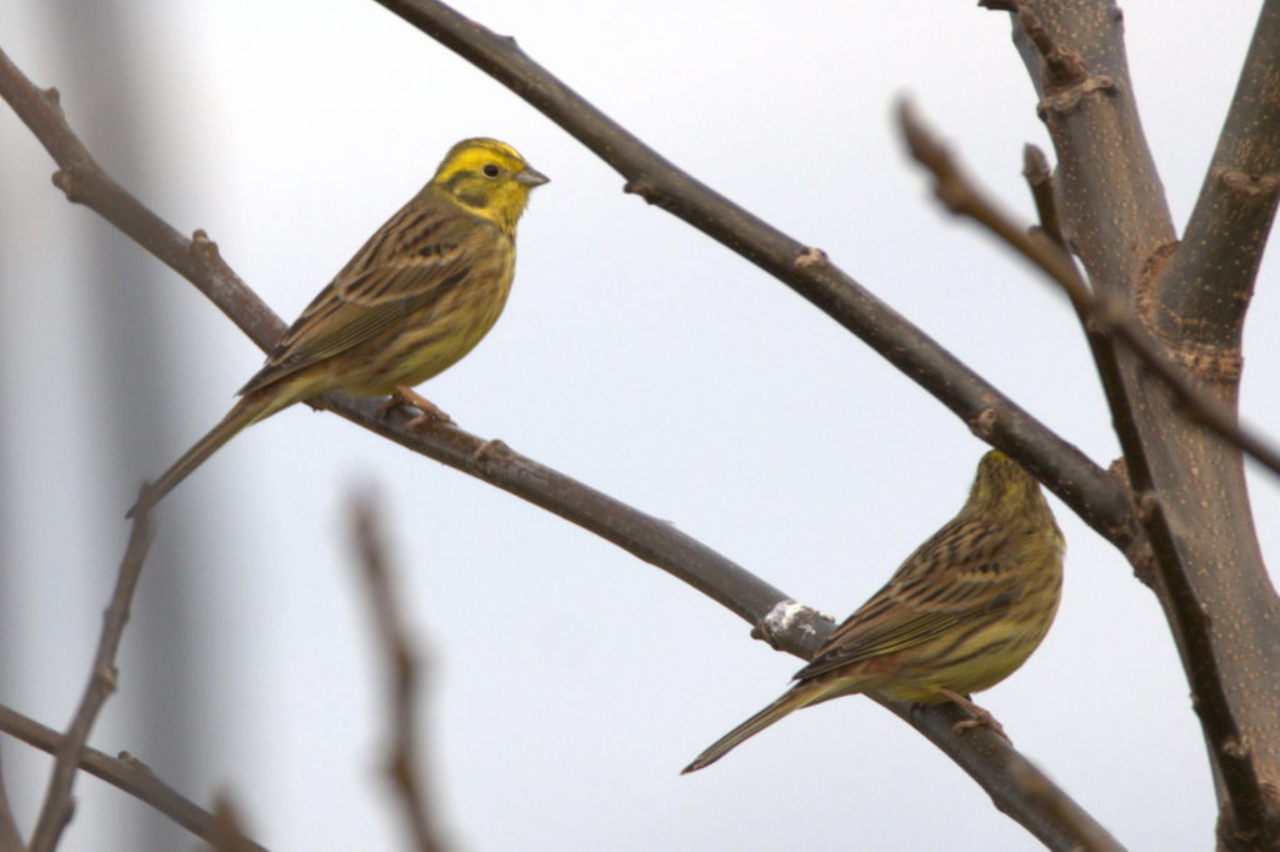
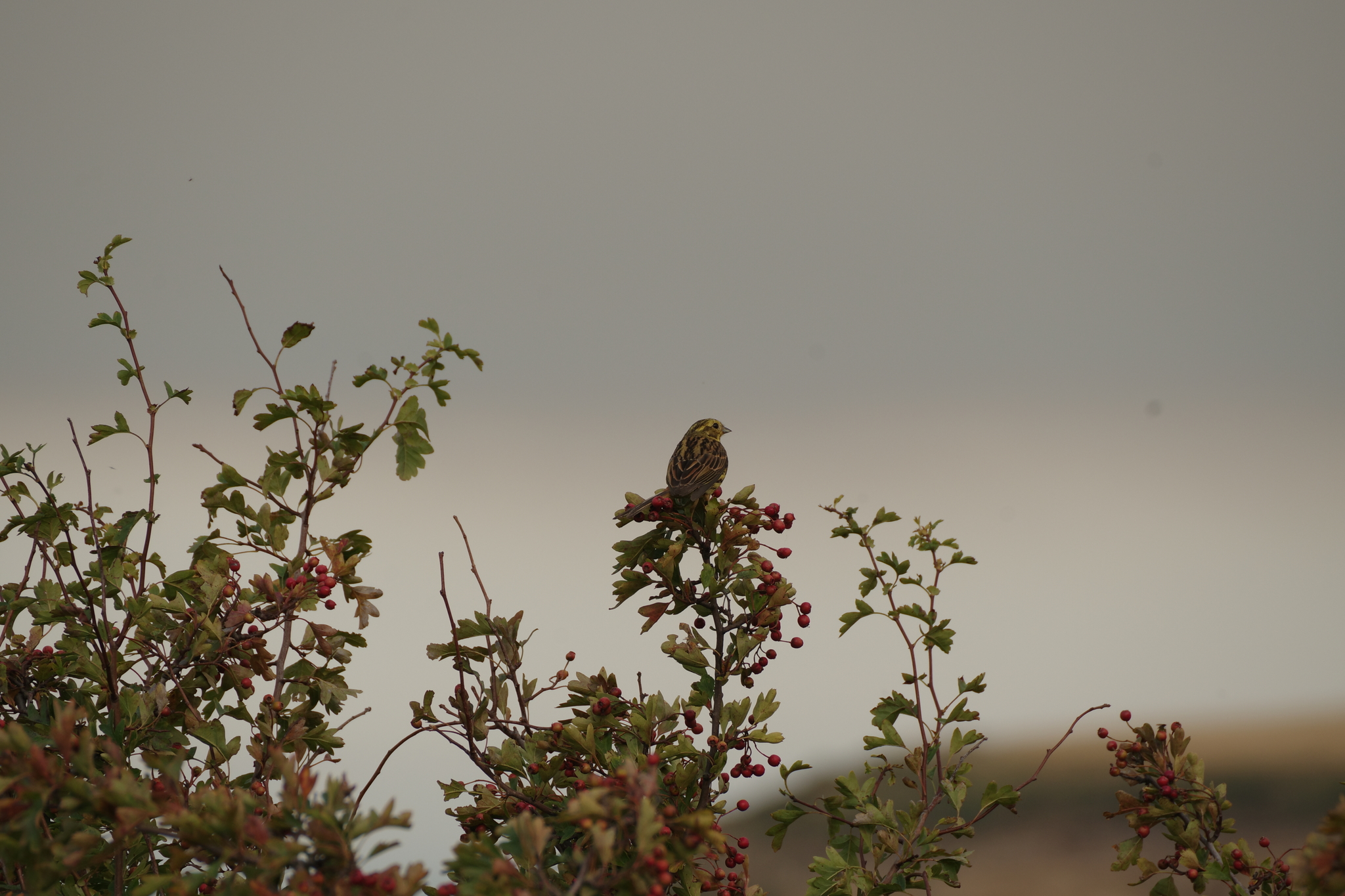
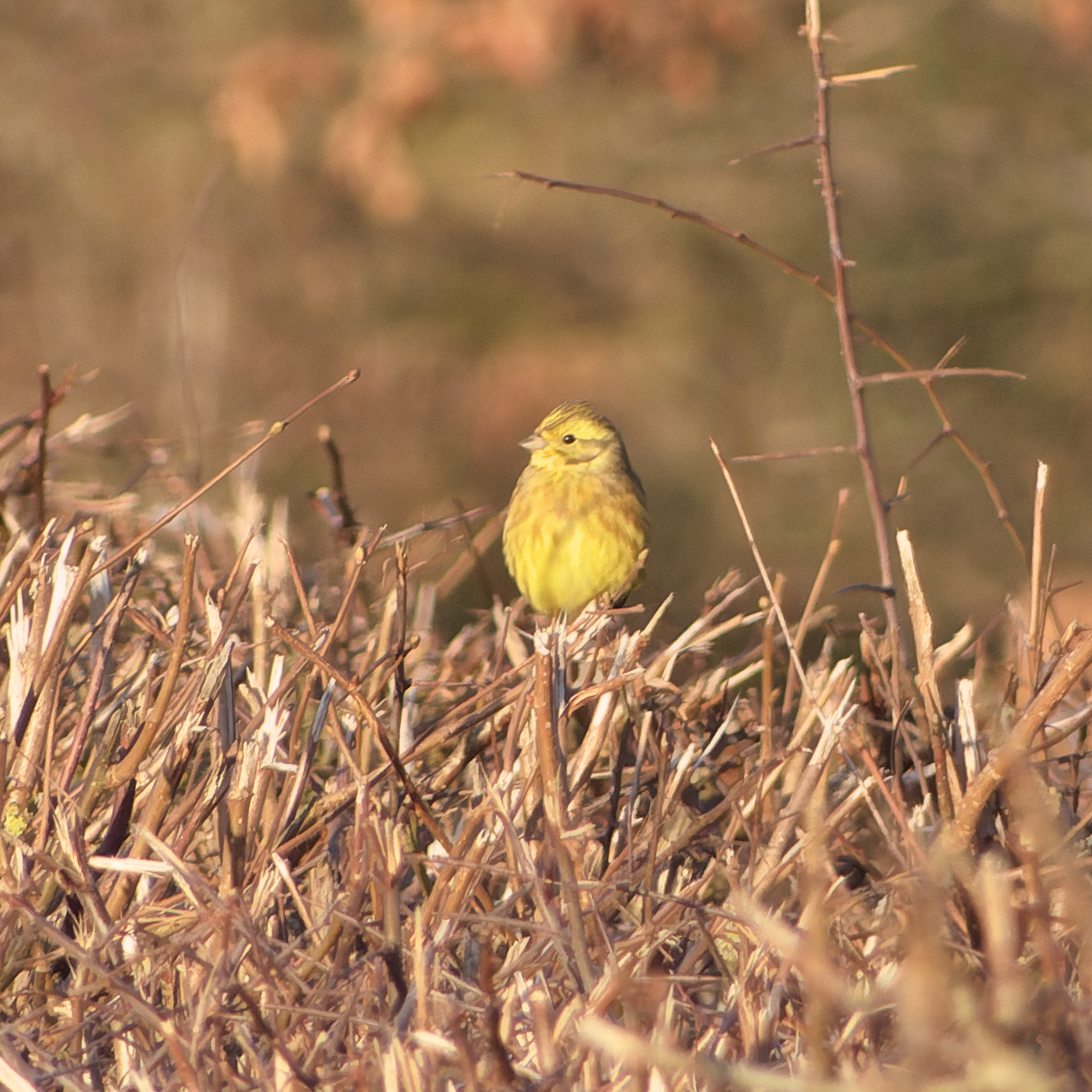
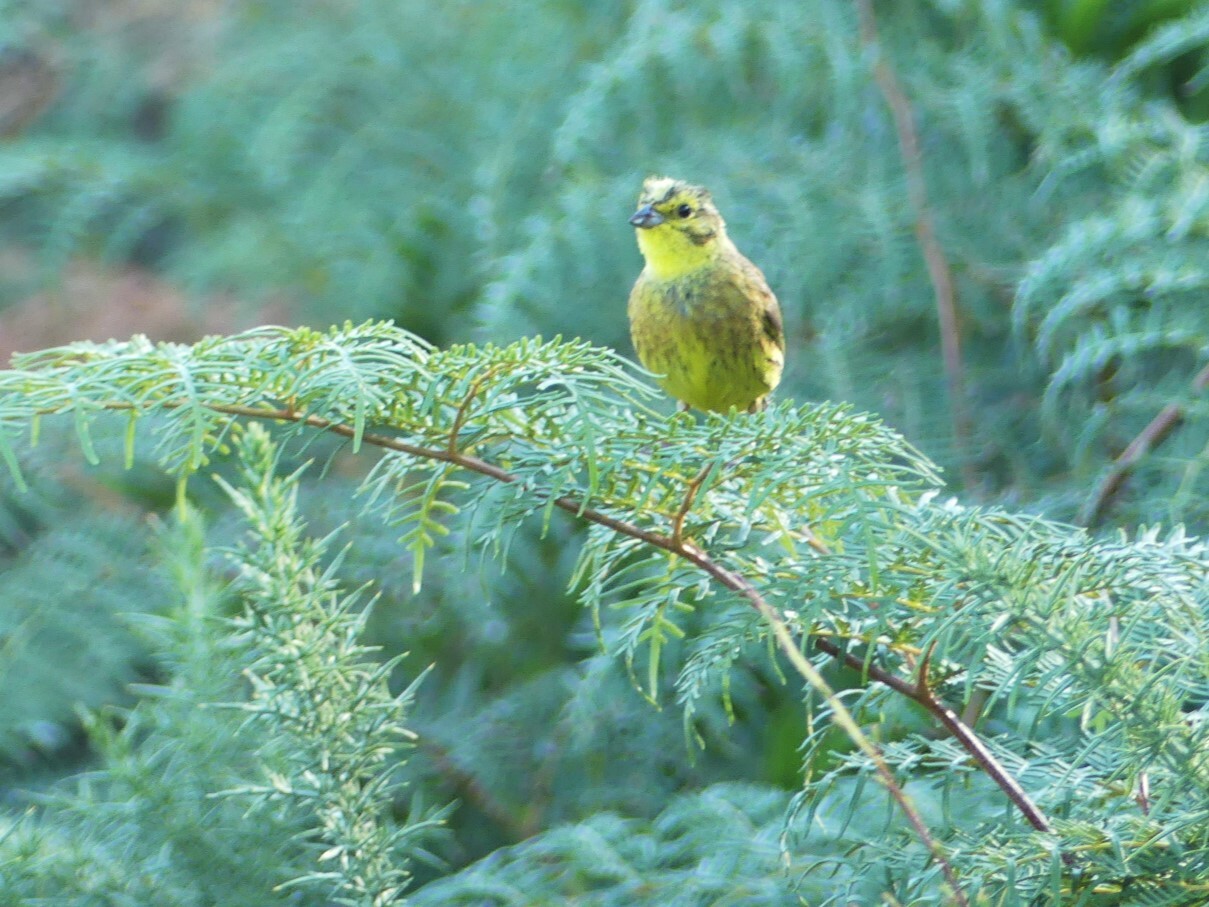
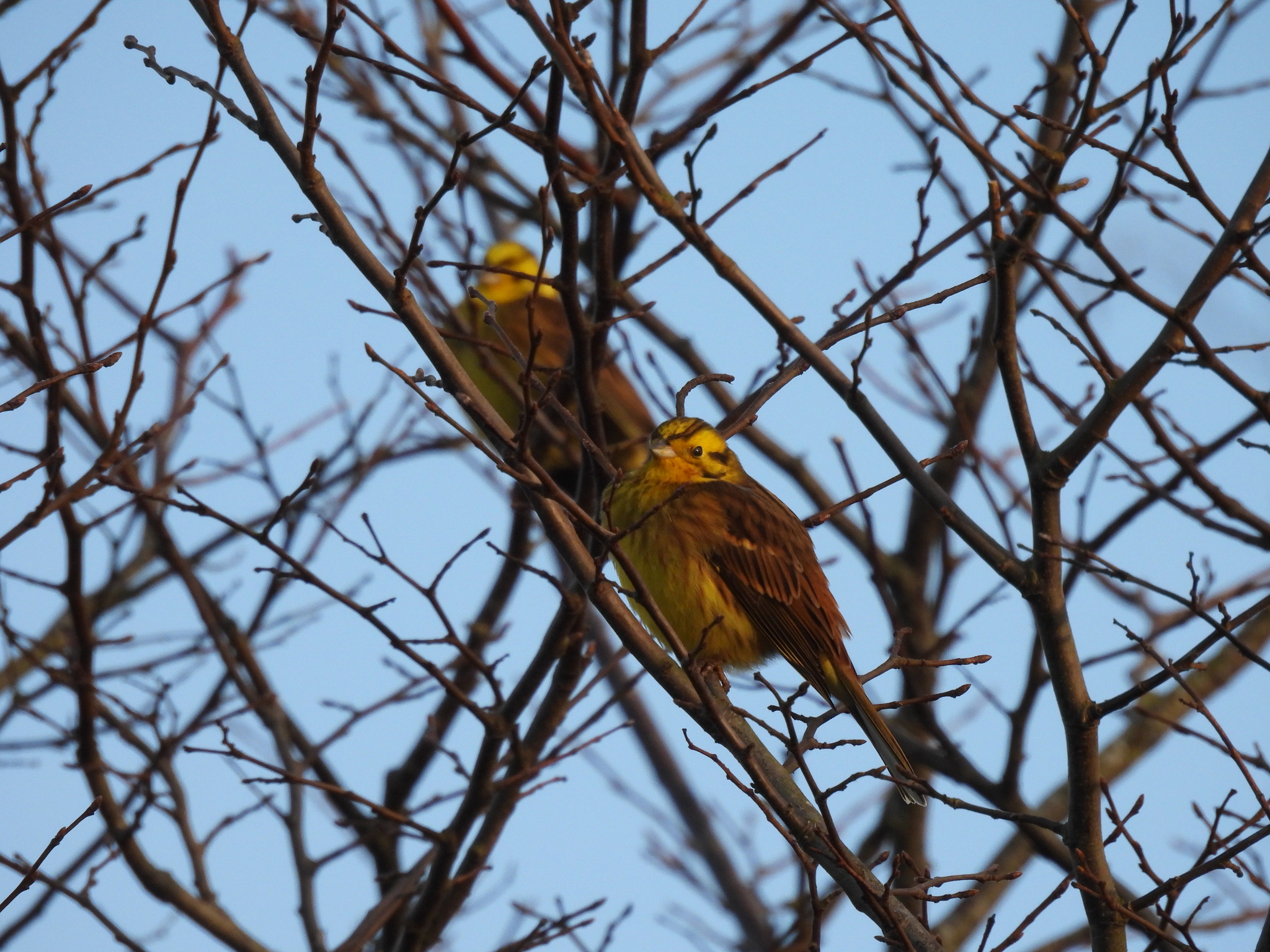
A relatively large bunting, this species measures 16-16.5 cm in length with a wingspan of 23-29.5 cm and weighs between 20-36.5 g. The male of the nominate subspecies displays a bright yellow head, heavily streaked brown upperparts, a characteristic rufous rump, yellow underparts, and white outer tail feathers. The female is less vividly colored with more extensive streaking on the crown, breast, and flanks. Both sexes appear more muted outside the breeding season when dark feather fringes obscure the yellow plumage. The juvenile is considerably duller than adults with reduced yellow coloration. Adults undergo a complete post-breeding moult lasting at least eight weeks, with males gradually acquiring more yellow with each successive moult.
Identification
The most reliable identifying feature is the combination of yellow-tinted plumage throughout and a pale rufous rump, which helps distinguish this species from the similar pine bunting. Females and juveniles of the pale eastern subspecies are most likely to cause identification challenges with pine buntings but always retain some yellow tones to their plumage. The cirl bunting can be ruled out by its distinctive grey-brown rump. Male hybrids with pine buntings typically show a white face with yellow restricted to the head, underparts, or flight feathers, while hybrid females are usually indistinguishable from pure yellowhammers.
Distribution & Habitat
This species breeds across the Palearctic from Ireland eastwards through most of Europe to Siberia and northwest Mongolia, being the most widespread and common European bunting. It favors dry, open countryside with scattered trees and shrubs, avoiding urban areas, dense forests, and wetlands. Most European populations remain resident year-round, with only northern birds moving up to 500 km south for the winter. Asian populations are more strongly migratory, wintering in Iraq, Iran, and southern Central Asia. The species has been introduced to New Zealand, Australia, the Falkland Islands, and South Africa.
Behavior & Ecology
Breeding begins in April or May, with monogamous pairs establishing territories along hedgerows and woodland edges. The female builds a well-concealed cup nest on or near the ground, lined with fine grasses and sometimes animal hair. The clutch of three to five eggs is whitish with a distinctive network of fine dark lines. The female incubates for 12-14 days, and both parents feed the altricial chicks until they fledge 11-13 days later, raising two or three broods annually. The diet consists mainly of seeds taken on the ground, with invertebrates added during the breeding season. Outside the breeding season, these birds form flocks that can occasionally number hundreds of individuals, often associating with other buntings and finches.
Conservation
Classified as Least Concern by the IUCN due to its huge population size and extensive range of approximately 12.9 million km². The European population is estimated at 54-93 million individuals, with a total Eurasian range of 73-186 million birds. However, populations have declined significantly in western Europe, including the British Isles, Belgium, the Netherlands, Austria, and Italy, leading to red-list status in Ireland and the UK. The species went extinct on the Isle of Man in 2016. Agricultural intensification, particularly changes in farming practices that reduce habitat quality and food availability, is believed to be the primary cause of these declines. Eastern European populations appear to be stable.
Culture
This conspicuous bird has inspired several notable poets, including Robert Burns with his poem 'The Yellow, Yellow Yorlin'' and John Clare with 'The Yellowhammer's Nest' and 'The Yellowhammer.' Its characteristic song has influenced musical works, most notably appearing in Beethoven's 'Waldstein' and 'Appassionata' piano sonatas, and featuring throughout Olivier Messiaen's compositions including Chronochromie and Catalogue d'oiseaux. Children's writer Enid Blyton helped popularize the standard representation of the song in her books. An old legend associated the bird with the devil, claiming its tongue bore a drop of his blood and that the intricate egg patterns carried concealed messages, sometimes leading to persecution of the species. The unusual egg markings also gave rise to the alternative names of scribble lark or scribble jack.
Source: Wikipedia · CC BY-SA 3.0
Taxonomy
- Order
- Passeriformes
- Family
- Emberizidae
- Genus
- Emberiza
- eBird Code
- yellow2
Subspecies (3)
-
Emberiza citrinella caliginosa
Ireland, Scotland, Wales, and northern and western England
-
Emberiza citrinella citrinella
breeds southeastern England, and northern and western Europe to central Russia; winters to North Africa
-
Emberiza citrinella erythrogenys
breeds eastern Europe to central Siberia; winters to northern Mongolia and Iraq
Data Sources
Species description from Wikipedia, licensed under CC BY-SA 3.0.
Bird images and sounds sourced from GBIF, contributed by citizen scientists worldwide under Creative Commons licenses.
Taxonomy data from AviList 2025.