Rock Bunting
Emberiza cia
淡灰眉岩鹀
Introduction
The rock bunting (Emberiza cia) is a bunting species found in Mediterranean and Asian mountain landscapes, with a range extending across southern Europe, North Africa, and temperate Asia. It inhabits high, dry, rocky slopes with open country, scattered scrub, and boulders, typically at elevations between 800-2,000 meters. The species perches prominently on boulders and low shrubs. Some populations are partially migratory. The rock bunting occurs in terraced hillsides and abandoned cultivation in mountainous regions. It forms part of a complex of similar buntings across its vast range, requiring careful attention to plumage details for identification.
Description
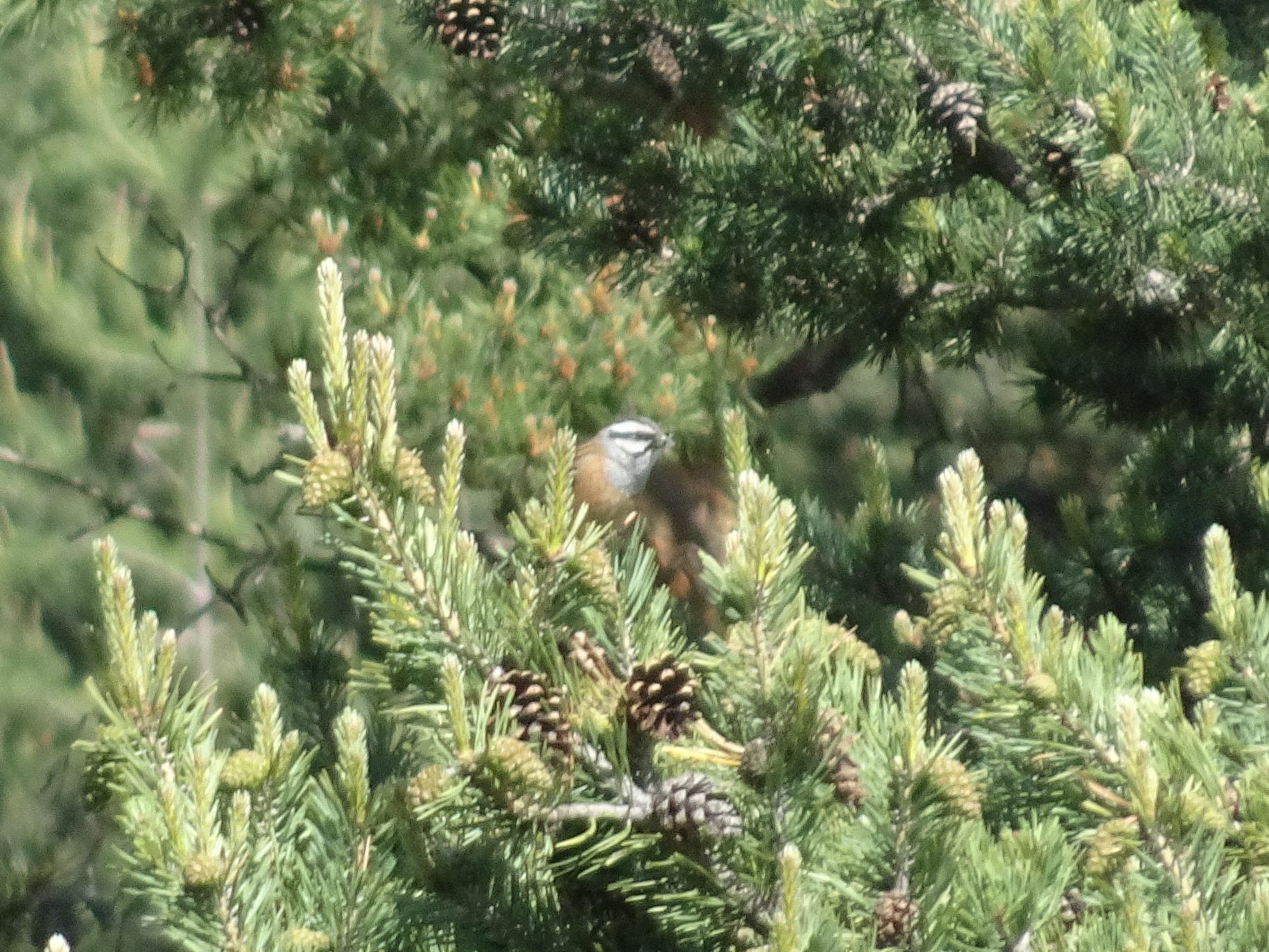
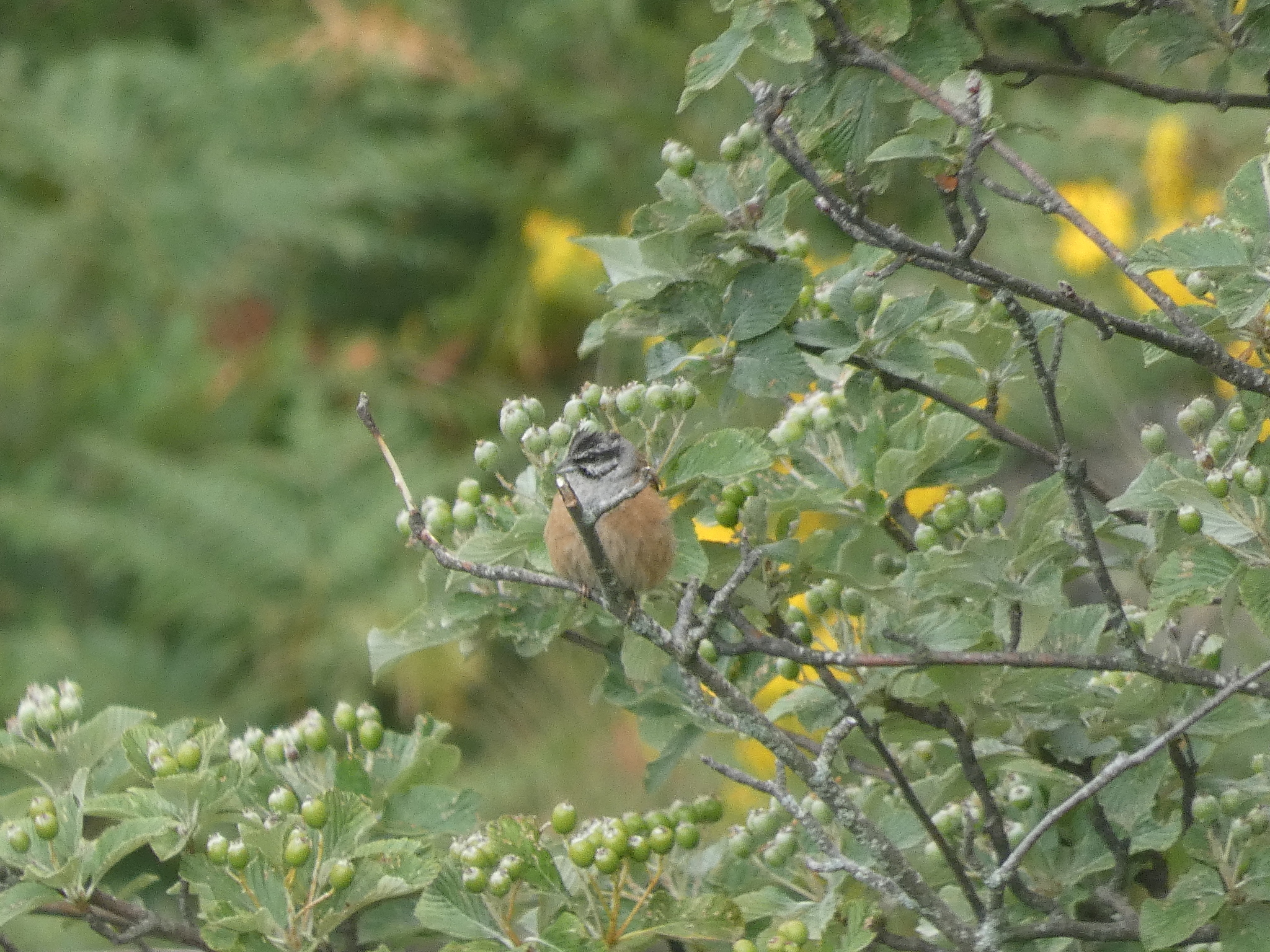
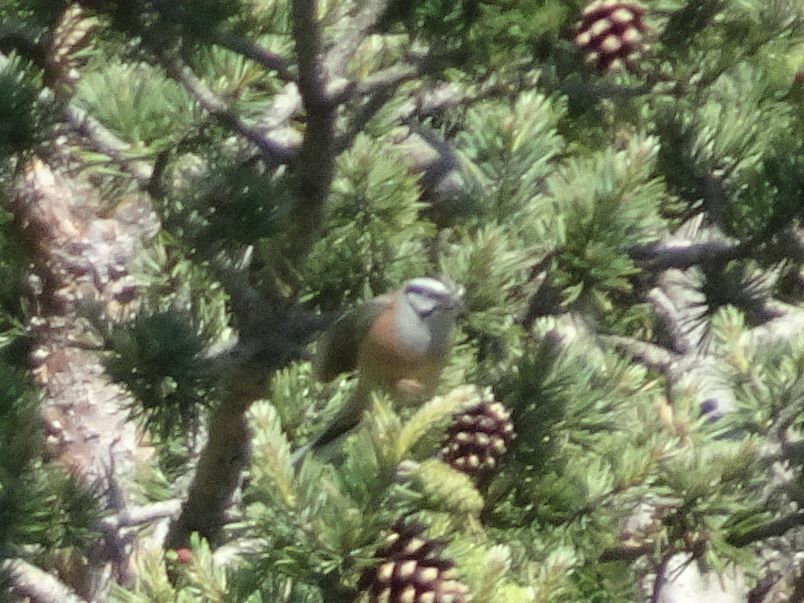
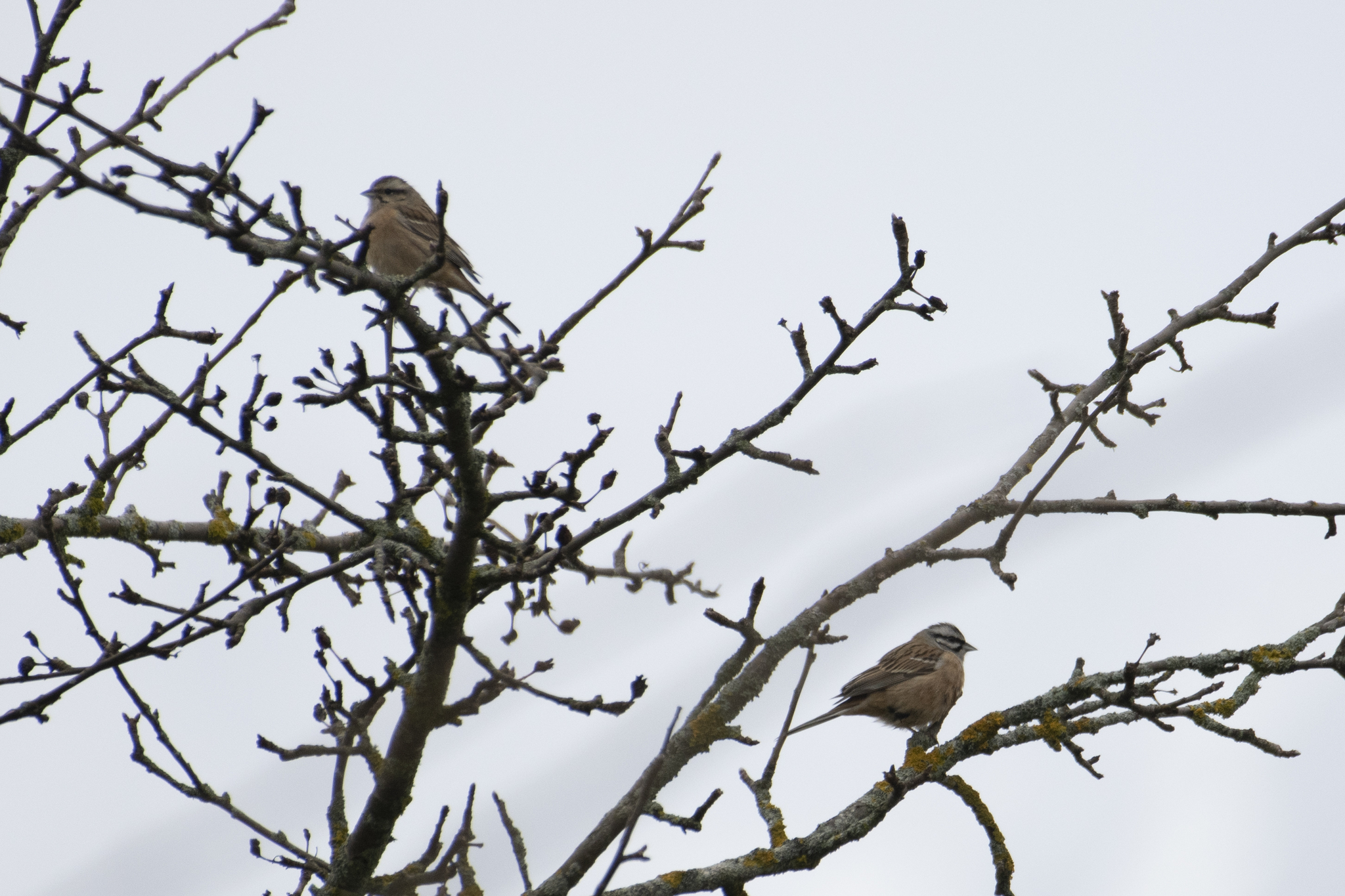
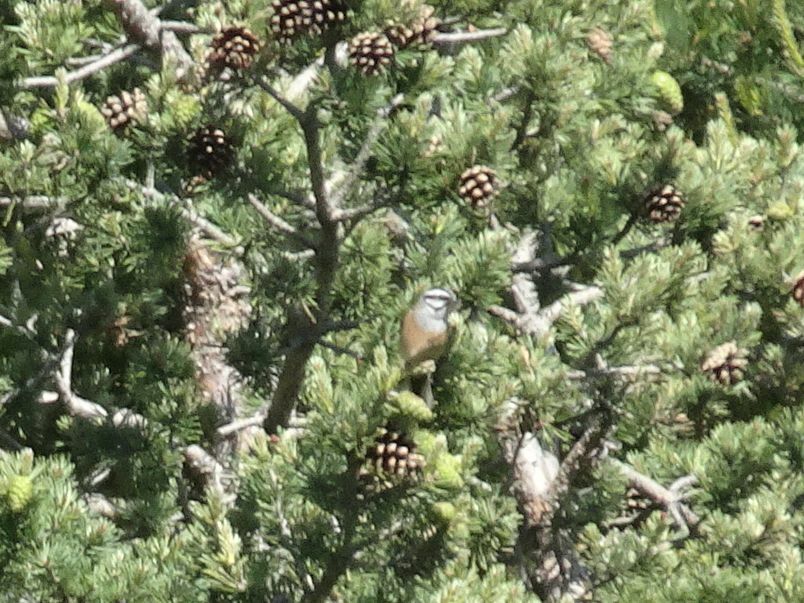
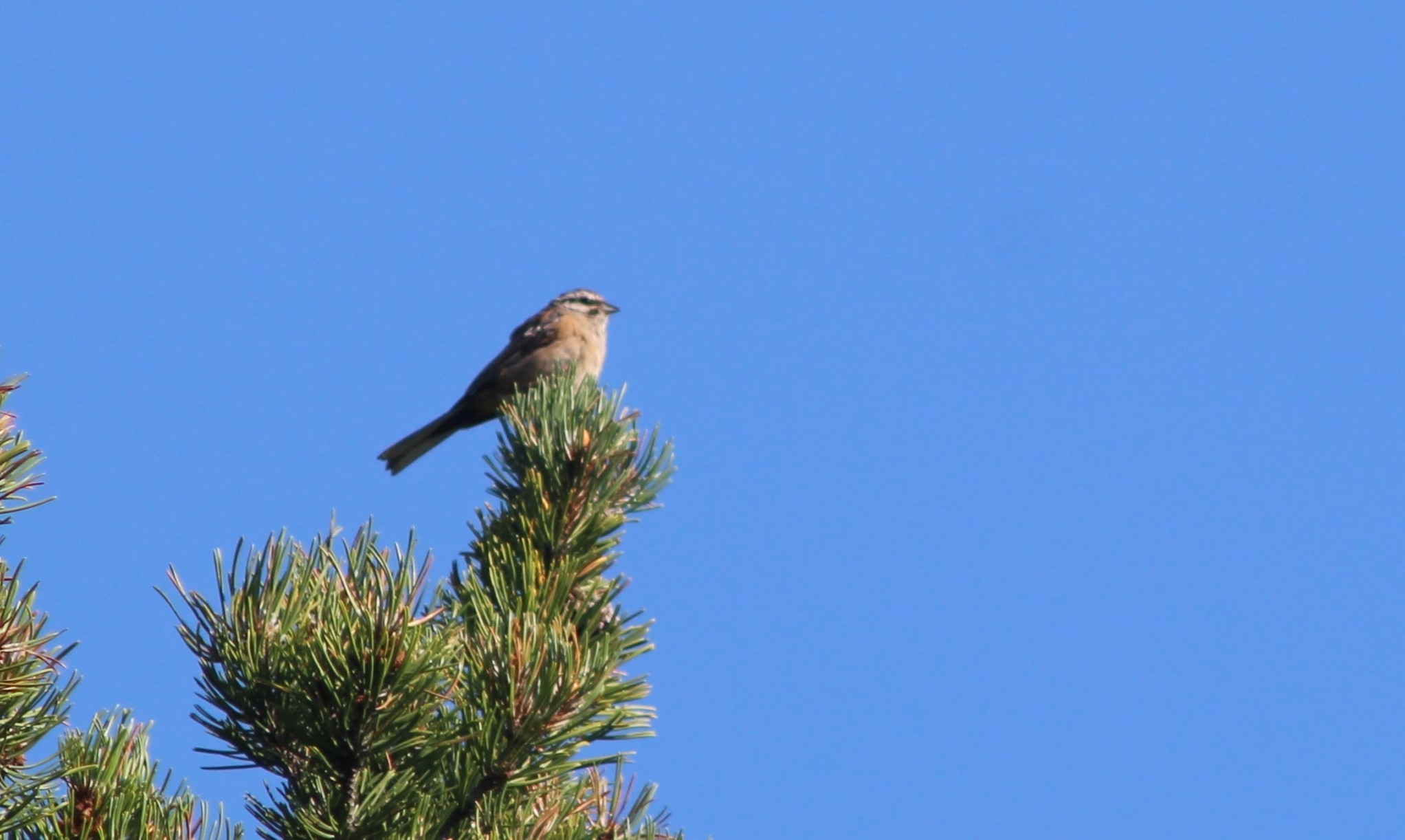
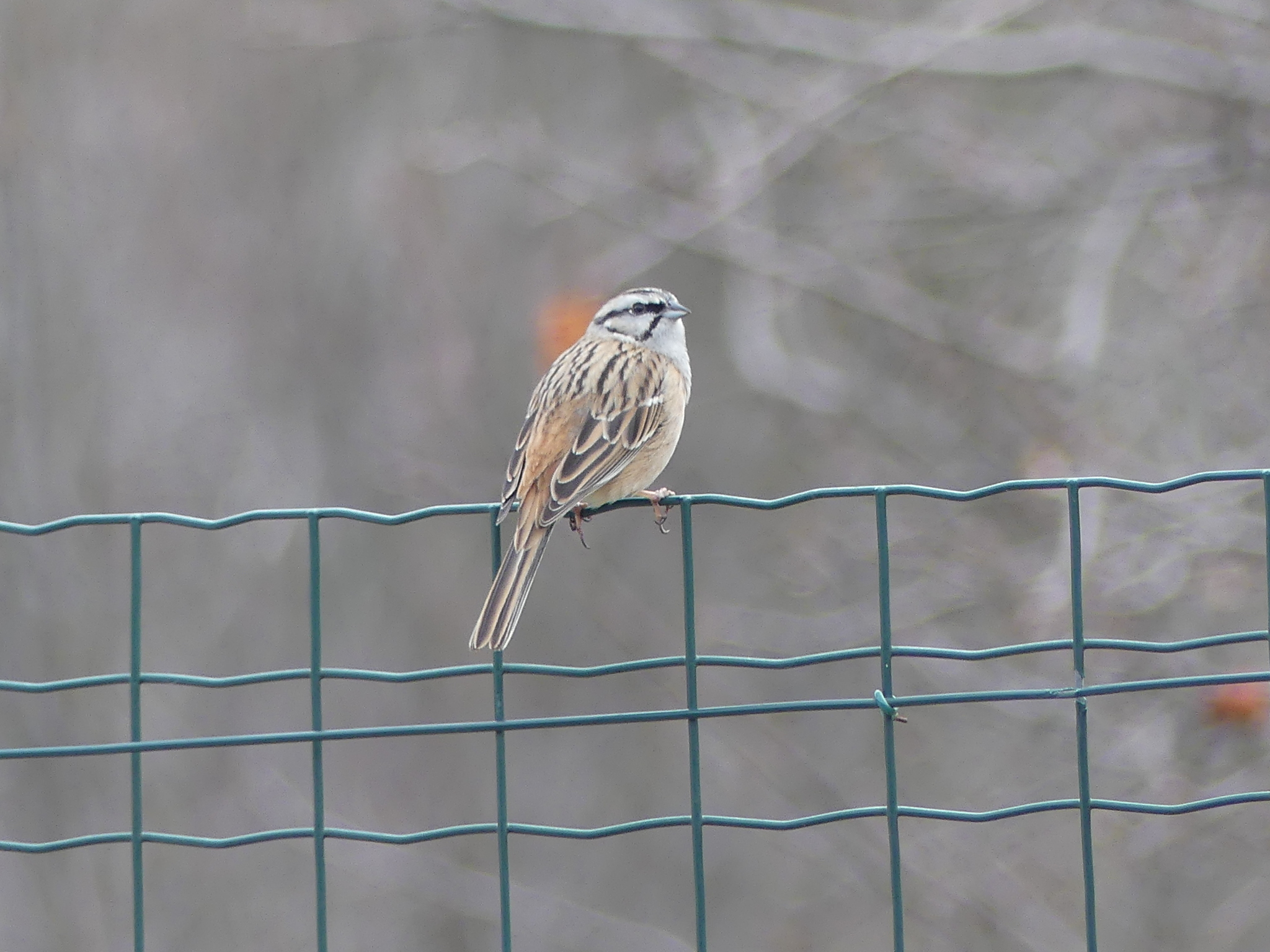
A small bunting measuring 16 cm in length, the rock bunting is compact with a relatively short tail. The breeding male displays beautiful chestnut upperparts and unmarked deep buff underparts, creating a warm, uniform appearance. Most distinctive is the pale grey head, boldly marked with black striping that creates an intricate facial pattern. The female is a subdued version of the male, with paler underparts, a grey-brown back, and a head pattern that is much less contrasting. Juveniles resemble females but can be distinguished by their streaked heads. Four subspecies are recognised, varying primarily in plumage shades across the species' extensive range. The race breeding in Europe, northwest Africa, and western Turkey is uniquely characterized by white wing bars, a useful识别特征 in the field.
Distribution & Habitat
This species occupies an extensive breeding range spanning from northwest Africa and southern Europe eastward through central Asia to the Himalayas. Local populations also exist in parts of central Europe. The rock bunting inhabits open, dry, rocky mountainous terrain, typically found at moderate to high elevations in its southern range and down to lowlands in northern areas. It is partially migratory, with northern populations moving south for the winter, though most winter within the broader breeding range of resident southern populations. Vagrants occasionally appear further west in Europe, making it a rare but sought-after bird in countries like Britain.
Behavior & Ecology
The rock bunting feeds primarily on seeds, switching to insects when provisioning young chicks. It forages on the ground or low vegetation, picking items from the surface rather than probing. During breeding, it constructs a lined nest on the ground or occasionally in a low bush, laying a clutch of three to five greyish eggs. The call is a sharp, distinctive 'tseee', while the song is a characteristic twittering phrase often rendered as 'churrrr-chirrriiii-itt', delivered from a perch on a rock or shrub. Males sing to establish territories and attract mates during the breeding season.
Conservation
The rock bunting is currently listed as Least Concern by the IUCN, reflecting its relatively large range and stable population numbers. However, agricultural intensification and development in mountain regions may pose local threats to some populations. The species' preference for rocky, dry habitats provides some protection, as these areas are often less suitable for intensive farming or urban development.
Source: Wikipedia · CC BY-SA 3.0
Taxonomy
- Order
- Passeriformes
- Family
- Emberizidae
- Genus
- Emberiza
- eBird Code
- rocbun1
Subspecies (6)
-
Emberiza cia cia
breeds central and southern Europe eastward to the Balkans and northern Türkiye, and southward to northwestern Africa
-
Emberiza cia flemingorum
central Nepal
-
Emberiza cia hordei
Greece through southern Türkiye and southward to Israel and Jordan
-
Emberiza cia par
northeastern Iran to central Asia and northern Pakistan
-
Emberiza cia prageri
the Caucasus, southern Ukraine, eastern Türkiye, and southwestern and northern Iran
-
Emberiza cia stracheyi
western Himalayas (northern Pakistan to southwestern China and western Nepal)
Data Sources
CBR Notes: 中文名由灰眉岩鹀改为淡灰眉岩鹀
Species description from Wikipedia, licensed under CC BY-SA 3.0.
Bird images and sounds sourced from GBIF, contributed by citizen scientists worldwide under Creative Commons licenses.
Taxonomy data from AviList 2025.