Yellow-browed Bunting
Emberiza chrysophrys
黄眉鹀
Introduction
This small passerine belongs to the bunting family Emberizidae. It breeds exclusively in the taiga forests of eastern Siberia, migrating southward in autumn to winter in central and southern China. The species favors coniferous woodland, particularly spruce and pine forests, for breeding and nests in trees. Vagrant records exist from western Europe. The global population is considered secure, though the remote breeding range and limited wintering areas make detailed population studies challenging.
Description
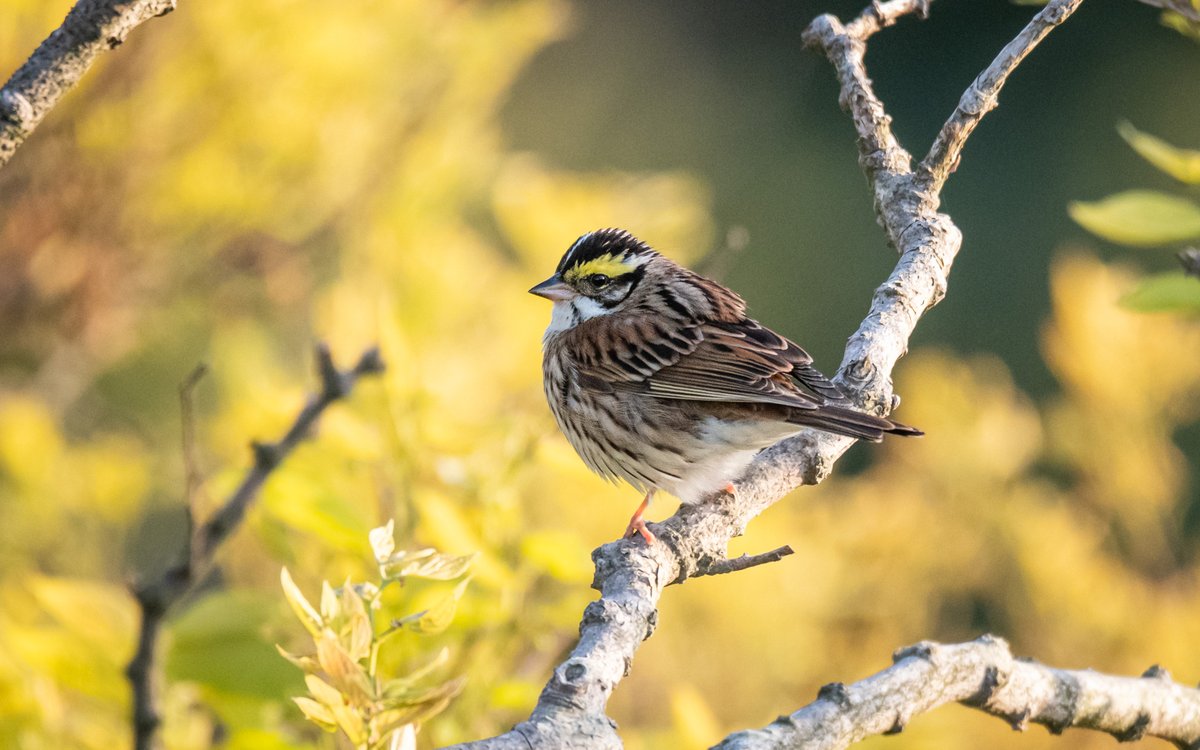
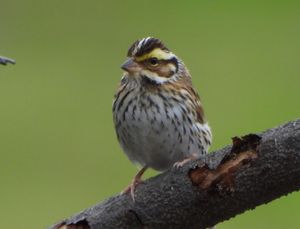
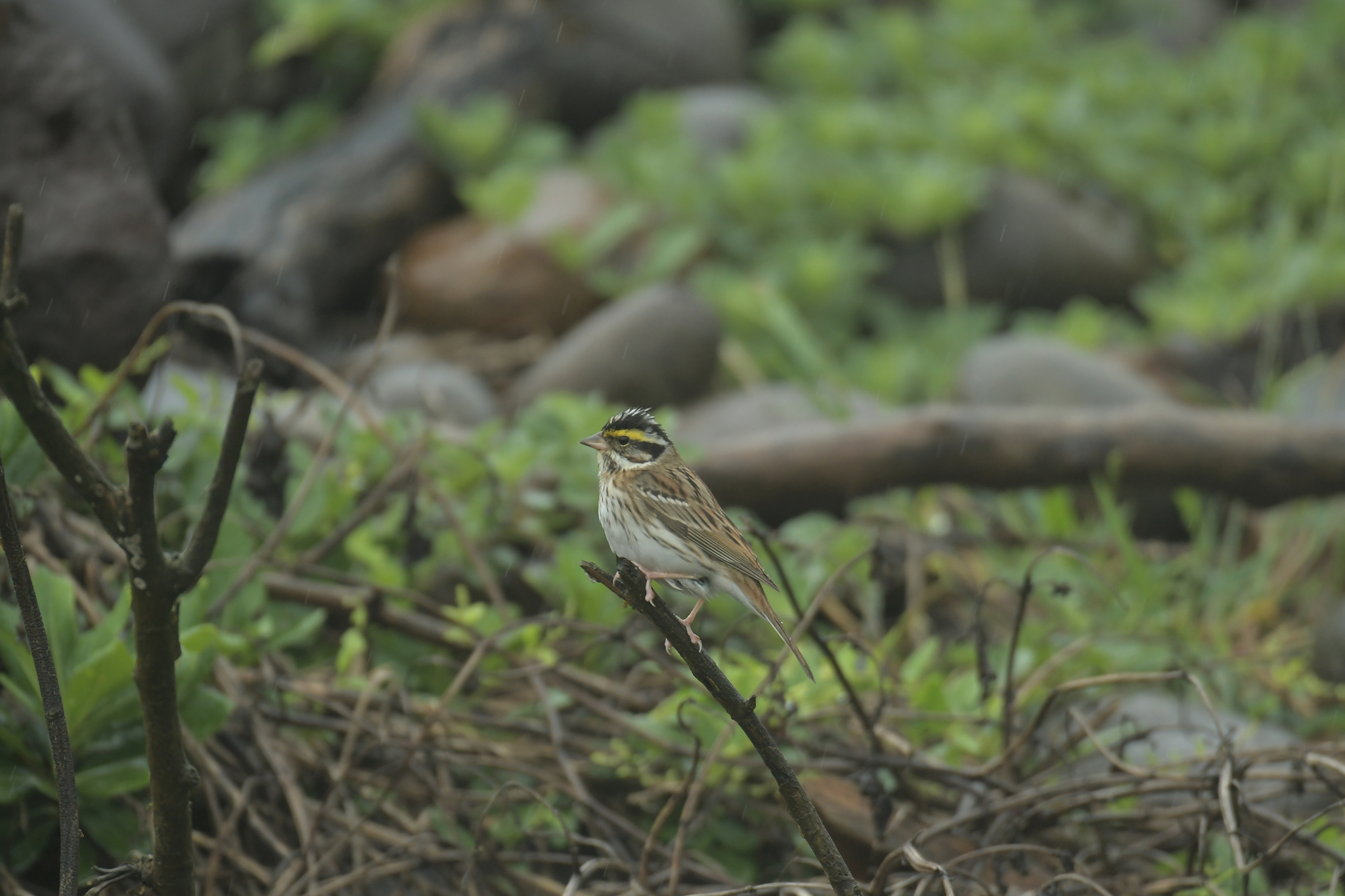
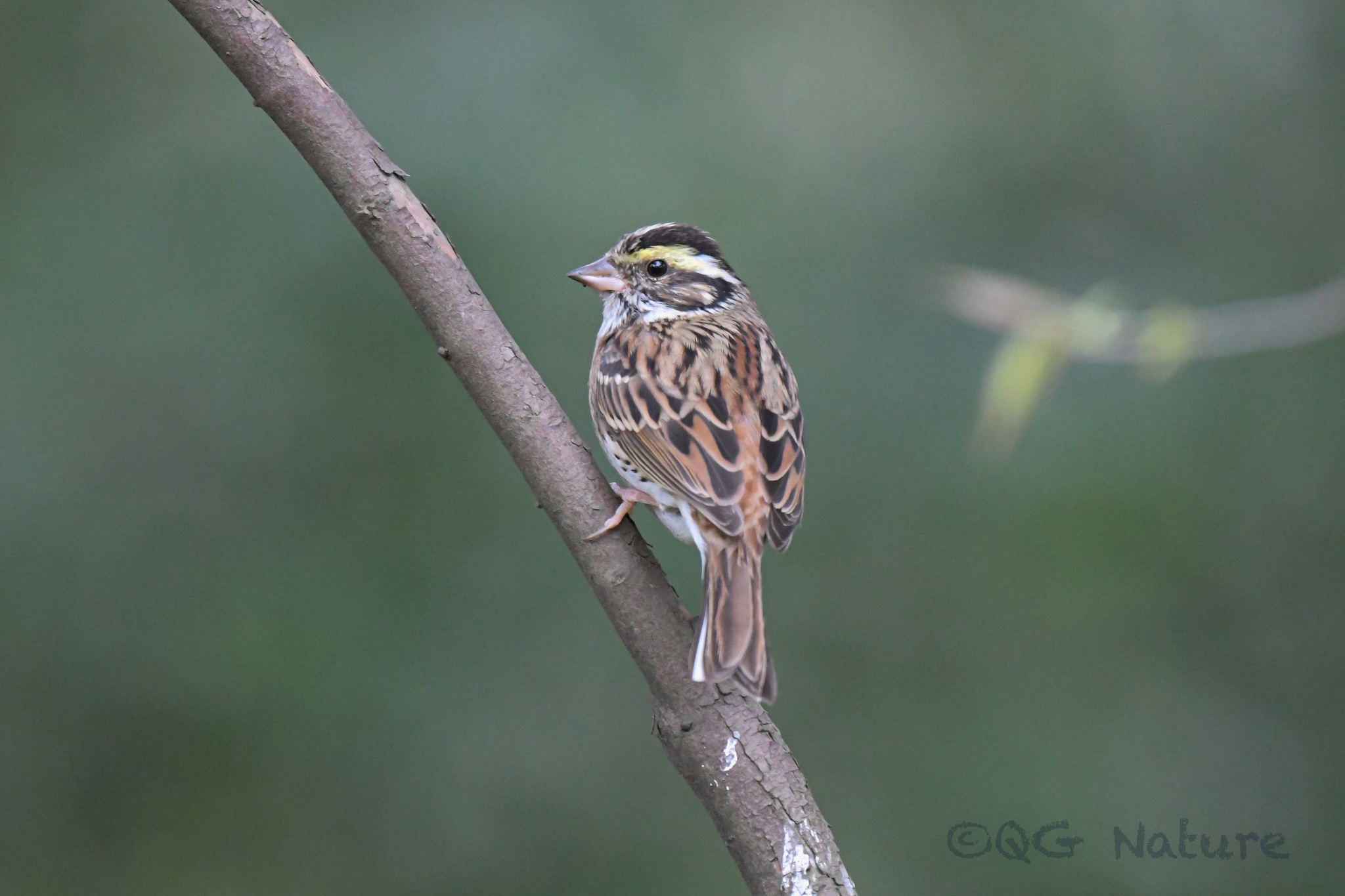
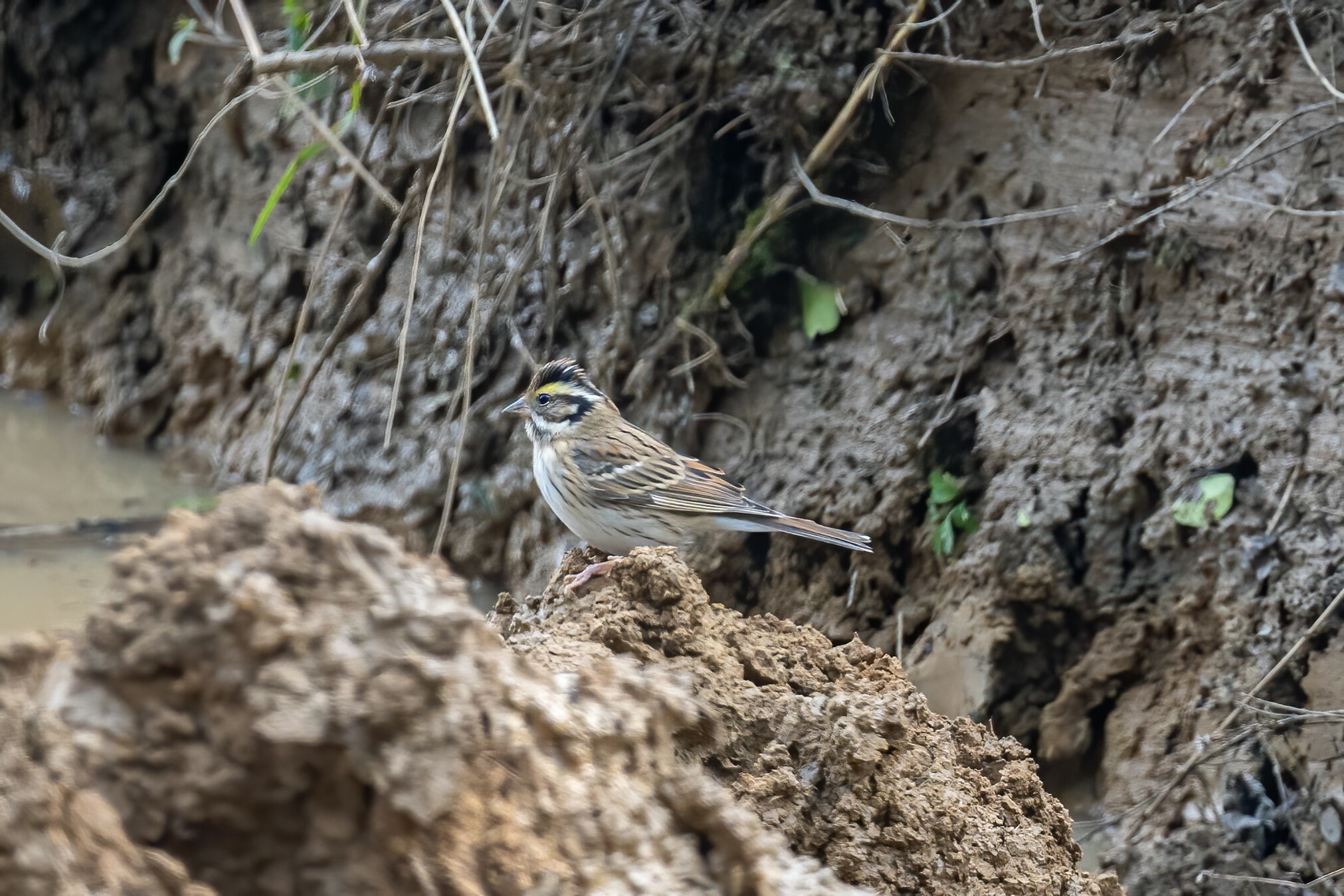
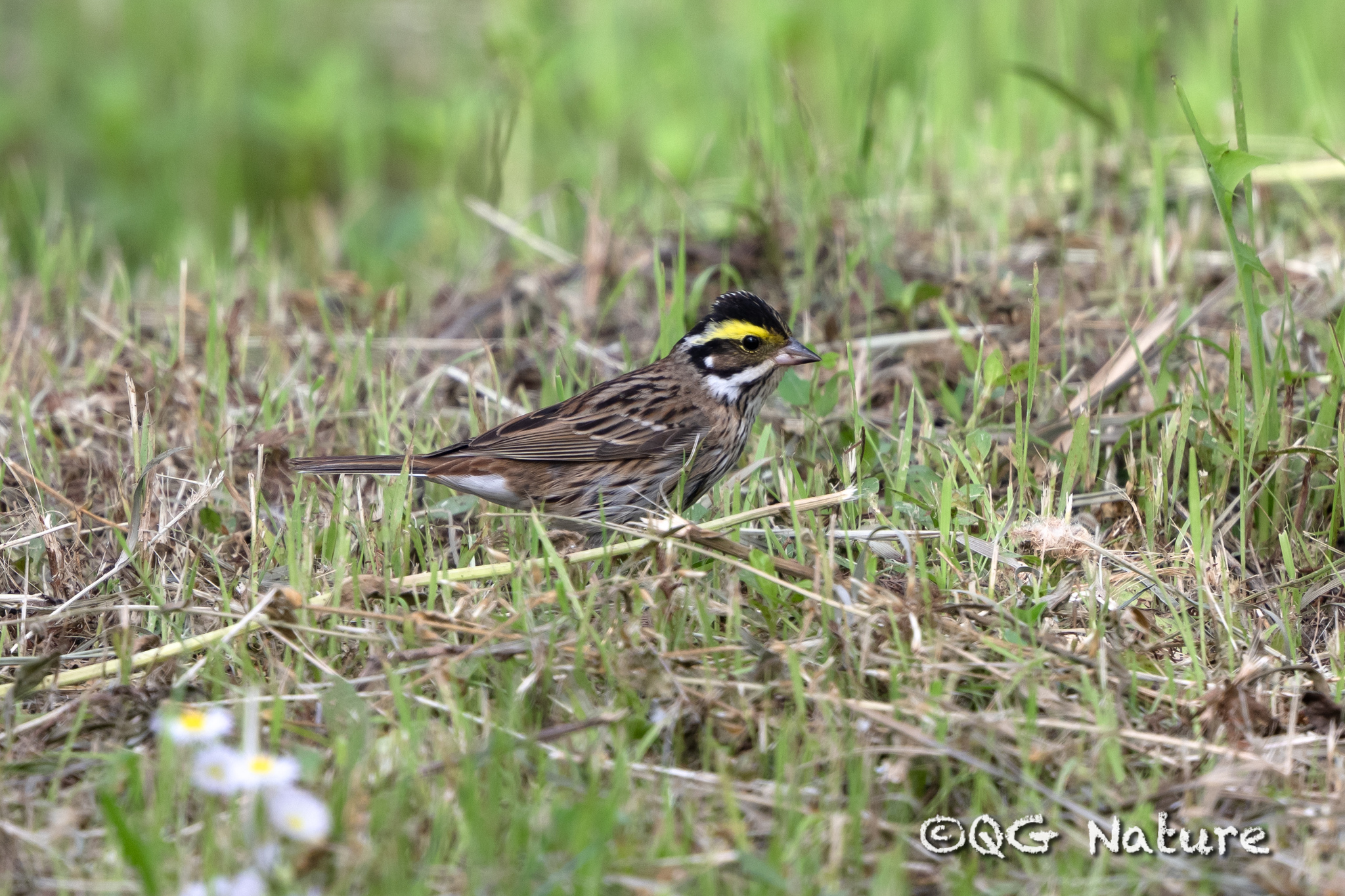
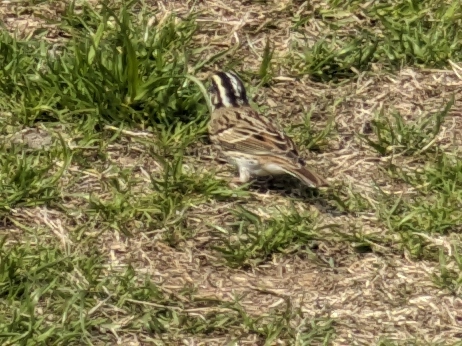
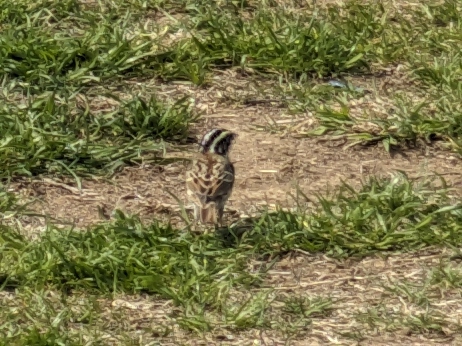
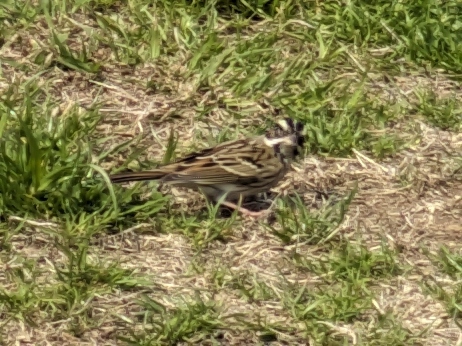
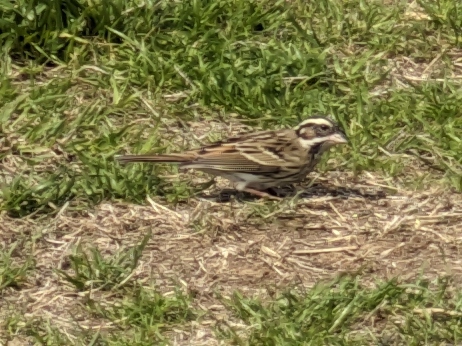
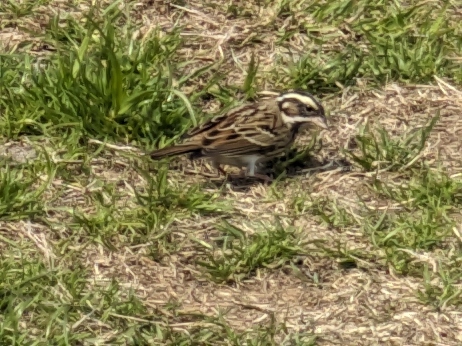
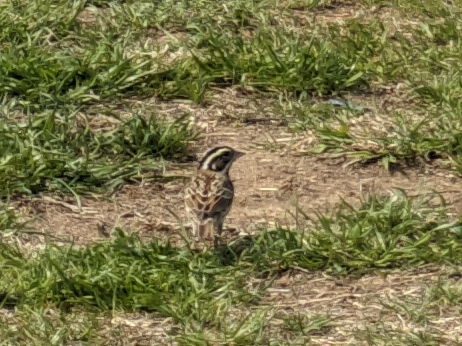
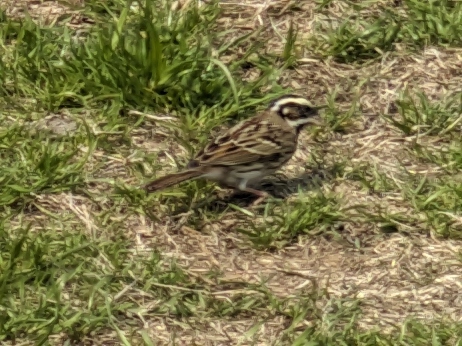
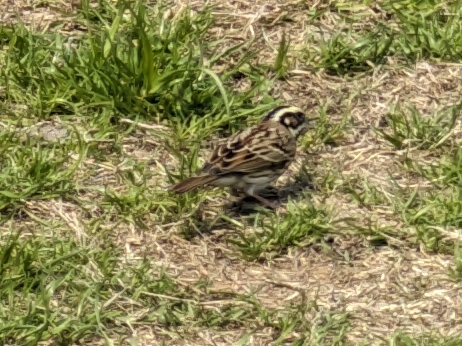
This is a compact bunting, notably smaller than a reed bunting, though it appears relatively large-headed, giving it a somewhat front-heavy silhouette. The upperparts are brown and heavily streaked, providing excellent camouflage against the taiga floor. Underparts are predominantly white, flushed with orange on the flanks and marked with fine dark streaks. The bill is stout and pinkish, adapted for its seed-based diet. Breeding males are striking, with a black head contrasting sharply with a white crown stripe and white moustachial and throat stripes. Most distinctive is the bright yellow eyebrow stripe that gives the species its name. Females and juveniles are more subdued, with brown replacing the black on the head, though they retain a yellowish eyebrow and at least a suggestion of the crown stripe.
Identification
This species presents identification challenges, particularly when comparing females and first-year birds to the similar little bunting. The key distinguishing feature is the yellow coloration in the eyebrow stripe, which is always present even in the dullest plumages. Additionally, observers should look for at least a trace of white on the crown, though this may be faint in young birds. The orange flush on the flanks can also help separate it from little bunting, which shows colder, grayer underparts. The relatively heavy-headed appearance and stout pink bill are further pointers. Breeding males are unmistakable with their bold black-and-white head pattern and bright yellow supercilium.
Distribution & Habitat
The breeding range is confined to the taiga zone of eastern Siberia, stretching from the Yenisei River eastward to the Pacific coast. During migration, the species passes through suitable woodland habitats across its range. Wintering grounds are centered in central and southern China, where individuals scatter across forested and scrubby habitats. While predominantly an Asian species, a very small number of records exist from western Europe, representing genuine vagrancy rather than regular migration. These European records typically occur in autumn, coinciding with the species' southward migration period.
Behavior & Ecology
The diet consists primarily of seeds during the breeding season, though adults actively seek insects to feed their nestlings, reflecting the high protein requirements of growing chicks. The species nests arboreally, typically locating the cup-shaped nest in coniferous trees where it lays a clutch of four eggs. The breeding biology remains poorly studied due to the remote nature of the breeding grounds. Males likely establish territories through song, though detailed vocal information is limited. The species is probably territorial during breeding but may form small flocks outside the breeding season.
Conservation
The IUCN Red List currently classifies this species as Least Concern, indicating that it does not face immediate threats of extinction. However, the remote breeding range and limited wintering areas mean that population monitoring is challenging, and genuine population trends are difficult to establish with confidence. Habitat degradation in wintering areas and potential threats along migration routes could represent future concerns, but currently, there is no substantial evidence of significant population declines.
Source: Wikipedia · CC BY-SA 3.0
Taxonomy
- Order
- Passeriformes
- Family
- Emberizidae
- Genus
- Emberiza
- eBird Code
- yebbun1
Distribution
breeds taiga of central Siberia; winters in central and southeastern China
Data Sources
Species description from Wikipedia, licensed under CC BY-SA 3.0.
Bird images and sounds sourced from GBIF, contributed by citizen scientists worldwide under Creative Commons licenses.
Taxonomy data from AviList 2025.