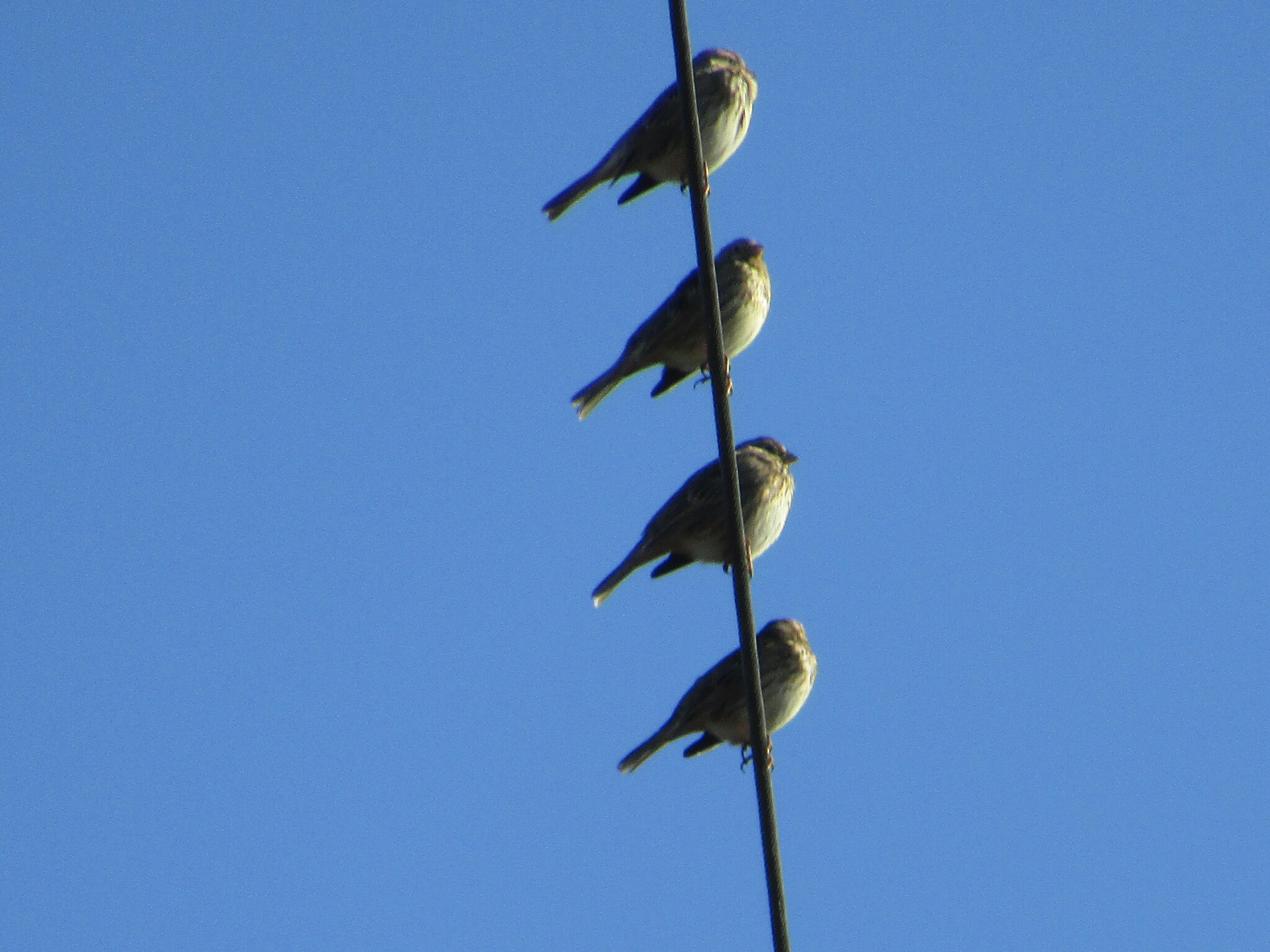
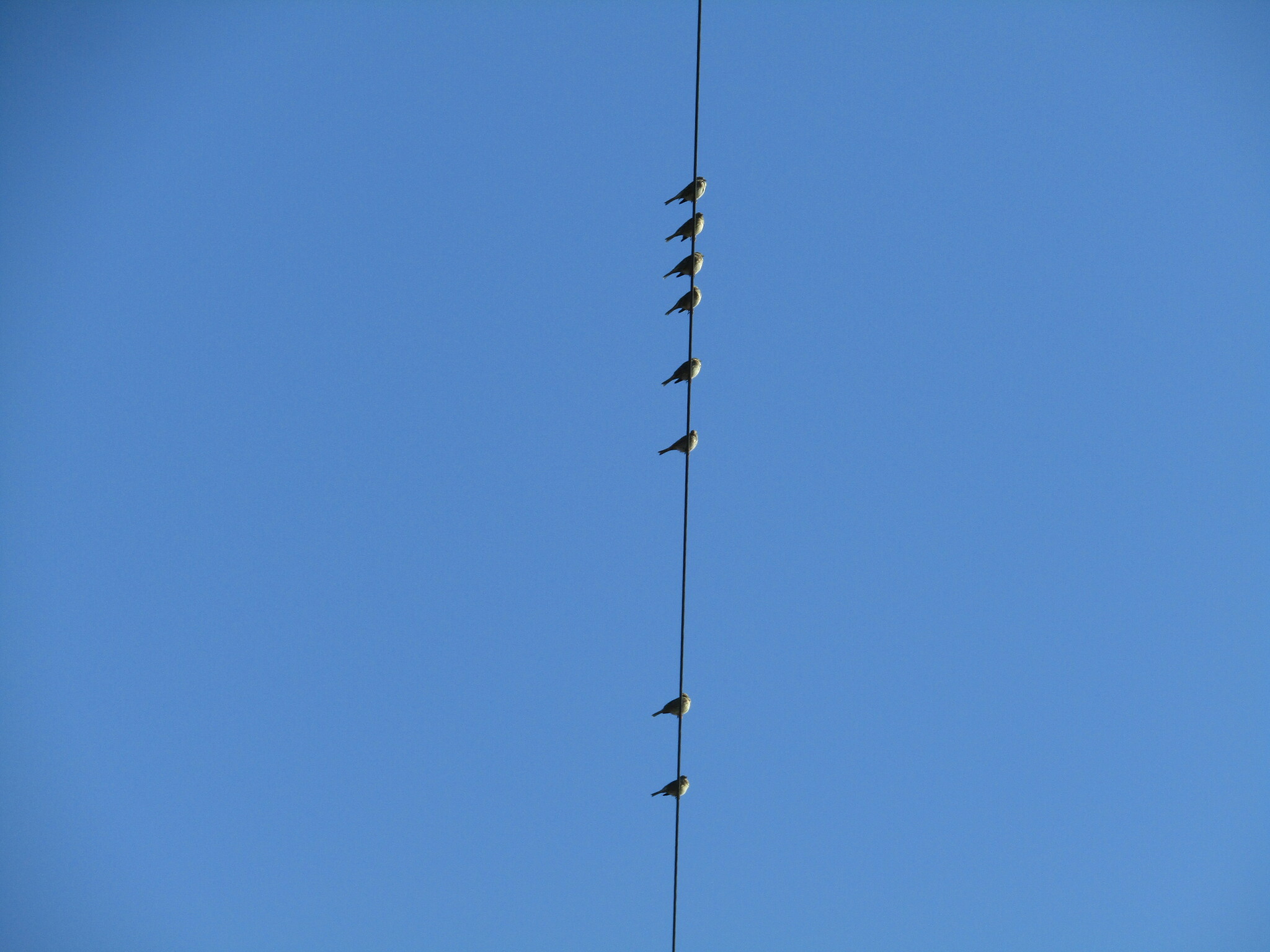
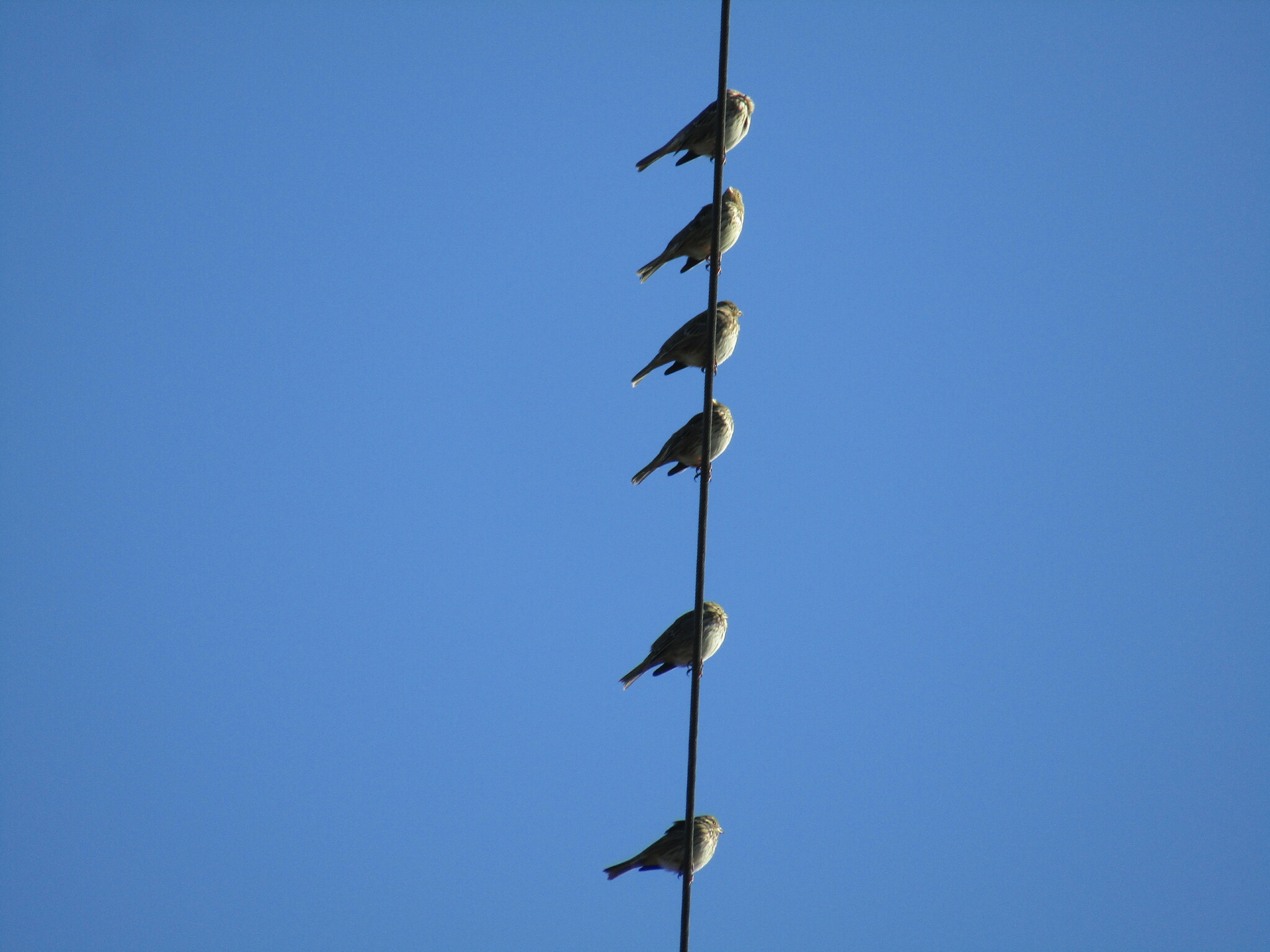
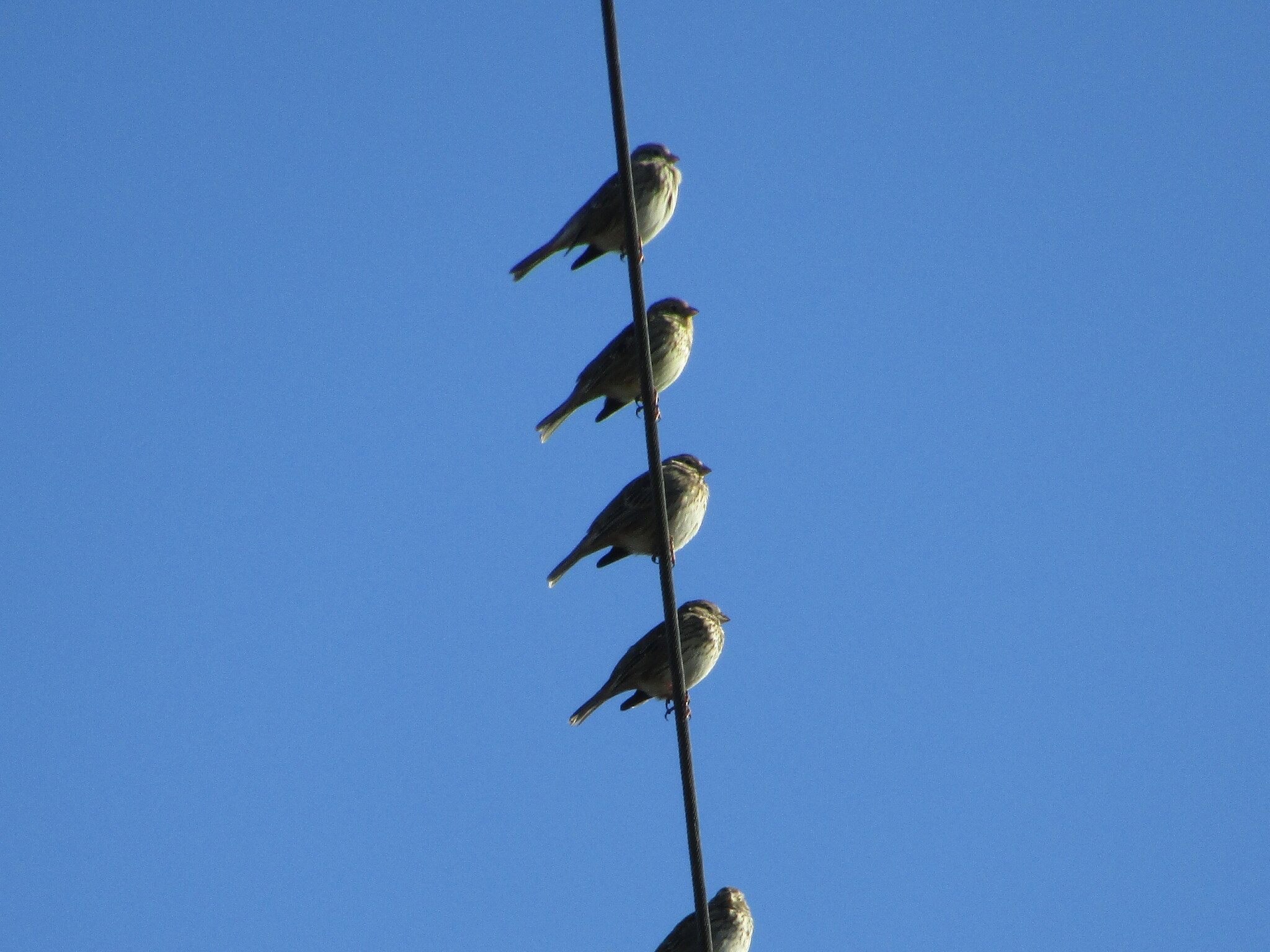
Corn Bunting
Emberiza calandra
黍鹀
Introduction
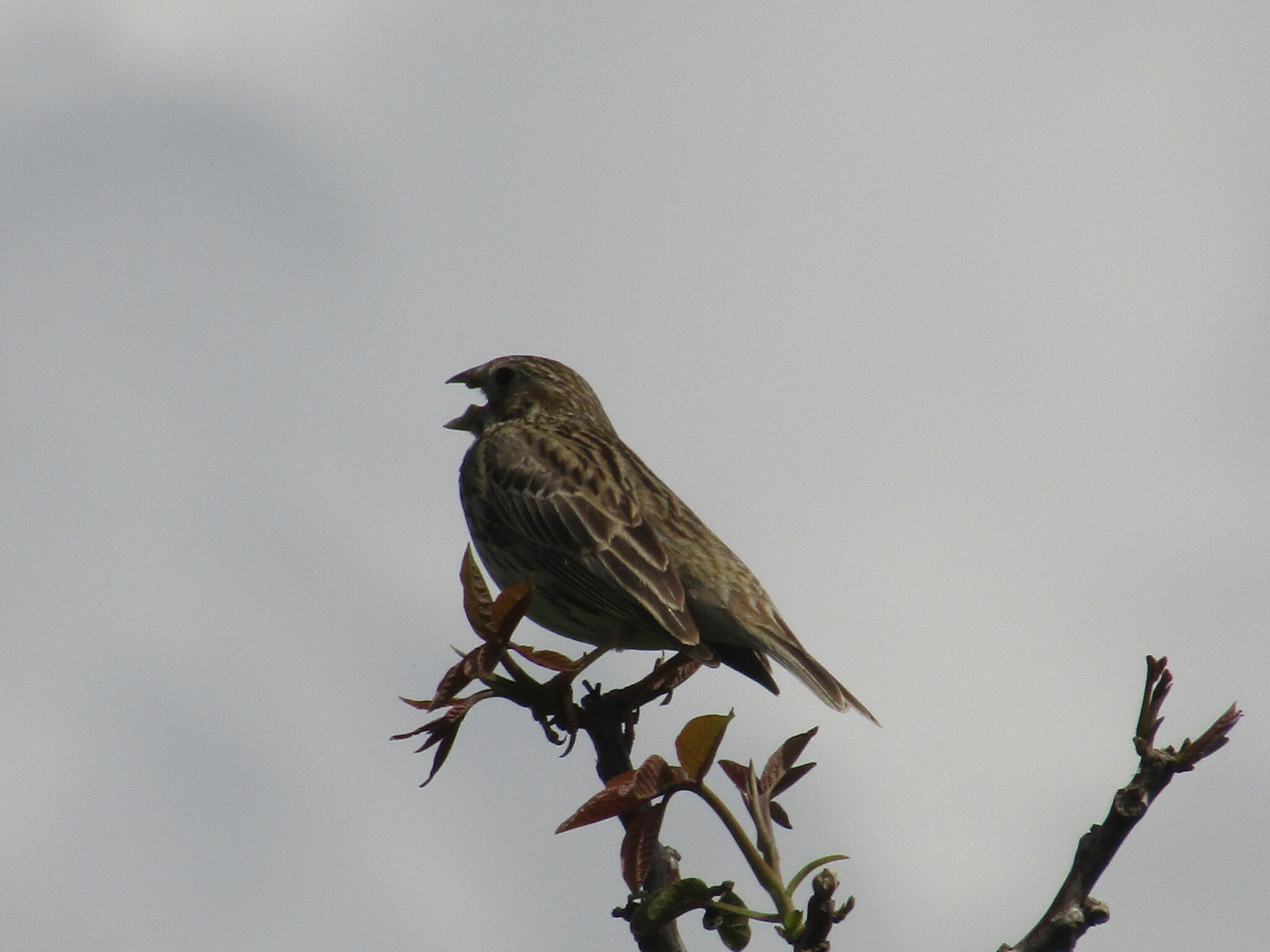
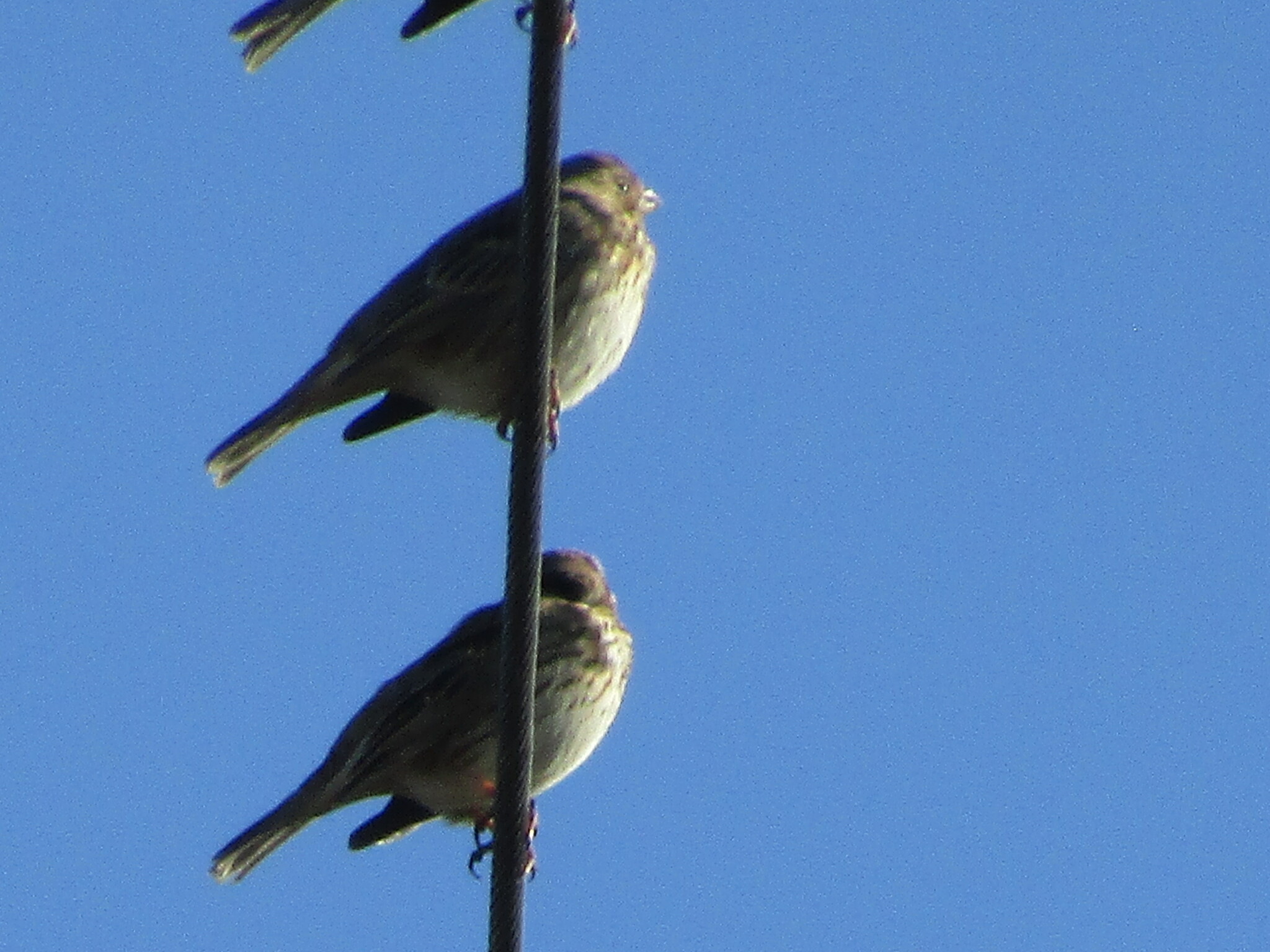
This bunting inhabits open agricultural landscapes, including farmland, weedy fields, and bushy grassland. Its range extends from Western Europe to northwest China. Males are larger than females, though both sexes have similar plumage. The species has undergone significant population decline, disappearing entirely from Wales and Ireland, though it remains more widespread elsewhere in its range. It depends on mosaic habitats with abundant weed seeds and insects, making it vulnerable to agricultural intensification. Males sing from exposed perches such as fence posts, wires, or low bushes during the breeding season.
Description
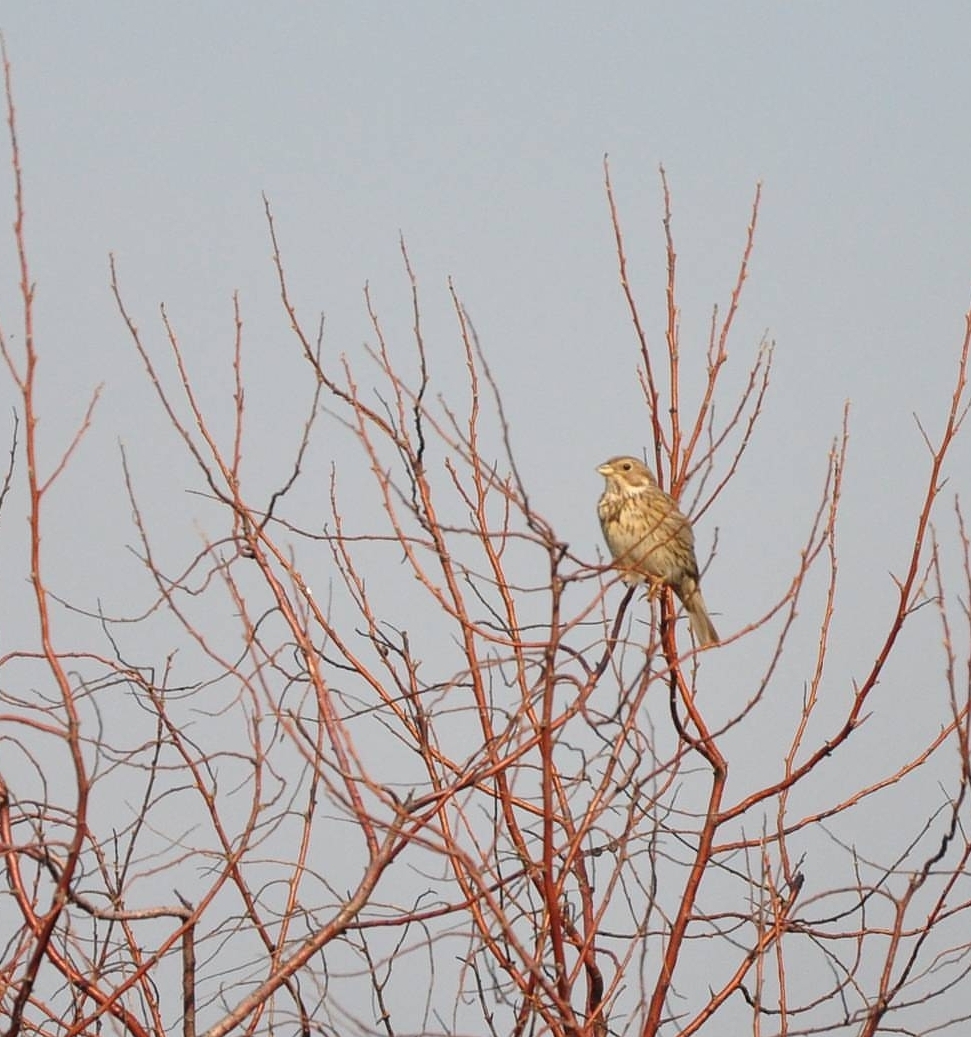
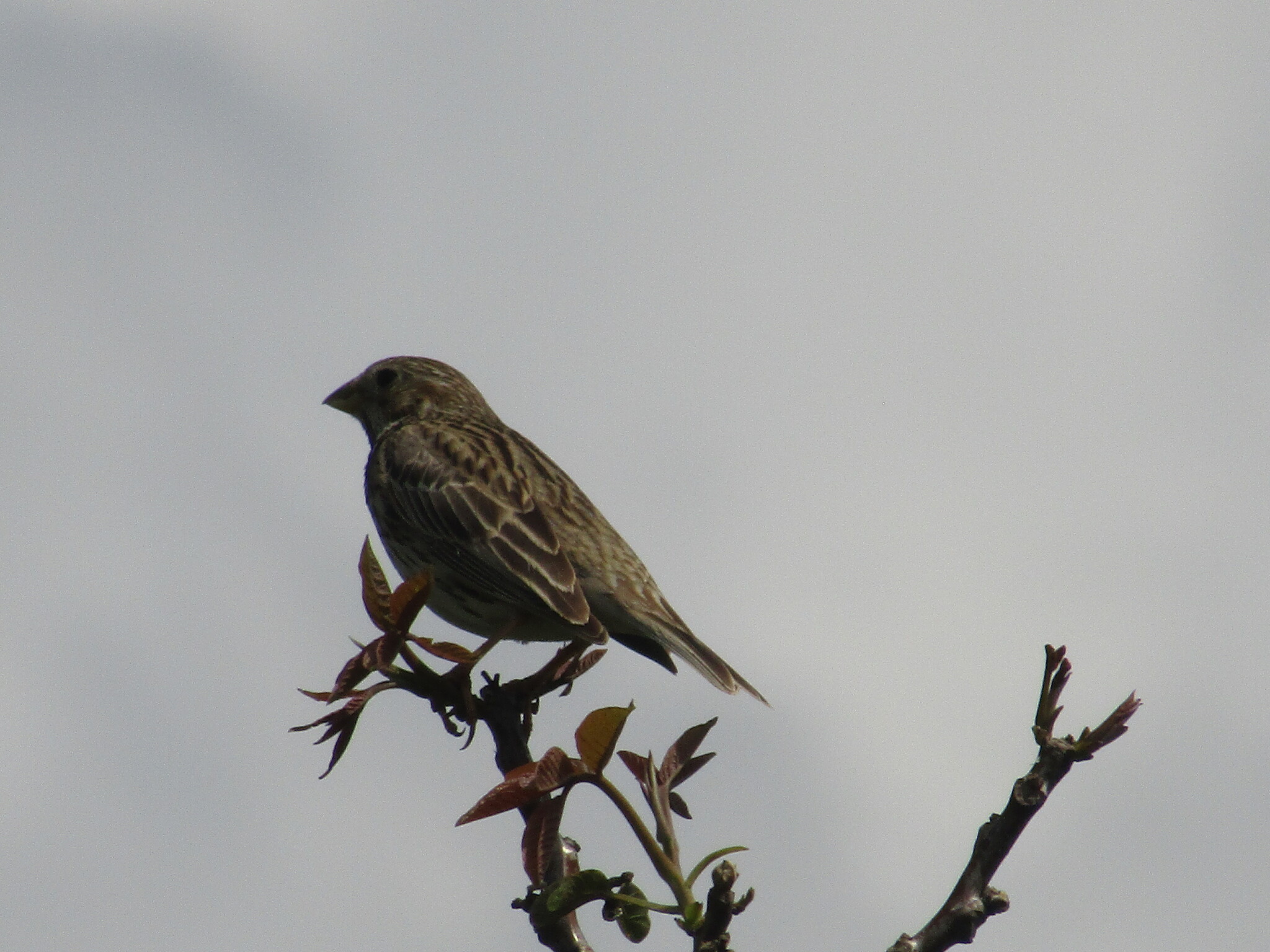
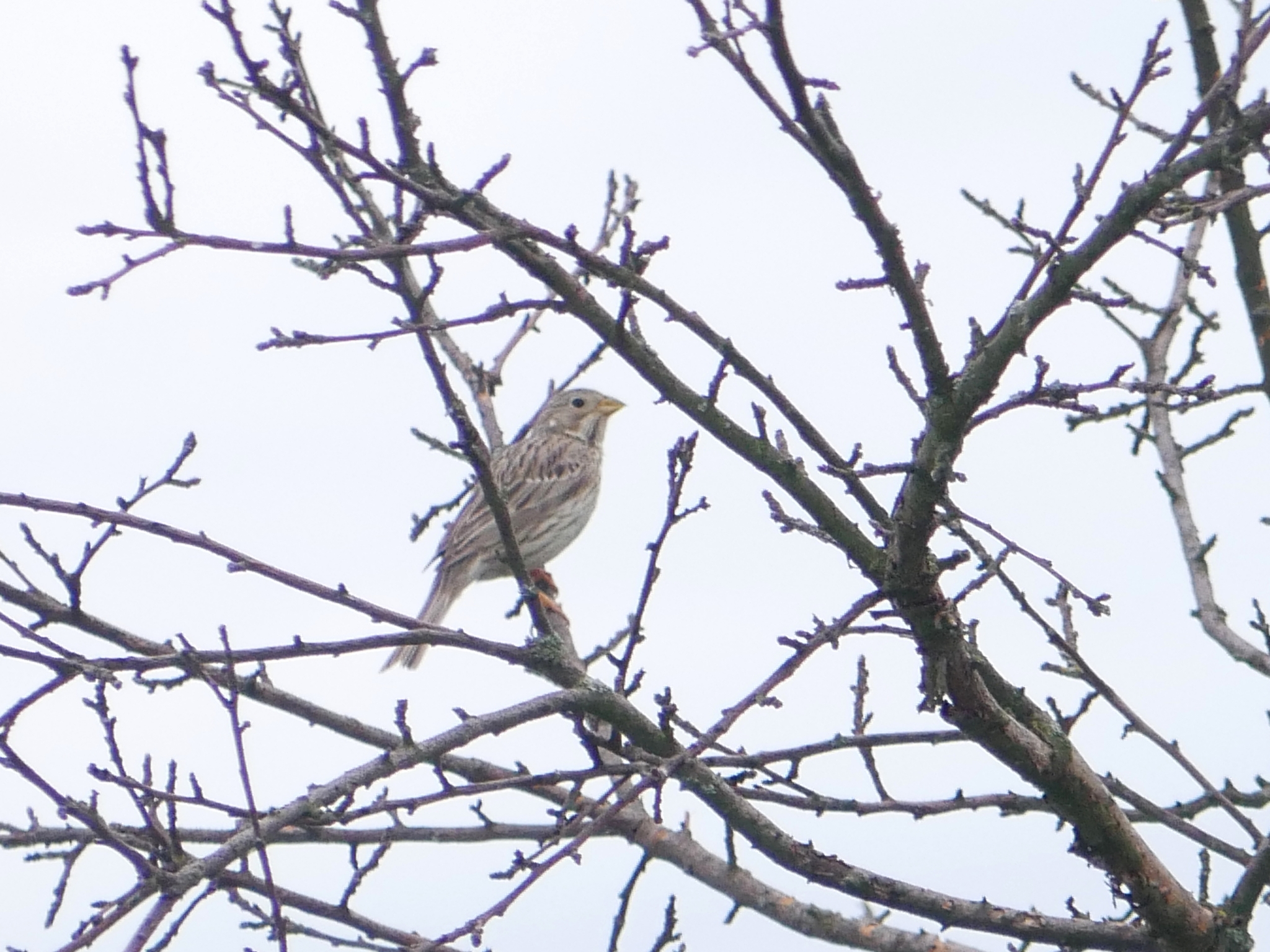
A large, bulky bunting measuring 16-19 cm in length with a notably heavy, streaked appearance. The plumage is predominantly buff-brown with heavy dark streaking throughout. Both sexes appear similar, though males are approximately 20% larger. The species has a conspicuously dark eye and yellowish mandibles, giving the face a distinctive expression. The upperparts are streaked grey-brown, while the underparts are whitish with heavy streaking concentrated on the breast and flanks, forming a distinctive gorget around the throat. The lesser wing coverts are dark with white tips, creating a subtle wing pattern. The tail is plain brown. Overall, the bird bears a passing resemblance to larks, sharing their streaked and relatively plain coloration.
Identification
The combination of large size, heavily streaked plumage, and lark-like appearance makes this species distinctive within its range. Unlike most Emberiza buntings, both sexes lack showy head patterns. The plain brown tail distinguishes it from species with white outer feathers. The metallic, jangling song is diagnostic and often given from low vantage points. The dark eye and yellowish base to the bill are useful close-range identification features. When flushed, it shows a rather heavy, clumsier flight than smaller buntings.
Distribution & Habitat
Breeds across southern and central Europe, north Africa, and temperate Asia east to Kazakhstan. The range extends from Western Europe across to northwest China. Northern populations in colder regions of central Europe and Asia are migratory, moving south for winter, while western and southern populations are largely resident. This is a bird of open farmland, weedy wasteland, and grassland with scattered trees. It has declined catastrophically in north-west Europe due to agricultural intensification and is now extinct in Wales and Ireland, where it was formerly common.
Behavior & Ecology
The diet consists primarily of seeds, supplemented by insects, particularly crickets, which are especially important when feeding young. Males defend territories during the breeding season and are frequently polygynous, holding up to three females simultaneously. The population maintains roughly equal sex ratios, meaning some males remain unmated each season. Males play a minimal role in parental care, taking no part in nest building or incubation, and only feeding chicks once they are more than half-grown. The nest is constructed on the ground using grass and lined with hair or fine grass. Clutch size averages four eggs, typically ranging from three to five.
Conservation
The species has suffered severe population declines across north-west Europe due to intensive agricultural practices that have reduced weed seeds and insect prey availability. It has become extinct in Wales and Ireland, where it was once abundant. In England, Natural England offers grants through environmental stewardship schemes to implement conservation measures for this species. These measures focus on creating and managing habitat features that provide the weed seeds and insect populations upon which the birds depend.
Source: Wikipedia · CC BY-SA 3.0
Taxonomy
- Order
- Passeriformes
- Family
- Emberizidae
- Genus
- Emberiza
- eBird Code
- corbun1
Subspecies (2)
-
Emberiza calandra buturlini
breeds from southeastern Türkiye southward to northern Israel, eastward across Syria, Iraq, and western and northern Iran to Turkmenistan and northern Afghanistan, also northward through Tajikistan, southeastern Uzbekistan, and Kyrgyzstan to southern Kazakhstan and far northwestern China (far western Xinjiang); isolated population in Arabian Peninsula probably also this species; partially migratory
-
Emberiza calandra calandra
breeds from Europe (including the British Isles and far southern Sweden) eastward to Belarus, Ukraine, and southern Russia, Türkiye (except the southeast), and coastal Lebanon and Israel; also northwestern Africa (Morocco eastward to Libya) and the Canary Islands; partially migratory
Data Sources
Species description from Wikipedia, licensed under CC BY-SA 3.0.
Bird images and sounds sourced from GBIF, contributed by citizen scientists worldwide under Creative Commons licenses.
Taxonomy data from AviList 2025.