Red-headed Bunting
Emberiza bruniceps
褐头鹀
Introduction
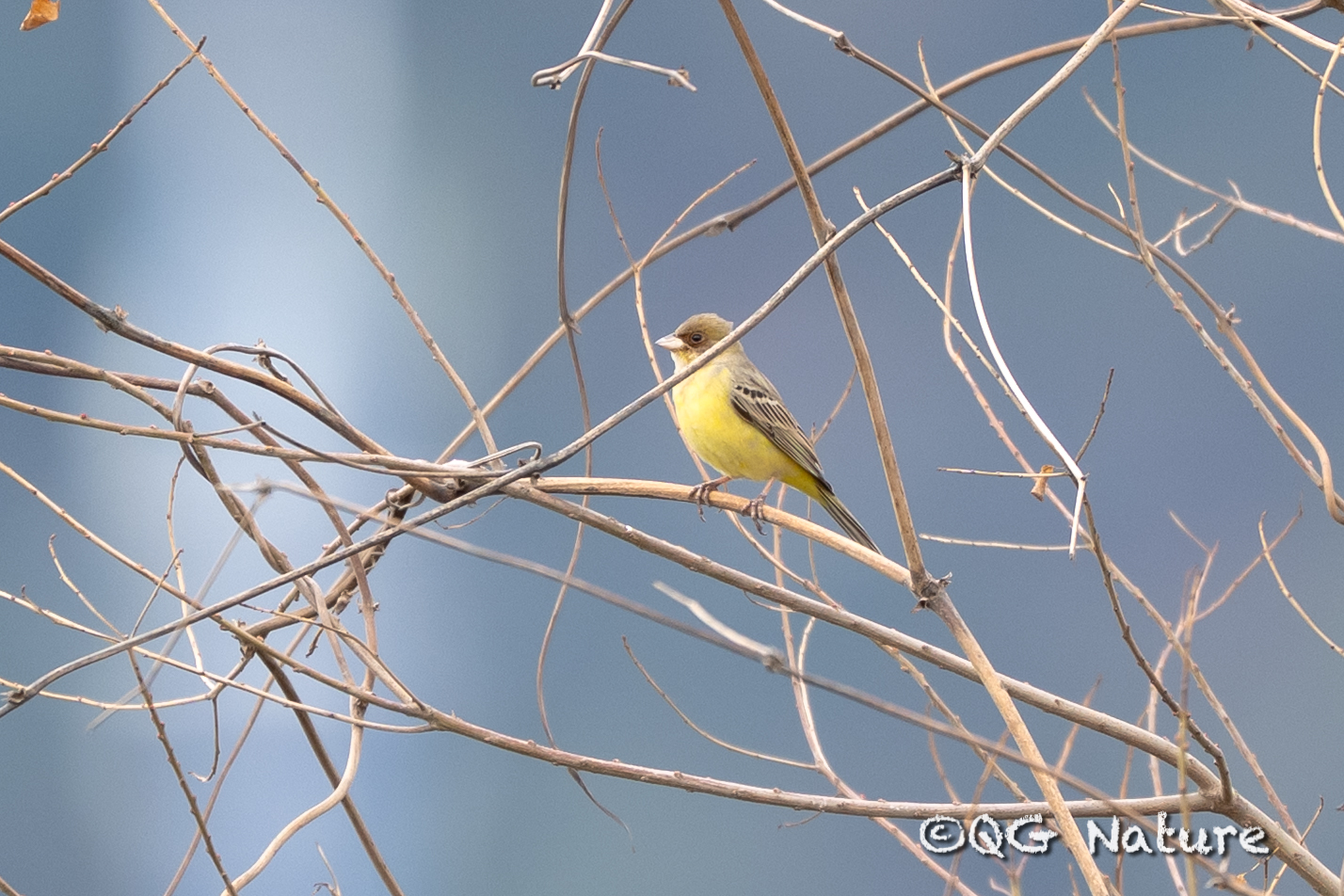
Male has bright yellow underparts, green upperparts, and brownish-red face and breast. Breeds from Afghanistan through Central Asia to Mongolia, inhabiting open scrubby areas and agricultural land. Migratory; winters in India and Bangladesh. Vagrant records exist in western Europe. Rare in Britain with declining reports.
Description
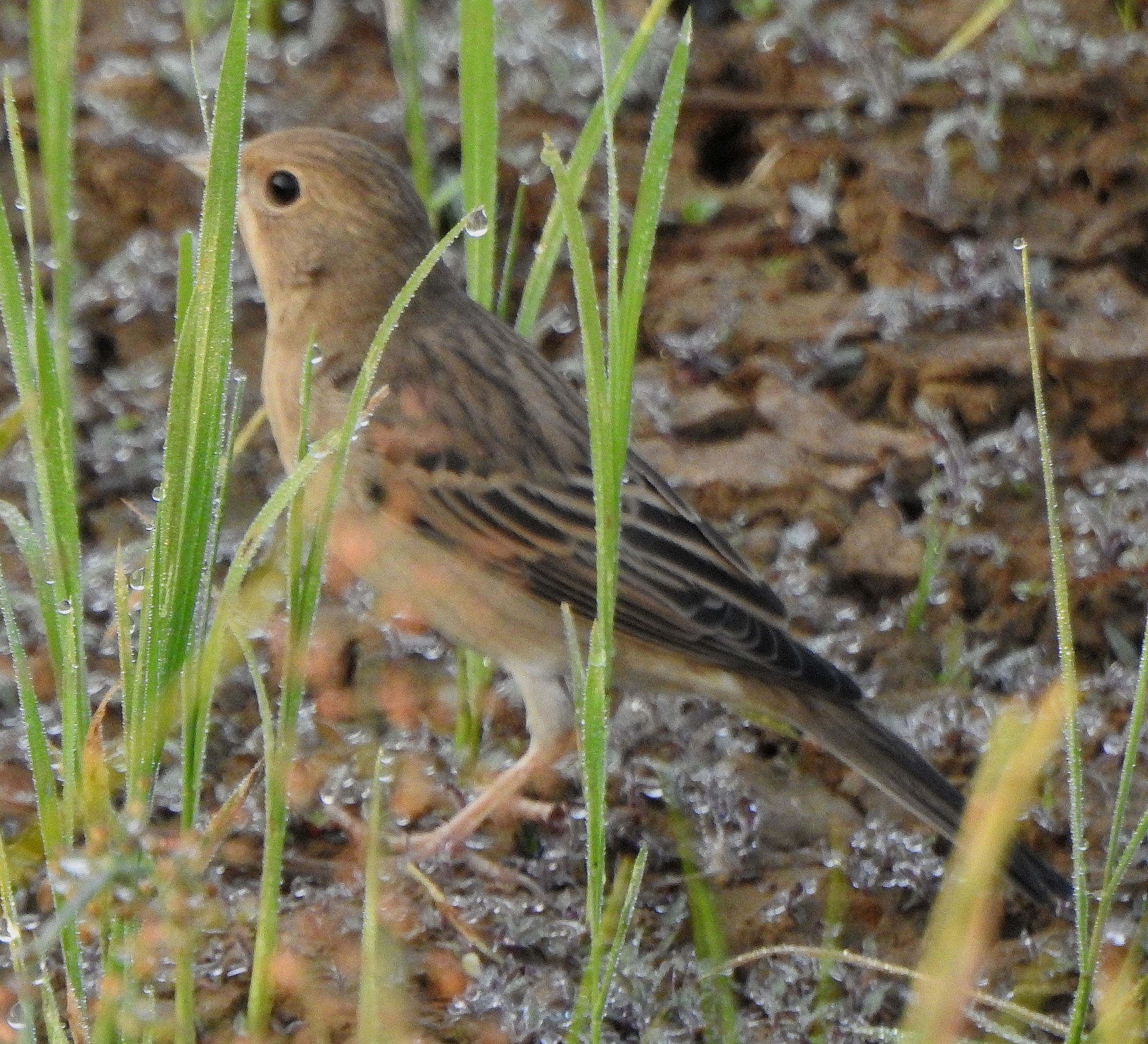
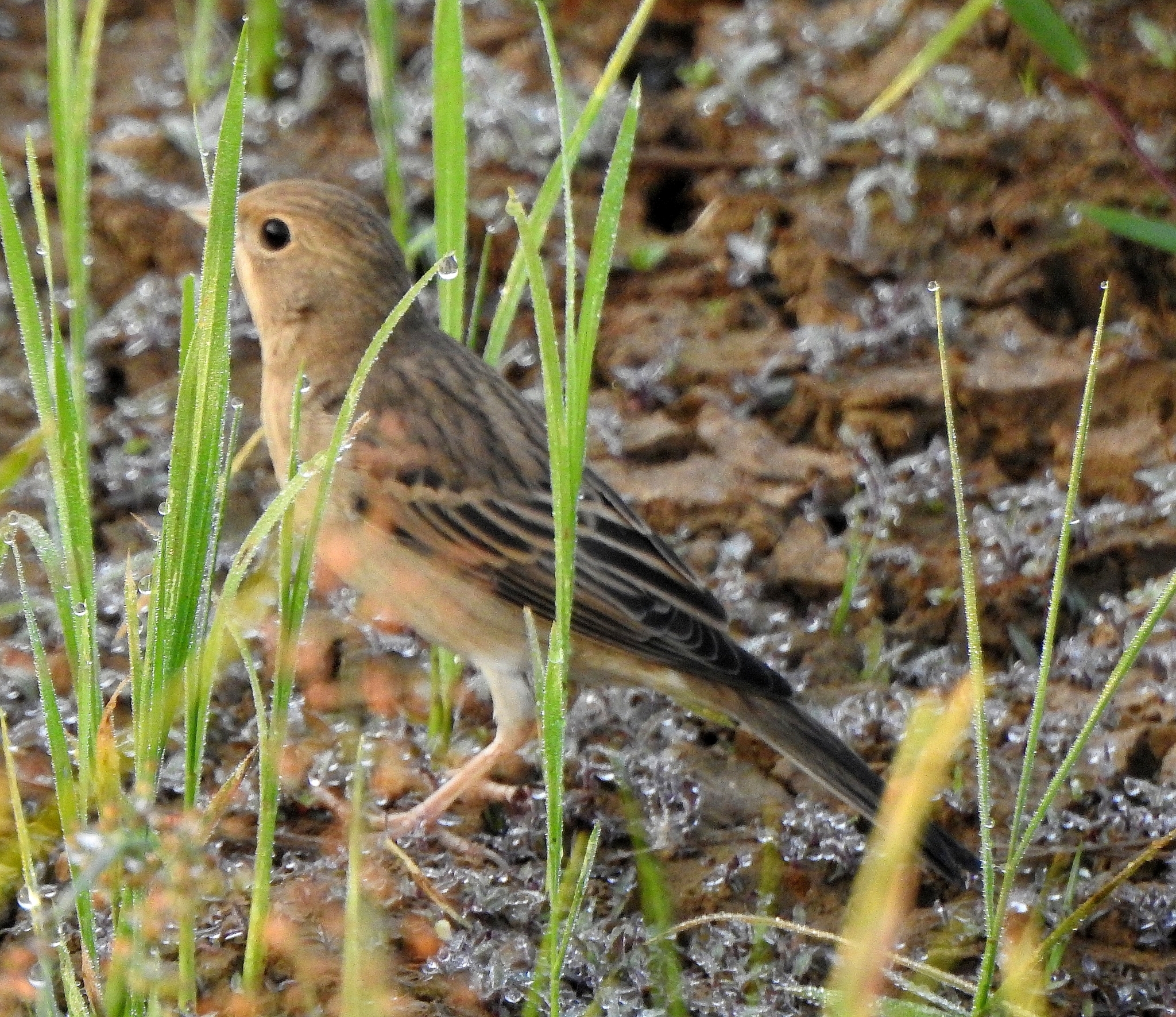
This bunting measures 17 centimetres in length, making it larger than the reed bunting, with a notably long tail. The breeding male displays striking plumage: bright yellow underparts, green upperparts, and a brownish-red face and breast that gives the species its name. Females and juveniles are much more subdued, appearing as washed-out versions with paler underparts, a grey-brown back, and a greyish head overall. The combination of larger size and long tail distinguishes it from many similar Emberiza species in the field.
Identification
Males in breeding plumage are unmistakable with their yellow underparts and reddish face and breast. Females and juveniles can prove challenging to separate from the corresponding plumages of the closely related black-headed bunting, with which they share similar overall patterns and colouring. The species is larger than reed bunting with a proportionately longer tail. The best identification clues come from range and the specific shade of yellow in males, though females require careful observation of plumage tone and structure.
Distribution & Habitat
This species breeds across central Asia, with its range encompassing Afghanistan, Iran, Kazakhstan, Kyrgyzstan, Mongolia, Tajikistan, Turkmenistan, Uzbekistan, and parts of China and Russia. It migrates south to spend the winter in India and Bangladesh. It is a rare vagrant to western Europe, though records there have been complicated by escaped birds. An individual photographed on Shetland in 2010 was confirmed as genuinely wild in origin.
Behavior & Ecology
The species breeds in open scrubby habitats including agricultural land, where it builds a nest in a tree or bush. Clutches typically contain three to five eggs. Its diet consists primarily of seeds, though adults will take insects when feeding young. The song is a distinctive, jerky series of notes delivered from a high perch, described as sweet-sweet-churri-churri-churri. It is most vocal during the breeding season when males establish territories.
Conservation
Reports in Britain have declined dramatically over recent years, a trend that coincides with population declines in some Emberizidae species linked to the impact of illegal trade. The species has been more commonly recorded in western Europe than its close relative the black-headed bunting, despite the latter having a more westerly breeding range, partly due to confusion with escaped birds. Conservation concerns focus on habitat changes and pressures from wildlife trade.
Culture
The article does not contain relevant information on cultural significance or folklore.
Source: Wikipedia · CC BY-SA 3.0
Taxonomy
- Order
- Passeriformes
- Family
- Emberizidae
- Genus
- Emberiza
- eBird Code
- rehbun1
Distribution
breeds south-central Eurasia; winters in Indian subcontinent
Data Sources
Species description from Wikipedia, licensed under CC BY-SA 3.0.
Bird images and sounds sourced from GBIF, contributed by citizen scientists worldwide under Creative Commons licenses.
Taxonomy data from AviList 2025.