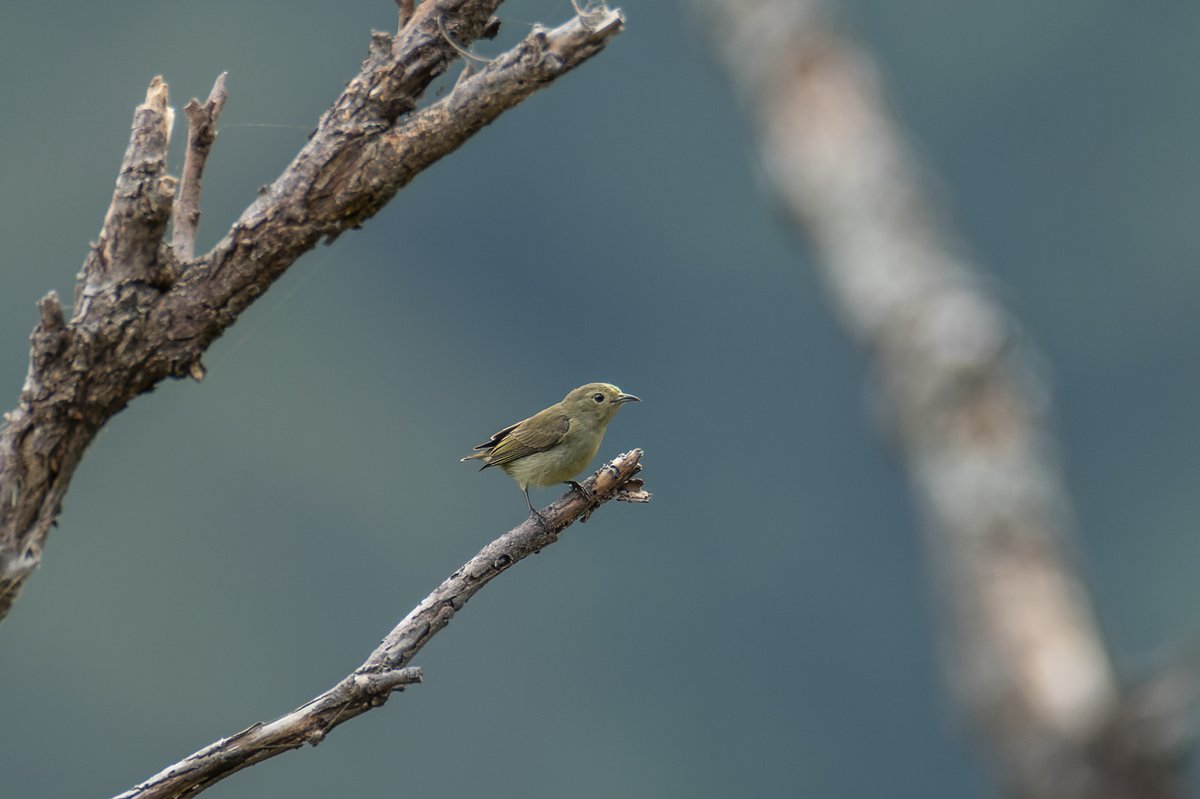
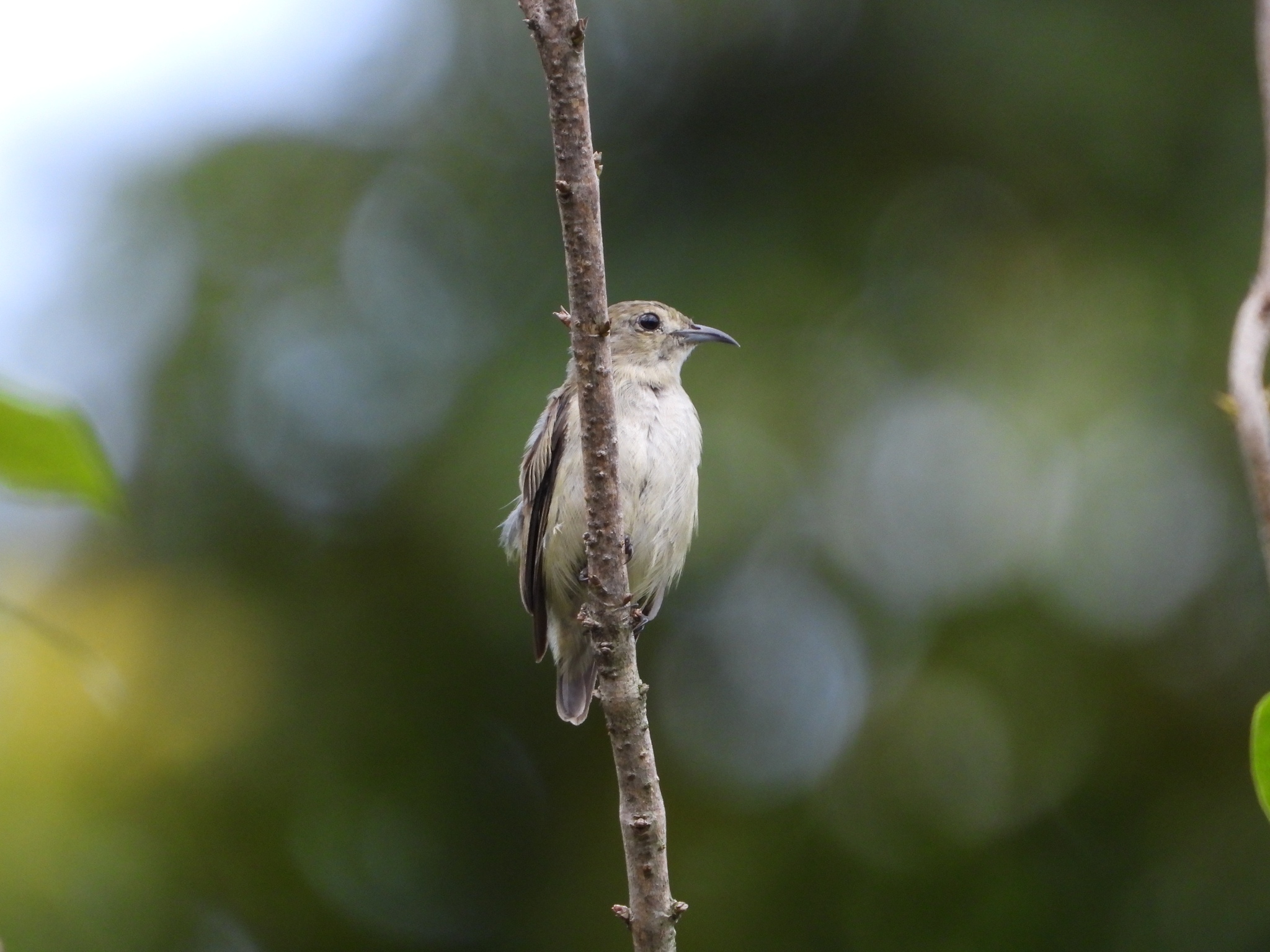
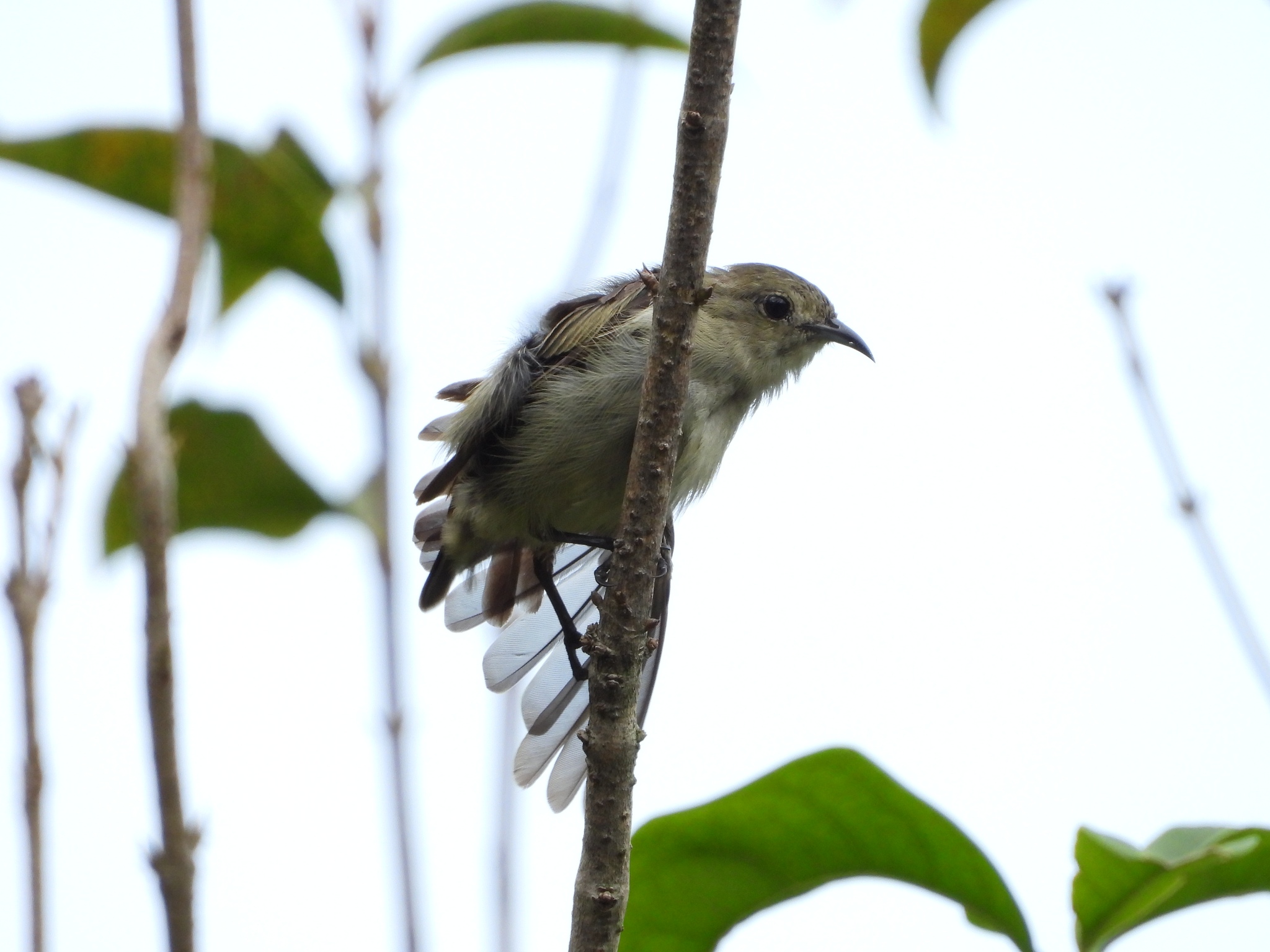
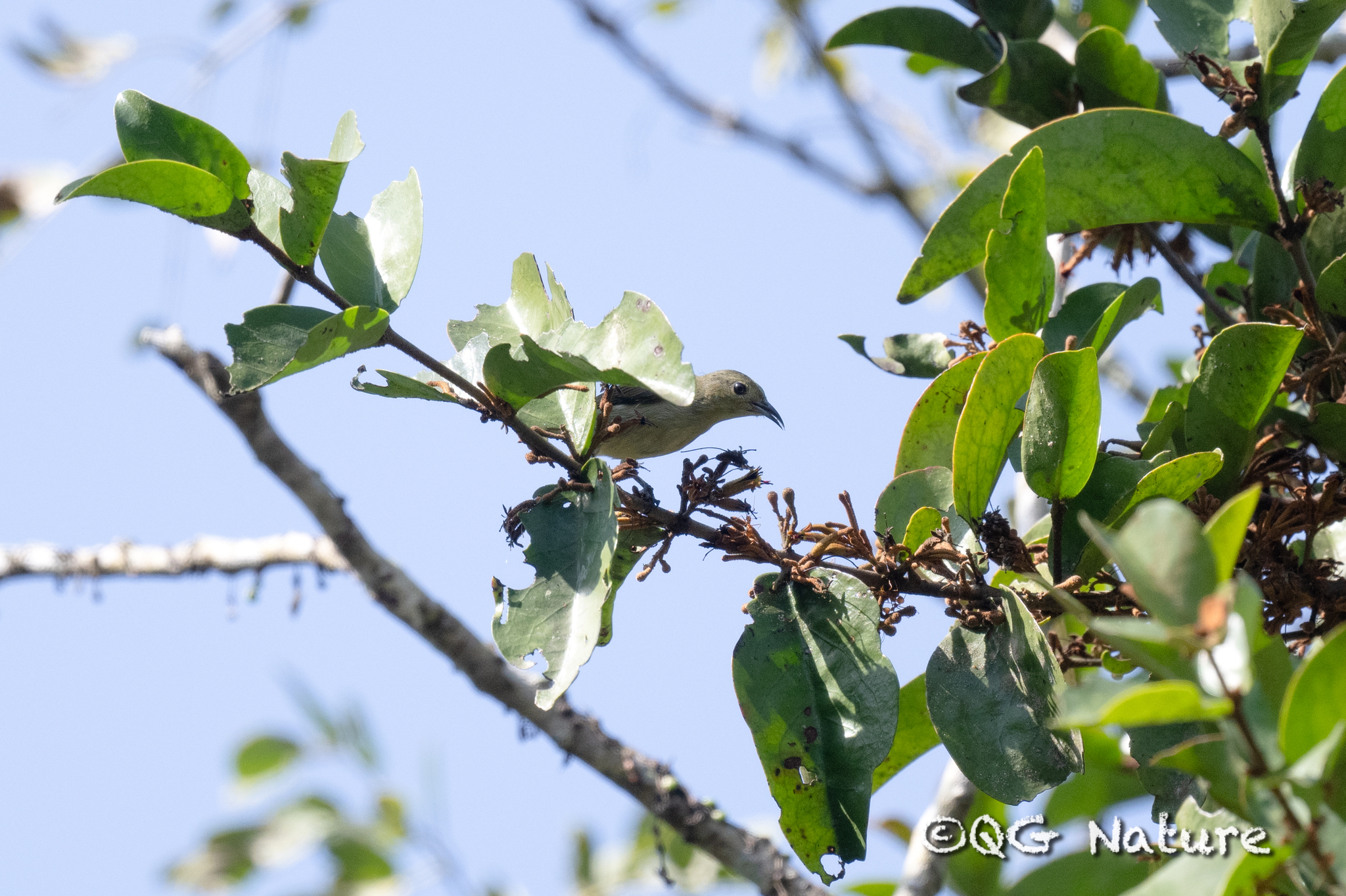
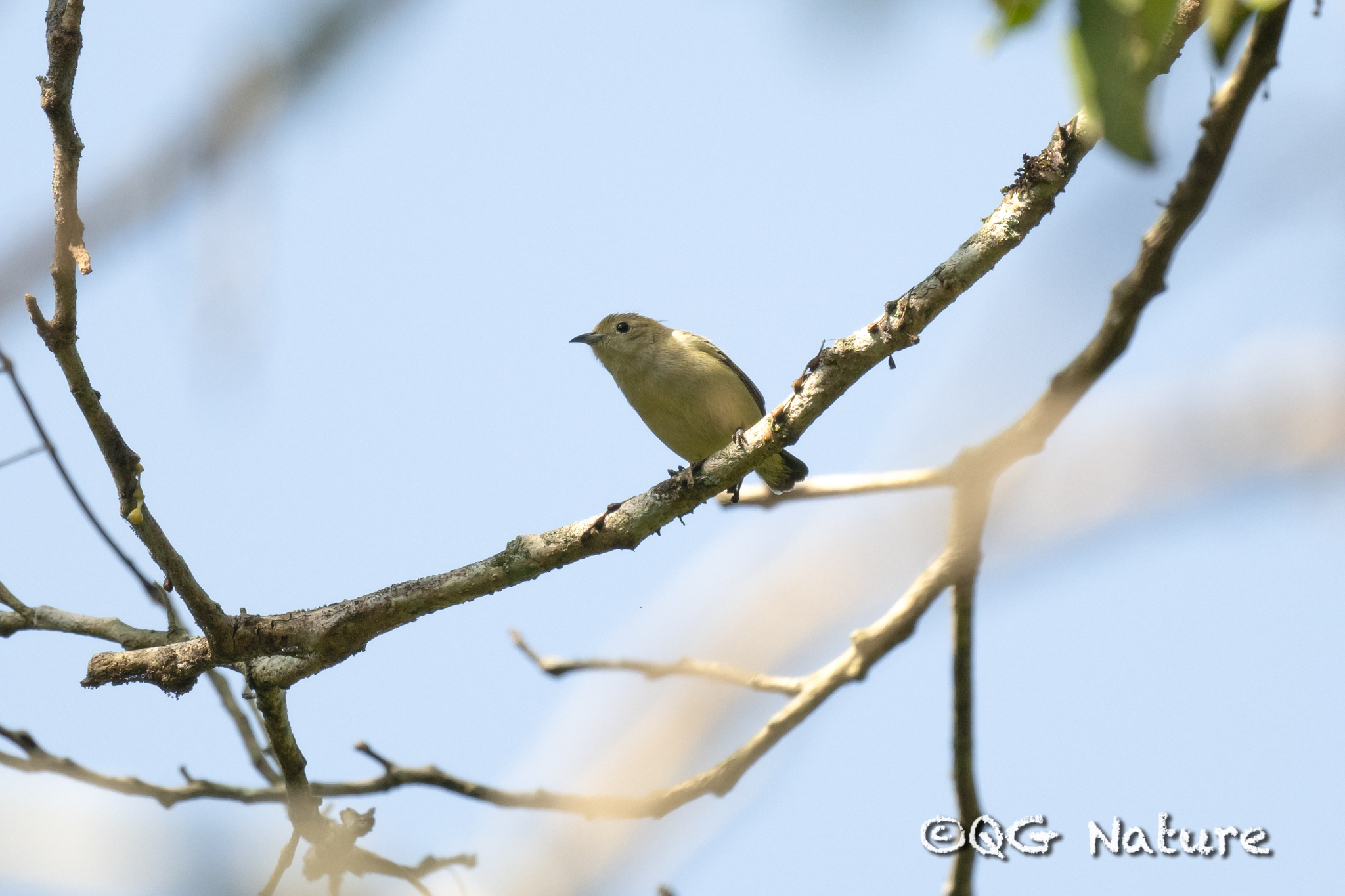
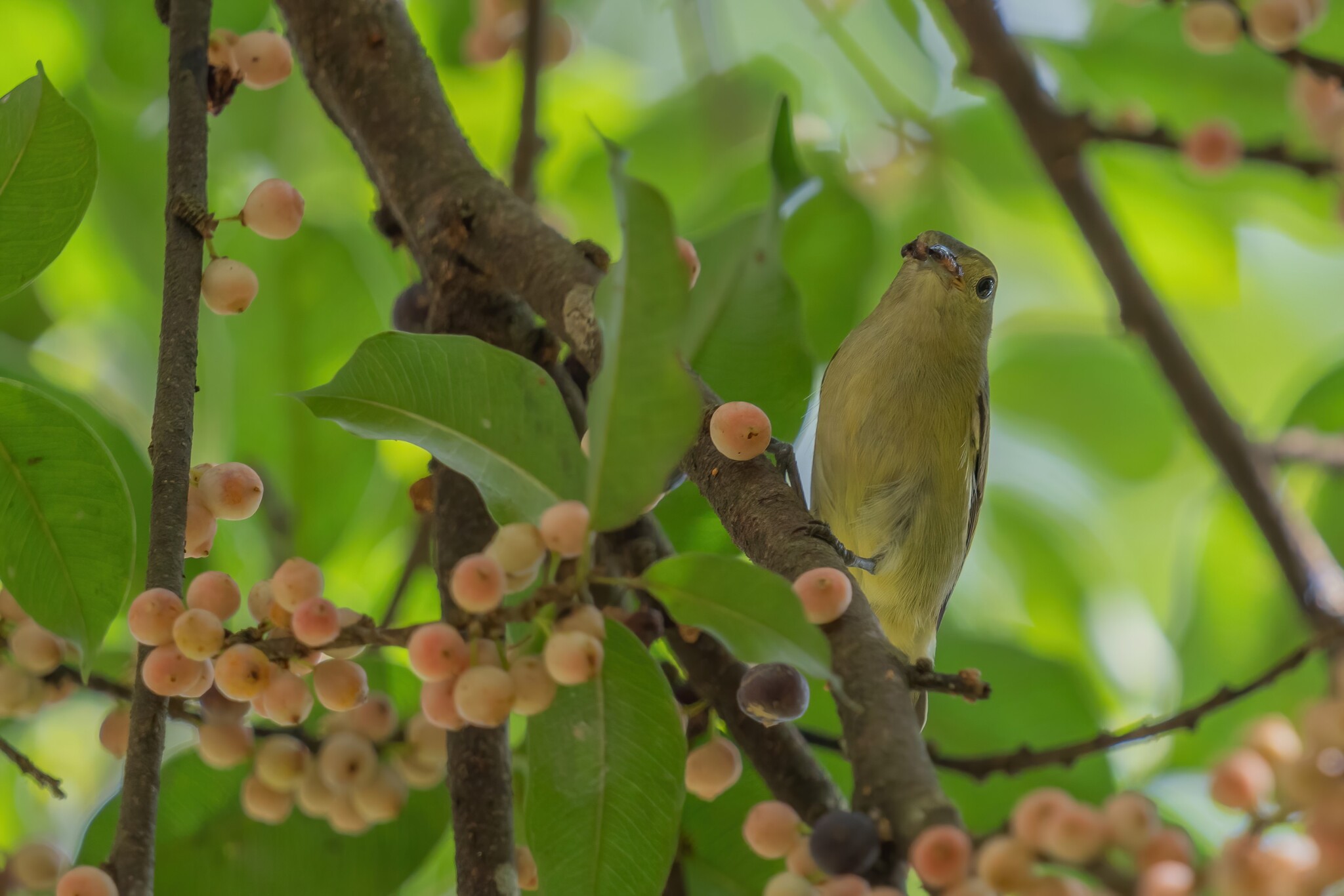
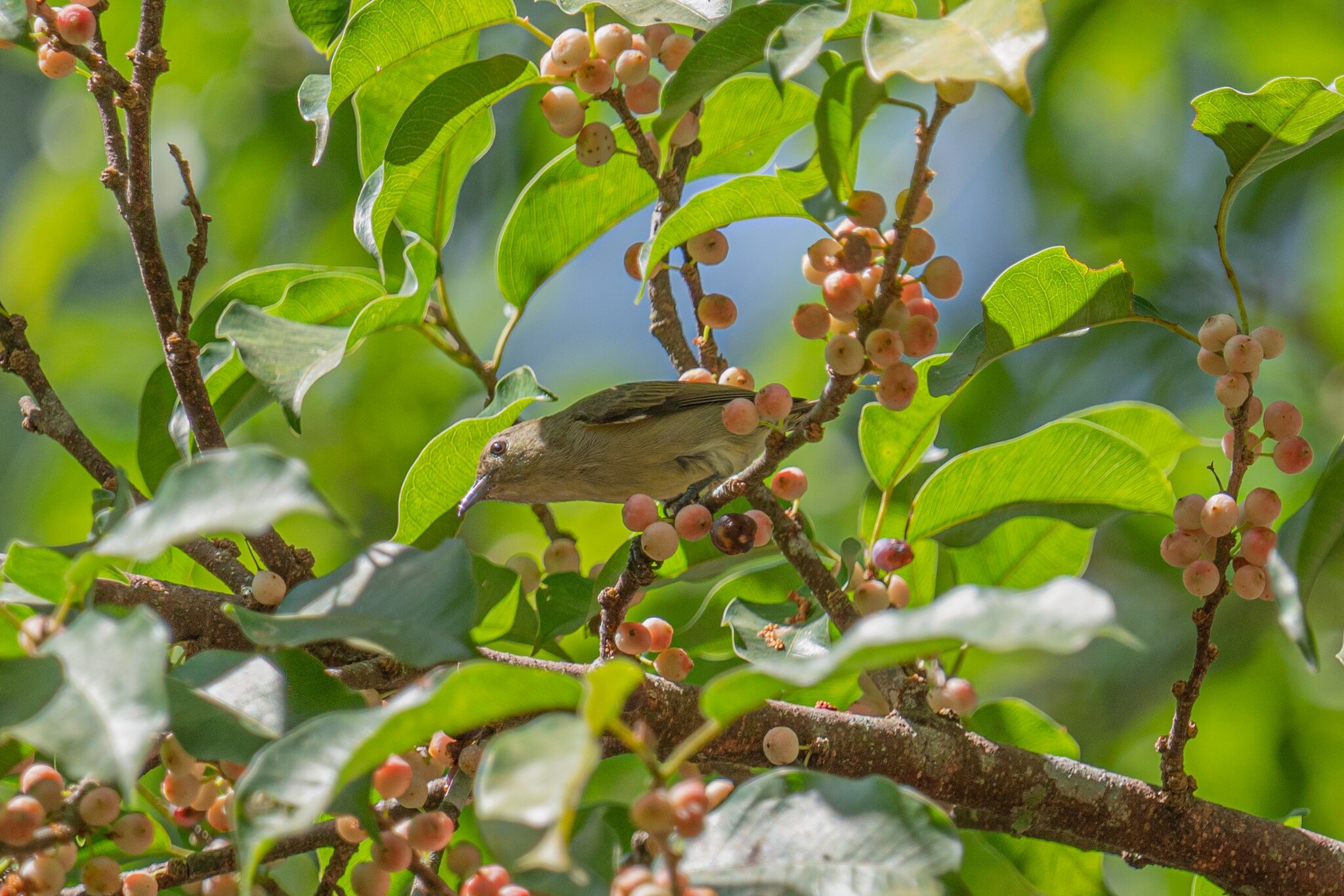
Plain Flowerpecker
Dicaeum minullum
纯色啄花鸟
Introduction
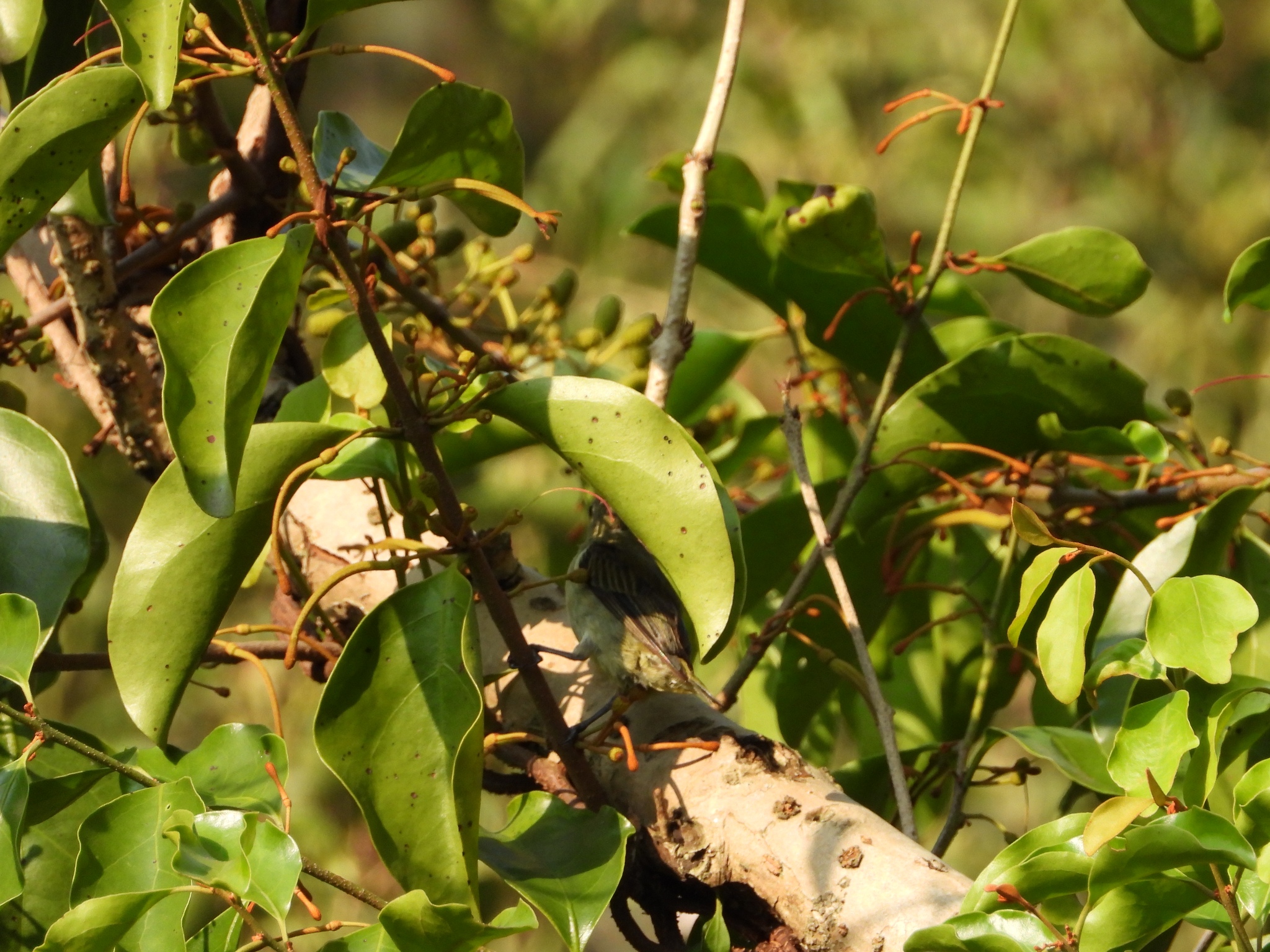
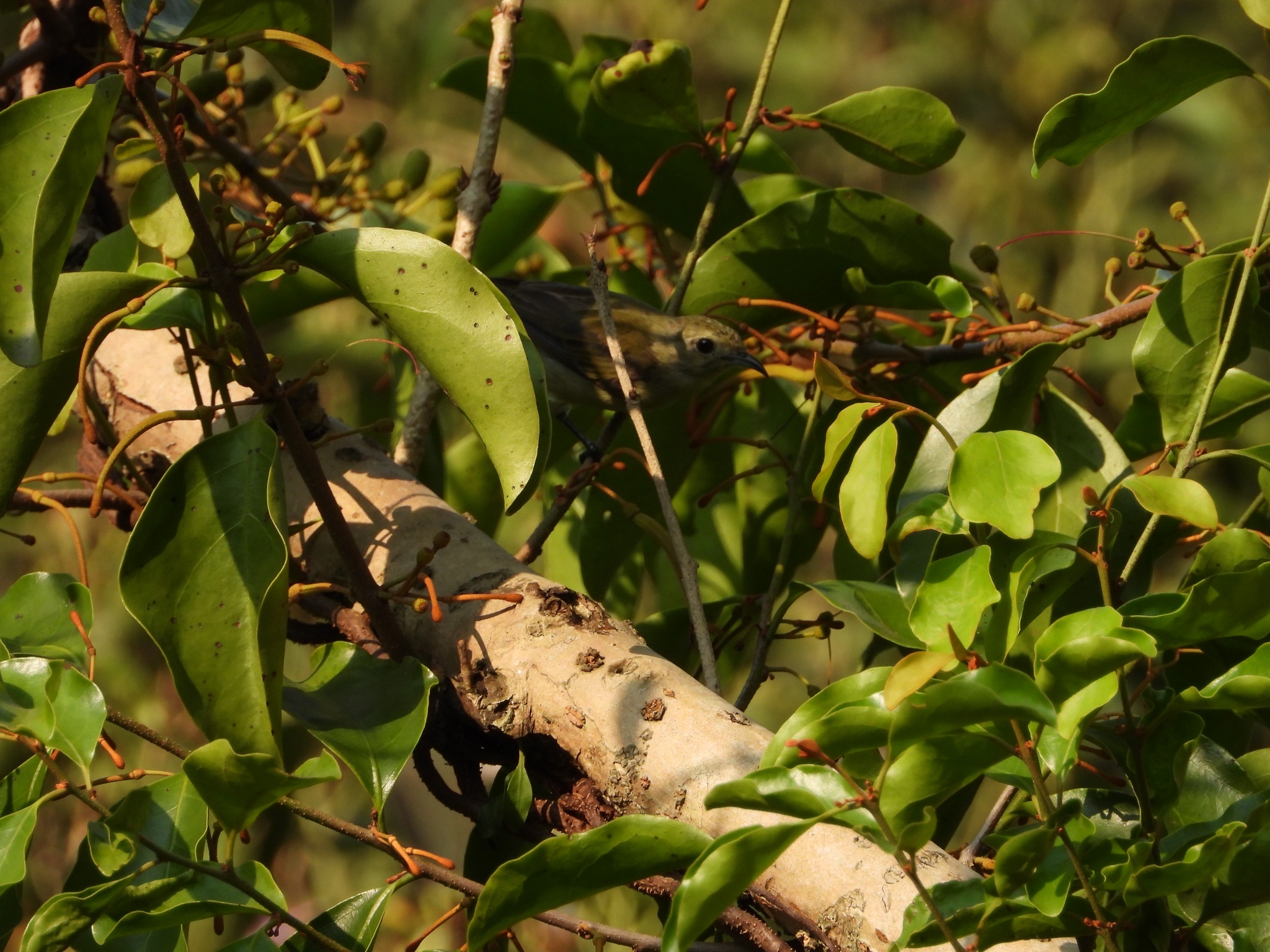
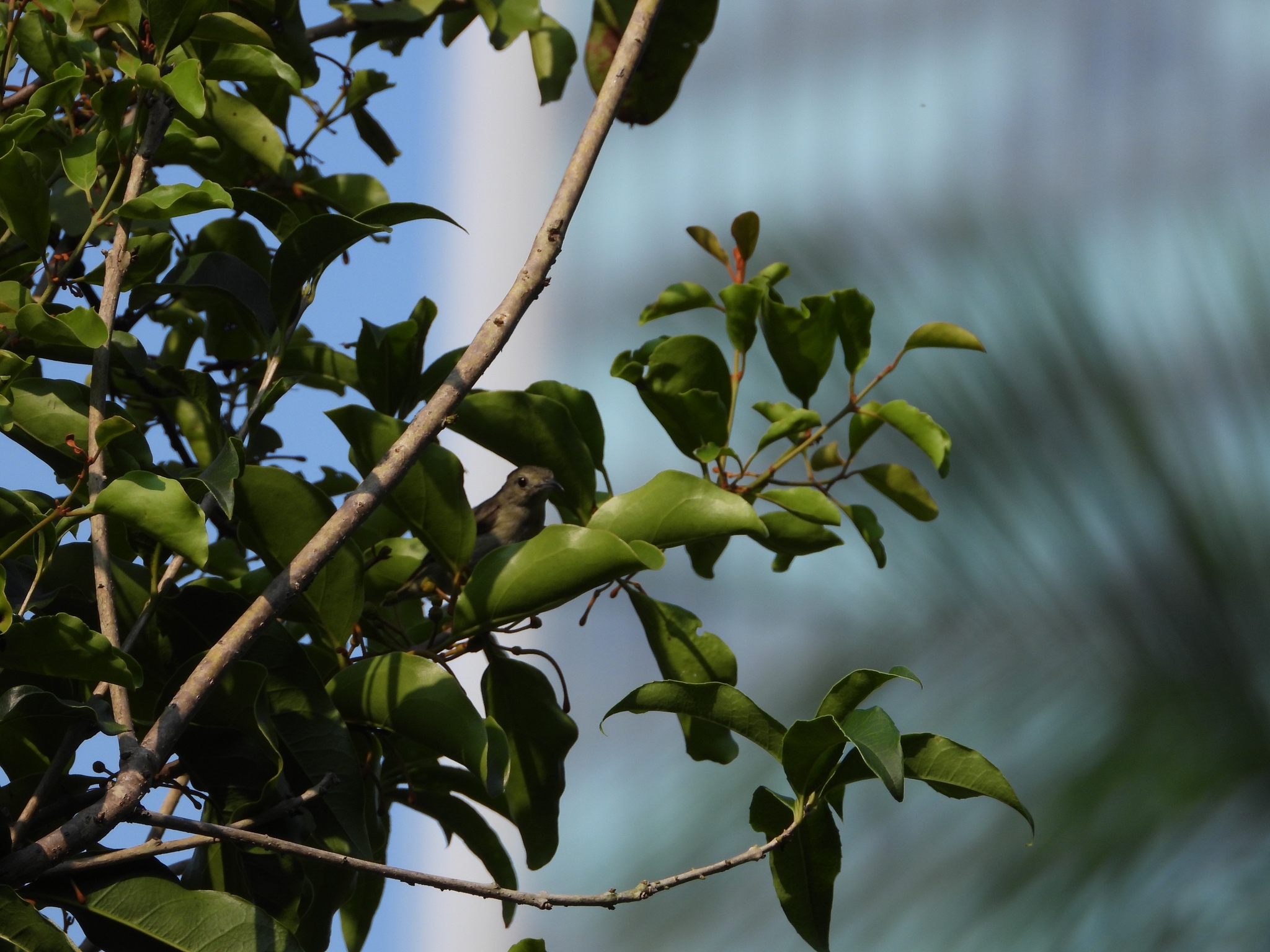
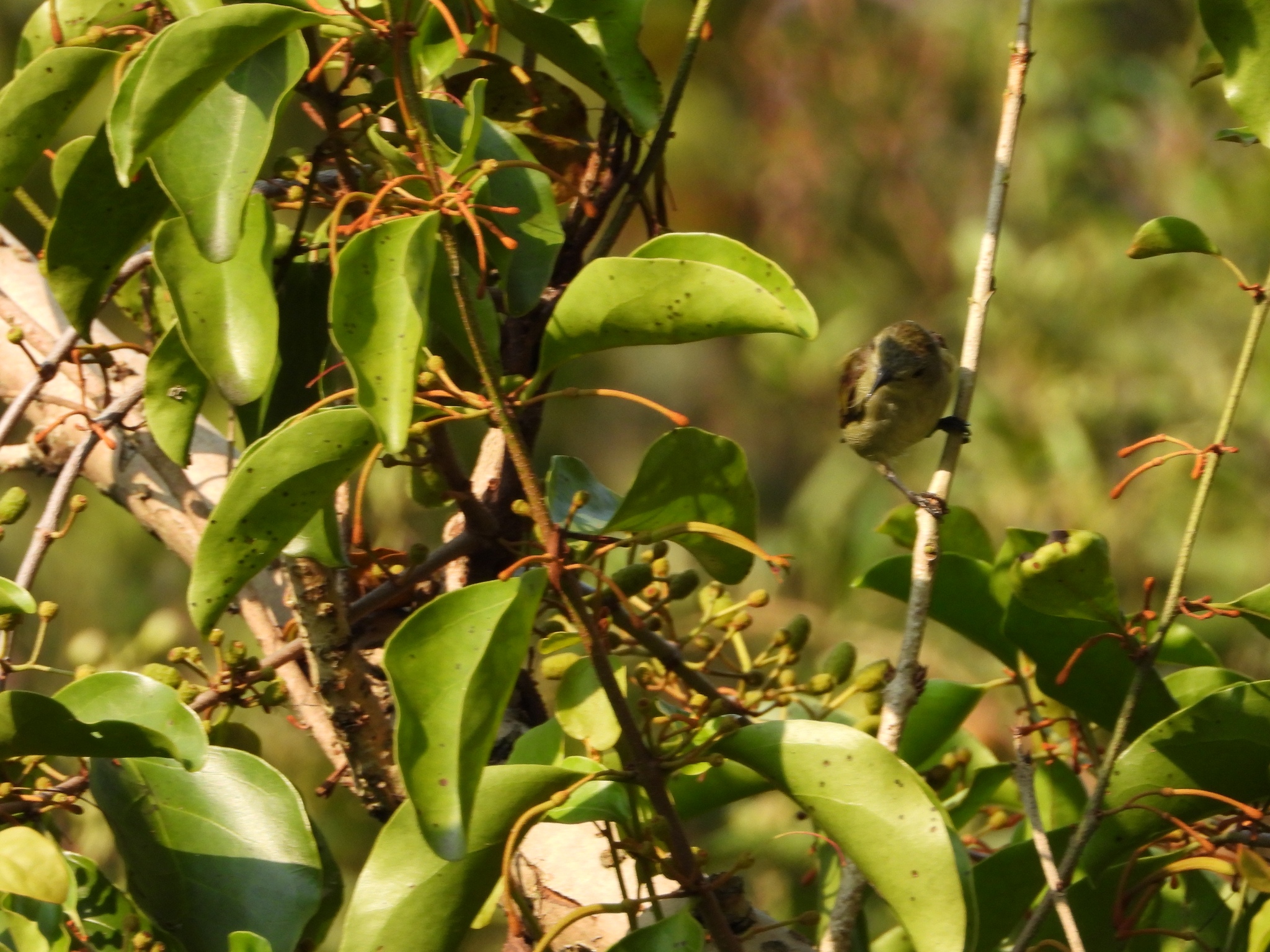
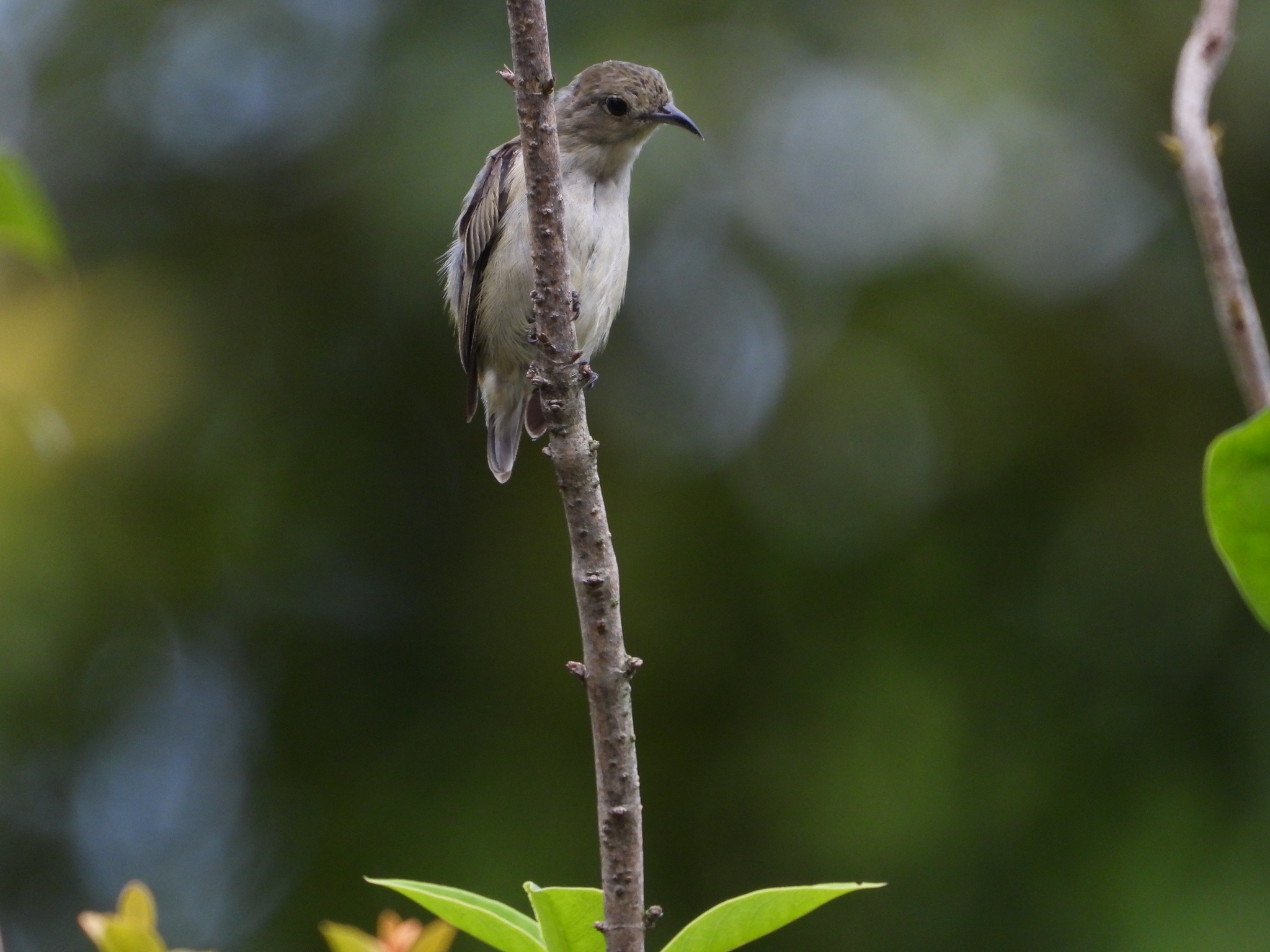
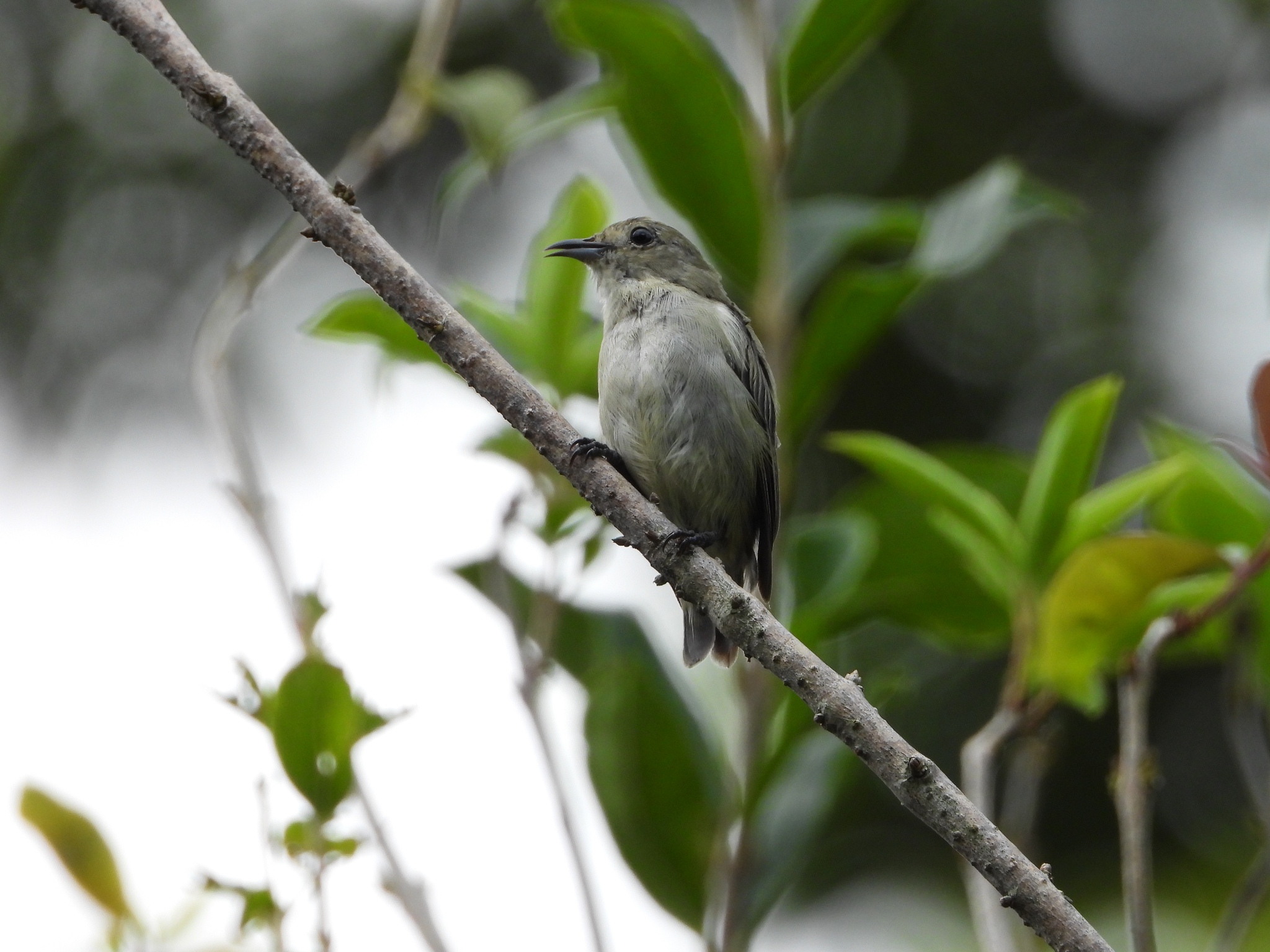
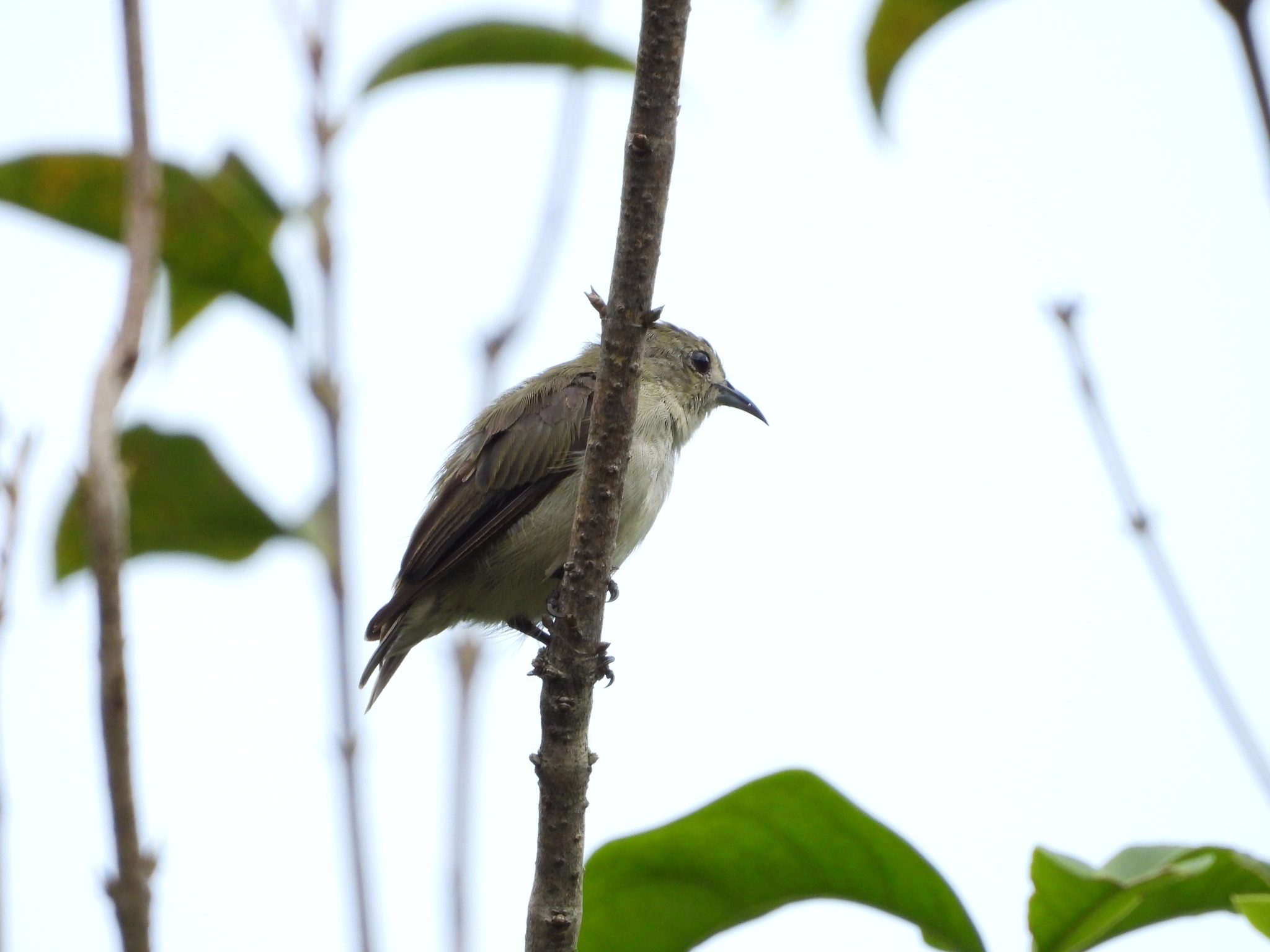
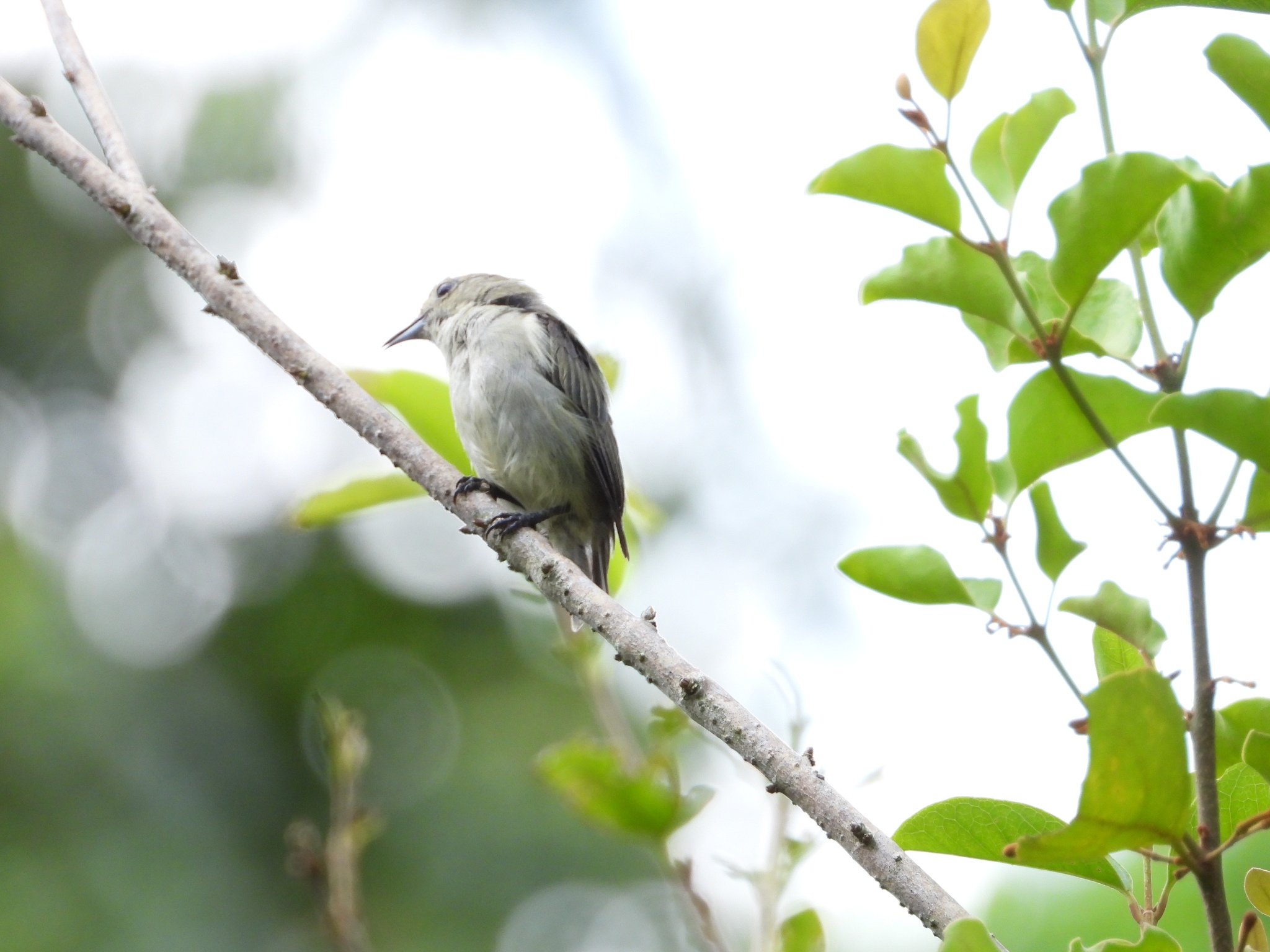
The plain flowerpecker is a bird species in the family Dicaeidae. It measures 9 centimeters in length and inhabits subtropical and tropical moist lowland forests from the central Himalayas through Indonesia to Taiwan. The species was formally described by Robert Swinhoe in 1870. It plays a key ecological role in mistletoe seed dispersal through its feeding habits.
Description
This is one of the smallest flowerpecker species, reaching approximately 9 centimeters in length. The plumage is relatively subdued compared to some related species, with no striking sexual dimorphism—males and females appear similar in the field. The overall appearance is modest, with olive-toned upperparts and lighter underparts characteristic of the genus. These small birds have a compact build typical of flowerpeckers, with a short tail and a pointed bill adapted for picking berries and insects from vegetation.
Identification
Field identification can be challenging due to the species' small size and inconspicuous plumage. It is best distinguished from similar species by its range and habitat preferences. In areas of overlap with other Dicaeum species, the relatively plain plumage and absence of bright markings help differentiate it. Its tiny size and active foraging behavior among mistletoe clumps are characteristic field indicators.
Distribution & Habitat
The species occupies a broad geographic range extending from the central Himalayas through Myanmar, Laos, and southern China to western Indonesia and Taiwan. A population on Hainan Island is included within the species. Its preferred habitat consists of subtropical and tropical moist lowland forests, where it remains within the forest canopy and edge habitats.
Behavior & Ecology
The plain flowerpecker demonstrates a strong preference for mistletoe as a food source, actively foraging among these parasitic plants for berries and insects. This dietary specialization makes the species particularly dependent on forest health and the presence of mistletoe. The birds are often encountered singly or in pairs during foraging.
Source: Wikipedia · CC BY-SA 3.0
Taxonomy
- Order
- Passeriformes
- Family
- Dicaeidae
- Genus
- Dicaeum
- eBird Code
- plaflo2
Vocalizations
Subspecies (5)
-
Dicaeum minullum borneanum
southern Thai-Malay Peninsula, Sumatra, North Natuna Islands, and Borneo
-
Dicaeum minullum minullum
Hainan (southern China)
-
Dicaeum minullum olivaceum
Indian subcontinent, southern China, Myanmar, Thailand, and northern and central Indochina
-
Dicaeum minullum sollicitans
Java and Bali
-
Dicaeum minullum uchidai
montane forest of Taiwan
Data Sources
Species description from Wikipedia, licensed under CC BY-SA 3.0.
Bird images and sounds sourced from GBIF, contributed by citizen scientists worldwide under Creative Commons licenses.
Taxonomy data from AviList 2025.