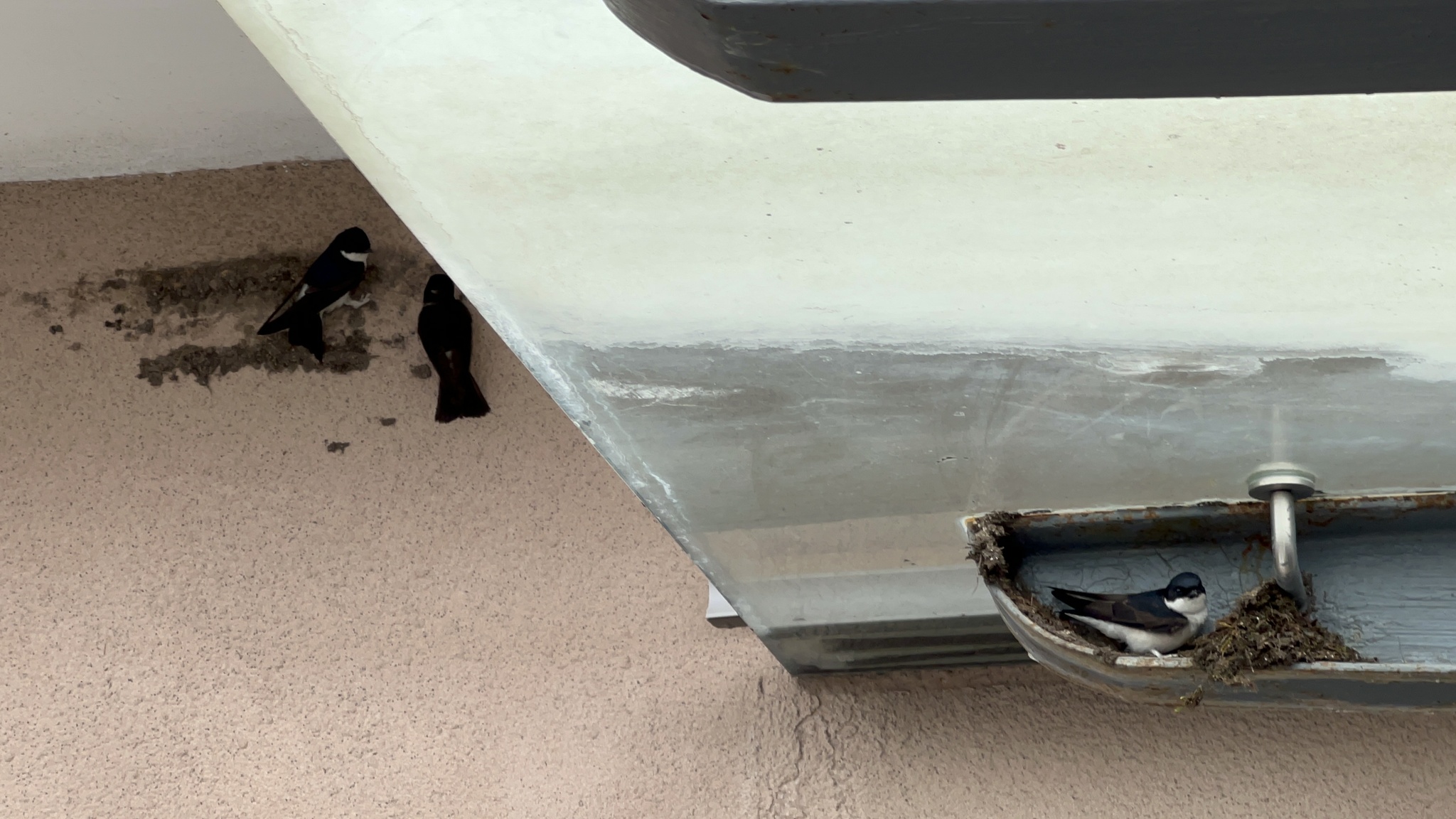
Asian House Martin
Delichon dasypus
烟腹毛脚燕
Introduction
Migratory passerine, swallow family Hirundinidae. Breeds in Himalayas and central/eastern Asia; winters at lower mountain elevations or in Southeast Asia. Range currently expanding northward in Siberia. Colonial breeder; constructs mud nests under cliff overhangs or on building walls.
Description
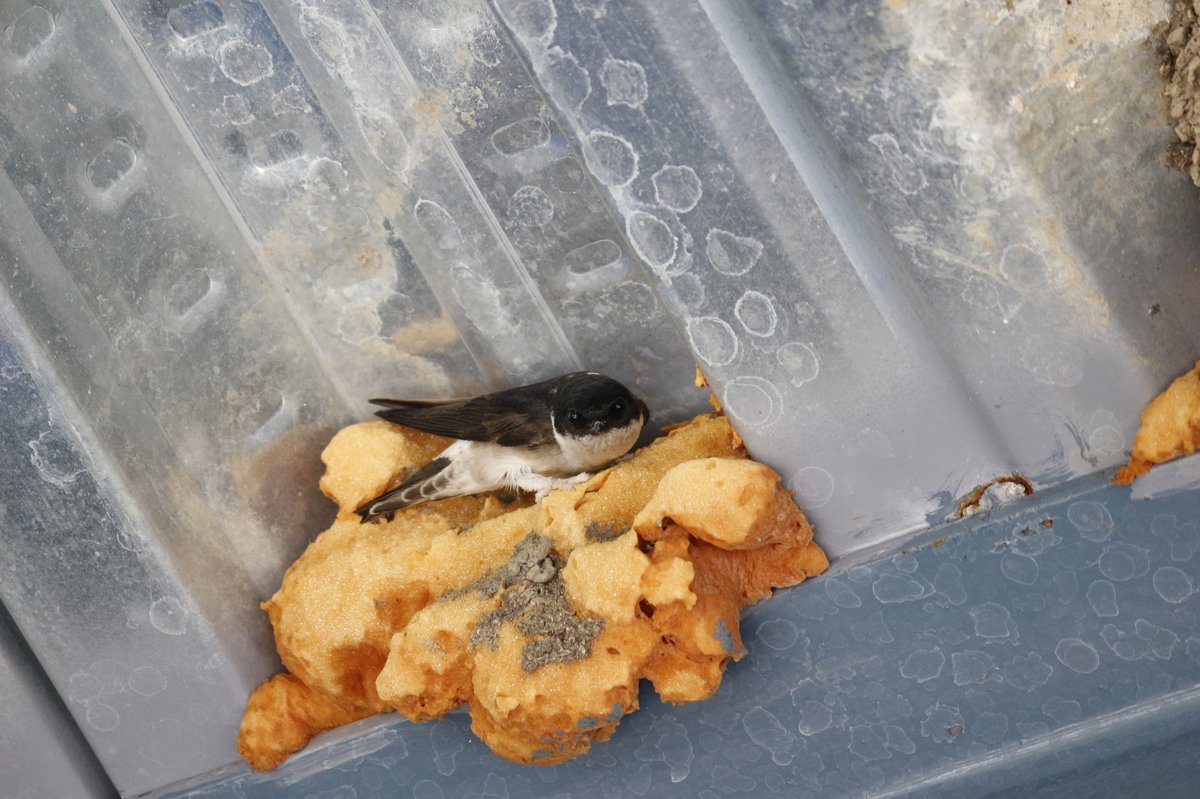
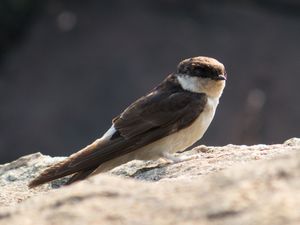
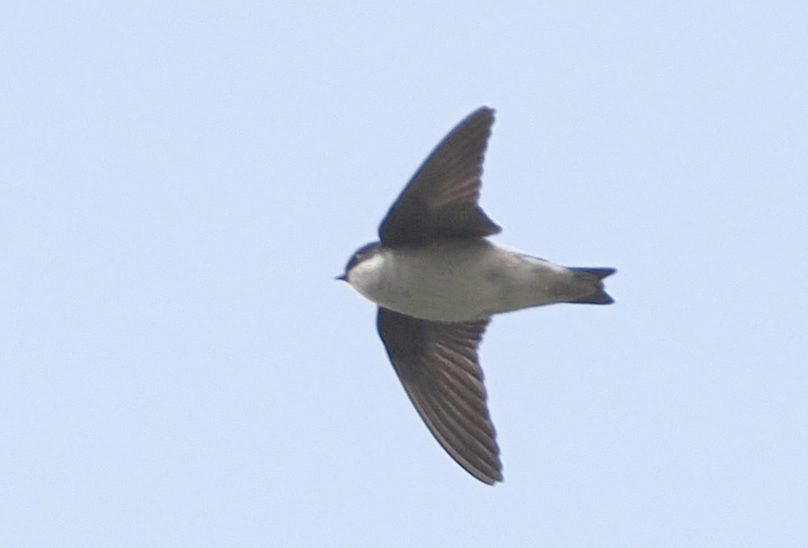
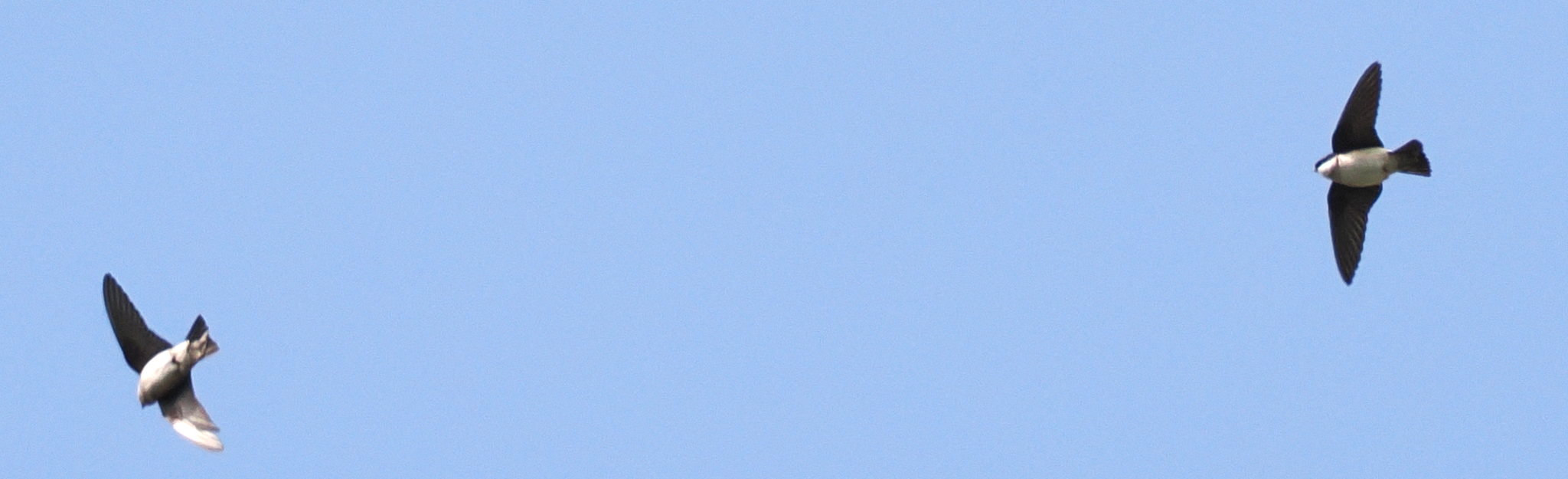
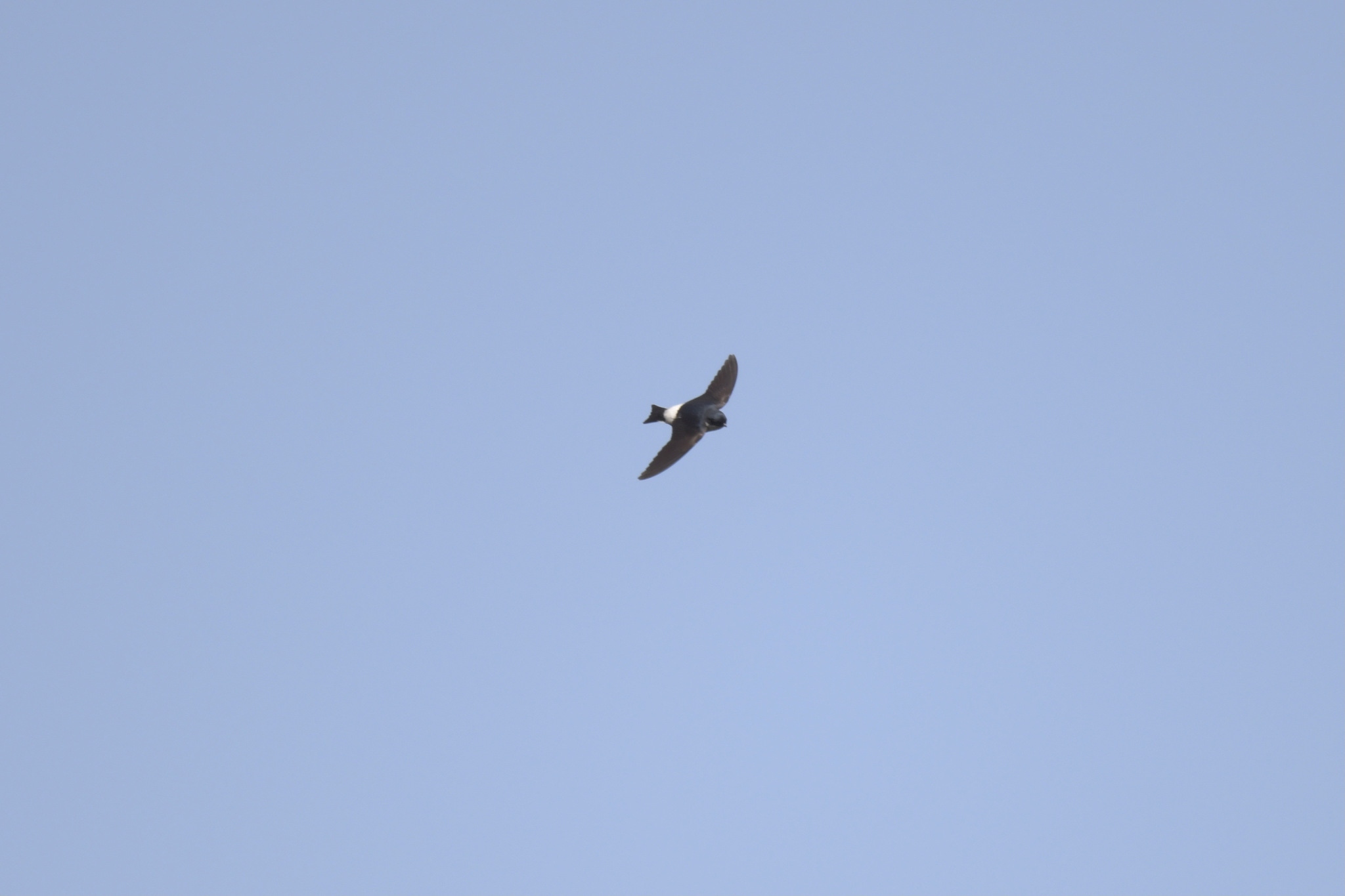
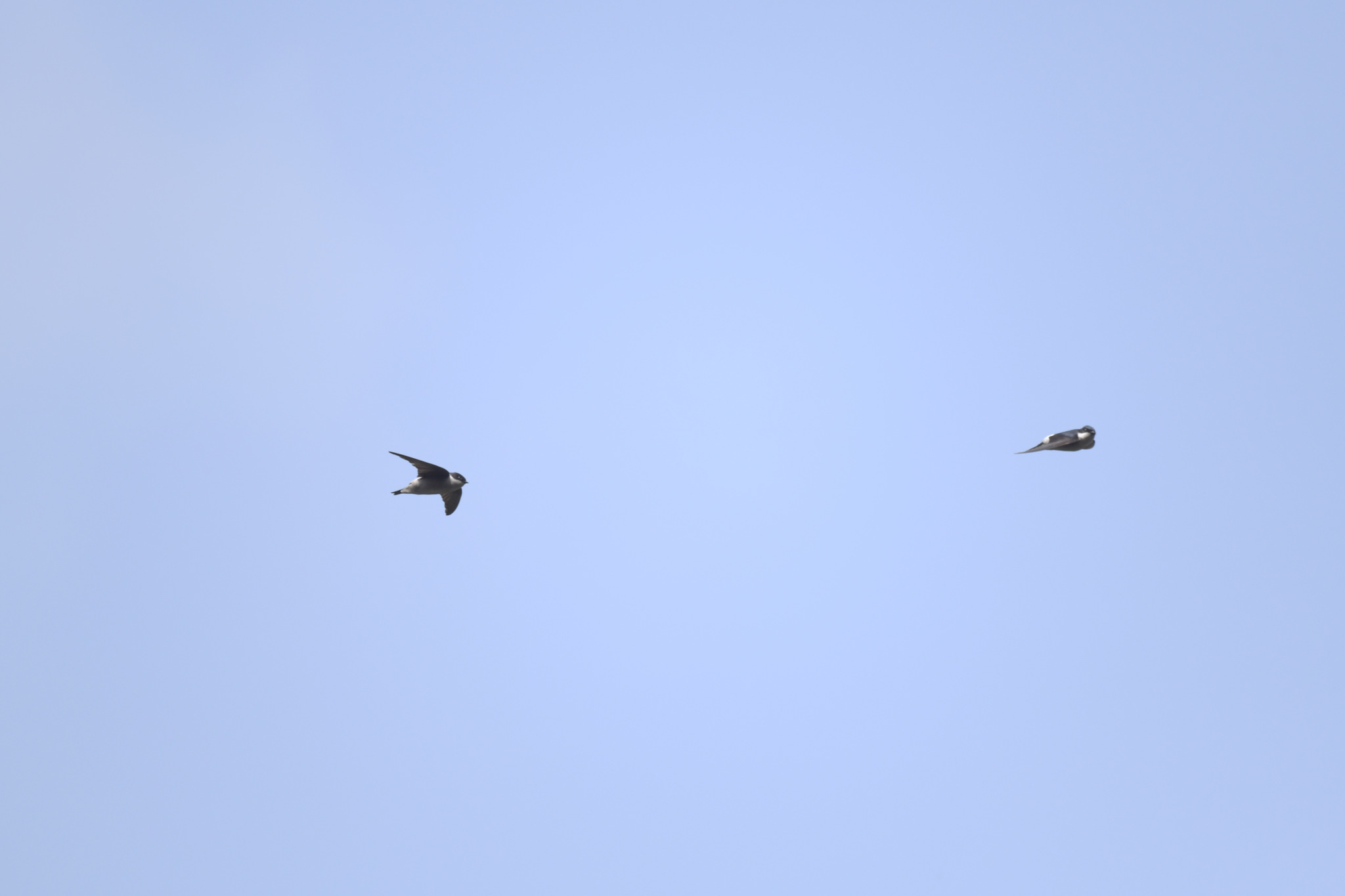
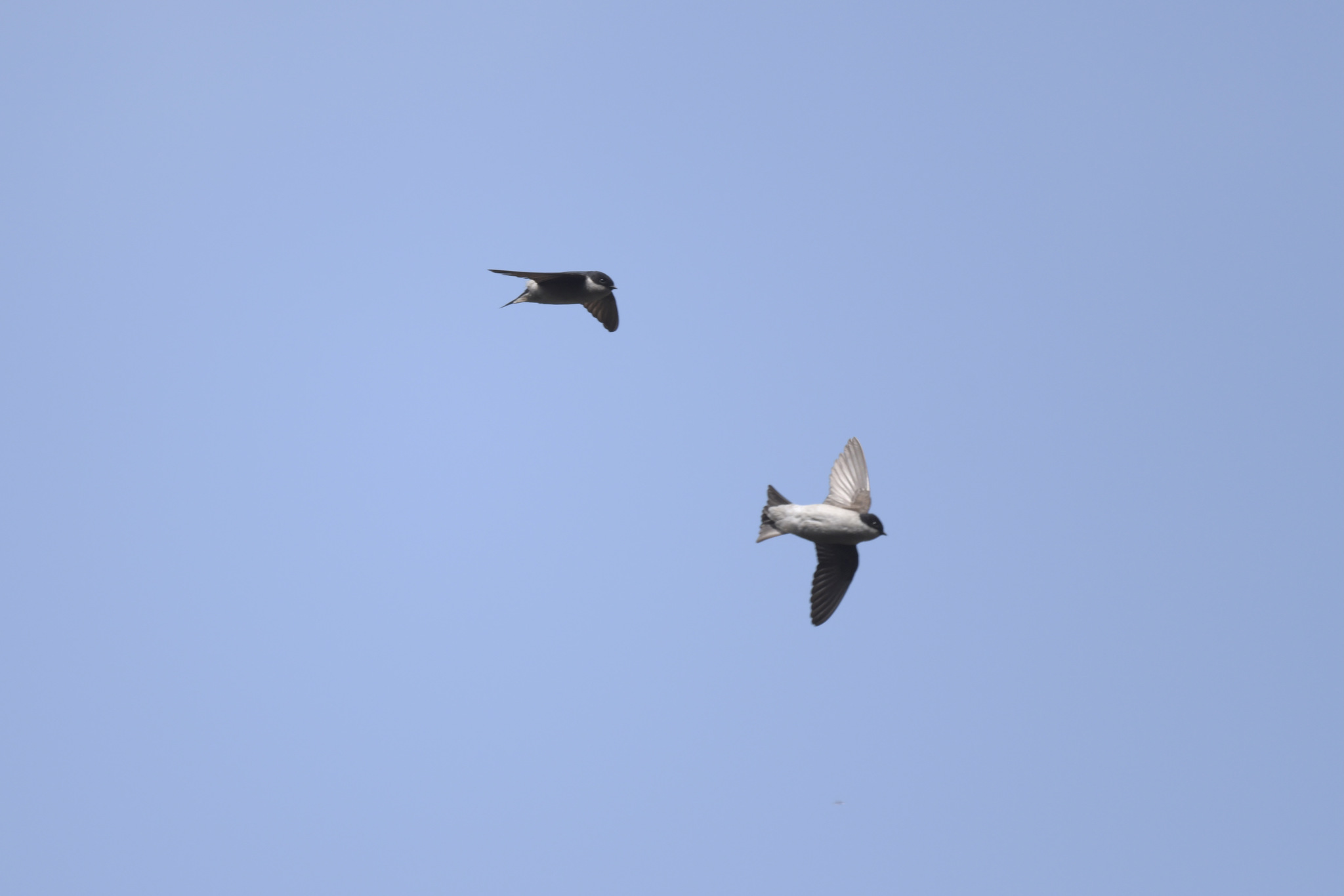
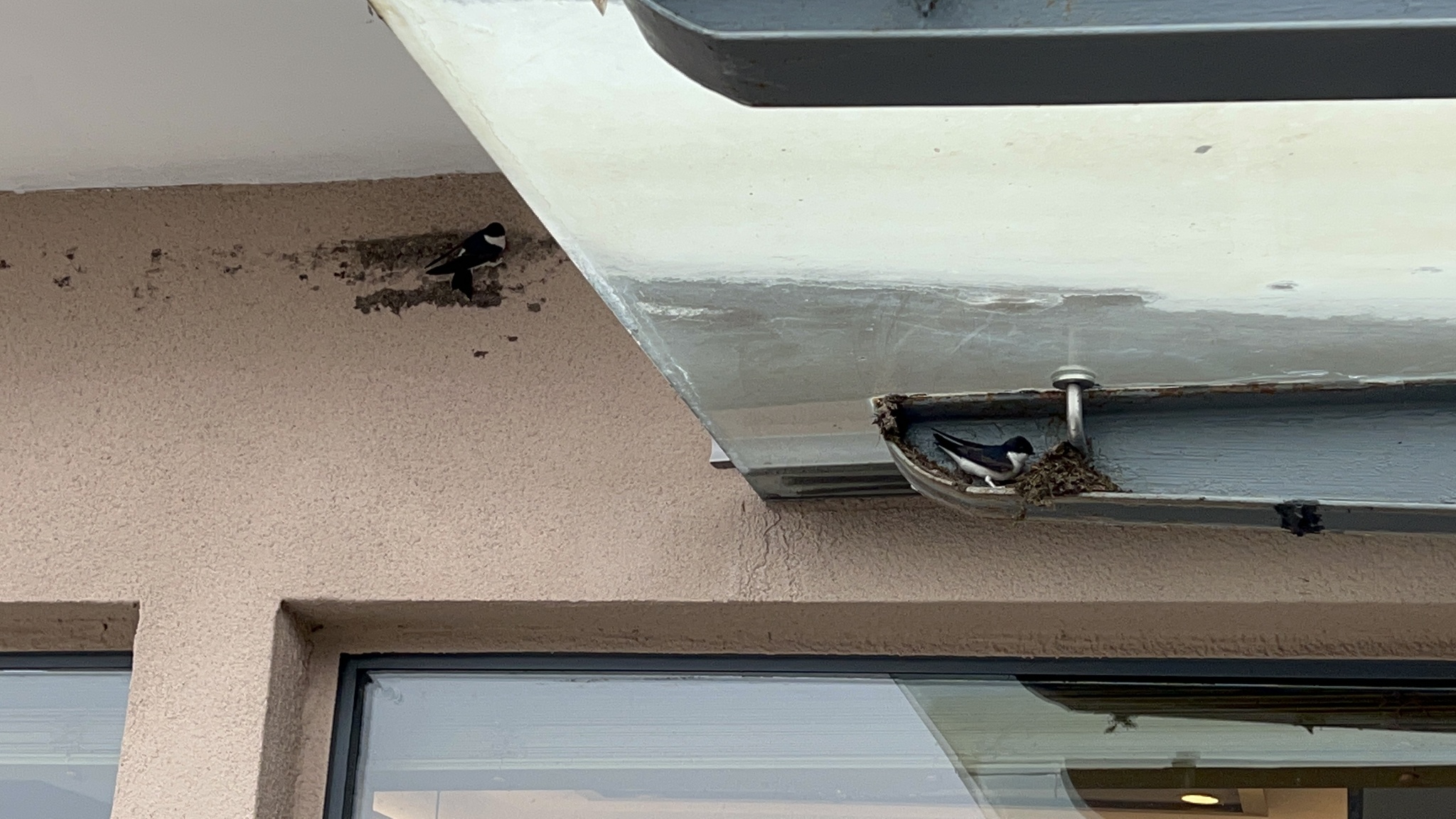
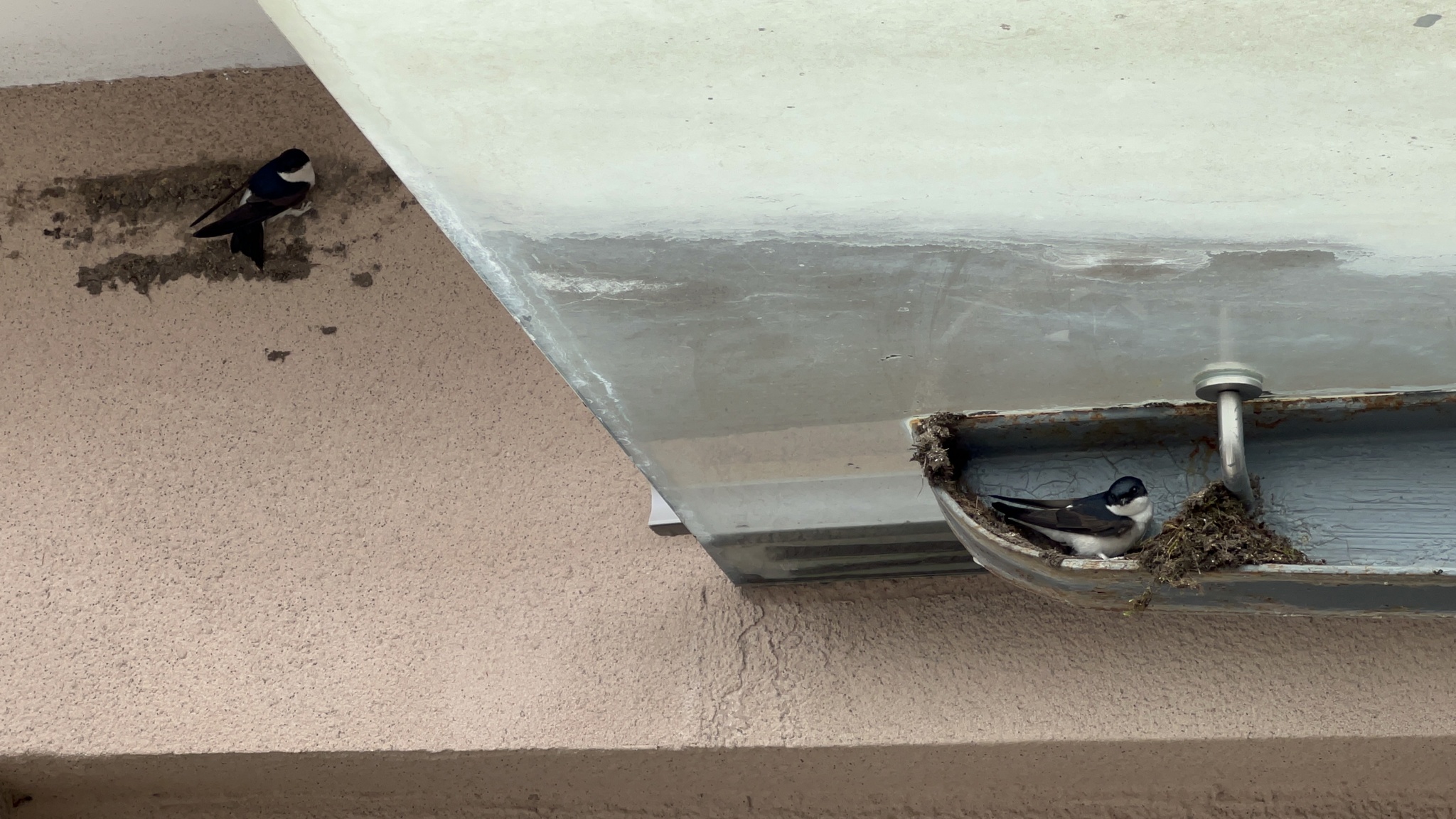
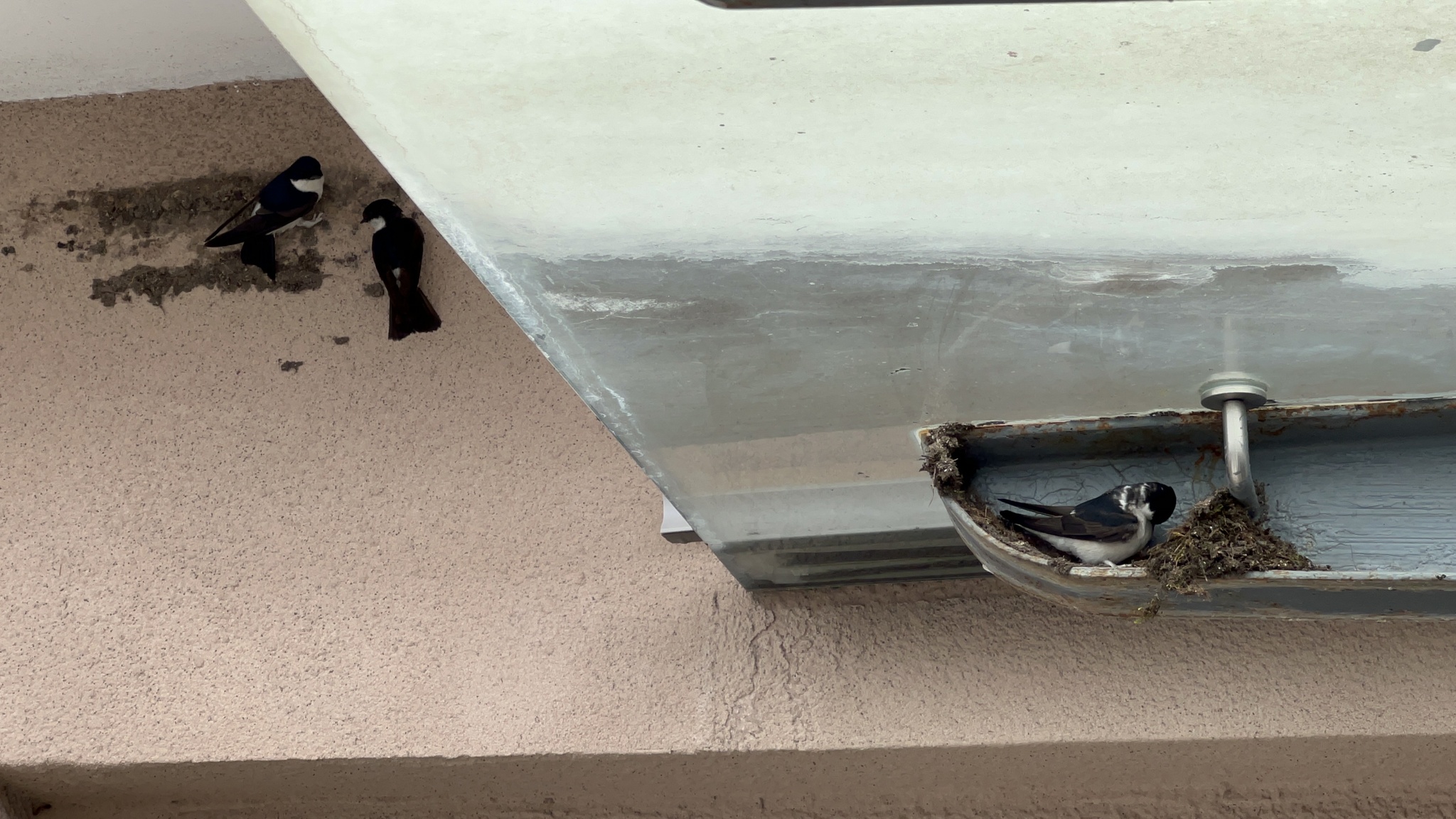
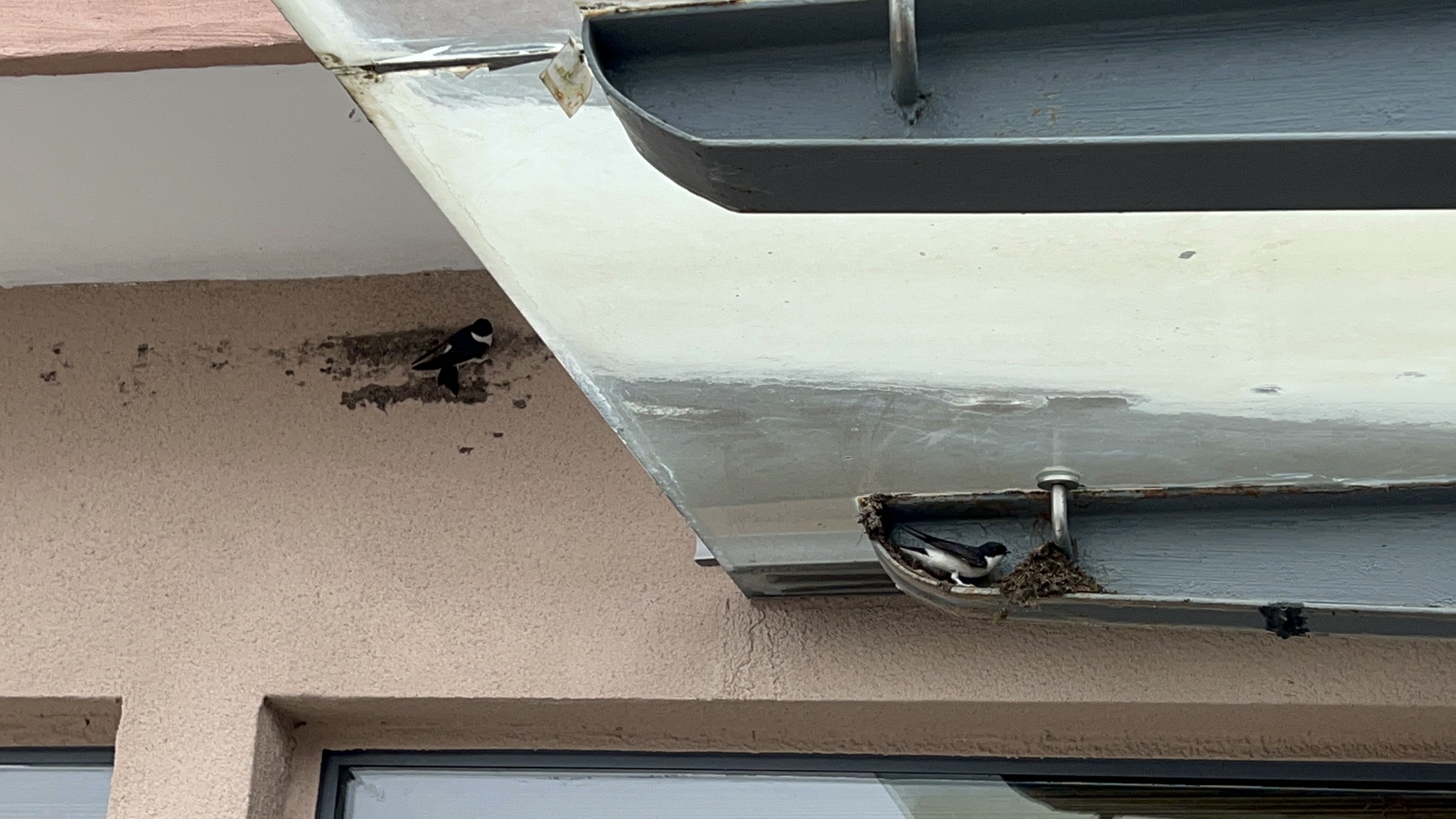
The adult of the nominate form typically measures 12 cm (4.7 in) in length. It displays dark steel blue plumage above, contrasting with a distinct white rump and a slightly forked tail. The underparts are white with a grey wash, while the underwings appear grey-brown. The tail and upperwings are brownish-black. Distinctive brownish-pink legs and feet are covered with white feathers, accompanied by brown eyes and a black bill. There are slight differences between sexes; males tend to be somewhat whiter below than females, particularly in fresh plumage. Juveniles appear less glossy, featuring dark brown upperparts and grey-white underparts. Variations exist among subspecies, with some forms showing brighter blue upperparts or differing sizes.
Identification
Key features for field identification include the grey-washed underparts and a less deeply forked tail compared to similar relatives. It can be distinguished from the Nepal house martin by the lack of a black chin and black undertail coverts, as well as having a more forked tail than that species. Confusion is most likely with the eastern race of the common house martin, though the latter usually shows a more pronounced tail fork and paler underparts. Vocalizations include a rippling metallic trill or sibilant twitter. The call is a dry, metallic cheep, often disyllabic or trisyllabic, which sounds more rasping than that of the common house martin.
Distribution & Habitat
Breeding grounds span from southeastern Russia, the Kuril Islands, Japan, and Korea across to the Himalayas, Tibet, and western and central China. In mountainous regions, it is typically found at altitudes between 1,500 and 5,000 m (4,900–16,400 ft). Preferred habitats include valleys, gorges, and coastal cliffs with natural caves for nesting, though large man-made structures like temples and bridges are also utilized. This bird is migratory; northern populations travel through eastern China to winter in Southeast Asia, including the Malay Peninsula, Borneo, and the Philippines. Himalayan populations are short-range migrants, moving to lower foothills or plains in northeastern India and Bangladesh.
Behavior & Ecology
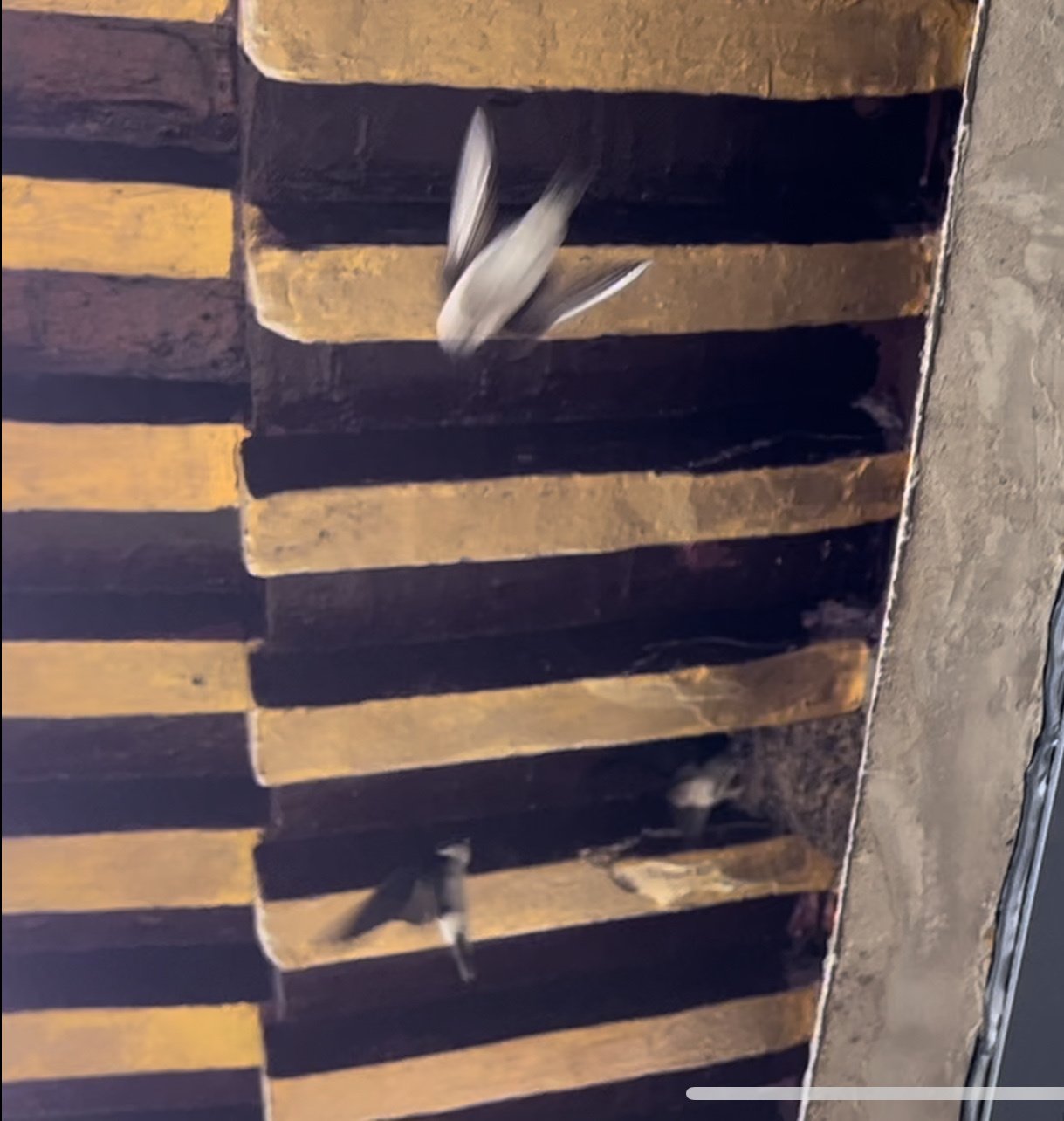
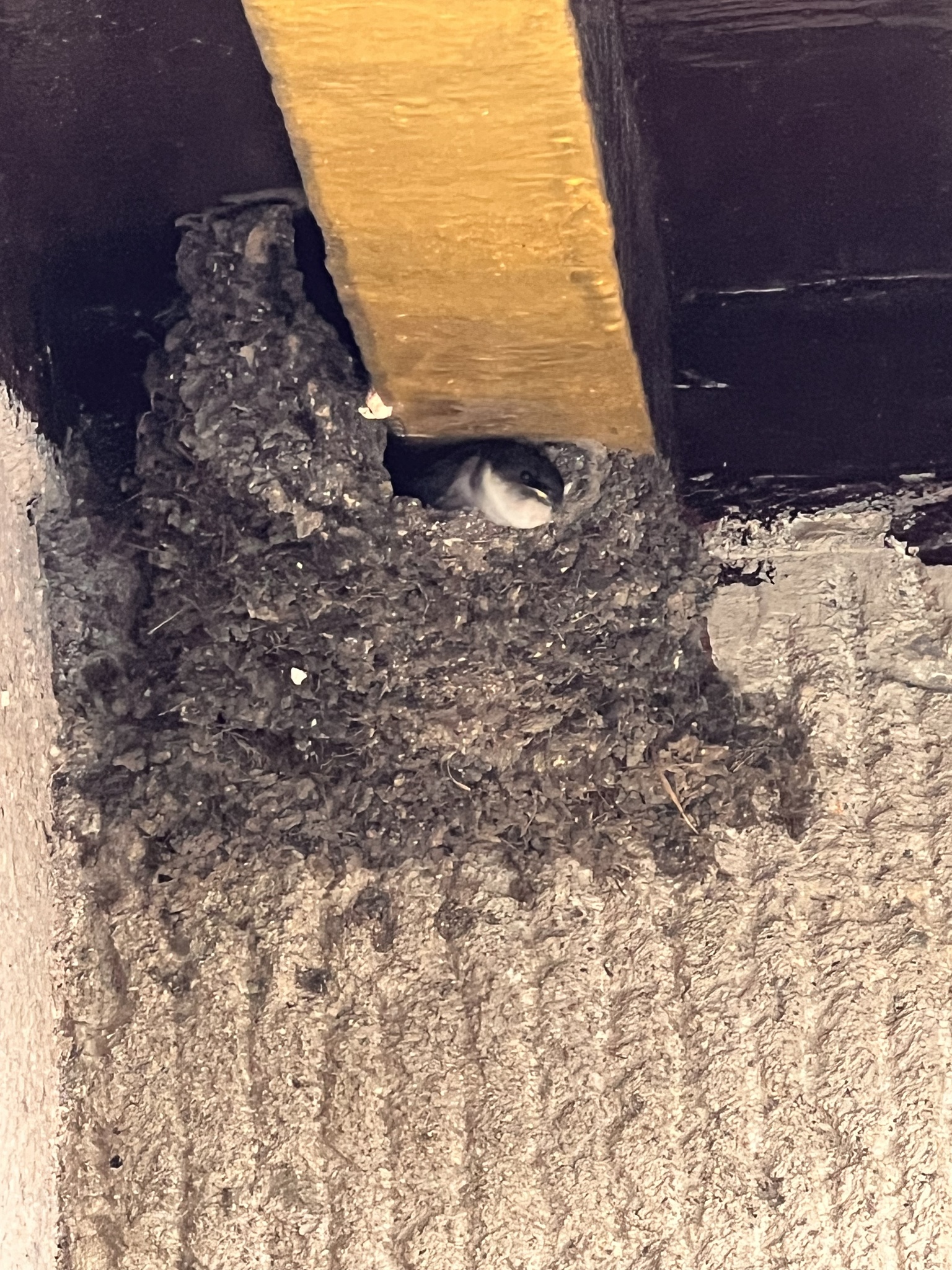
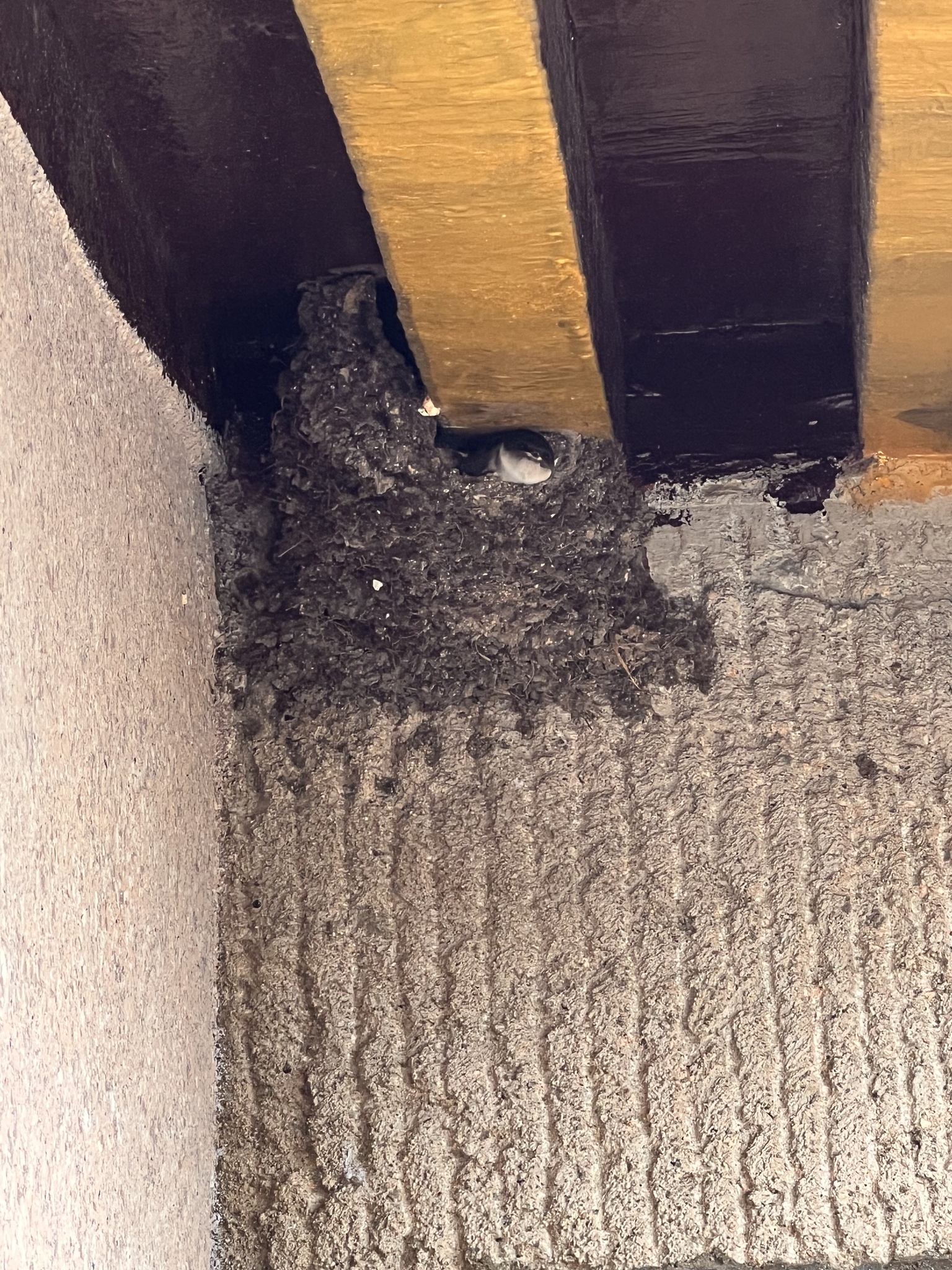
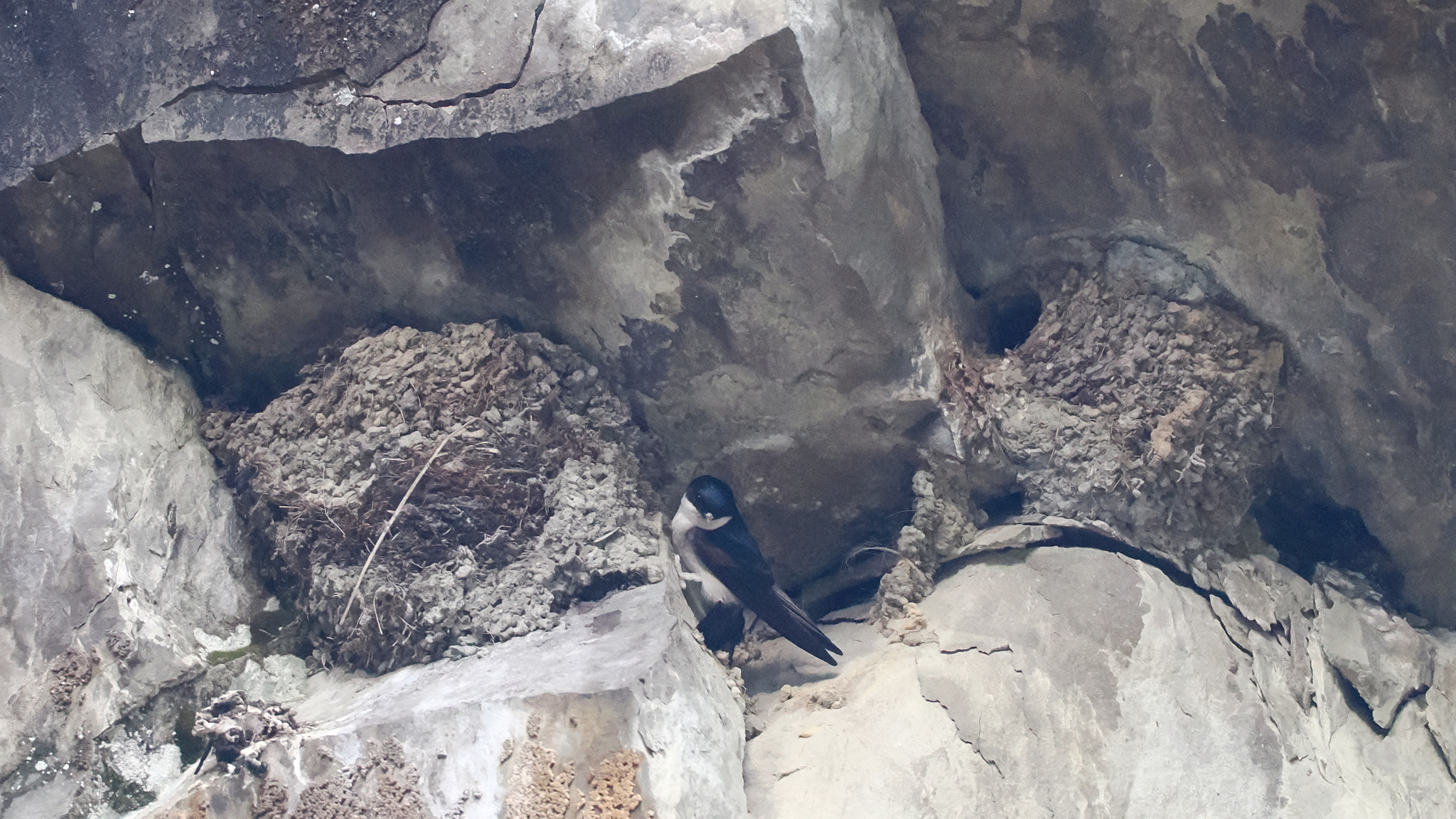
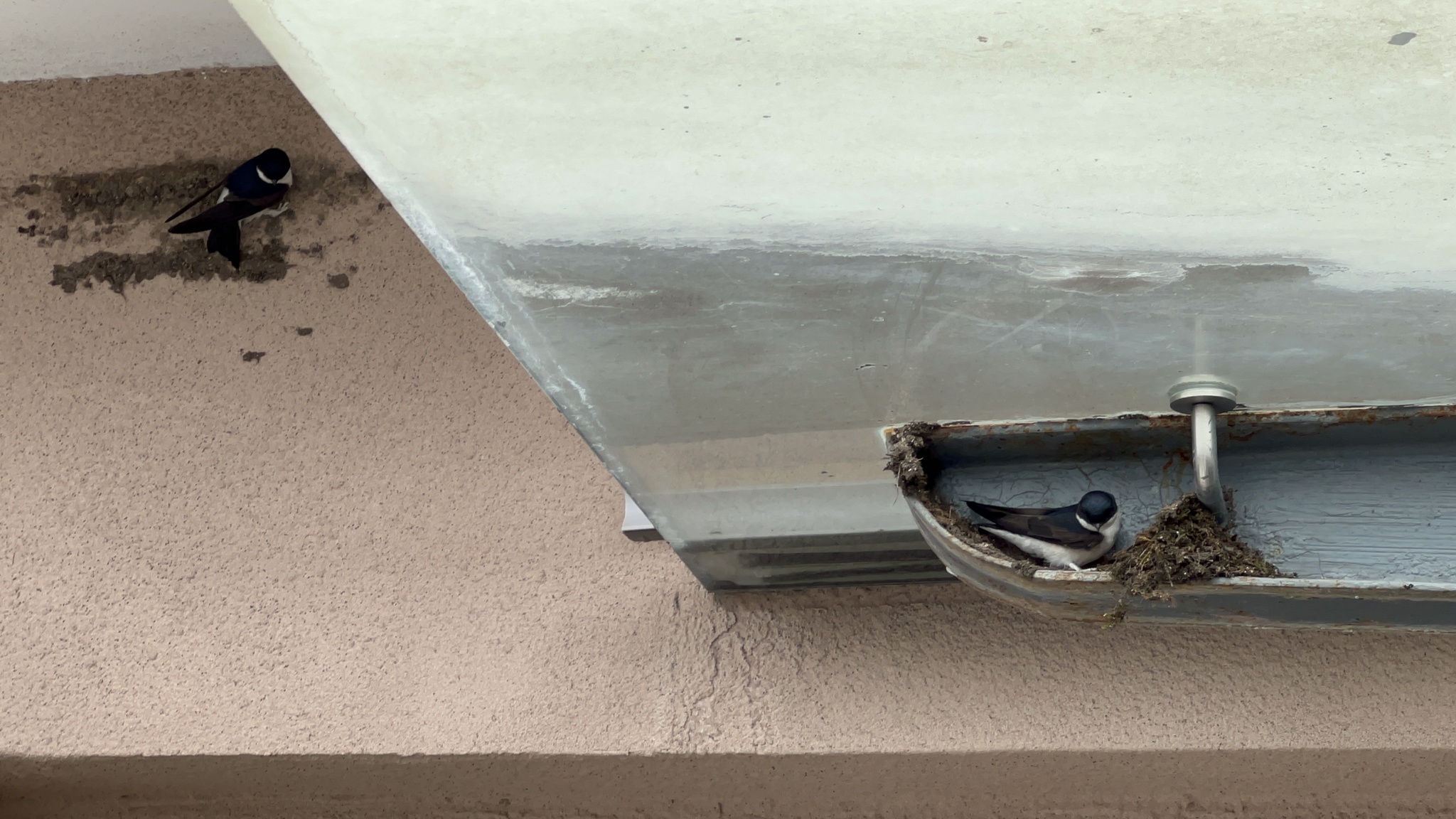
Breeding occurs in colonies, usually situated under overhangs on vertical cliffs or large buildings. Nests are constructed from mud, lined with grasses or feathers, and may be deep cones or shallow cups; interestingly, many nests are left open rather than fully enclosed. Both sexes participate in building the nest, incubating the clutch of three to four white eggs, and feeding the chicks. The diet consists primarily of small insects caught high in the air, such as flies, aphids, and winged ants. However, the presence of terrestrial springtails and larvae in stomach contents suggests that food is occasionally gleaned directly from the ground.
Conservation
The IUCN assesses this bird as Least Concern due to its extensive range, which exceeds 20,000 square kilometres (7,700 sq mi), and a stable population of over 10,000 mature individuals. There are no indications of significant population declines; in fact, the range appears to be expanding northward in southern Siberia. While susceptible to parasites like fleas and avian malaria, and predated upon by fast-flying falcons, the species faces no major conservation threats currently.
Source: Wikipedia · CC BY-SA 3.0
Taxonomy
- Order
- Passeriformes
- Family
- Hirundinidae
- Genus
- Delichon
- eBird Code
- ashmar1
Vocalizations
Subspecies (3)
-
Delichon dasypus cashmeriense
Himalayas (southeastern Afghanistan to India and western China)
-
Delichon dasypus dasypus
breeds Siberia to Kuril Islands, Japan; winters to Greater Sundas and Philippines
-
Delichon dasypus nigrimentale
southeastern China (Fujian and Guangxi) and Taiwan
Data Sources
Species description from Wikipedia, licensed under CC BY-SA 3.0.
Bird images and sounds sourced from GBIF, contributed by citizen scientists worldwide under Creative Commons licenses.
Taxonomy data from AviList 2025.