Pale Blue Flycatcher
Cyornis unicolor
纯蓝仙鹟
Introduction
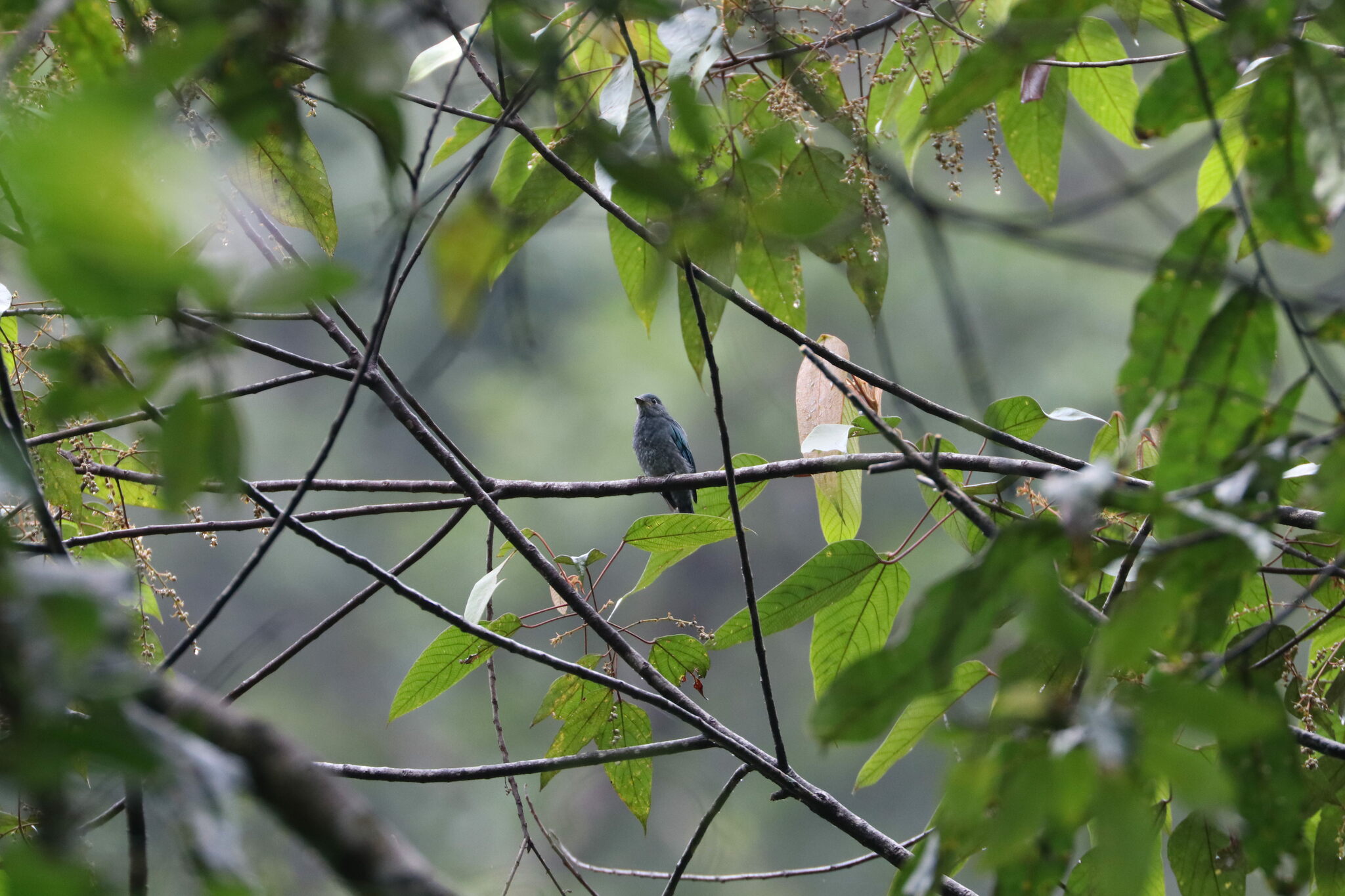
The pale blue flycatcher is a small forest-dwelling bird of the Old World flycatcher family. Its range extends across South and Southeast Asia, where it inhabits the understory and mid-story of moist evergreen forests. The species actively sallies for insects from perches in the forest interior. It co-occurs with the verditer flycatcher in overlapping forest habitats. The species is not considered rare within its range but is often difficult to observe due to its preference for dense forest interior.
Description
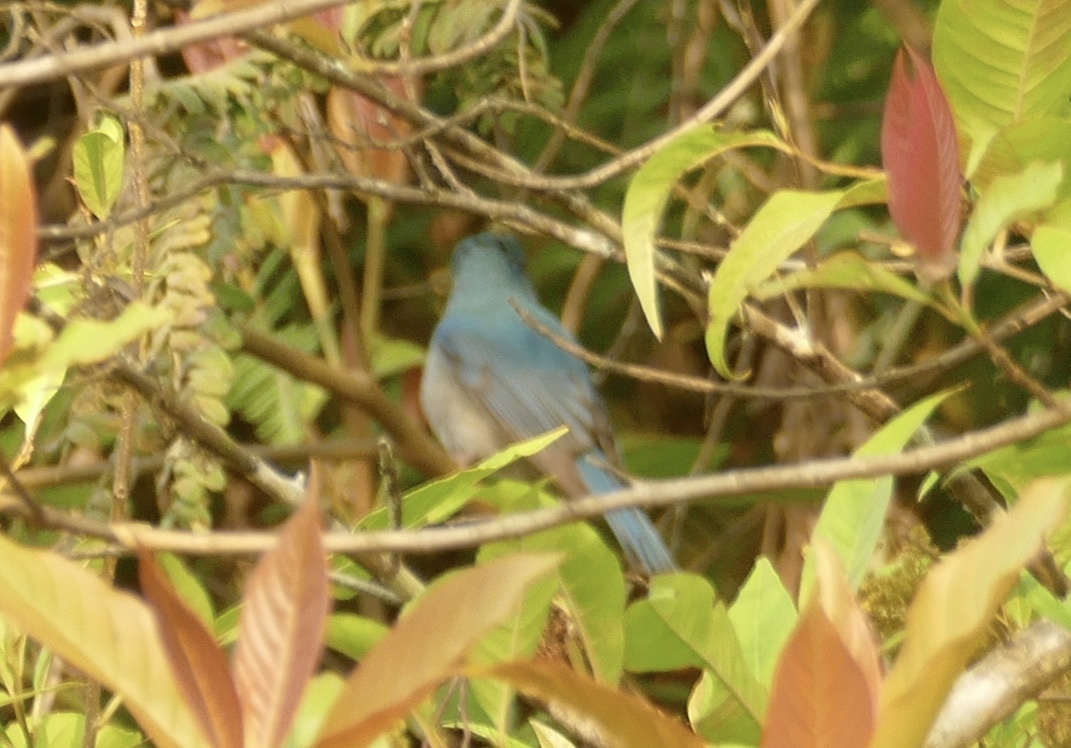
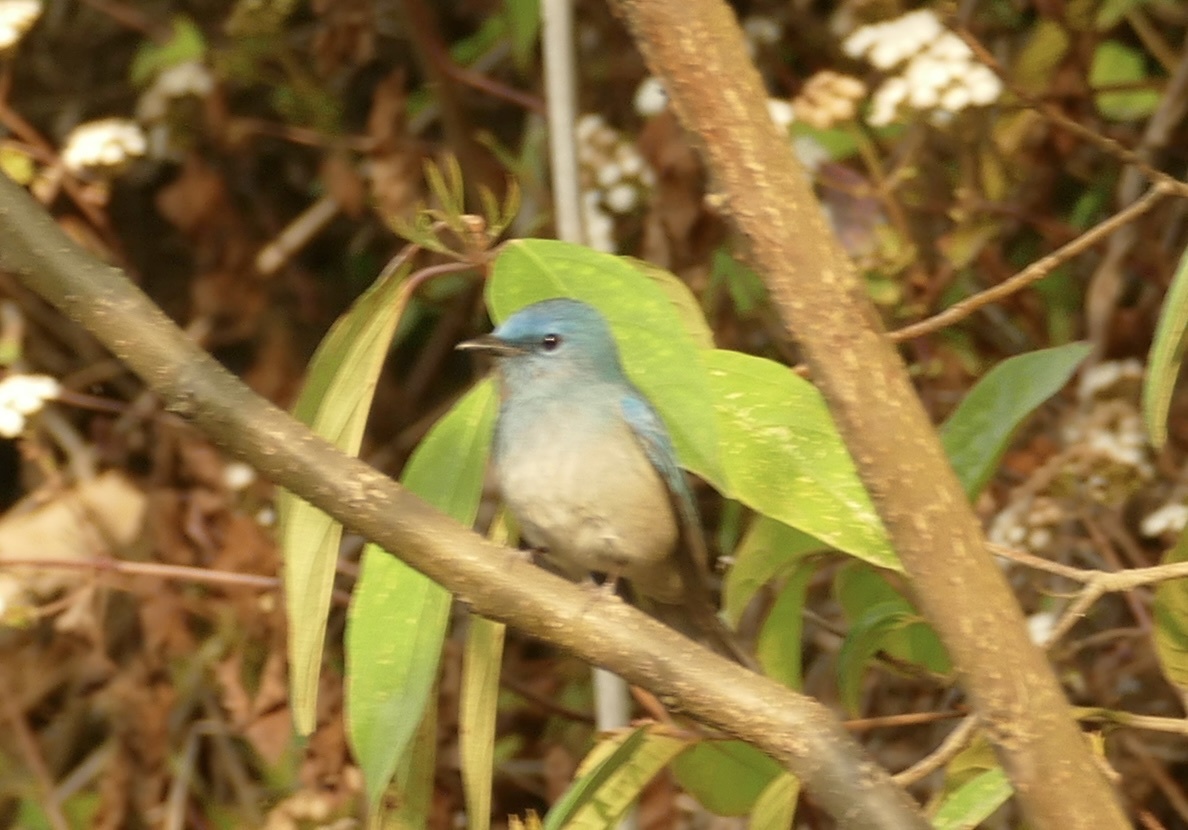
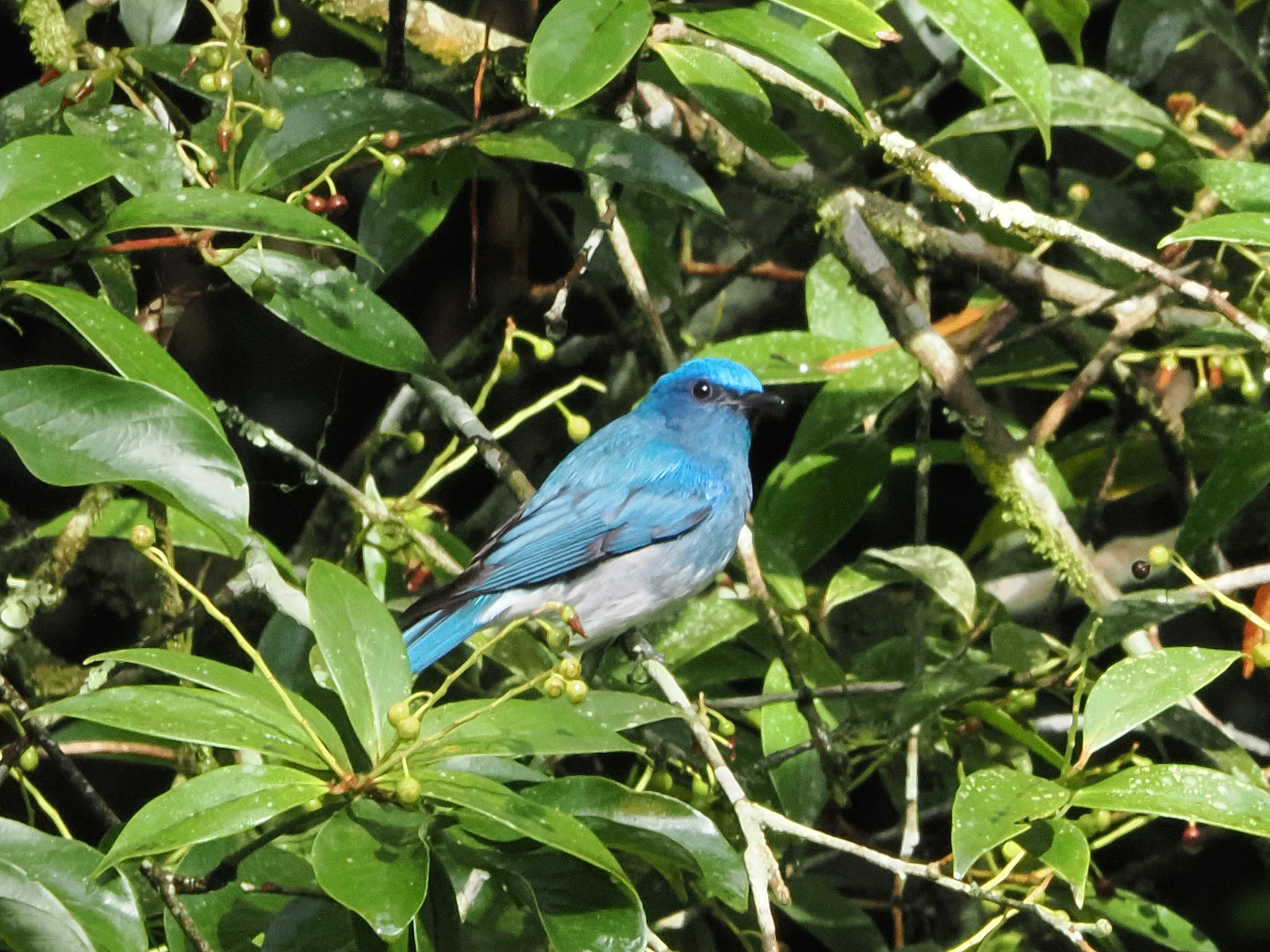
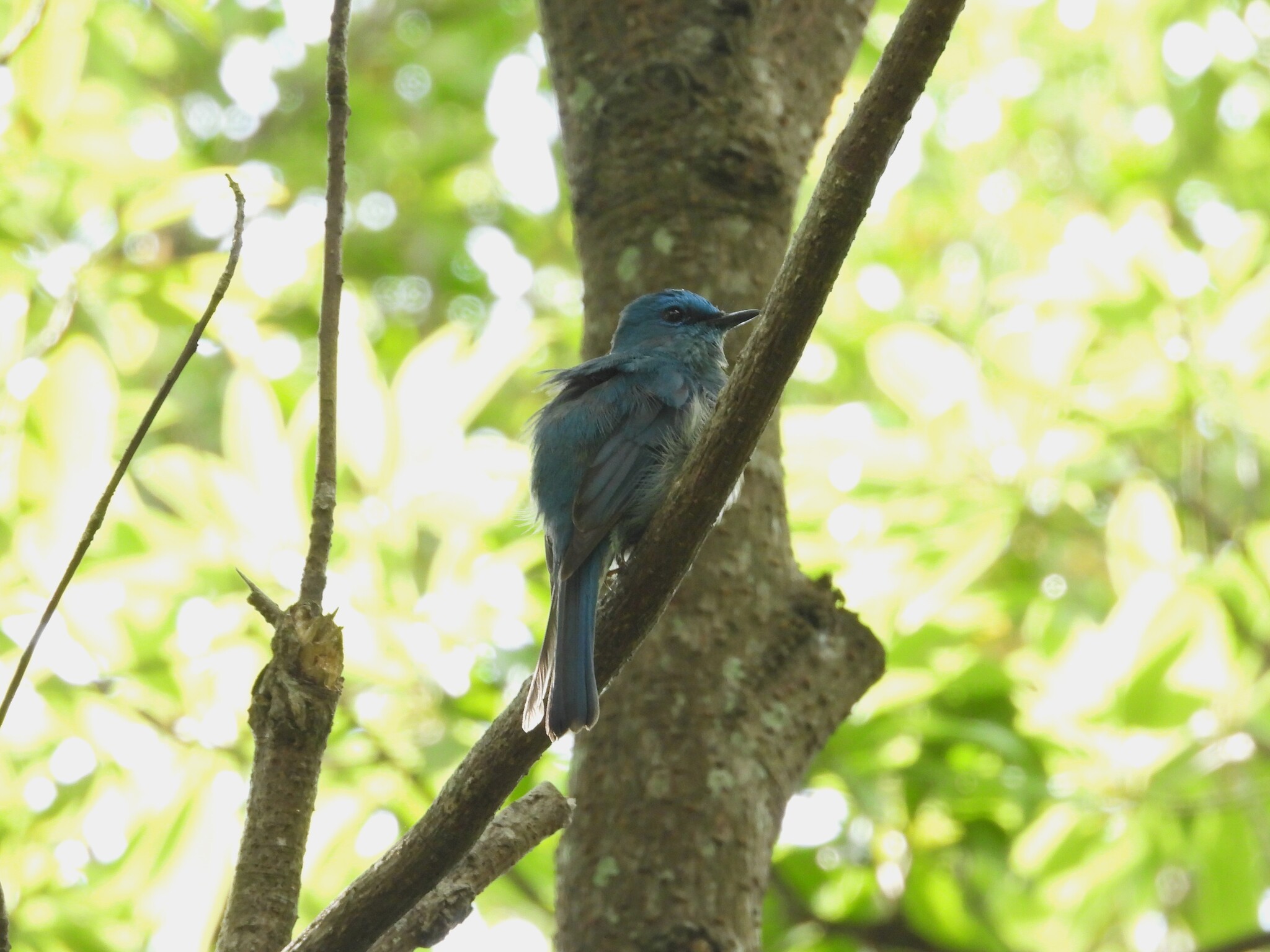
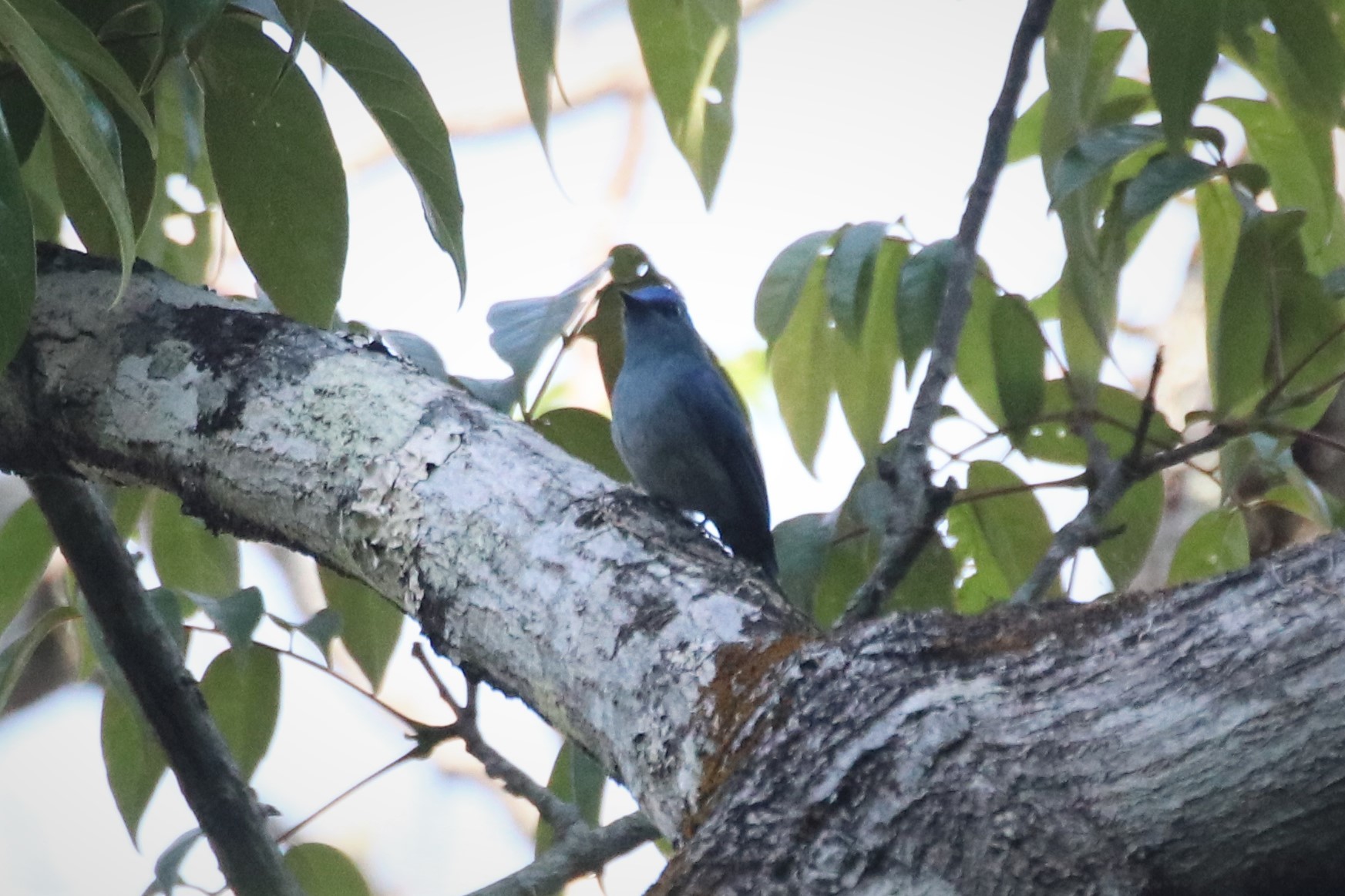
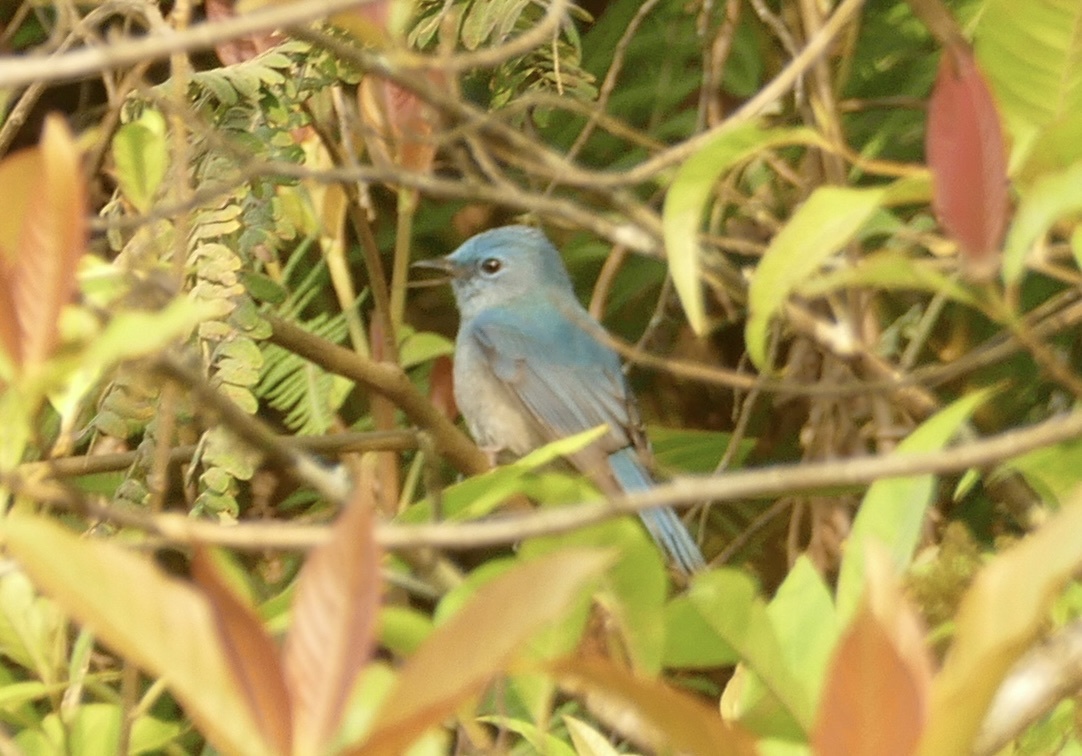
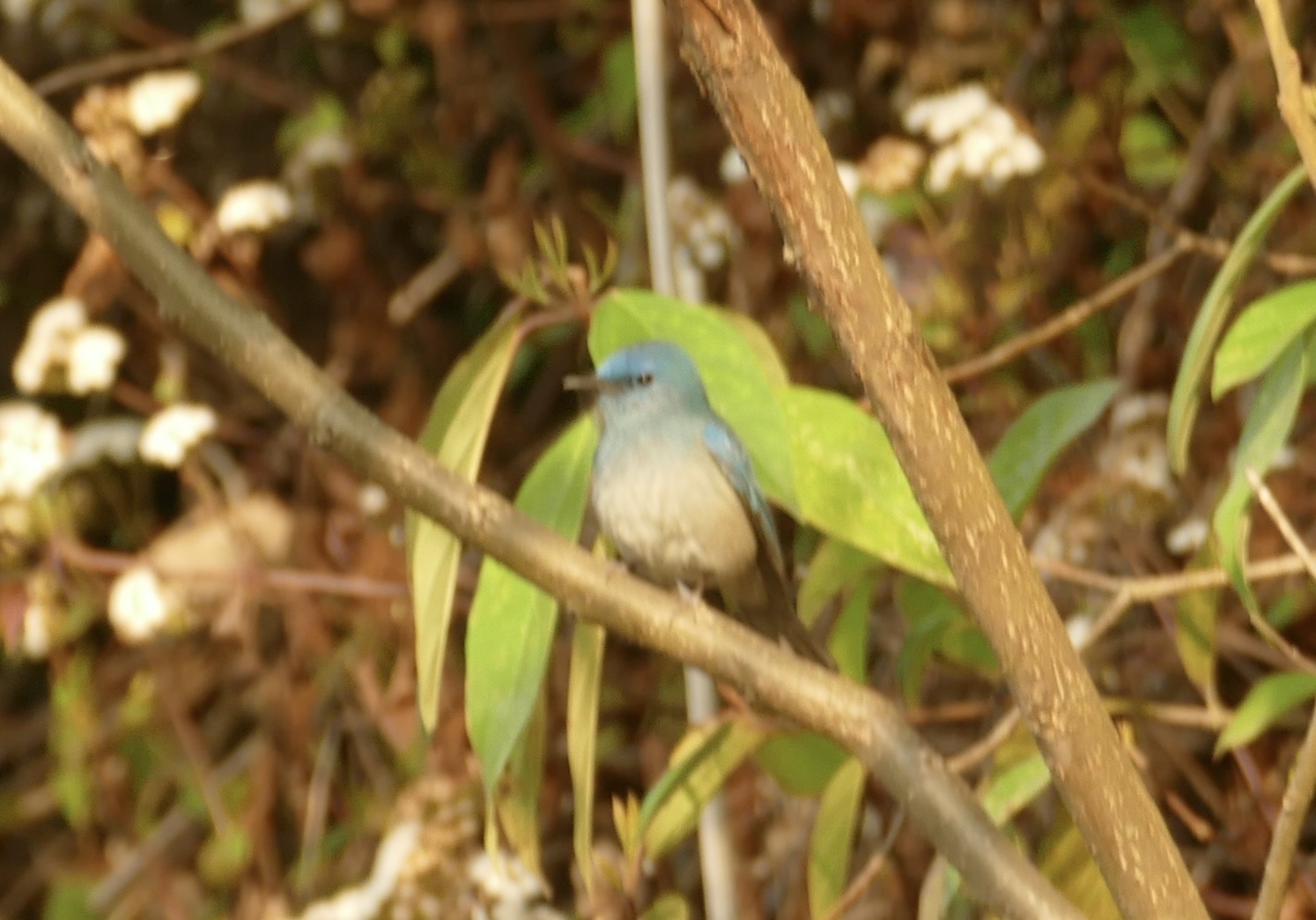
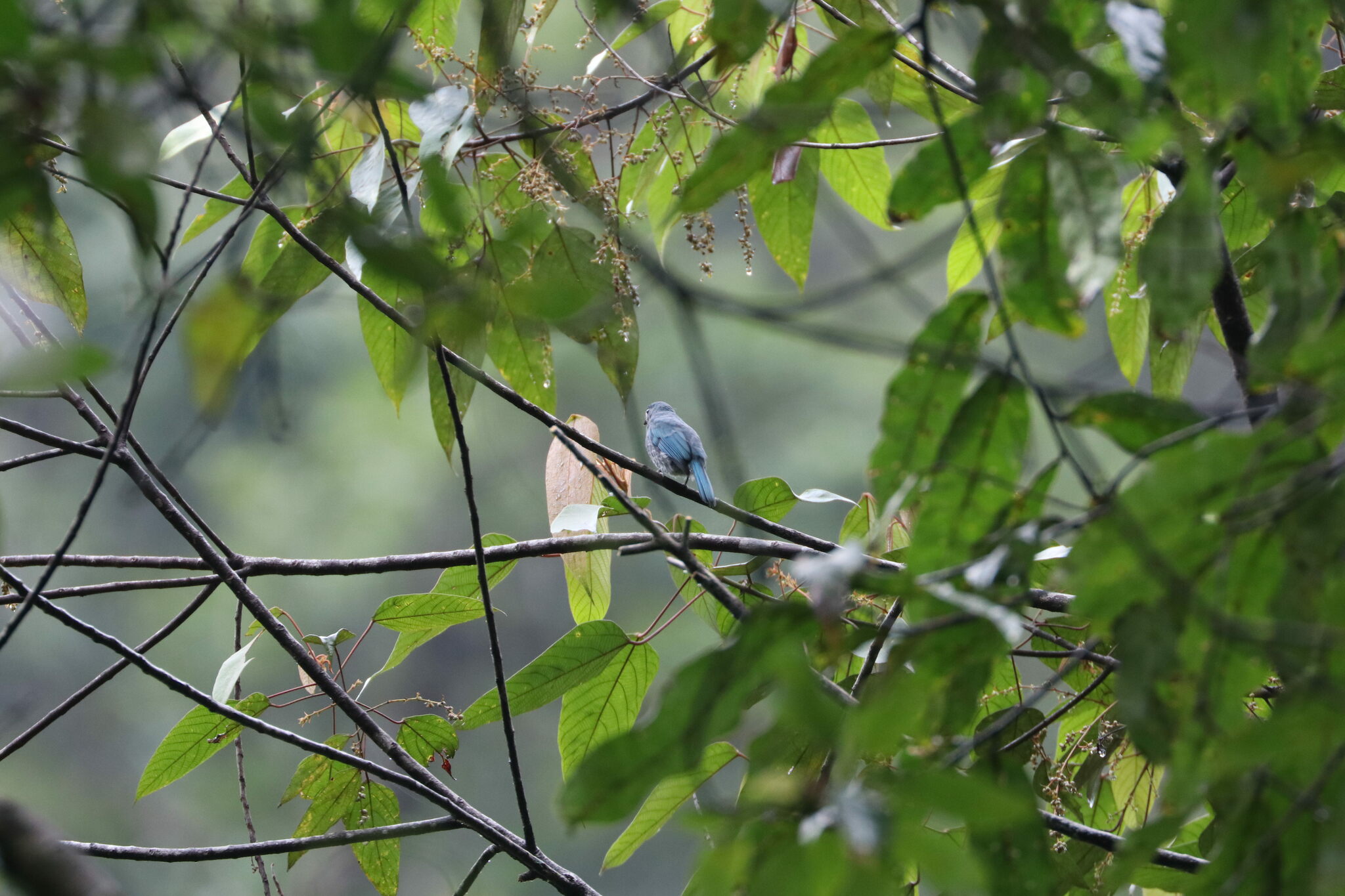
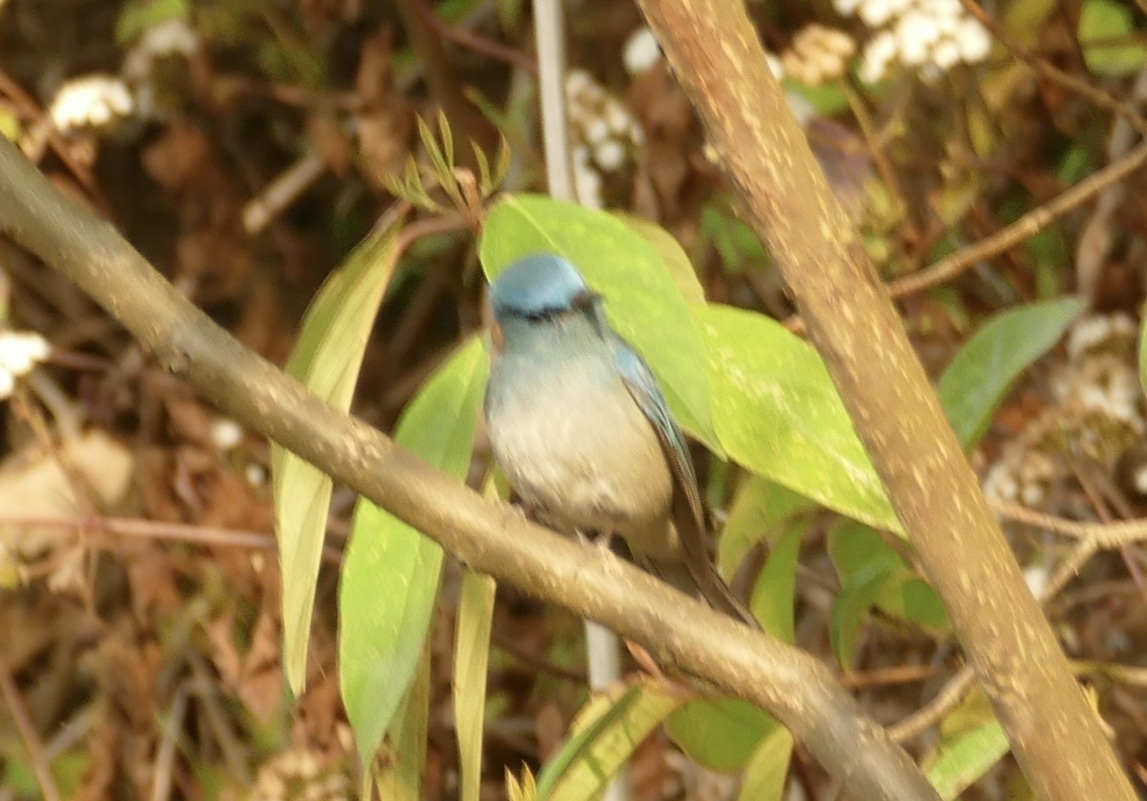
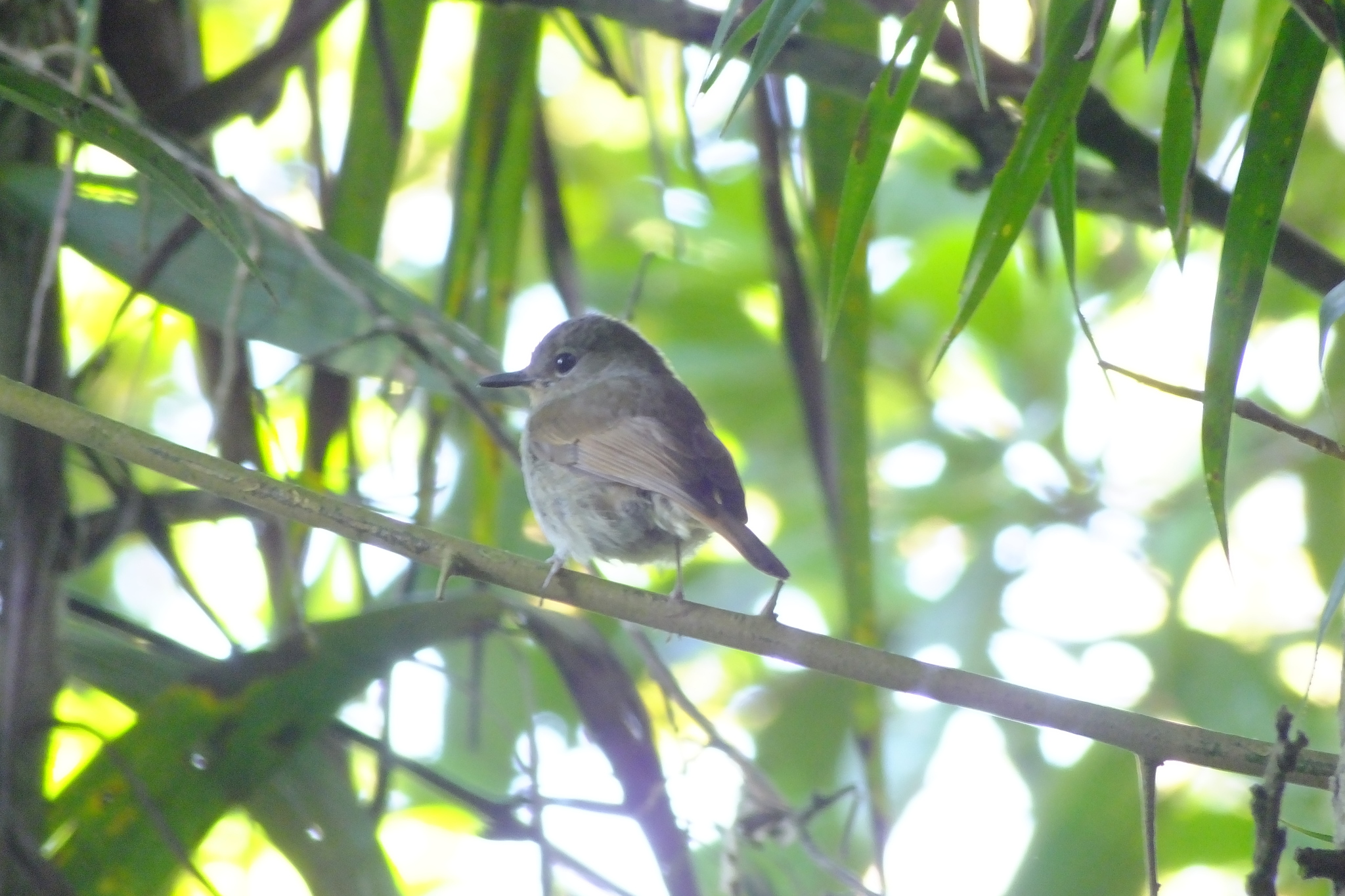
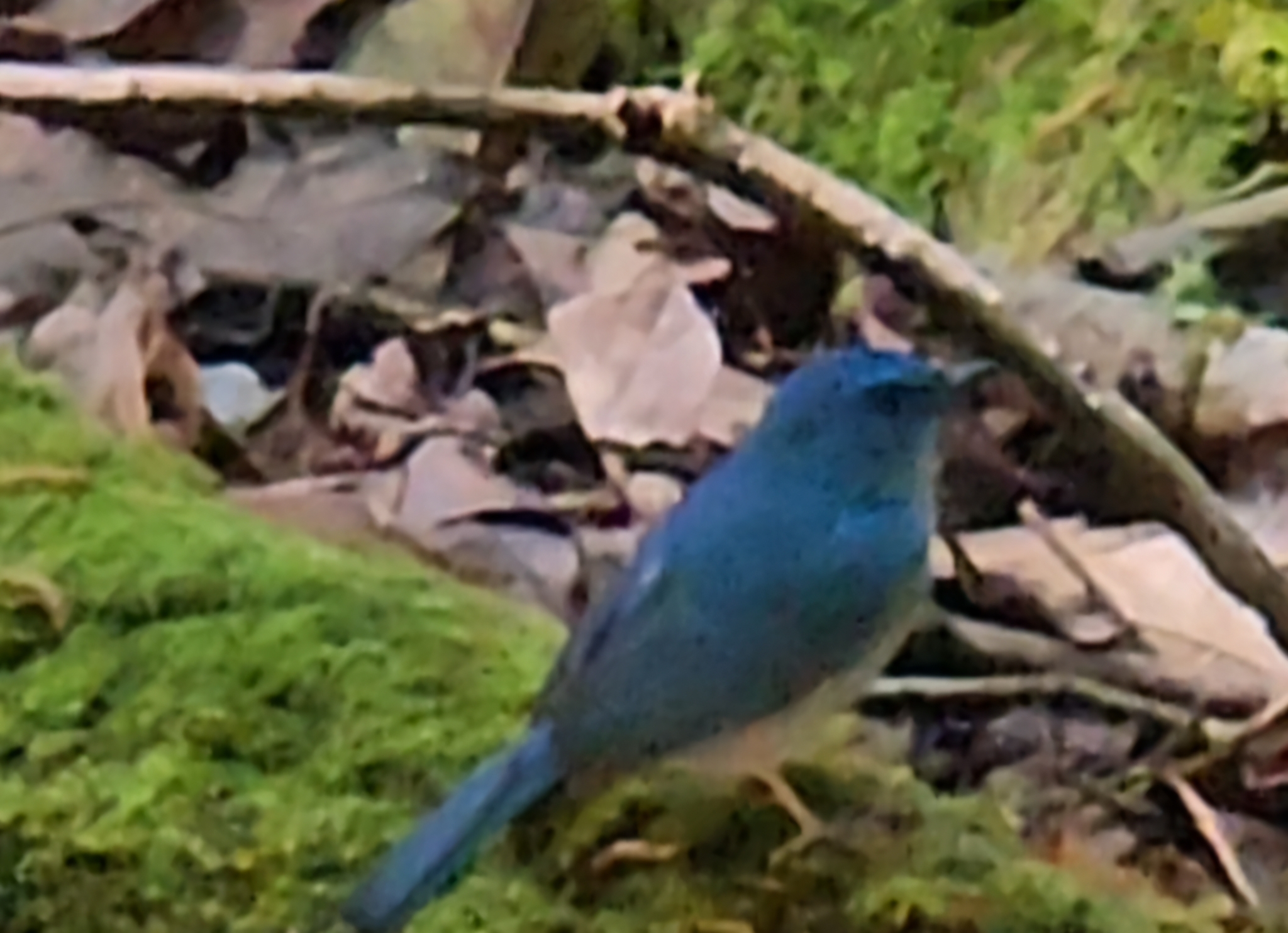
A small forest flycatcher with pale blue upperparts and face. Males display soft blue coloring on the head, back, and upperparts, with a paler blue rump and tail. The underparts are greyish in tone, extending from the throat down to the vent, creating a muted contrast with the blue upperparts. The most distinctive feature is the discontinuous black eye-patch, appearing as broken arcs around the eye rather than a solid mask. The species has the typical compact flycatcher build with a rounded head and a thin, insectivorous bill suited for catching aerial prey.
Identification
This species is most easily confused with the verditer flycatcher, with which it often co-occurs. The key distinguishing feature is the paler, more subdued blue coloration compared to the deeper blue of the verditer. The greyish underparts extending from throat to vent provide another important identification mark, contrasting with the verditer's different coloration below. The discontinuous black eye-patch is a further distinguishing characteristic, appearing as broken markings around the eye. When observing both species in the same location, careful attention to these plumage differences is essential for accurate identification.
Distribution & Habitat
This species has a broad geographic range across South and Southeast Asia, occurring in Bangladesh, Bhutan, Brunei, Cambodia, China, Hong Kong, India, Indonesia, Laos, Malaysia, Myanmar, Nepal, Thailand, and Vietnam. Its habitat consists of subtropical and tropical moist lowland forests as well as subtropical and tropical moist montane forests. The species inhabits forested environments throughout this range, typically occurring in interior forest rather than edge habitats or open areas.
Source: Wikipedia · CC BY-SA 3.0
Taxonomy
- Order
- Passeriformes
- Family
- Muscicapidae
- Genus
- Cyornis
- eBird Code
- pabfly2
Vocalizations
Subspecies (3)
-
Cyornis unicolor cyanopolia
Malay Peninsula (south of Isthmus of Kra), Sumatra, Java, and Borneo
-
Cyornis unicolor diaoluoensis
Hainan (southern China)
-
Cyornis unicolor unicolor
Himalayas (Garhwal) to northern India, northern Myanmar, southern China, and northern Laos
Data Sources
Species description from Wikipedia, licensed under CC BY-SA 3.0.
Bird images and sounds sourced from GBIF, contributed by citizen scientists worldwide under Creative Commons licenses.
Taxonomy data from AviList 2025.