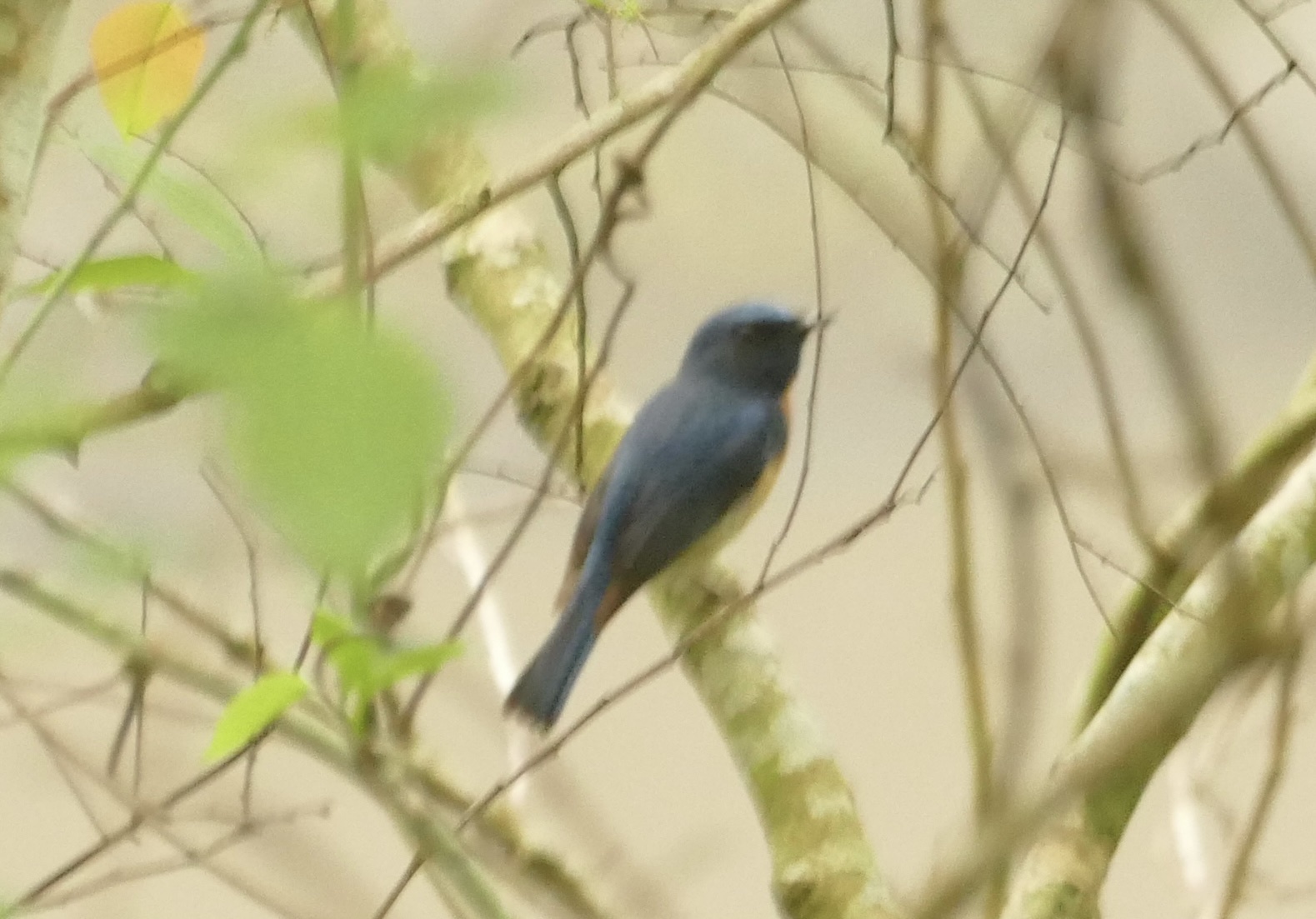
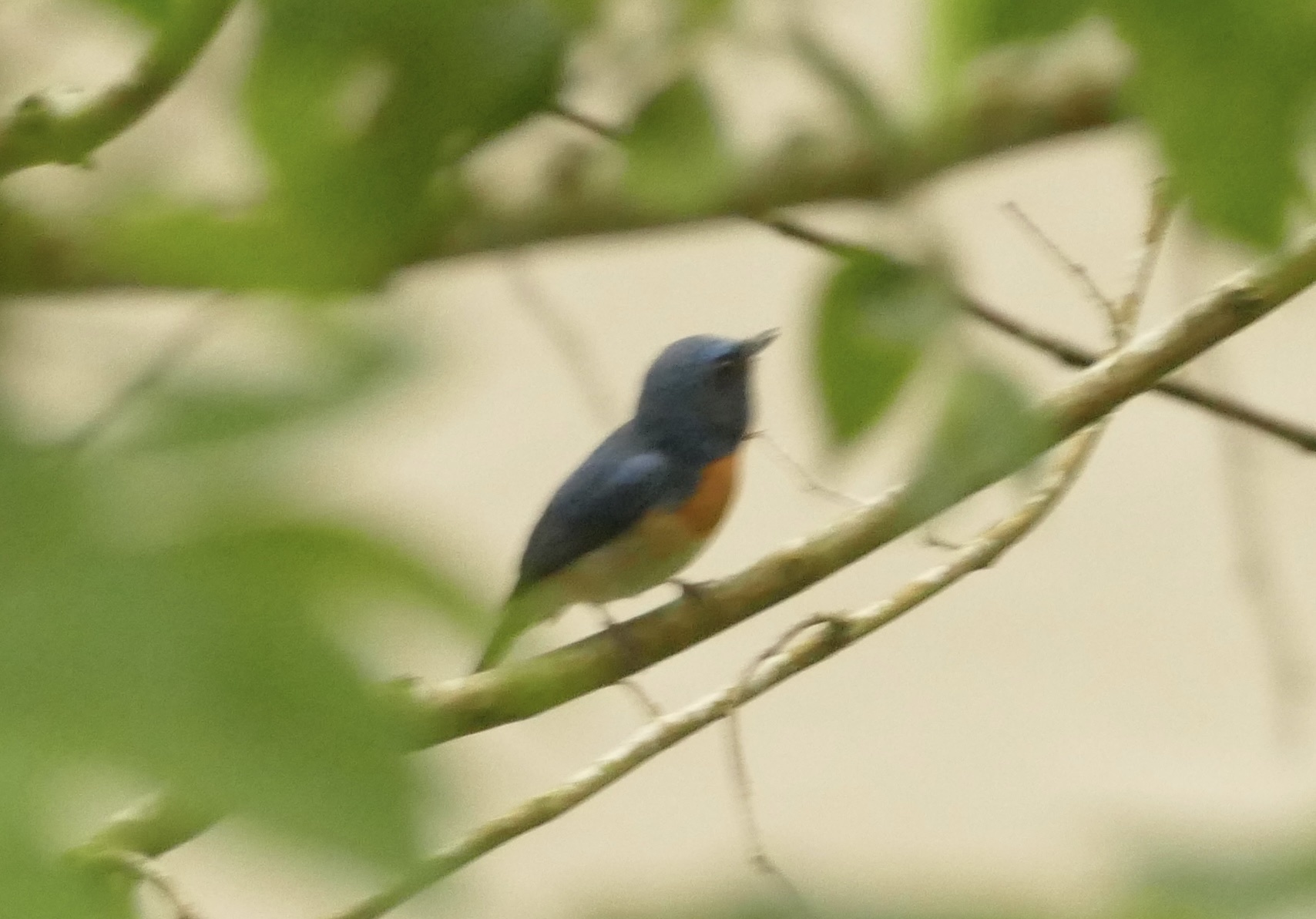
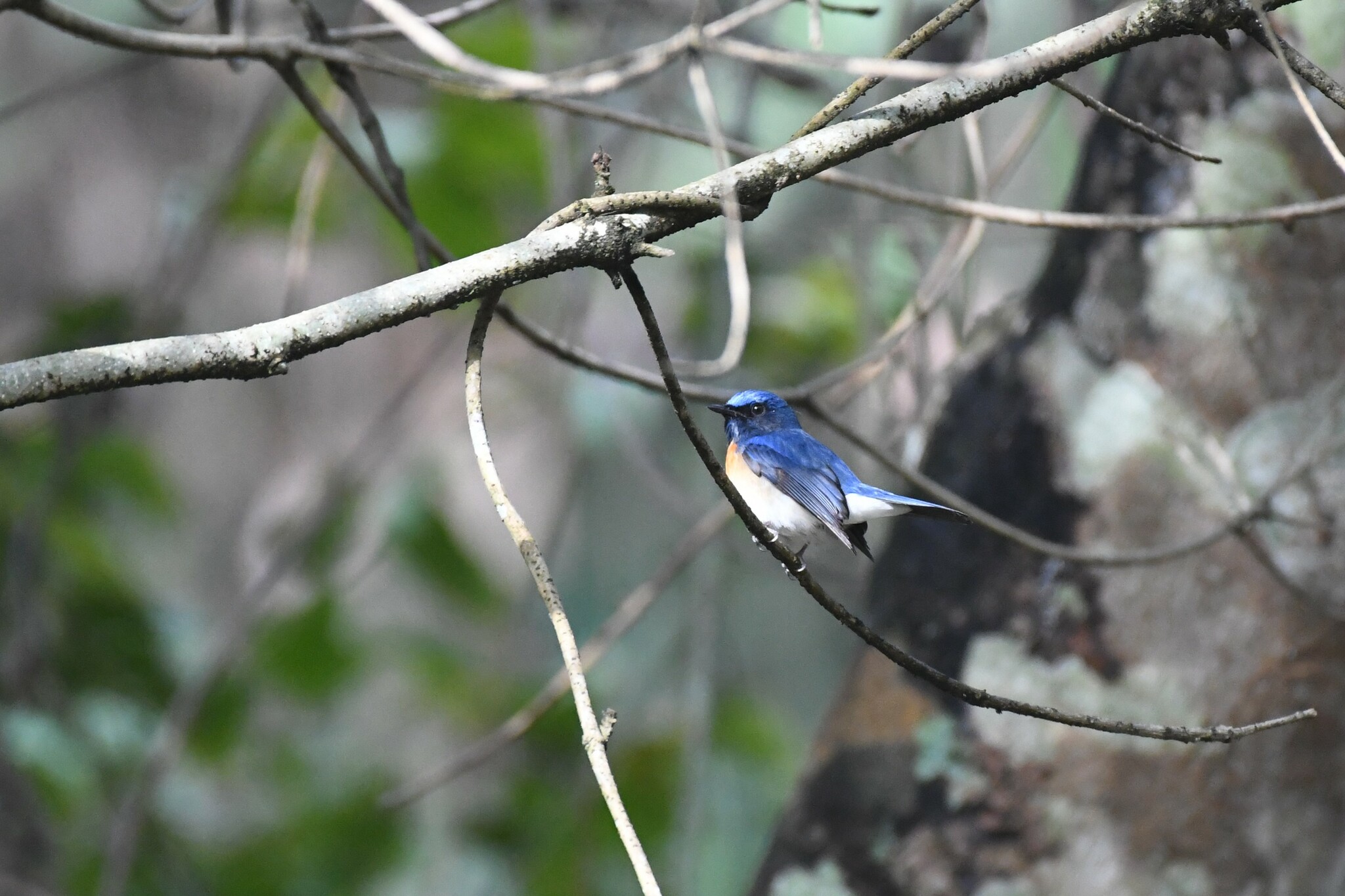
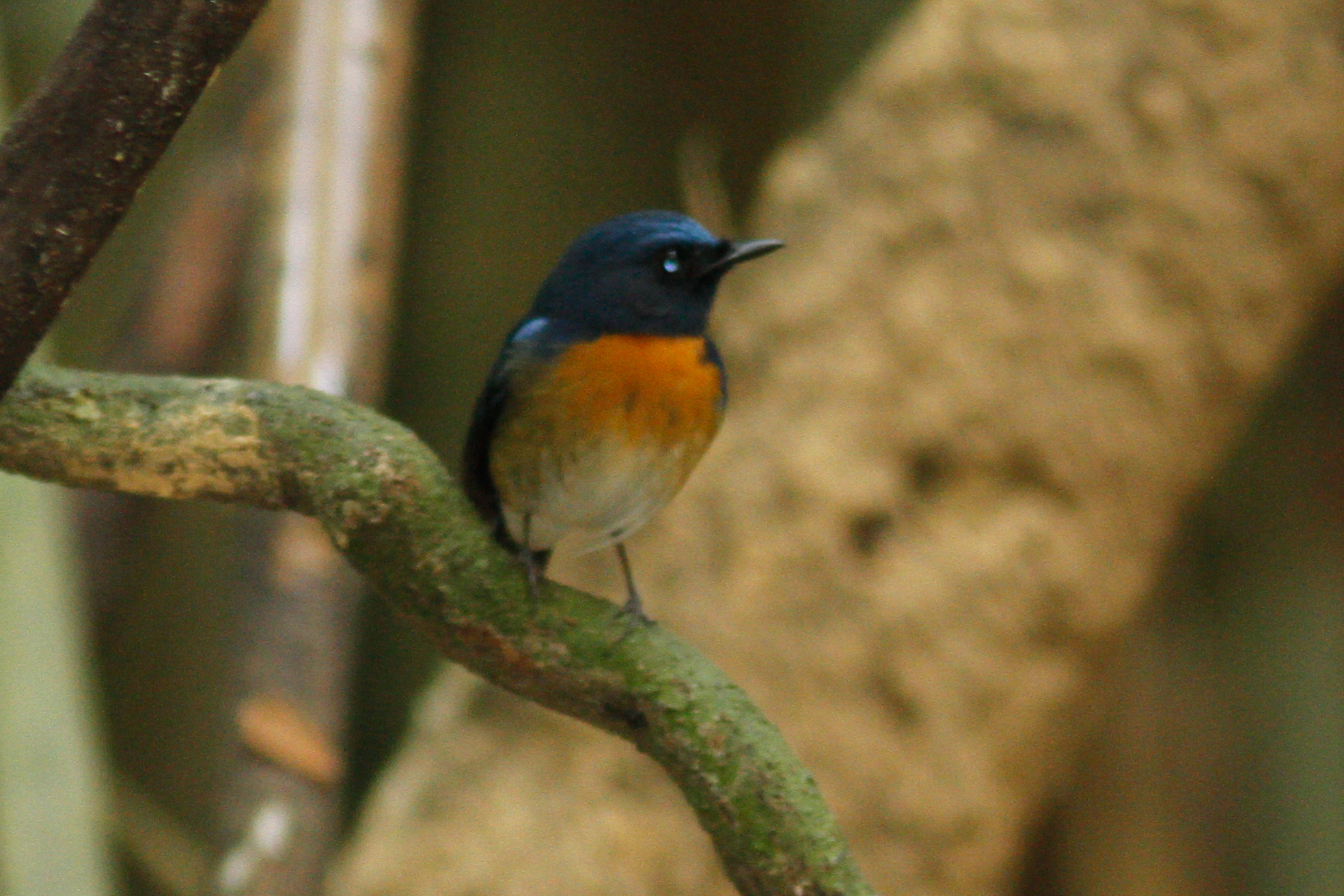
Blue-throated Blue Flycatcher
Cyornis rubeculoides
蓝喉仙鹟
Introduction
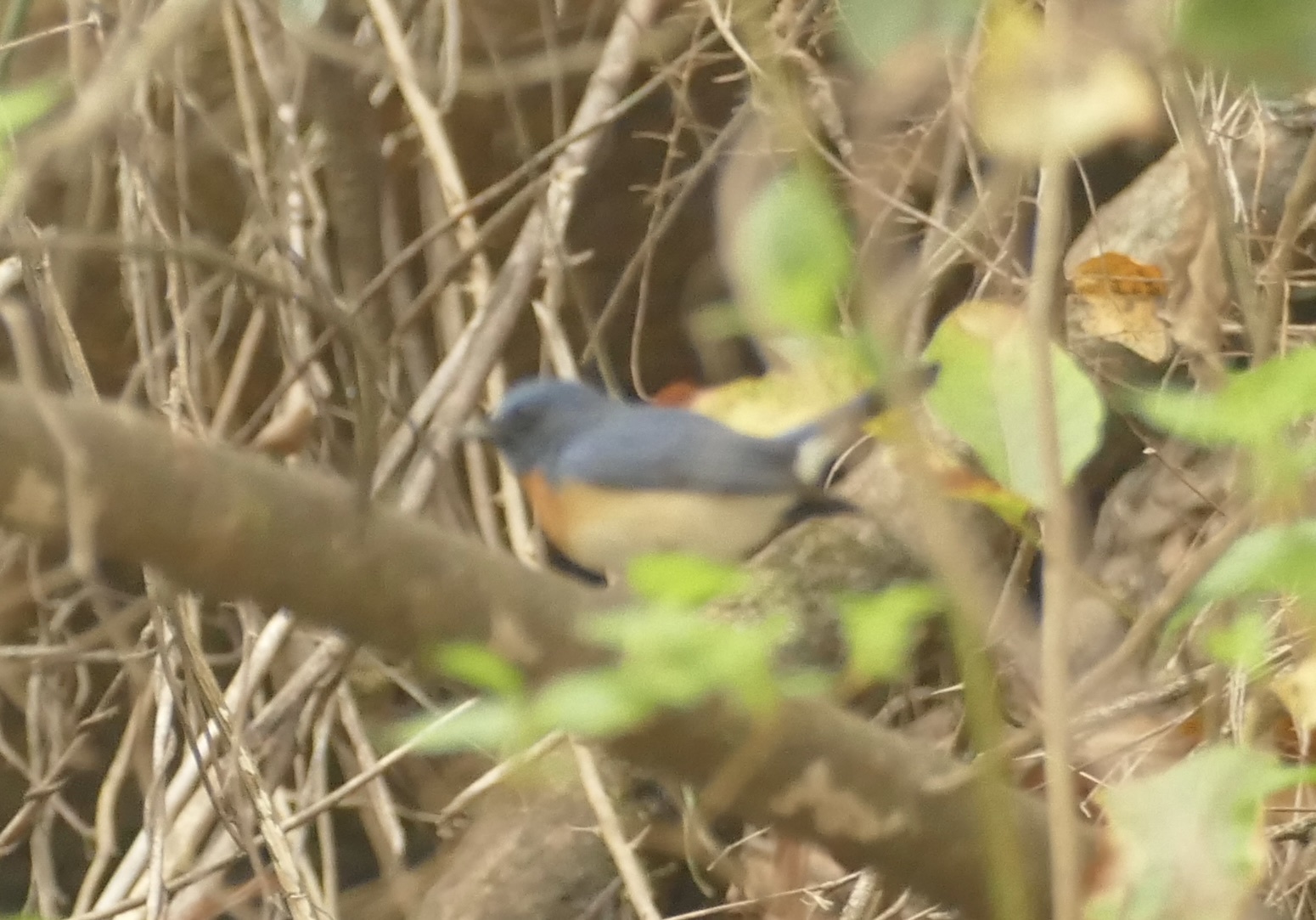
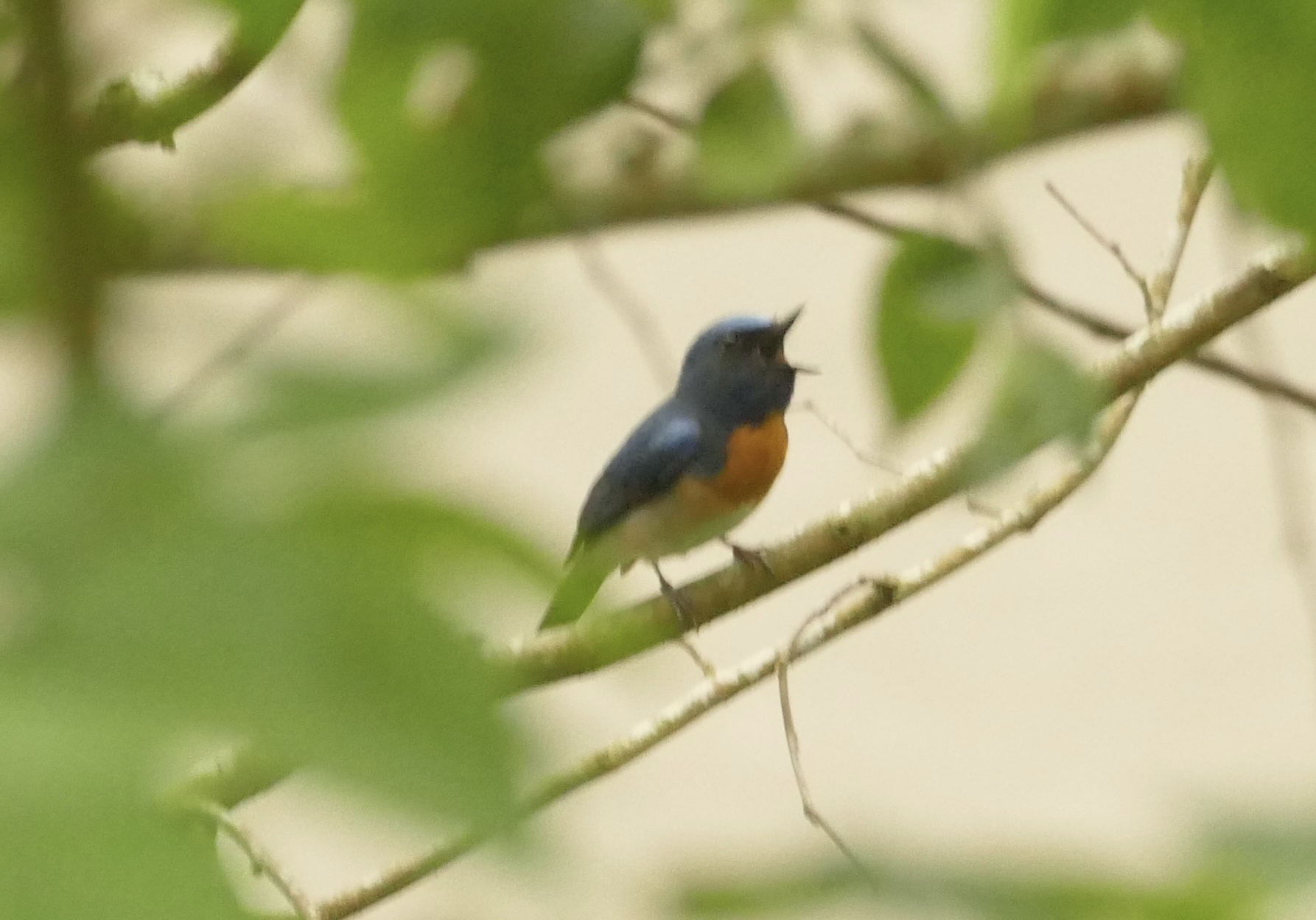
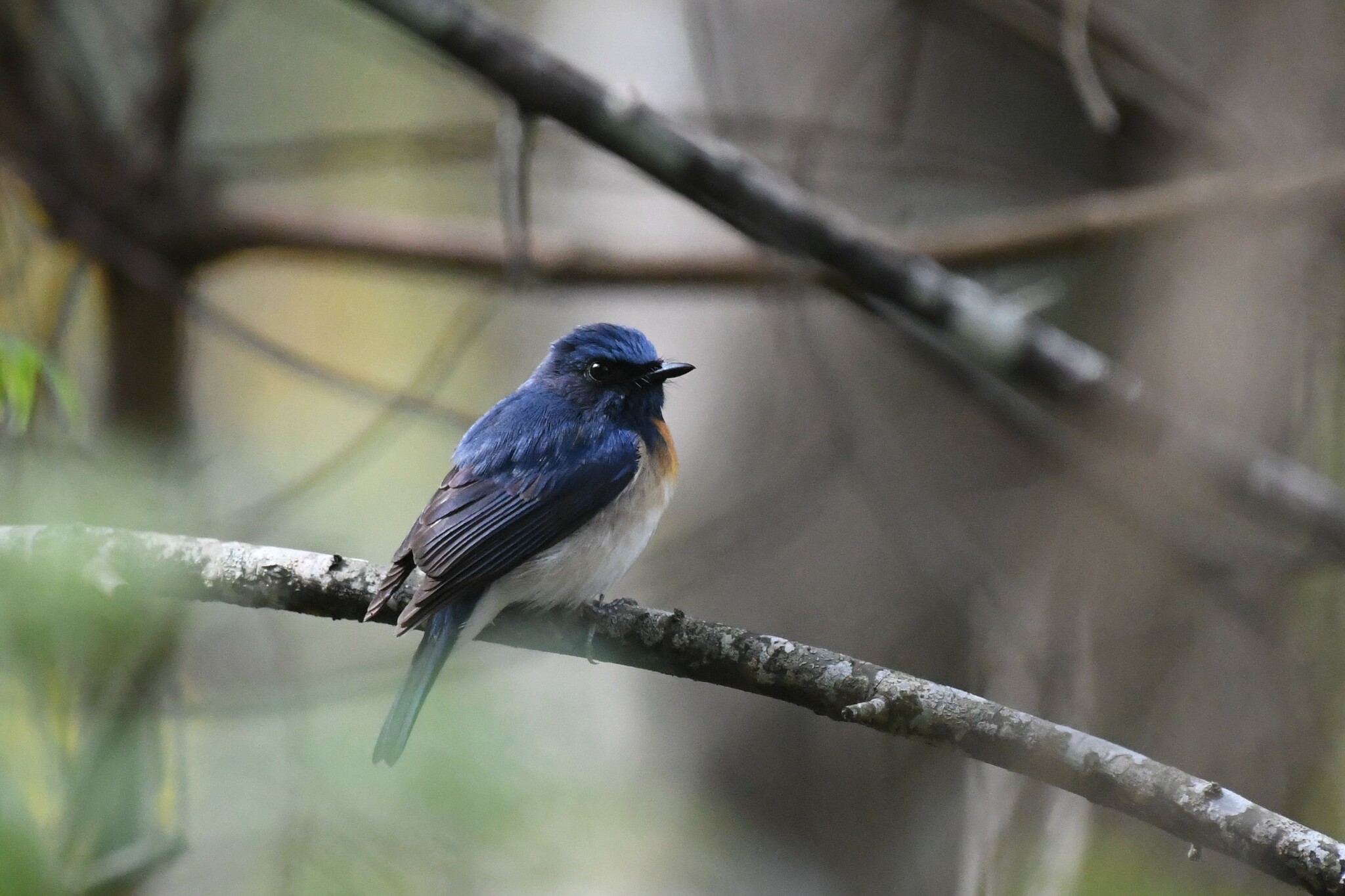
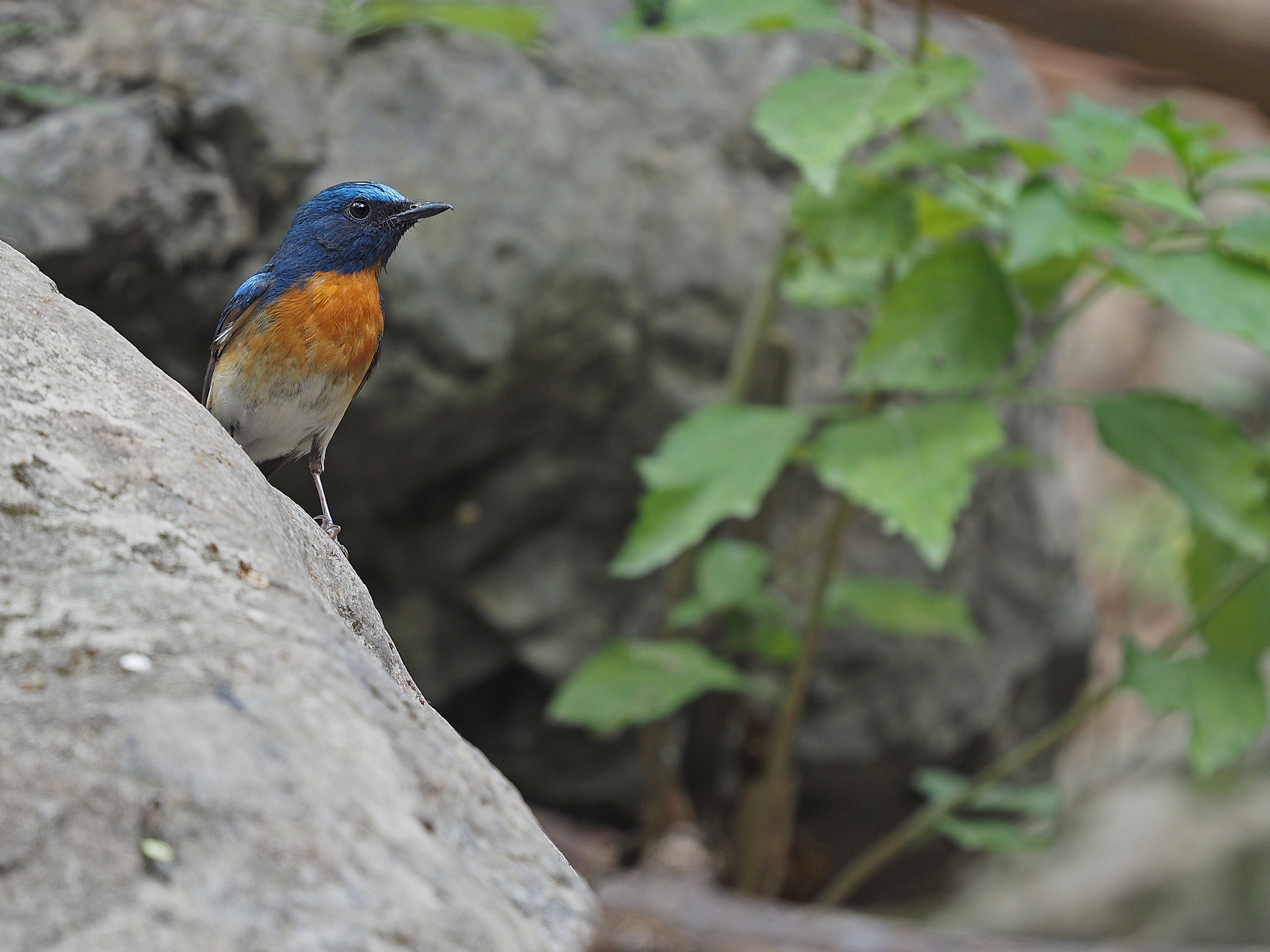
This small passerine bird belongs to the flycatcher family. It is endemic to the Indian subcontinent, where it inhabits thick, mature forest habitats, distinguishing it from other flycatcher species that prefer more open woodlands. The species exhibits marked sexual dimorphism: males have blue throat and upperparts with an orange breast, while females display olive-brown plumage with creamy-orange coloration on the chest.
Description
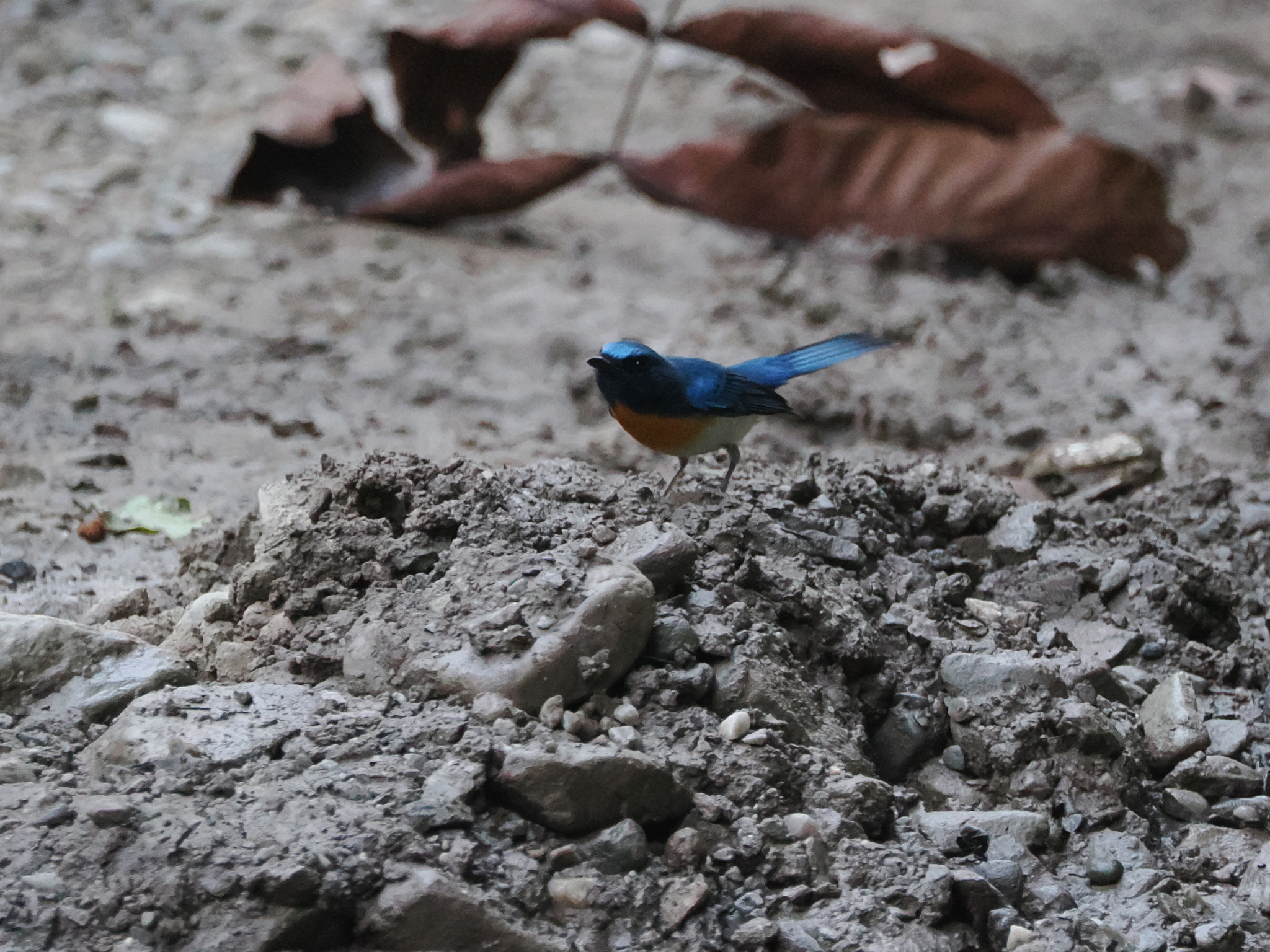
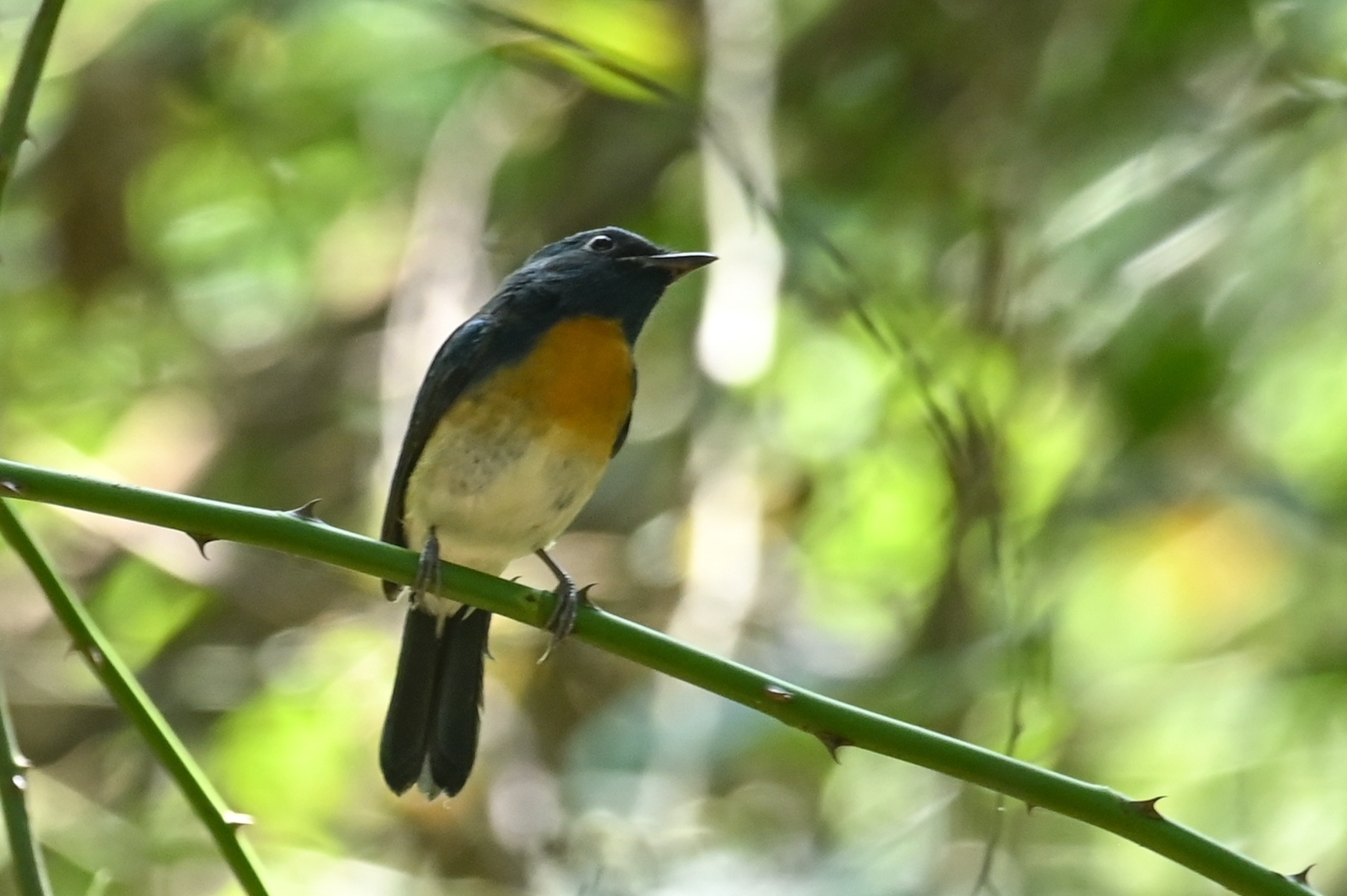
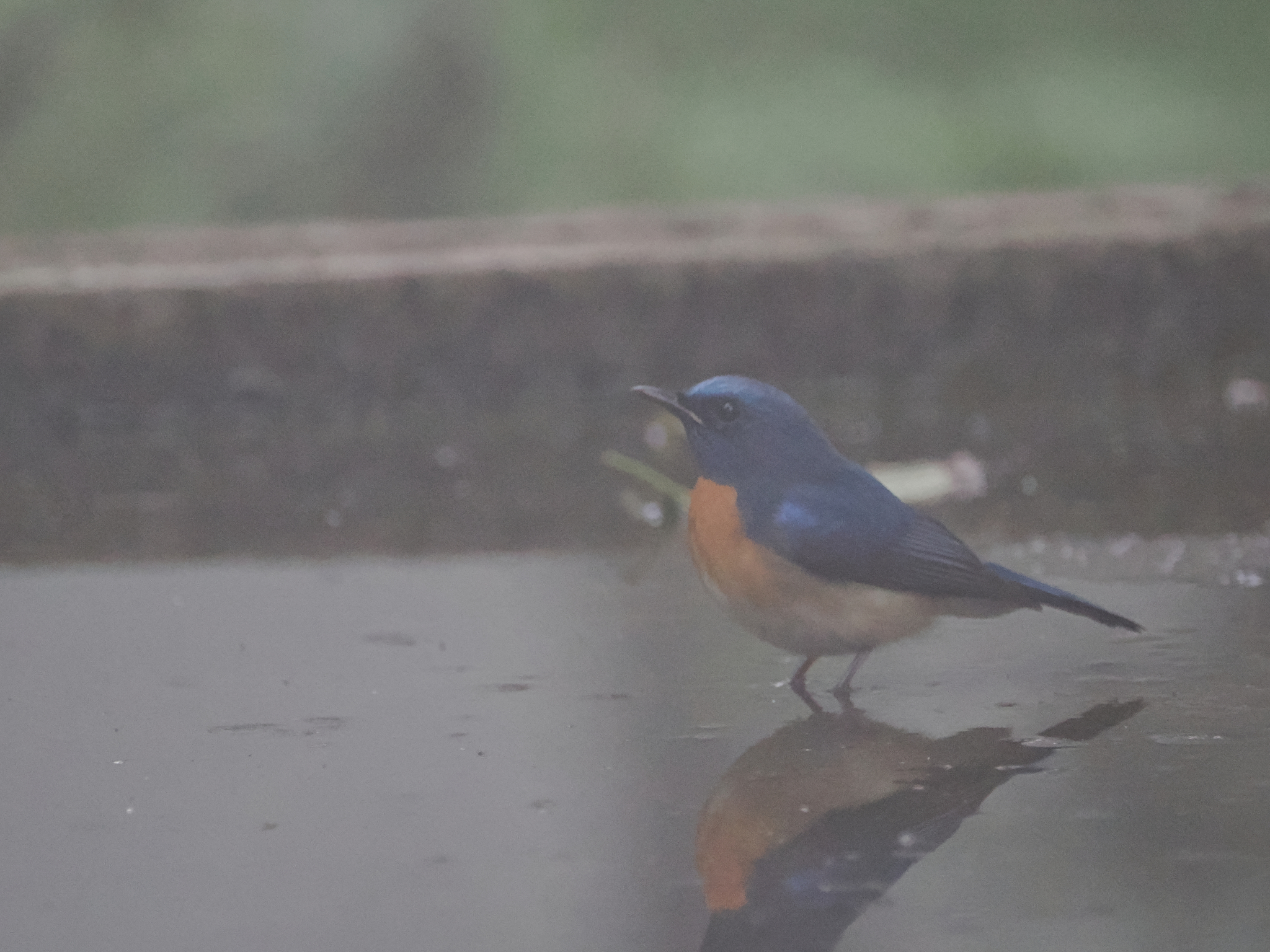
This small passerine measures approximately 14-15 cm in length. Adult males possess a striking blue throat and upperparts, a warm orange breast, white belly and flanks, and blue tail feathers. Females display olive-brown upperparts and head, a less defined creamy-orange chest patch, and white underparts. Both sexes have relatively long wings and a характерный flycatcher bill shape adapted for catching insects in flight.
Identification
Males are unmistakable with their bright blue throat and upperparts, distinguishing them from similar Cyornis species. The key field mark is the blue throat, which separates this species from the otherwise similar Tickell's Blue Flycatcher (Cyornis tickelliae). Females can be more challenging to identify but typically show more olive tones in the upperparts compared to related species. The combination of orange breast patch in males and habitat preference for denser forest helps confirm identification.
Distribution & Habitat
This species occurs across the Indian subcontinent, including the entire Himalayan range from lowlands to foothills, the plains and Western Ghats of India, Bangladesh, and extends eastward to Arakan and the Tenasserim Hills in Myanmar. It inhabits dense, mature forests and well-wooded areas. The species is partially migratory, moving to warmer lowland areas including the Western Ghats during the colder months.
Behavior & Ecology
As with most flycatchers, this species feeds on insects caught in flight or gleaned from foliage. It perches quietly in the mid-story and understory, sallying out to capture prey. Breeding behavior typically occurs in forested habitats during the summer months. The species is often found alone or in pairs, maintaining territories within its preferred thick forest habitat.
Culture
No specific cultural or folklore information is documented for this species.
Source: Wikipedia · CC BY-SA 3.0
Taxonomy
- Order
- Passeriformes
- Family
- Muscicapidae
- Genus
- Cyornis
Subspecies (2)
-
Cyornis rubeculoides rogersi
Myanmar (Arakan Mountains and lower Chindwin River area); populations in the Indian hills south of the Brahmaputra have been treated as this
-
Cyornis rubeculoides rubeculoides
breeds Kashmir to northern India and northern Myanmar; winters to Sri Lanka
Data Sources
Species description from Wikipedia, licensed under CC BY-SA 3.0.
Bird images and sounds sourced from GBIF, contributed by citizen scientists worldwide under Creative Commons licenses.
Taxonomy data from AviList 2025.