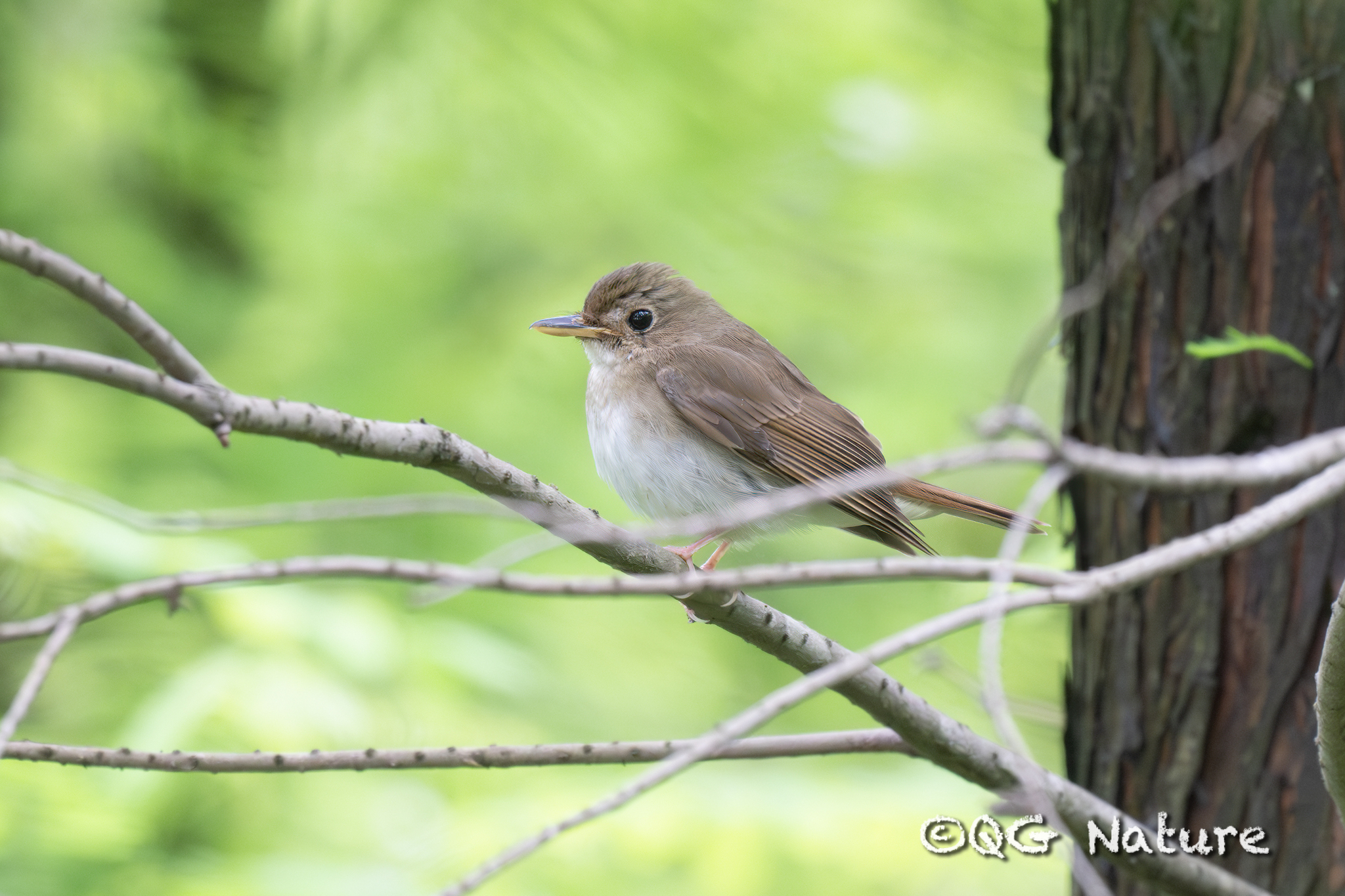
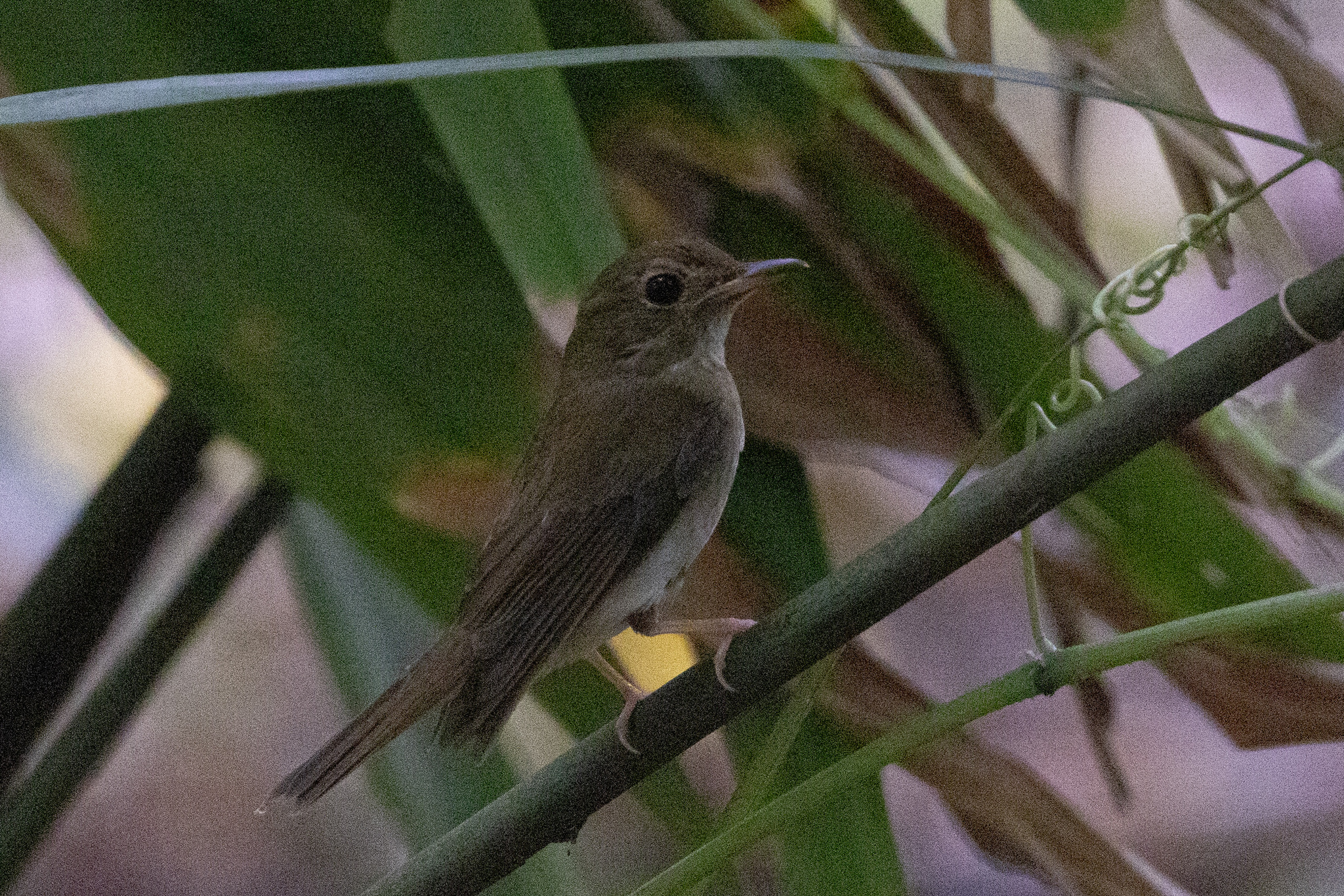
Brown-chested Jungle Flycatcher
Cyornis brunneatus
白喉林鹟
Introduction
A small migratory passerine in the Old World flycatcher family. It inhabits the dense understory of primary and secondary tropical forests in Southeast Asia. Like other flycatchers, it sallies from perches to catch insects in flight. It is an indicator species for forest health.
Distribution & Habitat
This species breeds in the subtropical forests of South China, primarily in lowland and hill forests up to moderate elevations. During the non-breeding season, it migrates southward to the Malay Peninsula, where it occupies both coastal and inland forest habitats. Its preferred environments include subtropical and tropical moist lowland forests, as well as subtropical and tropical mangrove forests, where it tends to stay within the dense understory and middle storey vegetation.
Conservation
The species is classified as threatened due to ongoing habitat loss throughout its range. Deforestation for agriculture, logging, and urban development in both its breeding and wintering grounds has significantly reduced available habitat. The degradation of primary forests and loss of connected woodland tracts particularly impact this species, as it appears to require intact forest environments. Conservation efforts focusing on forest protection in South China and the Malay Peninsula would benefit this and many other forest-dependent species.
Source: Wikipedia · CC BY-SA 3.0
Taxonomy
- Order
- Passeriformes
- Family
- Muscicapidae
- Genus
- Cyornis
- eBird Code
- bncjuf1
Distribution
breeds southeastern China; winters in southwestern Thailand and the Thai-Malay Peninsula
Data Sources
Species description from Wikipedia, licensed under CC BY-SA 3.0.
Bird images and sounds sourced from GBIF, contributed by citizen scientists worldwide under Creative Commons licenses.
Taxonomy data from AviList 2025.