Azure-winged Magpie
Cyanopica cyanus
灰喜鹊
Description
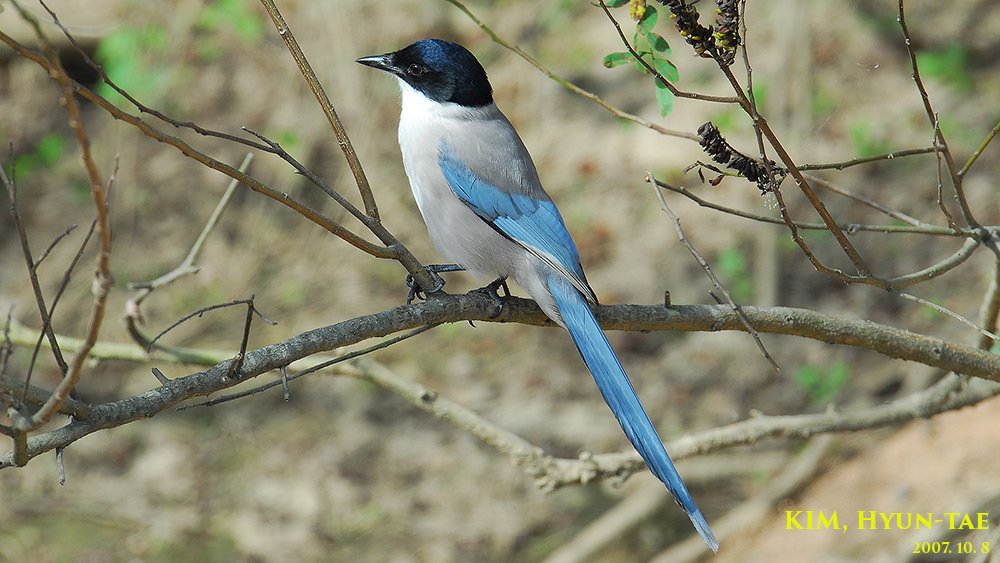
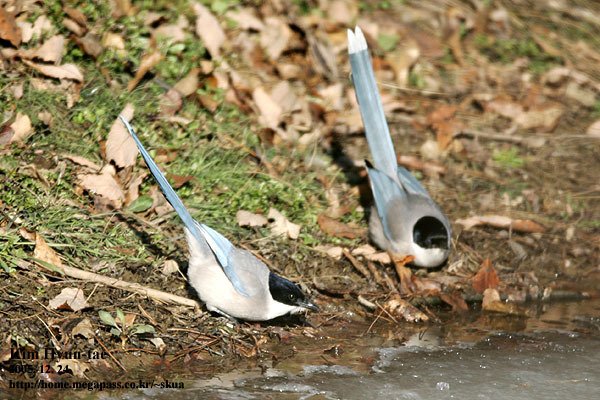
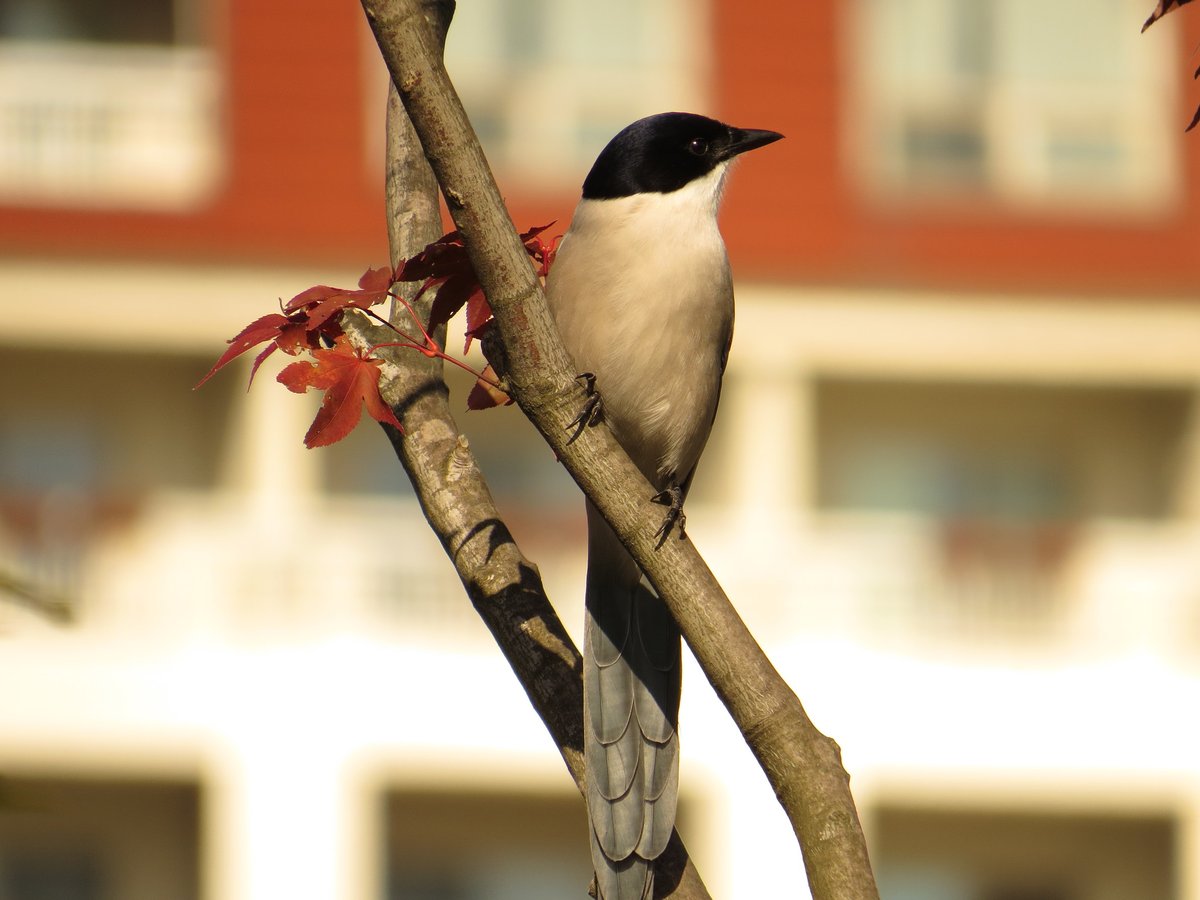
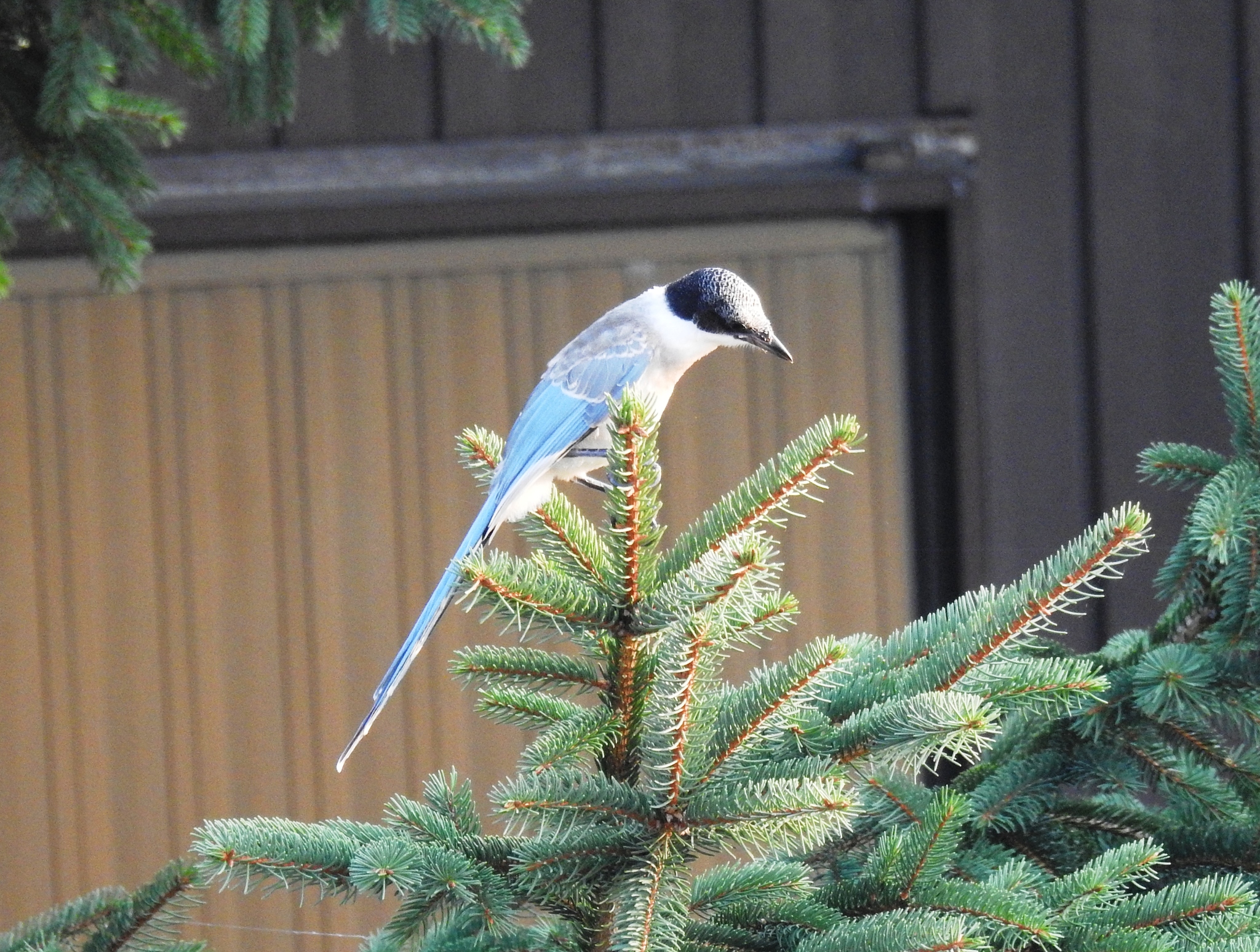
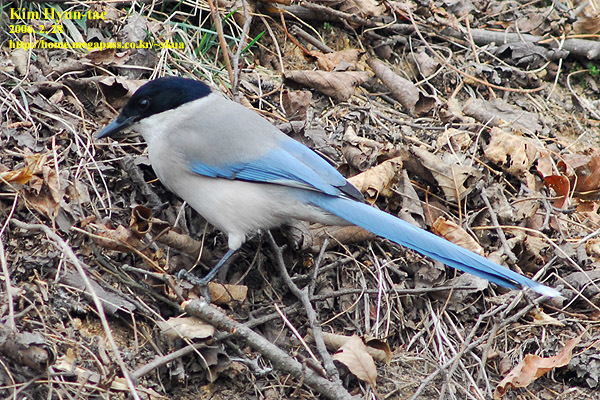
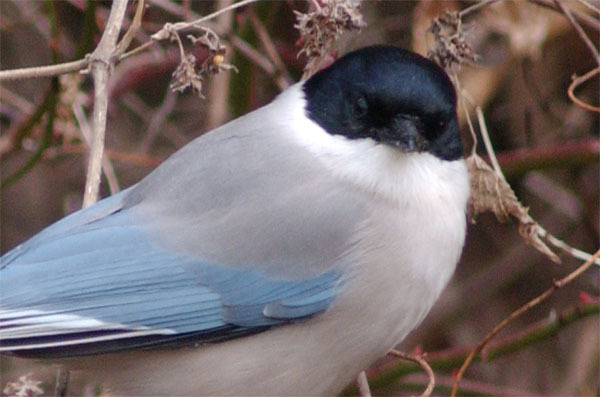
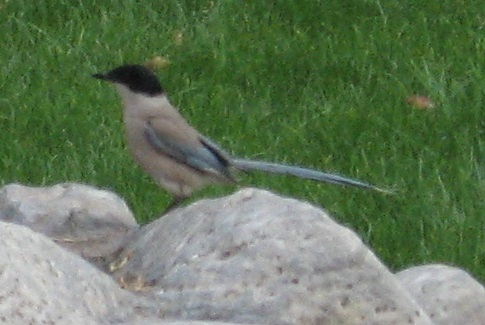
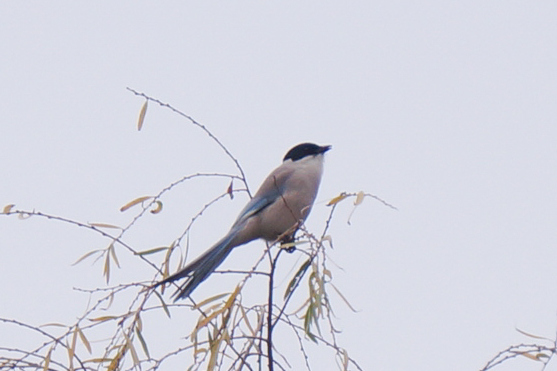
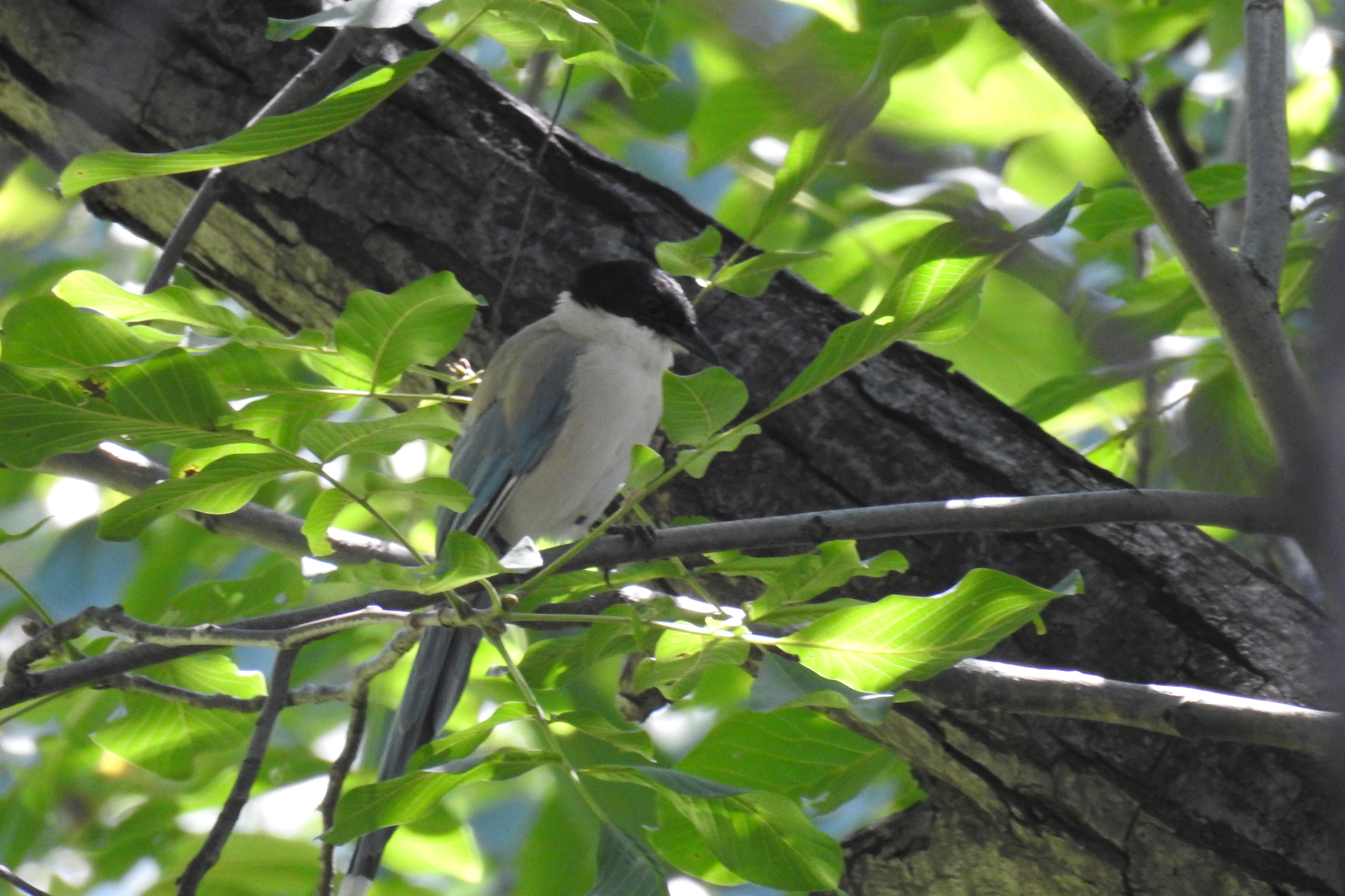
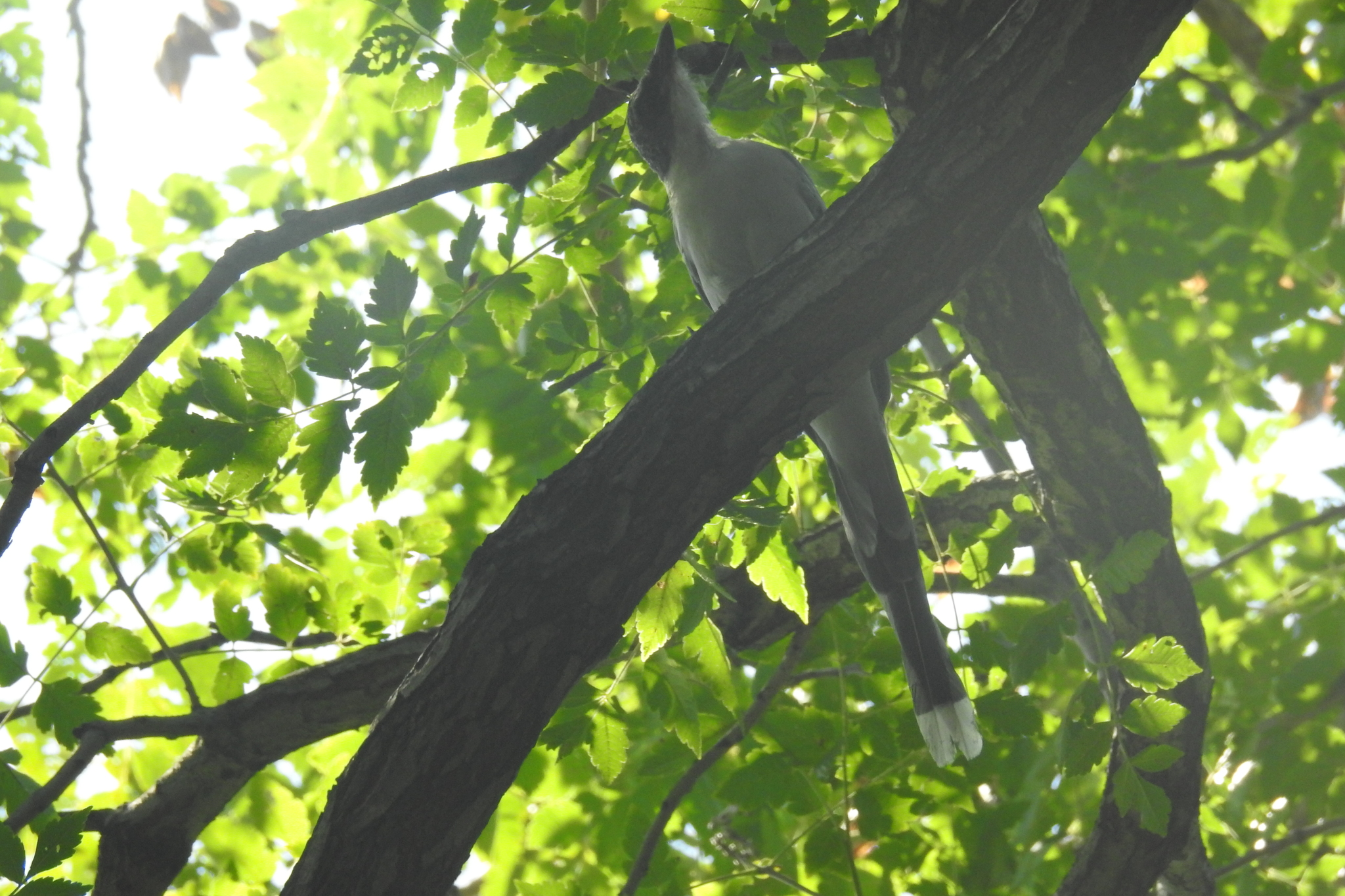
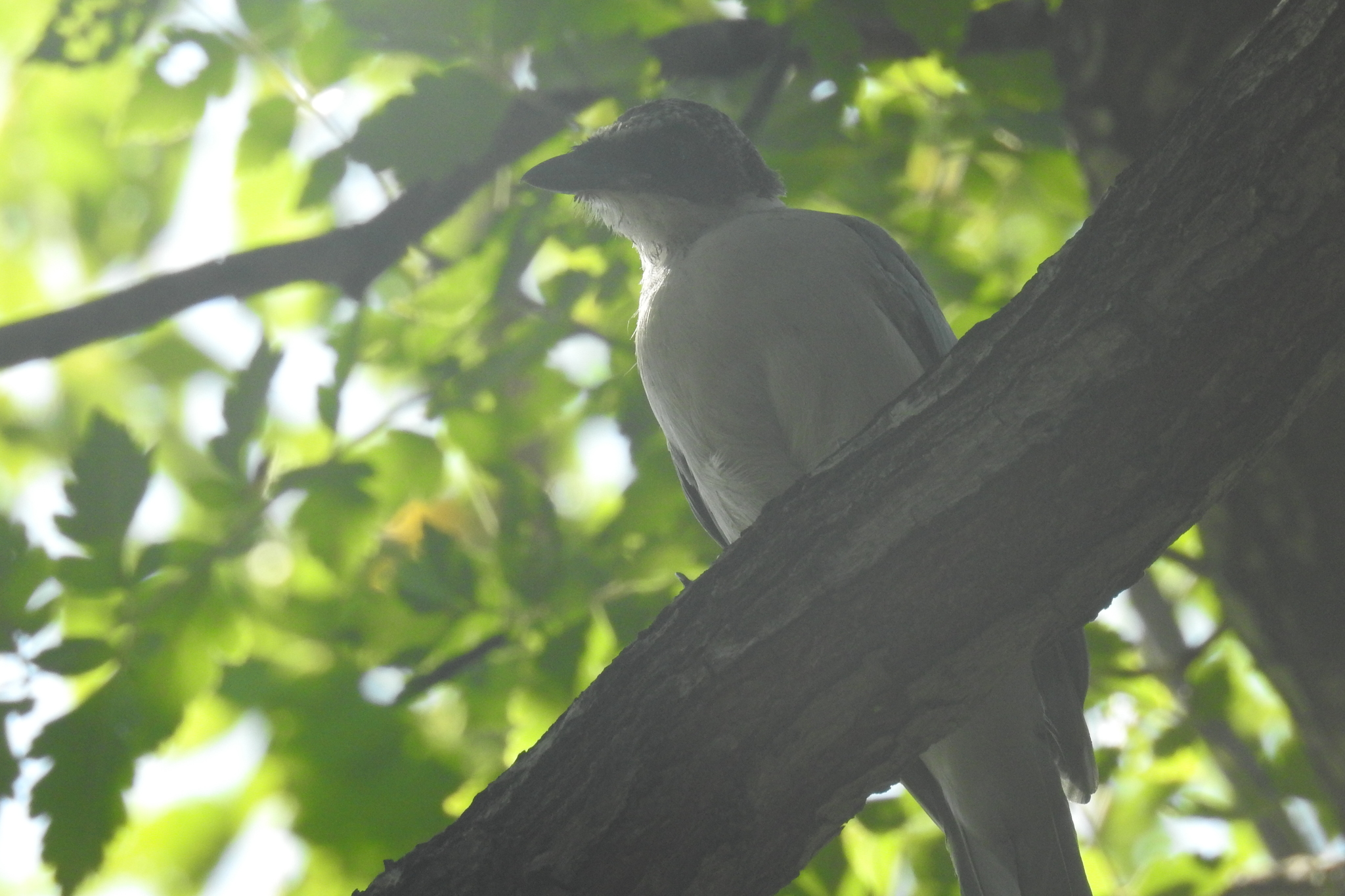
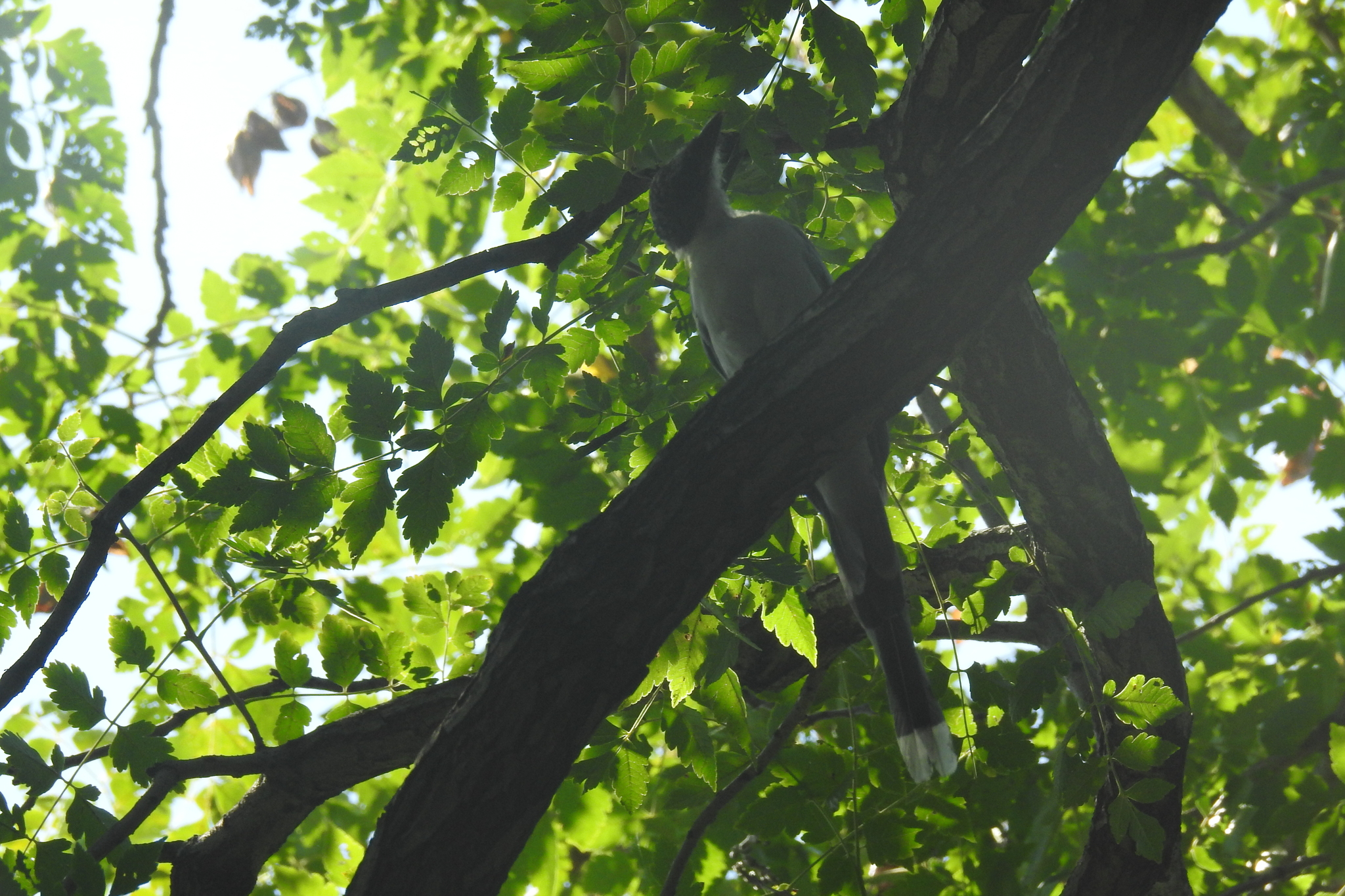
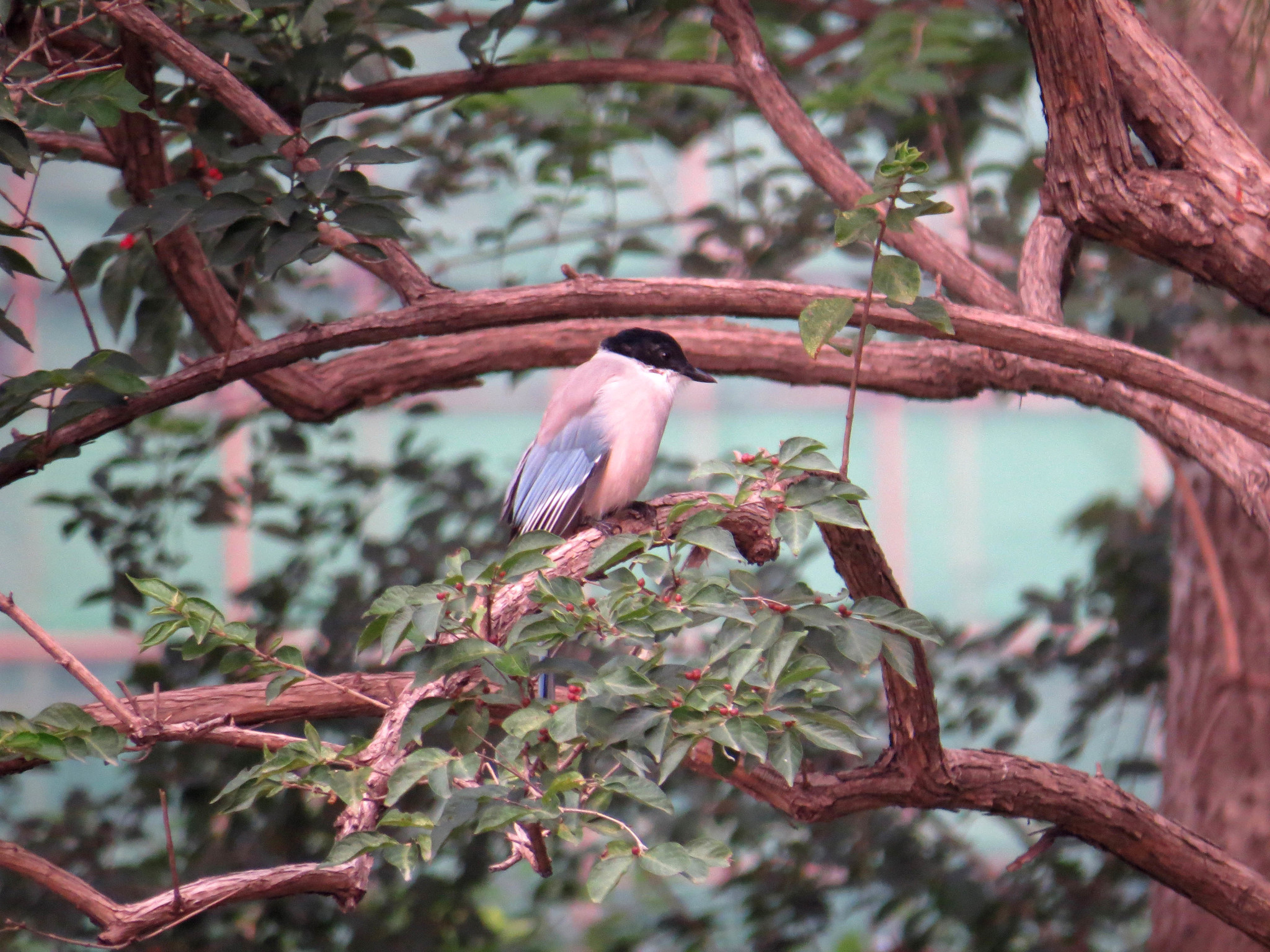
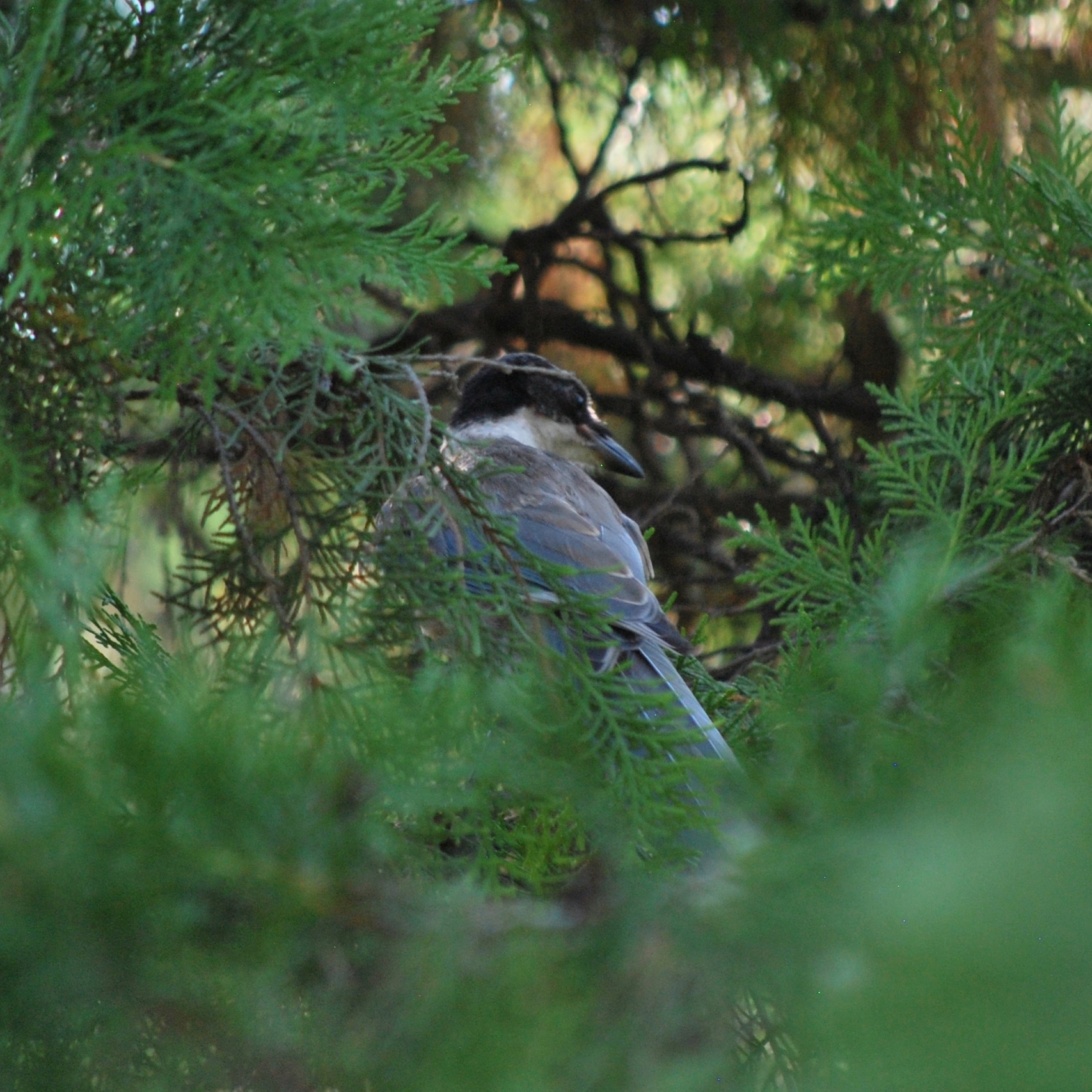
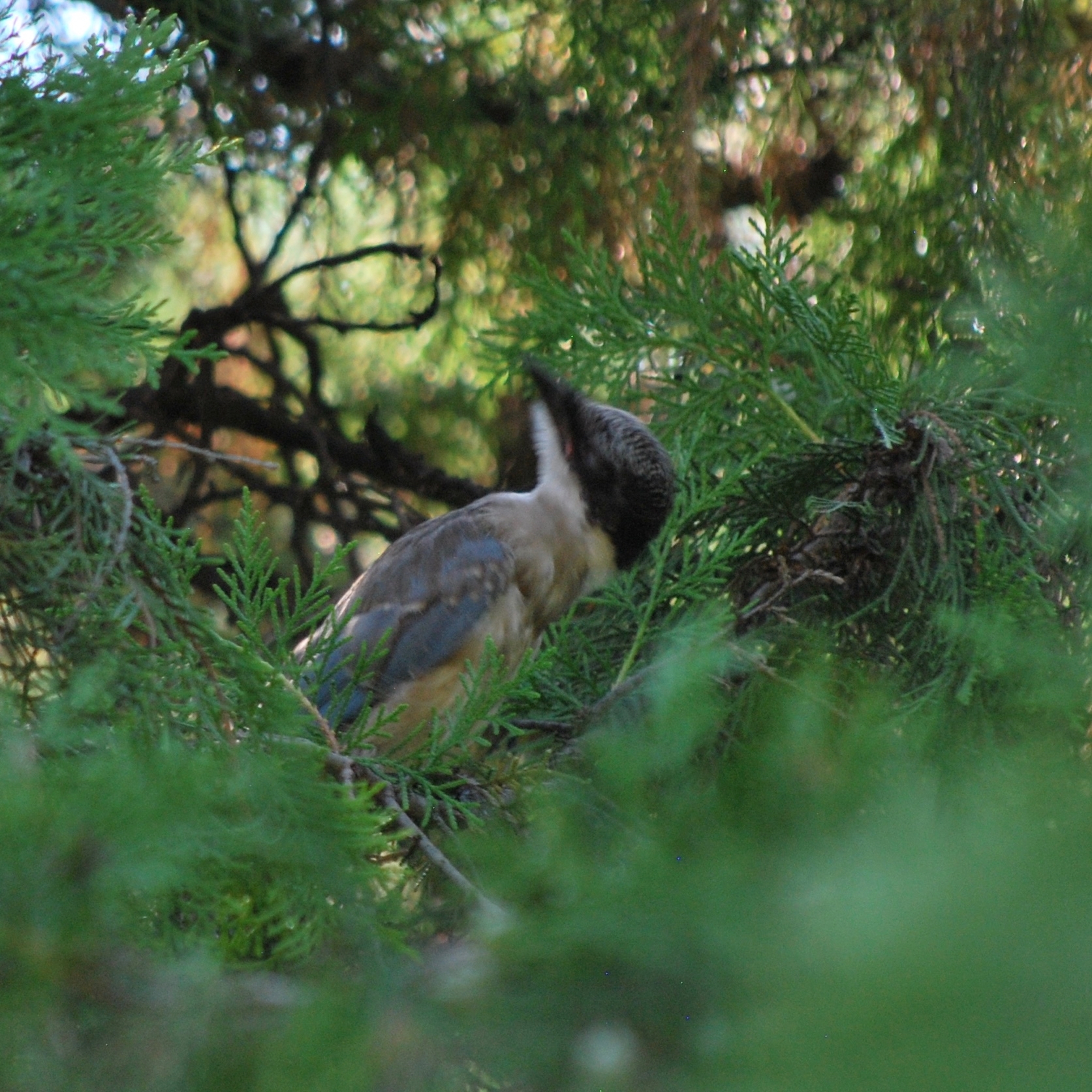
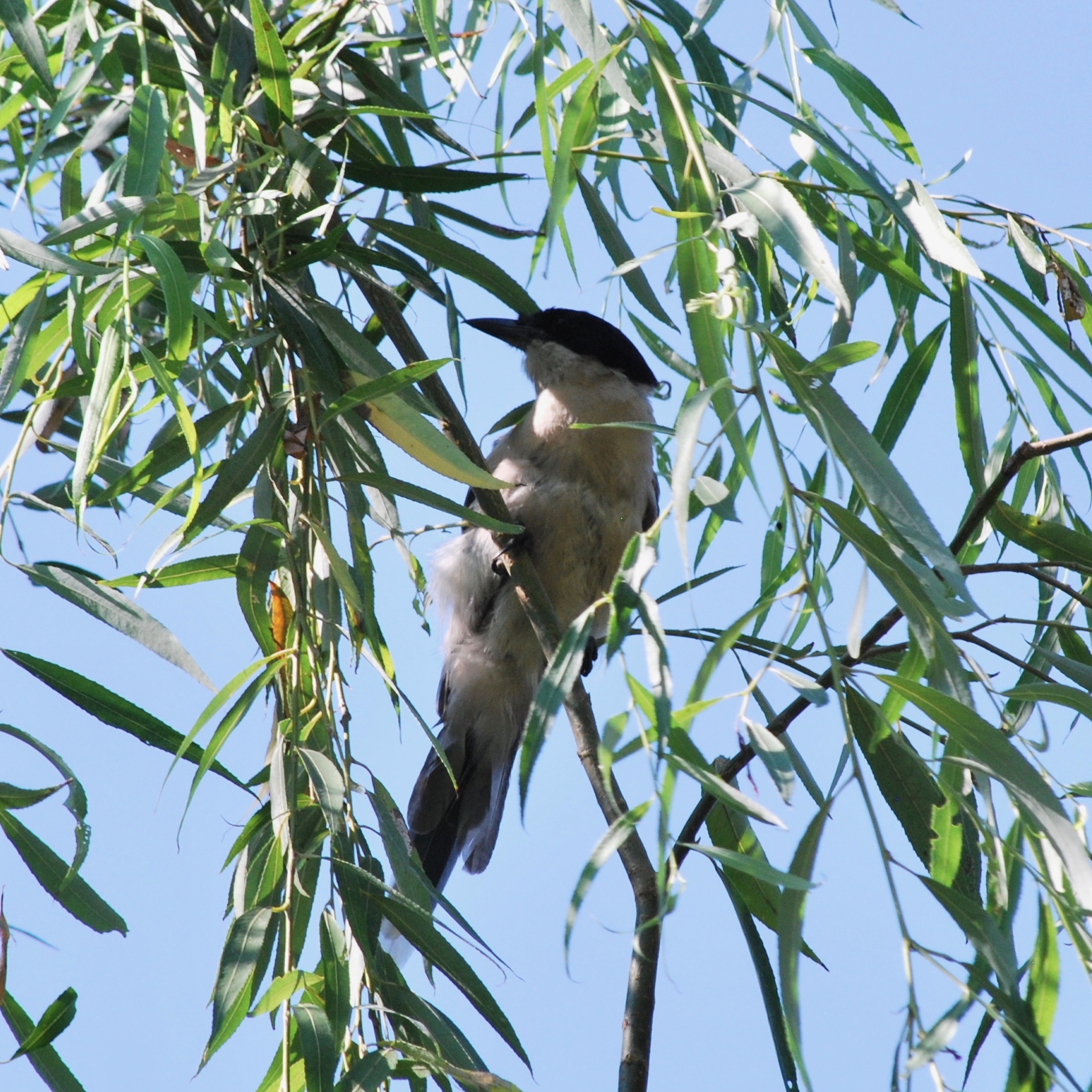
This medium-sized corvid measures 31–35 cm in length, with a long azure-blue tail spanning 16–20 cm. The silhouette resembles the familiar Eurasian magpie but with a more slender build, proportionately smaller legs, and a more delicate bill. The head features glossy black plumage on the crown, contrasting with a clean white throat. The upperparts and underparts display a subtle light grey-fawn coloration, while the most striking feature is the vivid azure-blue wings and the elongated tail feathers that distinguish this species from its relatives.
Identification
Separation from the similar Eurasian magpie relies on the smaller, more slender build with reduced leg and bill proportions. The Iberian magpie, found in Spain and Portugal, was formerly classified as the same species but is now recognized as distinct; the presence of white tail tips serves as a key distinguishing feature separating the Iberian population from the azure-winged magpie of eastern Asia.
Distribution & Habitat
This species occupies a broad range across eastern Asia, with populations in China, Korea, Japan, and extending northward into Mongolia and southern Siberia. It demonstrates flexibility in habitat selection, occupying various forest types including coniferous woodlands dominated by pine and broadleaf forests. Eastern populations have adapted to human-modified landscapes and can be found in parks, gardens, and suburban areas.
Behavior & Ecology
These magpies are highly social, typically foraging in family groups or larger flocks reaching up to 70 individuals, particularly after the breeding season and throughout winter months. The diet is primarily composed of acorns and pine nuts, supplemented by invertebrates and their larvae, soft fruits, and berries. In urban areas, they readily exploit human-provided food scraps. Nesting occurs in loose, open colonies with a single nest per tree, clutch sizes typically range from 6–8 eggs incubated for approximately 15 days. Interestingly, birds with asynchronous broods—where hatching is staggered—produce more eggs and fledge more young than those with synchronous broods. The vocalization consists of a rapid, metallic series of 'kwink-kwink-kwink' notes, often introduced by a single 'krarrah' call.
Source: Wikipedia · CC BY-SA 3.0
Taxonomy
- Order
- Passeriformes
- Family
- Corvidae
- Genus
- Cyanopica
- eBird Code
- azwmag2
Vocalizations
Subspecies (2)
-
Cyanopica cyanus cyanus
eastern Siberia and Mongolia eastward through northern and eastern China and Korean Peninsula
-
Cyanopica cyanus japonica
Japan (Honshu and Kyushu)
Data Sources
Species description from Wikipedia, licensed under CC BY-SA 3.0.
Bird images and sounds sourced from GBIF, contributed by citizen scientists worldwide under Creative Commons licenses.
Taxonomy data from AviList 2025.