
Rufous-fronted Babbler
Cyanoderma rufifrons
红额穗鹛
Introduction
This species belongs to the Old World babbler family (Leiothrichidae). It occurs from the Eastern Himalayas through Myanmar, Thailand, and Indochina to the Malay Peninsula, Sumatra, and Borneo. It inhabits forests, foothills, dense undergrowth, and forest edges, where it forages through leaf litter and low vegetation. Formerly classified as two separate species—the rufous-fronted babbler and the buff-chested babbler—taxonomic revisions have consolidated them into a single species with nine recognized subspecies. Populations across its range exhibit regional variation in plumage tones and saturation.
Description
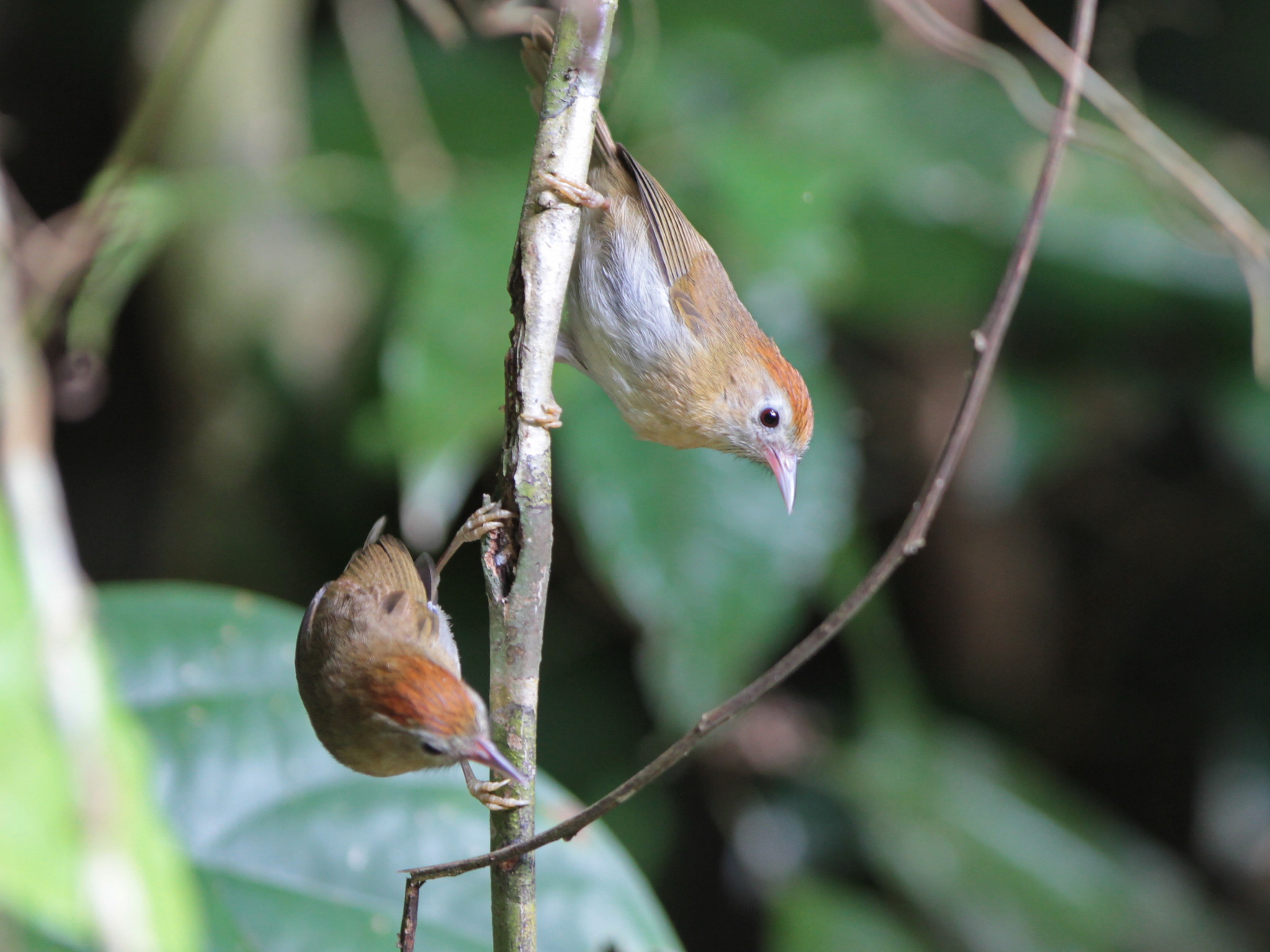
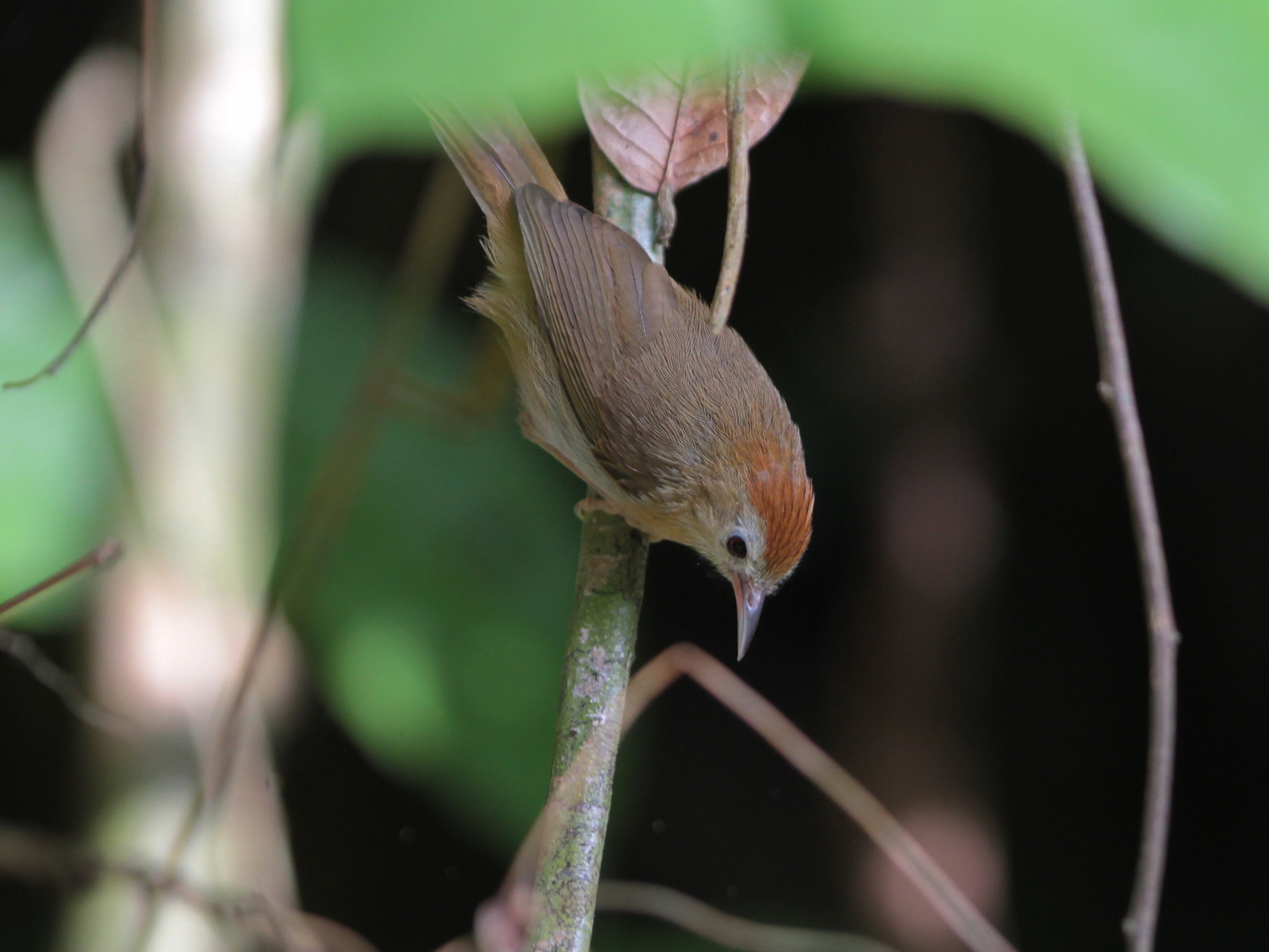
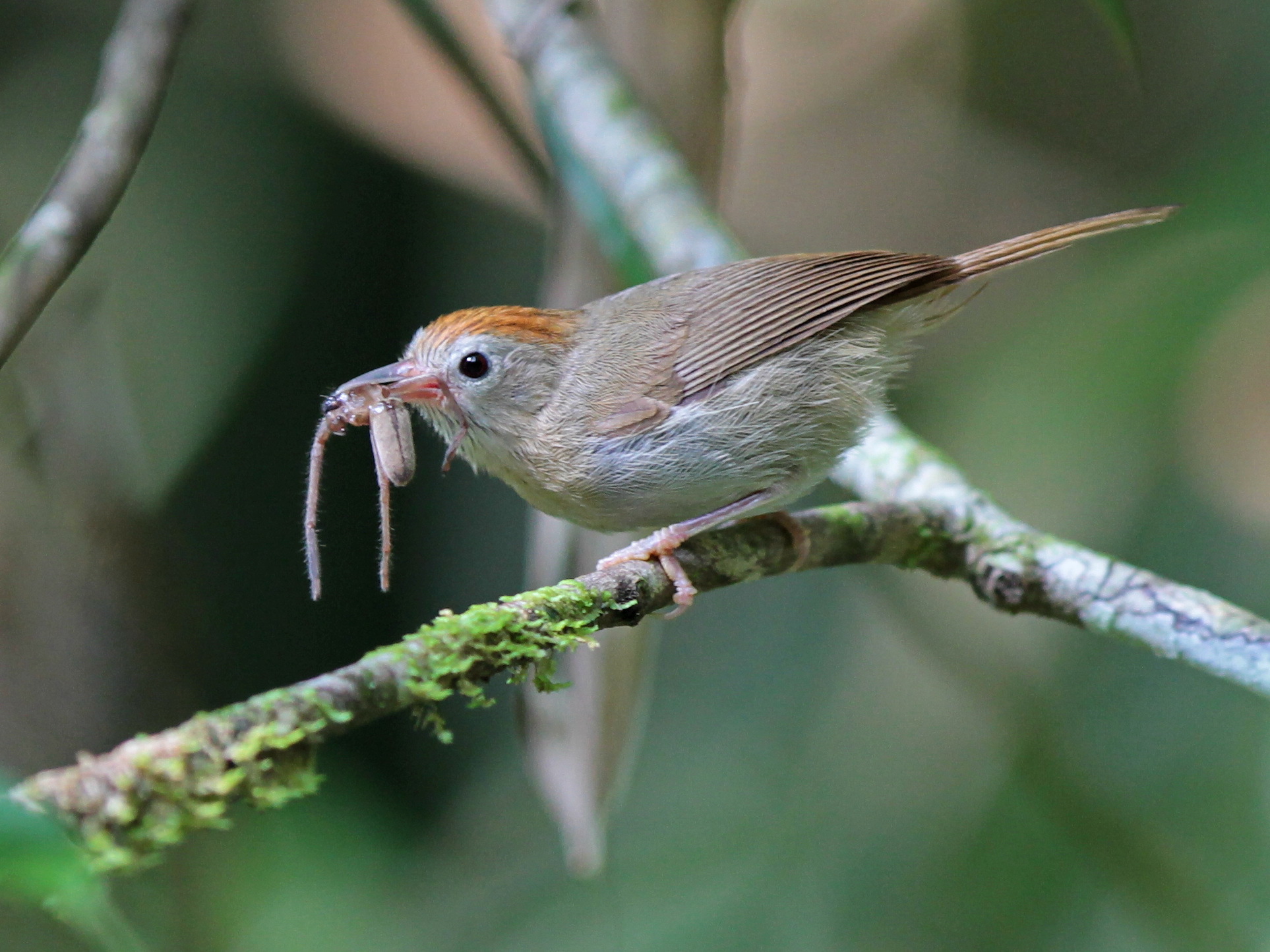
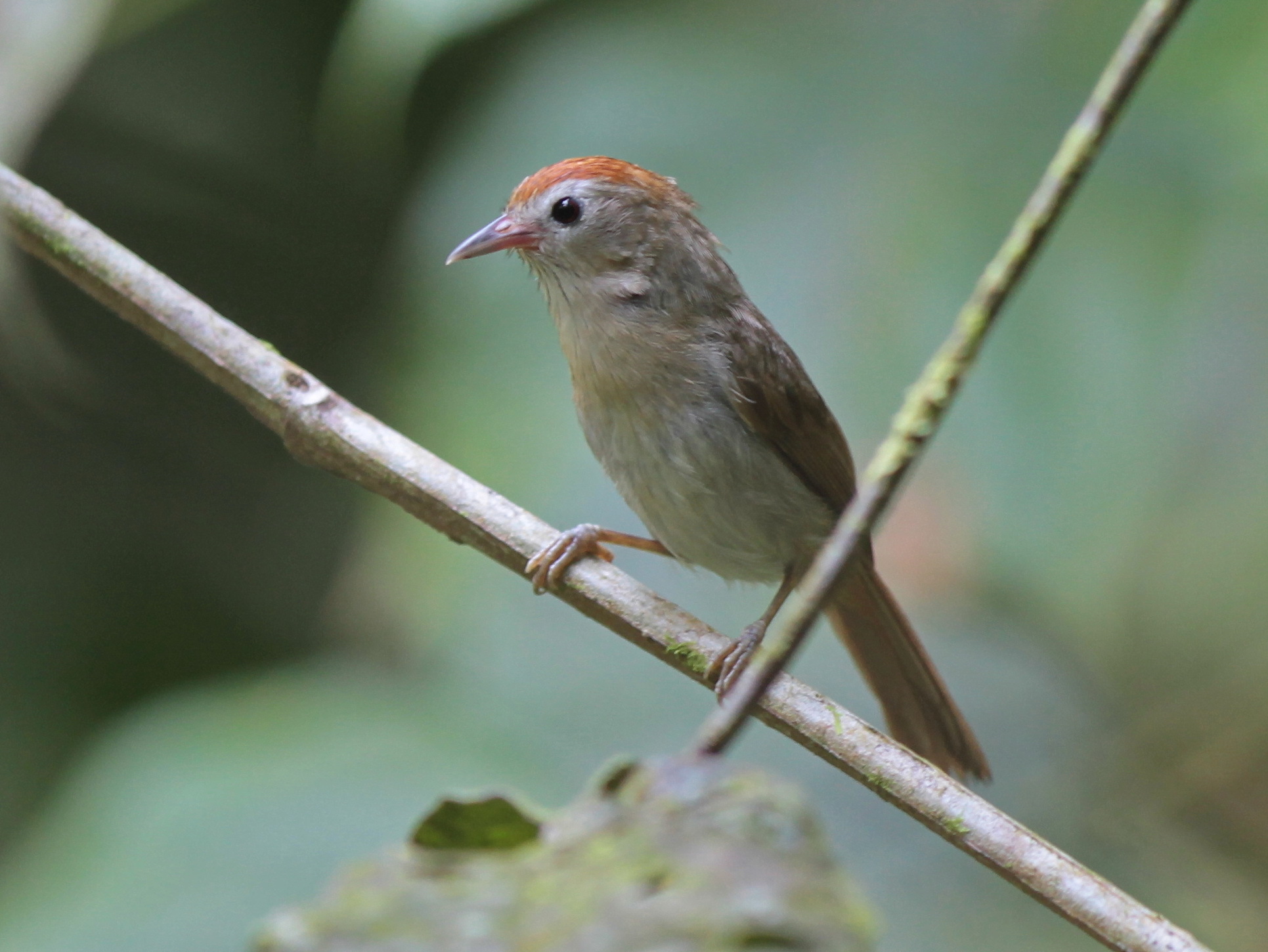
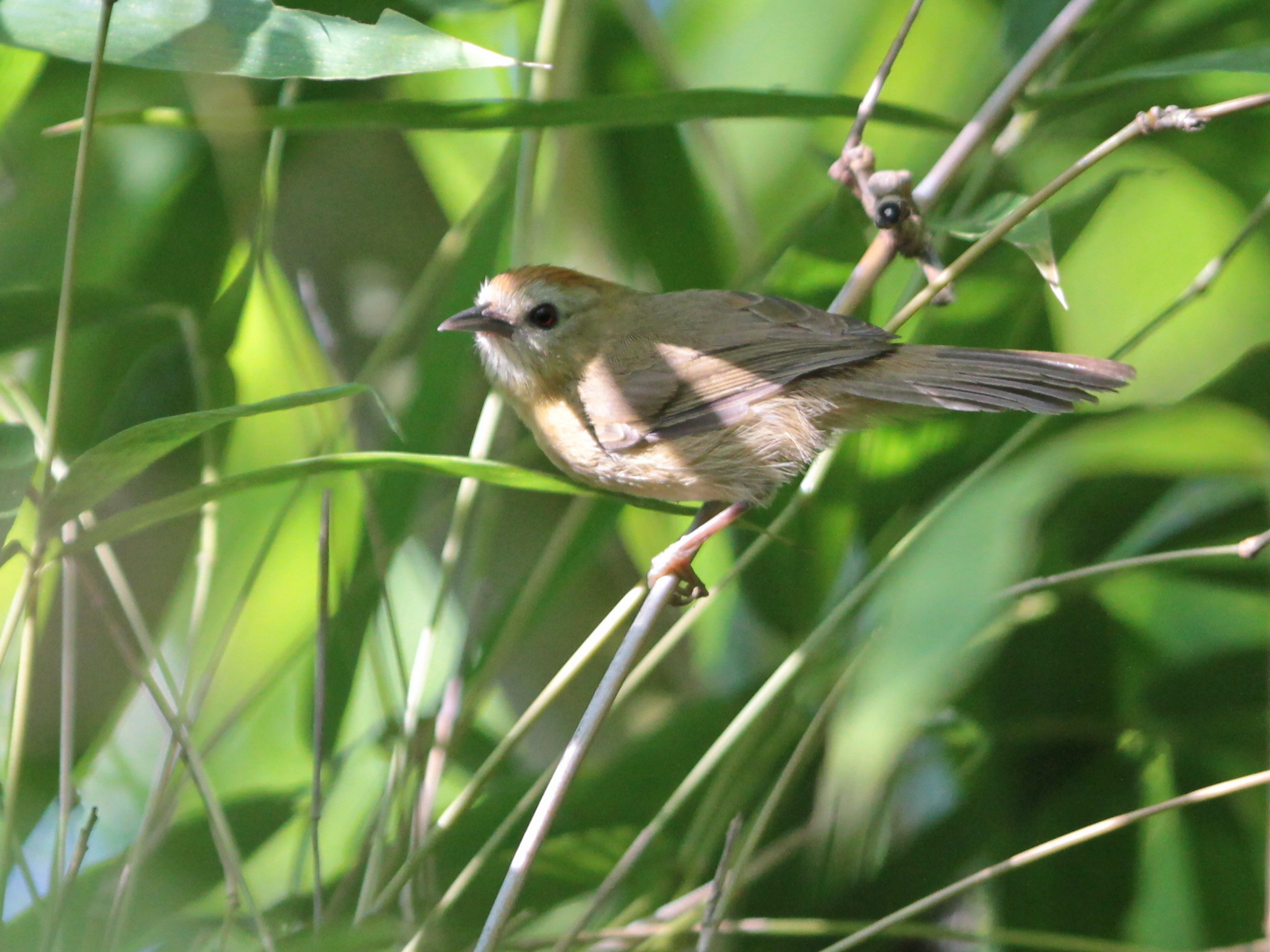
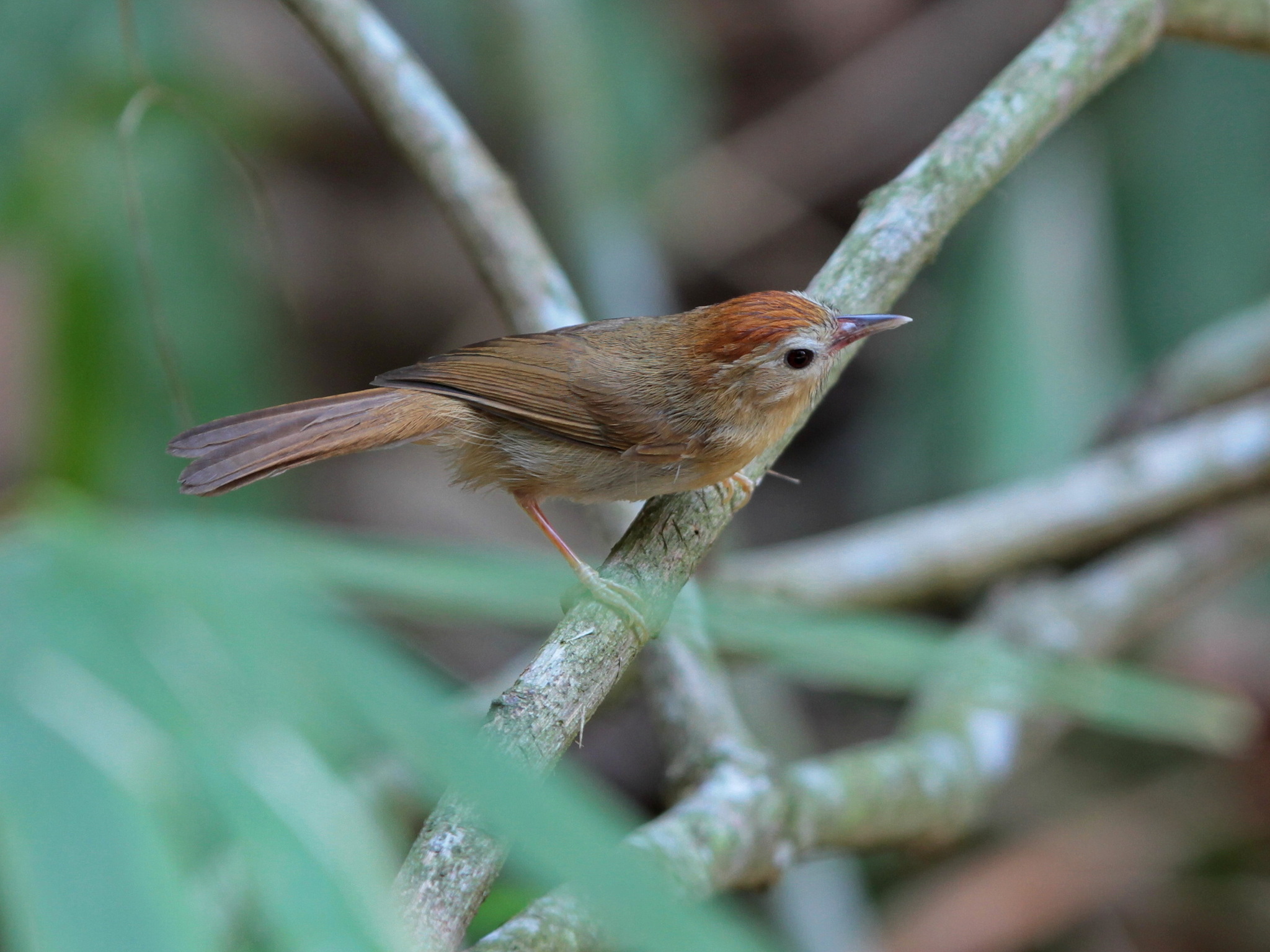
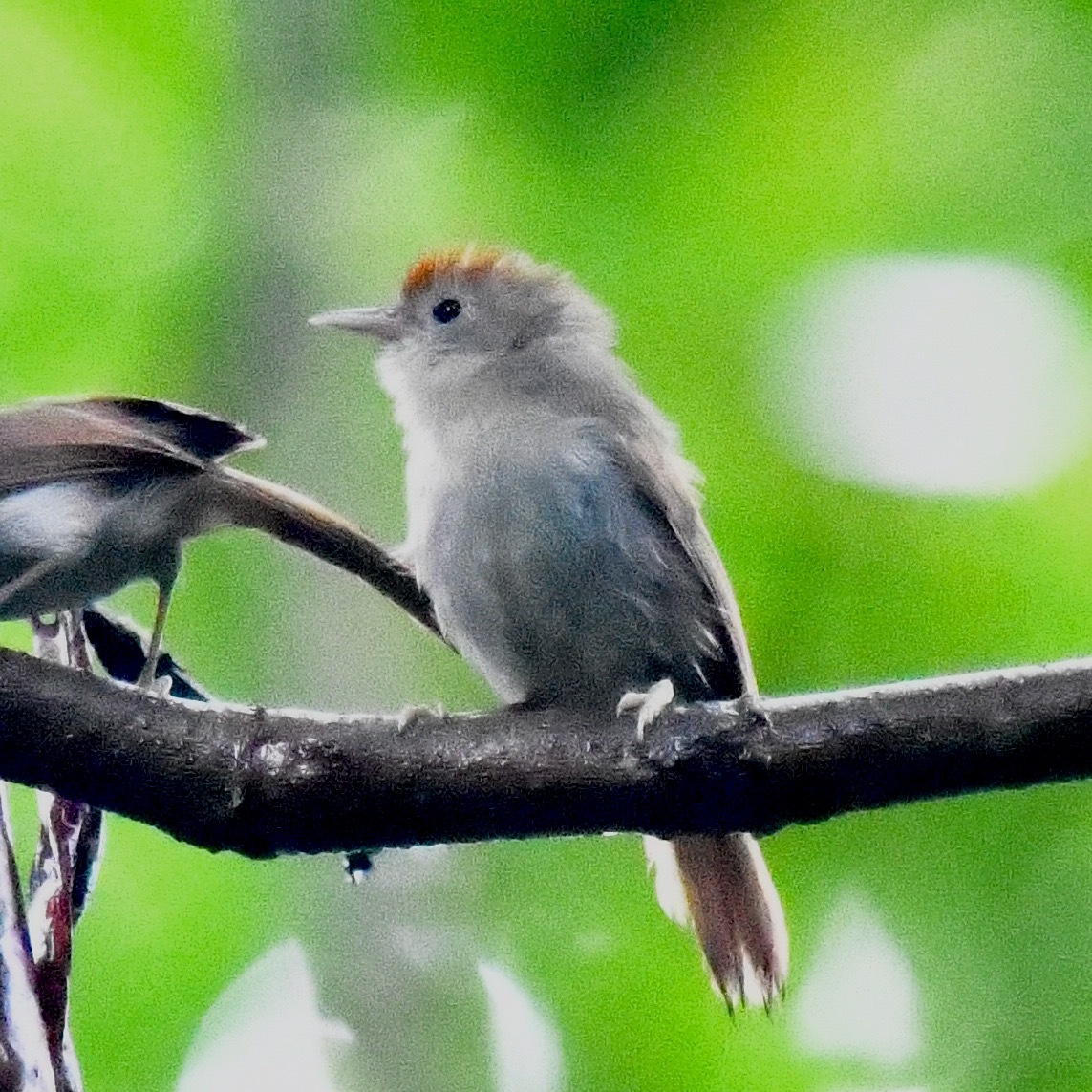
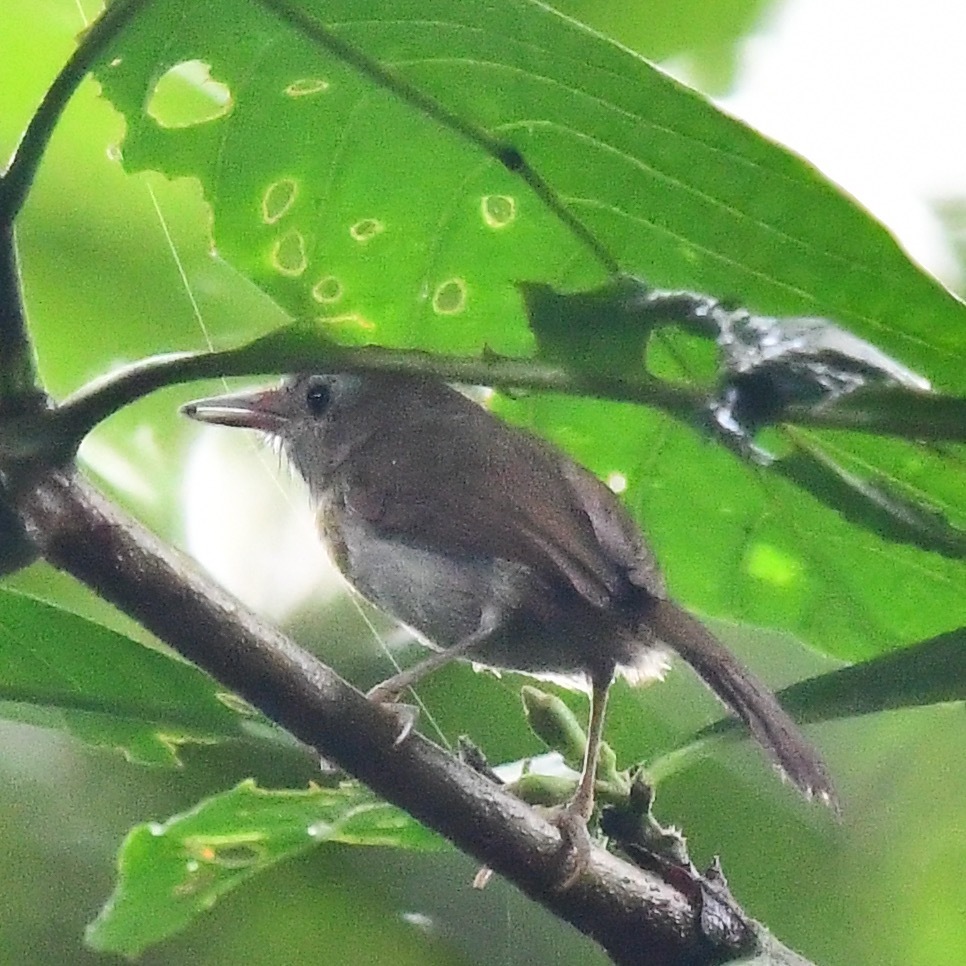
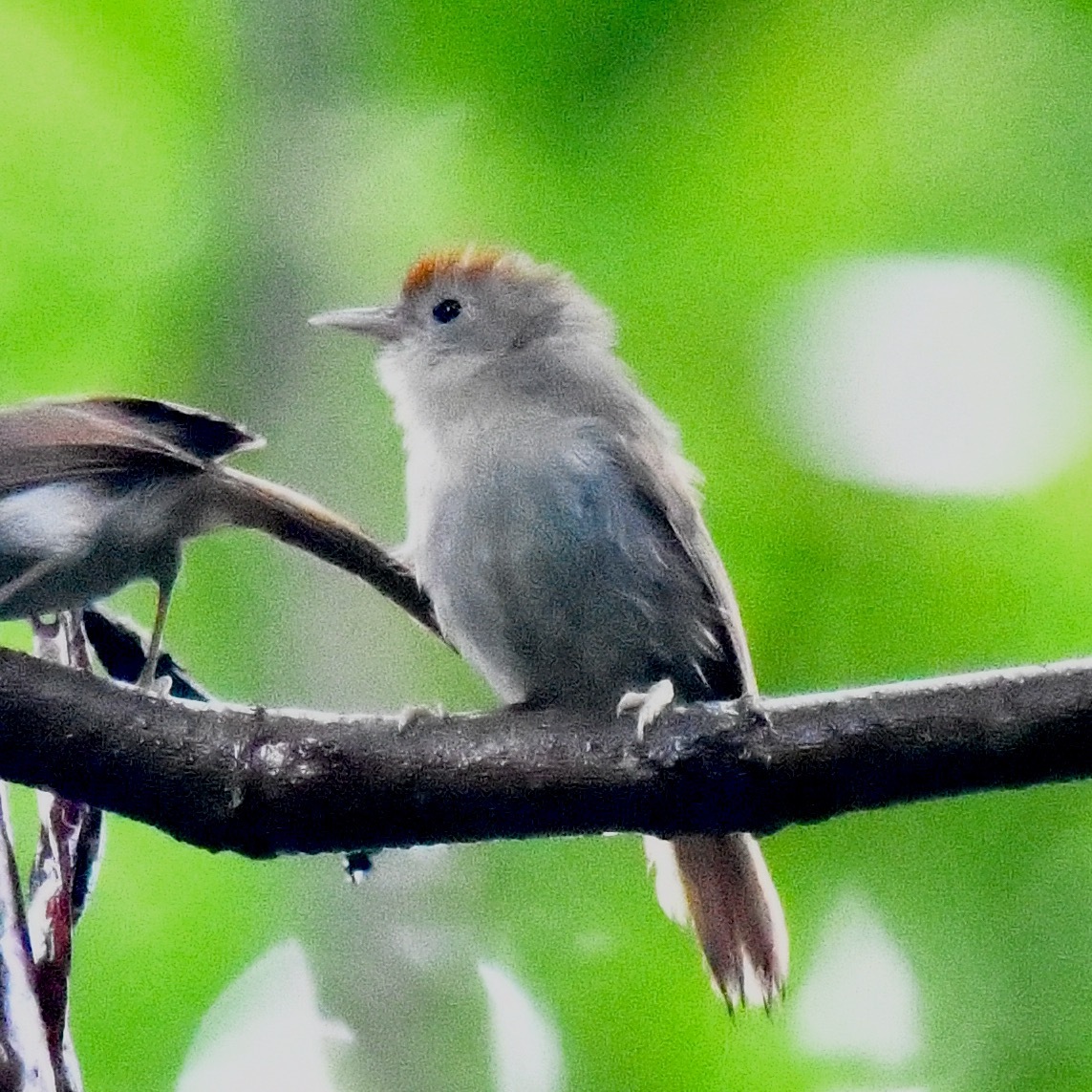
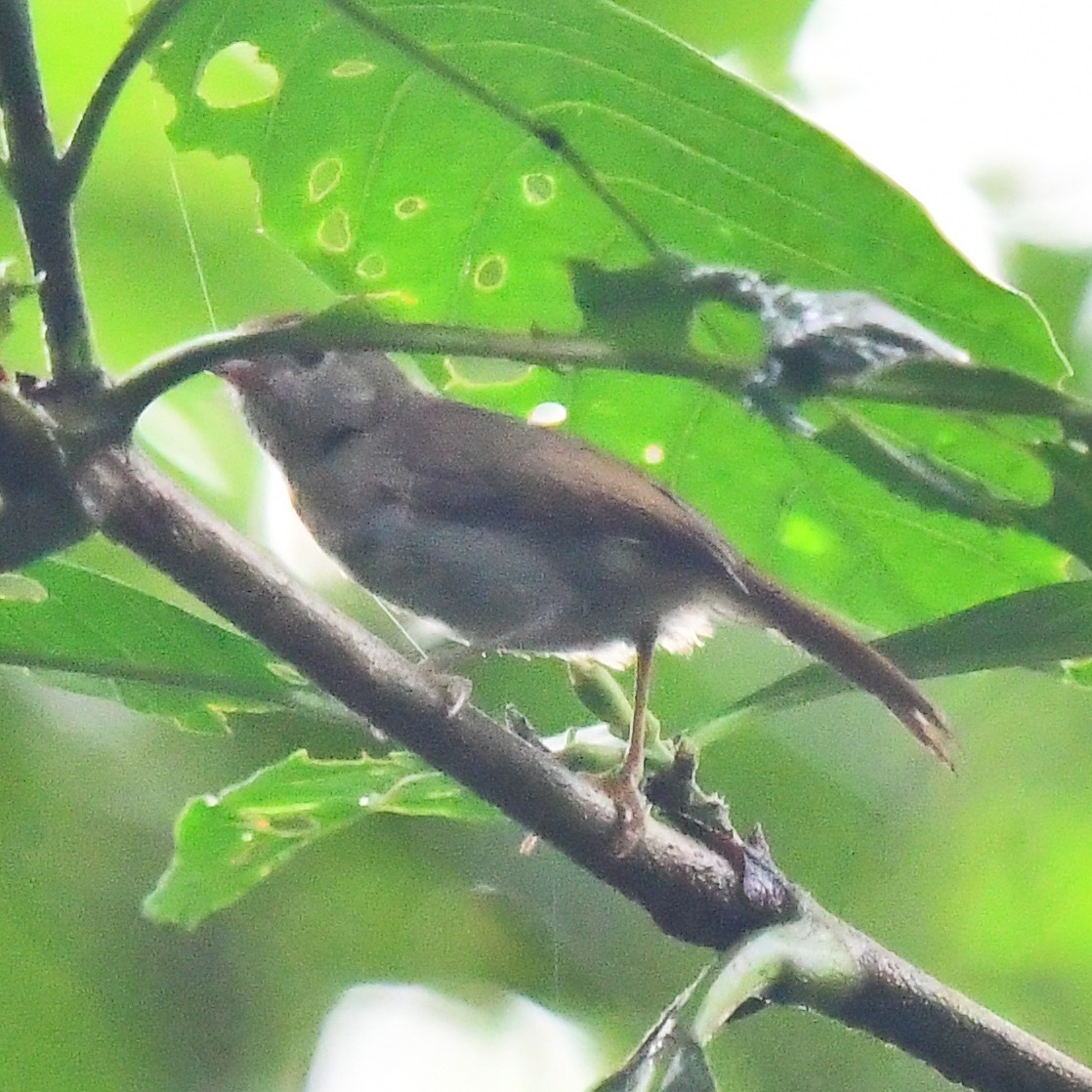
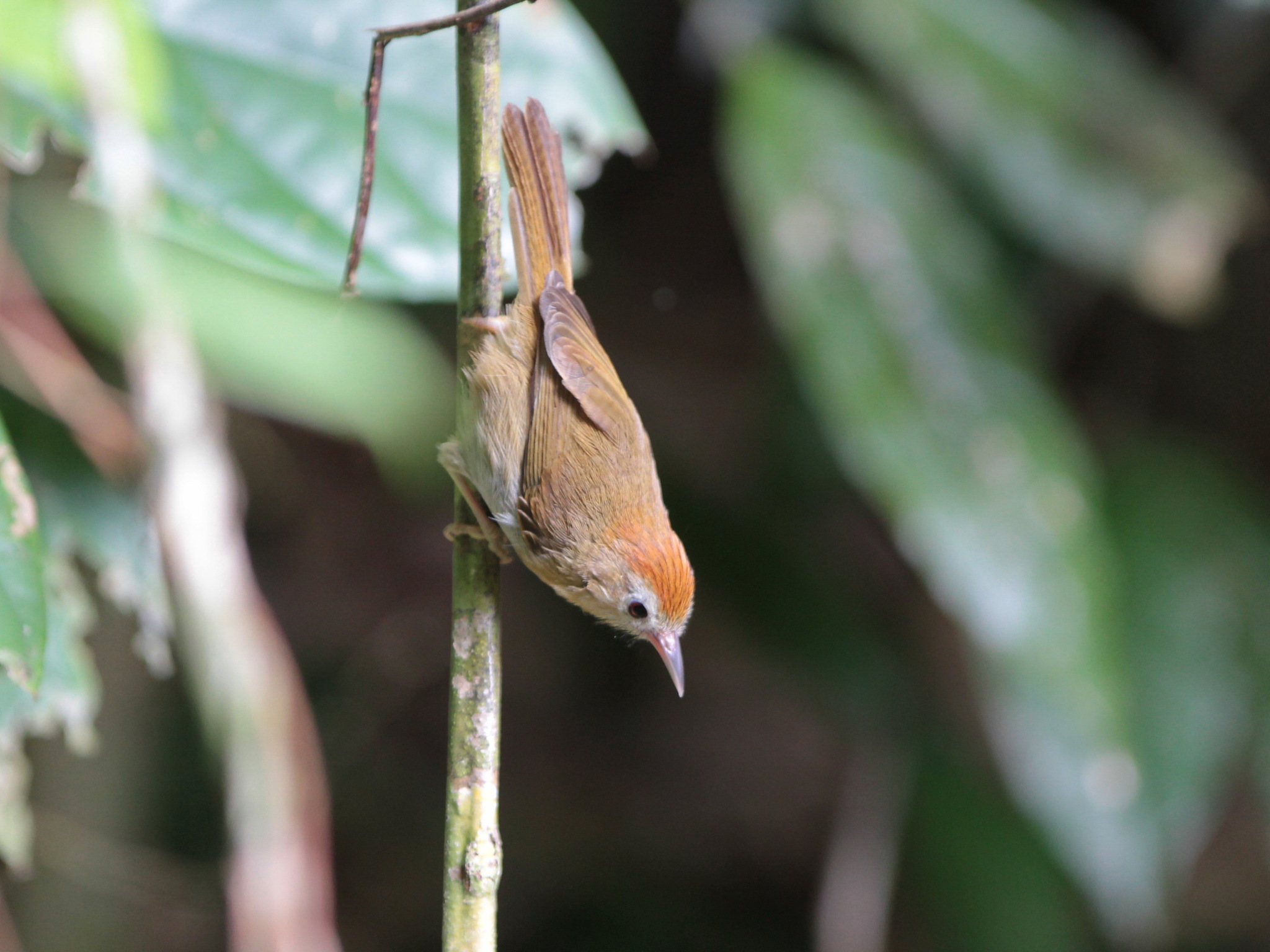
This is a small, compact babbler measuring 12 centimeters in length and weighing between 9 and 12 grams. The upperparts are buff-brown, while the underparts are noticeably paler. The crown is a dull rufous color, giving the bird its characteristic appearance. The upper wings, tail, supercilium, and lores are whitish-grey, creating a subtle contrast with the warmer brown tones of the body. The overall impression is of a plain, unobtrusive bird well camouflaged against the forest floor and understory.
Distribution & Habitat
The species occurs across a broad swath of Southeast Asia, ranging from the Eastern Himalayan foothills through Myanmar, Thailand, and northern Indochina. Its distribution extends south to the Malay Peninsula and includes the islands of Sumatra and Borneo. It inhabits subtropical and tropical moist forests, typically staying within dense undergrowth and tangled vegetation. Different subspecies occupy distinct regions, with populations showing geographical variation in their precise ranges across this extensive distribution.
Behavior & Ecology
The species remains poorly studied, but observations indicate it is an active forager that moves through dense understory vegetation and leaf litter in search of insects. Its song is a distinctive high-pitched series of notes described as 'tuh tuh-tuh-tuh-tuh-tuh.' The bird tends to stay concealed within thick vegetation, making visual observations challenging despite its relatively small range. Pairs or small groups likely remain resident year-round within their preferred forest habitats.
Conservation
No specific conservation assessment or population data is provided in available sources.
Source: Wikipedia · CC BY-SA 3.0
Taxonomy
- Order
- Passeriformes
- Family
- Timaliidae
- Genus
- Cyanoderma
Subspecies (9)
-
Cyanoderma rufifrons adjunctum
northern and eastern Thailand to northern Laos and northwestern Tonkin
-
Cyanoderma rufifrons ambiguum
Himalayas (Sikkim to Bhutan and Assam south of the Brahmaputra)
-
Cyanoderma rufifrons insuspectum
southern Laos (Bolaven Plateau)
-
Cyanoderma rufifrons obscurum
southern Myanmar (Mergui District) and central peninsular Thailand
-
Cyanoderma rufifrons pallescens
hill forest of southwestern Myanmar (Chin Hills and Arakan Mountains)
-
Cyanoderma rufifrons planicola
northeastern Myanmar (Kachin State) to northwestern Yunnan (Salween Valley)
-
Cyanoderma rufifrons poliogaster
western Malaya (southern Perak to Johore) to Sumatra
-
Cyanoderma rufifrons rufifrons
southeastern Myanmar to western Thailand
-
Cyanoderma rufifrons sarawacense
northern Borneo (Mount Poi in western Sarawak)
Data Sources
CBR Notes: 黄喉穗鹛Buff-chested Babbler Cyanoderma ambiguum重新合并至红额穗鹛Rufous-fronted Babbler C. rufifrons(del Hoyo & Collar 2016),名录中做相应调整
Species description from Wikipedia, licensed under CC BY-SA 3.0.
Bird images and sounds sourced from GBIF, contributed by citizen scientists worldwide under Creative Commons licenses.
Taxonomy data from AviList 2025.