Rufous-capped Babbler
Cyanoderma ruficeps
红头穗鹛
Introduction
This babbler inhabits temperate forests across South and Southeast Asia, from the Eastern Himalayas through northern Thailand and Laos to eastern China, Vietnam, and Taiwan. It occupies forest habitats with dense undergrowth, particularly areas with thick bushes or bamboo stands, at elevations between 400 and 2,500 meters. It forages through the understory in small groups, feeding on insects among leaves and twigs. The species may join mixed-species feeding flocks and is common throughout much of its range.
Description
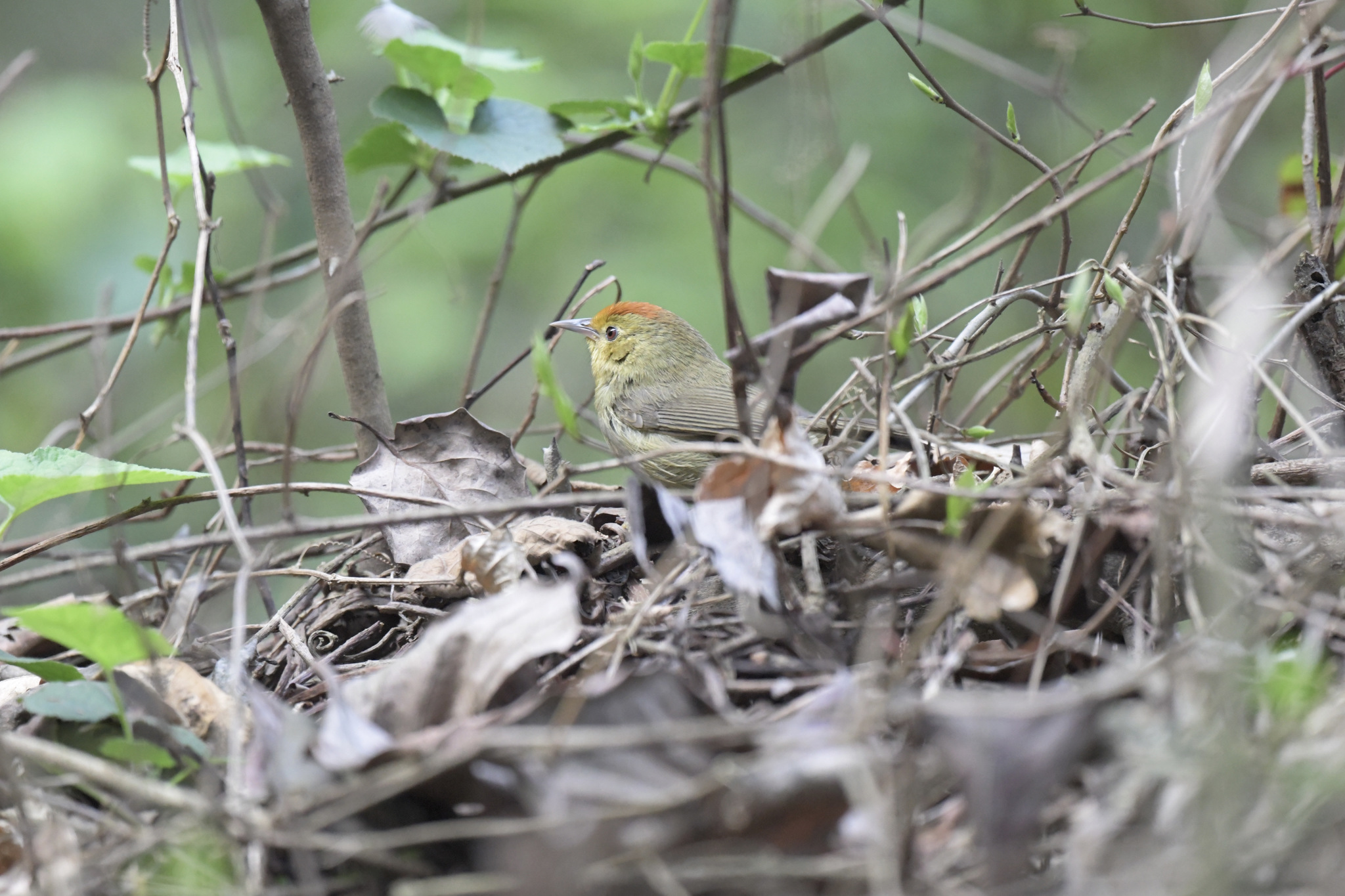
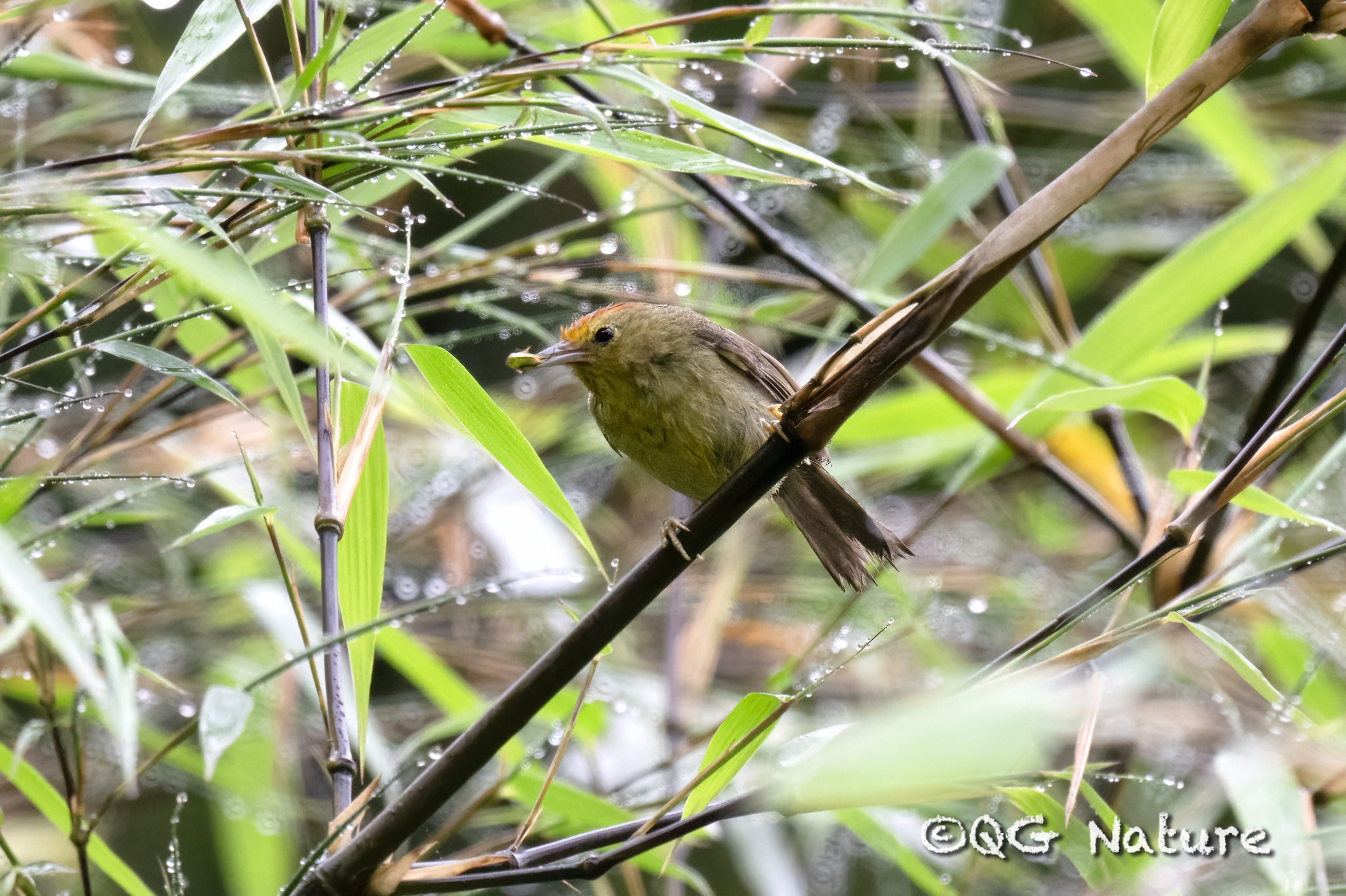
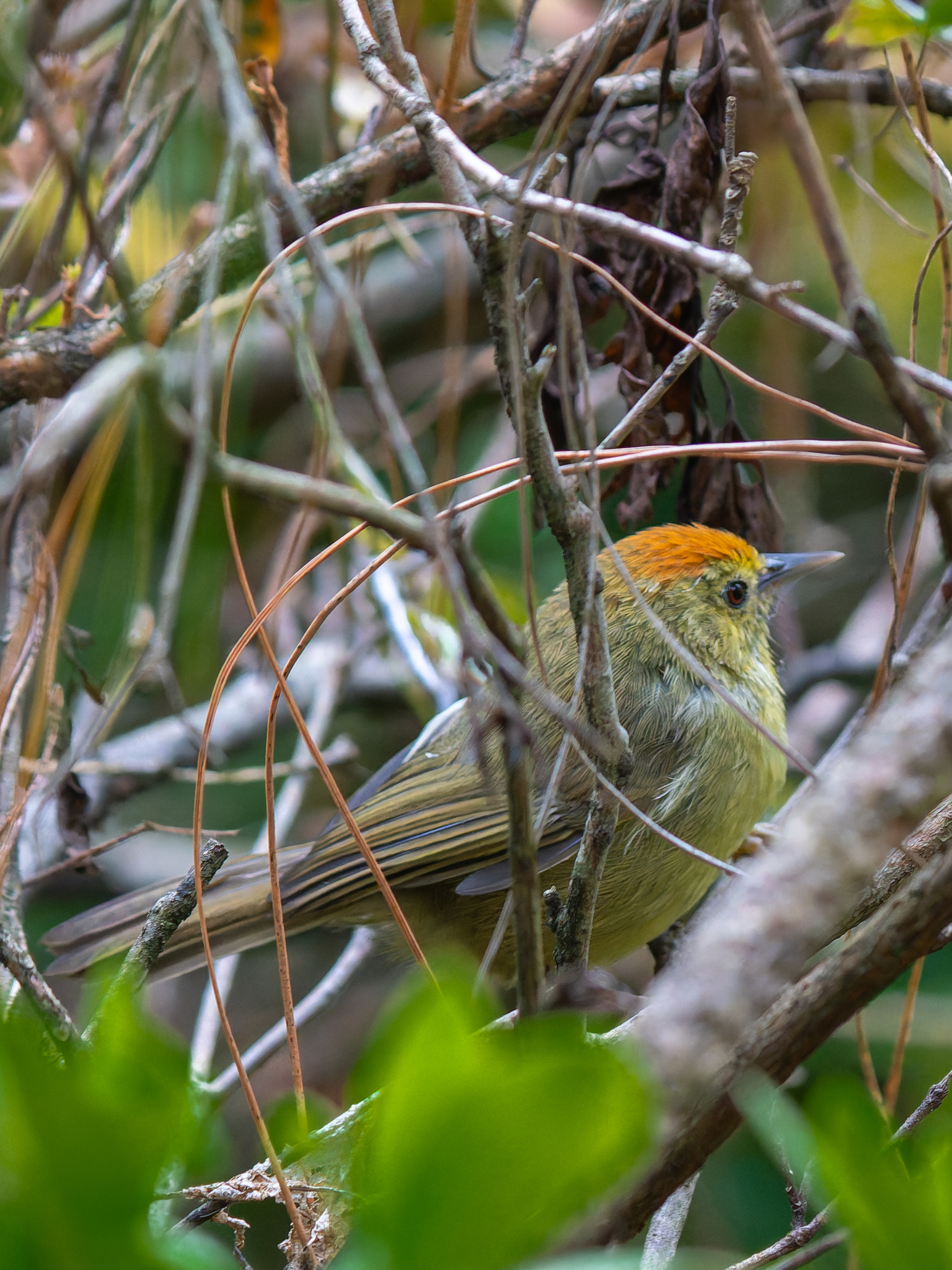
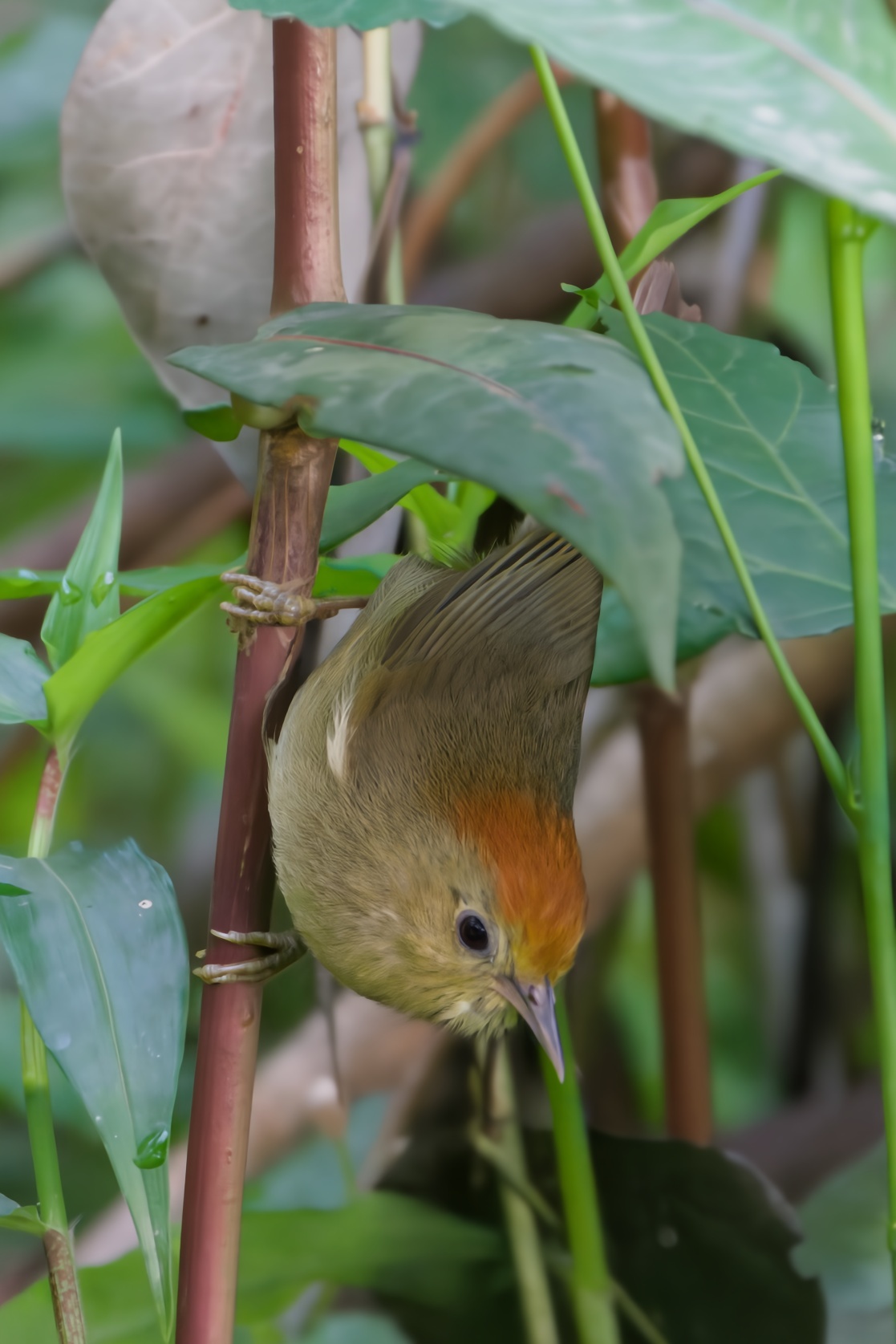
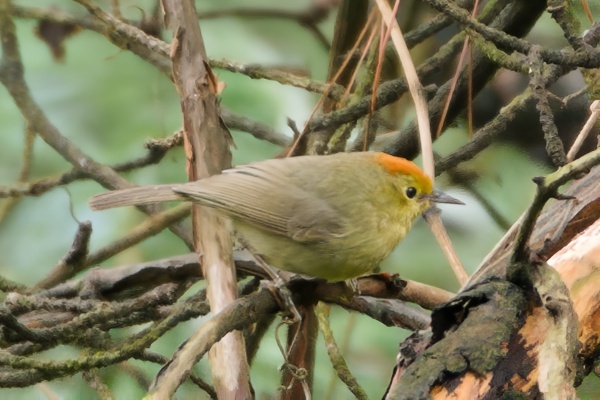
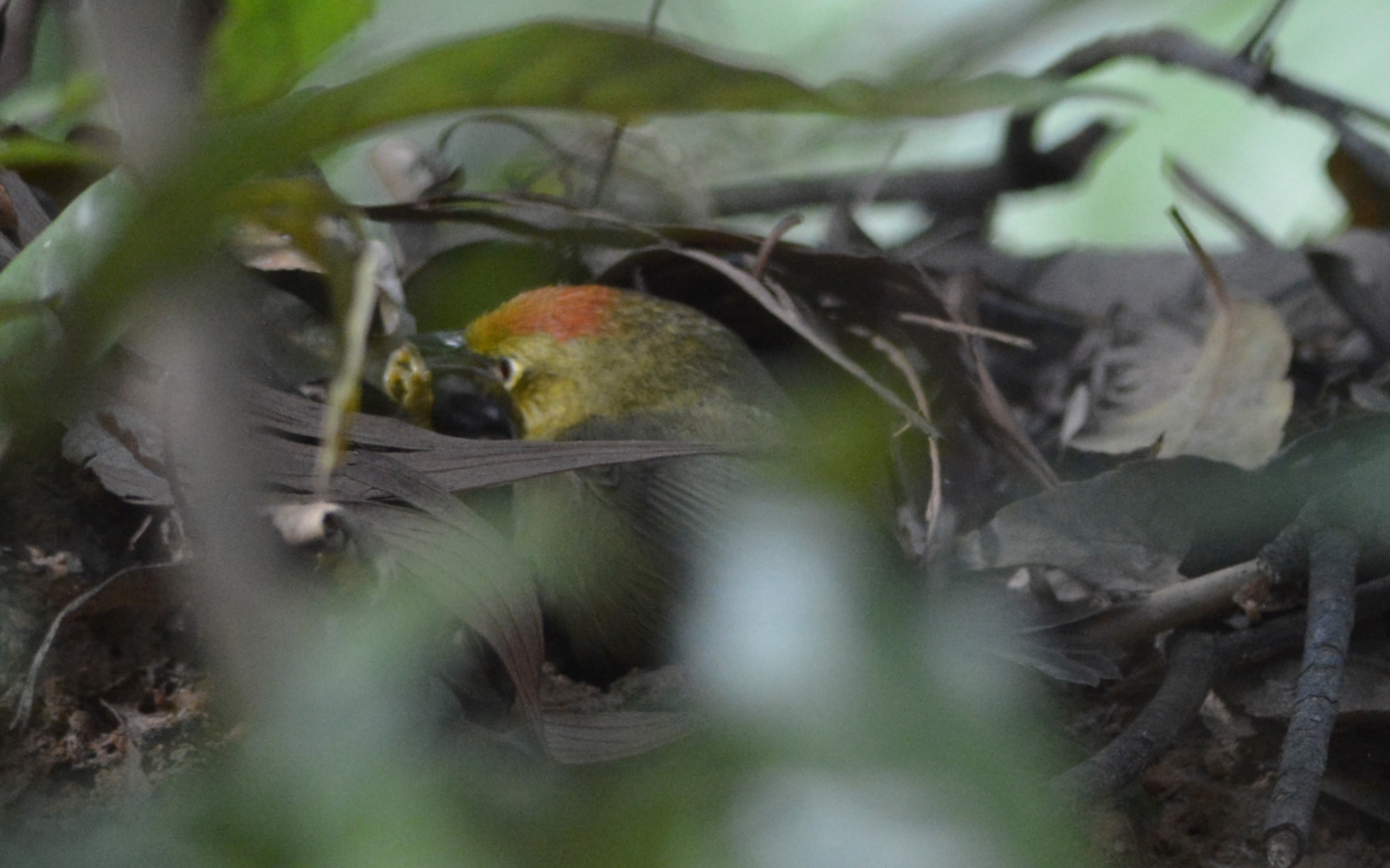
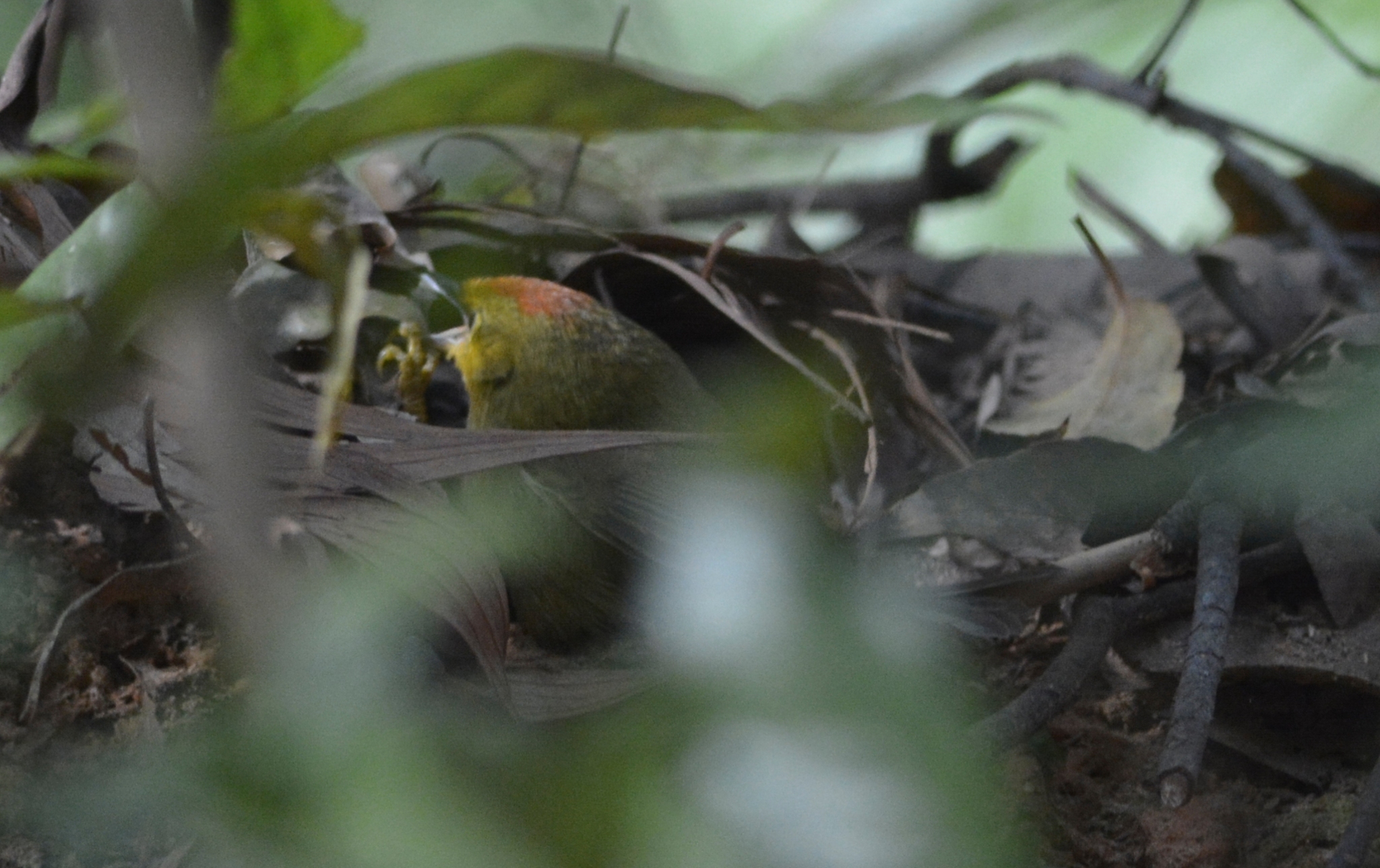
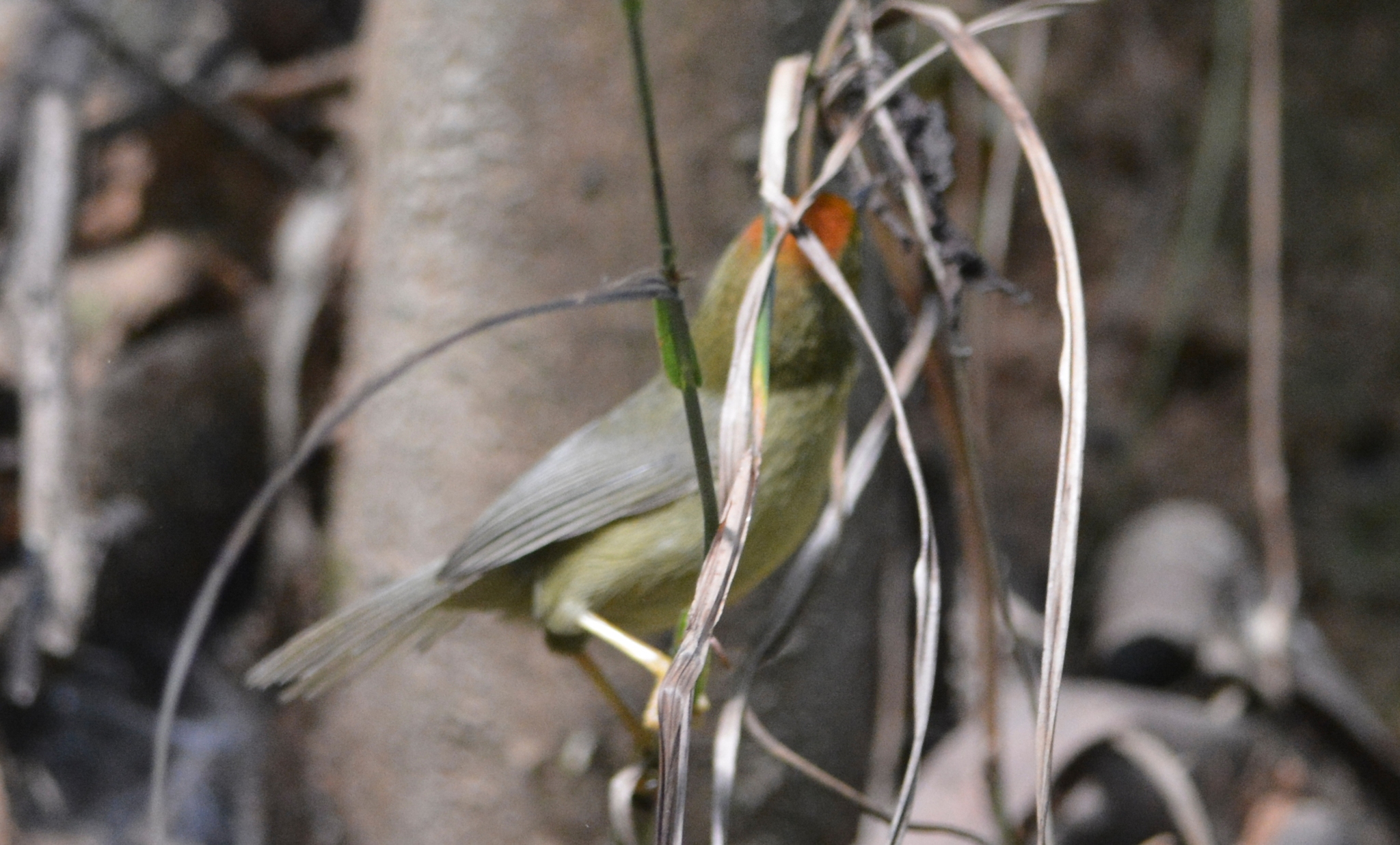
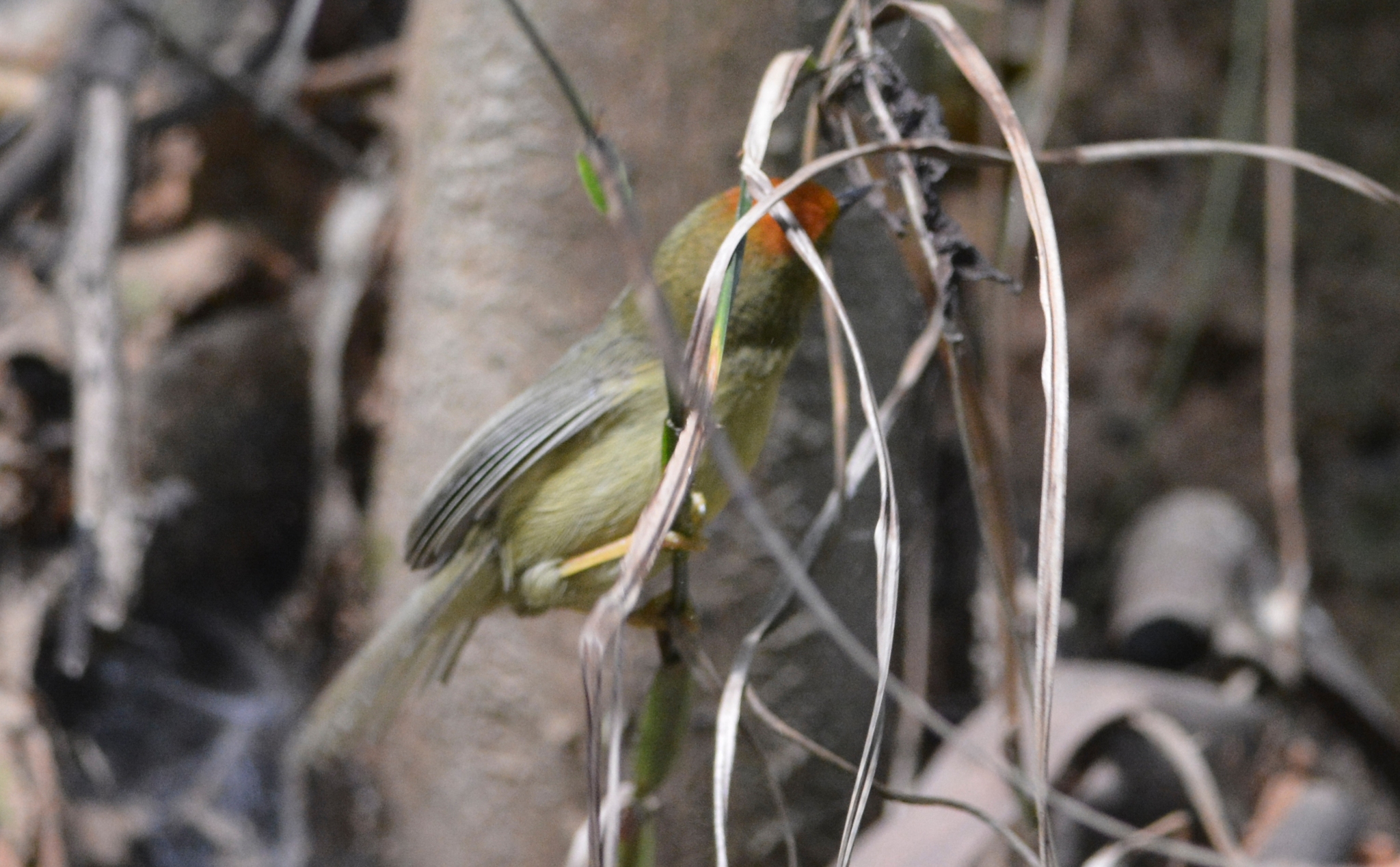
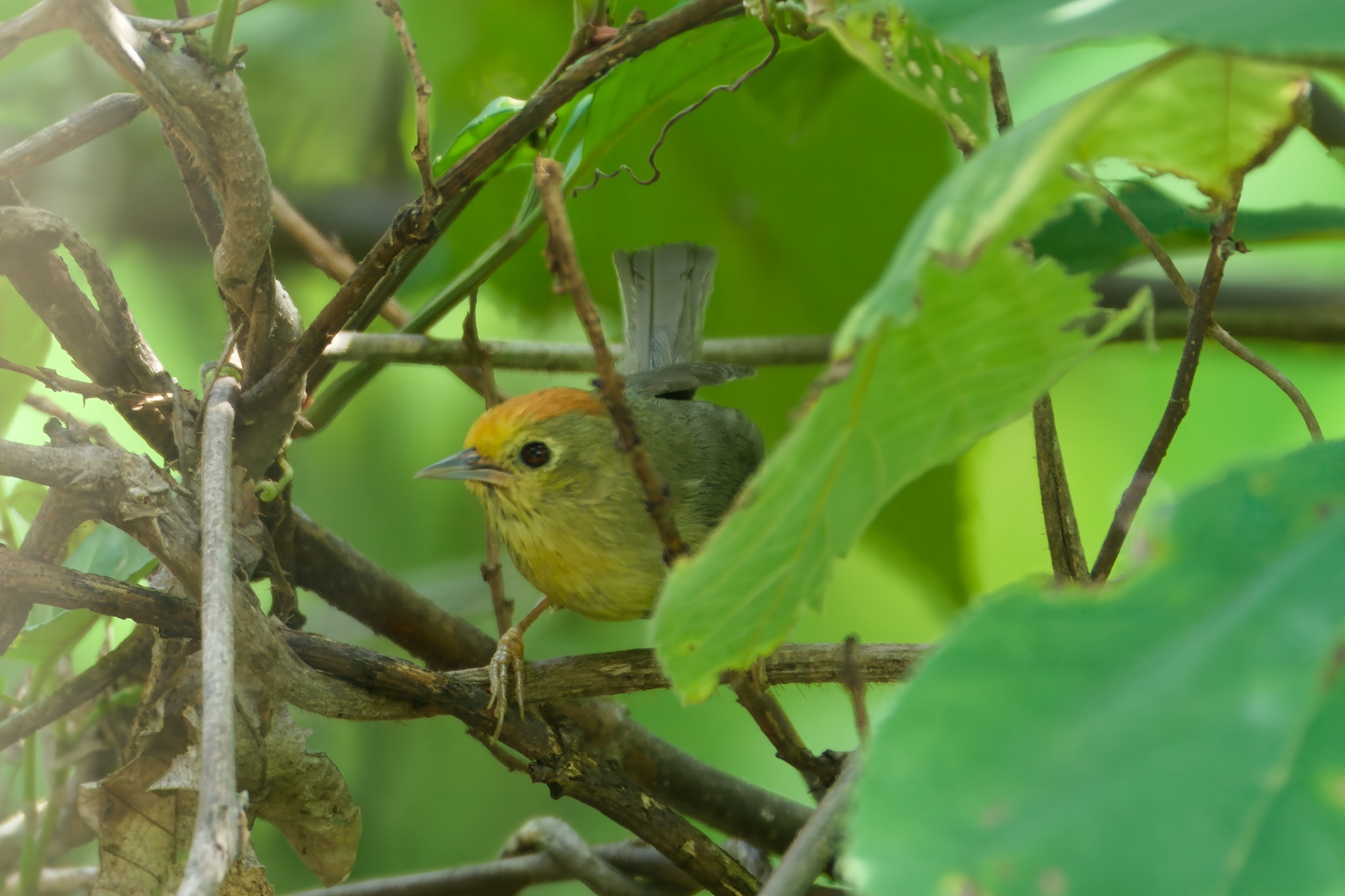
A tiny, compact babbler measuring 12 cm in length and weighing 7-12 grams. The plumage is predominantly pale olive-green above and slightly paler below. The bright rufous crown and nape create a striking contrast that gives the species its common name. The throat is white, while the wings and tail show olive-brown tones. The bill is relatively short and slightly curved, adapted for gleaning insects from foliage.
Identification
The bright rufous crown and nape are diagnostic and readily distinguish this species from most other babblers in its range. It could be confused with the similar Golden Babbler, but that species lacks the rufous coloring on the head. The small size, overall olive plumage, and white throat are additional distinguishing features. In the field, watch for the contrasting rufous cap moving through dense understory vegetation.
Distribution & Habitat
Ranges across the Eastern Himalayas, northern Thailand, Laos, eastern China, Vietnam, and Taiwan. In China, it occurs in the southeastern provinces. On the Indian subcontinent, it is found in Nepal, Bhutan, and the Darjeeling region of West Bengal. Inhabits temperate evergreen and mixed forests with dense undergrowth, particularly favoring areas with bamboo thickets and bushy understories from 400 to 2,500 meters elevation.
Behavior & Ecology
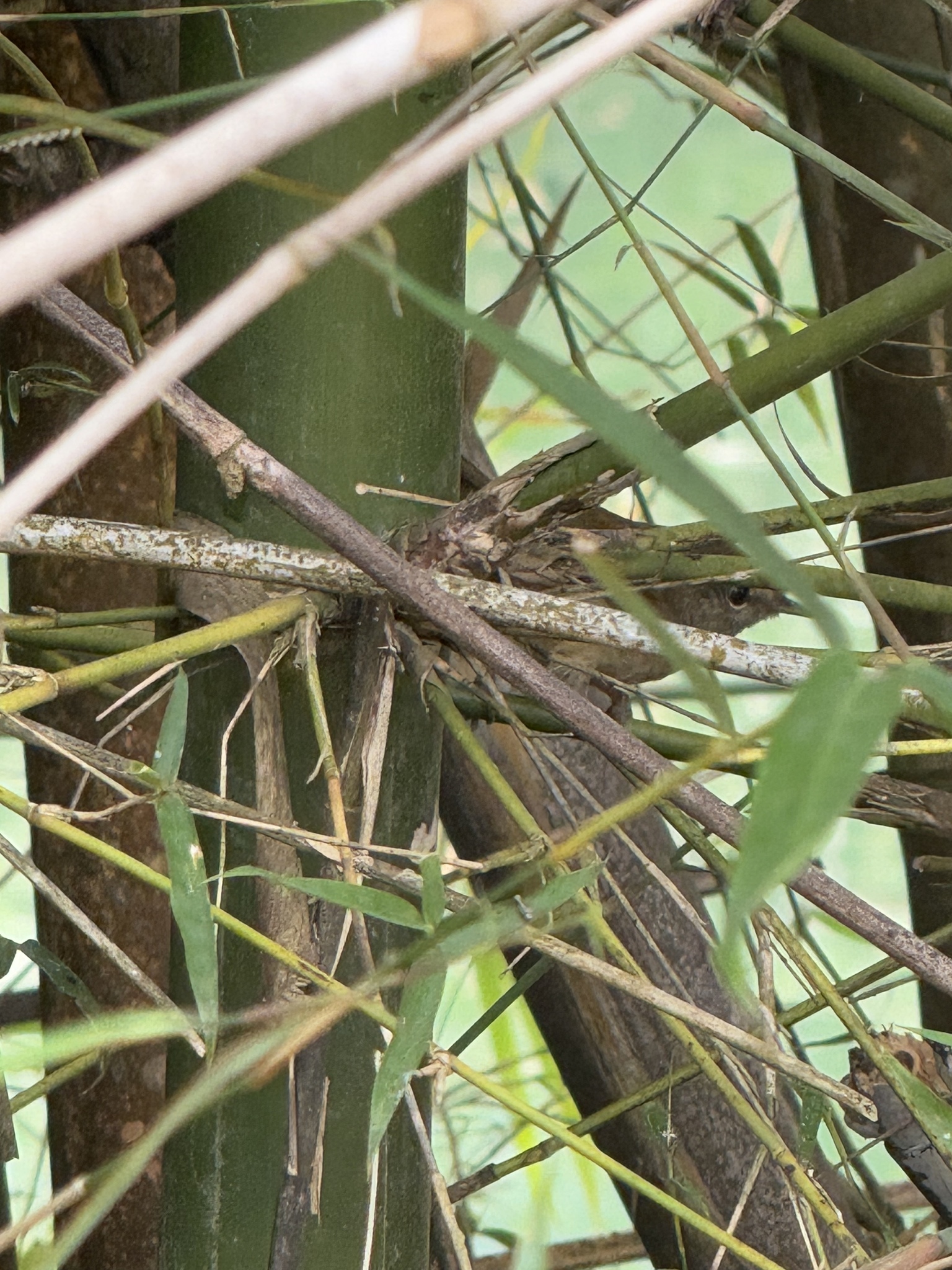
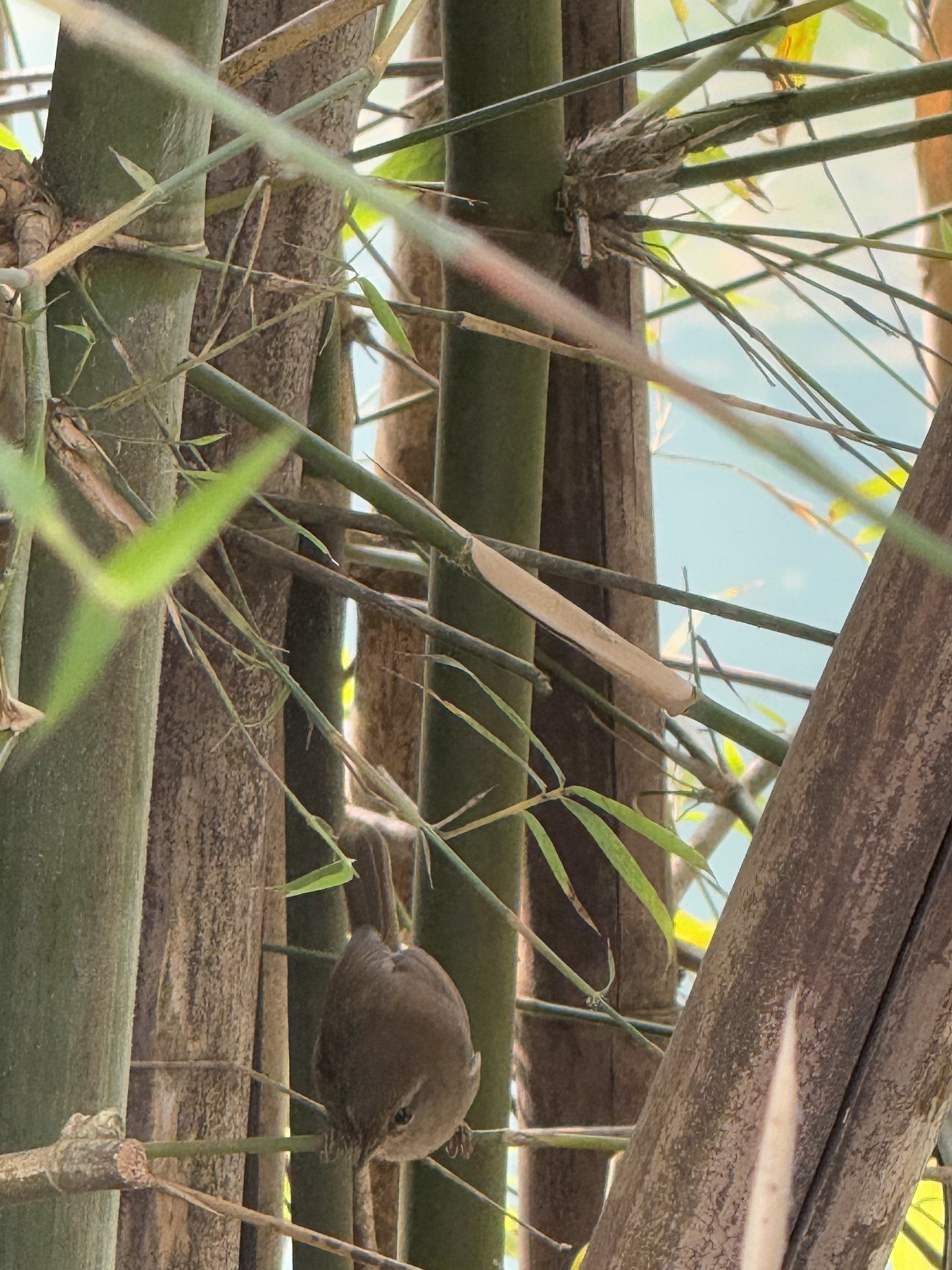
Forages actively through the understory, primarily consuming insects and other small invertebrates. It moves through vegetation in small groups, often joining mixed-species feeding flocks. The song is a high-pitched, repetitive series of notes. Breeding likely occurs during the spring and summer months, though specific details about nesting behavior are poorly documented.
Conservation
Classified as Least Concern on the IUCN Red List. The species has an extremely large range and appears to be common throughout most of its distribution. Population trends are considered stable with no significant threats identified. Its tolerance of secondary forest and edge habitats provides some resilience against habitat modification.
Culture
No specific cultural significance, folklore, or traditional uses associated with this species have been documented in available sources.
Source: Wikipedia · CC BY-SA 3.0
Taxonomy
- Order
- Passeriformes
- Family
- Timaliidae
- Genus
- Cyanoderma
- eBird Code
- rucbab1
Vocalizations
Subspecies (6)
-
Cyanoderma ruficeps bhamoense
northeastern Myanmar (Kachin and Northern Shan State) to northwestern Yunnan
-
Cyanoderma ruficeps davidi
central and southern China (Yangtze River Valley) to northern Indochina
-
Cyanoderma ruficeps goodsoni
Hainan (southern China)
-
Cyanoderma ruficeps paganum
southern Vietnam
-
Cyanoderma ruficeps praecognitum
Taiwan
-
Cyanoderma ruficeps ruficeps
eastern Nepal to Bhutan, adjacent southern China (southeastern Xizang), northeastern India (Arunachal Pradesh, southward to southern Assam and northern Manipur), and western Myanmar
Data Sources
Species description from Wikipedia, licensed under CC BY-SA 3.0.
Bird images and sounds sourced from GBIF, contributed by citizen scientists worldwide under Creative Commons licenses.
Taxonomy data from AviList 2025.