Golden Babbler
Cyanoderma chrysaeum
金头穗鹛
Introduction
The golden babbler (Cyanoderma chrysaeum) is a species of babbler in the family Timaliidae. It occurs across the Eastern Himalayas and hill states of mainland Southeast Asia, including Bhutan, India, Myanmar, Thailand, Vietnam, and China. Its natural habitat consists of subtropical and montane forests, where it forages actively in dense understorey vegetation. The species occupies a broad elevational range and remains strongly associated with intact forest ecosystems. It is not currently considered globally threatened, though habitat loss within its range poses ongoing local conservation concerns.
Description
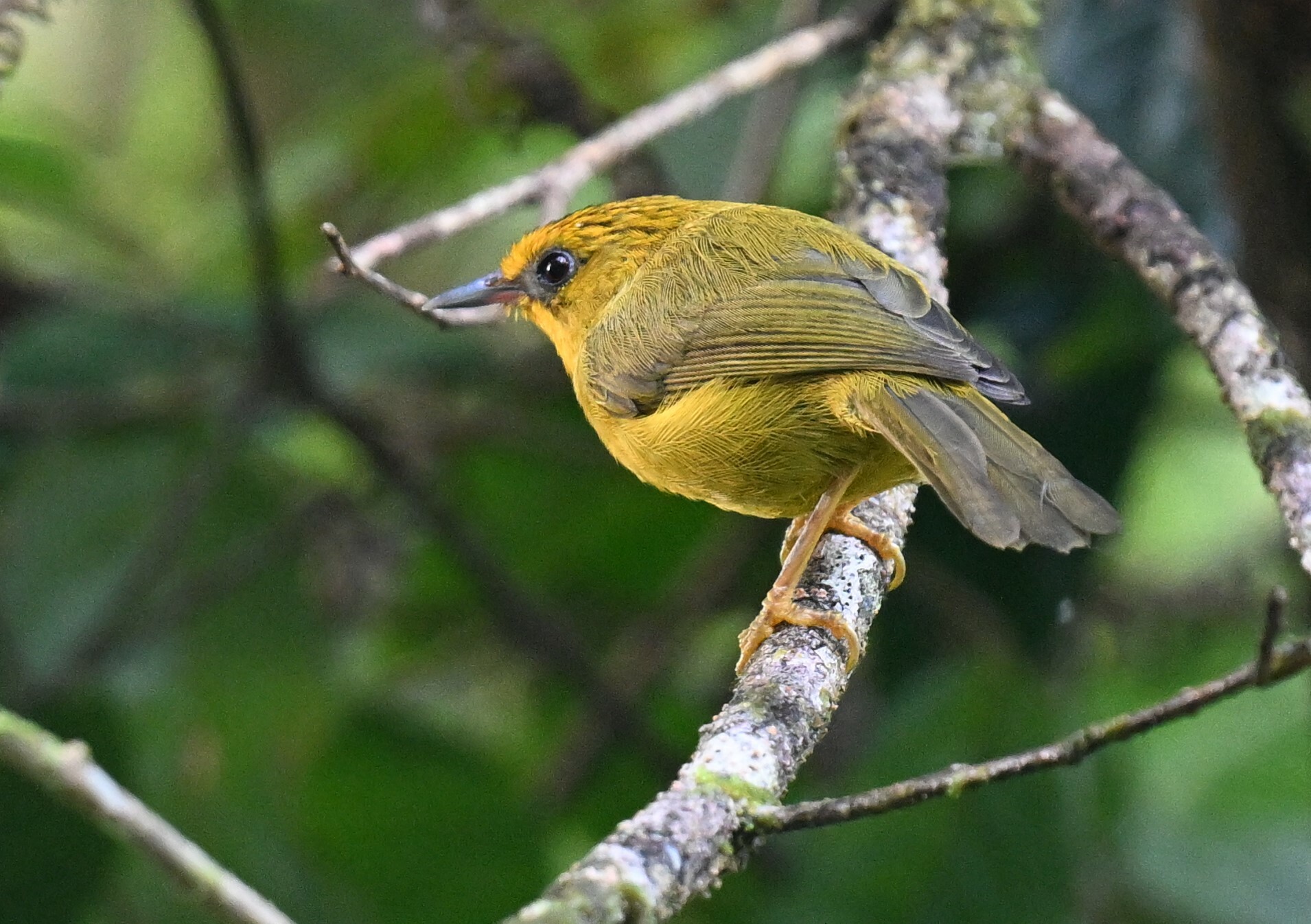
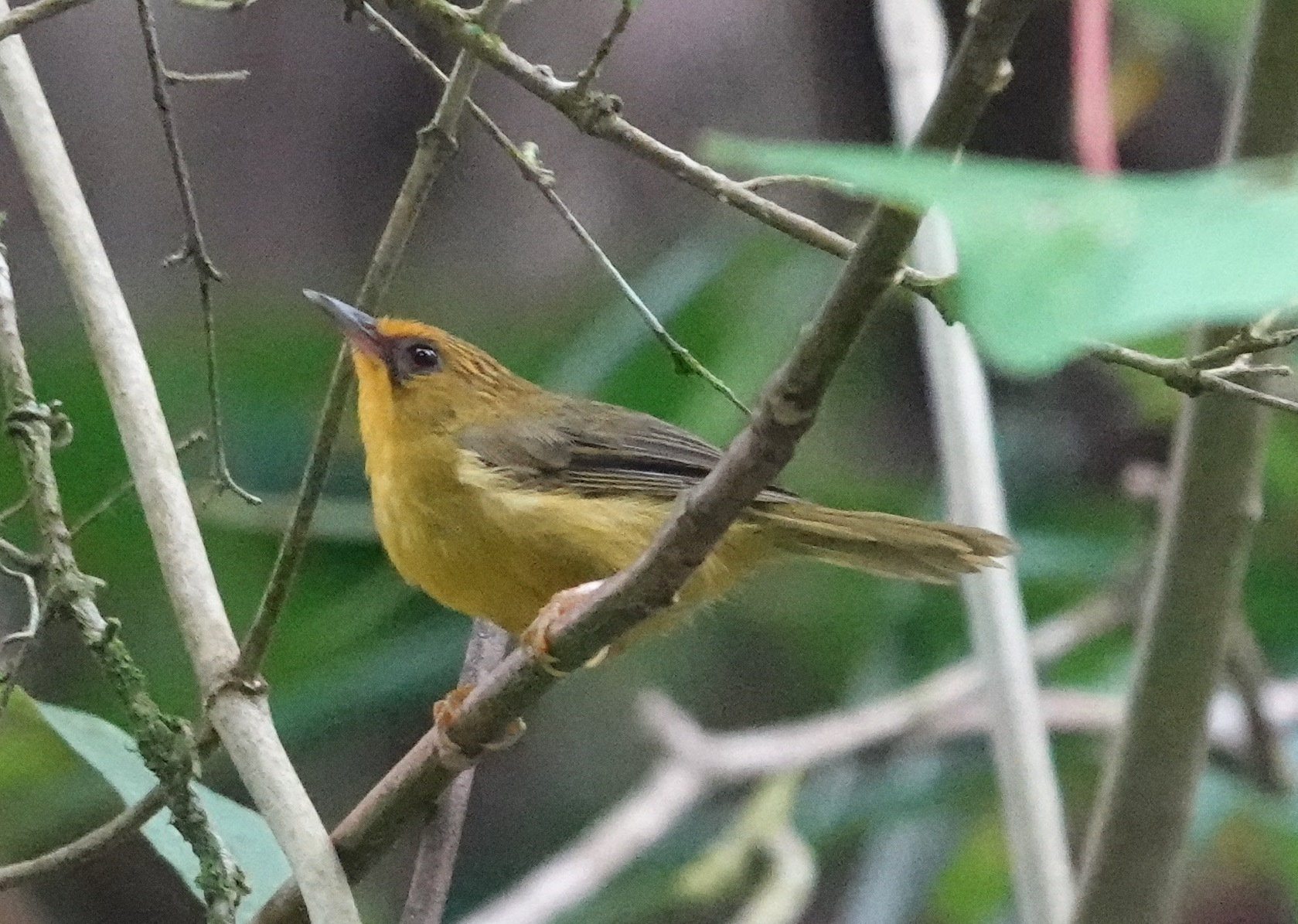
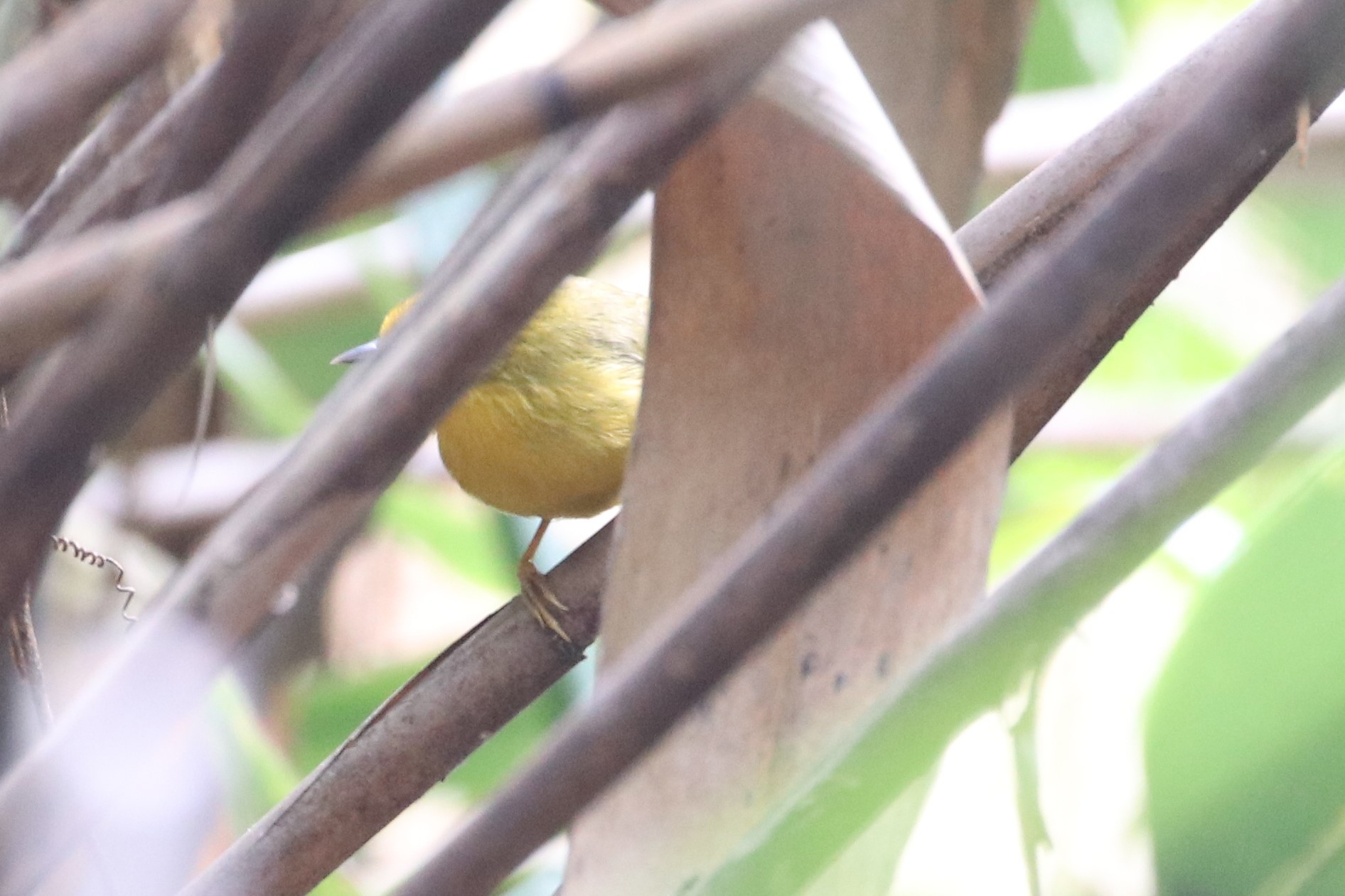
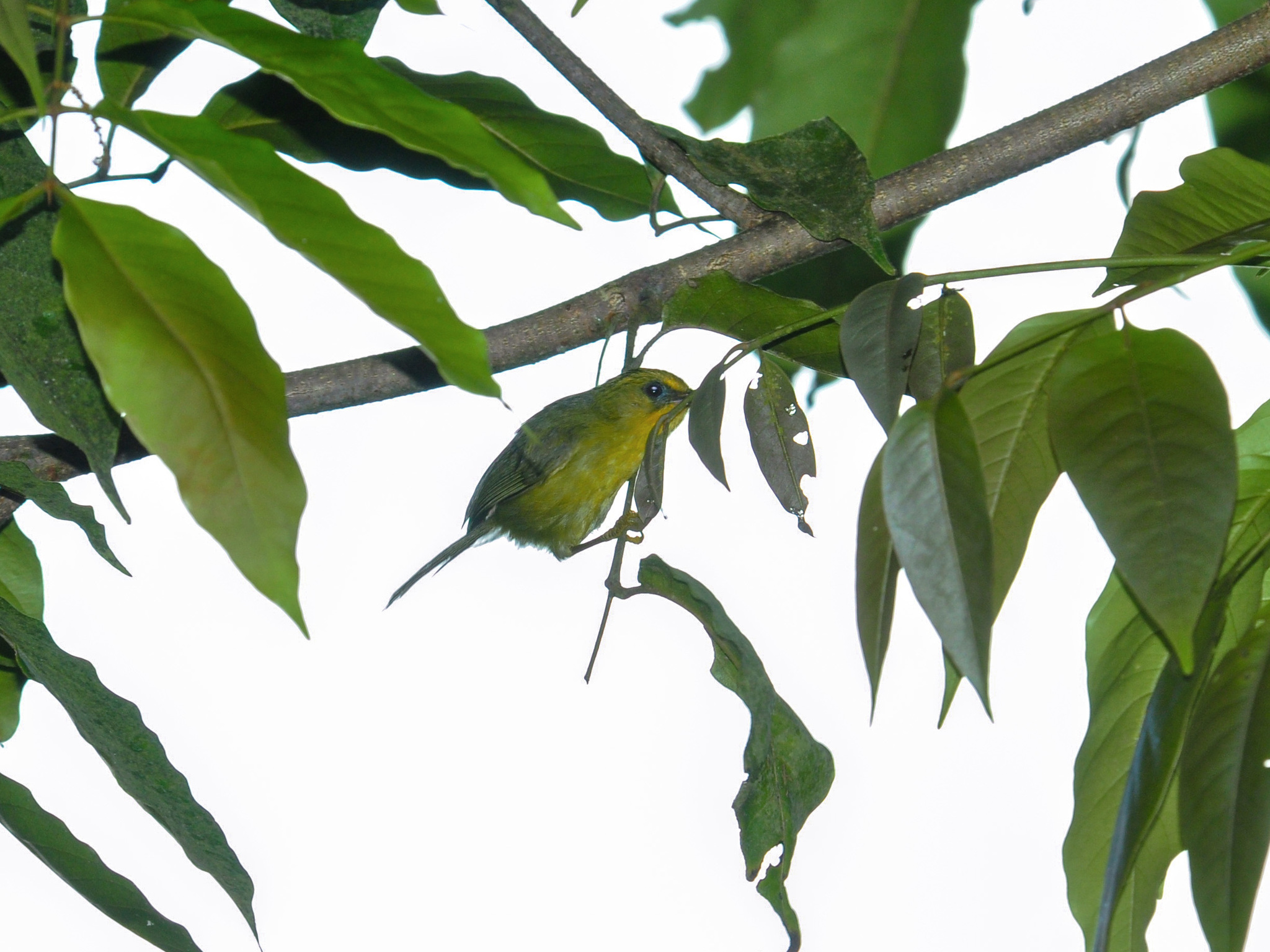
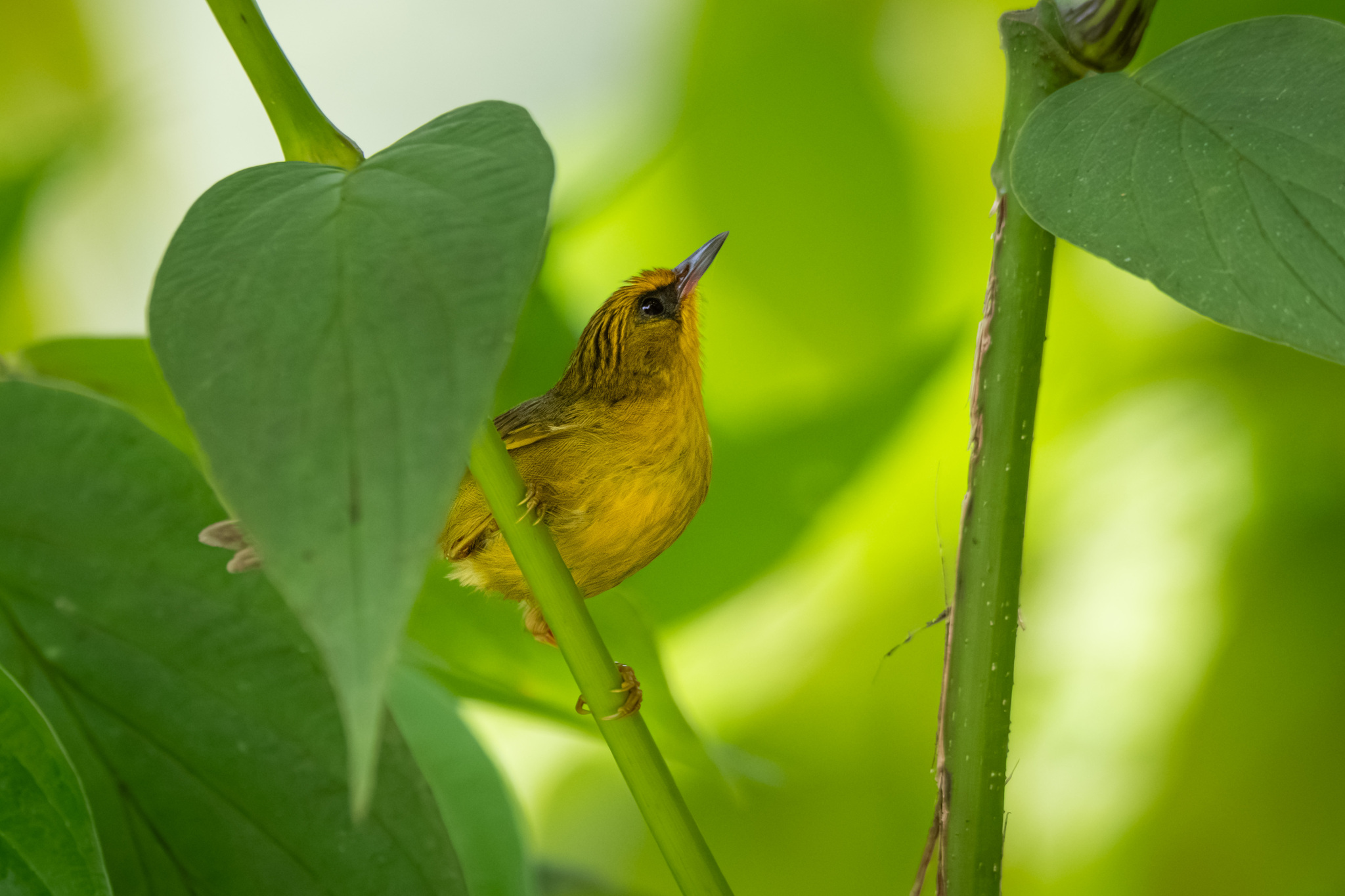
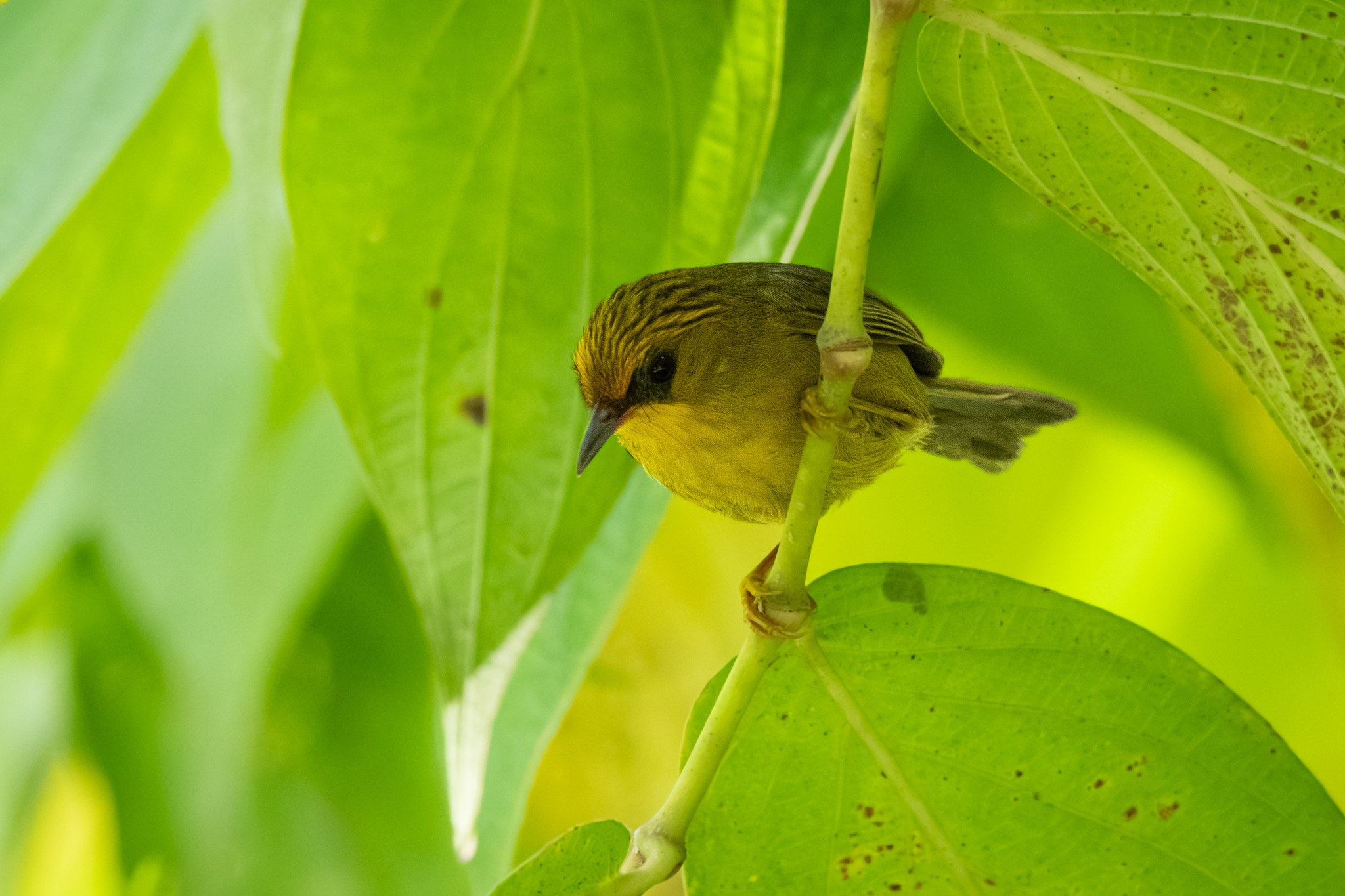
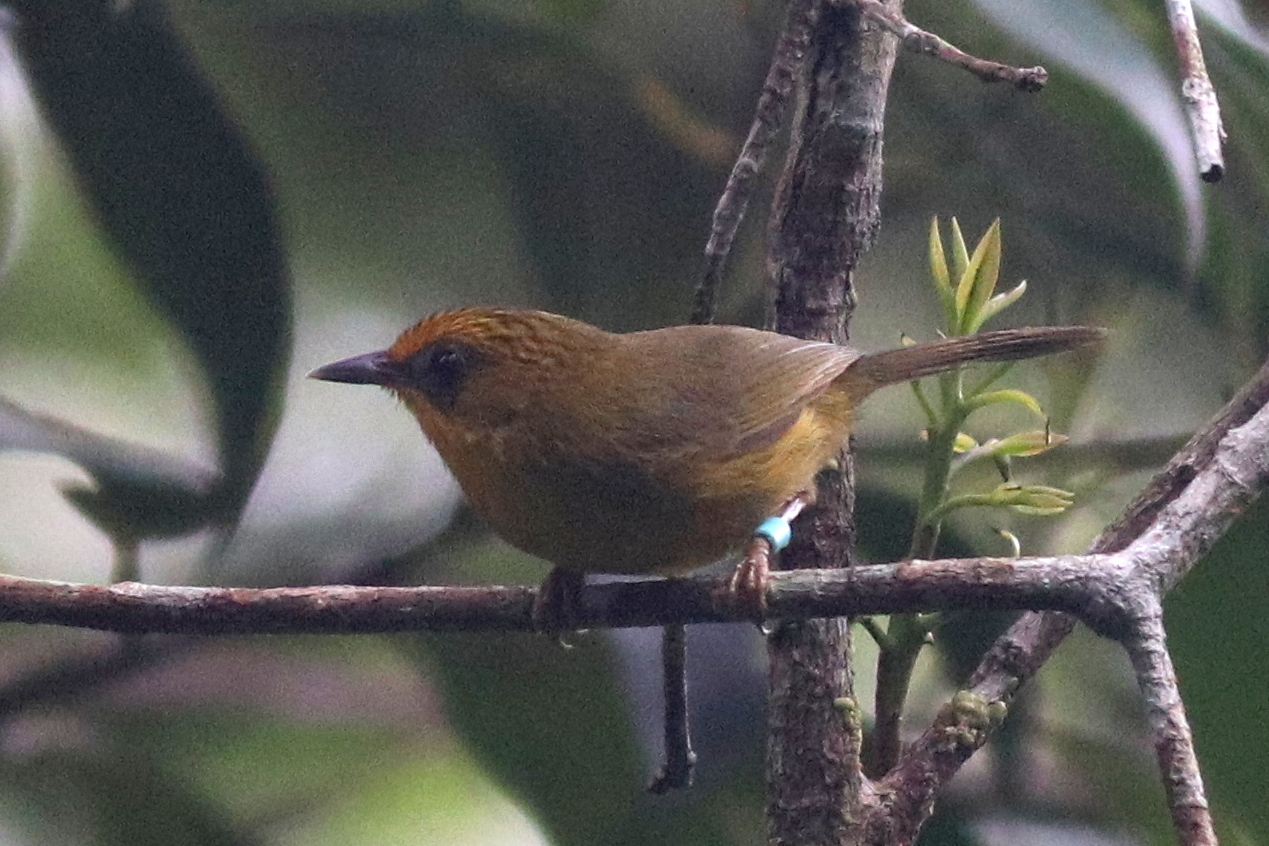
This diminutive babbler measures between 12 and 19 centimetres in length and weighs a remarkably light 6 to 10 grams, making it one of the smaller babbler species in its range. The plumage is characterised by a striking golden-yellow crown and nape, marked with narrow stripes that give the head an intricate pattern. The upperparts are olive-green, with the wings showing this same green coloration. The underparts are a vivid yellow that contrasts sharply with the darker upperparts. The combination of the bright yellow head, olive wings and yellow belly creates a distinctive colour scheme that, once observed, makes this species relatively unmistakable within its preferred habitat.
Distribution & Habitat
The golden babbler occupies a substantial range extending from the foothills of the Eastern Himalayas across Myanmar, Thailand, Laos, Vietnam and into southern China. Within this broad geographic area, it inhabits subtropical lowland forests and montane forest habitats, typically occurring at elevations between 400 and 2,000 metres. The species shows a preference for humid evergreen and semi-evergreen forests with dense understorey vegetation. While some populations may make local movements in response to seasonal resource availability, it is generally considered a resident species throughout most of its range.
Conservation
The golden babbler is currently classified as Least Concern on the IUCN Red List, reflecting its relatively large geographic range and apparently stable population. The species' wide distribution across multiple countries provides some resilience against localised threats. However, like many forest-dependent birds, it faces ongoing pressure from habitat loss and degradation throughout its range, particularly from deforestation for agriculture and infrastructure development. The extent to which populations have been affected by habitat fragmentation remains poorly studied, and continued monitoring of this species would be valuable for informing conservation priorities in the region.
Source: Wikipedia · CC BY-SA 3.0
Taxonomy
- Order
- Passeriformes
- Family
- Timaliidae
- Genus
- Cyanoderma
- eBird Code
- golbab1
Vocalizations
Subspecies (6)
-
Cyanoderma chrysaeum assimile
central Myanmar (west of the Salween River) to northwestern Thailand
-
Cyanoderma chrysaeum auratum
southern Myanmar (Southern Shan State) to far northern Thailand and northern Indochina
-
Cyanoderma chrysaeum binghami
southeastern Assam to southwestern Myanmar (Chin Hills and Arakan Mountains)
-
Cyanoderma chrysaeum chrysaeum
Nepal to Sikkim, Assam, Bhutan, southwestern China, and northern Myanmar
-
Cyanoderma chrysaeum chrysops
hills of Malay Peninsula
-
Cyanoderma chrysaeum frigidum
highlands of western Sumatra
Data Sources
Species description from Wikipedia, licensed under CC BY-SA 3.0.
Bird images and sounds sourced from GBIF, contributed by citizen scientists worldwide under Creative Commons licenses.
Taxonomy data from AviList 2025.