Barred Warbler
Curruca nisoria
横斑林莺
Introduction
The barred warbler (Curruca nisoria) is the largest member of the Curruca warbler genus. It breeds across the temperate regions of central and eastern Europe through to western and central Asia, and winters in tropical eastern Africa. The species exhibits distinctive barring on its underparts. Western European populations have declined.
Description
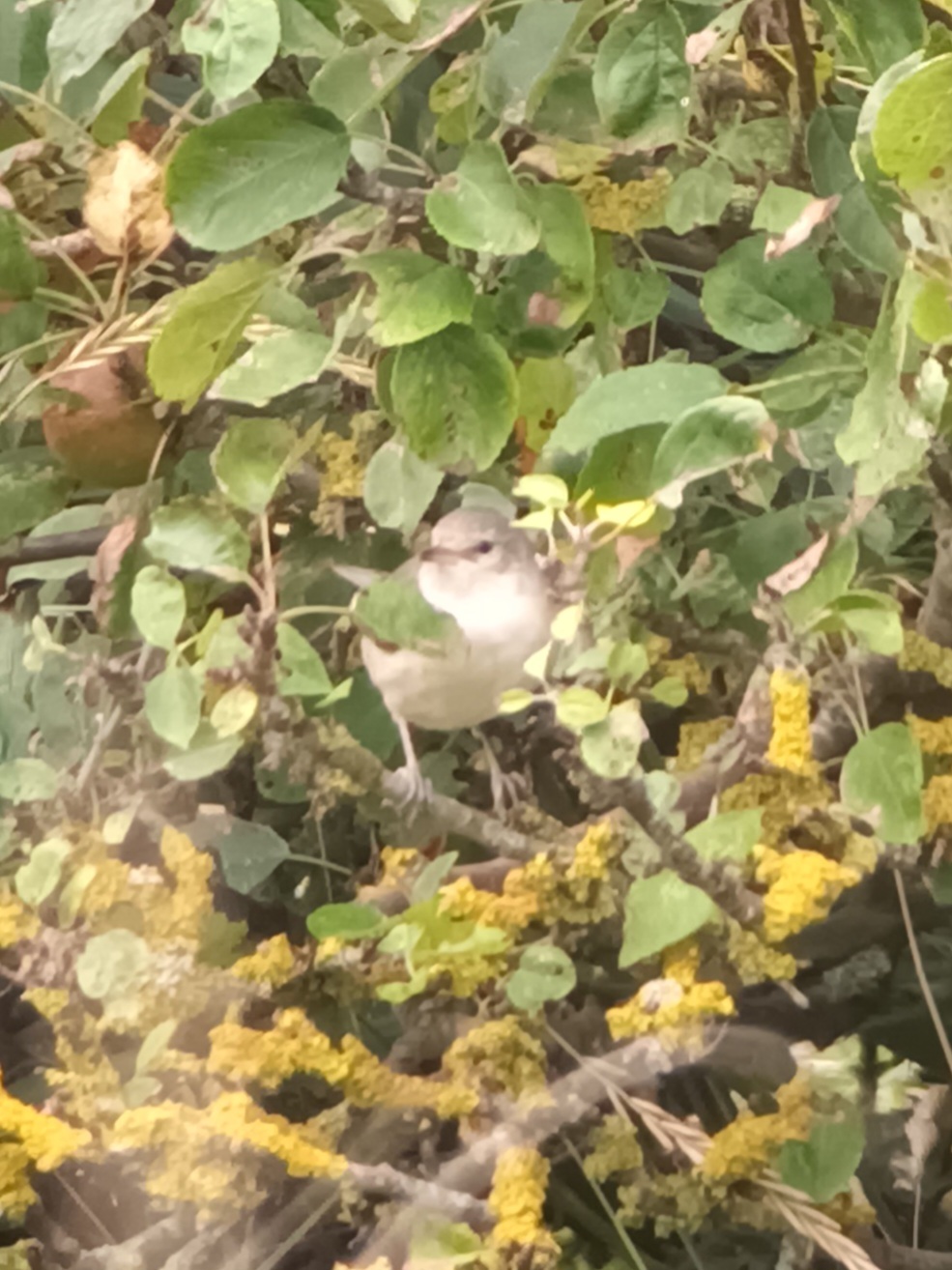
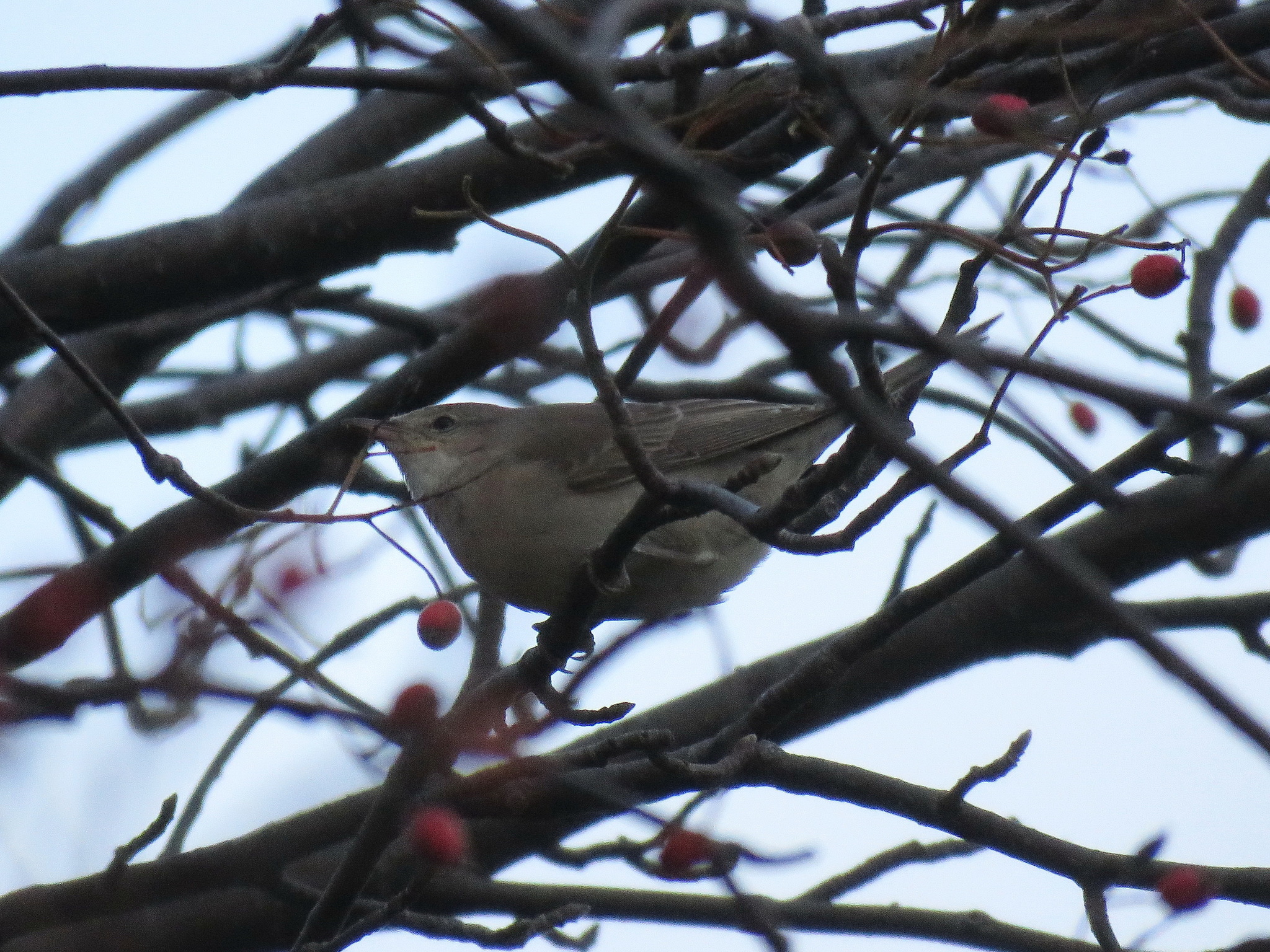
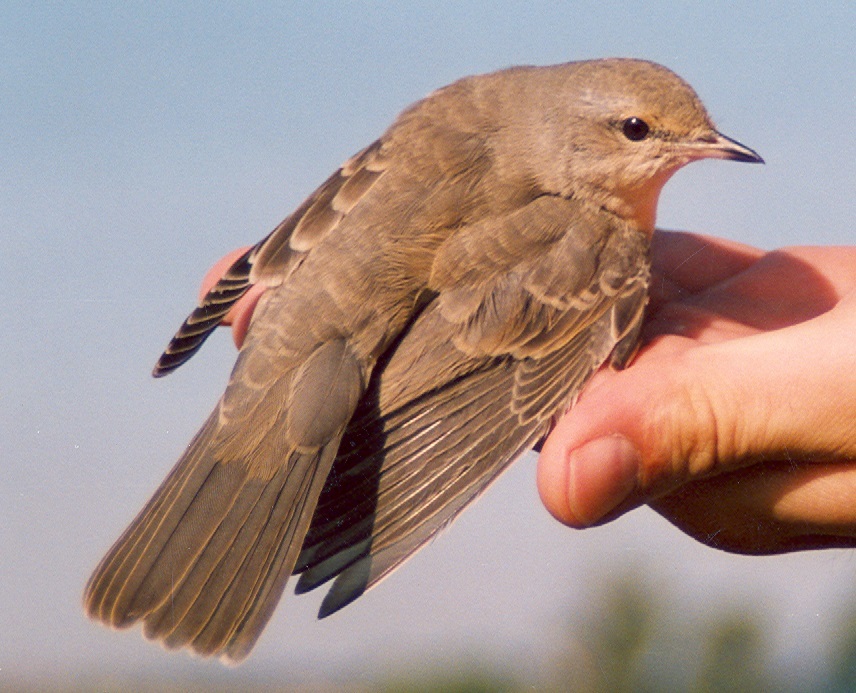
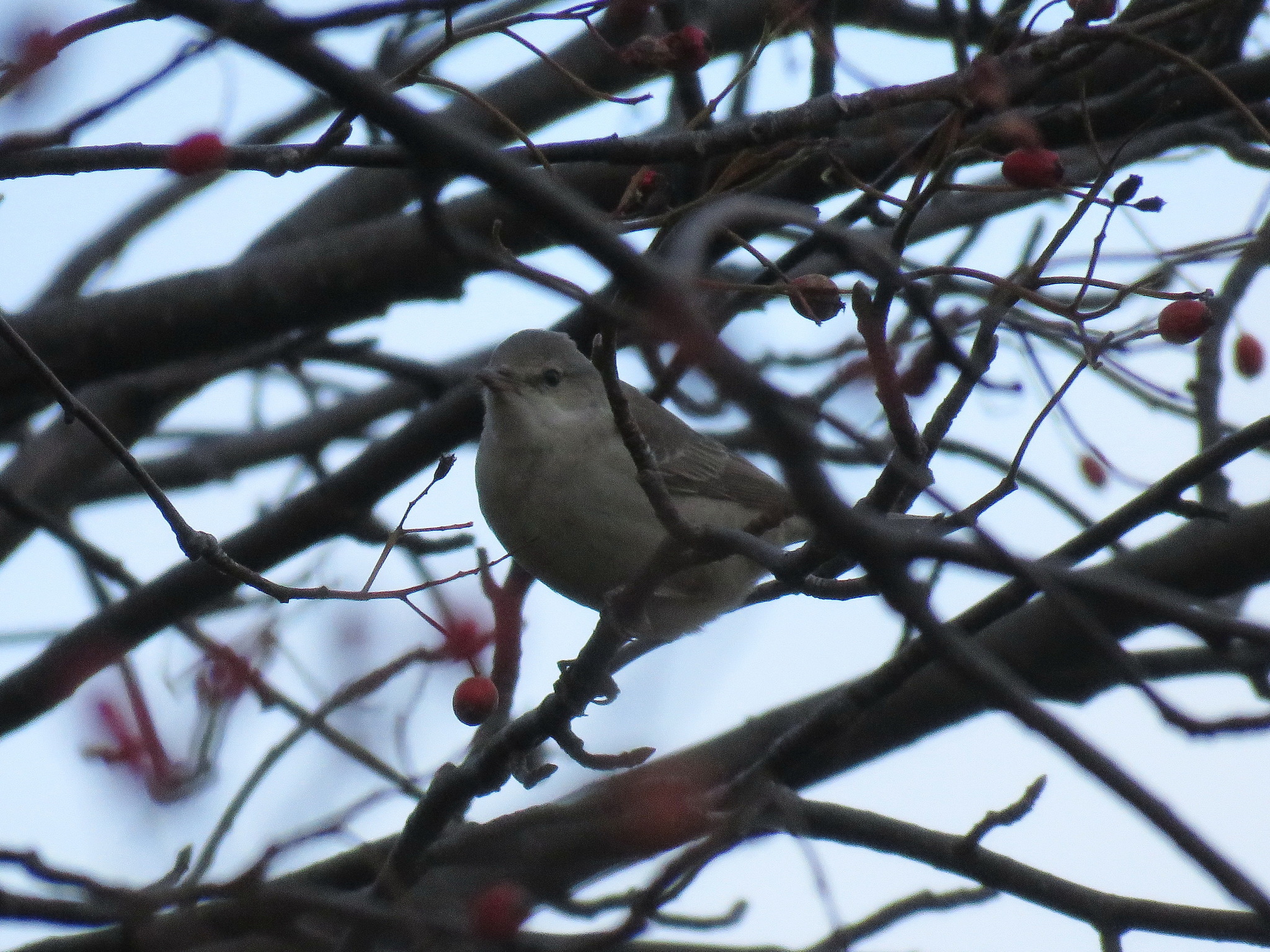
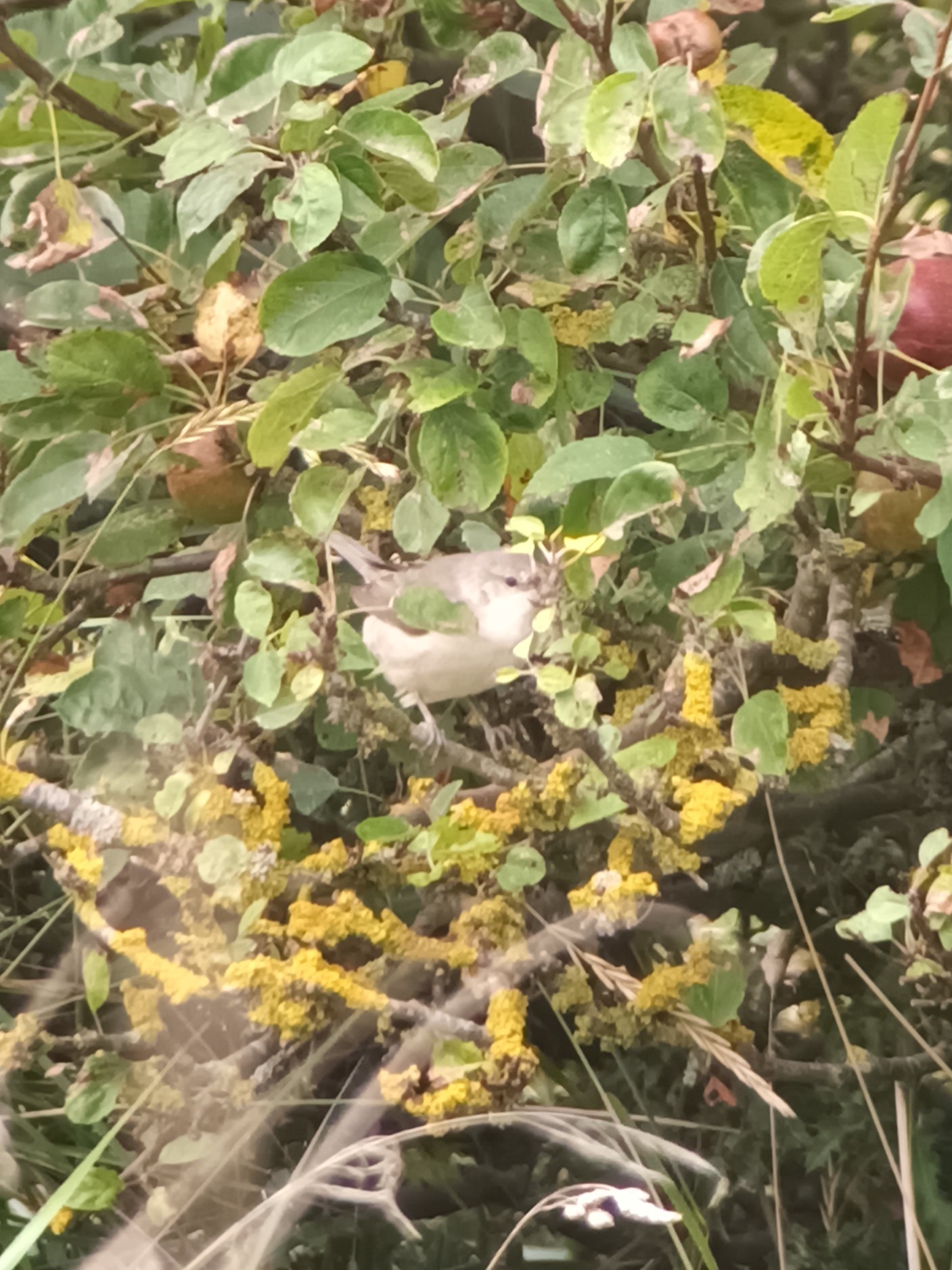
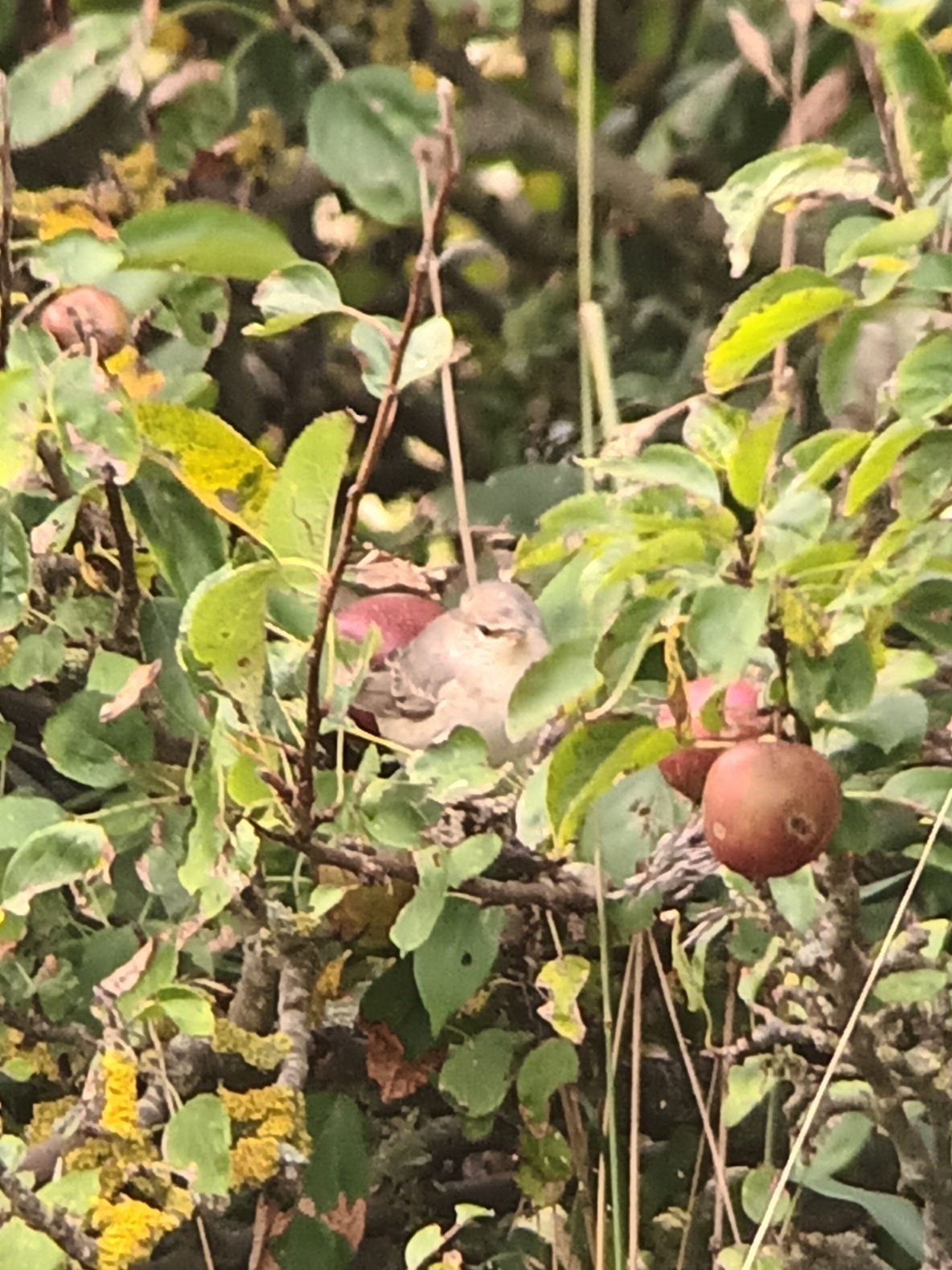
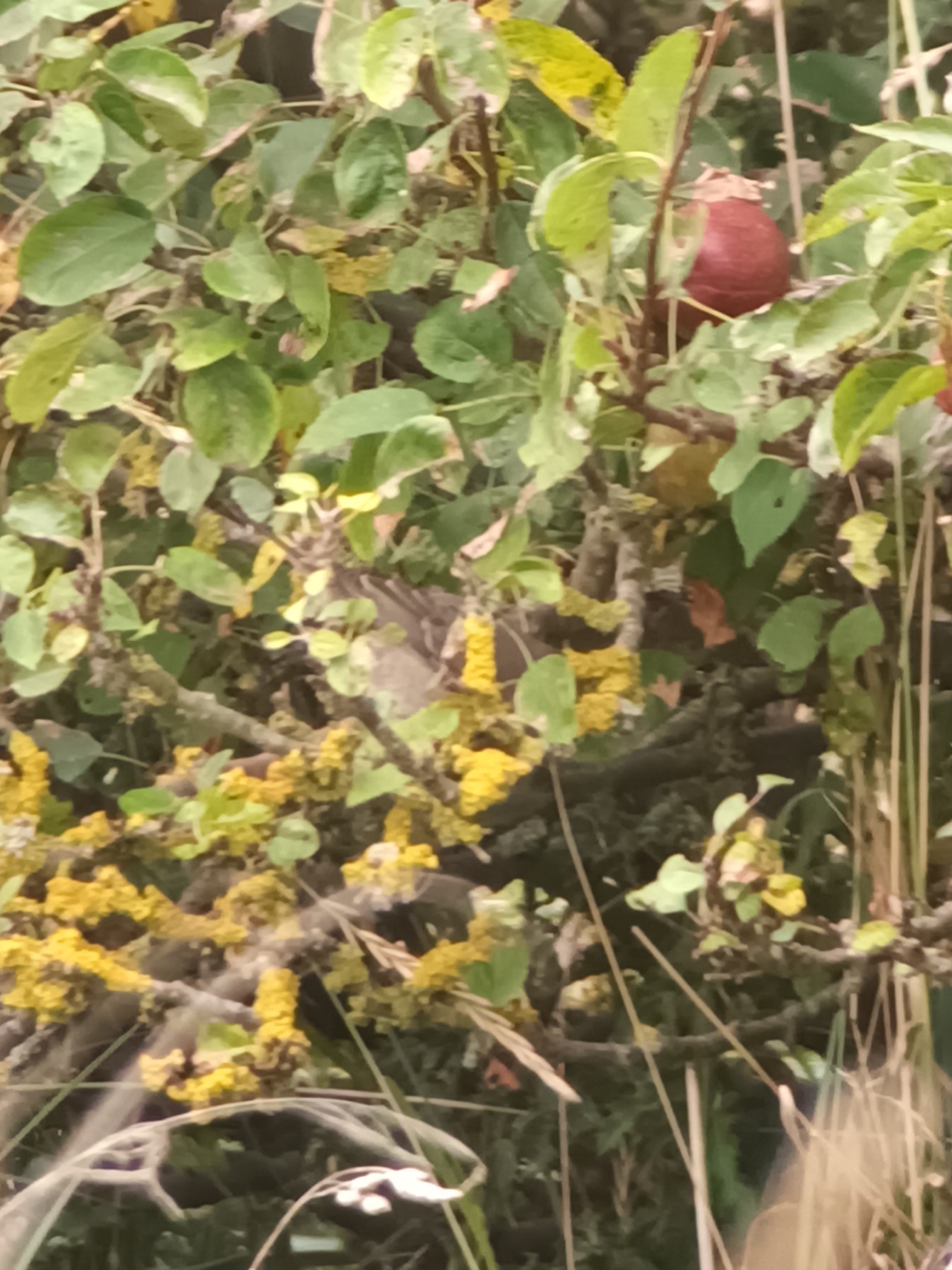
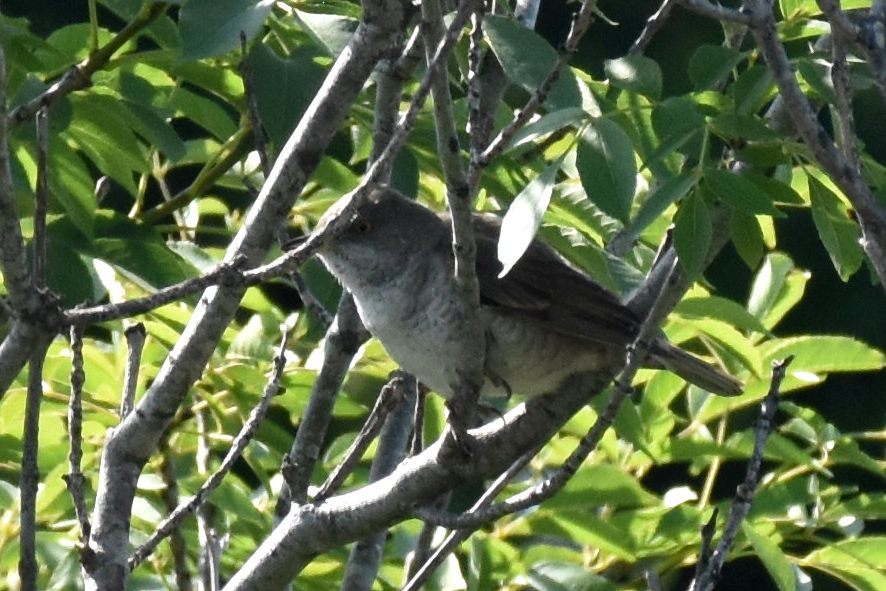
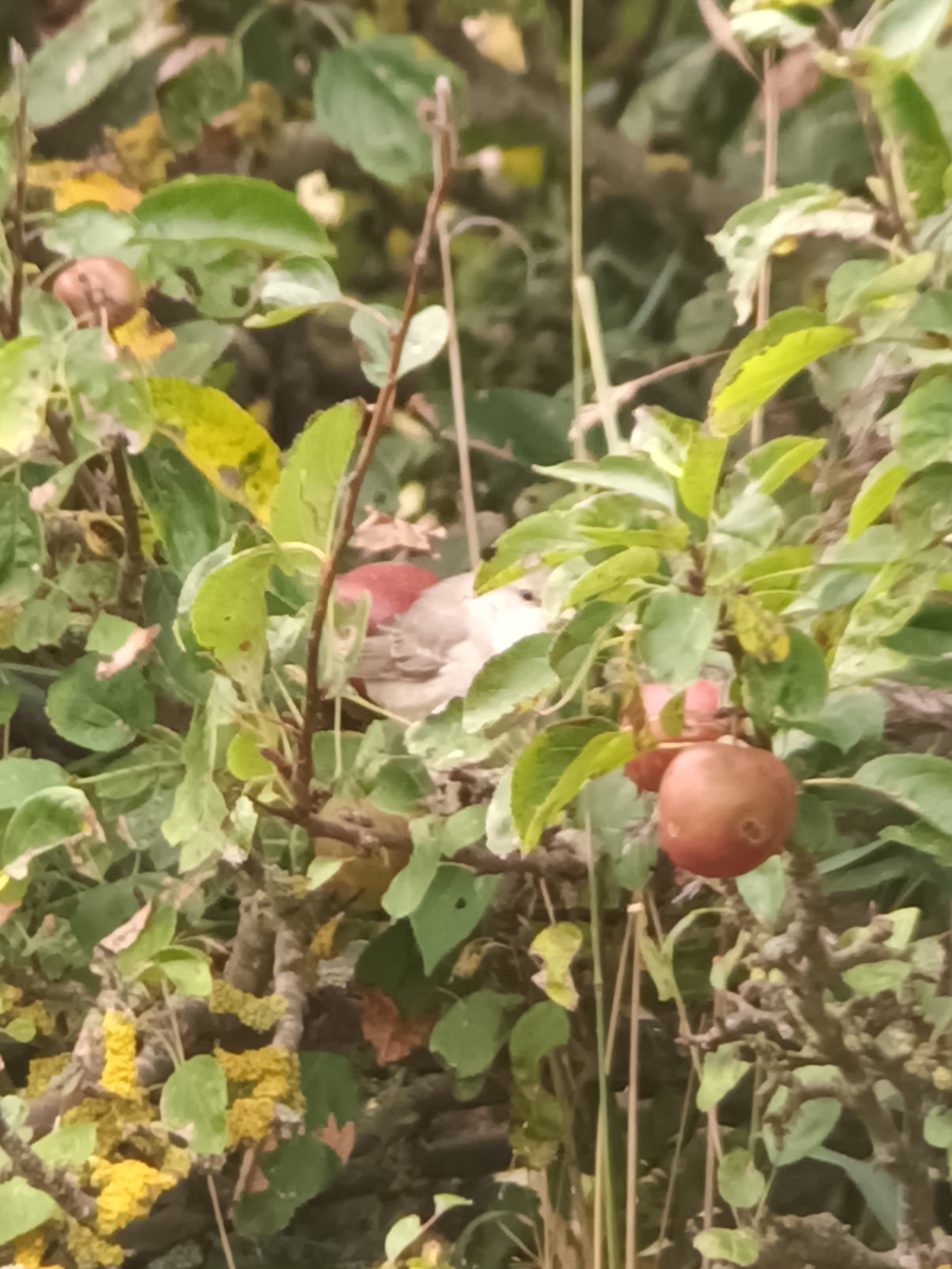
This is a relatively large warbler, measuring 15.5–17 cm in length and weighing 22–36 g. The upperparts are mainly grey, while the underparts are whitish. Adult males are dark grey above with distinctive white tips on the wing coverts and tail feathers, and they display heavy barring across the underparts. Females resemble males but are slightly paler with only light barring. Young birds are buffy grey-brown above and pale buff below, with very little barring. Adults have a yellow iris, while immatures have a dark iris. The bill is blackish with a paler base, and the legs are stout and grey-brown.
Identification
Young birds can easily be confused with garden warblers, but differ in their slight barring on the tail coverts, pale fringes on the wing feathers, and their slightly larger size. The yellow iris of adults is a useful distinguishing feature, though immatures have dark irises. The heavily barred underparts of adult males are distinctive within the Curruca genus, though the Cyprus warbler also shows barring but with a completely different overall color pattern.
Distribution & Habitat
This species breeds across temperate central and eastern Europe and western and central Asia, preferring open country with bushes for nesting. It winters in tropical eastern Africa. During autumn migration, it is regular in Great Britain, mainly along the east coast between late August and late October, with 100–200 records annually. It occurs more rarely in Ireland, with around 10–20 records annually. Spring passage in Britain is exceptionally rare. The vast majority of British and Irish records are of first-year birds.
Behavior & Ecology
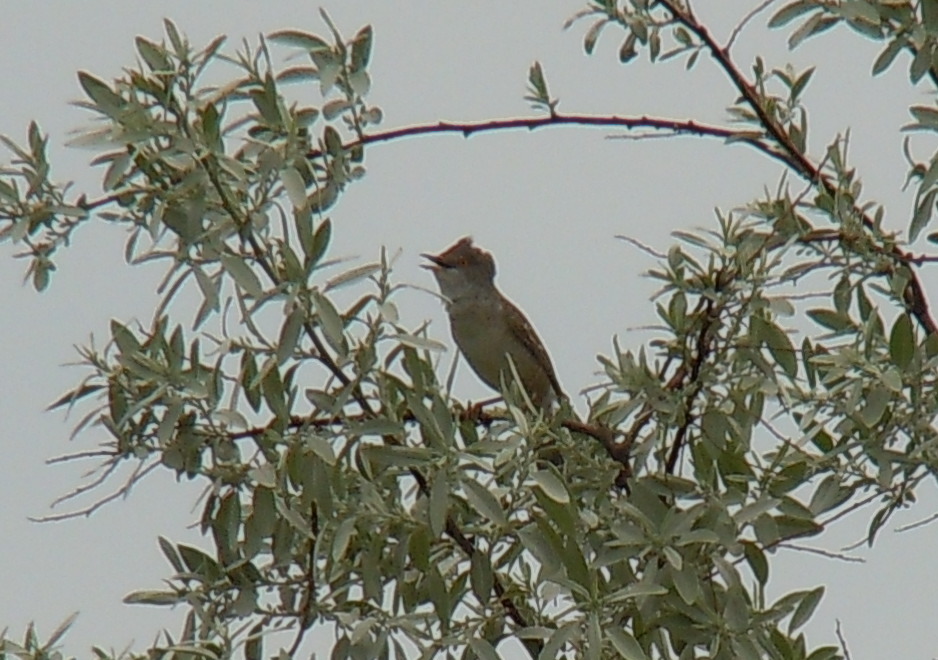
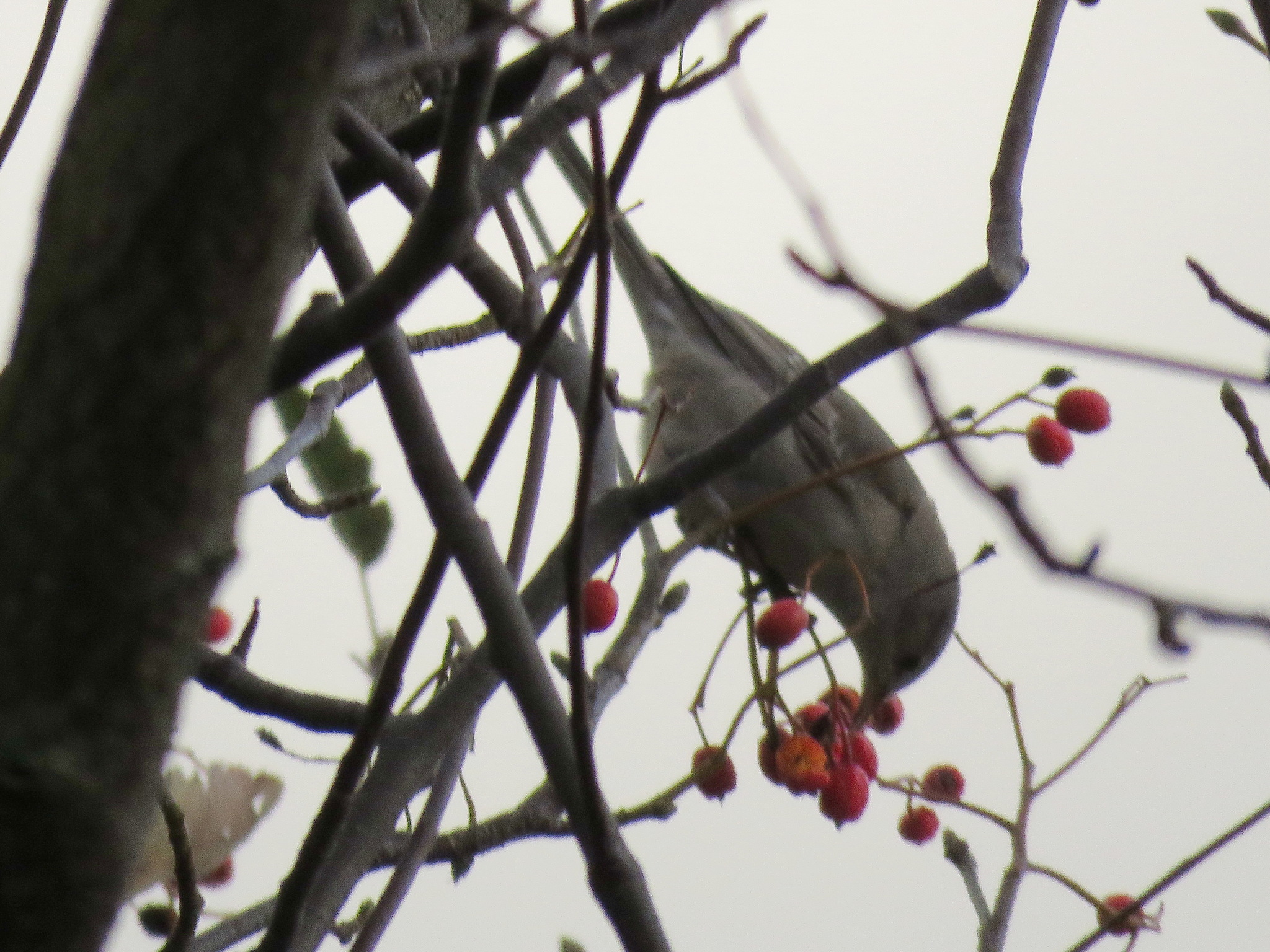
The barred warbler inhabits open countryside with bushes, sharing very similar habitat preferences with the red-backed shrike. It builds its nest in low shrubs or brambles, laying three to seven eggs. Like most warblers, it is primarily insectivorous but consumes berries and other soft fruit extensively in late summer and autumn. The song is a pleasant chattering similar to a garden warbler but harsher, less melodious, and slightly higher pitched, with some resemblance to the common whitethroat's song.
Conservation
The European population is estimated at around 460,000 pairs. The species has declined in several areas, particularly at the western end of its breeding range—it is now extinct as a breeding bird in Denmark and has decreased in southern Finland and Germany due to habitat loss from agricultural intensification. Conversely, populations have increased in Ukraine, and numbers remain stable further east. The species faces threats from ongoing habitat loss and possibly other unidentified causes.
Culture
The scientific name nisoria derives from Medieval Latin and refers to the Eurasian sparrowhawk, which also displays barred plumage, highlighting the visual similarity between these two unrelated species. No other significant cultural or folklore associations are noted in the available literature.
Source: Wikipedia · CC BY-SA 3.0
Taxonomy
- Order
- Passeriformes
- Family
- Sylviidae
- Genus
- Curruca
- eBird Code
- barwar1
Subspecies (2)
-
Curruca nisoria merzbacheri
breeds western Siberia to northern Iran, Afghanistan, and western China; winters to eastern Africa
-
Curruca nisoria nisoria
breeds southern Scandinavia and Europe to Ural Mountains; winters to eastern Africa
Data Sources
Species description from Wikipedia, licensed under CC BY-SA 3.0.
Bird images and sounds sourced from GBIF, contributed by citizen scientists worldwide under Creative Commons licenses.
Taxonomy data from AviList 2025.