

Common Whitethroat
Curruca communis
灰白喉林莺
Introduction
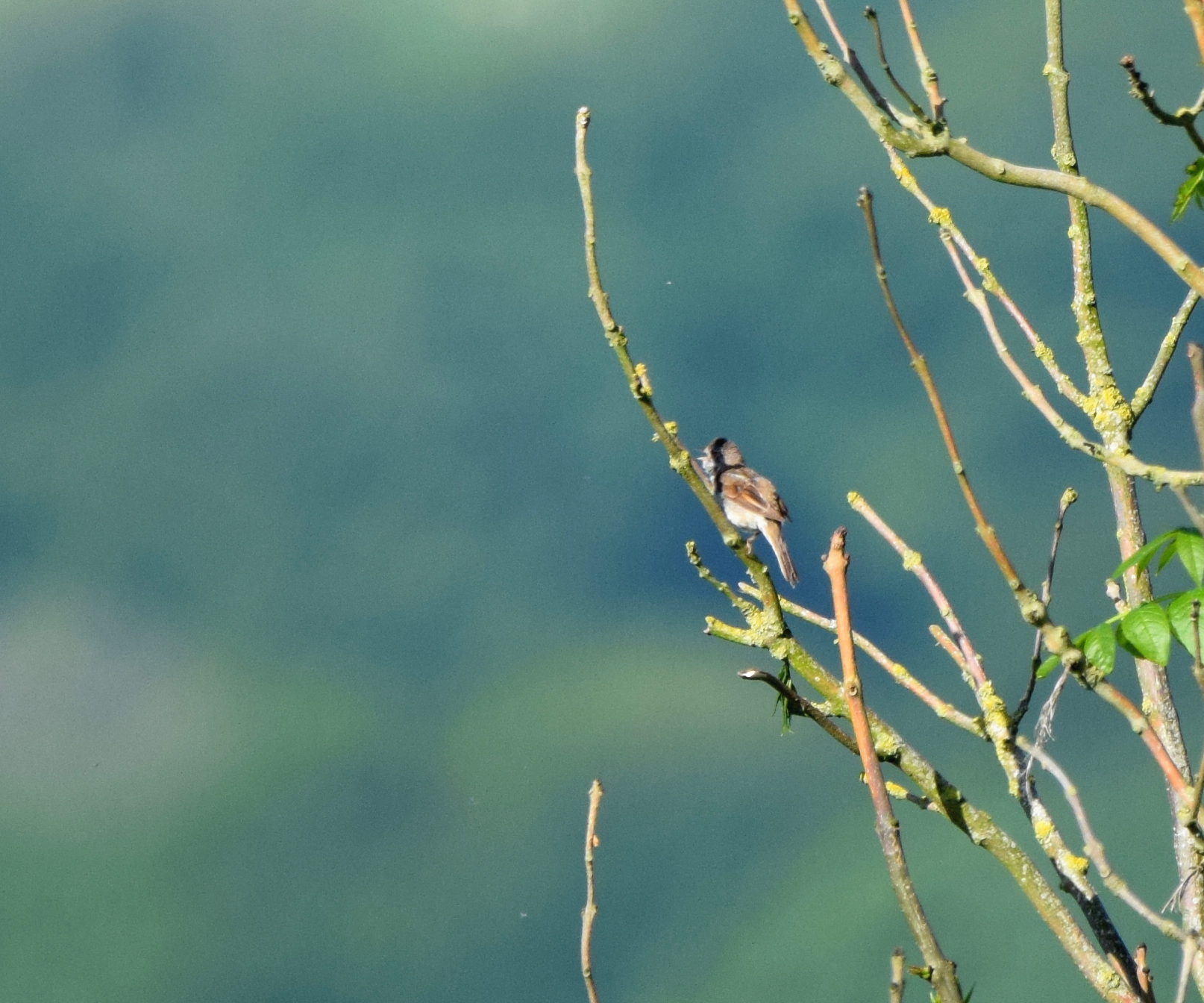
The species breeds across Europe and western Asia, inhabiting open countryside, farmland, hedgerows, field margins, scrub, and young plantations. It is strongly migratory, crossing the Sahara and Mediterranean twice yearly to winter in tropical Africa, Arabia, and Pakistan. Males perform courtship displays and deliver song from exposed perches in bushes and trees.
Description
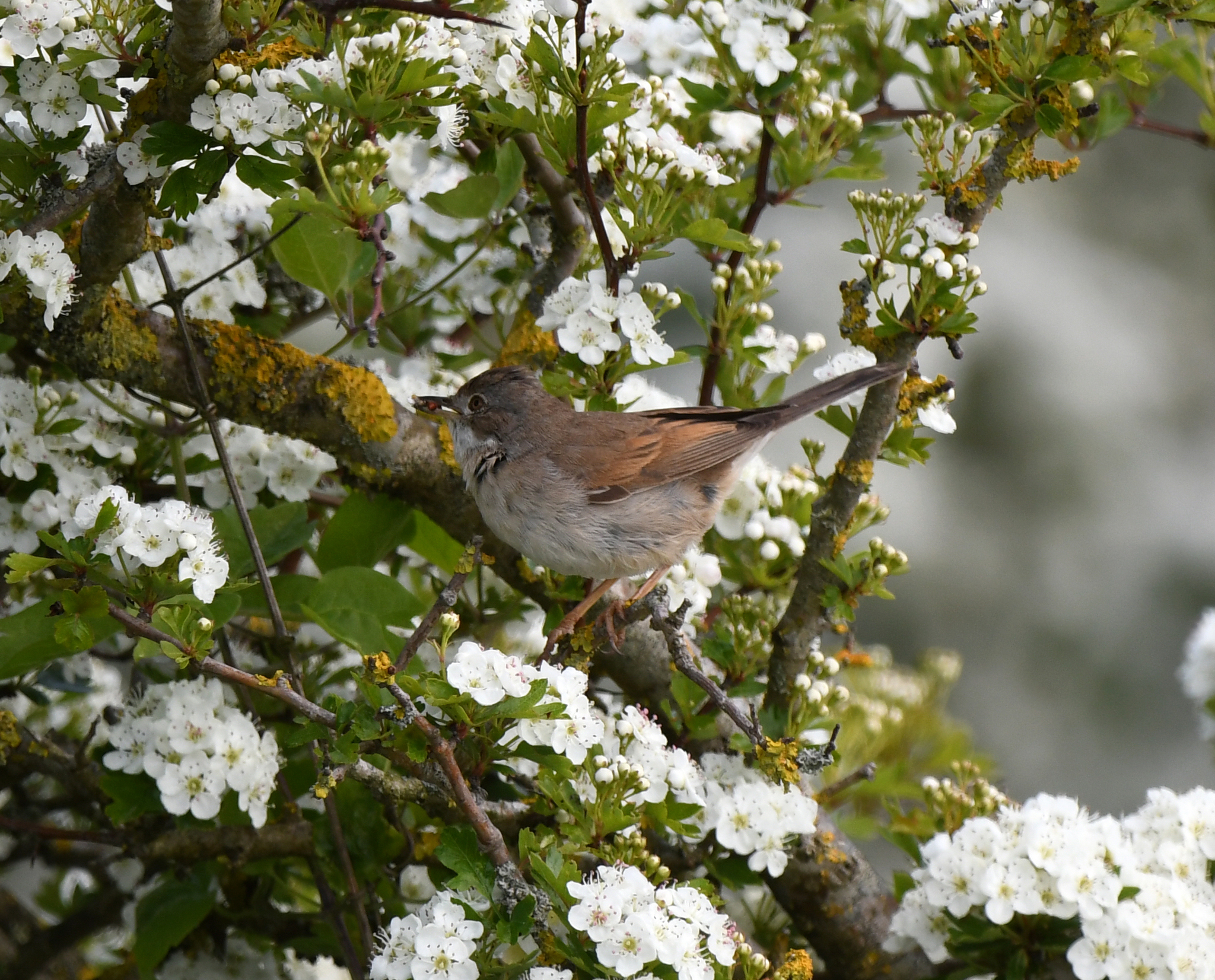
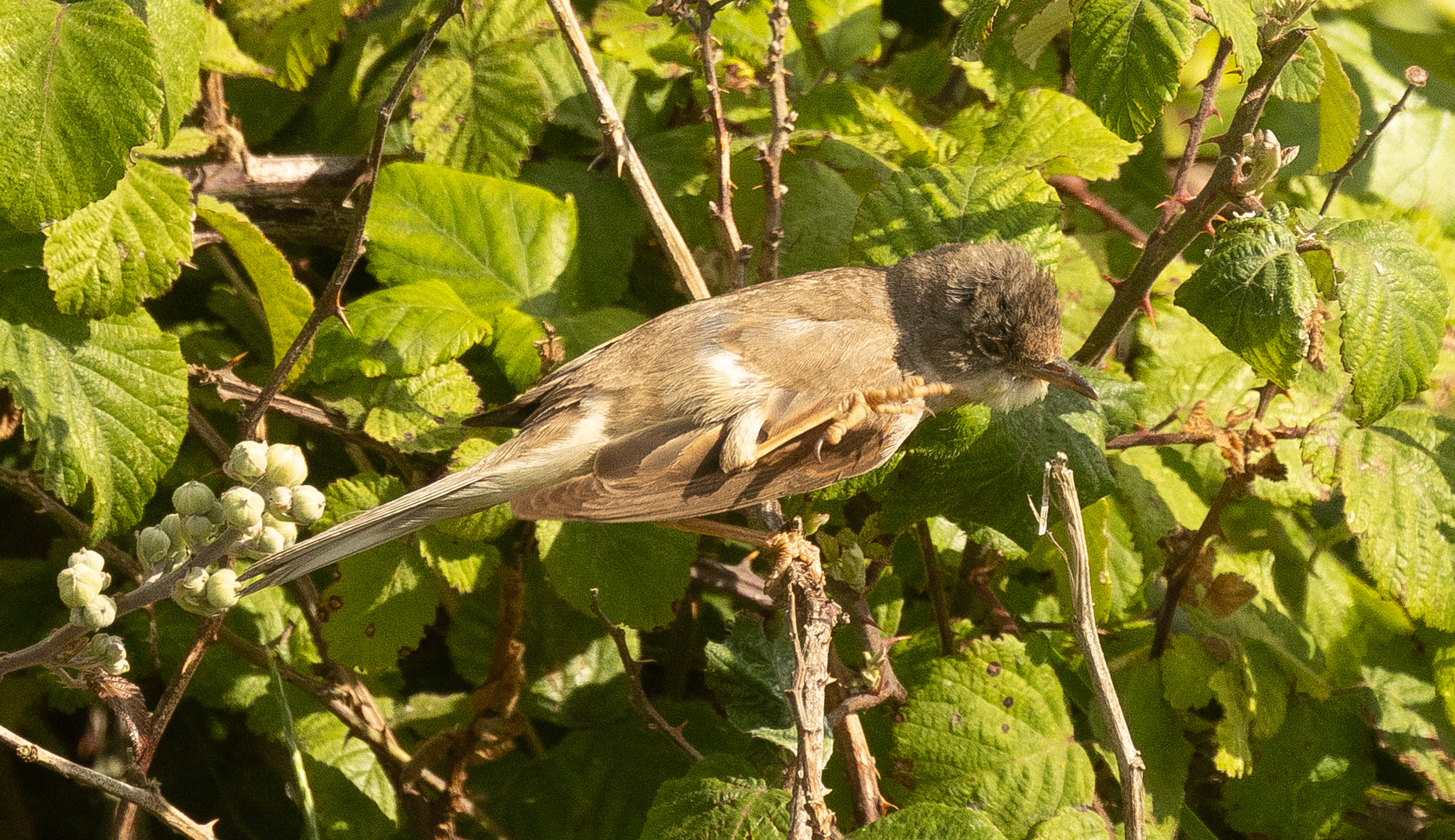
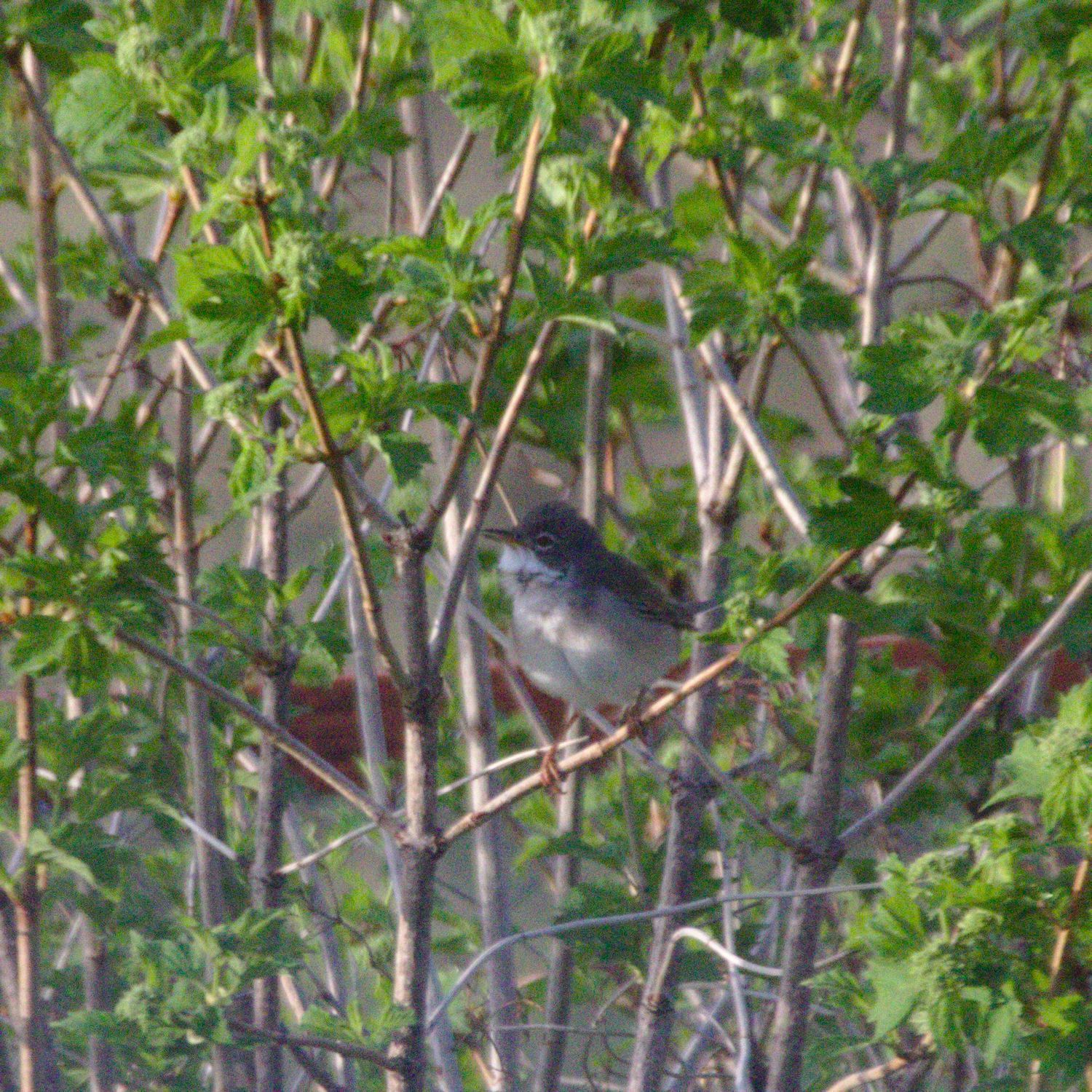
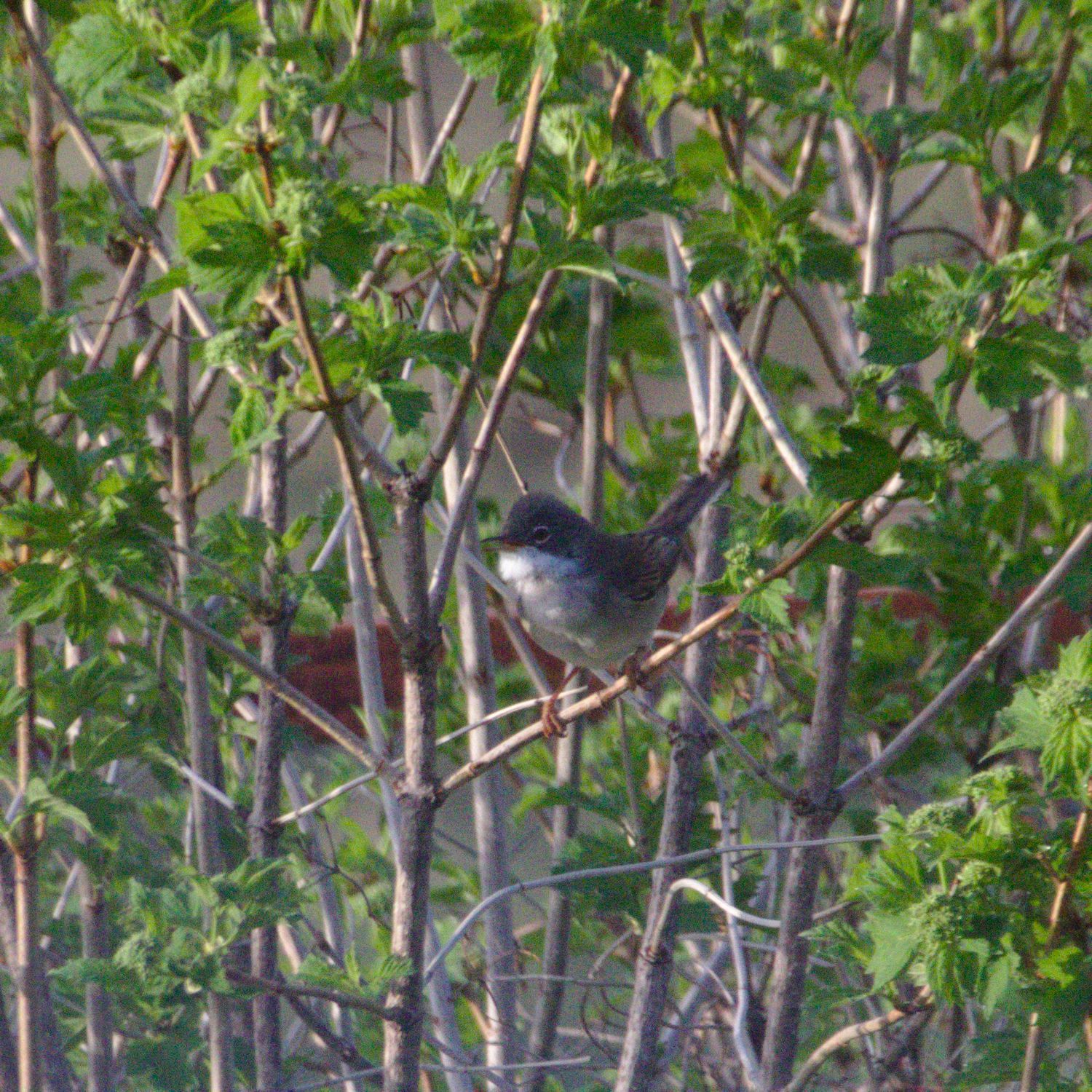
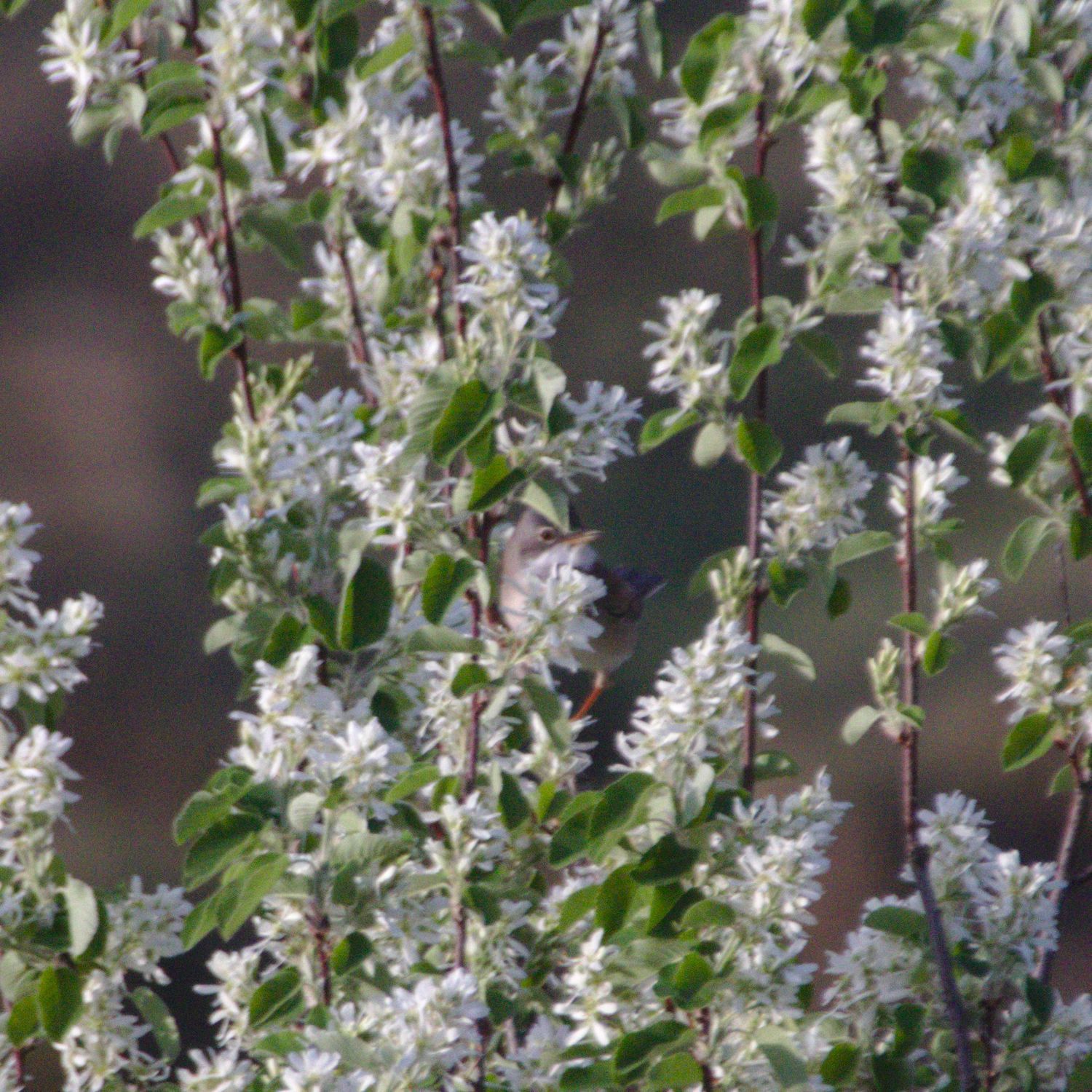
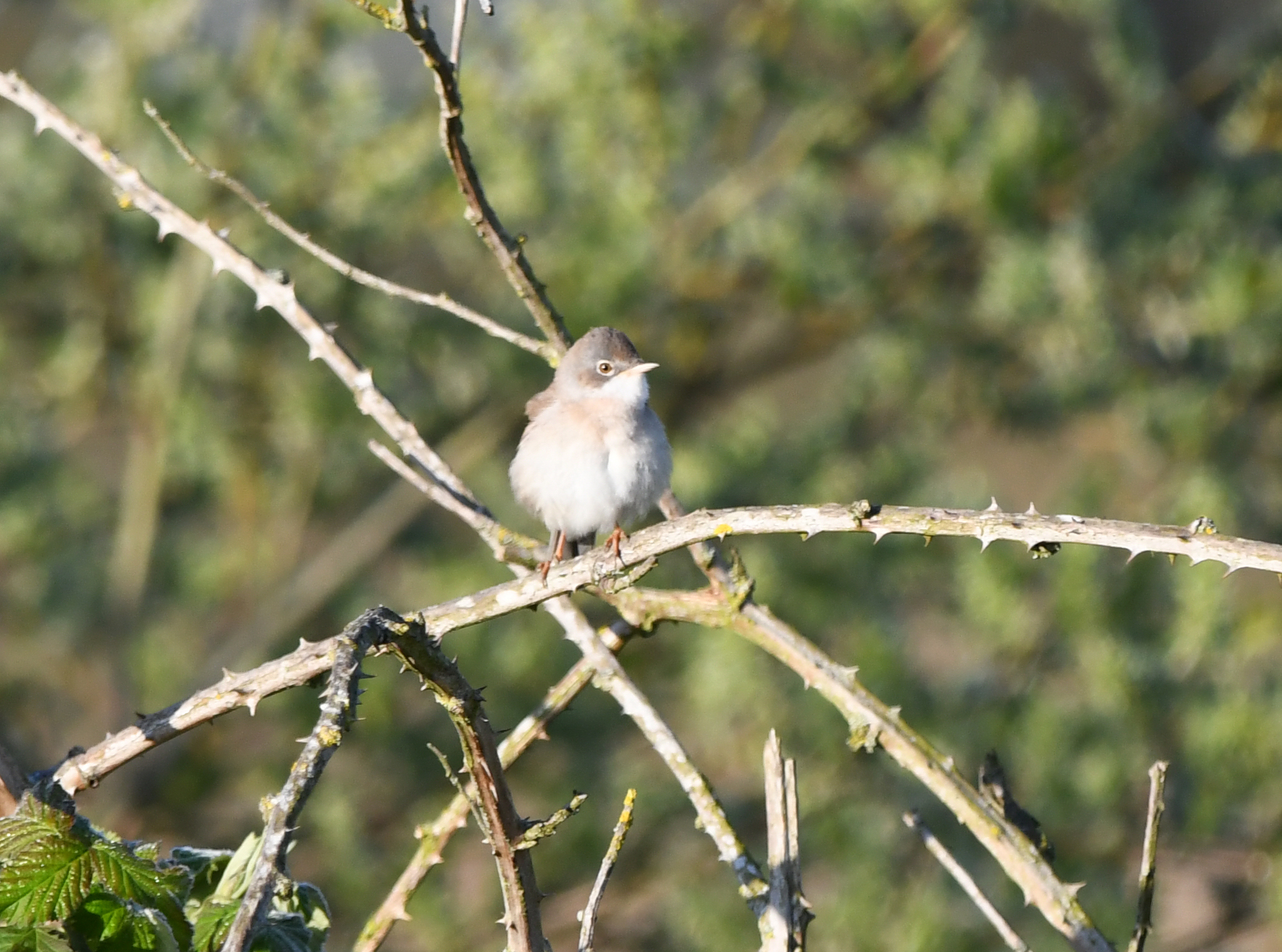
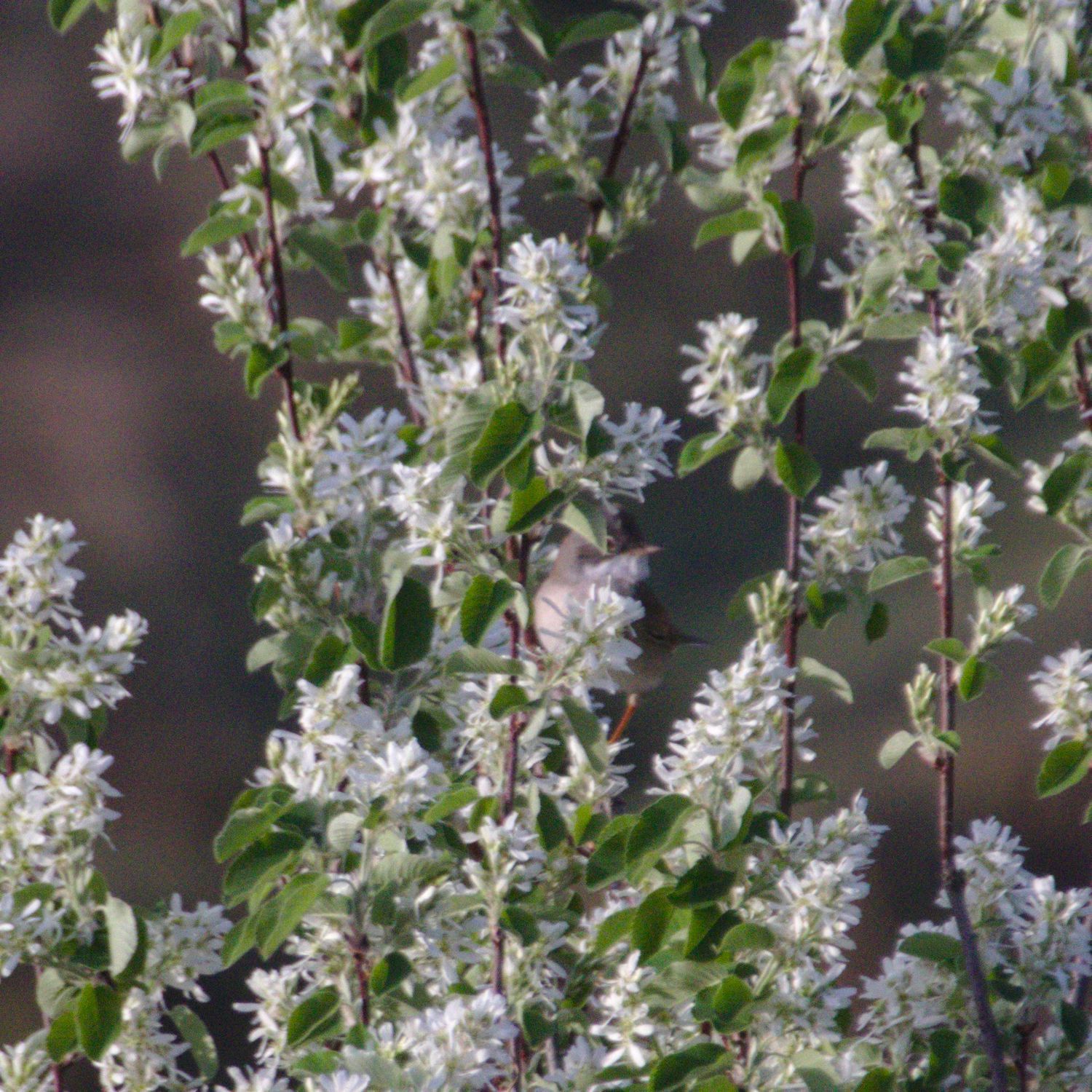
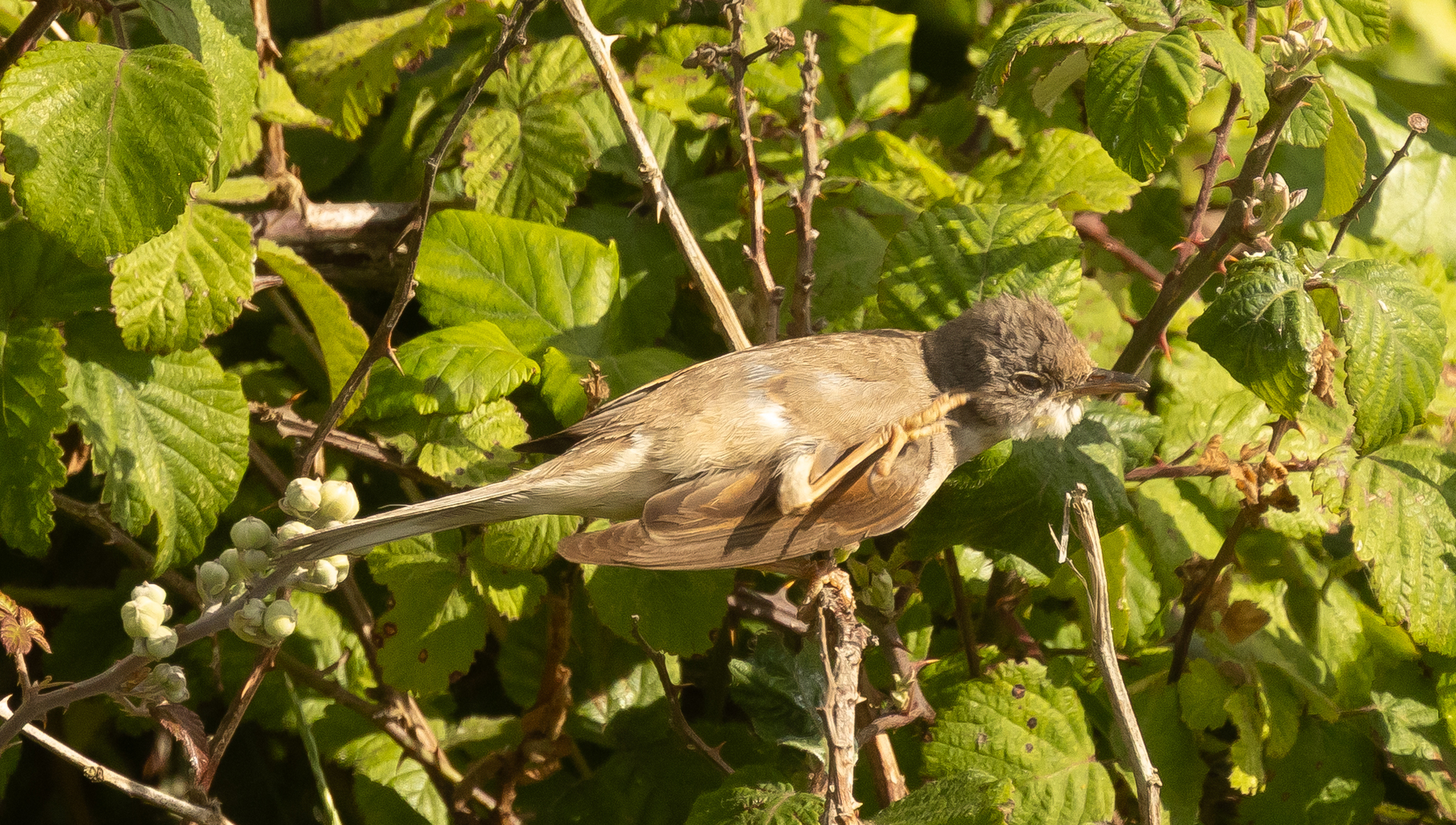
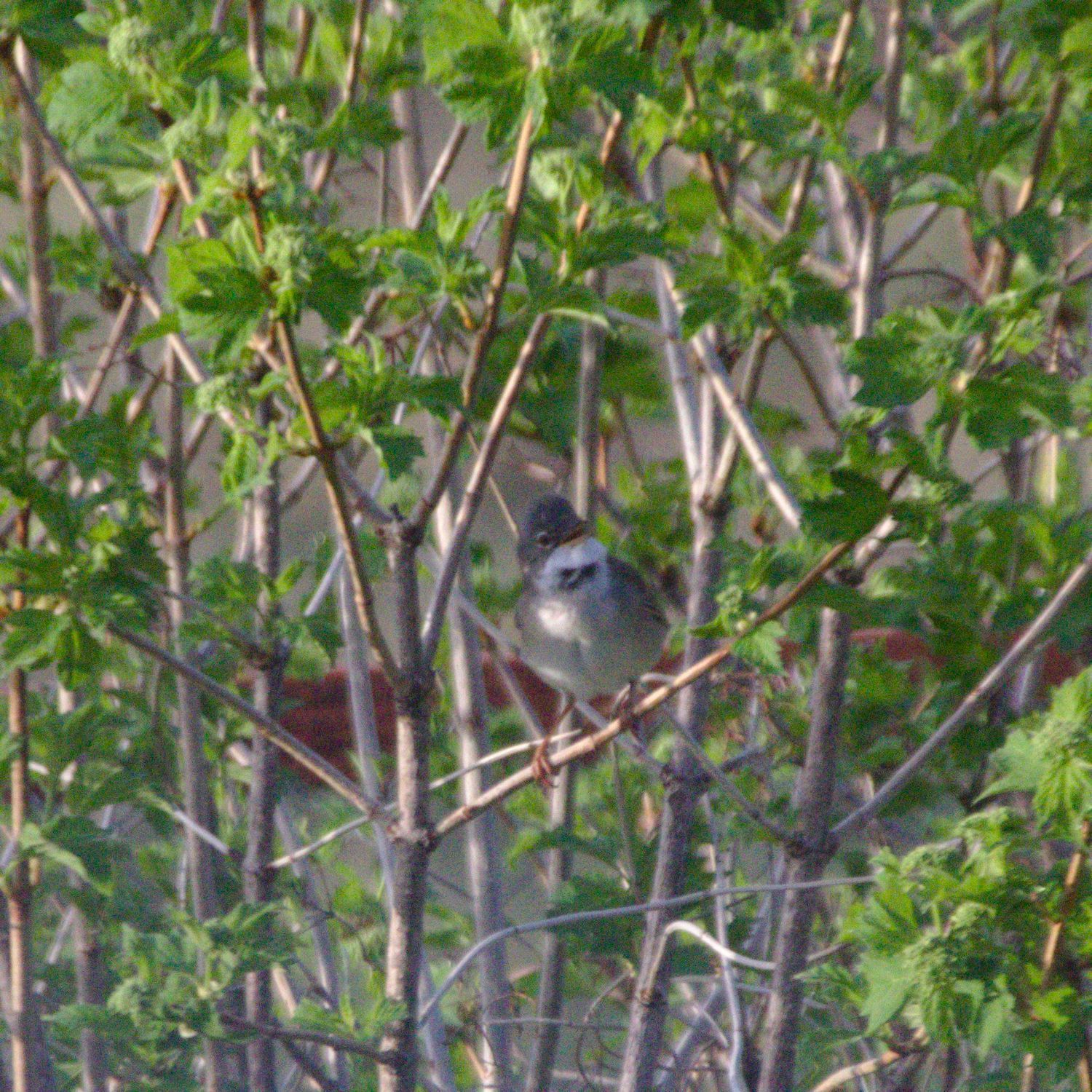
A medium-sized warbler, this species shows strong sexual dimorphism in plumage. The adult male has a distinctive grey head contrasting with a pure white throat and upper breast. Both sexes wear brown upperparts and buff underparts, with chestnut fringes on the secondary wing feathers giving a warm appearance in flight. The female lacks the grey head, instead showing brownish plumage throughout with a duller, less distinct throat patch. The combination of brown upperparts, buff underparts, and the white throat (in males) creates a distinctive silhouette when the bird is active in bushes and low vegetation.
Identification
Males are unmistakable with their grey heads and white throats, a combination not shared by similar-sized warblers in their range. The lesser whitethroat is smaller, more uniformly coloured, and lacks the chestnut wing panels. In autumn, first-year birds and females require more careful observation—their brown upperparts and buff underparts separate them from the greyer, more uniform lesser whitethroat. The chestnut edges to the secondaries are visible in good light and help distinguish them from confusing plumages of other Sylvia warblers. The scratchy, scolding song is distinctive and delivered with a more urgent quality than the clearer songs of most other warblers.
Distribution & Habitat
Breeds throughout Europe from the Atlantic coast to the Urals, across temperate western Asia to western Siberia. Its range extends south to the Mediterranean and north Africa. In Britain and Ireland, it is primarily a summer visitor, arriving in April and departing by September. It inhabits open countryside with scattered bushes, including farmland, heathland, young plantations, and river valleys. Four subspecies show geographical variation, with birds from eastern populations undertaking longer migrations to reach wintering areas in eastern and southern Africa. European populations show regional differences in their molting schedules and pre-migration fueling strategies.
Behavior & Ecology
The diet consists primarily of insects and other invertebrates, but the species readily switches to berries and soft fruits, especially in late summer and on migration. The nest is a neat cup constructed from grasses and stems, positioned low in brambles, scrub, or thick vegetation—typically within half a meter of the ground. Clutches of three to seven eggs are laid, with both parents sharing incubation and feeding duties. The song is fast, scratchy, and delivered with a scolding, almost angry quality, quite unlike the melodious songs of other warblers. The contact call is a hoarse wed-wed or woid-woid, while a long, rough tschehr serves as an alarm note.
Culture
The species appears in literature and folklore in various European countries, though less prominently than more charismatic birds. Its association with spring arrival has made it a symbol of seasonal change in some rural traditions. The English name reflects the most conspicuous field mark of the adult male—the white throat that flashes as the bird sings from exposed perches. The species' ubiquity in appropriate habitat during summer has made it a familiar marker of the birdwatching calendar in Europe, often among the first warblers identified by beginners due to its conspicuous habits and distinctive plumage.
Source: Wikipedia · CC BY-SA 3.0
Taxonomy
- Order
- Passeriformes
- Family
- Sylviidae
- Genus
- Curruca
- eBird Code
- grewhi1
Subspecies (4)
-
Curruca communis communis
breeds western Europe and Scandinavia to North Africa; winters to northern Africa
-
Curruca communis icterops
breeds western Siberia to Iran and Türkiye; winters to eastern Africa
-
Curruca communis rubicola
breeds northwestern China and western Mongolia to Kazakhstan; winters to southern Africa
-
Curruca communis volgensis
breeds eastern Europe to western Siberia; probably winters tropical Africa
Data Sources
Species description from Wikipedia, licensed under CC BY-SA 3.0.
Bird images and sounds sourced from GBIF, contributed by citizen scientists worldwide under Creative Commons licenses.
Taxonomy data from AviList 2025.