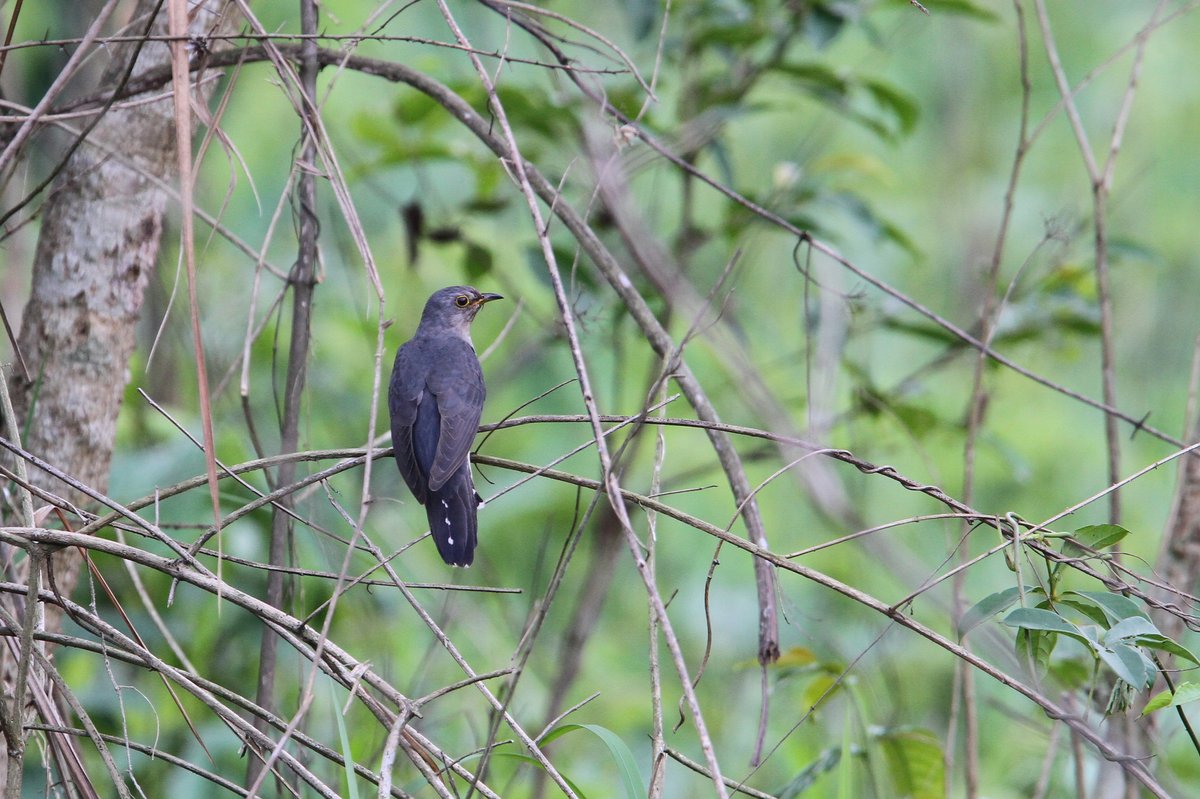
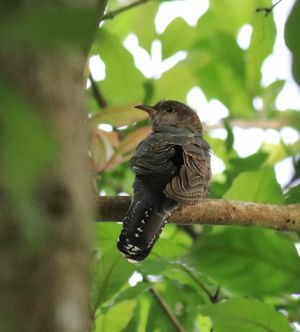
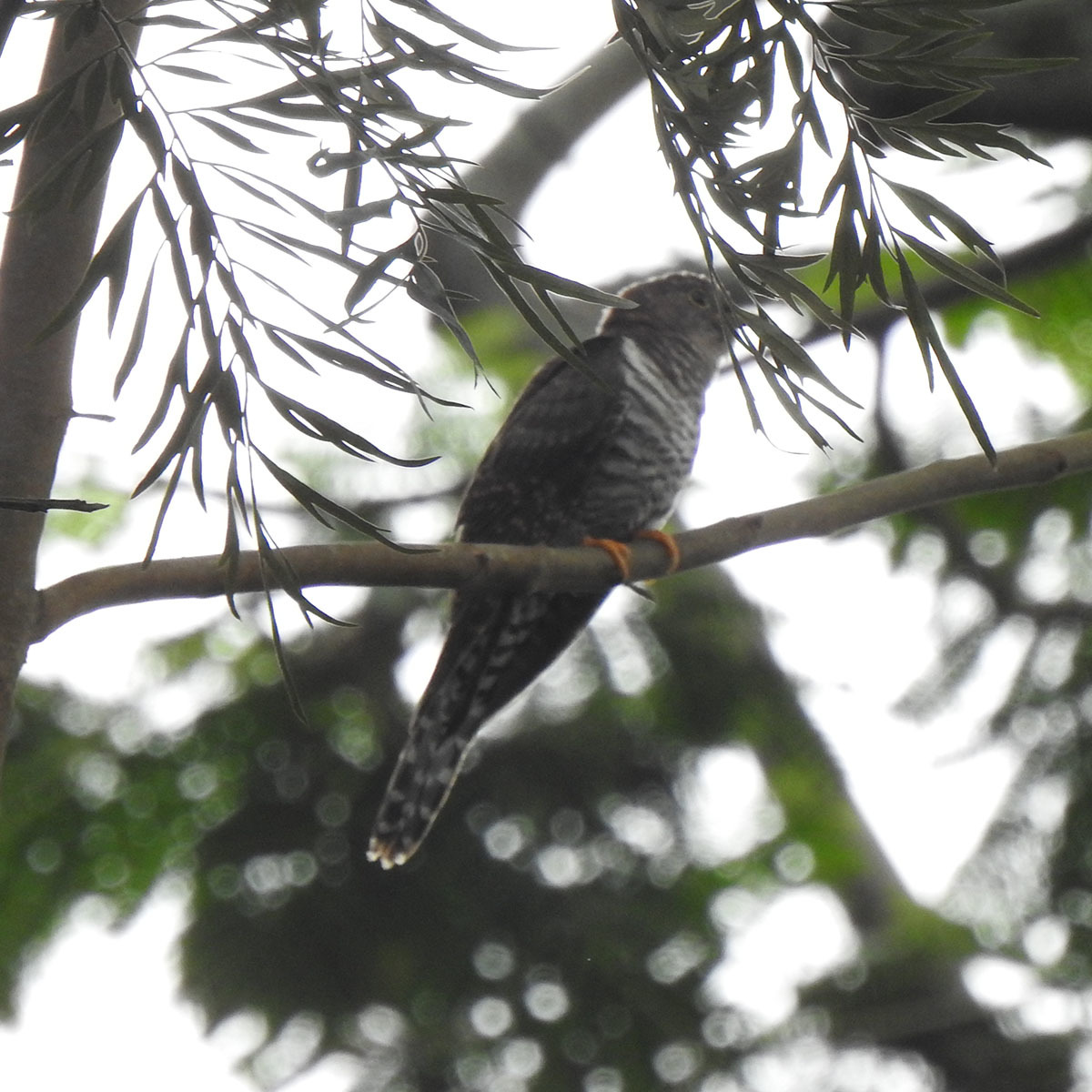
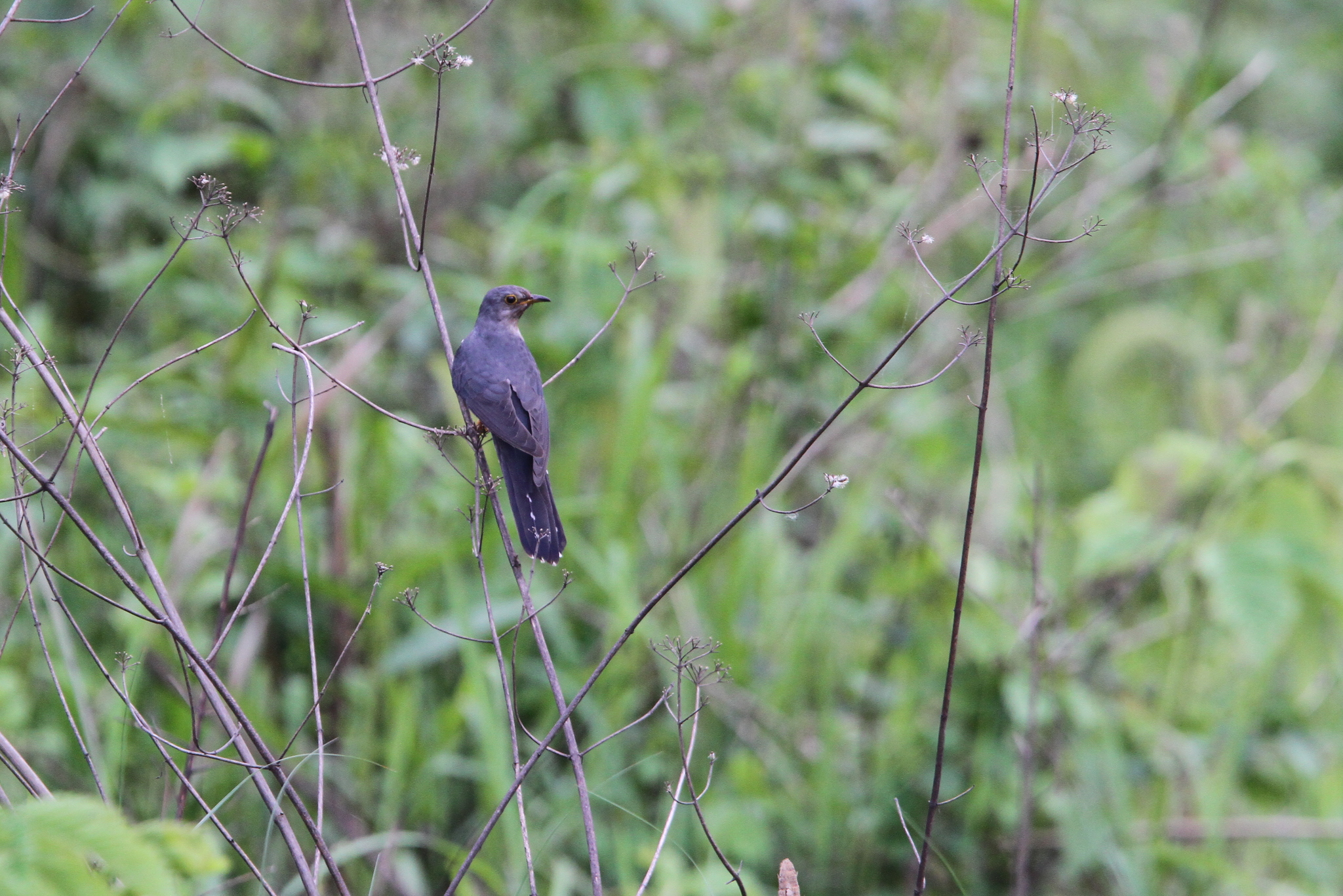
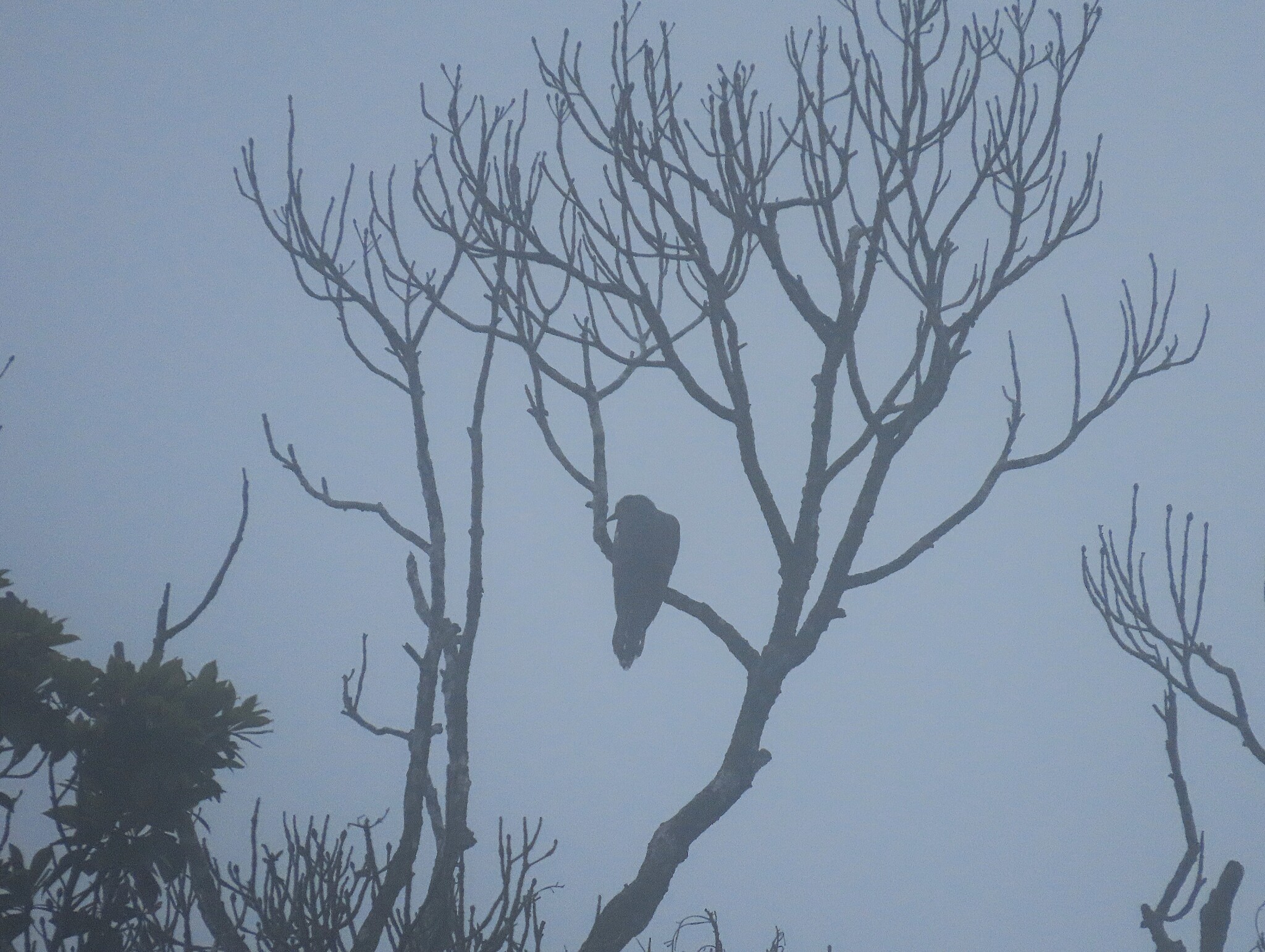
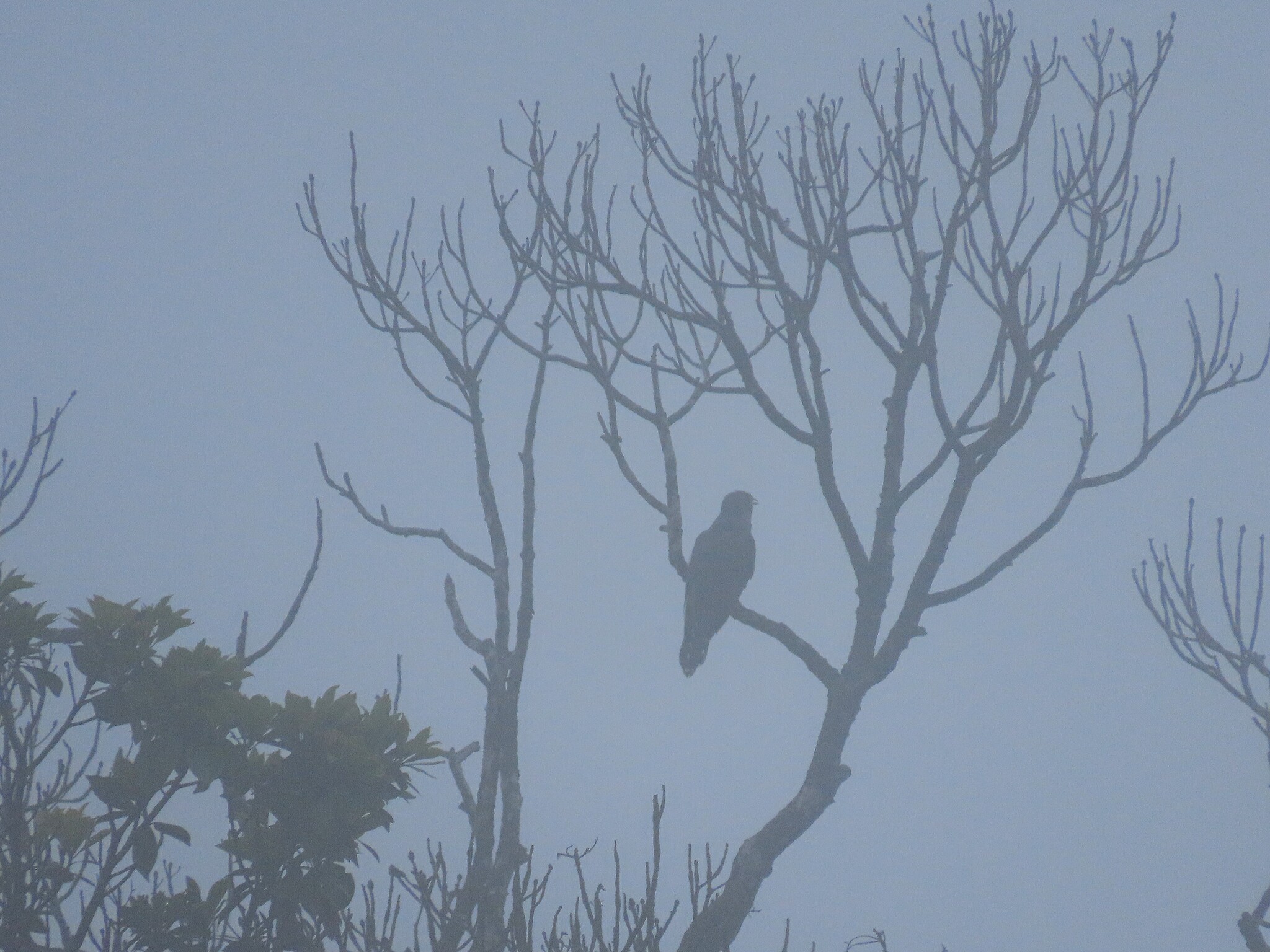
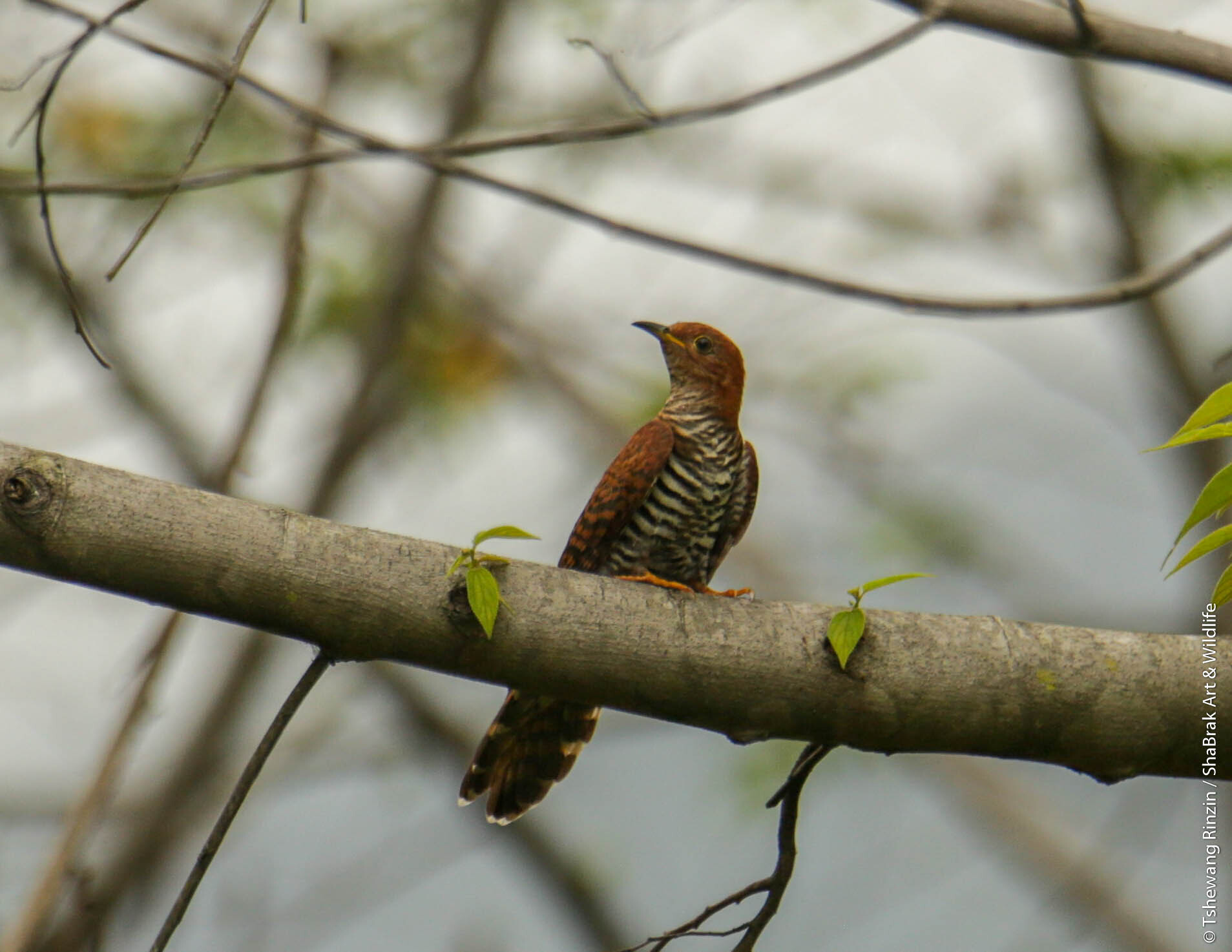
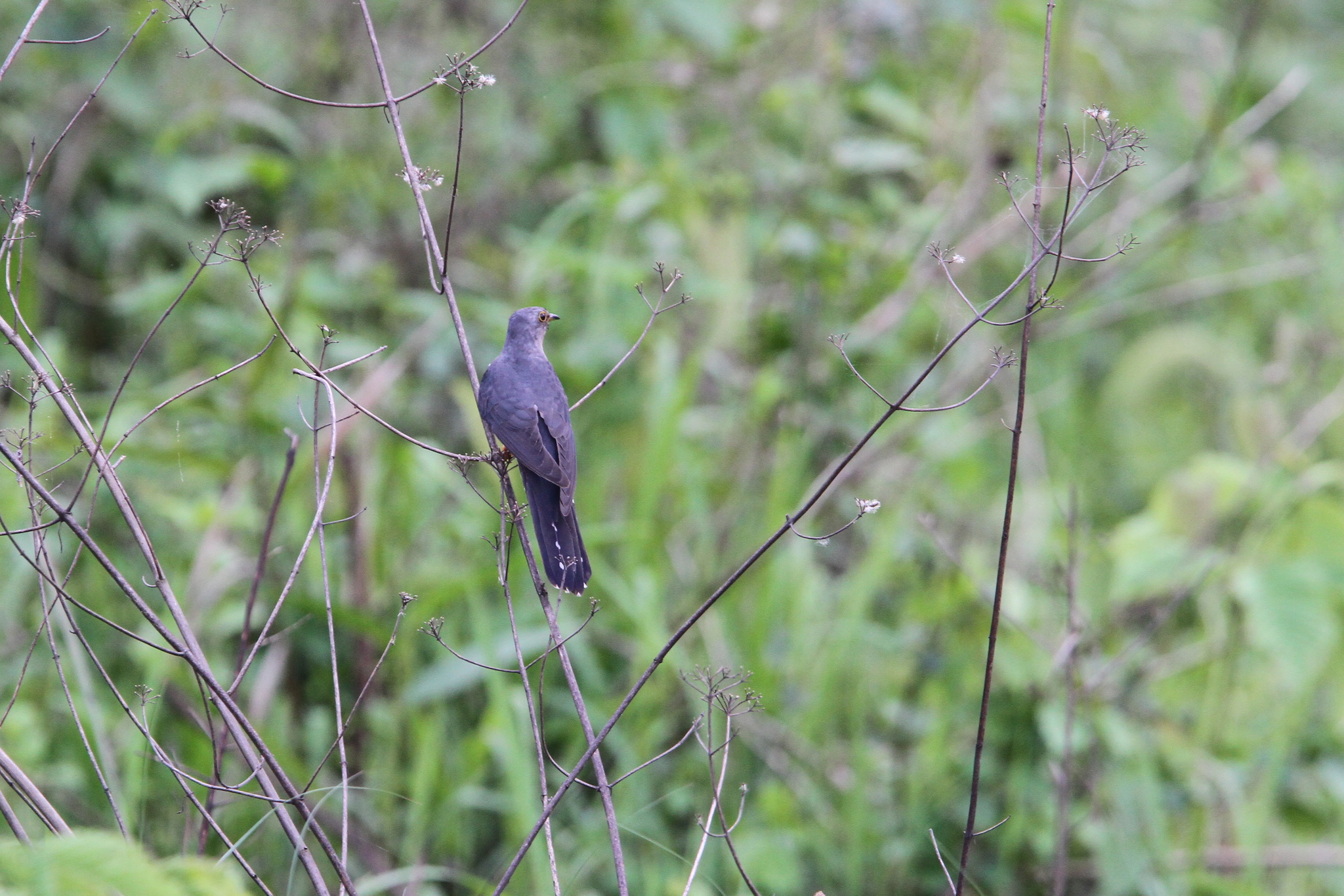
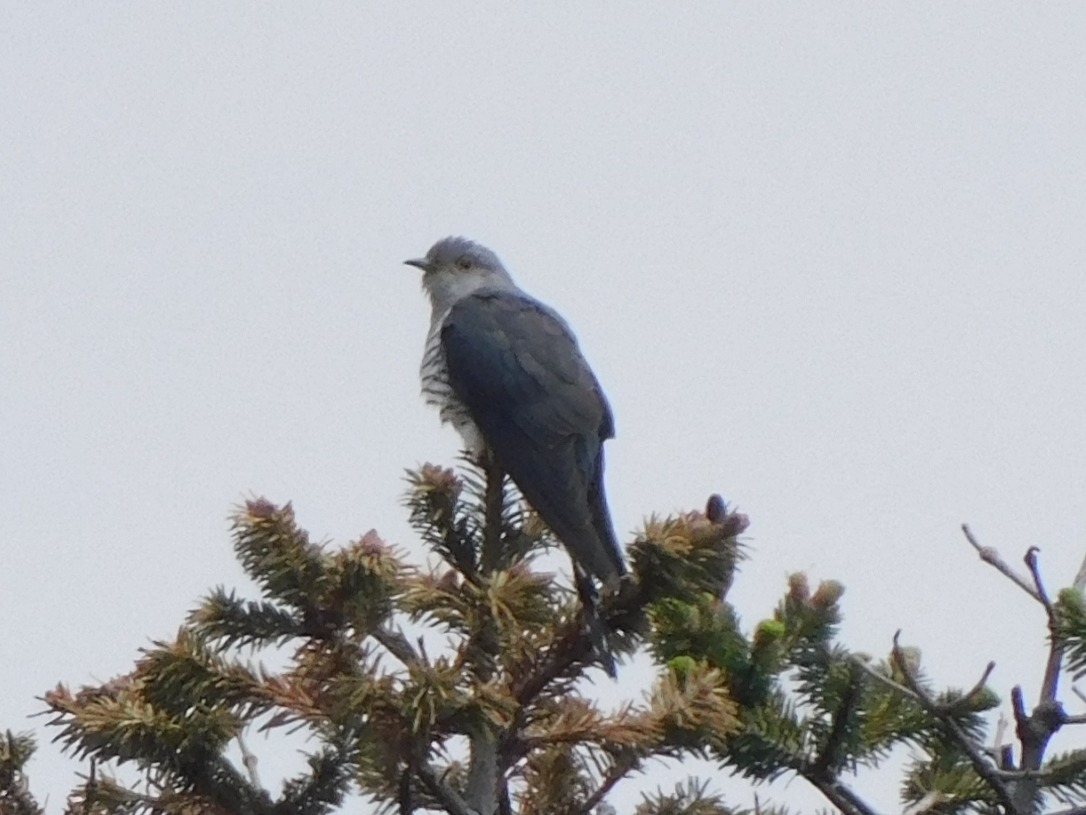
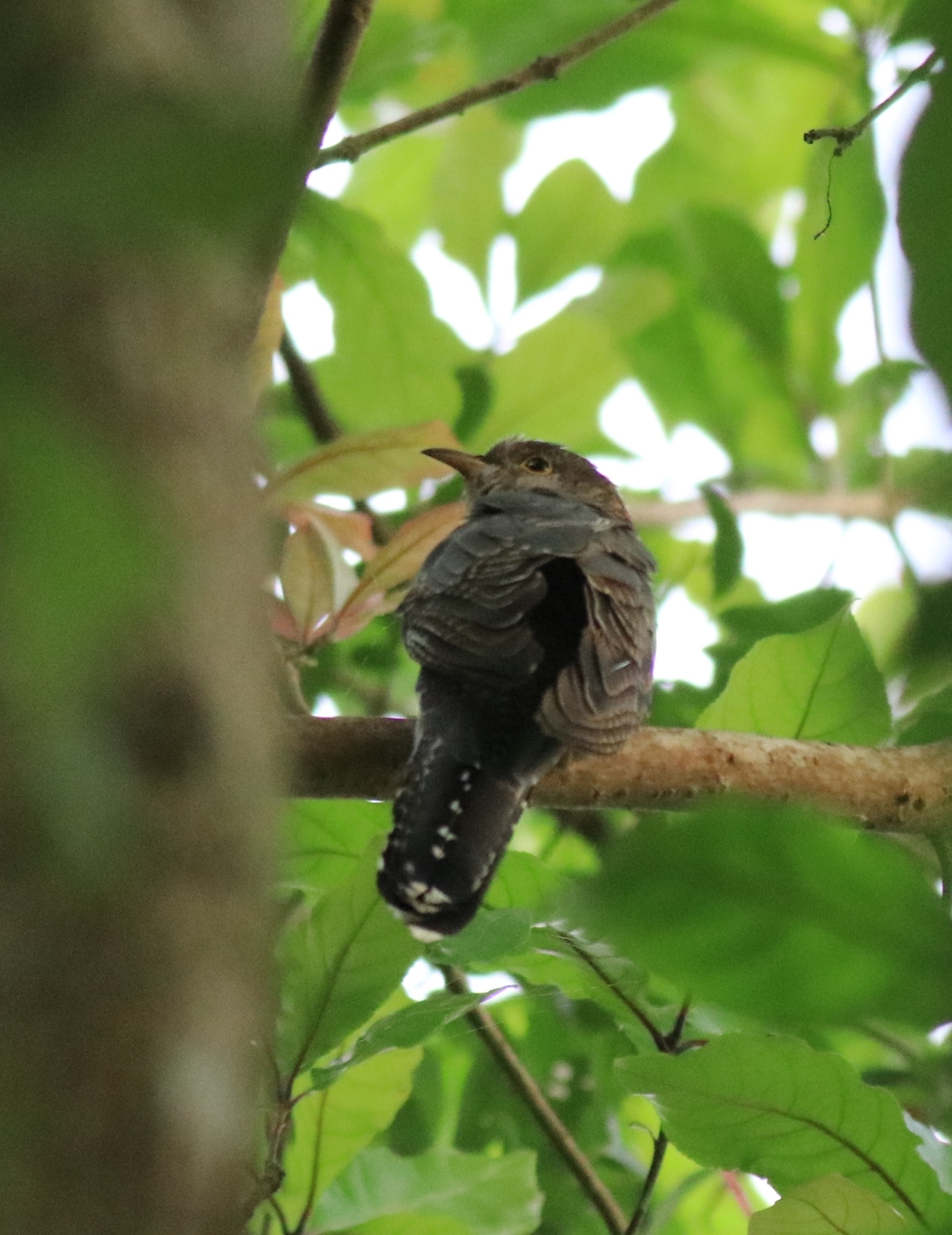
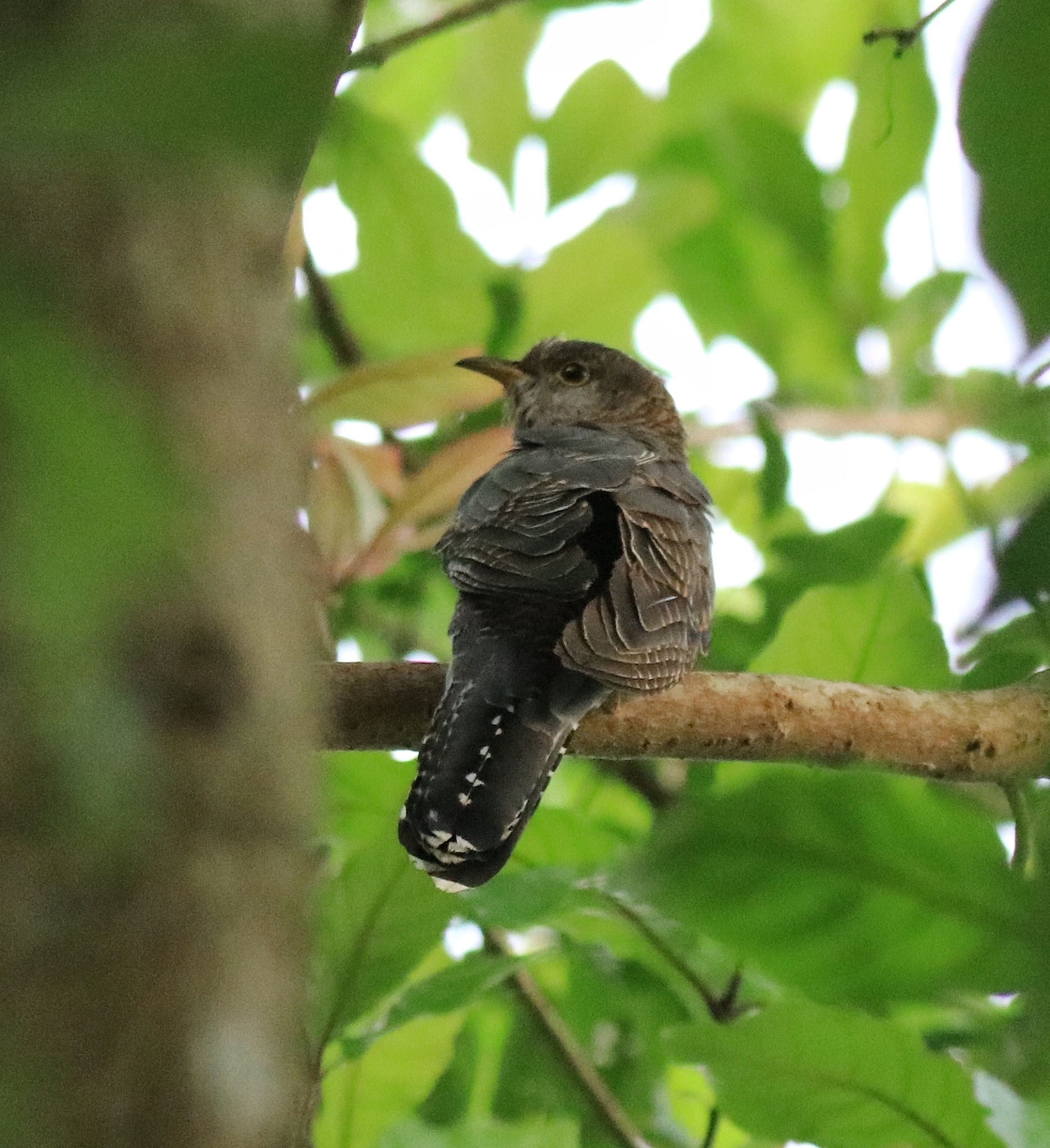
Lesser Cuckoo
Cuculus poliocephalus
小杜鹃
Distribution & Habitat
This species breeds across East Asia and the Himalayas, with its wintering grounds extending to East Africa and Sri Lanka.
Culture
In Japan, where it is called hototogisu (ホトトギス/杜鵑), the bird has been celebrated in poetry since the Kokin wakashū anthology of 920. The Pillow Book (1002) by Sei Shōnagon describes courtly excursions mounted specifically to hear its song, with participants expected to compose poetry on the occasion. It features prominently in poem 81 of the Hyakunin Isshu anthology by Tokudaiji Sanesada. The influential haiku magazine Hototogisu bears its name, and poet Masaoka Shiki adopted his pen name from the bird—shiki corresponds to the Chinese zǐguī, an alias for dùjuān. In Chinese, dùjuān serves as a generic name for cuckoos, with xiāodùjuān (小杜鵑) specifying this species as the 'lesser cuckoo.' Korean literature likewise associates its song with melancholy, representing the sound of sadness.
Source: Wikipedia · CC BY-SA 3.0
Taxonomy
- Order
- Cuculiformes
- Family
- Cuculidae
- Genus
- Cuculus
- eBird Code
- lescuc1
Distribution
breeds southern and eastern Asia; winters peninsular India, Sri Lanka, and eastern Africa
Vocalizations
Data Sources
Species description from Wikipedia, licensed under CC BY-SA 3.0.
Bird images and sounds sourced from GBIF, contributed by citizen scientists worldwide under Creative Commons licenses.
Taxonomy data from AviList 2025.