Rain Quail
Coturnix coromandelica
黑胸鹌鹑
Introduction
A small, ground-dwelling gamebird occurring across the plains and agricultural landscapes of the Indian Subcontinent and Southeast Asia. Inhabits grassland habitats, cropped fields, and scrubland from the Indus valley in Pakistan east through the Gangetic plains of India and Nepal, across the peninsula, and into Bangladesh, Myanmar, Thailand, Cambodia, and Vietnam. Forages on the ground in open terrain. Produces a distinctive metallic, repetitive pair of notes vocalization, given most actively during the breeding season when calling continues through the night as well as during morning and evening hours. Undertakes seasonal movements, with birds becoming more visible in winter as populations shift southward.
Description
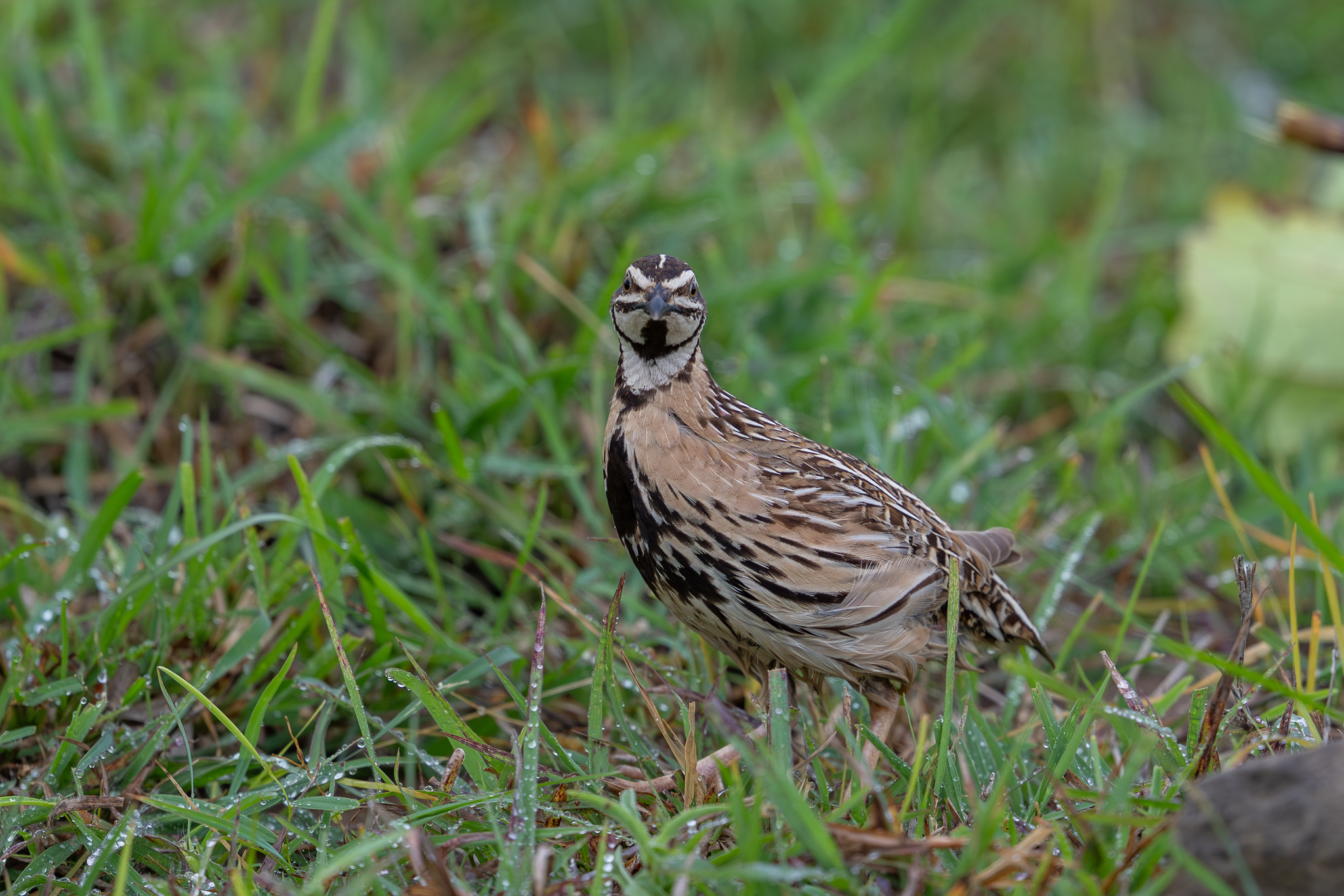
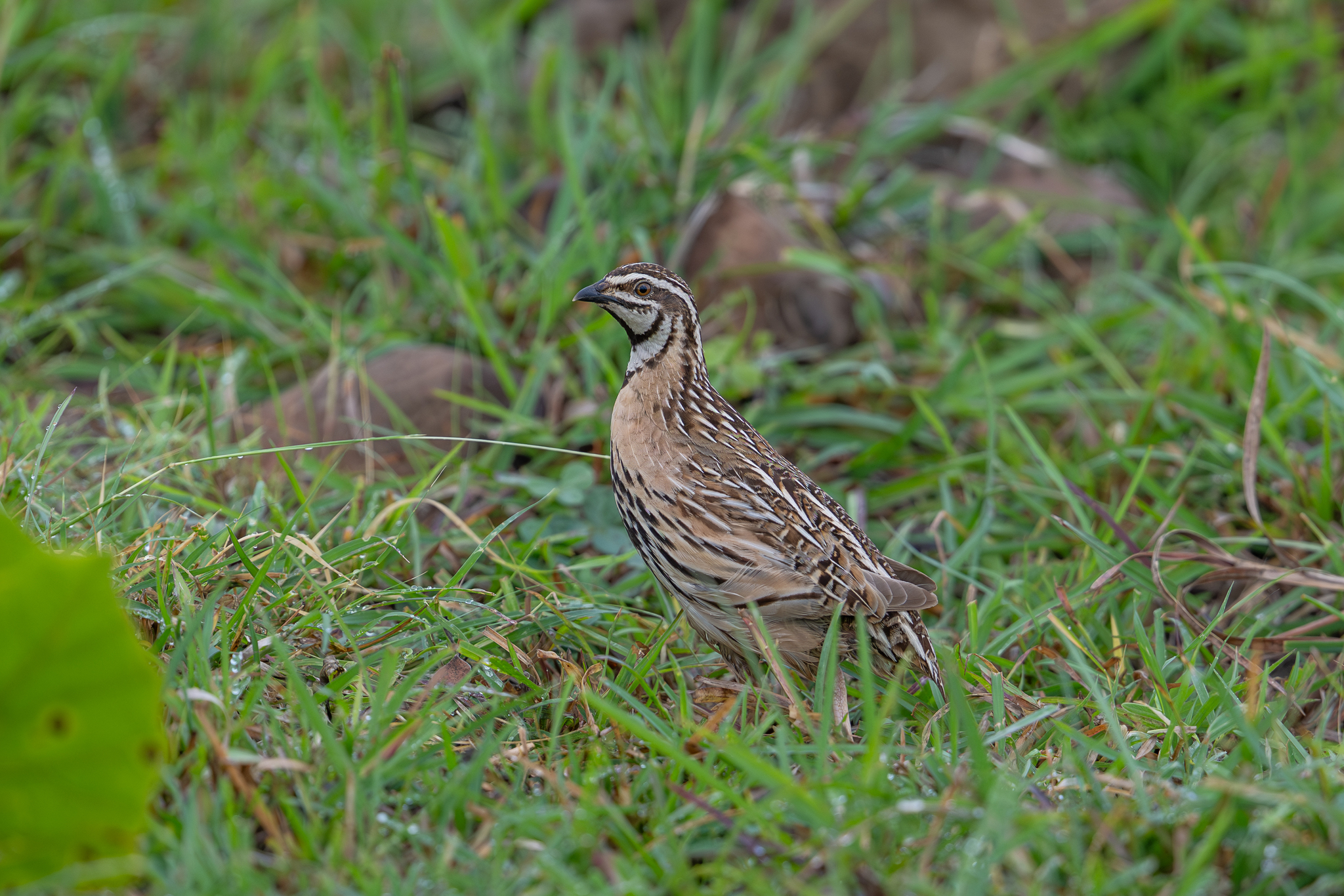
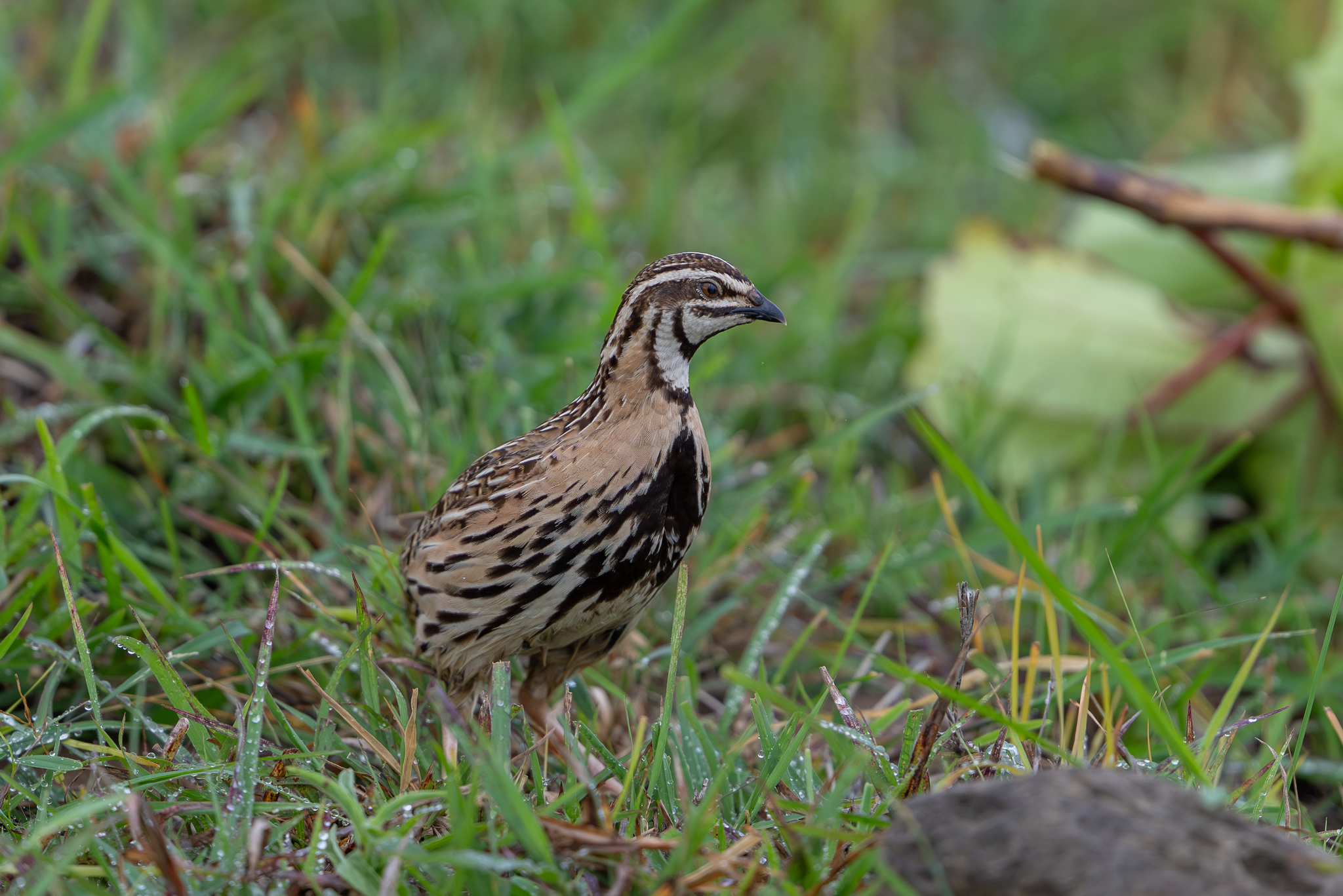
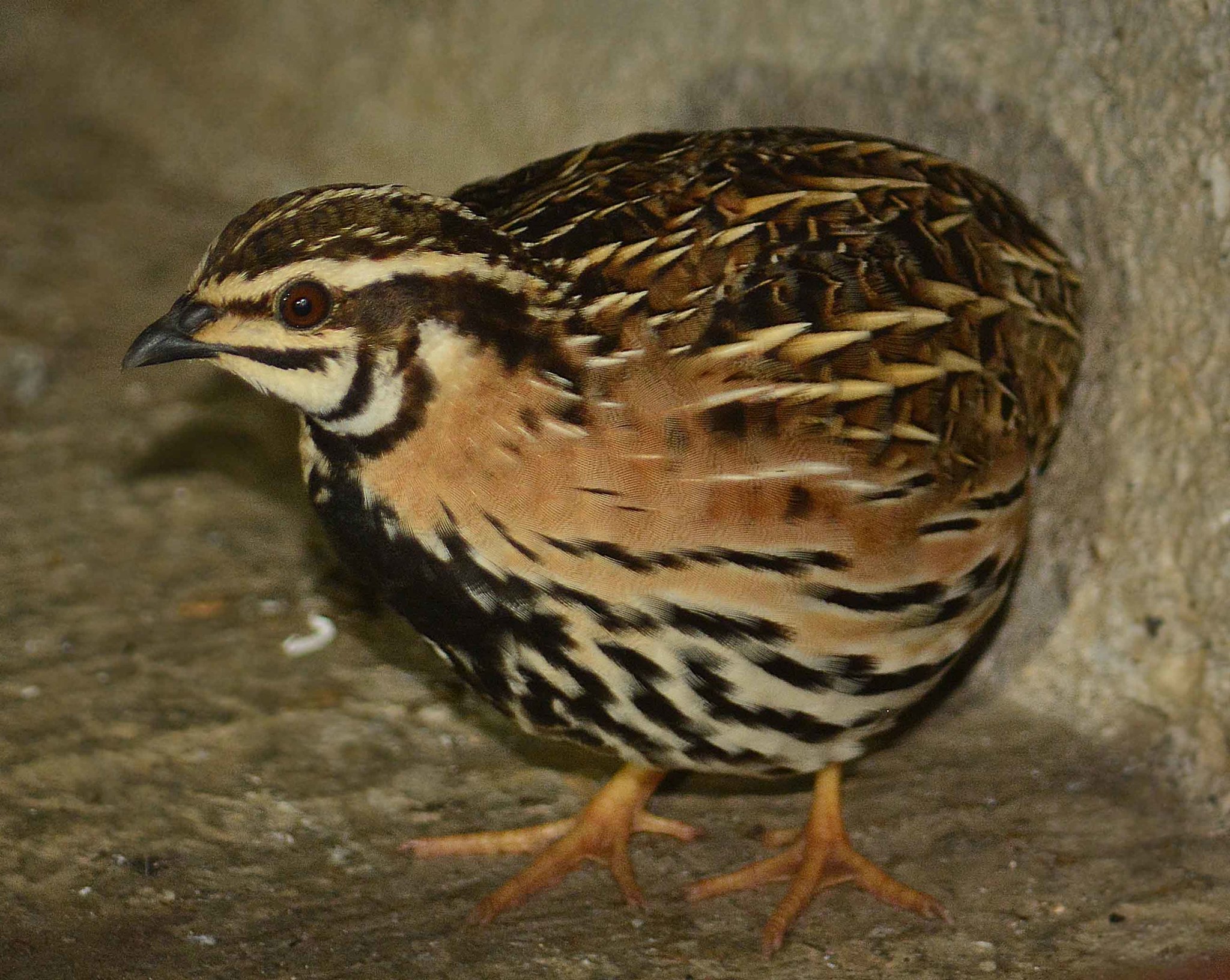
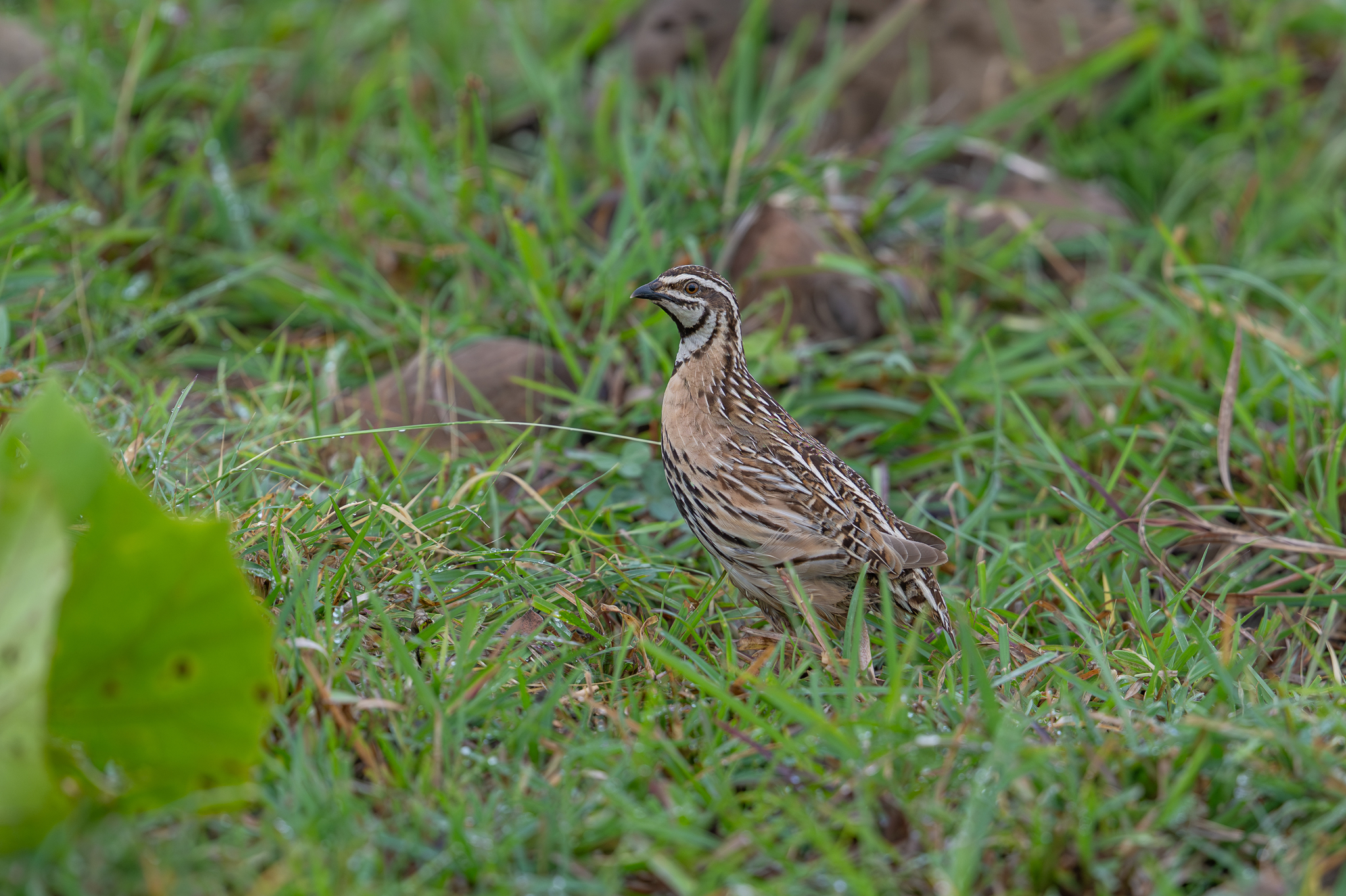
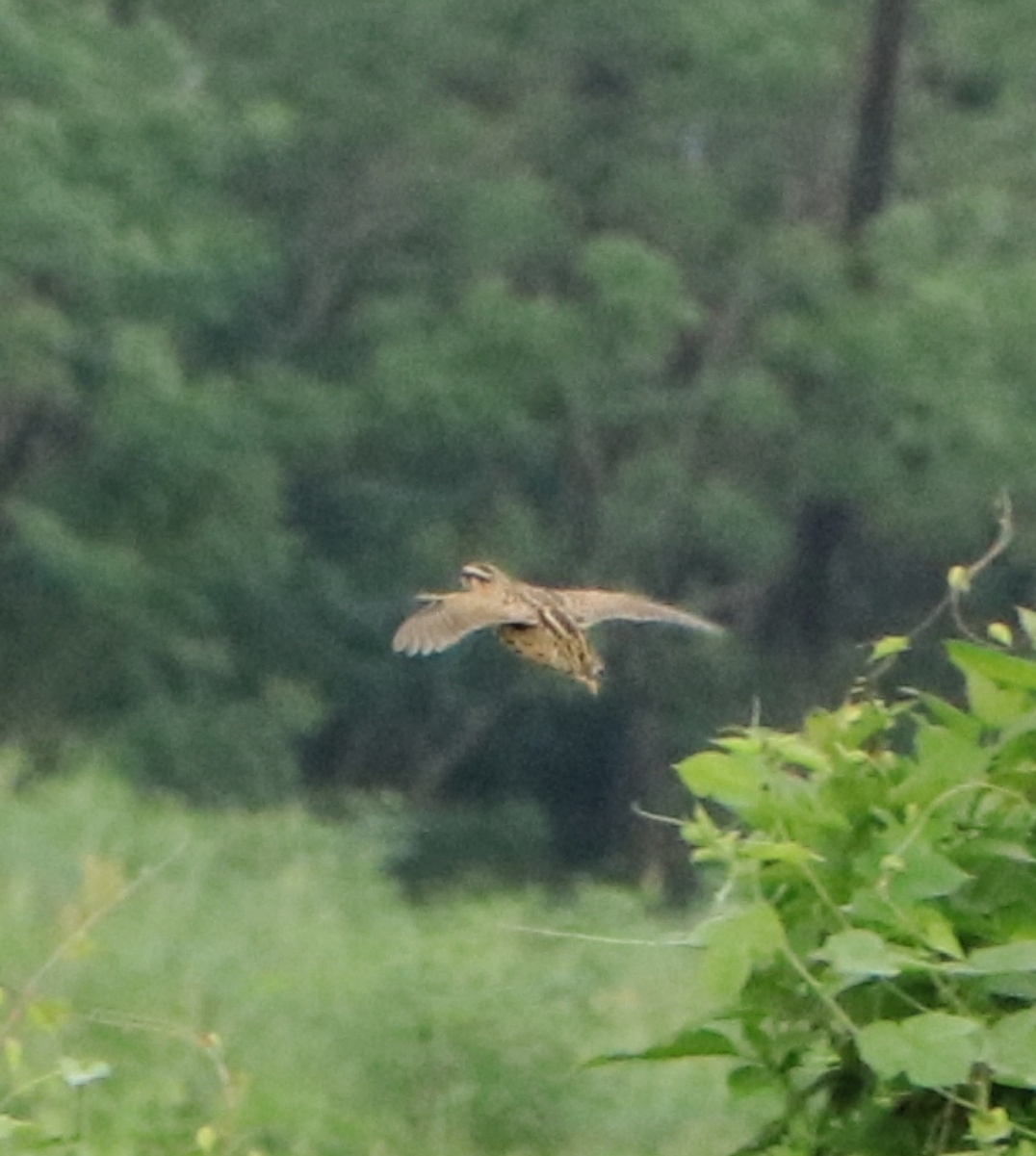
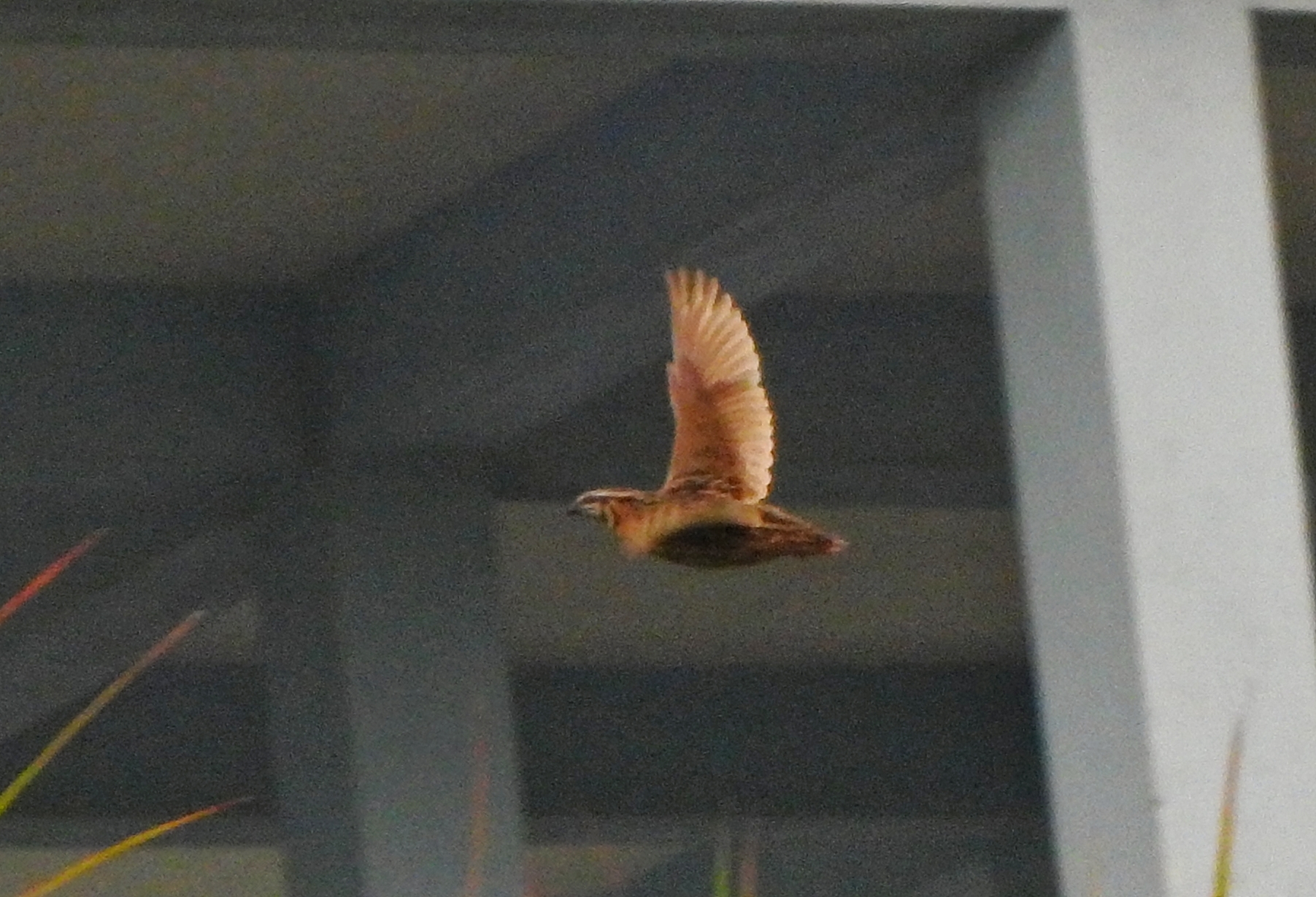
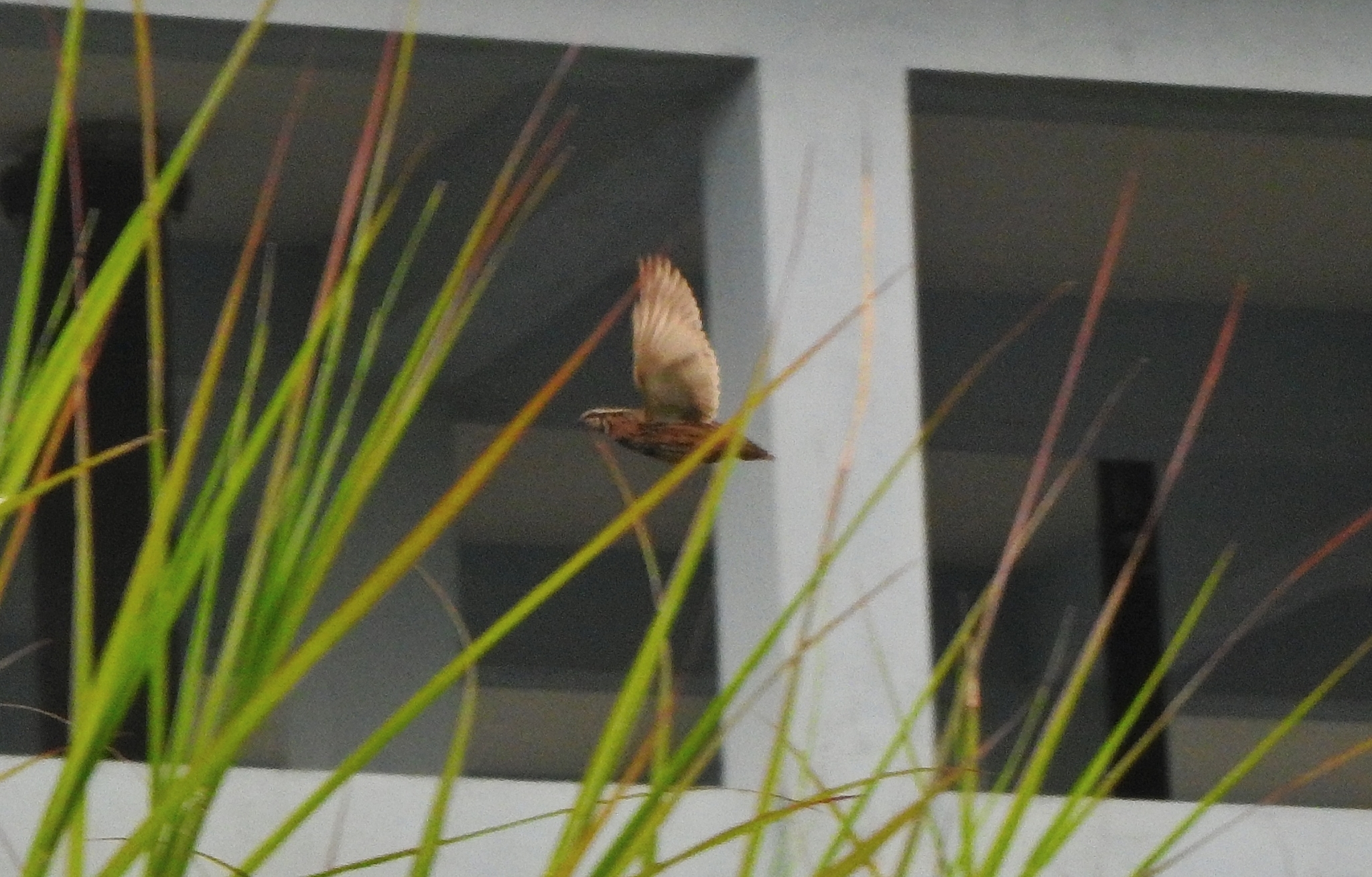
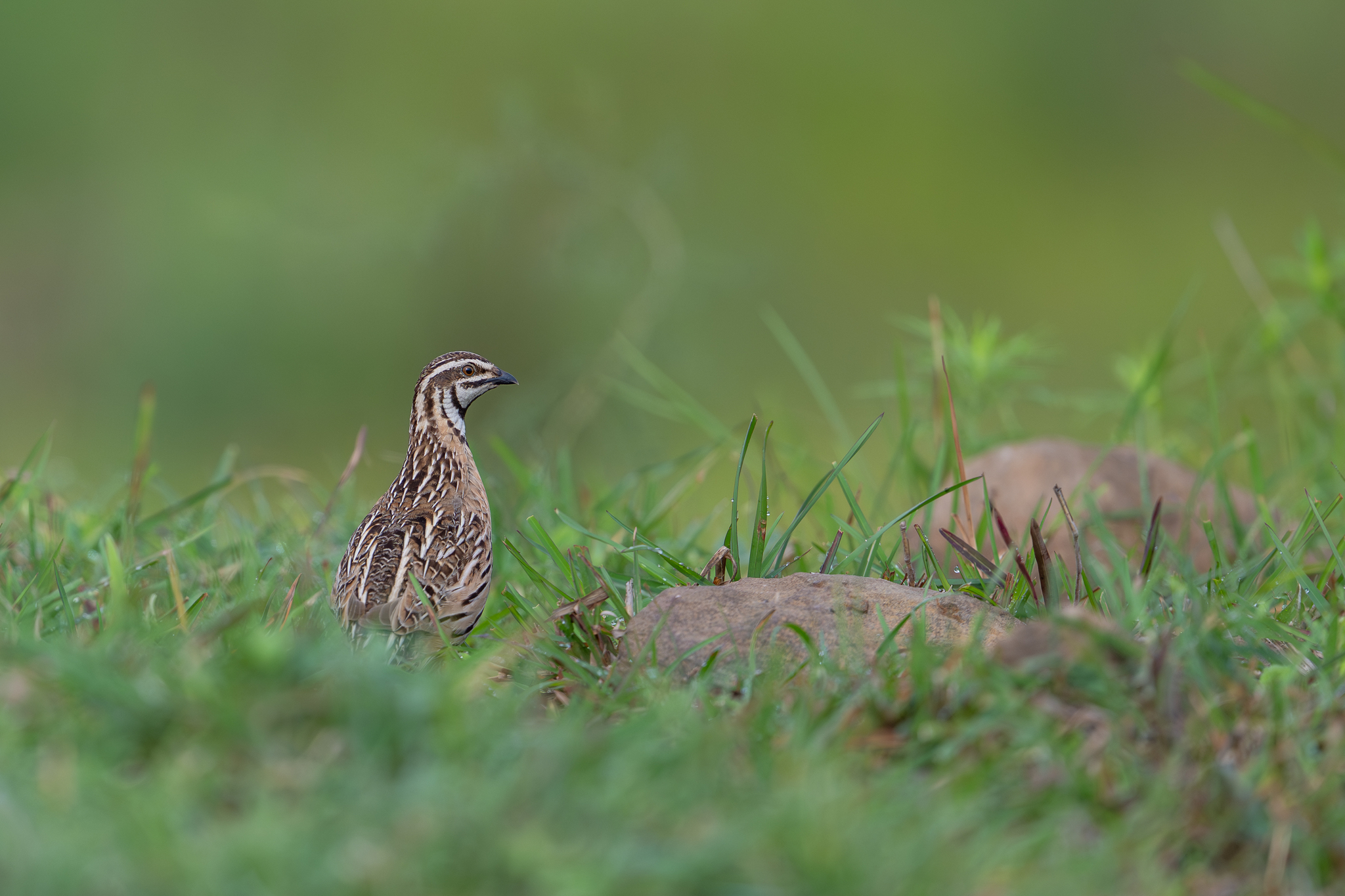
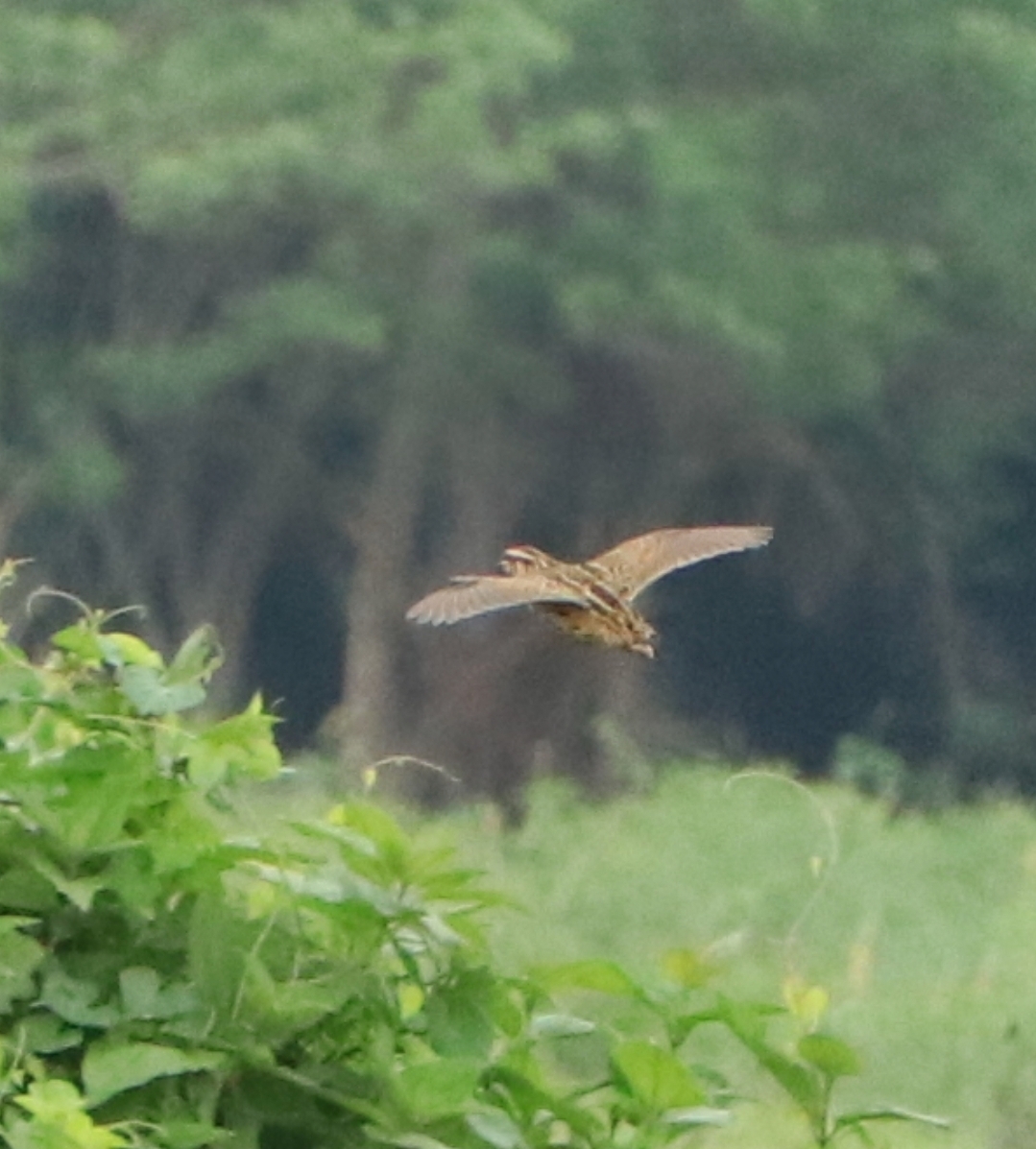
This is a compact, small quail measuring 15-17 cm in length and weighing approximately 64-71 g. The plumage is overall brown and buff, providing excellent camouflage in grassland and agricultural habitats. The male is distinctive with a bold black breast patch and a striking head pattern combining black and white markings. The wing lacks barring on the primaries, which helps distinguish it from some other quail species. The female is more subdued, resembling other Coturnix females but showing more delicate spotting on the breast compared to female common quail and Japanese quail.
Identification
The male's black breast patch and black-and-white head pattern make it unmistakable when seen well. The female presents more of a challenge, as it closely resembles female common quail and Japanese quail. The key distinguishing feature is the more delicate, finer spotting on the breast compared to those species. The lack of barring on the primaries is another useful识别特征. The characteristic metallic double-note call is perhaps the most reliable way to identify this species, as it sounds distinctly different from the common quail's call.
Distribution & Habitat
This species occurs across the Indian Subcontinent and parts of Southeast Asia, including Pakistan, India, Nepal, Sri Lanka, Bangladesh, Myanmar, Thailand, Cambodia, and Vietnam. It inhabits grassland, cropped fields, and scrubland throughout the Indus valley region, Gangetic plains, and peninsular continental India. The population is largely sedentary but shows seasonal movements, with birds seen more frequently in southern areas during winter months.
Behavior & Ecology
The diet consists primarily of seeds from grasses and other plants, supplemented by insect larvae and small invertebrates. Breeding occurs from March through October, with peak activity coinciding with the arrival of the southwesterly monsoon season in June. The nest is a simple scrape in the ground, often placed in the open beneath a Euphorbia bush or similar shelter. Clutches typically contain six to eight eggs, incubated for 16-18 days. Chicks are precocial, leaving the nest shortly after hatching and remaining with their parents for approximately eight months. The characteristic call is a metallic 'quit-quit' given in pairs and repeated constantly, most vocal during mornings and evenings and throughout the night during the breeding season.
Conservation
The species has a very large range and the population is considered stable. It remains a common bird throughout much of its distribution. The International Union for Conservation of Nature has assessed its conservation status as 'Least Concern', indicating no significant threats to global populations at present.
Culture
In Khmer culture, this bird holds symbolic significance and is often represented at the center of certain yantra cloths. These depictions serve as an auspicious sign associated with the protection of homes, reflecting the species' cultural importance in traditional Cambodian belief systems.
Source: Wikipedia · CC BY-SA 3.0
Taxonomy
- Order
- Galliformes
- Family
- Phasianidae
- Genus
- Coturnix
- eBird Code
- raiqua1
Distribution
Pakistan to Myanmar and western Thailand
Data Sources
CBR Notes: 2024年8月7日,云南芒市,谢利、李世鹏、陈思桥、白冰、杜银磊、张文
Species description from Wikipedia, licensed under CC BY-SA 3.0.
Bird images and sounds sourced from GBIF, contributed by citizen scientists worldwide under Creative Commons licenses.
Taxonomy data from AviList 2025.