House Crow
Corvus splendens
家鸦
Introduction
This corvid species has become one of the most widespread urban birds in tropical and subtropical regions worldwide. Native to South Asia, it has colonized East Africa, the Middle East, Southeast Asia, and more recently Europe and North America, primarily through shipping routes. It occurs in cities, towns, and villages in close association with human settlements. The diet is omnivorous, including refuse, small animals, insects, fruit, and grain. It forages during daylight hours in streets, markets, and garbage areas. The species exhibits communal roosting and group foraging behavior.
Description
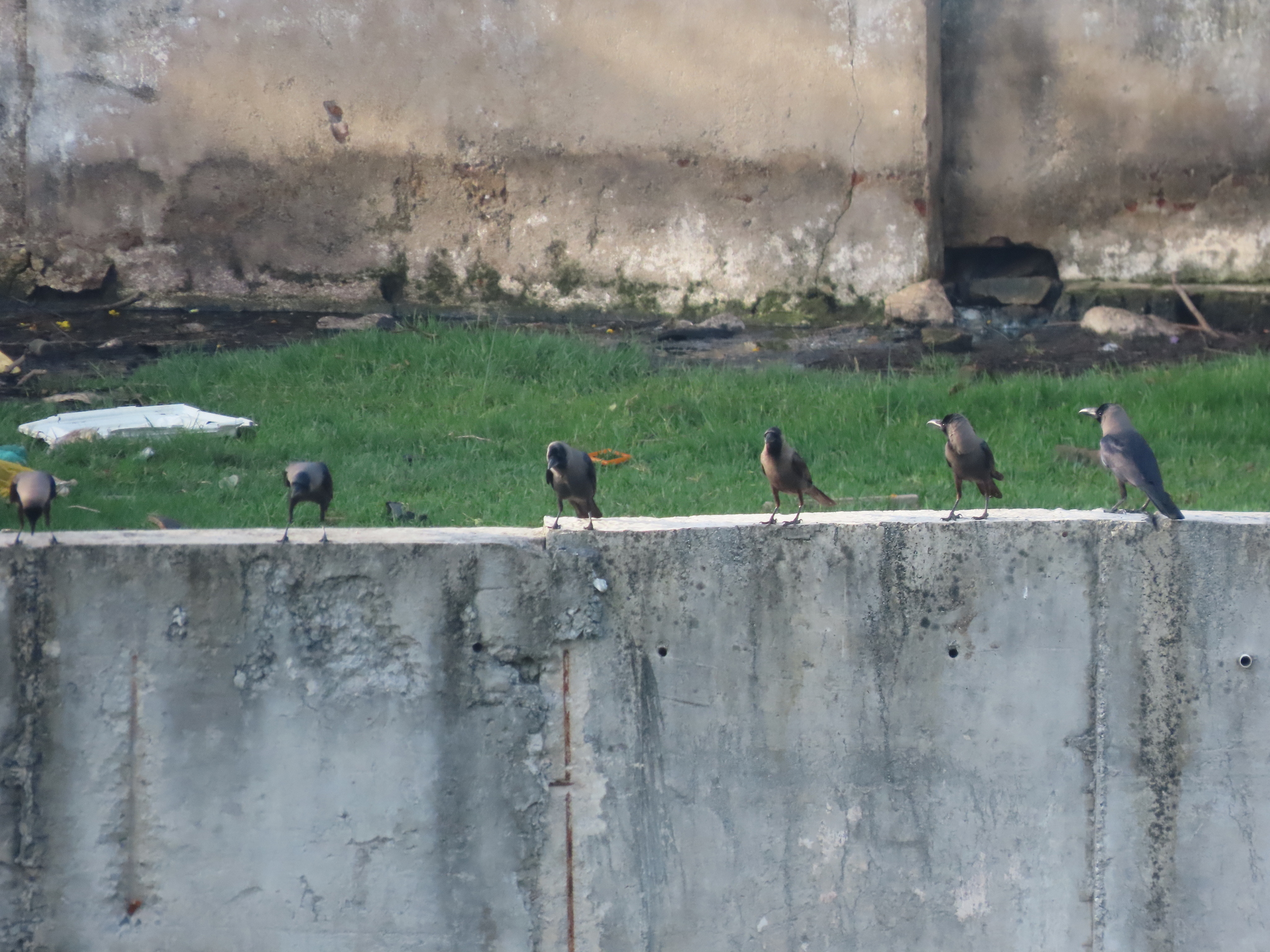
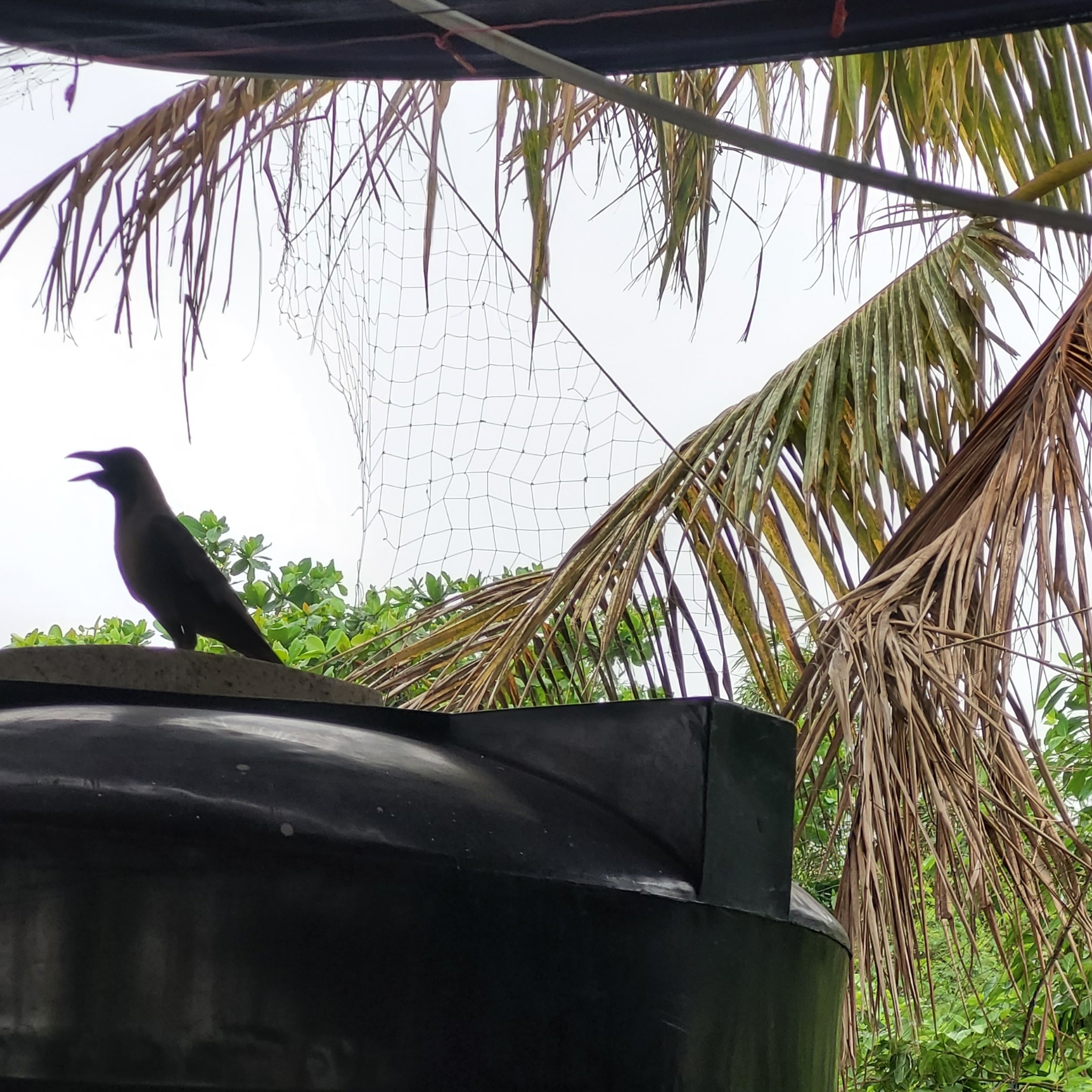
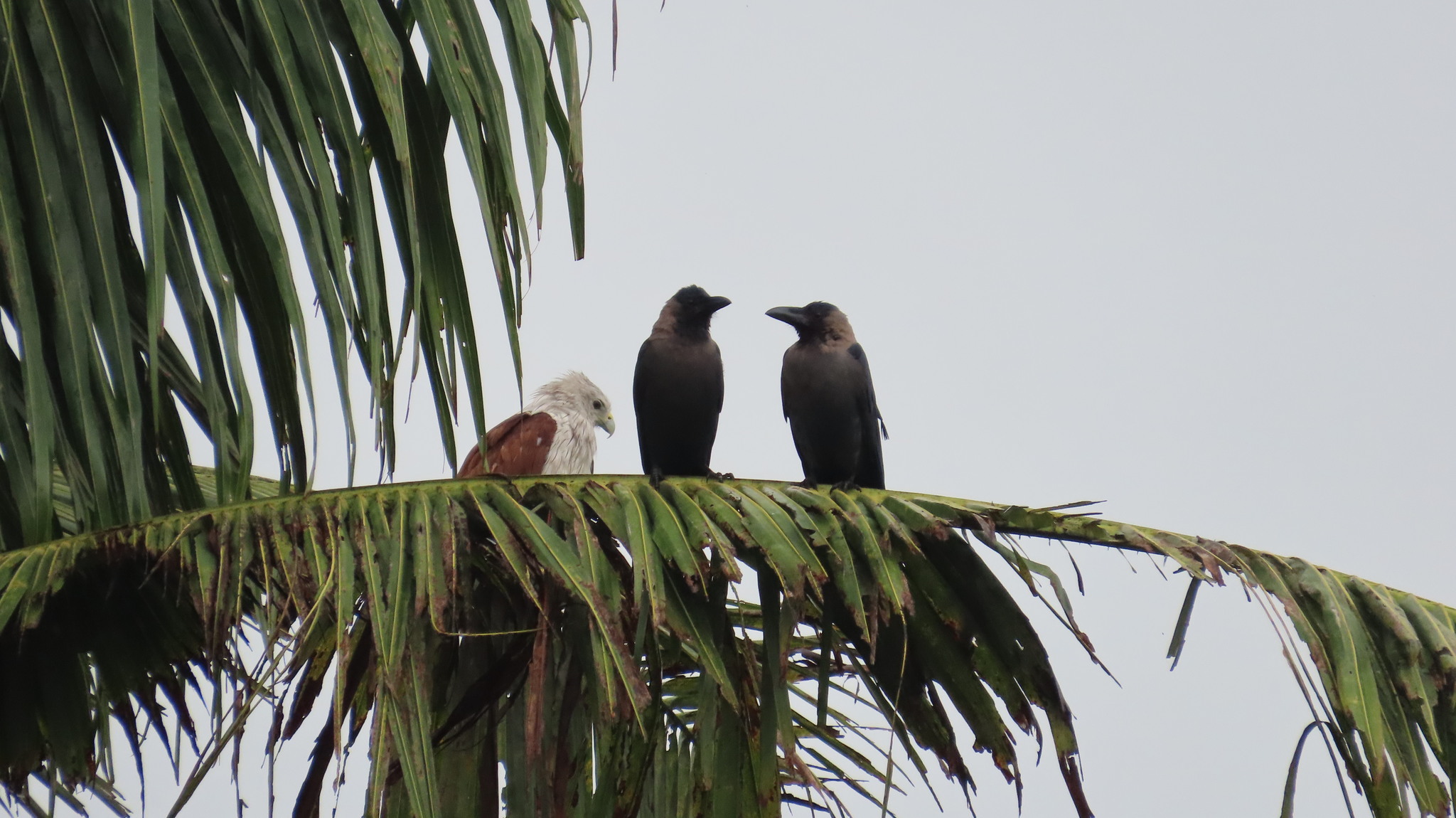
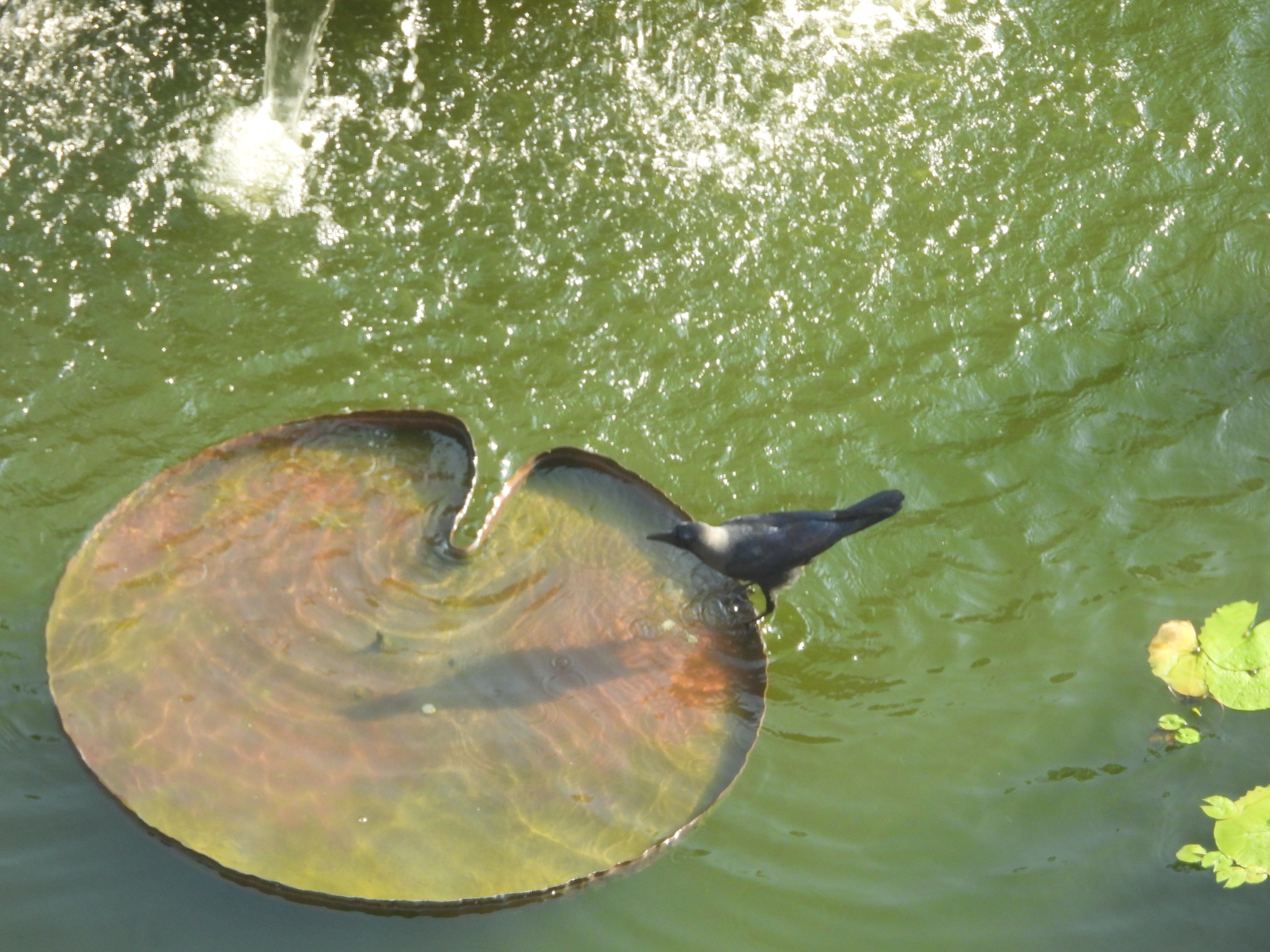
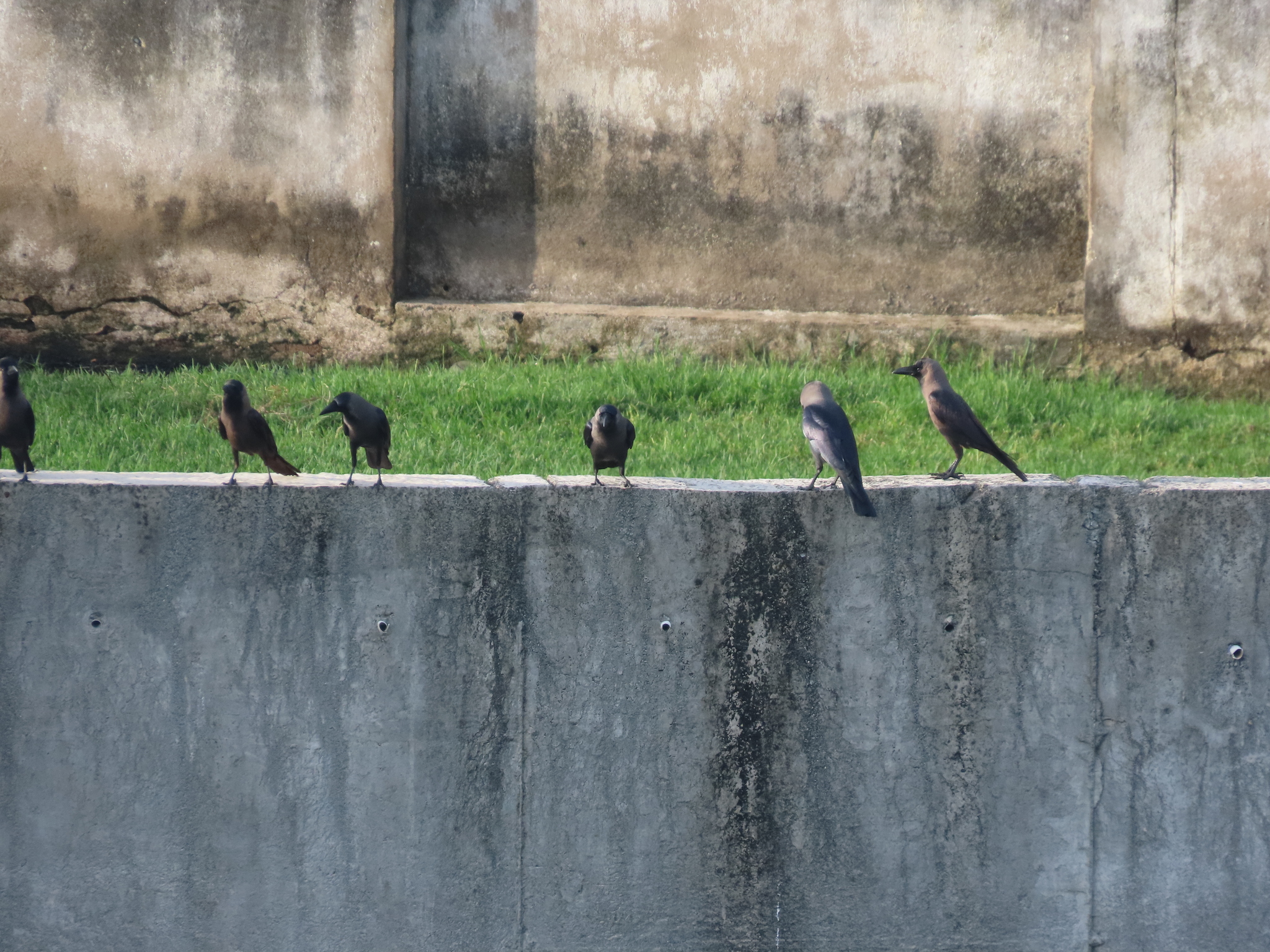
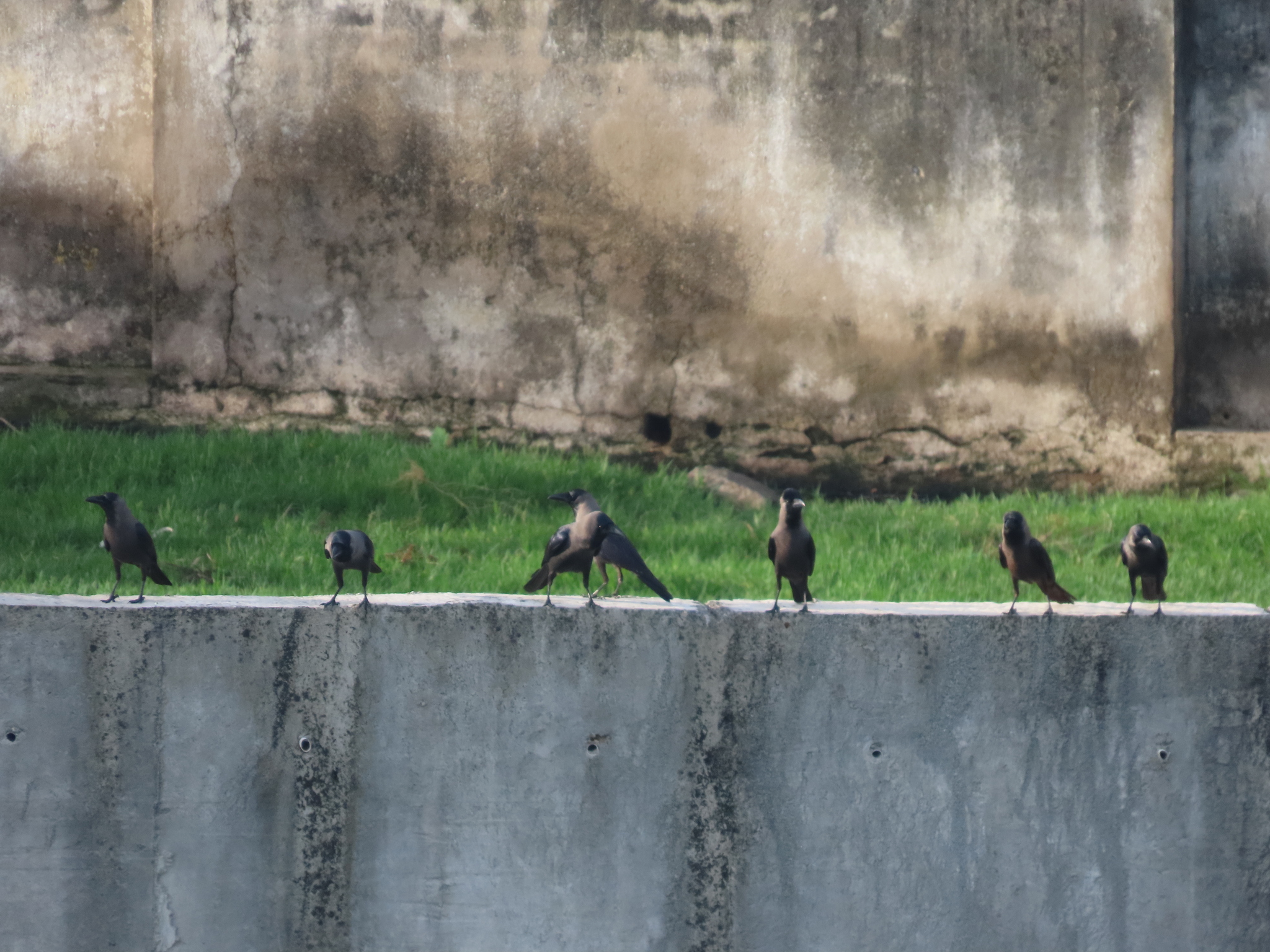
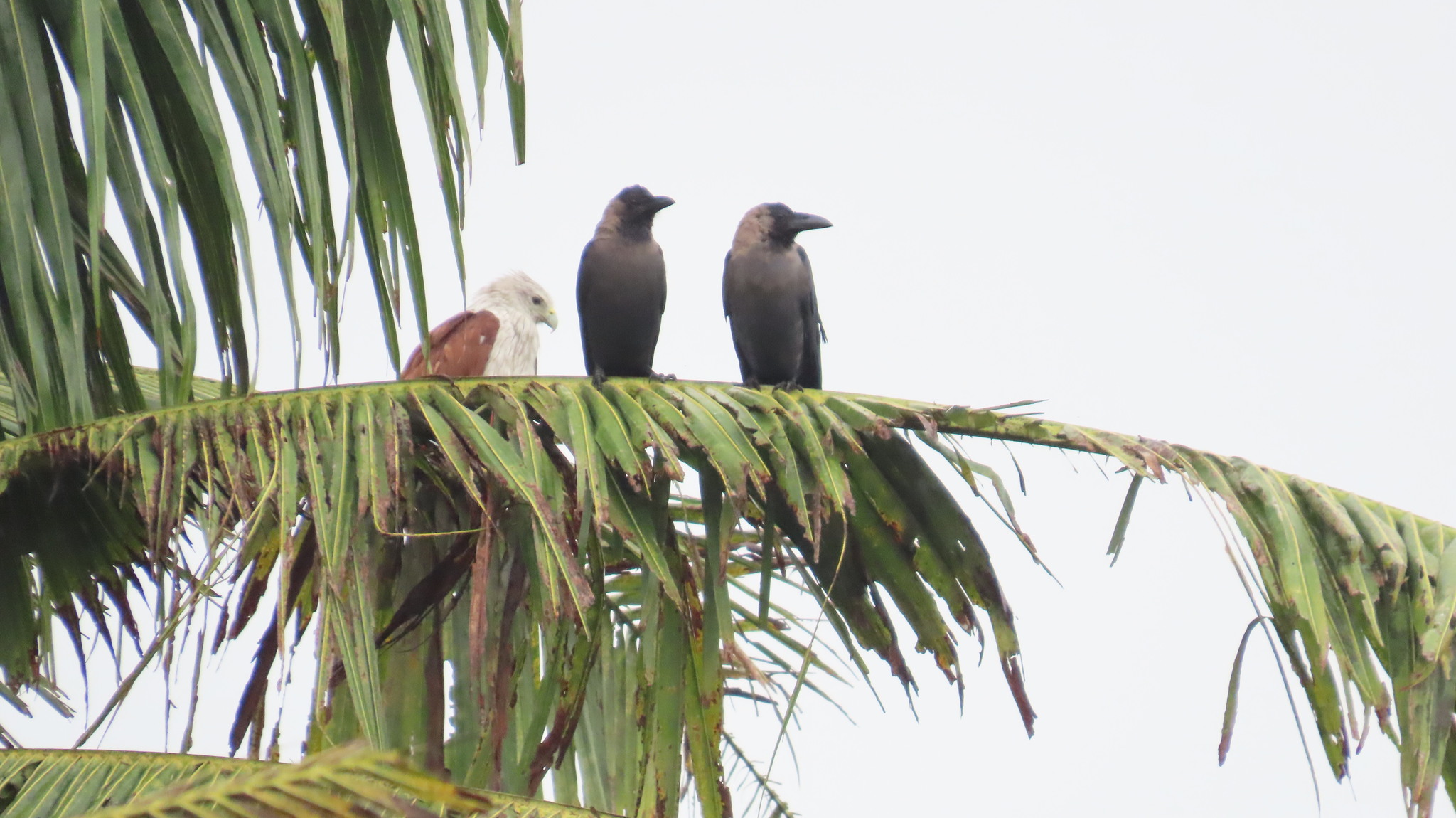
This medium-sized crow measures approximately 40 centimeters in length, falling between the jackdaw and carrion crow in size but appearing notably slimmer than either species. The plumage shows a striking contrast between the deeply glossy black of the forehead, crown, throat, and upper breast against the lighter grey-brown coloration of the neck and lower breast. The wings, tail, and legs are uniformly black. Four subspecies are recognized, showing regional variation in neck collar intensity and bill thickness, from the bold grey collar of northern populations to the near-absence of grey in Myanmar populations.
Identification
The combination of black head and throat with a grey-brown neck and breast distinguishes this species from most other crows in its range. The pale grey collar, when present, is a key field mark separating it from the all-black carrion crow. Compared to the smaller jackdaw, it lacks the pale eye and has a less compact appearance. In flight, the slimmer profile and contrasting neck patch are useful识别 features. The harsh, repetitive 'kaaw-kaaw' call is characteristic and often heard in urban settings.
Distribution & Habitat
Native range spans South Asia including Nepal, Bangladesh, India, Pakistan, Sri Lanka, Maldives, Laccadive Islands, southern Myanmar, south Thailand, and coastal southern Iran. Introduced populations established in East Africa around Zanzibar and Port Sudan. More recent range expansion includes Hong Kong with 200-400 birds in Sham Shui Po and Kowloon Tsai Park, Hook of Holland in the Netherlands since 1998, Cork Harbour Ireland since 2010, and St. Petersburg Florida. Strongly associated with human settlements throughout its range, from villages to major cities. Singapore recorded densities of 190 birds per square kilometer in 2001. Listed as an invasive species of concern by the European Union.
Behavior & Ecology
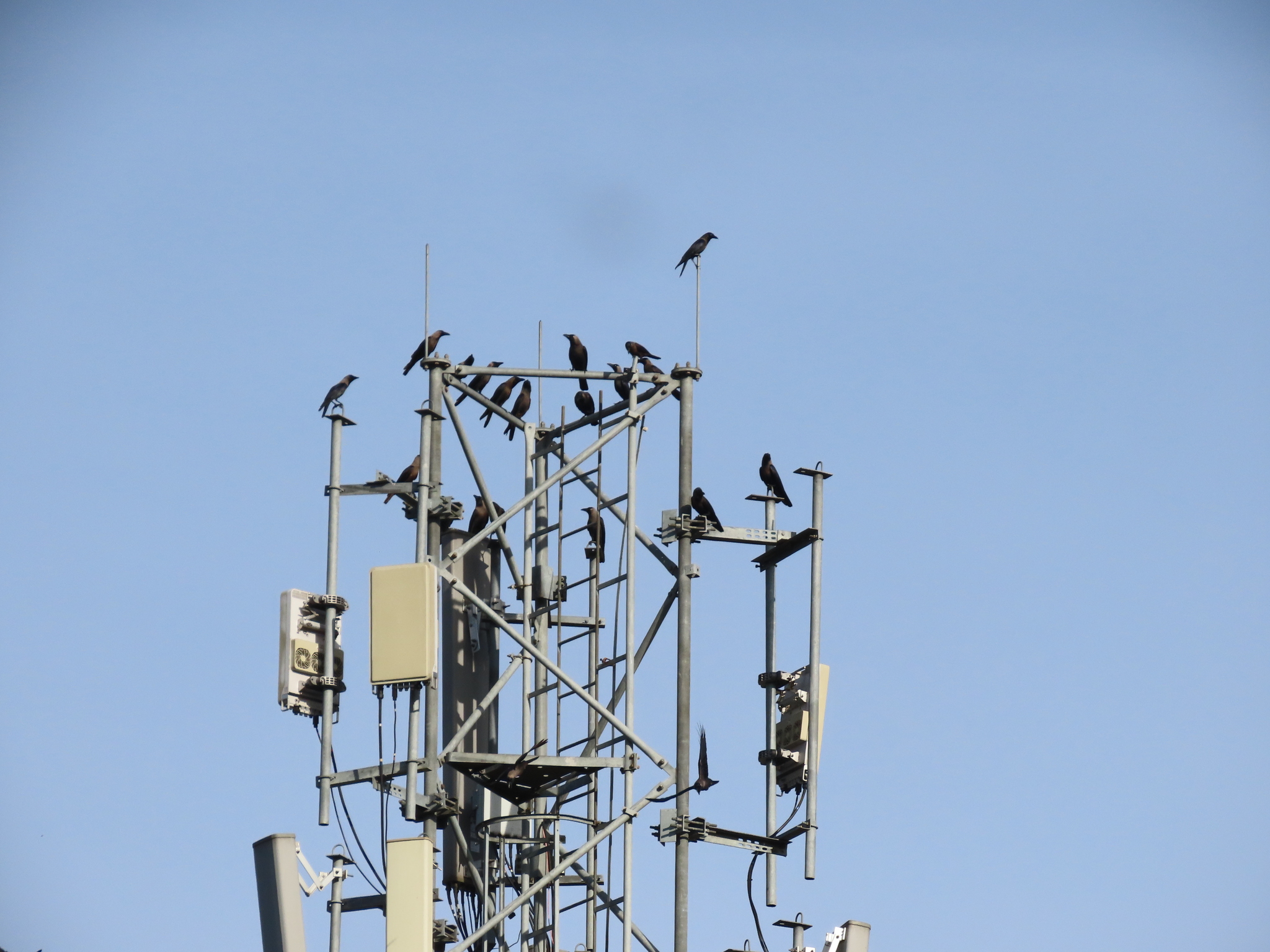
Diet consists of refuse, small reptiles, mammals, insects, eggs, nestlings, grain, and fruit. Highly opportunistic forager taking food from ground and trees, with observed predation on baby squirrels. Breeding occurs April to July in South Asia and Malaysia, with 3-5 eggs in stick nests placed in large trees with dense crowns. Nests occasionally cluster in single trees. Roosts communally near human habitation in well-lit areas near food sources, using tall trees with dense crowns. Pre-roosting aggregations form on rooftops, antennas, and wayside trees before descending to roosts. Voice is a harsh 'kaaw-kaaw' call.
Conservation
Widespread and abundant throughout its extensive global range. Not currently considered threatened at the global level, with populations stable or increasing in many areas due to human population growth and urbanization. However, classified as an invasive species of concern by the European Union, with eradications attempted on Socotra Island, Yemen, and populations monitored elsewhere. Potential disease vector for Newcastle disease and cryptococcosis in humans, though this has not affected its overall population status.
Culture
While not prominent in folklore or cultural traditions, this species has been noted in scientific literature for carrying diseases including Newcastle disease and cryptococcosis. Pathologist T.R. Lewis documented high levels of haematozoa in house crows from Calcutta, contributing to early studies of blood parasites in birds. The species appears in various photographs documenting urban wildlife across its range, from Indian cities to Southeast Asian markets.
Source: Wikipedia · CC BY-SA 3.0
Taxonomy
- Order
- Passeriformes
- Family
- Corvidae
- Genus
- Corvus
- eBird Code
- houcro1
Vocalizations
Subspecies (5)
-
Corvus splendens insolens
southern Myanmar to southwestern Thailand and southwestern China (western Yunnan)
-
Corvus splendens maledivicus
Laccadive and Maldive islands
-
Corvus splendens protegatus
Sri Lanka
-
Corvus splendens splendens
India south of the Himalayas; ship-assisted immigrant to Western Australia
-
Corvus splendens zugmayeri
coastal southern Iran to southern Kashmir and northwestern India
Data Sources
Species description from Wikipedia, licensed under CC BY-SA 3.0.
Bird images and sounds sourced from GBIF, contributed by citizen scientists worldwide under Creative Commons licenses.
Taxonomy data from AviList 2025.