Indian Cuckooshrike
Coracina macei
大鹃鵙
Introduction
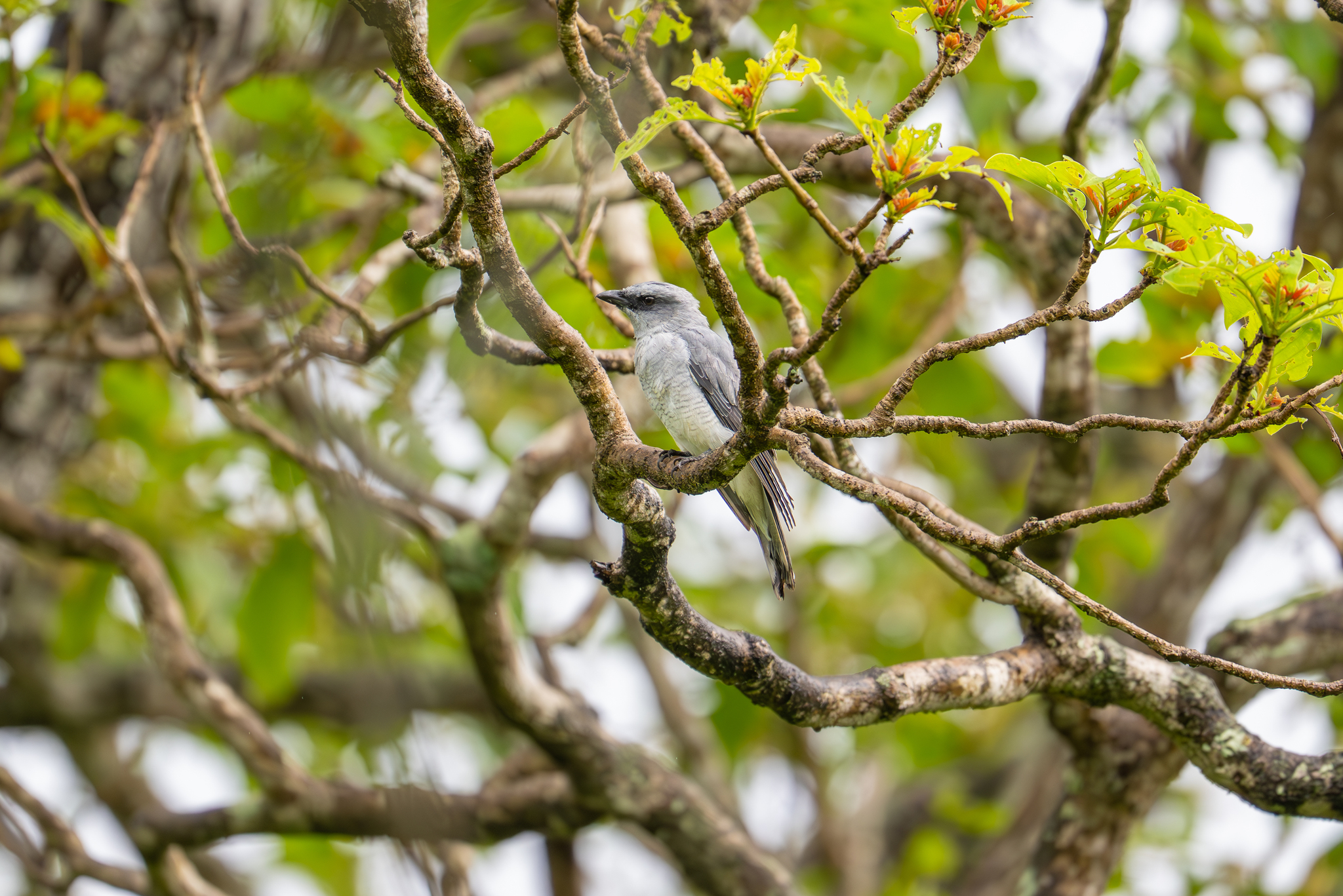
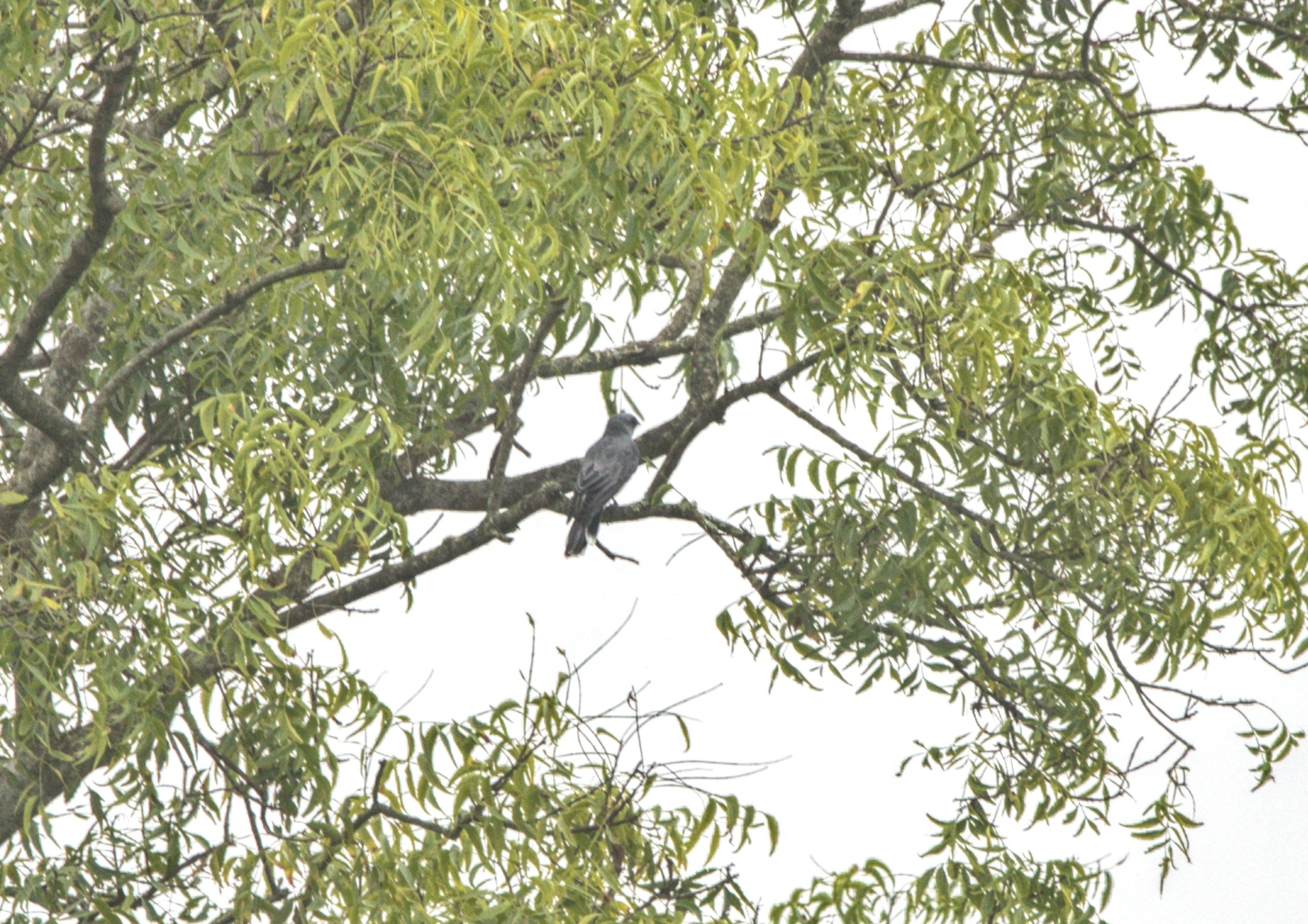
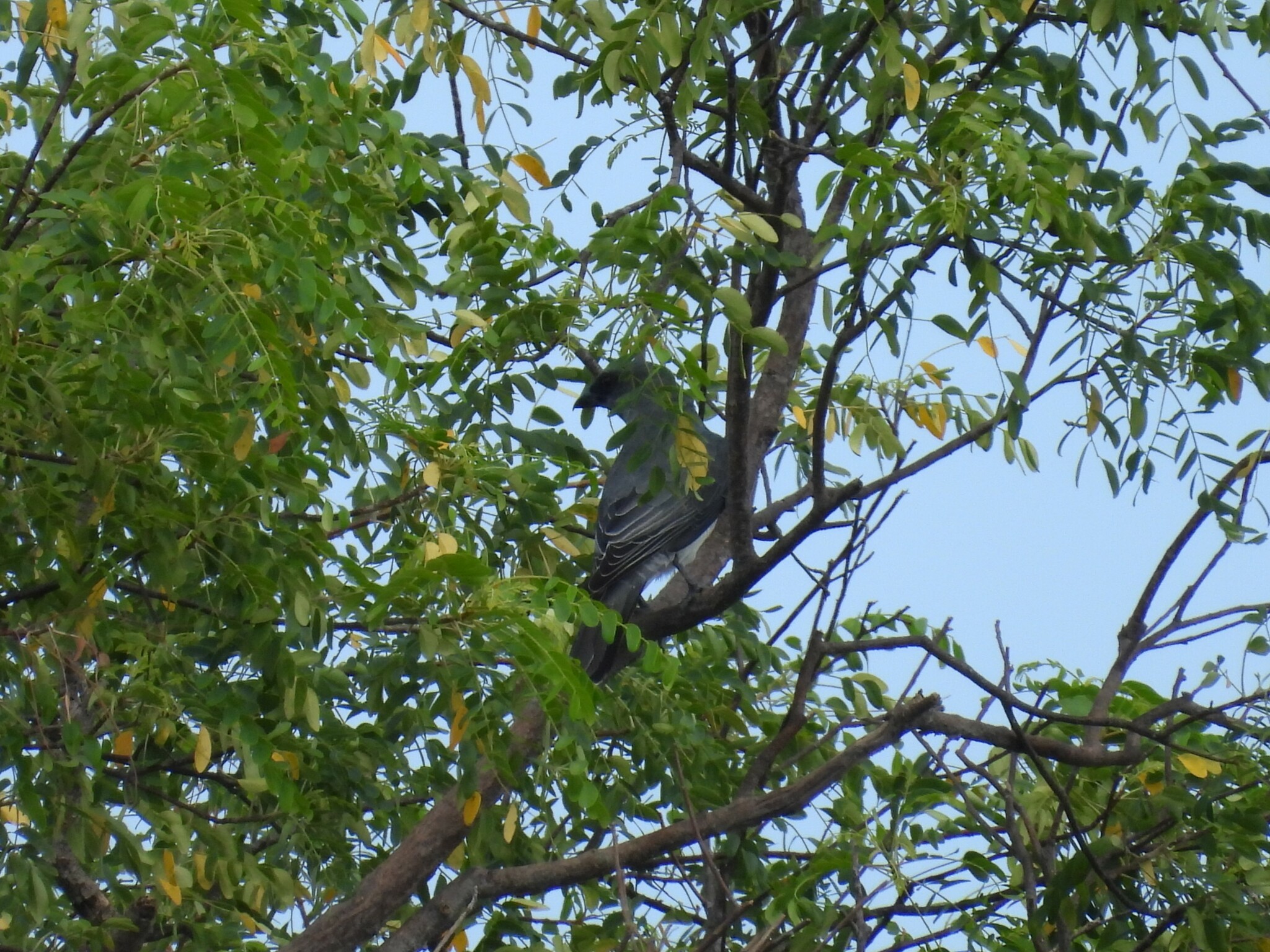
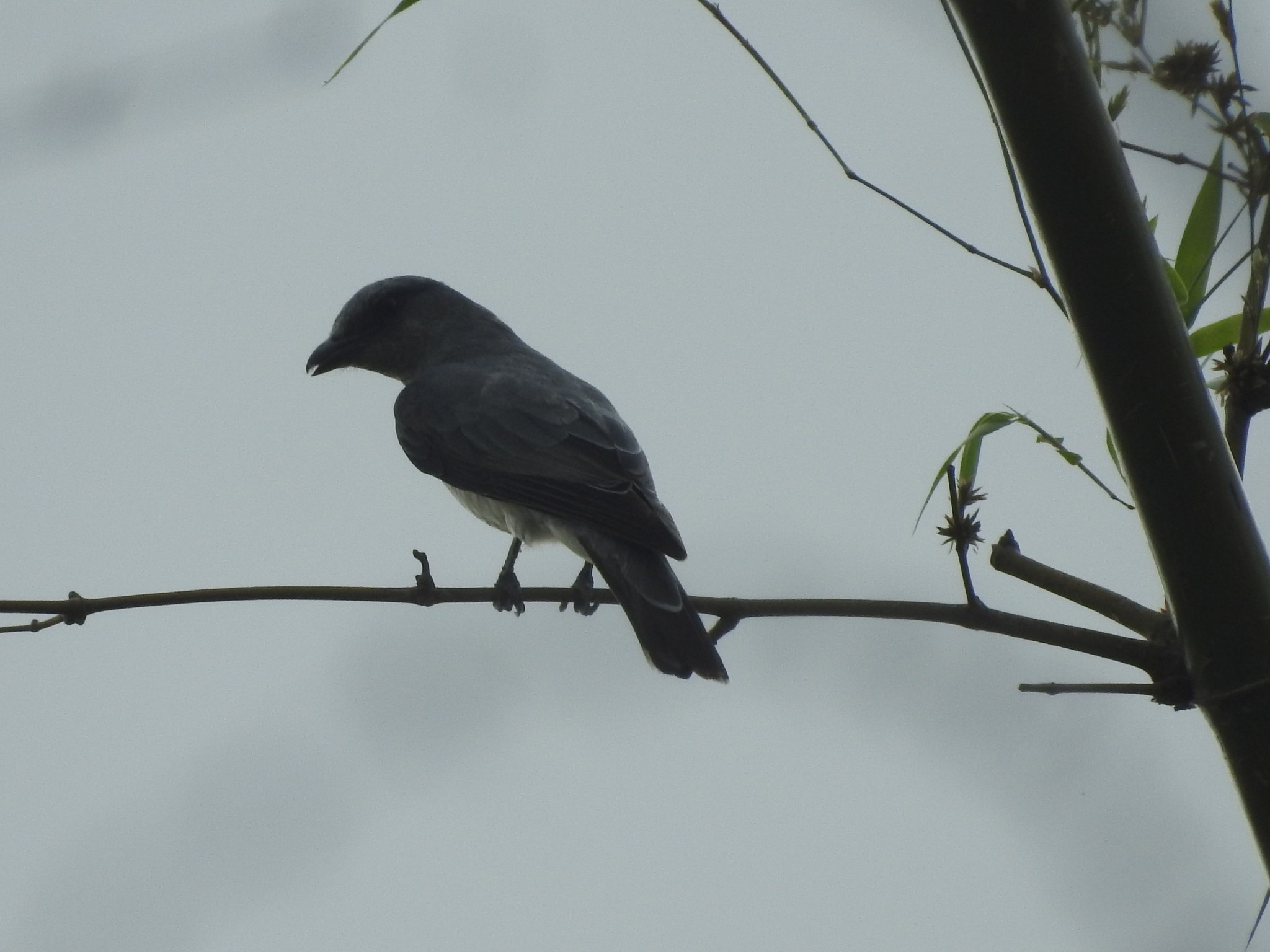
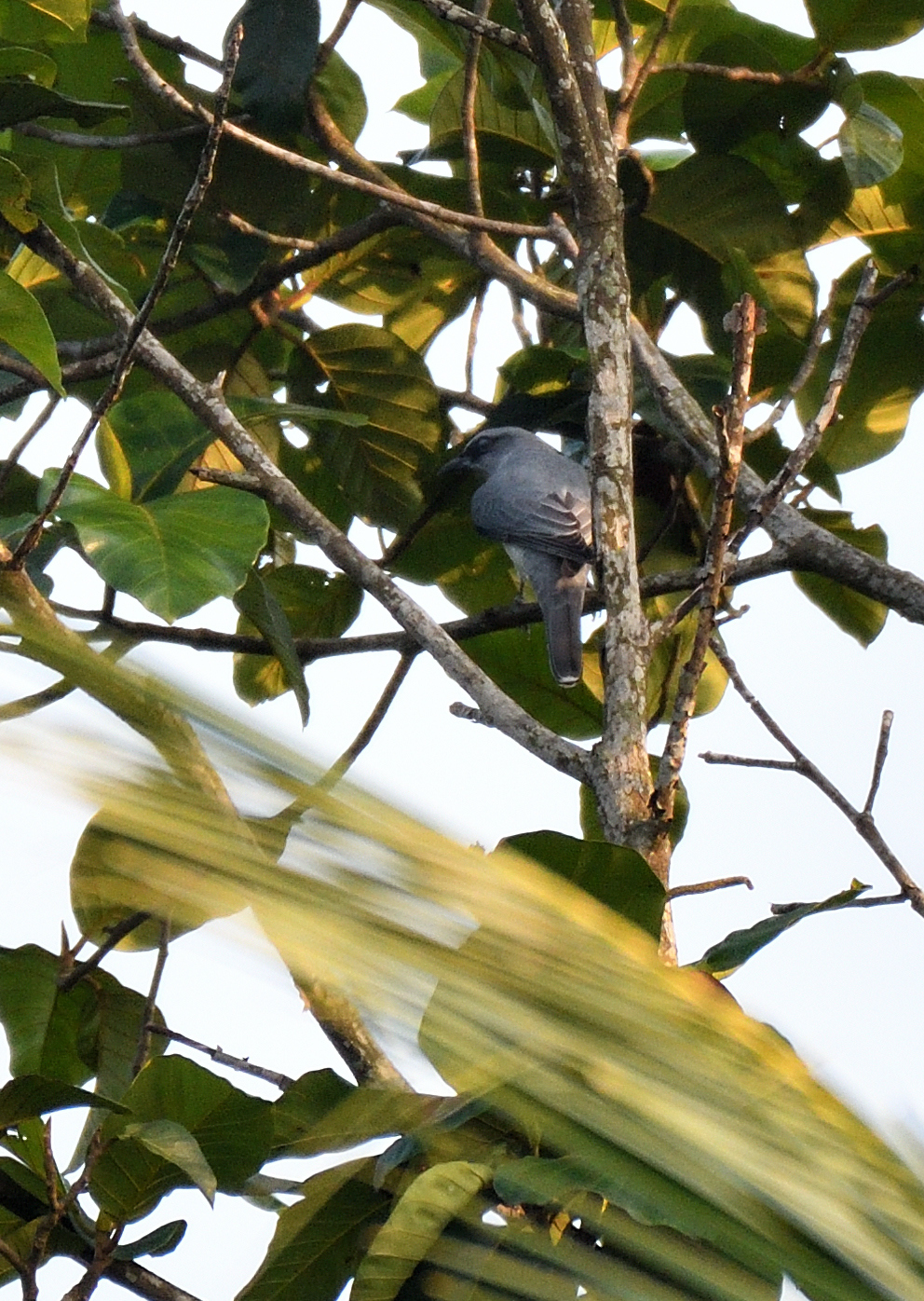
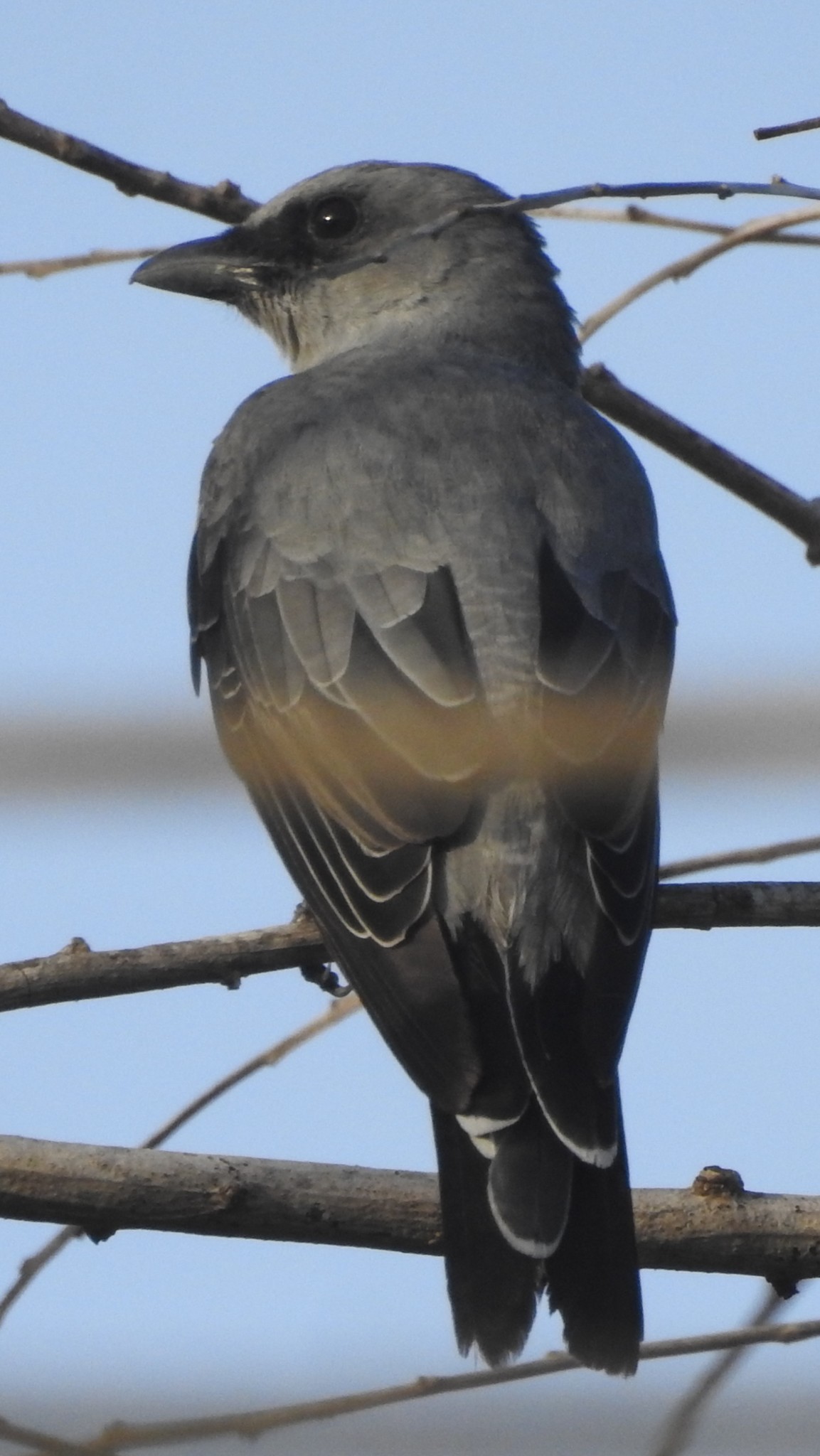
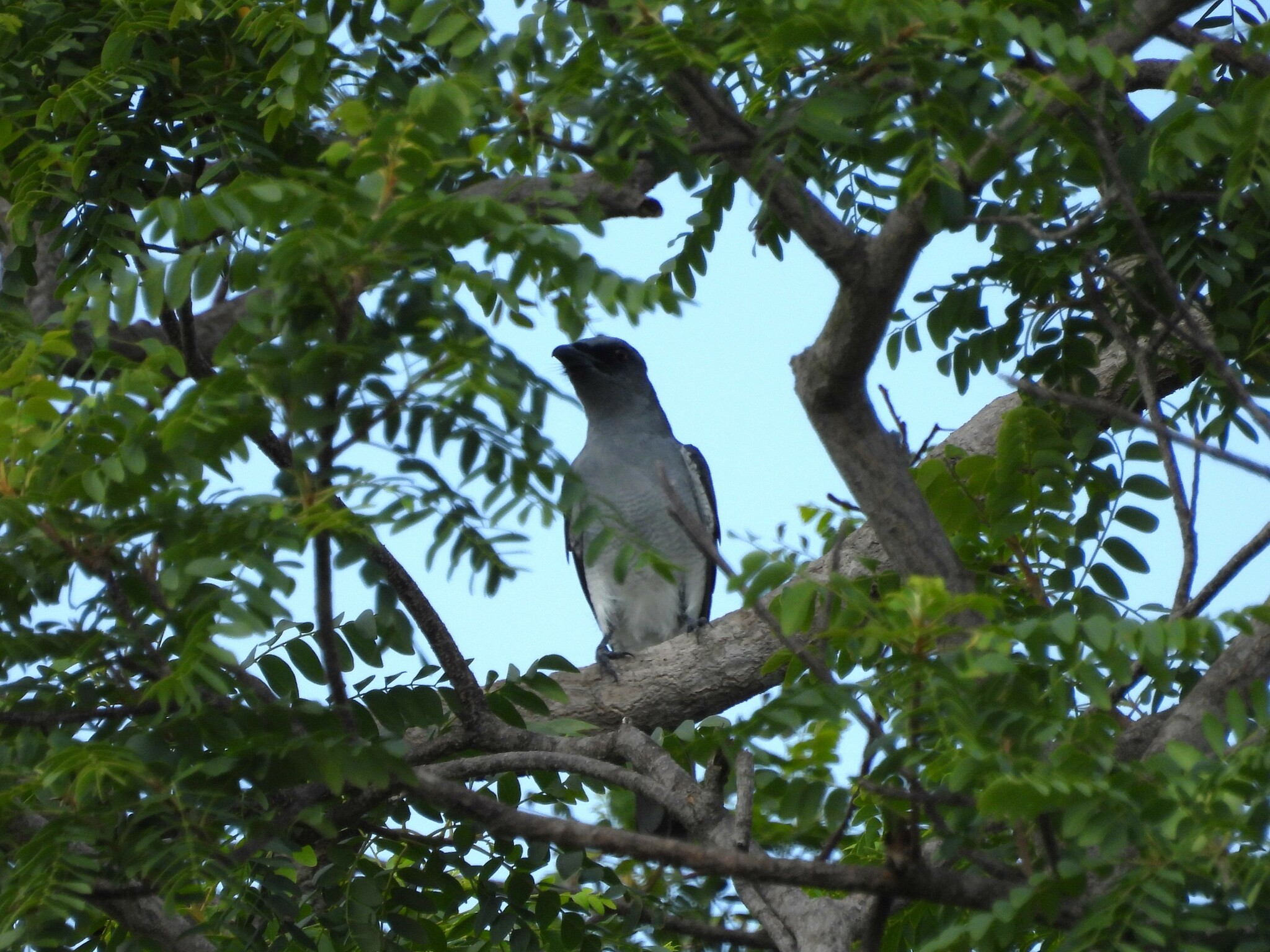
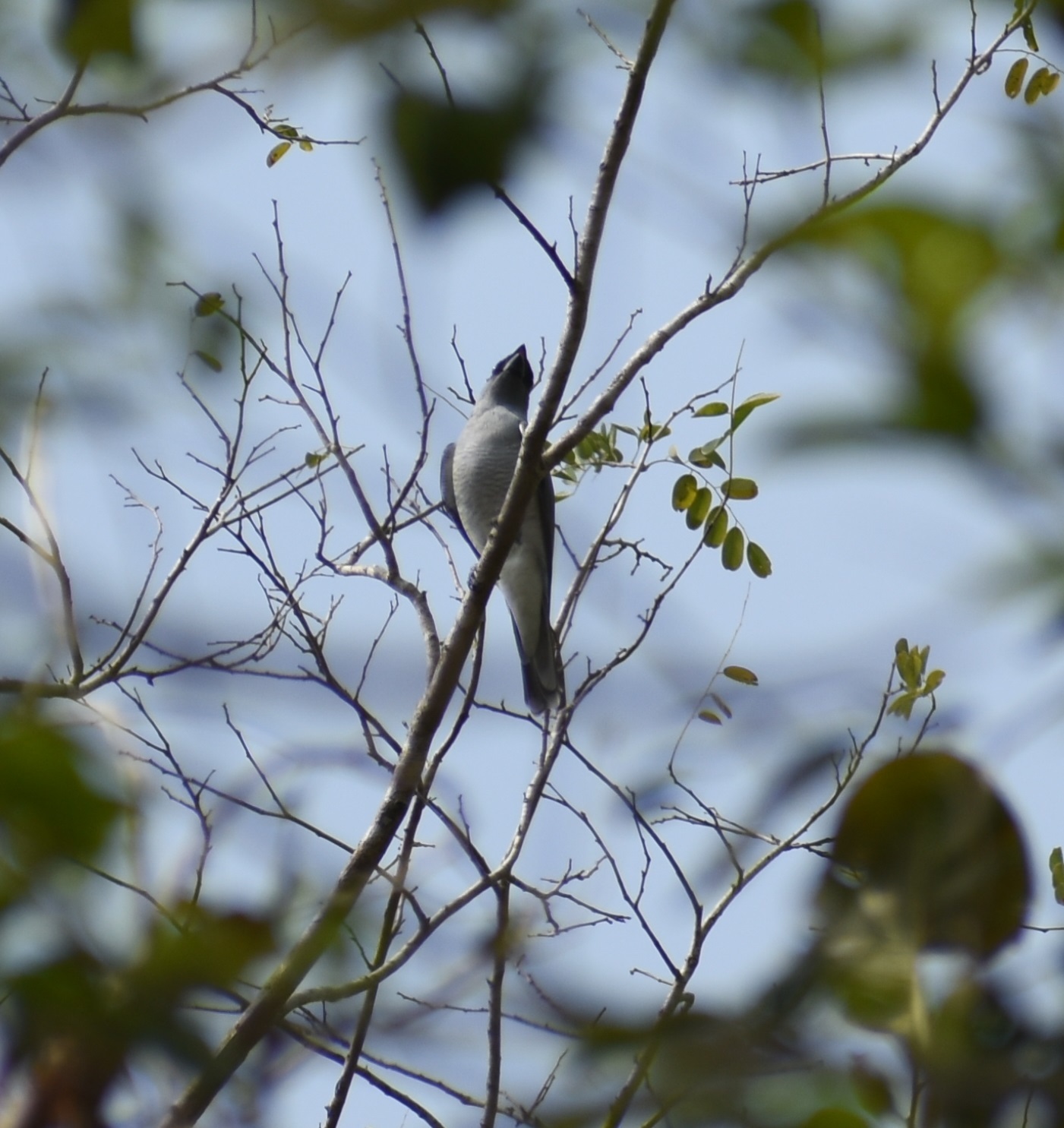
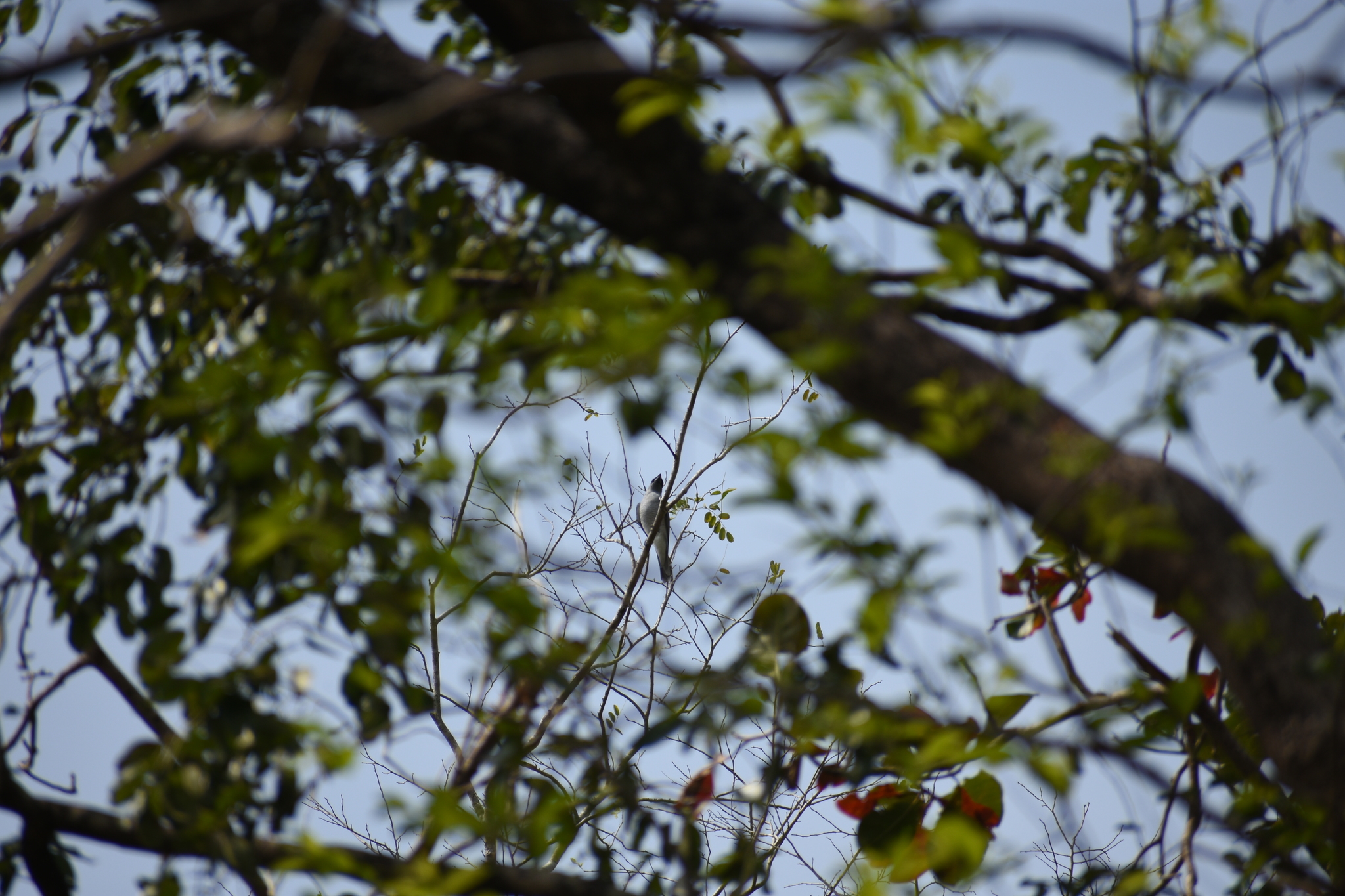
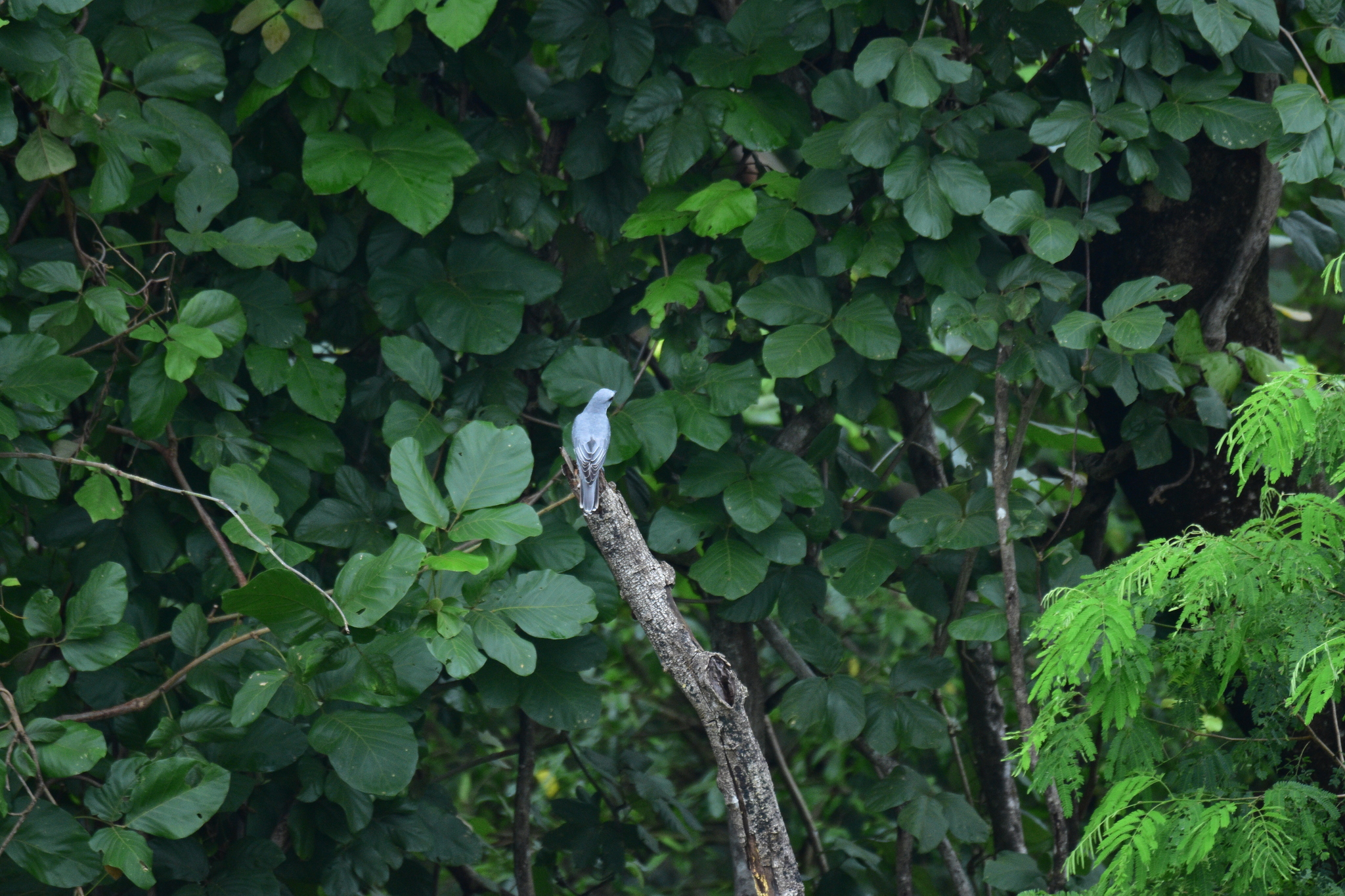
The Indian cuckooshrike is a forest bird in the cuckooshrike family Campephagidae. Its range covers the Indian subcontinent. Former taxonomic treatments included a broader range extending into Southeast Asia; several subspecies have been split into separate species, including the oriental and Malayan cuckooshrikes. It inhabits wooded areas. The species exhibits sexual dimorphism in plumage. Behavioral traits include bounding flight and wing-flicking upon landing. Its call is described as 'klu-eep'.
Description
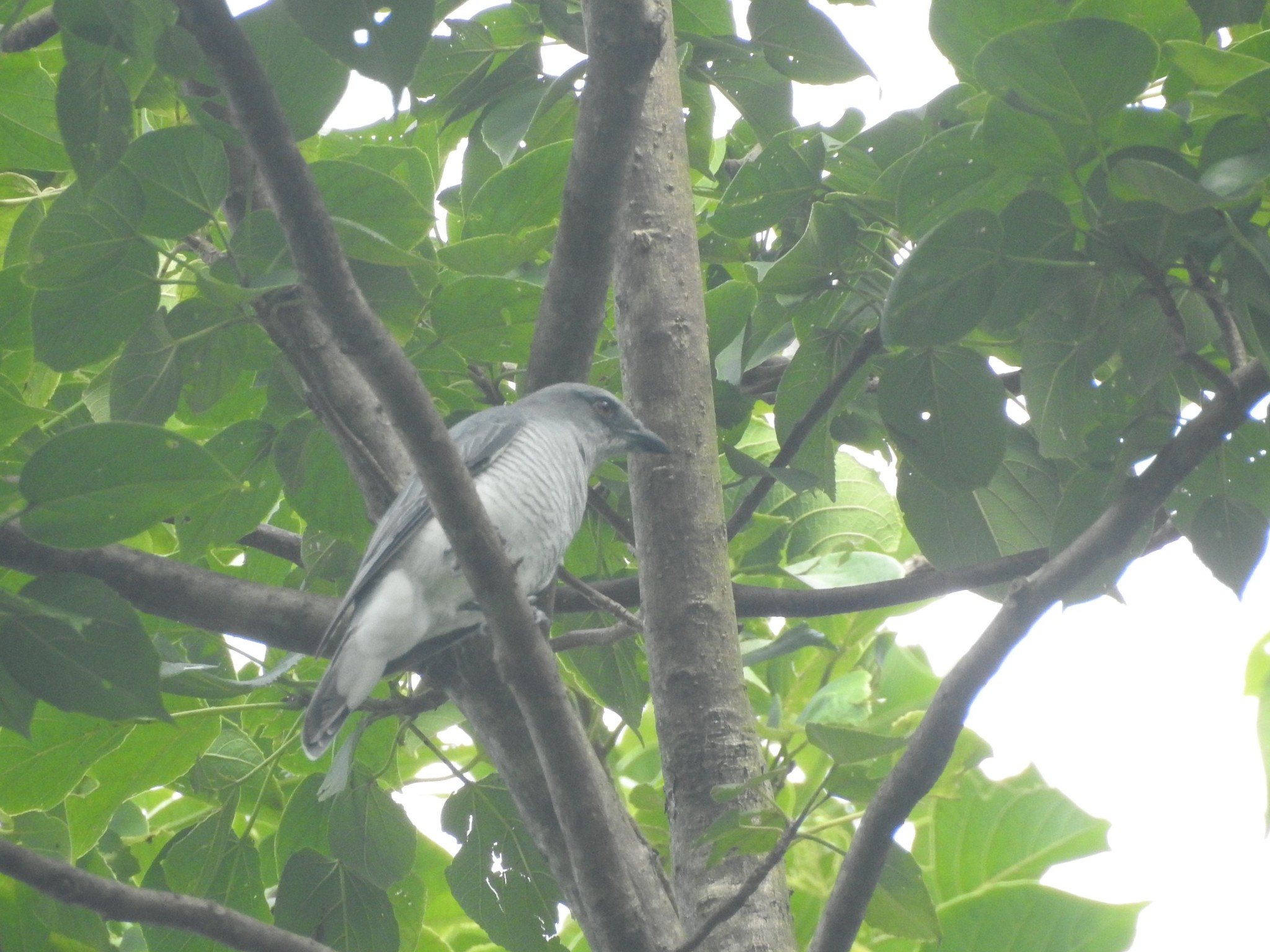
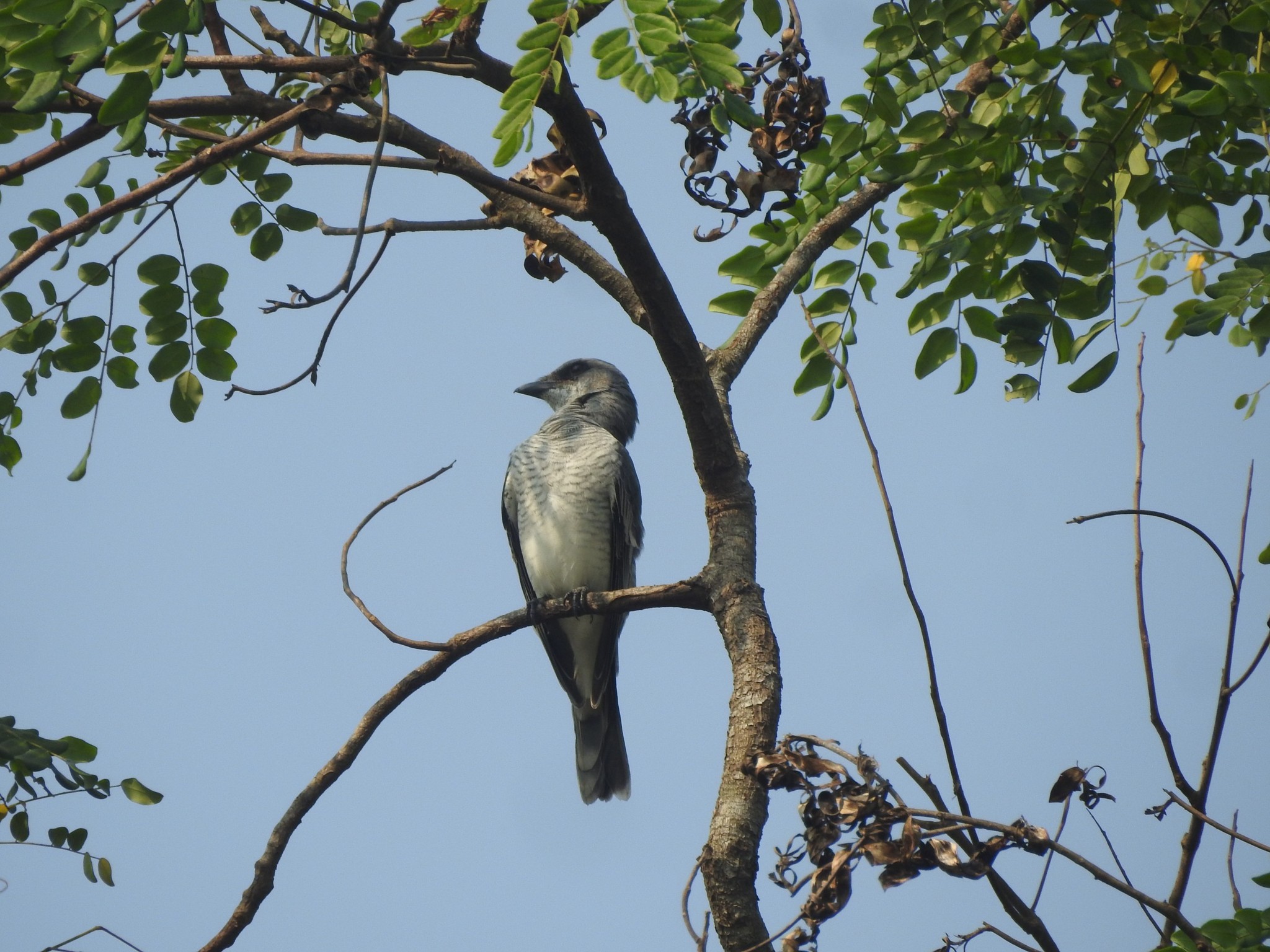
This cuckooshrike presents a striking appearance with clear differences between sexes. Adult males display a prominent pale eye stripe that contrasts with their otherwise dark head. Their throat and breast are grey, while the abdomen and flanks feature fine barring. A distinctive whitish vent area helps identify males in the field. Females, by contrast, lack the male's prominent vent and instead show barring that extends further down from the throat and breast onto the underparts. Both sexes share the characteristic shallow, slightly forked tail and robust hooked bill typical of cuckooshrikes, adaptations suited to their insectivorous diet.
Identification
The Indian cuckooshrike can be distinguished from other cuckooshrike species in its range by its relatively large size and the bold pale eye stripe of the male. Females are best identified by the extent of barring on the underparts, which continues further down than in many similar species. The combination of wing-flicking behavior upon landing and the bounding flight just above the canopy provides additional field clues. Confusion with the smaller bar-winged cuckooshrike is possible, but the Indian cuckooshrike's larger size and lack of prominent wing bars aid separation.
Distribution & Habitat
This species occurs across the Indian subcontinent, with two recognized subspecies: C. m. macei inhabiting central and south India, while C. m. layardi is endemic to Sri Lanka. Formerly, the species included additional Southeast Asian populations that have since been assigned to separate species. The birds favor mature forest habitats and are typically found in the upper canopy layer. They are not known to undertake long-distance migrations but may make local movements in response to seasonal conditions.
Behavior & Ecology
The Indian cuckooshrike is primarily insectivorous, gleaning prey from foliage while moving through the canopy, though it also consumes figs and various forest fruits. These birds are highly social, usually encountered in small groups that communicate with a loud, piercing 'klu-eep' call. Upon landing on a perch, they exhibit a characteristic habit of flicking their closed wings alternately, a behavior also incorporated into courtship displays. The breeding season coincides with the dry winter months. The shallow, saucer-shaped nest is constructed from twigs and grass, decorated externally with cobwebs for camouflage, and placed in the fork of a horizontal branch high above ground. Clutch size varies by region, with three eggs typical in peninsular India and two in the Bengal region.
Conservation
Information on the conservation status of this species is not provided in the available source material.
Culture
No cultural significance or folklore associated with this species is documented in the available source material.
Source: Wikipedia · CC BY-SA 3.0
Taxonomy
- Order
- Passeriformes
- Family
- Campephagidae
- Genus
- Coracina
- eBird Code
- larcuc1
Vocalizations
Subspecies (2)
-
Coracina macei layardi
Sri Lanka
-
Coracina macei macei
central and southern India from Uttarakhand eastward to West Bengal and Odisha, and southward to Kerala
Data Sources
Species description from Wikipedia, licensed under CC BY-SA 3.0.
Bird images and sounds sourced from GBIF, contributed by citizen scientists worldwide under Creative Commons licenses.
Taxonomy data from AviList 2025.