

Stock Dove
Columba oenas
欧鸽
Introduction
A species of bird in the family Columbidae (doves and pigeons). It is the type species of the genus Columba. Widely distributed in the western Palearctic, ranging north to central Scandinavia and south to northwest Africa. Western and southern populations are resident, while northeastern populations migrate to avoid cold winters. It inhabits open wooded areas and coastal cliffs. Distinguished by its cavity-nesting habits, typically requiring old trees with holes; it is double-brooded and needs two nesting cavities for its broods. It is common in suitable habitat but never as abundant as the common wood pigeon. Although not considered threatened in Europe, it is classified in Schedule 2 of the Birds Directive and Annex III of the Berne Convention. Over half of the European population is found in the UK.
Description
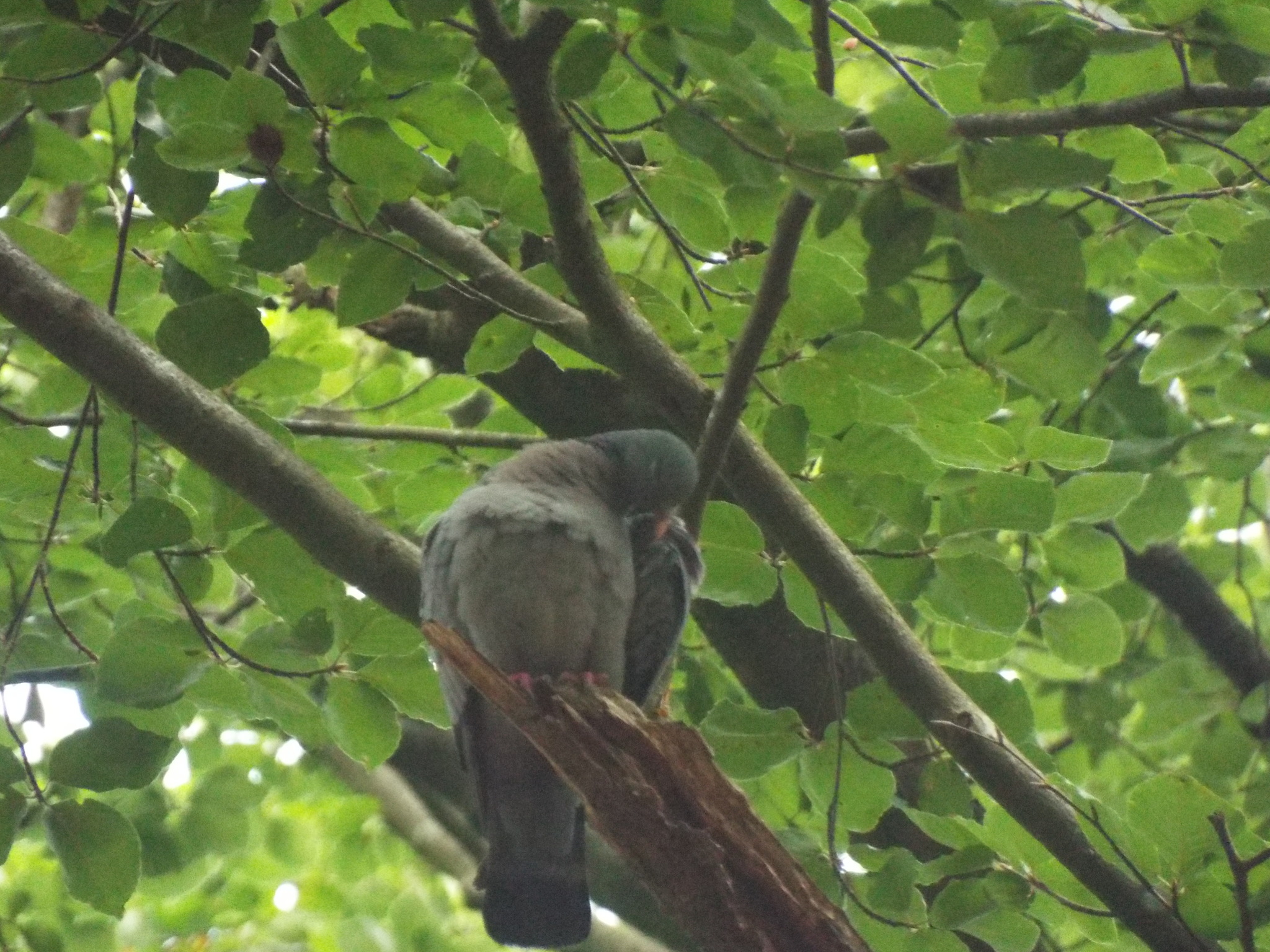
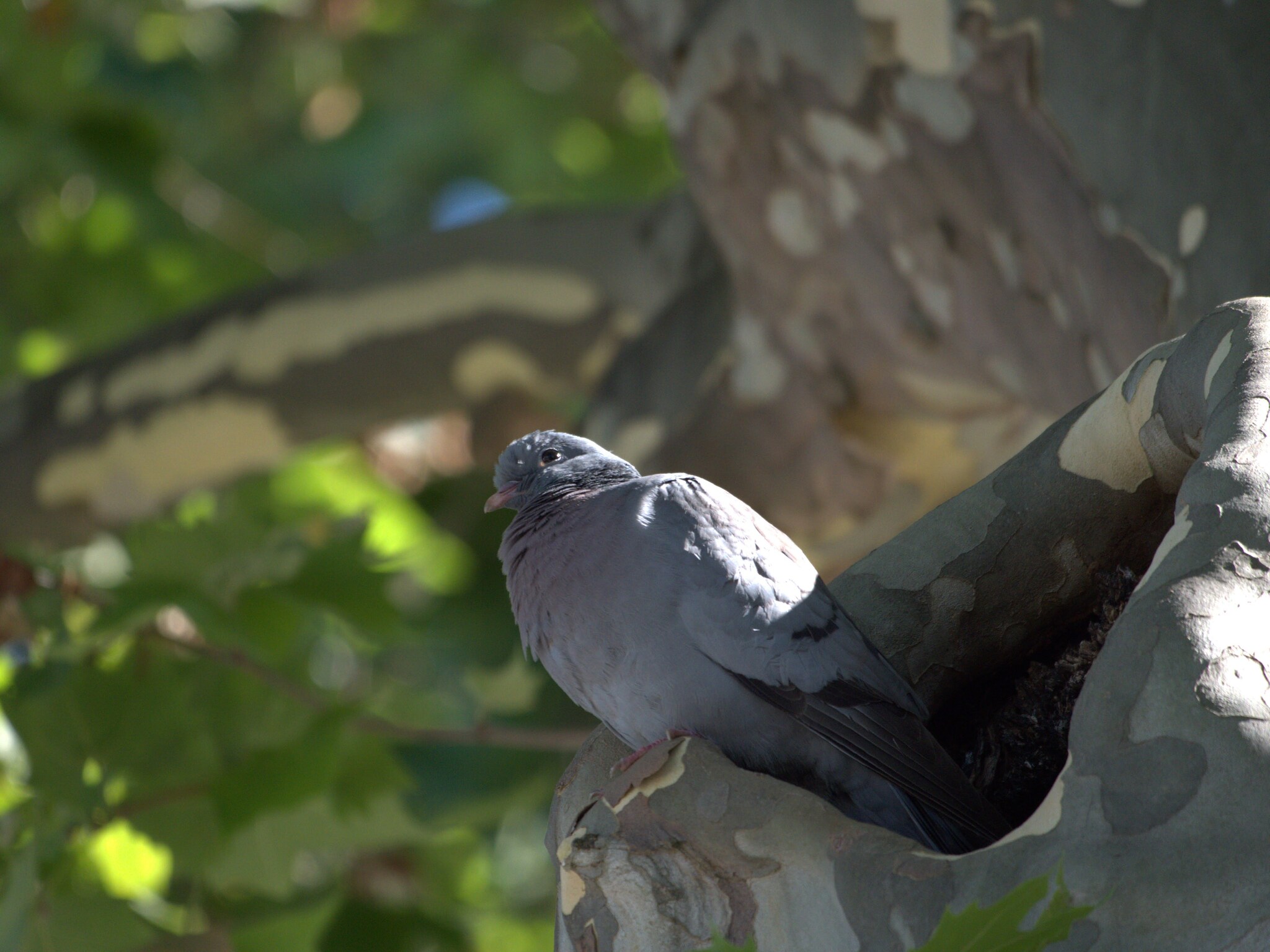
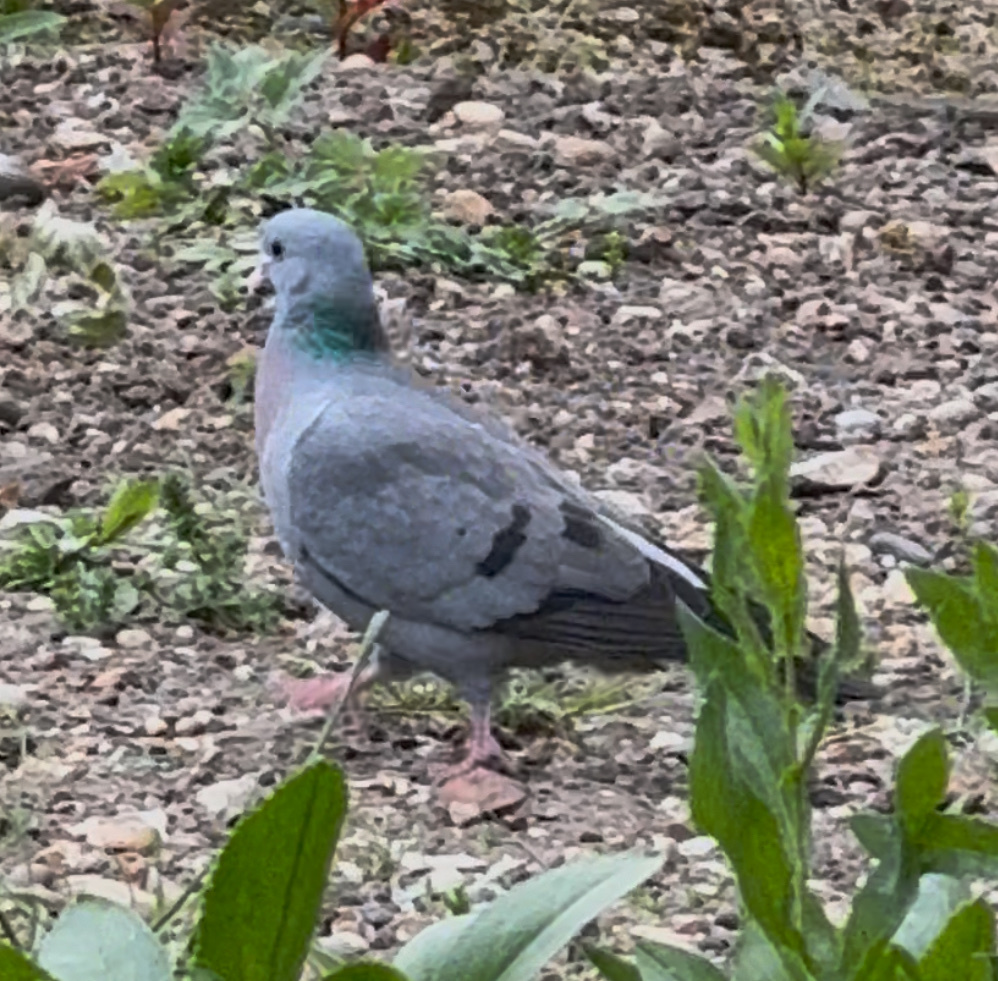
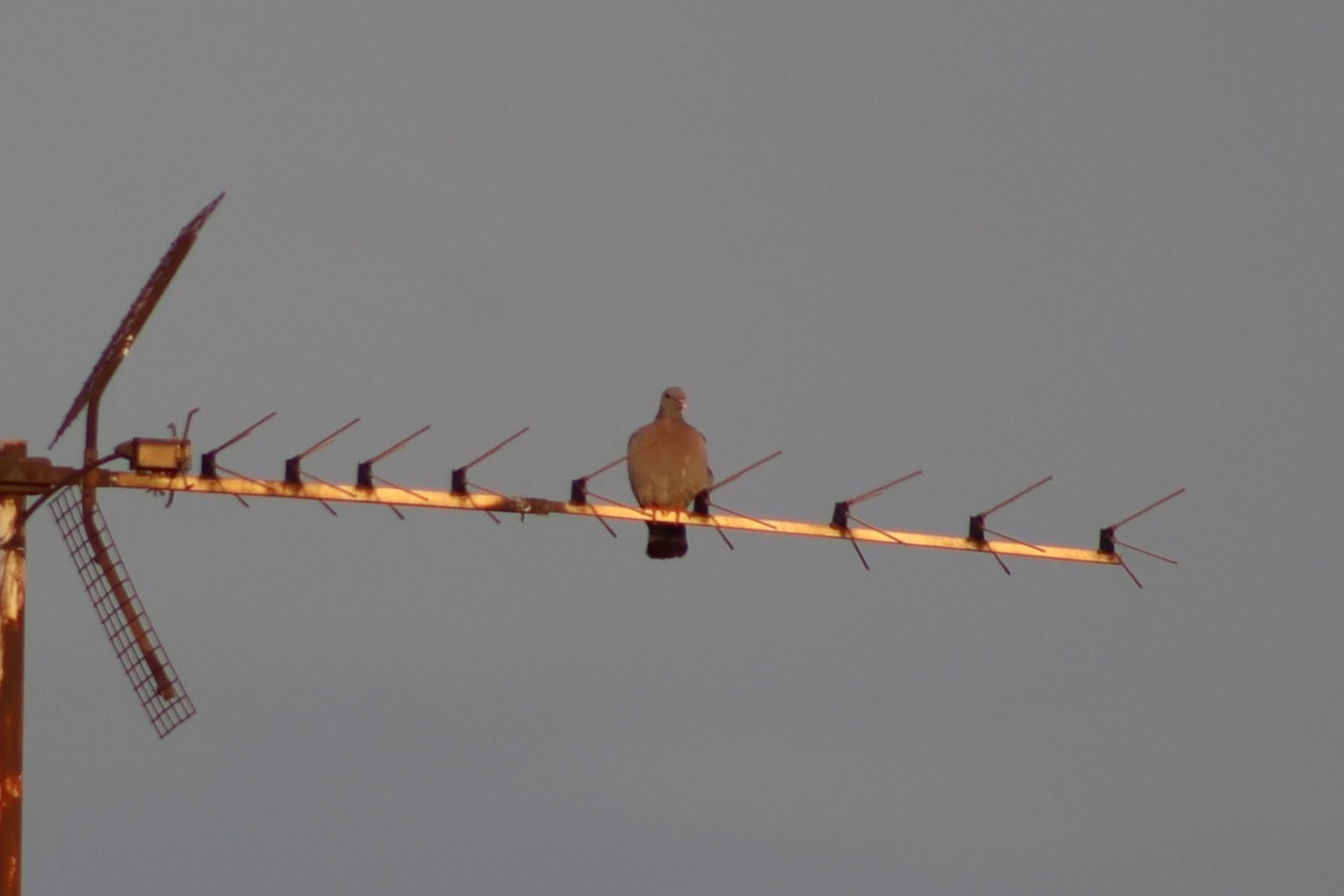
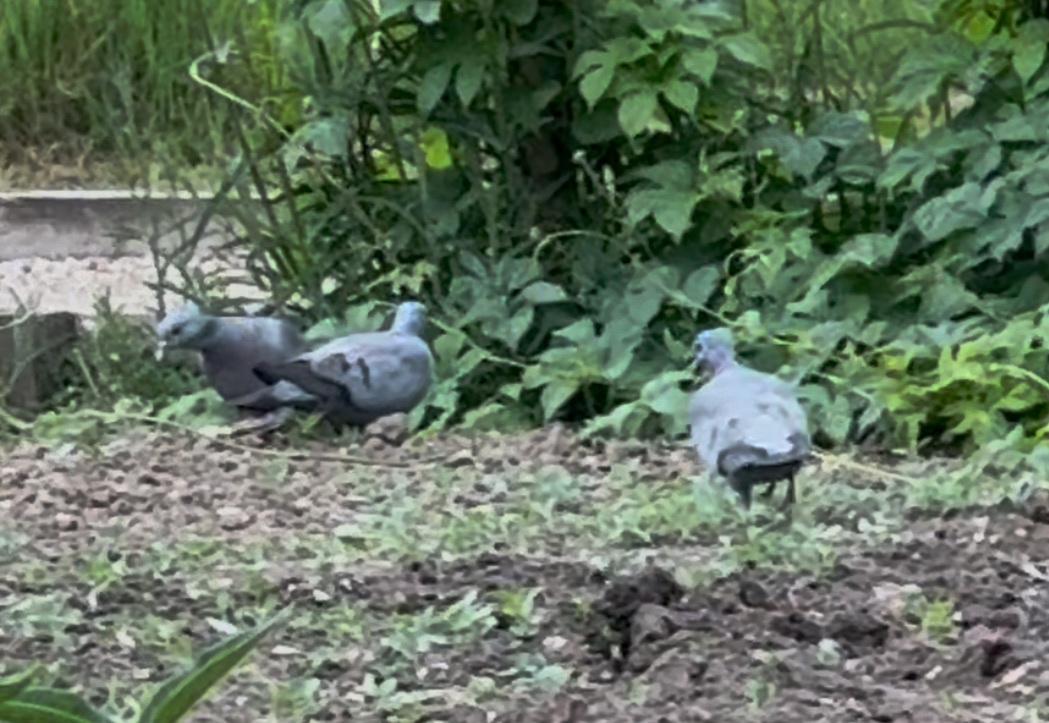
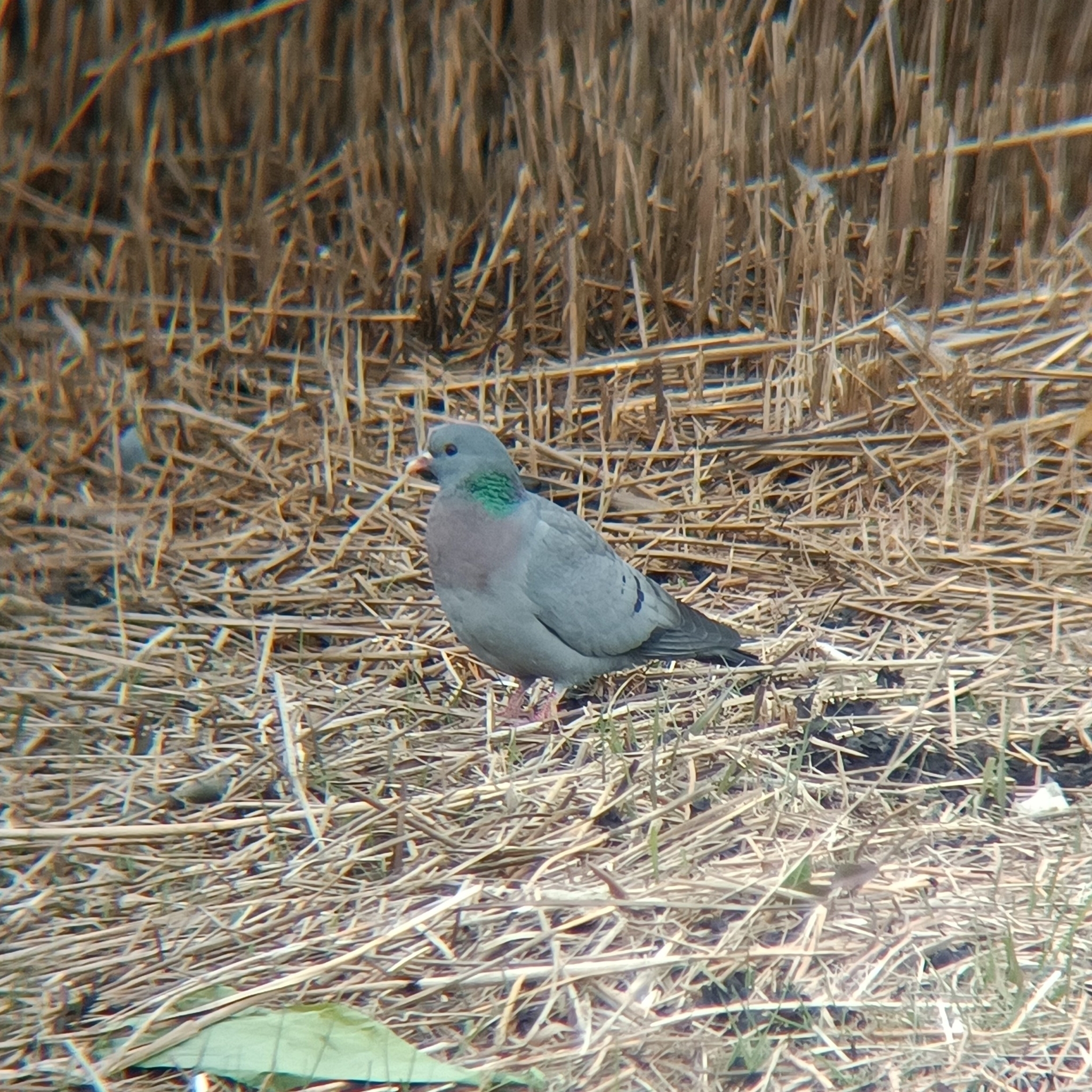
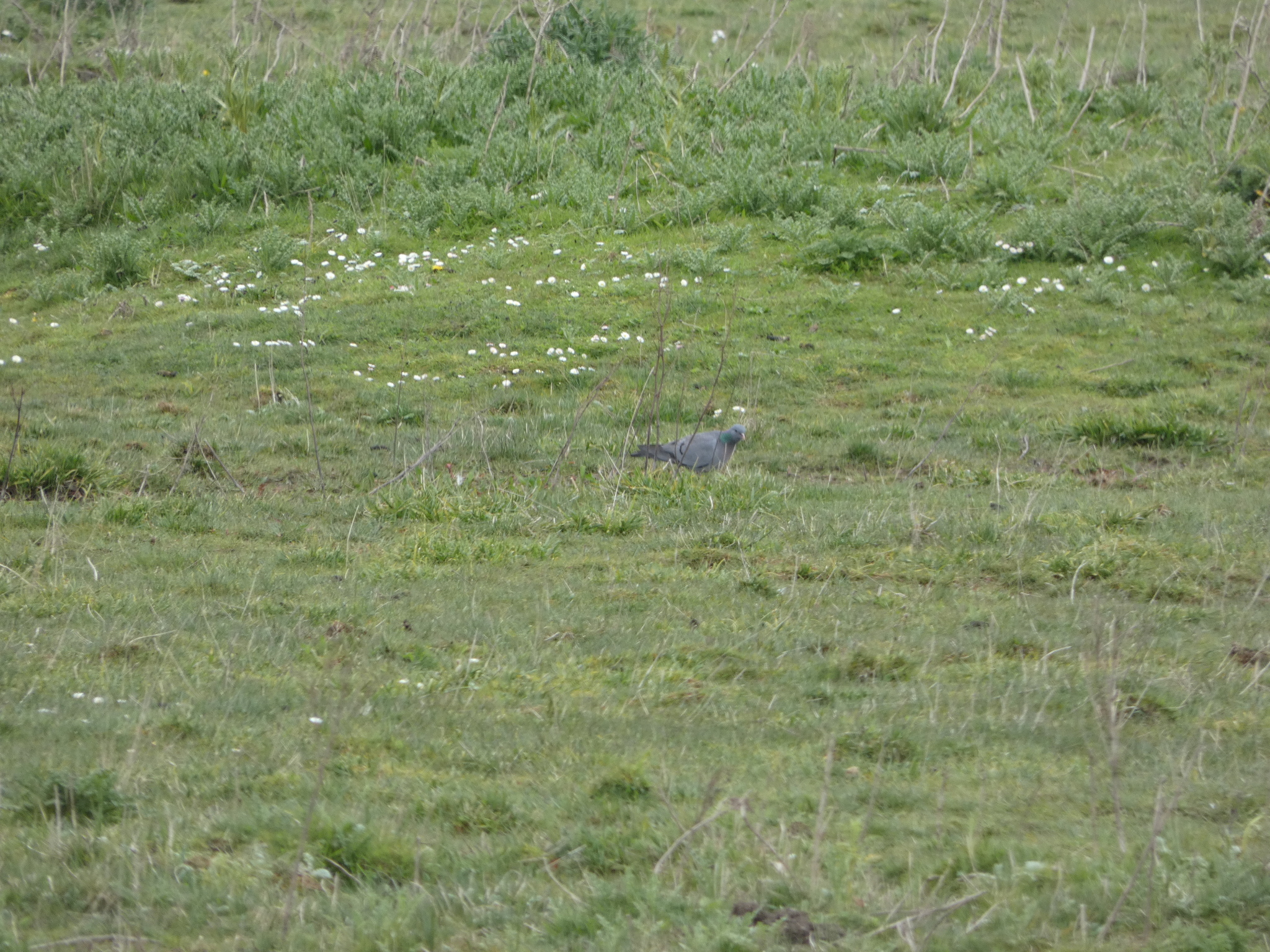
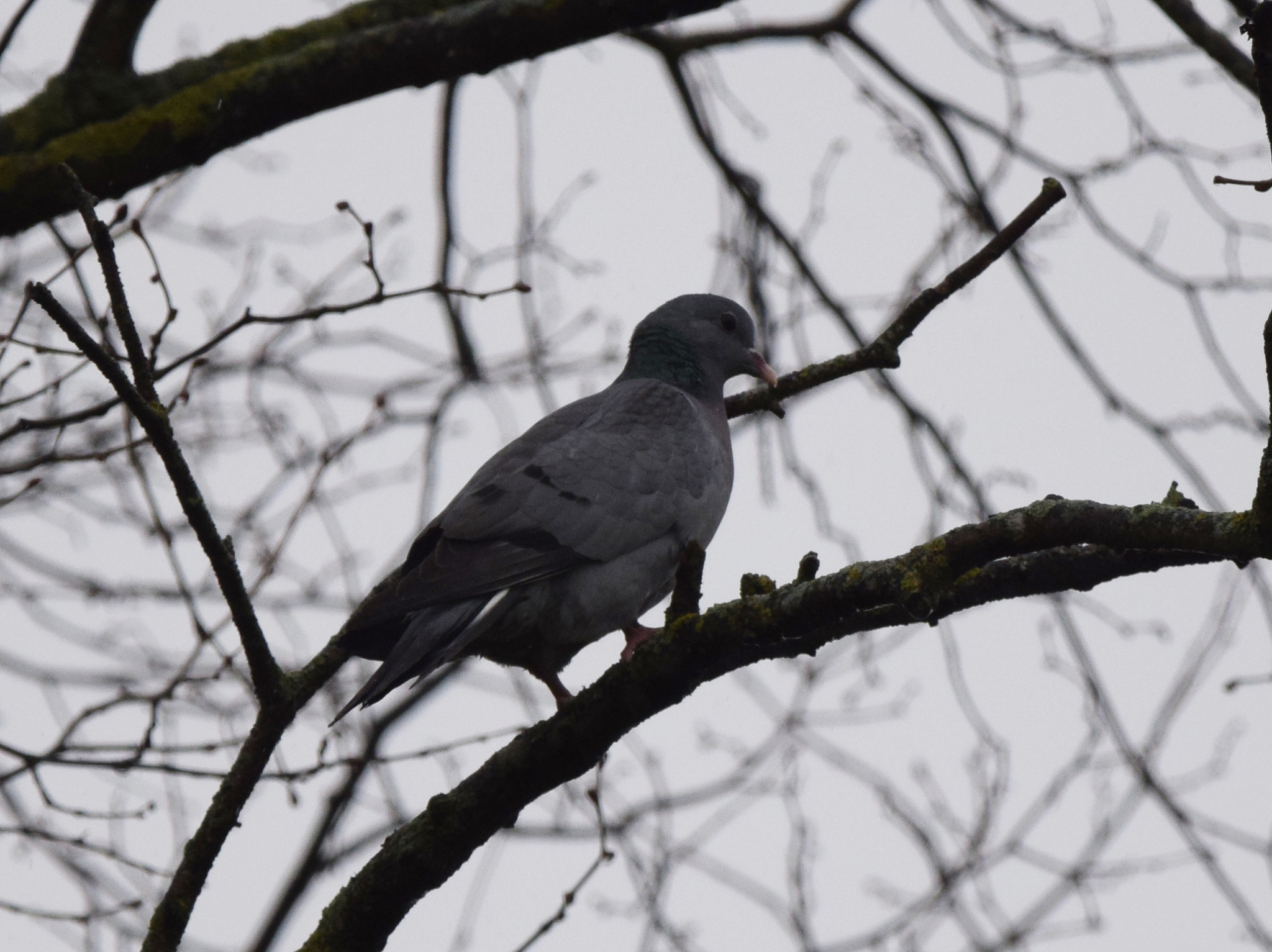
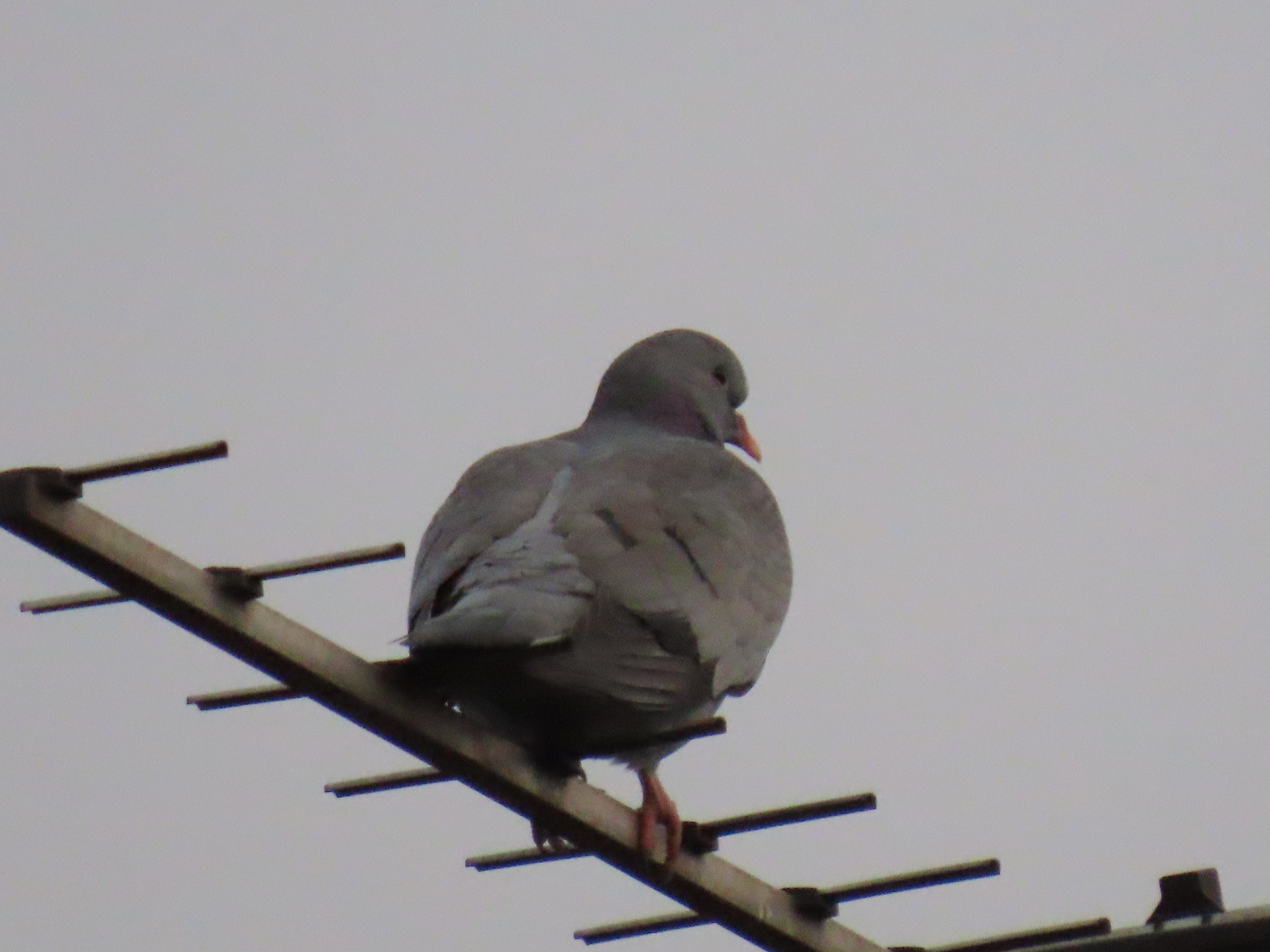
A medium-sized pigeon, 28-34 cm long with a wingspan of 60-66 cm. Males weigh 303-365 g, females 286-290 g. The plumage is blue-toned grey overall. Two short dark grey to blackish wingbars mark the tertials and greater coverts, and a broad dark grey bar crosses the tail tip. The breast has a light pinkish-purple suffusion. The sides of the neck display an iridescent patch shifting between green and purple depending on light angle. The eyes are dark, and the bill is pink with a yellow tip. Males and females are identical in plumage, though males are slightly larger; juveniles lack the iridescent neck patch. In flight, the grey wings show a dark trailing edge, and the underwing is dark grey rather than white.
Identification
Smaller and more compact than the common wood pigeon, which also has pale yellow eyes and white markings on the neck and wings. Separated from the rock dove by its grey rump (white in rock dove) and incomplete wing bars (rock dove has two distinct dark bars). Wild rock doves also have brighter eyes. The stock dove's short, deep, grunting 'Ooo-uu-ooh' call is quite distinct from the modulated cooing of wood pigeons. It often associates with both wood pigeons and rock doves in mixed flocks.
Distribution & Habitat
Breeds across western and central Europe through western Asia to northern Kazakhstan, southwestern Siberia, and northern Iran, with a separate population in southeastern Kazakhstan and Uzbekistan to western China. Western and southern populations are resident, while northeastern populations migrate south for winter. Inhabits open woodland, parks, farmland with scattered trees, and coastal areas where cliffs provide nesting sites. Avoids dense forest and young plantations, which lack sufficient tree cavities. Around 100,000-200,000 individuals winter in France.
Behavior & Ecology
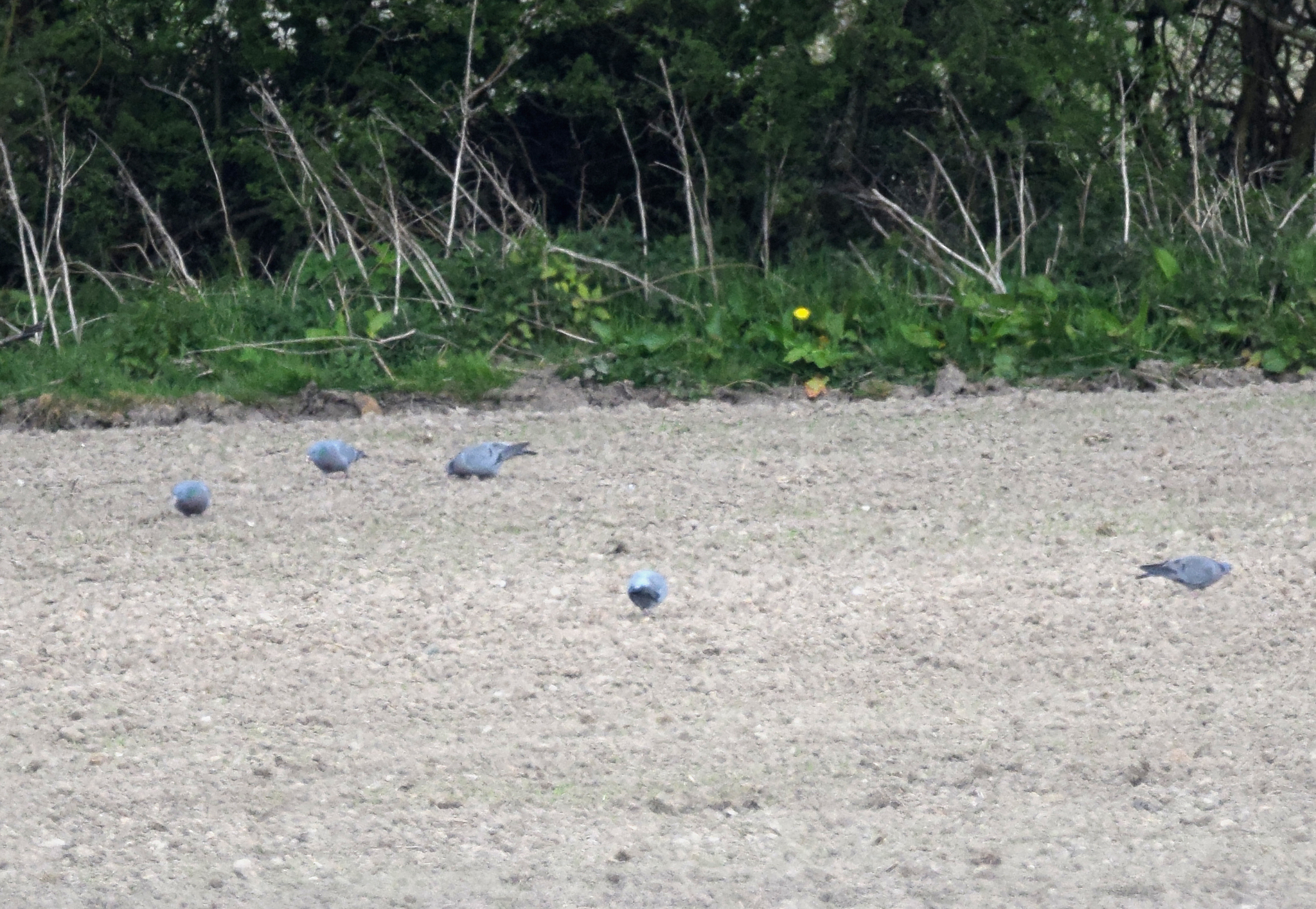
Gregarious outside the breeding season, forming flocks of a few to several dozen birds, rarely hundreds. Forages on the ground, consuming plant matter including young shoots, seedlings, grain, acorns, pine seeds, berries, figs, beans, and peas; also eats insects and snails. Nests in tree cavities, typically requiring holes about 75 cm deep with an entrance large enough to fit a fist. Also uses rabbit burrows, ruins, cliff crevices, ivy, and nest boxes. Double-brooded, needing two separate cavities for successive broods. Lays two eggs per clutch, though up to six eggs may indicate dump-nesting. The display involves walking along branches with swollen neck, lowered wings, and fanned tail; spring circling flights produce distinctive wing cracks like a whip.
Conservation
Listed as Least Concern globally by the IUCN. European population considered stable, though France experienced a sharp 57% decline between 1976 and recent counts. The UK holds over half of the European population. Threats include habitat loss from deforestation and removal of old trees, reducing available nesting cavities. Agricultural intensification may affect food availability. Protected under the EU Birds Directive (Schedule 2) and Berne Convention (Annex III). Nest boxes can mitigate habitat loss in some areas.
Culture
The common name 'stock dove' derives from Old English 'stocc' meaning stump, post, or tree trunk, referring to its cavity-nesting habits, not to domesticated stock as sometimes assumed. First formally described by Carl Linnaeus in 1758. A 1988 proposal to rename the species 'stock pigeon' for taxonomic consistency was adopted in the British List in 2006 but reverted to 'stock dove' in the 2013 eighth edition following IOC standardization. The genus name Columba is Latin for pigeon/dove, derived from Ancient Greek 'kolumbos' meaning diver, referring to the bird's swimming motion in the air.
Source: Wikipedia · CC BY-SA 3.0
Taxonomy
- Order
- Columbiformes
- Family
- Columbidae
- Genus
- Columba
- eBird Code
- stodov1
Subspecies (2)
-
Columba oenas oenas
western Europe and northwestern Africa to Caspian Sea and Kazakhstan
-
Columba oenas yarkandensis
Uzbekistan and Tajikistan to Tien Shan and eastern Xinjiang
Data Sources
Species description from Wikipedia, licensed under CC BY-SA 3.0.
Bird images and sounds sourced from GBIF, contributed by citizen scientists worldwide under Creative Commons licenses.
Taxonomy data from AviList 2025.