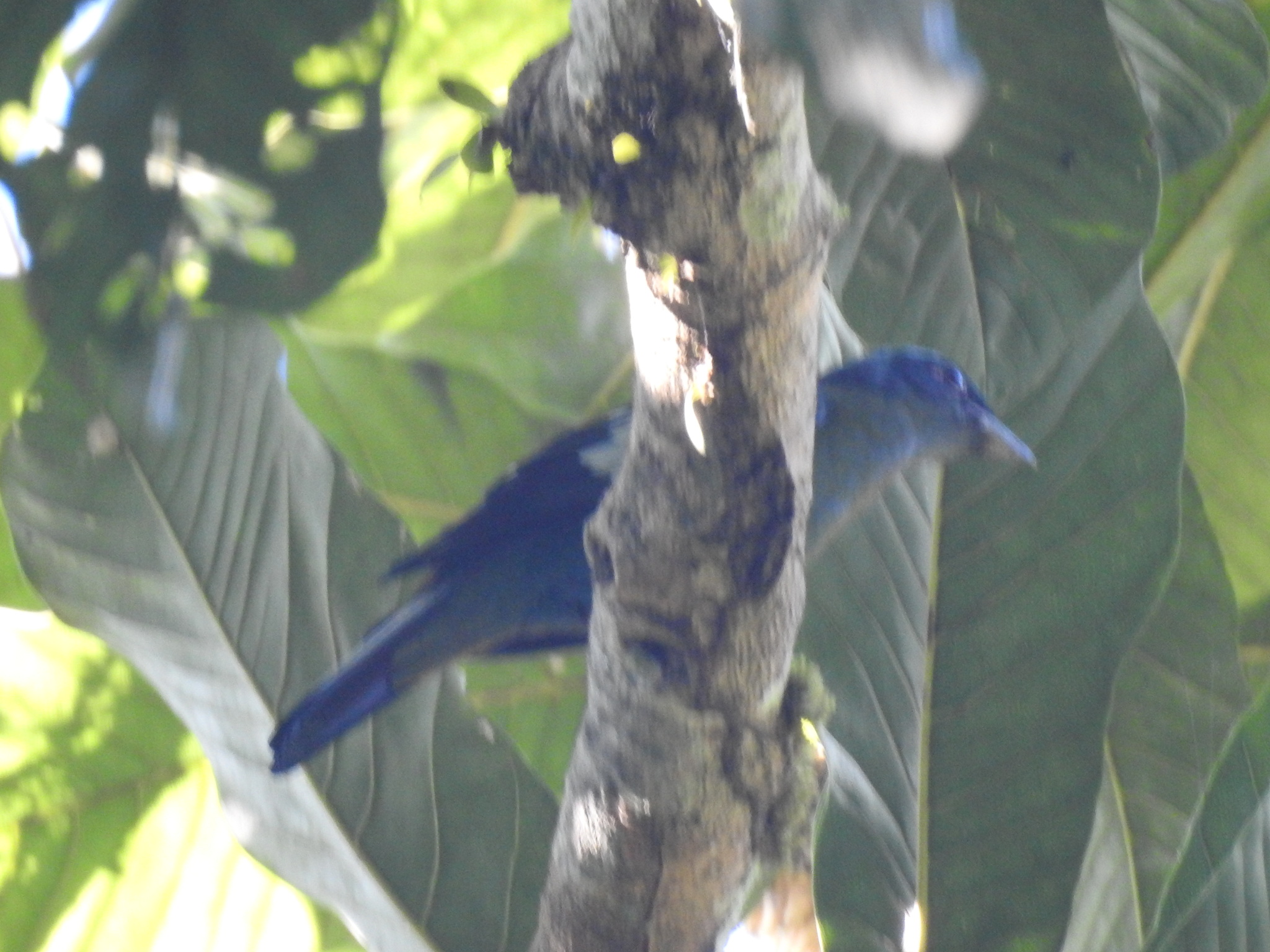
Green Cochoa
Cochoa viridis
绿宽嘴鸫
Introduction
Cochoa viridis is a bird species formerly classified with thrushes (family Turdidae) or Old World flycatchers (Muscicapidae), now considered closer to Turdidae. It occurs across Cambodia, China, India, Laos, Myanmar, Nepal, Thailand, and Vietnam, with possible presence in Bhutan. Its natural habitats are subtropical or tropical moist lowland forests and subtropical or tropical moist montane forests. The species makes seasonal movements that remain poorly understood. The westernmost record comes from Uttaranchal (Nainital), with no recent records from Nepal; most observations are east of northwest Bengal. This form was once described as a separate species Cochoa rothschildi.
Description
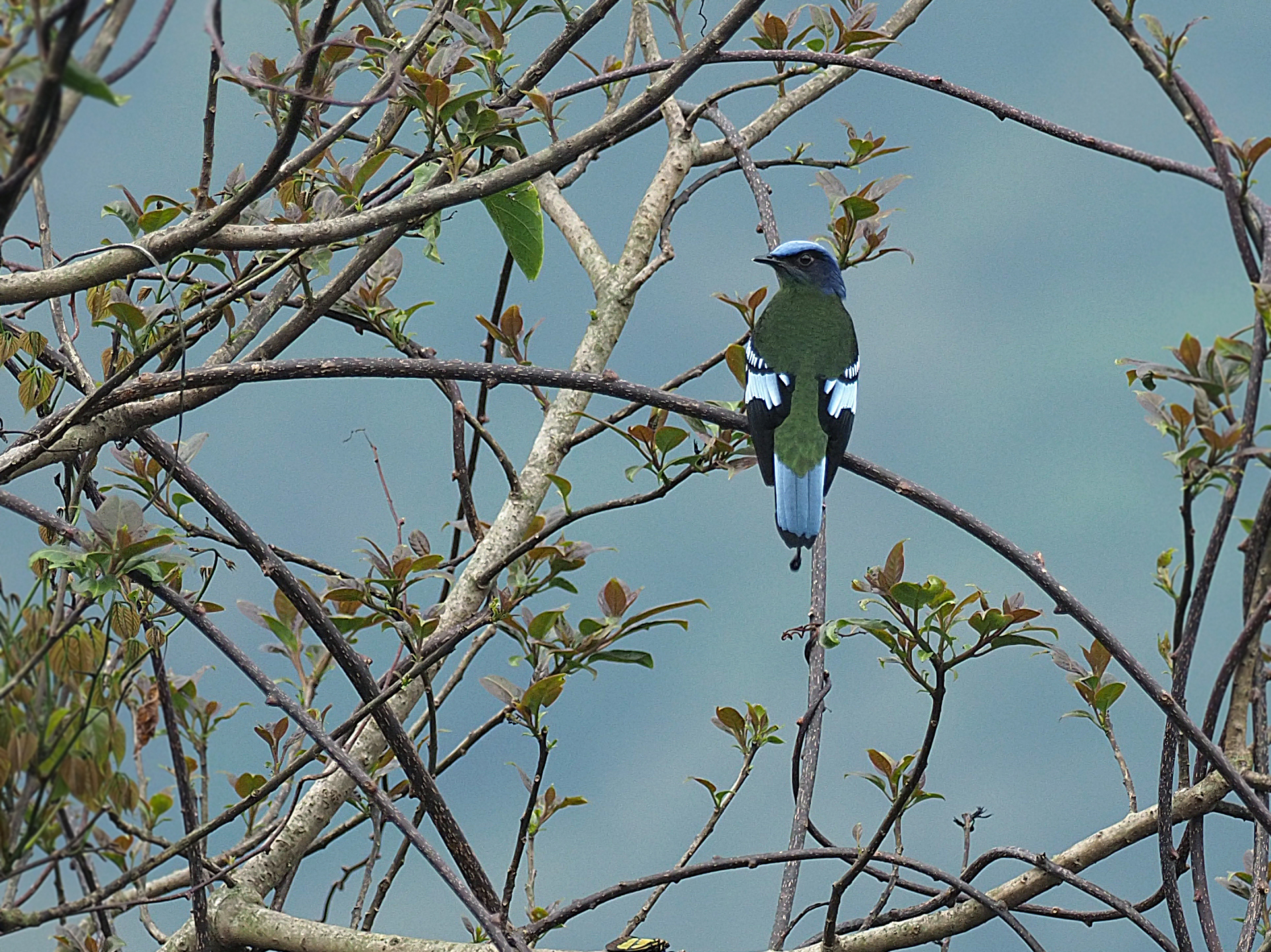
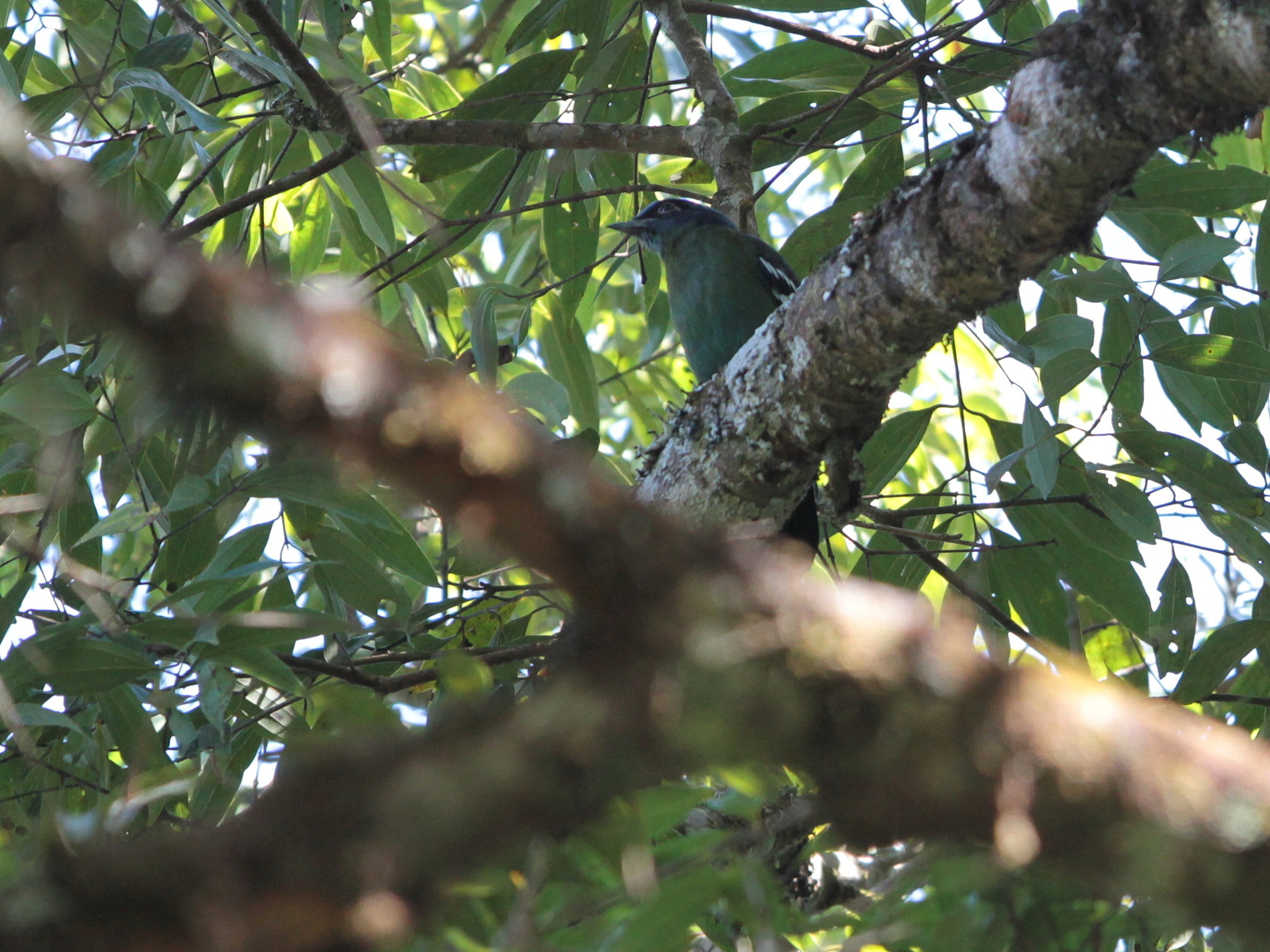
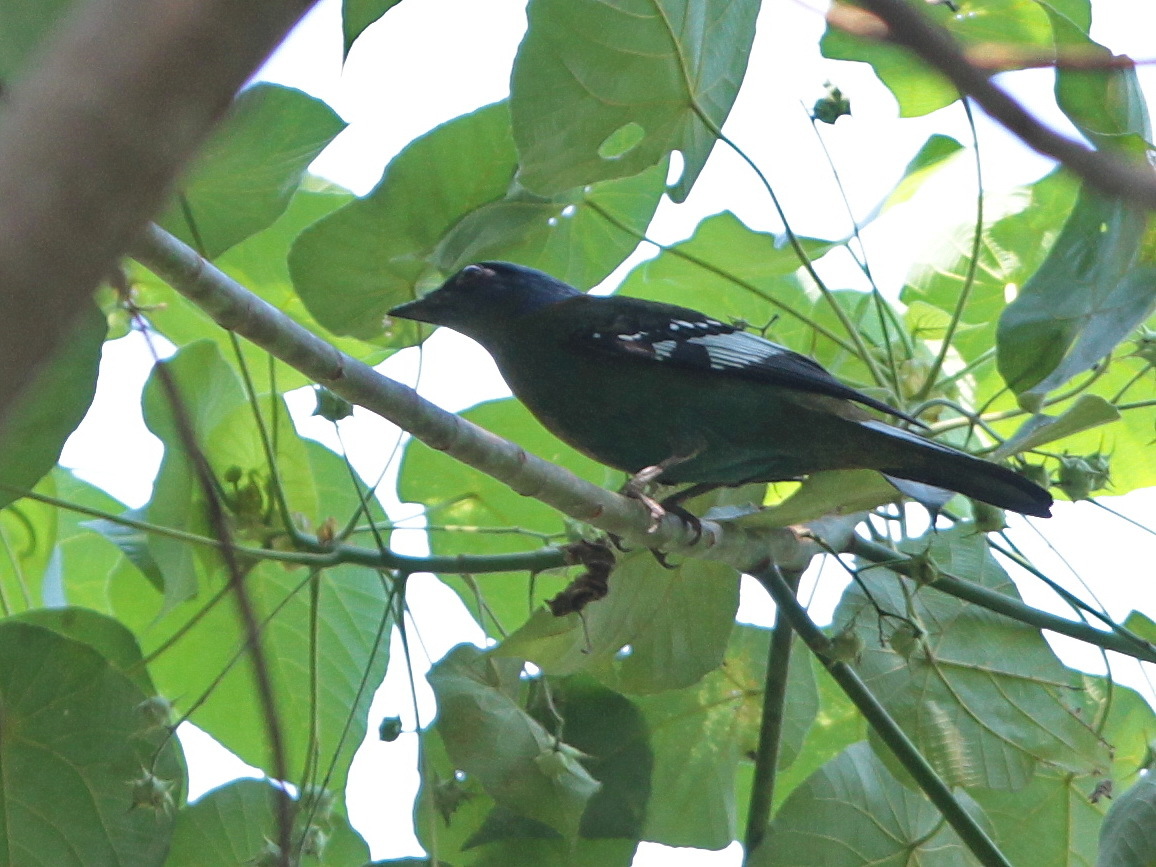
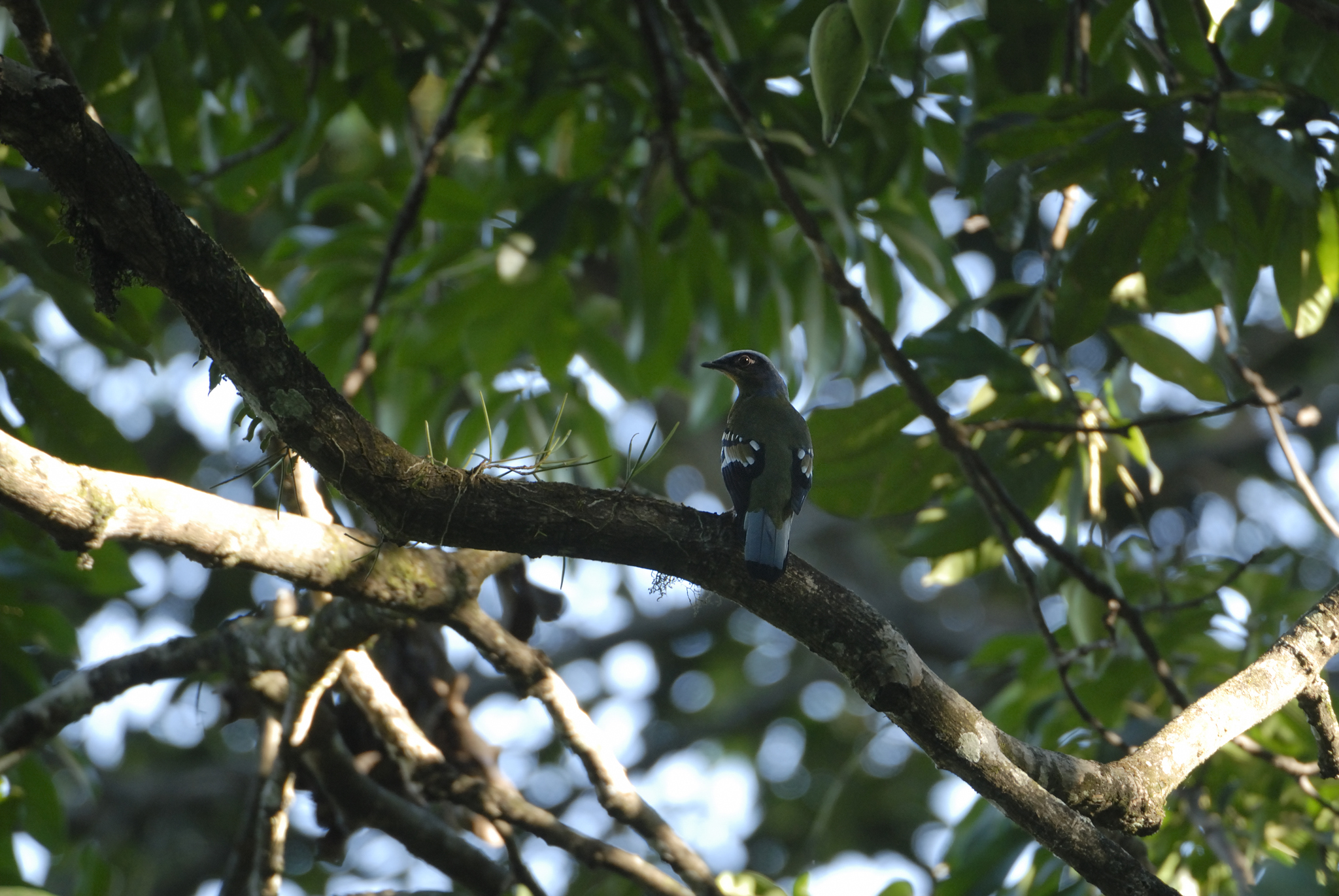
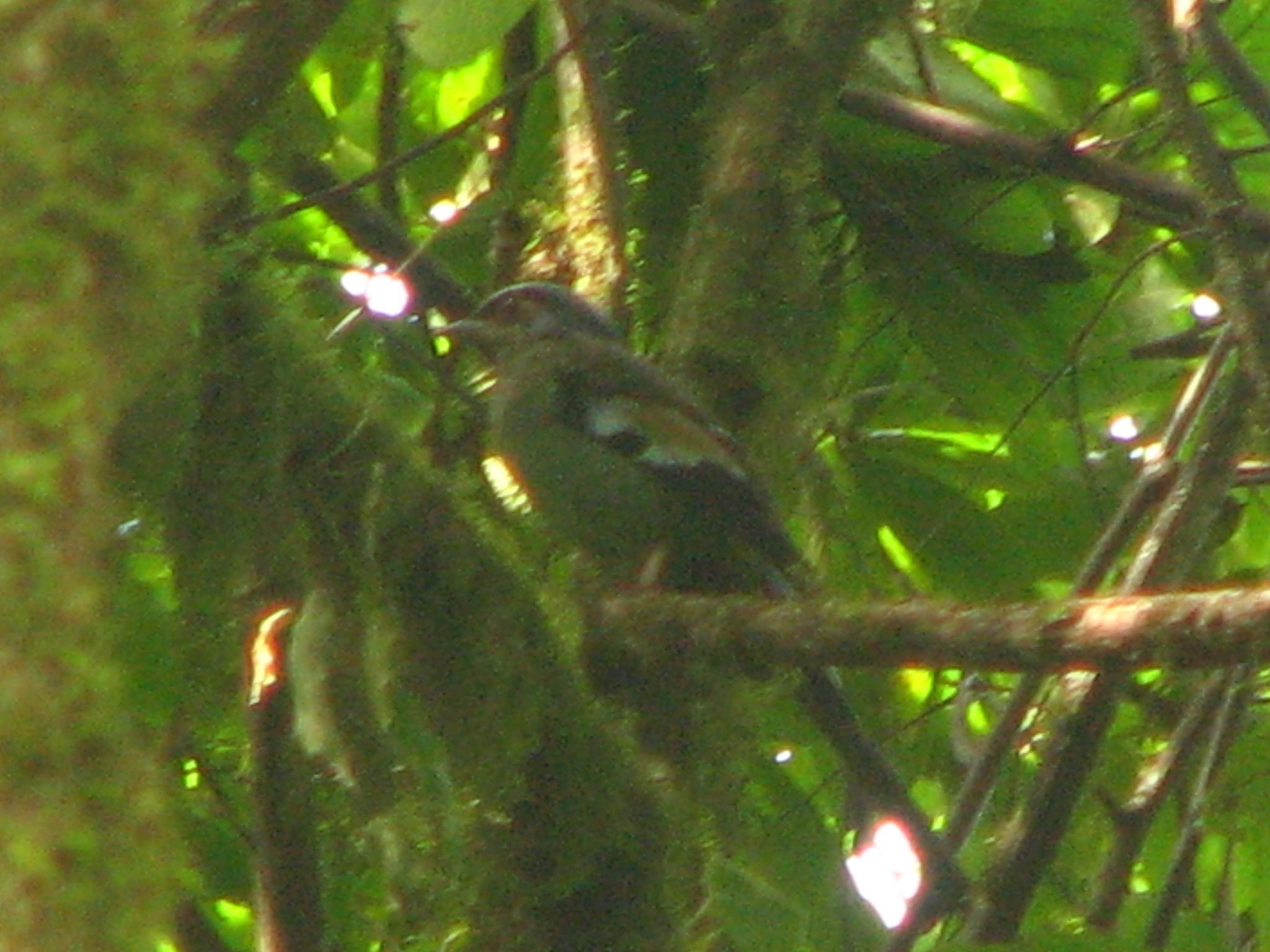
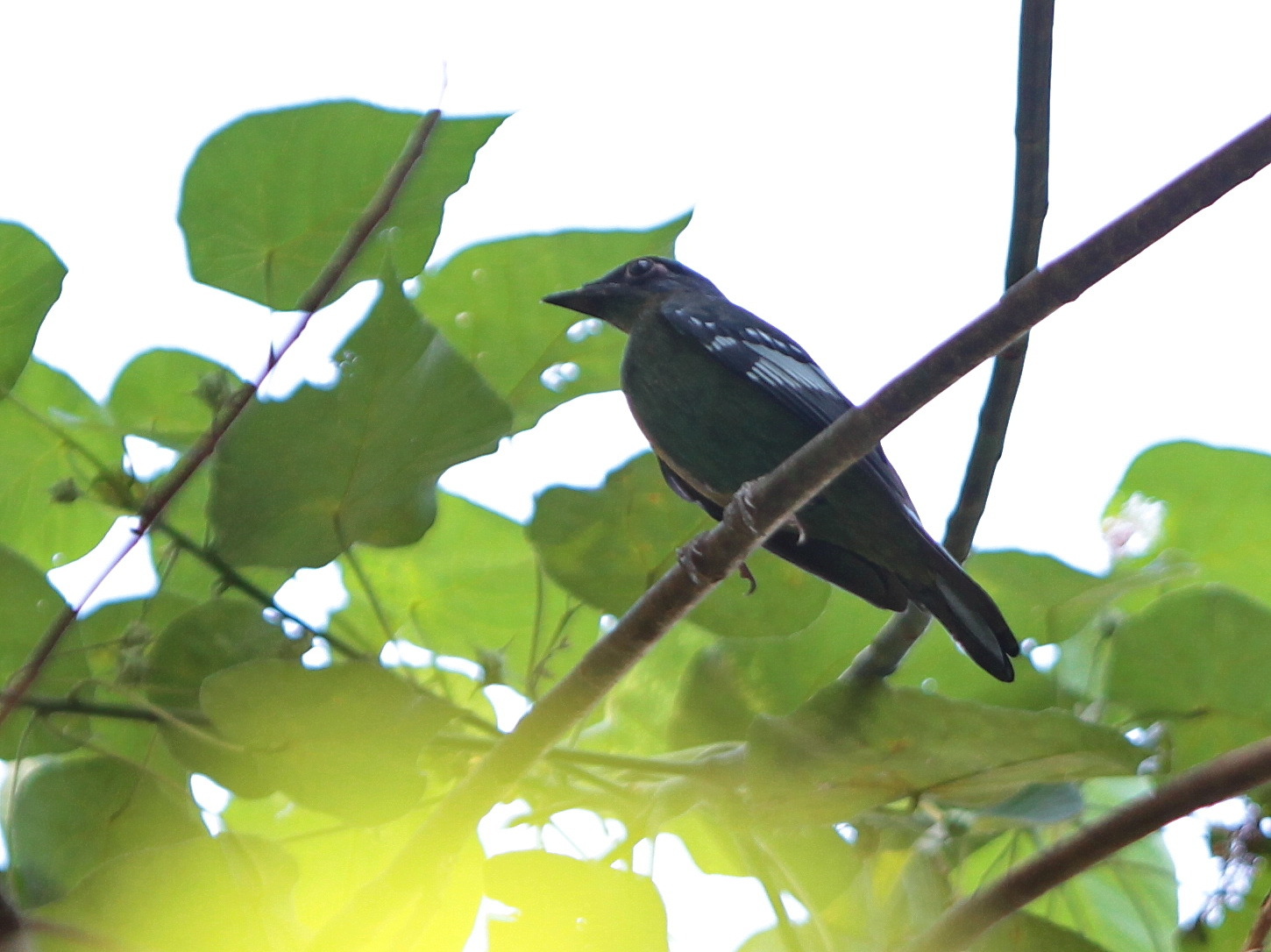
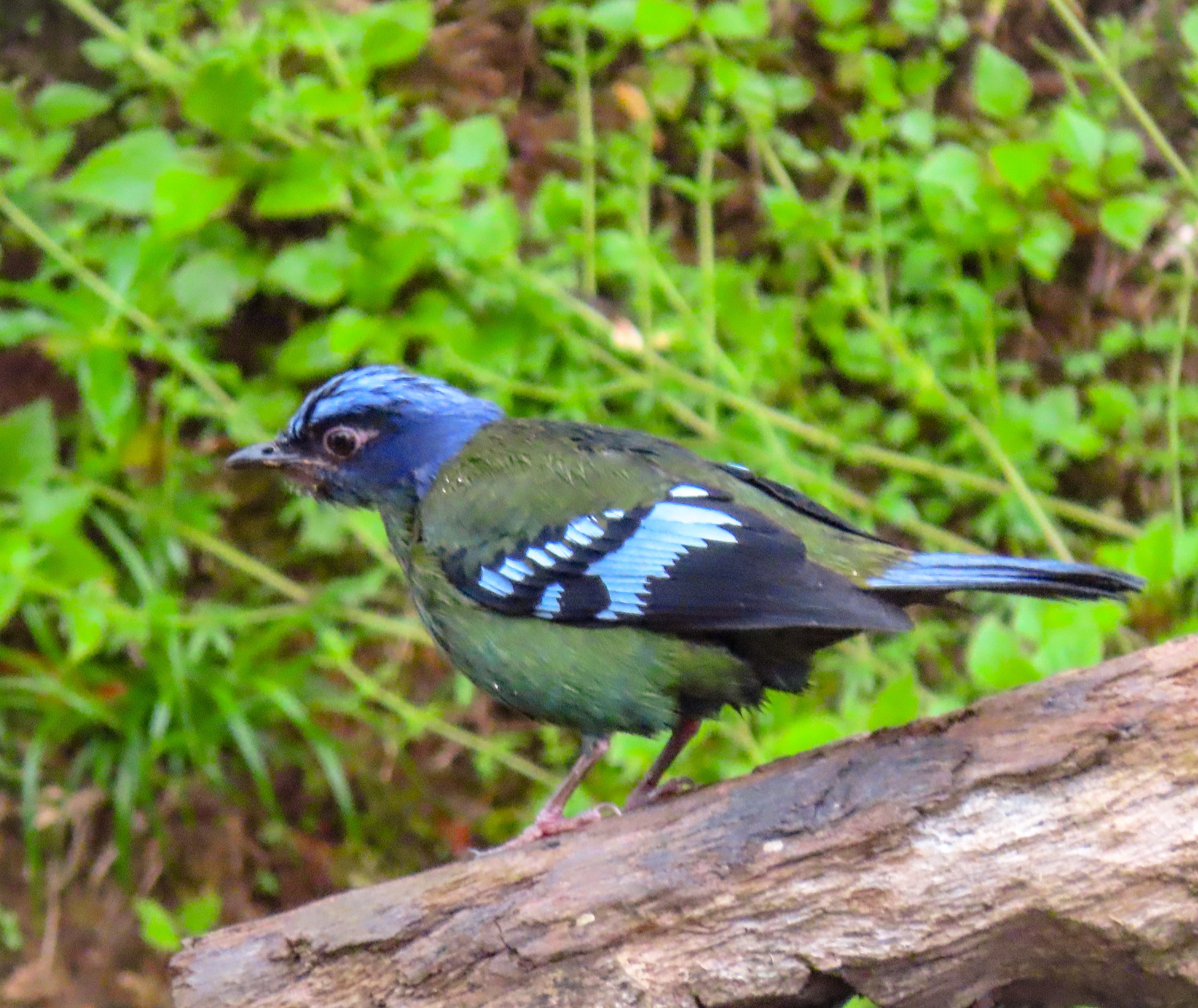
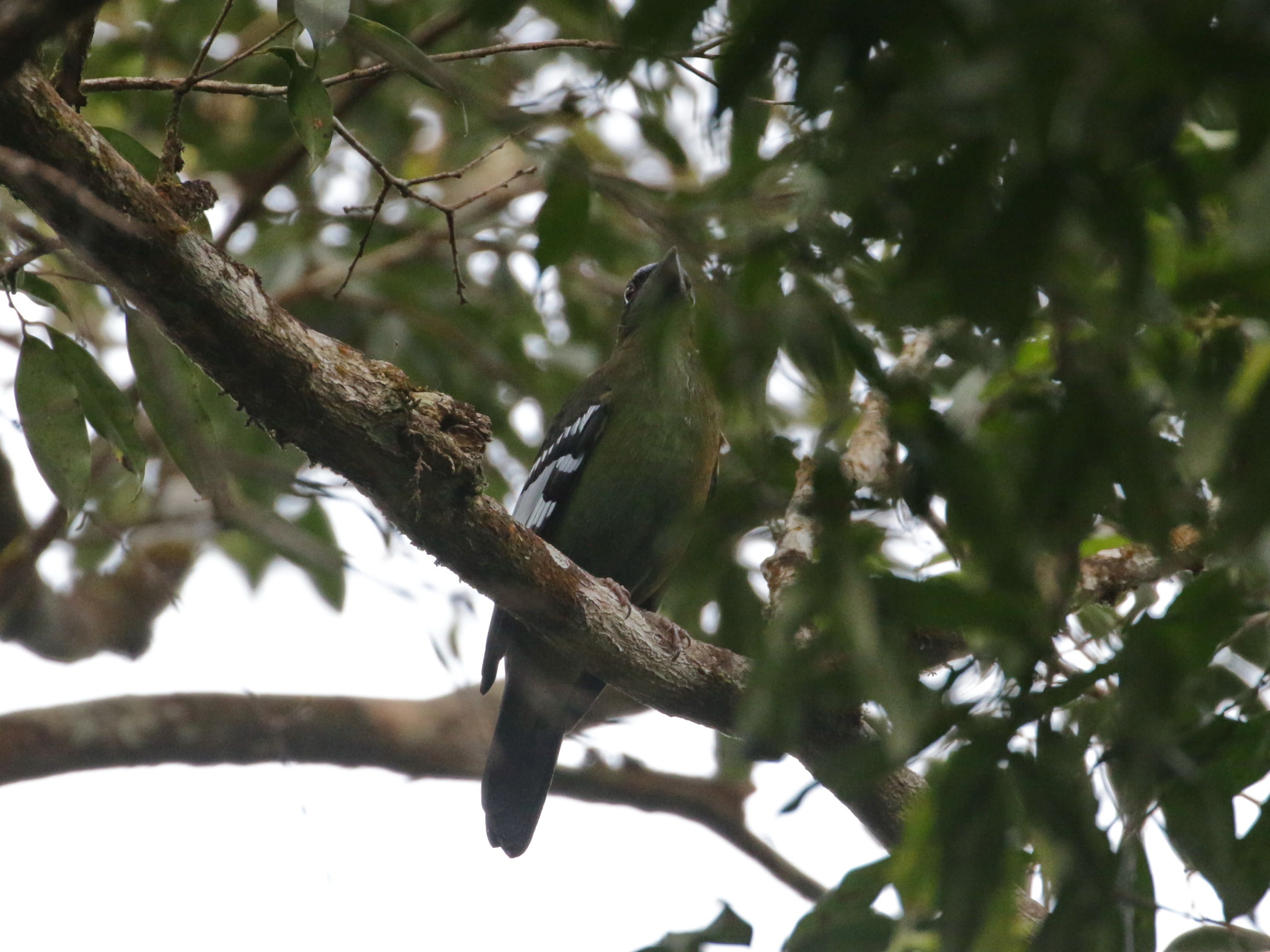
This Himalayan thrush is moss green overall. The male has a blue crown, blue wings and tail with a broad black band across the tail. The female is more greenish in body coloration with rusty spots on the wing coverts. The secondaries and tertiaries show yellowish-brown bases on the outer webs with very narrow blue edging, a pattern absent in the male. Some plumages display a white collar on the sides of the neck. First-year birds have dark shaft streaks on the body feathers.
Identification
The moss-green coloration combined with blue on the crown, wings, and tail in males distinguishes this species. Females are greener overall with rusty wing covert spots. The yellowish-brown base to the outer webs of secondaries and tertiaries with narrow blue edging separates females from males. The broad black tail band is diagnostic in males.
Distribution & Habitat
Found in Cambodia, China, India, Laos, Myanmar, Nepal, Thailand, and Vietnam, with possible occurrence in Bhutan. Inhabits subtropical or tropical moist lowland forests and subtropical or tropical moist montane forests. The species is summer-only in parts of India, with unclear winter distribution. The westernmost record is from Uttaranchal (Nainital); no recent records exist from Nepal, and most records are east of northwest Bengal. Seasonal movements are not well understood.
Behavior & Ecology
Usually seen in pairs or small groups perched in tall trees. Feeding occurs close to the ground on mollusks, insects, and berries, with occasional aerial sallies to capture insects. Breeding takes place in summer; the nest resembles that of the purple cochoa but is typically placed near water. Both parents share incubation duties. The song is a thin, clear 'feeeee' that fades away. Calls include a short high-pitched 'pok' and harsh notes. Eggs are glossy, ellipsoidal, and densely speckled.
Source: Wikipedia · CC BY-SA 3.0
Taxonomy
- Order
- Passeriformes
- Family
- Turdidae
- Genus
- Cochoa
- eBird Code
- grecoc1
Distribution
montane forest of eastern Himalayas from northeastern India (Sikkim and northern West Bengal to Arunachal Pradesh and southern Assam hills), western and eastern Myanmar, southern and eastern China (southern Yunnan and Fujian), western, northern, and southeastern Thailand, southwestern and eastern Cambodia, Laos, and Vietnam (Tonkin and Annam)
Data Sources
Species description from Wikipedia, licensed under CC BY-SA 3.0.
Bird images and sounds sourced from GBIF, contributed by citizen scientists worldwide under Creative Commons licenses.
Taxonomy data from AviList 2025.