Montagu's Harrier
Circus pygargus
乌灰鹞
Introduction
A bird of prey in the family Accipitridae. This harrier breeds across large open areas of the Palearctic, from Portugal east to the Urals and into northern Africa (mainly Morocco). It is a long-distance migrant, wintering in sub-Saharan Africa, the Indian subcontinent, and parts of the Arabian Peninsula. The species inhabits temperate, Mediterranean, and boreal zones, typically nesting in broad river valleys, plains, lake margins, wetlands, heaths, dunes, moors, and steppe. Up to 70% of western European populations breed in agricultural farmland. It displays graceful, buoyant flight with powerful wingbeats and holds wings with a marked dihedral. Sexual dimorphism is pronounced, with males being smaller and having pale grey plumage with black wingtips, while females are larger with brown plumage.
Description
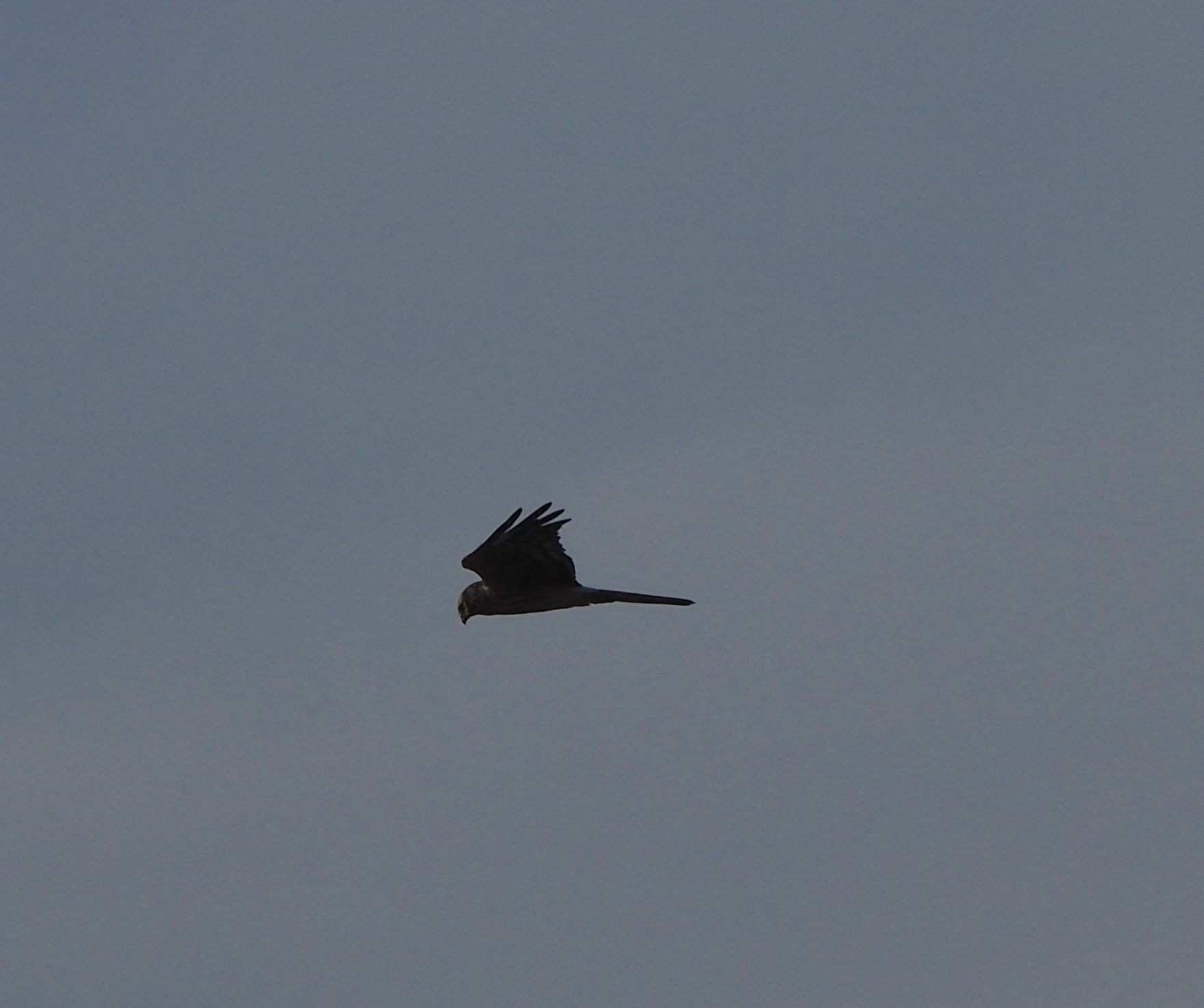
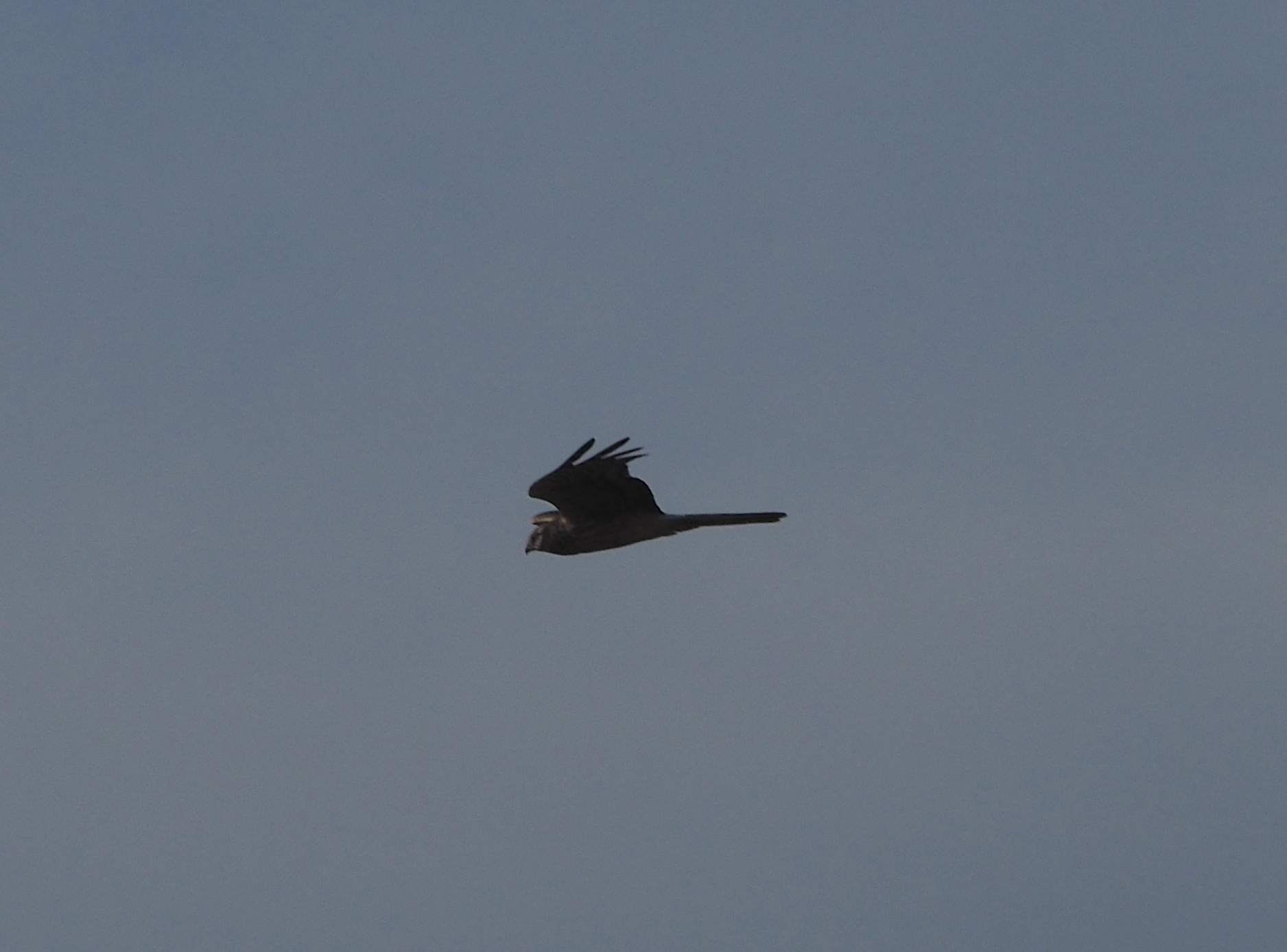
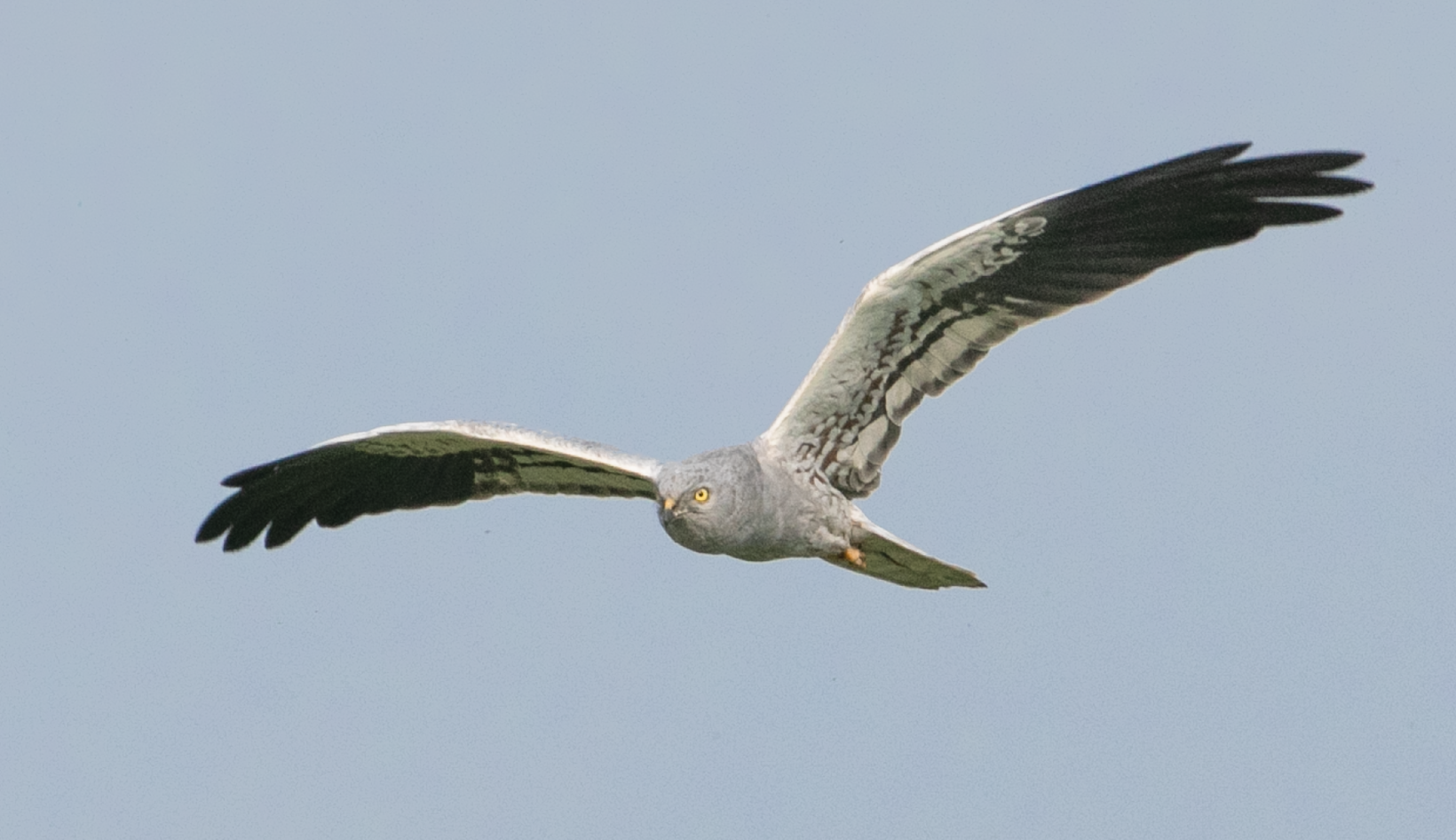
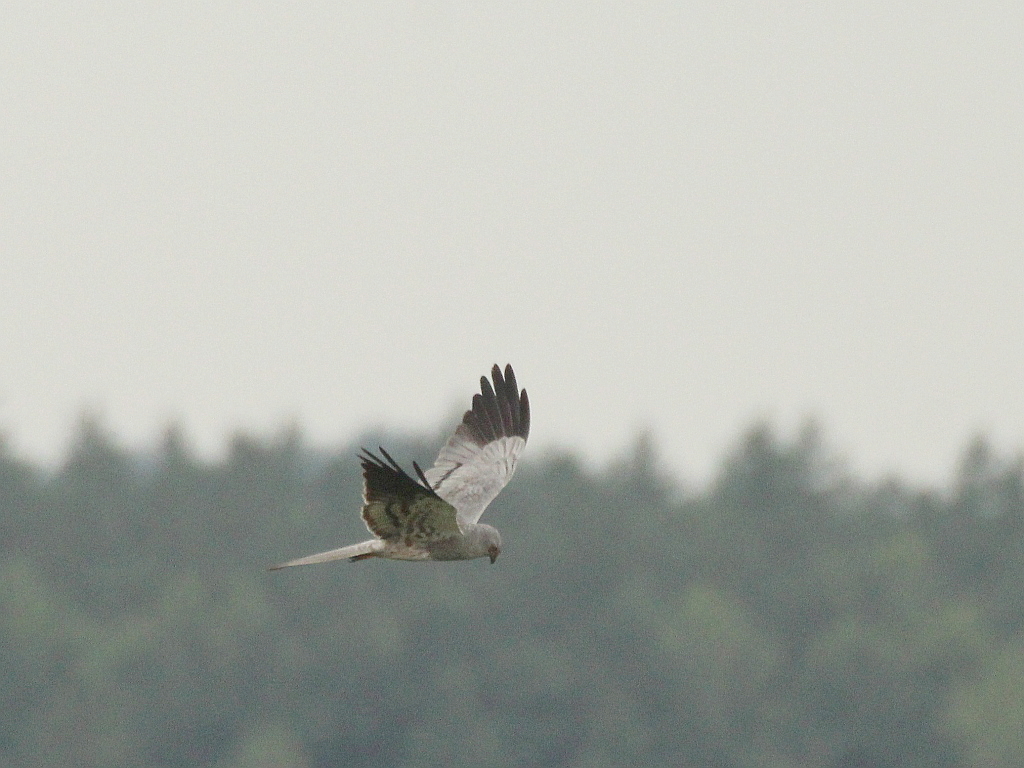
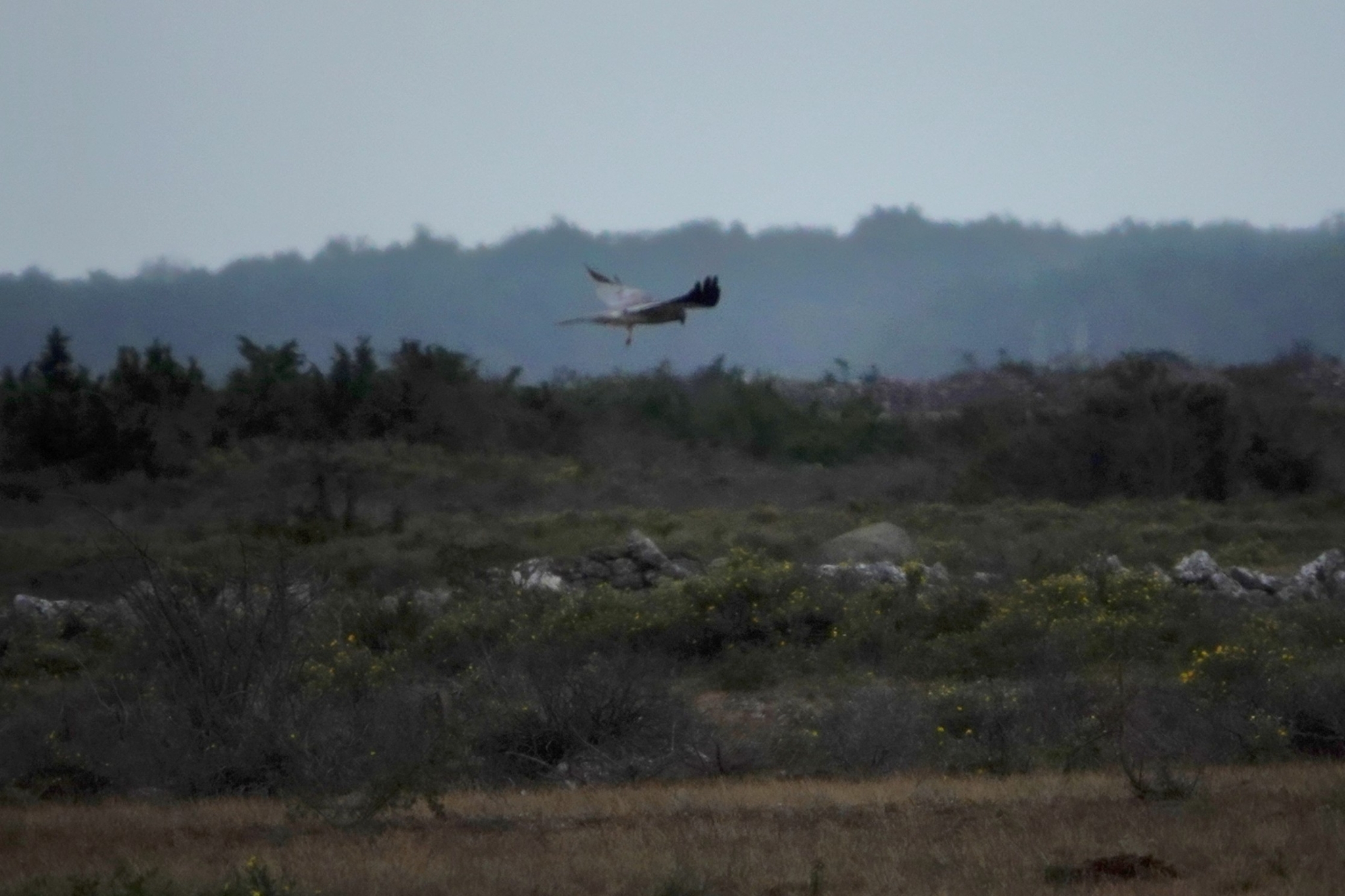
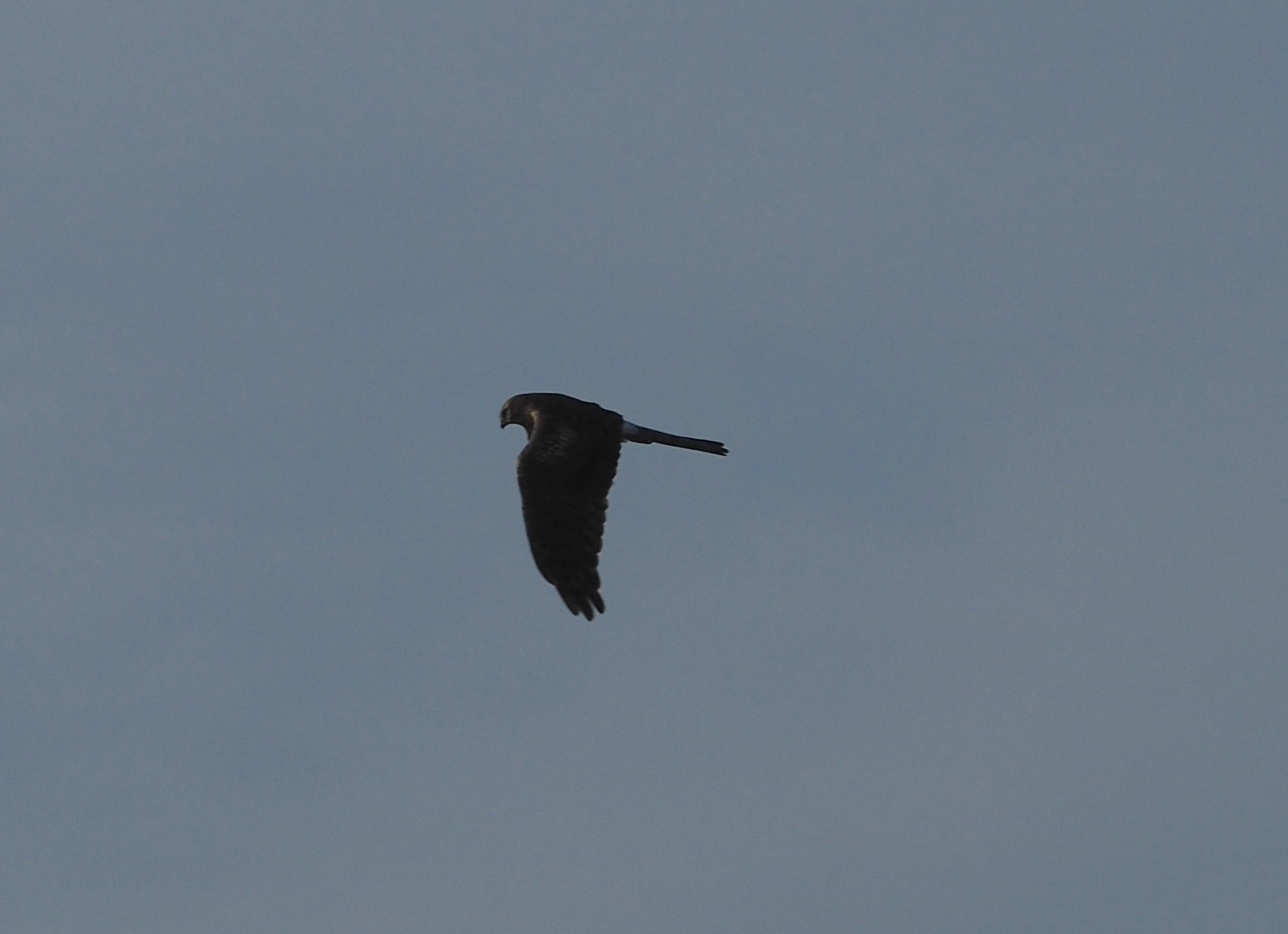
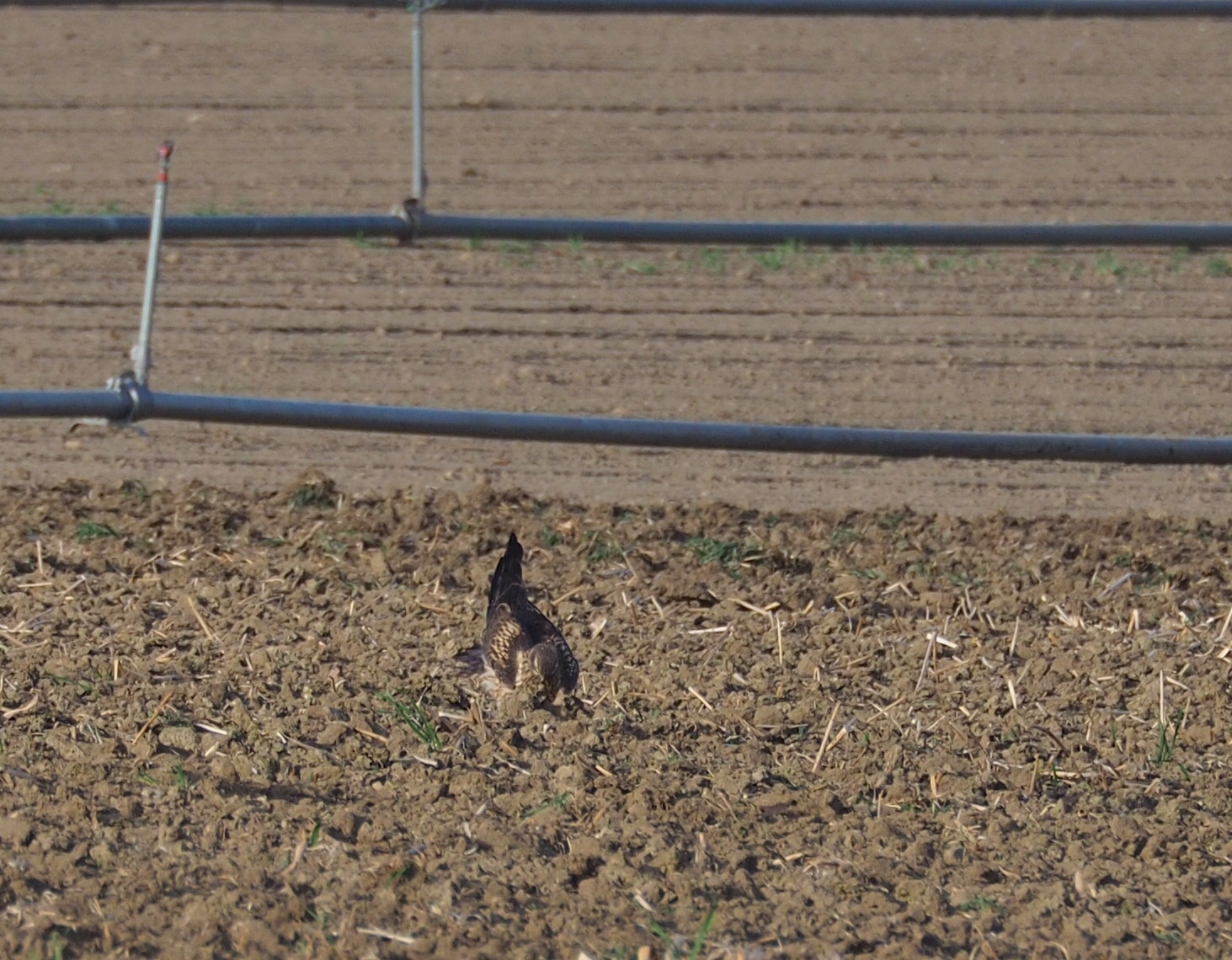
A medium-sized harrier with pronounced sexual dimorphism. Adult males have pale grey plumage overall, contrasting black wingtips, and distinctive black bands along the secondaries both above and below the wing. Rusty streaks mark the belly and flanks. Adult females resemble pallid and hen harriers, with pale yellow-brown underparts, longitudinal stripes on the belly, and spotted wing coverts. Upperparts are uniform dark brown with white upper tail coverts. Juveniles resemble females but have uniformly red-brown underparts and under wing coverts rather than spotted. A melanistic morph occurs regularly, with males appearing black-headed with grey underparts and females entirely chocolate brown except for grey flight feathers. Wingspan is 97–115 cm, length 43–47 cm, tail 16–18 cm. Average weight: males 265 g, females 345 g.
Identification
Confusion possible with hen harrier and pallid harrier within the same range. Males are darker and more mottled than hen or pallid harrier males. Females and juveniles are more challenging to distinguish. Compared to hen harrier, Montagu's appears more slender in flight with a longer tail, longer narrower wings, and more pointed wingtips. Flight is more elegant with elastic, almost tern-like wingbeats. The most delicate distinction is between female Montagu's and pallid harriers; pallid females and juveniles have a pale collar around the neck absent in Montagu's. Proportions are similar, so identification requires good conditions. Appears larger than actual size due to large wing surface relative to small body weight.
Distribution & Habitat
Breeds across most of the Western Palearctic, with populations in most European countries except Norway. Westernmost population in Portugal, eastern limit at the Urals. Also breeds in northern Africa (Morocco). In Britain, limited to southern England, particularly areas surrounding The Wash and downland from Dorset and Hampshire north to Oxfordshire. In Ireland, rare with sporadic breeding records (most recent 1971). Essentially a lowland species found in broad river valleys, plains, lake margins, wetlands, heaths, dunes, moors, and steppe. Nests up to 1,500 m but mainly at lower elevations. Migrates sub-Saharan in autumn, returning spring. Western birds winter as far south as the Gulf of Guinea; eastern populations reach the Indian subcontinent and some South Africa.
Behavior & Ecology
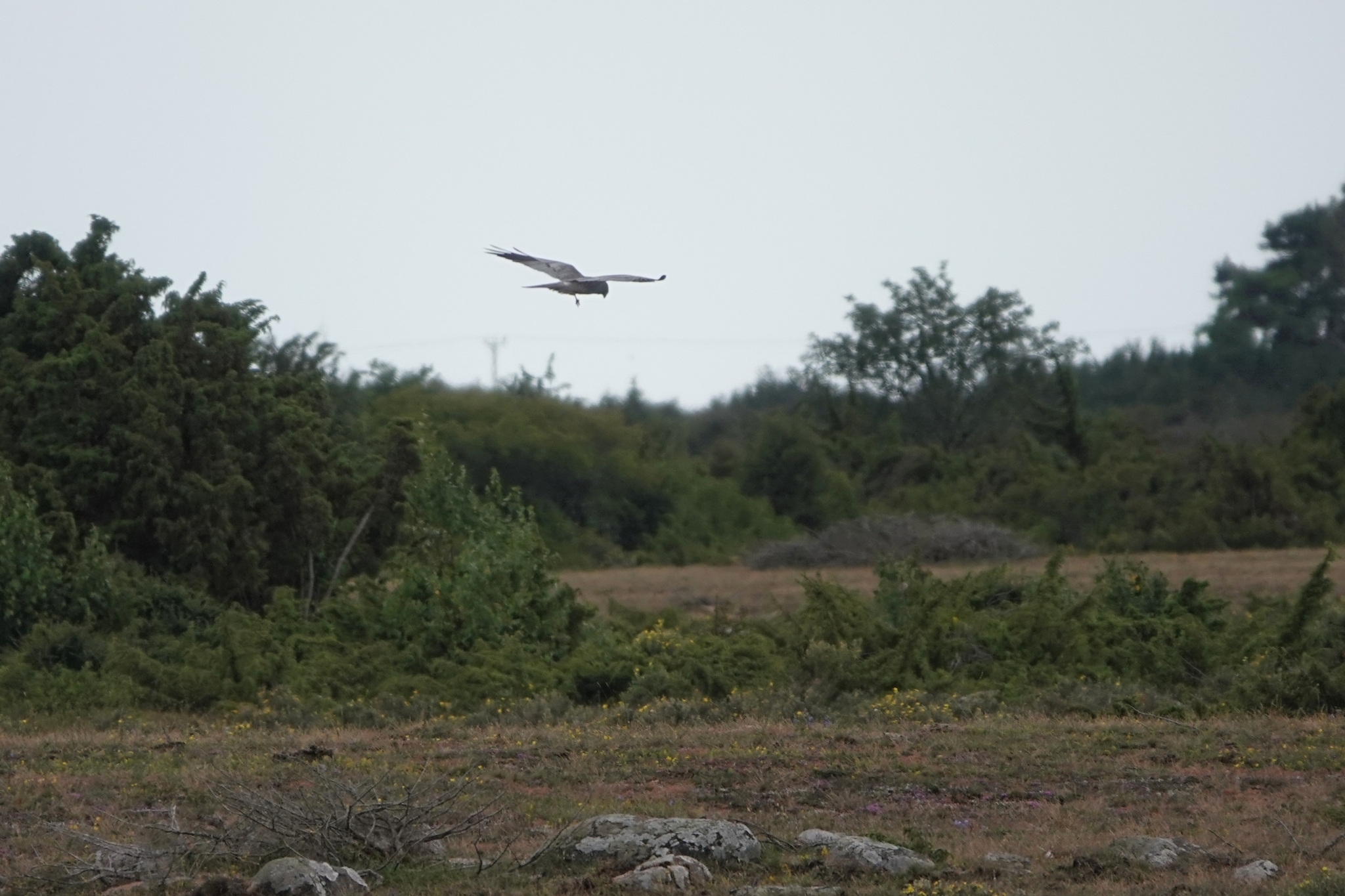
Diet consists mainly of small rodents, small birds, eggs, reptiles (including snakes), and large insects (mainly Orthoptera). Prey composition varies regionally: northern populations take ground squirrels and rabbits; southern Europe focuses on reptiles and large insects. Feeds by flying low (approx. 30 km/h) along fixed routes, taking prey after short stoops or short chases. Displays include sky-dances and aerobatics by both sexes, though male displays are more frequent. Breeds at 2-3 years, sometimes younger. Nests in tall vegetation, building a simple grass cup nest. Lays 3-5 eggs incubated 27-40 days. Young leave nest after 28-42 days. Can be solitary or semi-colonial with up to 30 nests 10 m apart. Males may be polygamous. In aerial food passes, the female flies underneath the male who drops prey for her to catch.
Conservation
Global population estimated at 150,000-200,000 individuals, with 35,000-50,000 pairs in the western Palearctic. Strong populations remain in France, Spain, Russia, Belarus, and Poland. The species has declined rapidly since the 1940s due to agricultural pesticides (DDT) reducing prey availability and direct mortality, and intensive farming practices with faster-growing crops destroying nests before breeding is complete. In western Europe, 70% of breeding pairs nest in agricultural farmlands, making them highly vulnerable to harvesting. Conservation measures include nest protection and relocation programs. In France and the Iberian Peninsula, these measures save approximately 60% of nestlings. Population increases have occurred locally where suitable habitat and food supply are available.
Source: Wikipedia · CC BY-SA 3.0
Taxonomy
- Order
- Accipitriformes
- Family
- Accipitridae
- Genus
- Circus
- eBird Code
- monhar1
Distribution
breeds northern Palearctic; winters to southern Africa, Iran, and India
Data Sources
Species description from Wikipedia, licensed under CC BY-SA 3.0.
Bird images and sounds sourced from GBIF, contributed by citizen scientists worldwide under Creative Commons licenses.
Taxonomy data from AviList 2025.