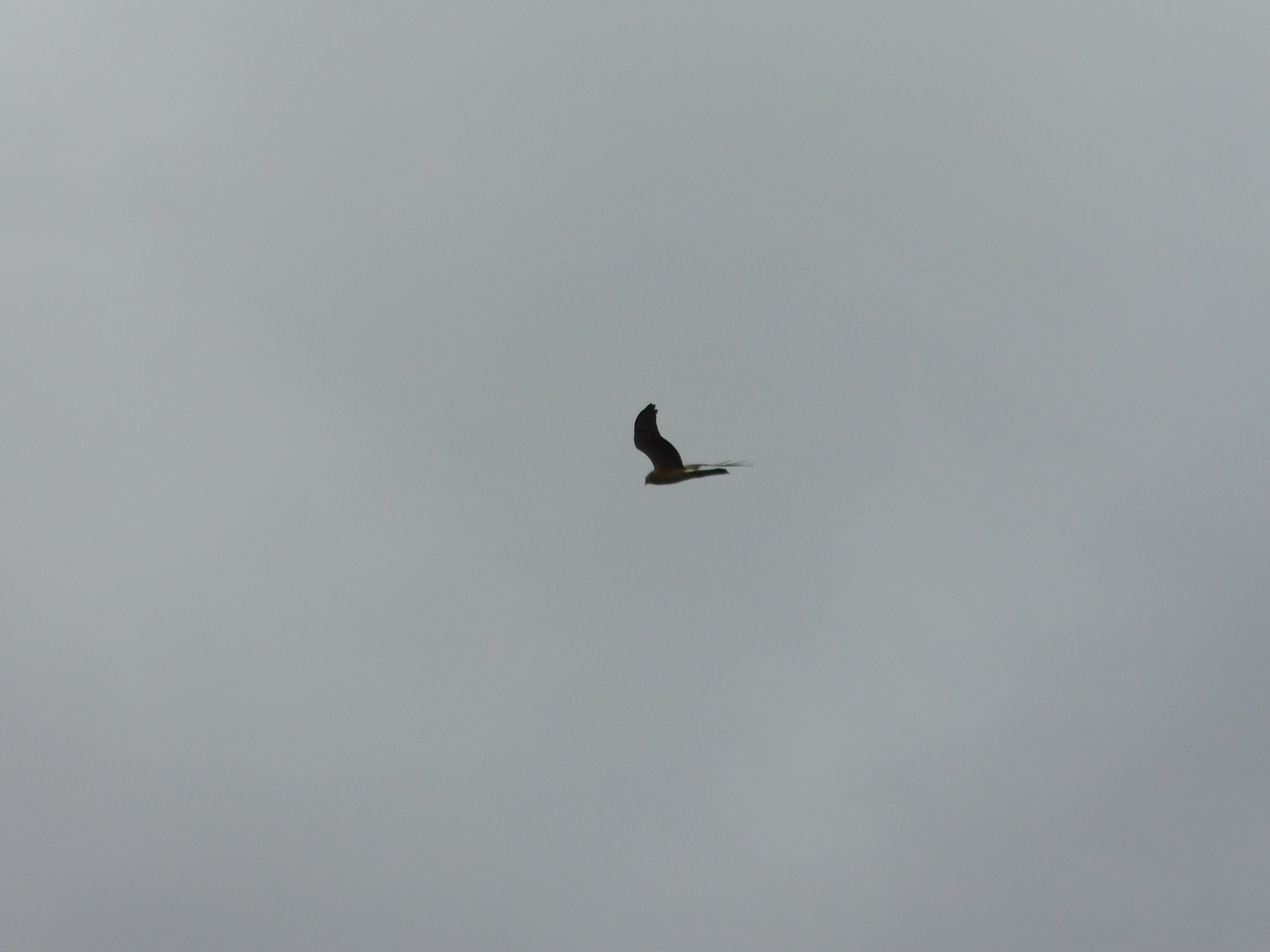
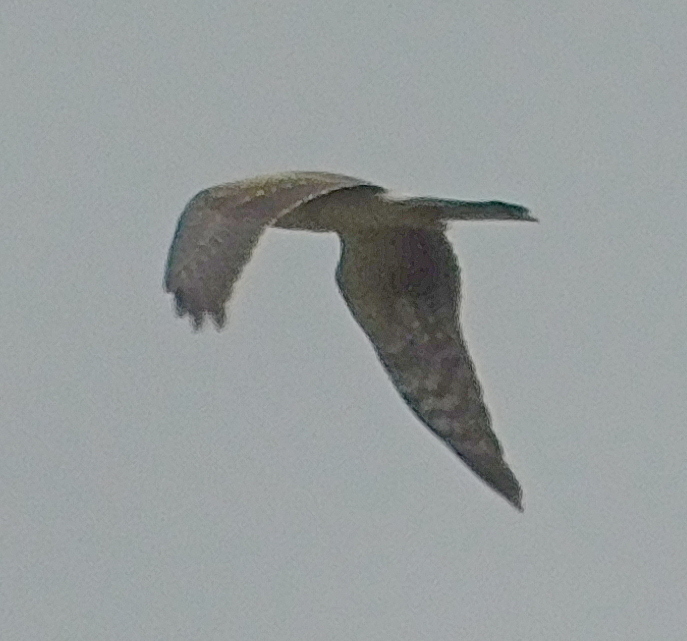
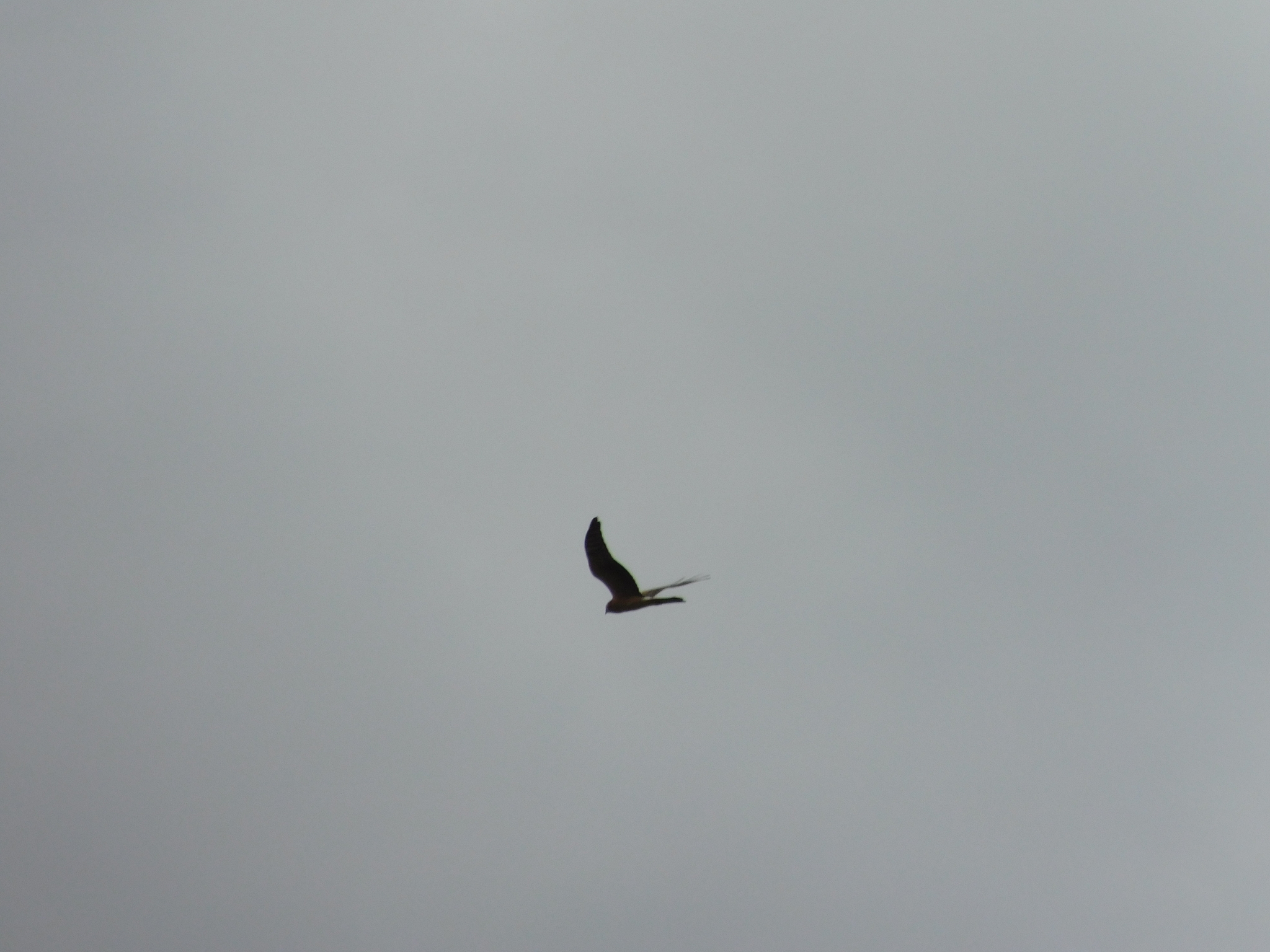
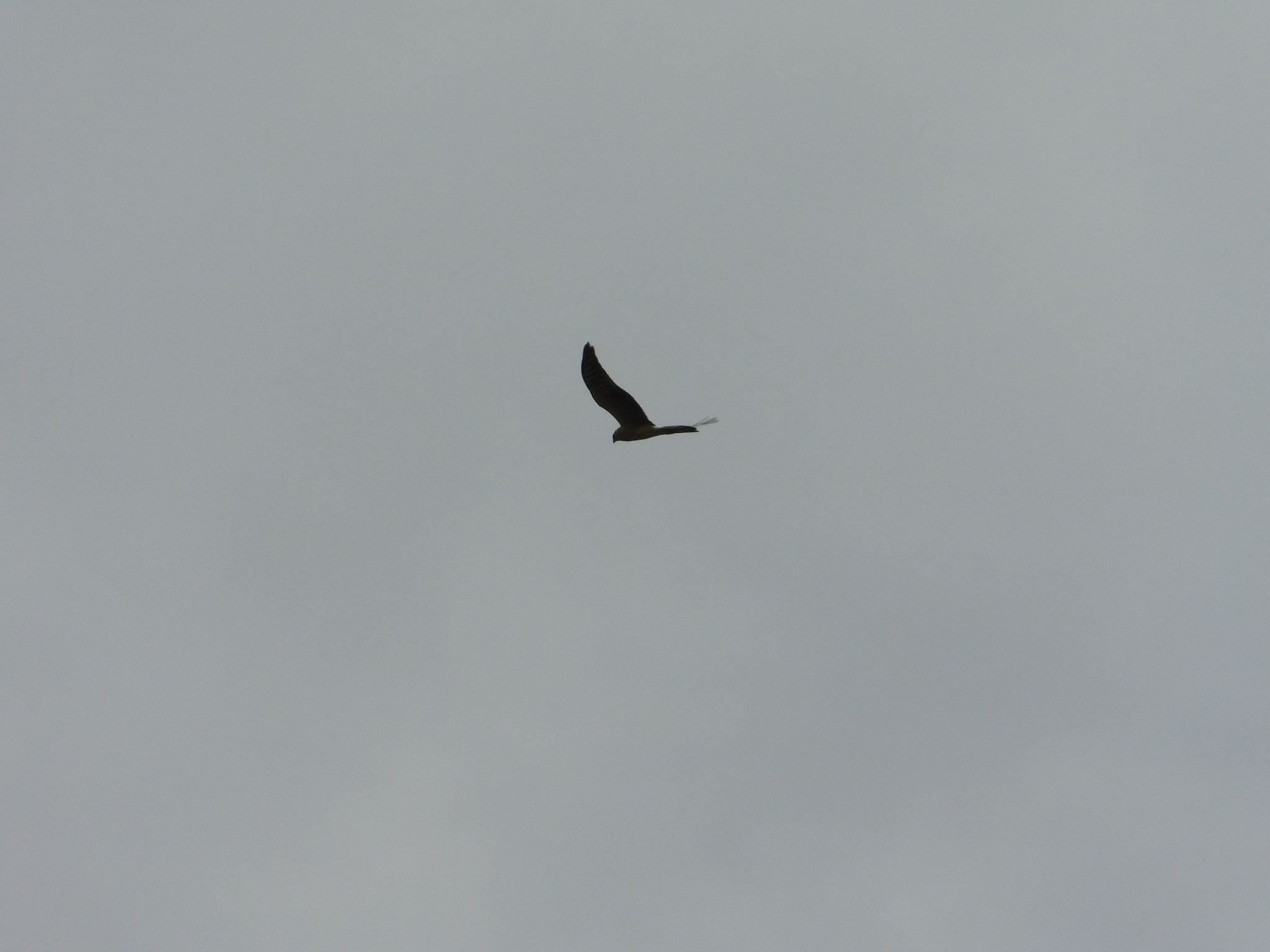
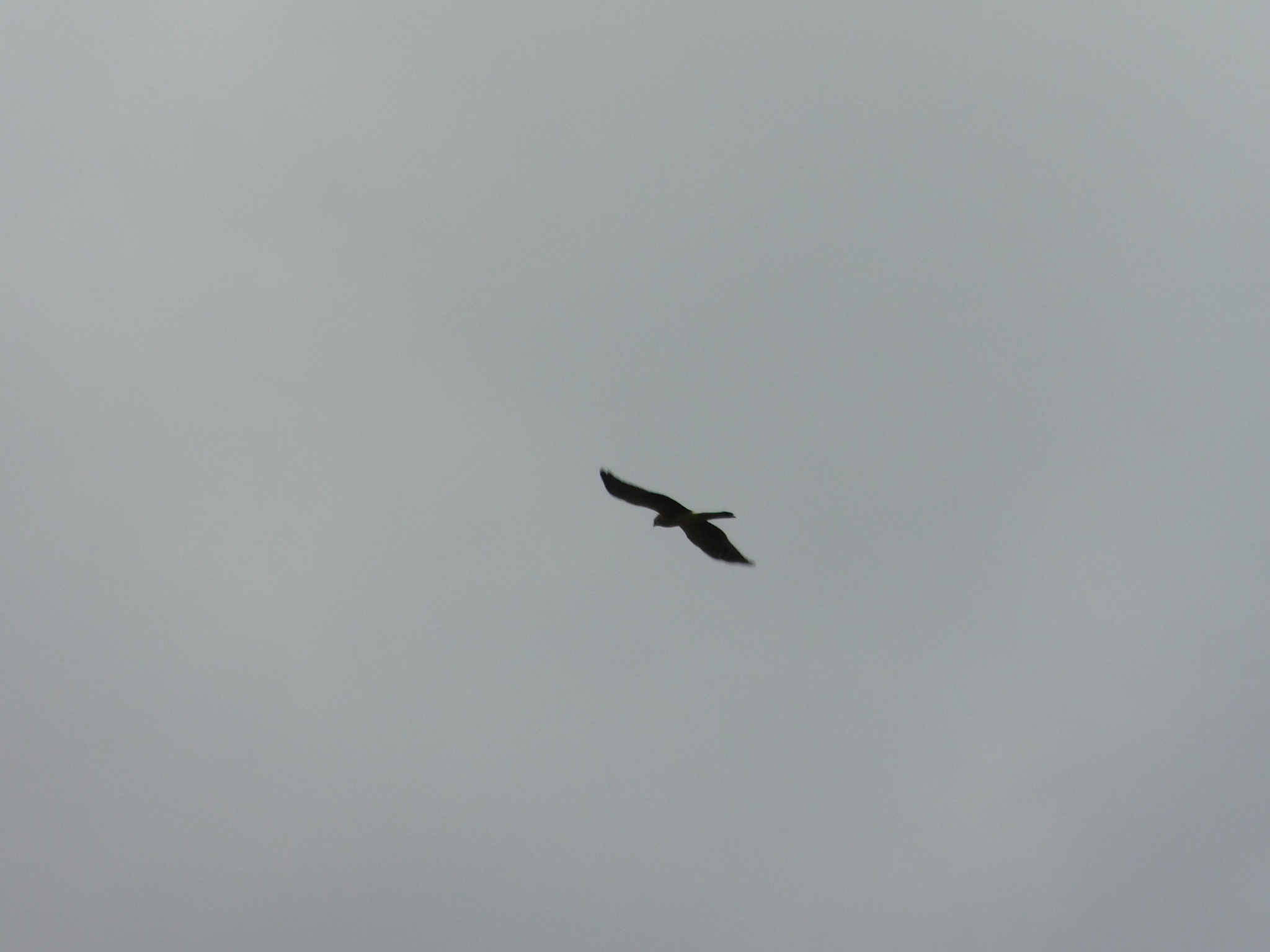
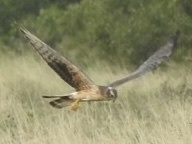
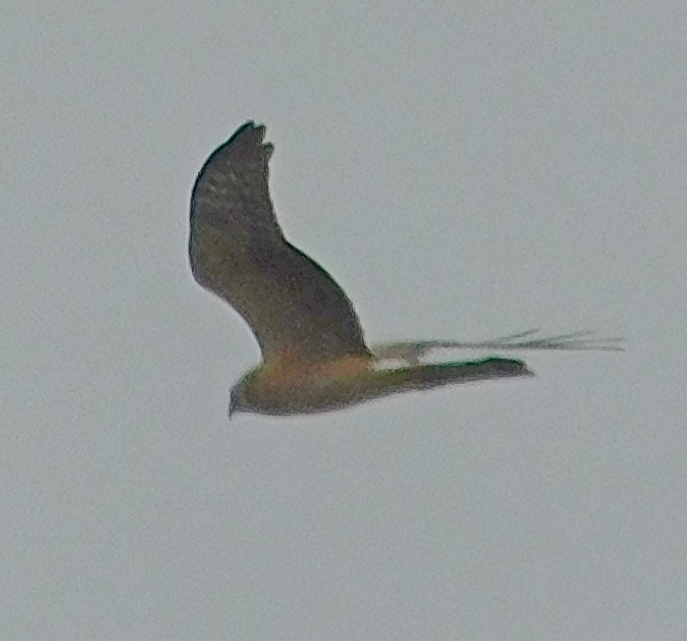
Pallid Harrier
Circus macrourus
草原鹞
Introduction
This medium-sized raptor breeds across the southern regions of eastern Europe through central Asia to Iran, favoring open plains, bogs, and heathland. It migrates in autumn to wintering grounds in India and southeast Asia. The species has expanded its breeding range westward, with the first Dutch breeding record in 2017 (a pair nested in a barley field, raised four chicks) and first Spanish breeding record in 2019.
Description
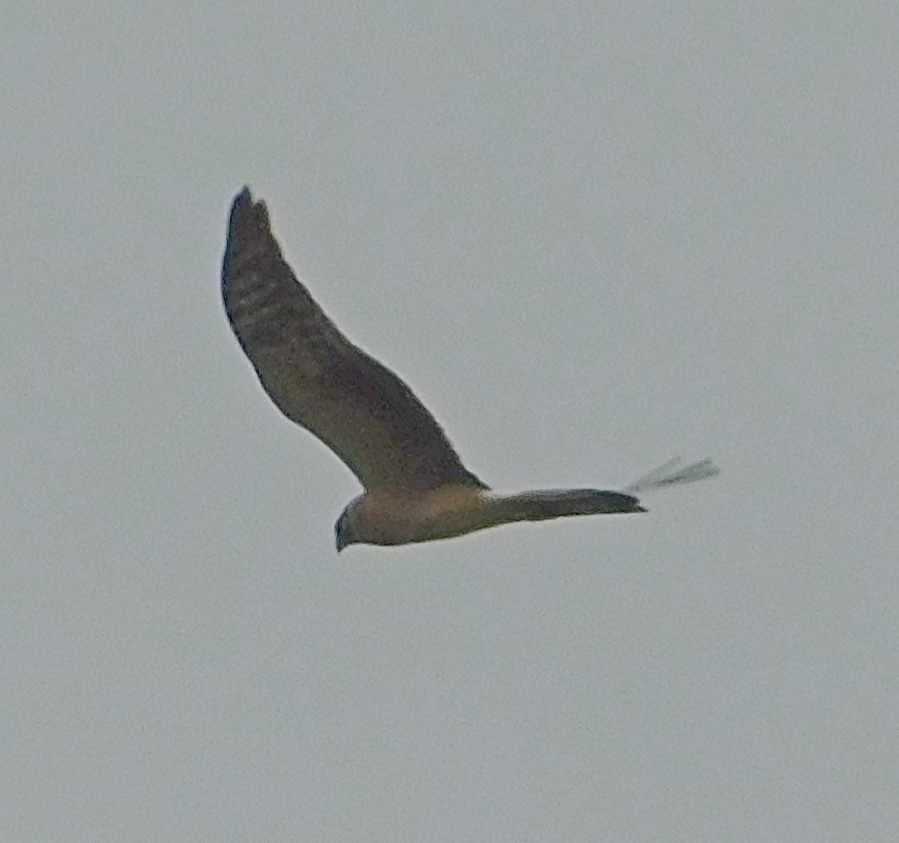
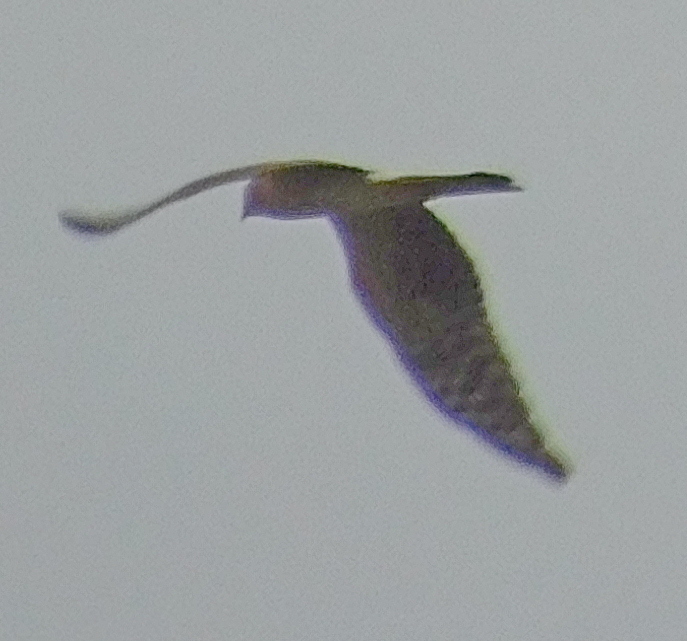
This typical harrier displays the elegant, low-flight silhouette characteristic of its genus, holding long wings in a shallow V. Adults range from 40-48 cm in length with a wingspan of 95-120 cm. Males weigh approximately 315 g and display pale grey upperparts with white underparts and distinctive narrow black wingtips. The larger females, weighing around 445 g, have brown upperparts and white upper tail coverts, with buff underparts heavily streaked with brown. Both sexes exhibit the 'ringtail' appearance common to female harriers, though this species shows particularly pale underparts.
Identification
This species is best distinguished from the similar hen harrier by its smaller size, more slender wings, paler overall coloration, and narrower black wingtips. Females closely resemble Montagu's harriers but can be identified by their notably paler belly and more defined facial pattern. In flight, the combination of pale underparts, slim wings, and hovering hunting style help distinguish it from related species.
Distribution & Habitat
The breeding range spans southern eastern Europe through central Asia to Iran, occupying open habitats such as plains, bogs, and heathland. It winters primarily in India and southeast Asia, favoring open country landscapes. Western European countries increasingly report sightings as vagrants, with the species expanding its breeding range into new countries in recent decades.
Behavior & Ecology
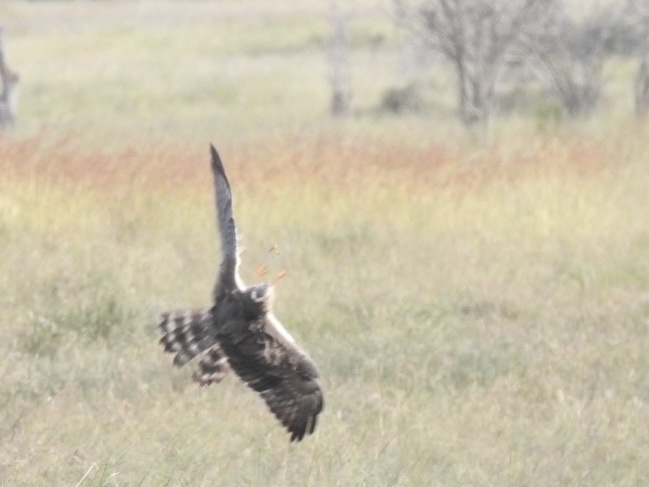
This predator employs low, gliding flight to surprise prey across fields and moors, taking small mammals and birds as primary food sources. Its diet also includes large insects such as grasshoppers and locusts, along with lizards and frogs. The species nests on the ground, typically laying a clutch of four to five whitish eggs (occasionally three to six) in a simple scrape on the ground.
Conservation
As a species expanding its range into western Europe with recent breeding records in new countries, this raptor appears to be establishing itself in additional territories. The increase in vagrant sightings and breeding expansion suggests stable or growing populations in parts of its range, though detailed population assessments would be needed for complete conservation status evaluation.
Culture
No cultural significance, folklore, or mythology is documented for this species.
Source: Wikipedia · CC BY-SA 3.0
Taxonomy
- Order
- Accipitriformes
- Family
- Accipitridae
- Genus
- Circus
- eBird Code
- palhar1
Distribution
breeds central Eurasia; winters to southern Africa, India, and Myanmar
Data Sources
Species description from Wikipedia, licensed under CC BY-SA 3.0.
Bird images and sounds sourced from GBIF, contributed by citizen scientists worldwide under Creative Commons licenses.
Taxonomy data from AviList 2025.