Purple Sunbird
Cinnyris asiaticus
紫花蜜鸟
Introduction
The Crimson-backed Sunbird is a small nectar-feeding bird native to South and Southeast Asia, ranging from India and Sri Lanka through Myanmar to Malaysia and Indonesia. It inhabits gardens, parks, and forest edges from lowlands to elevations of around 1,800 meters. This species measures approximately 10-11 cm in length. Males display black plumage with iridescent purplish-blue on the mantle and rump, while females show olive-brown upperparts and yellowish underparts. It feeds on nectar, typically perching at flower bases rather than hovering, and exhibits a swift, direct flight. The species is currently classified as Least Concern on the IUCN Red List.
Description
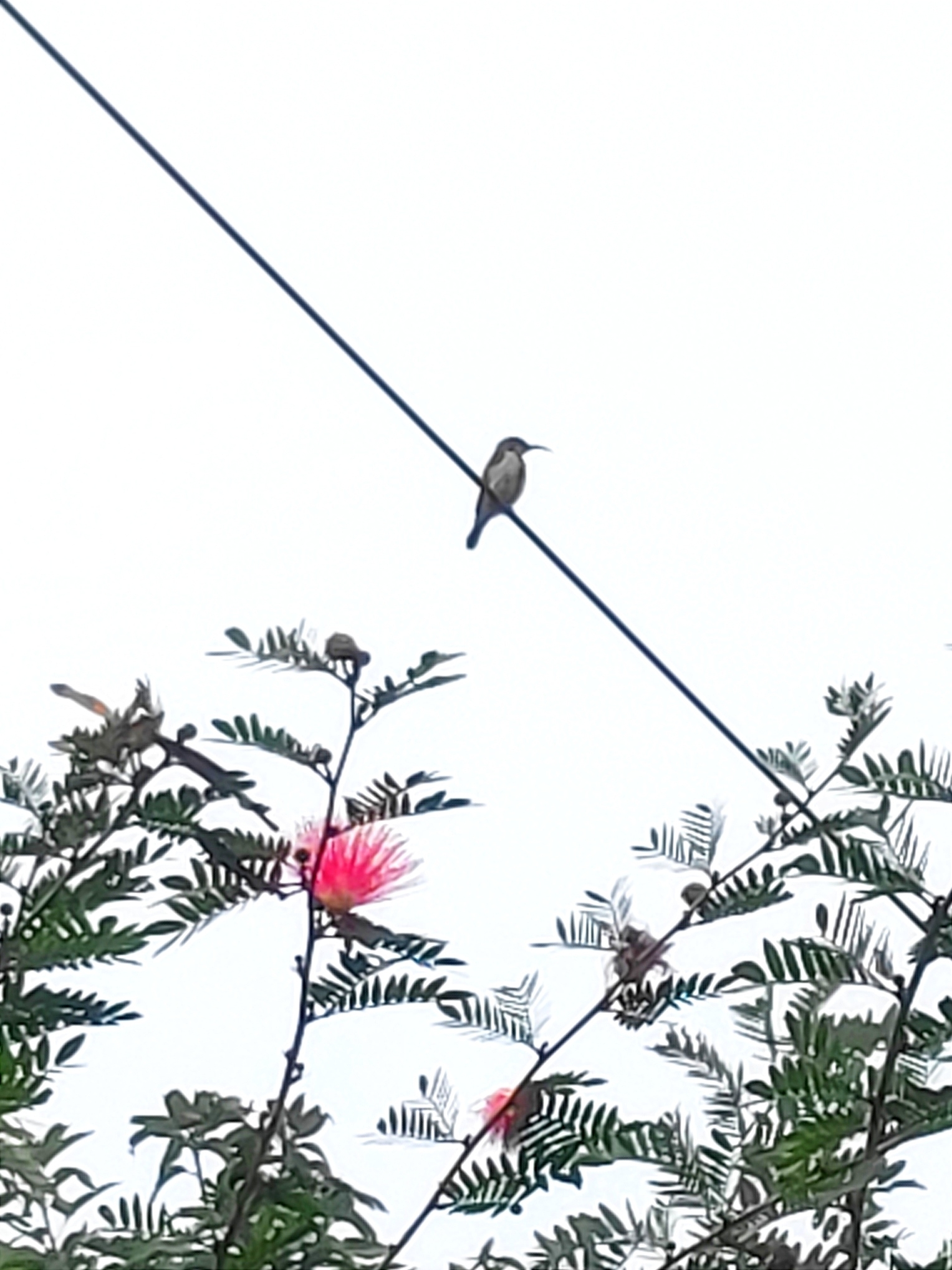
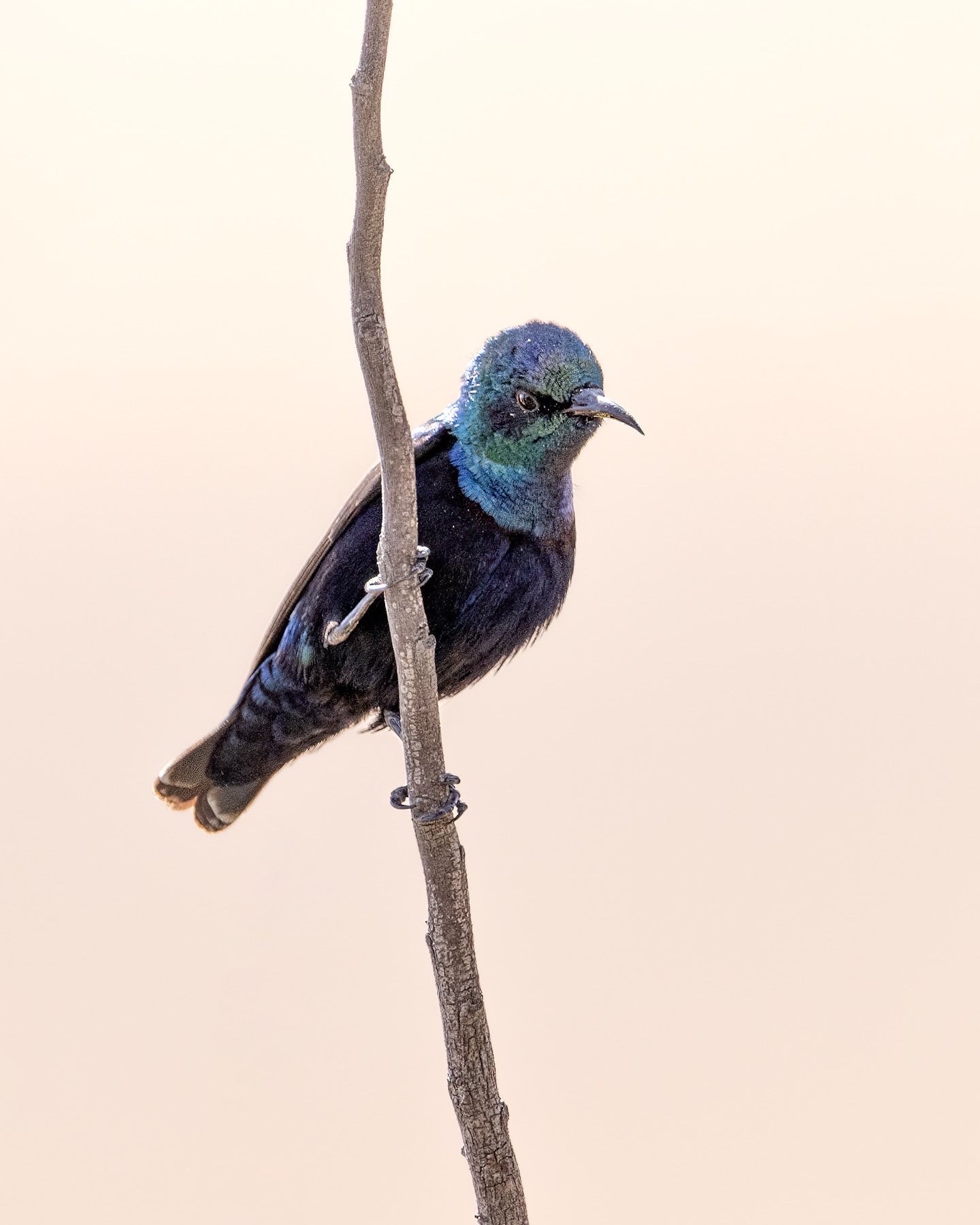
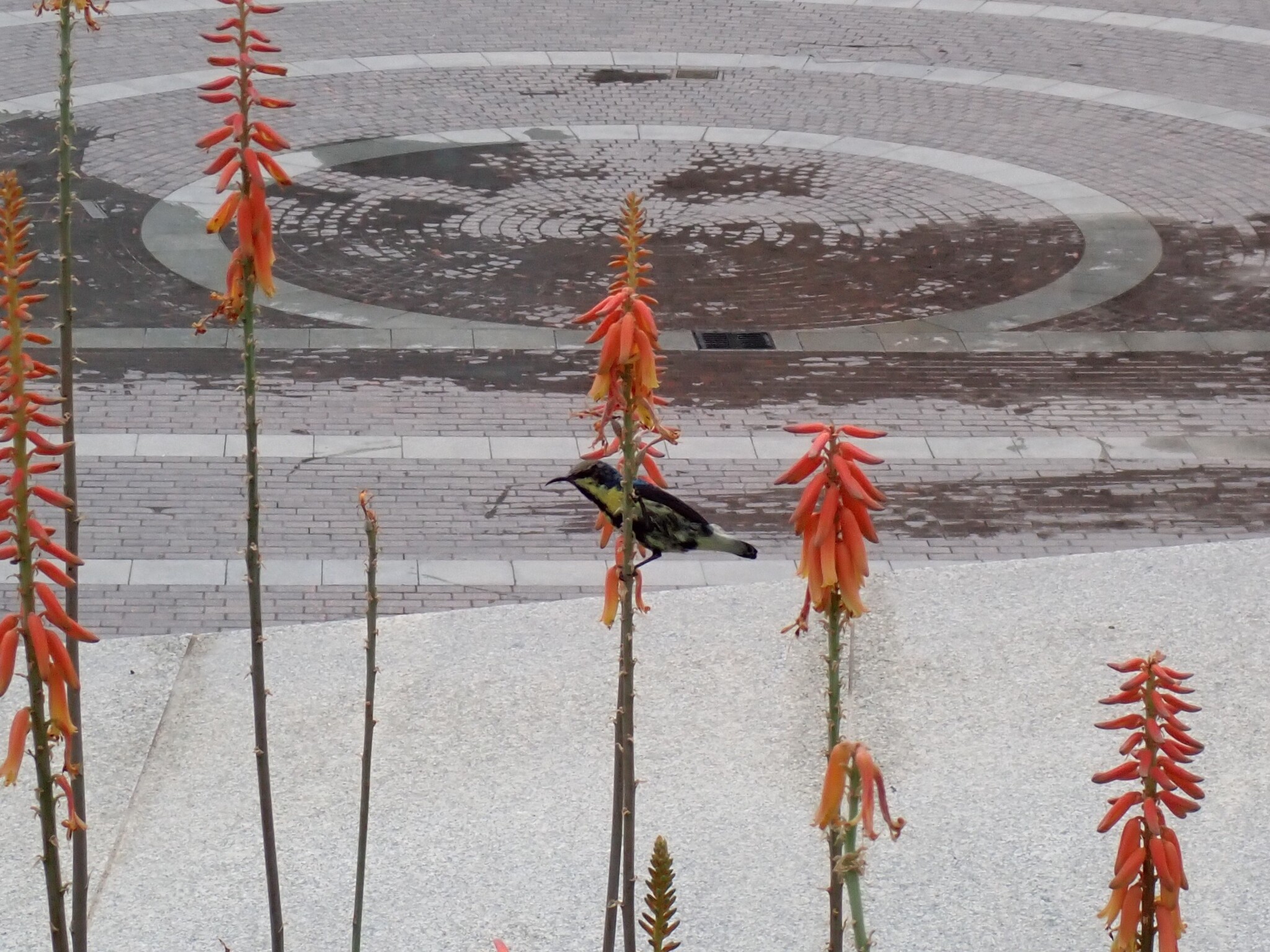
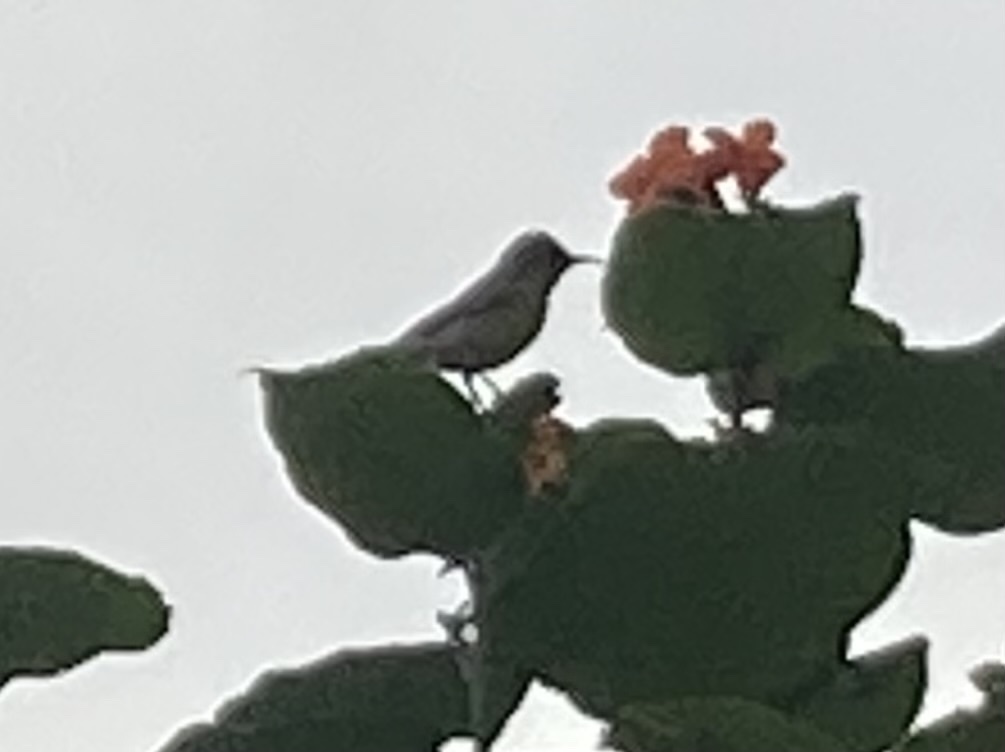
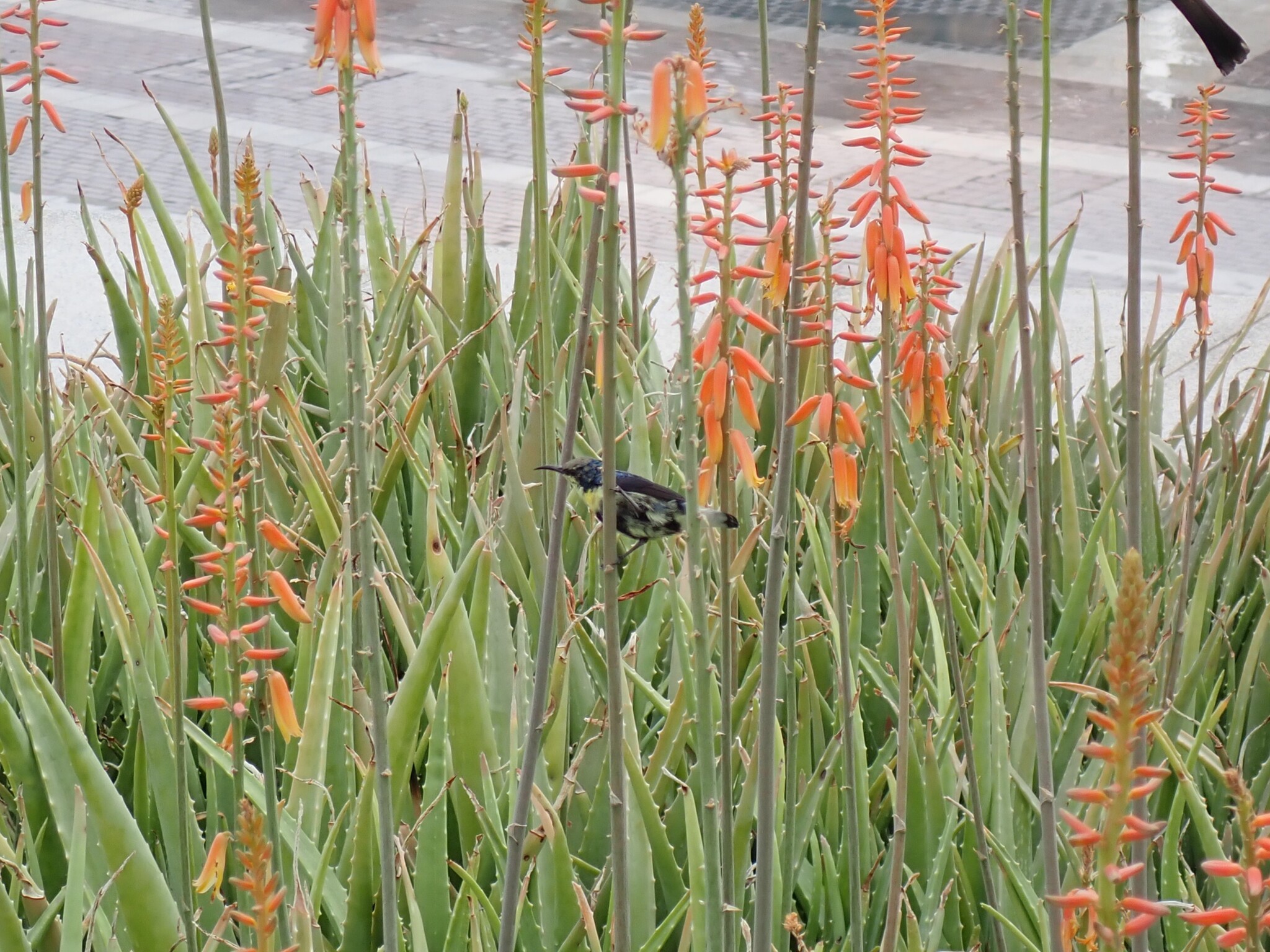
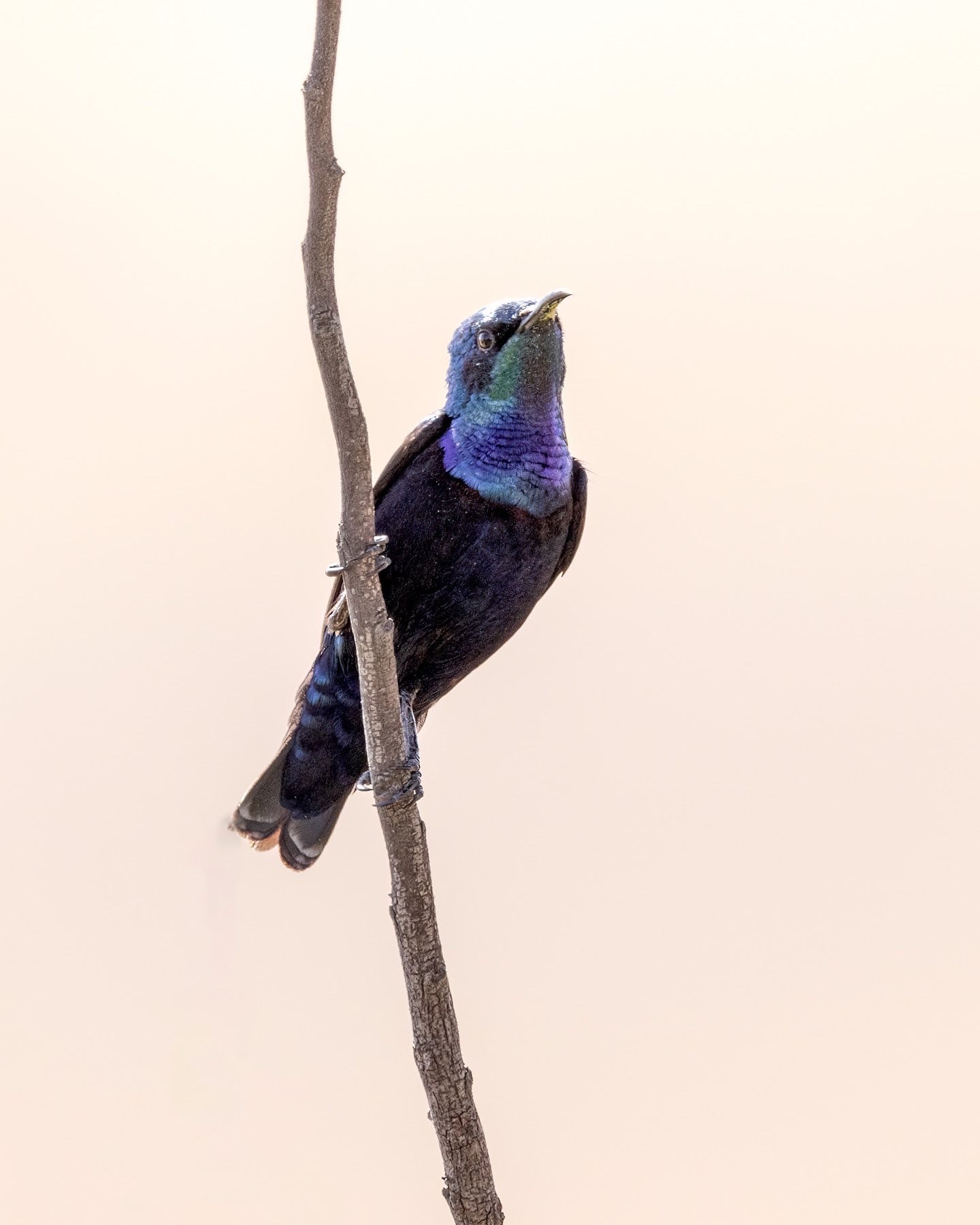
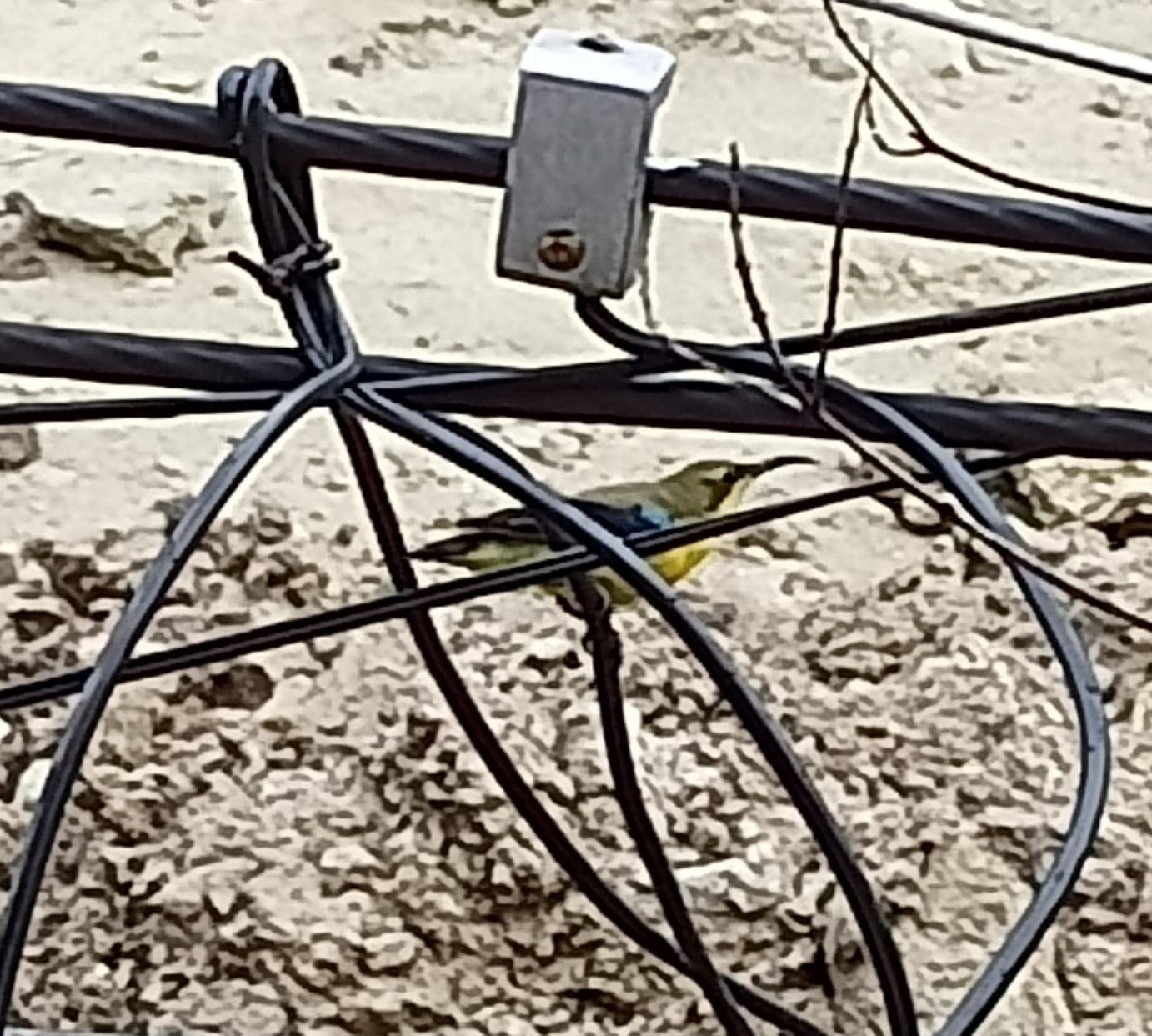
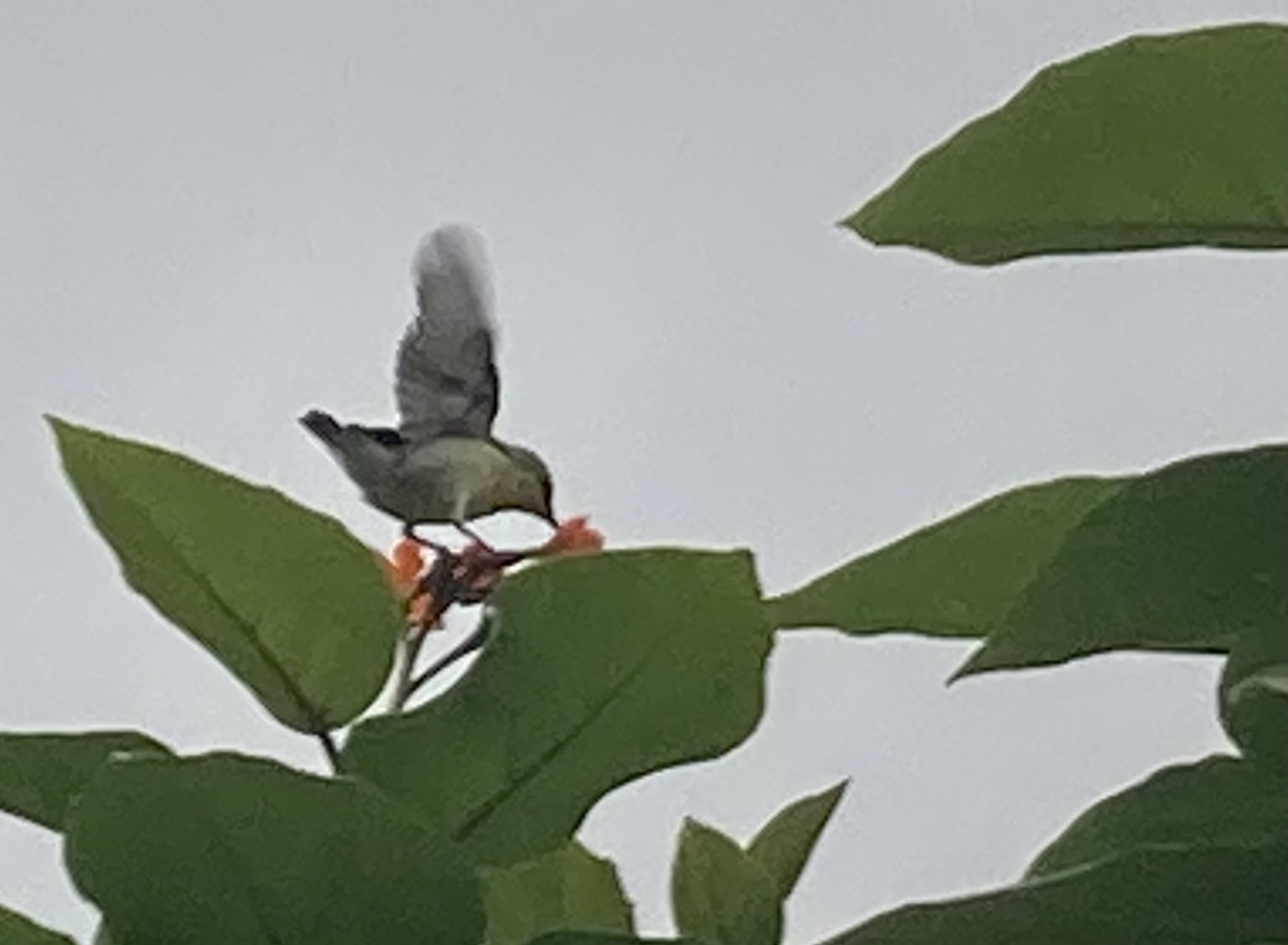
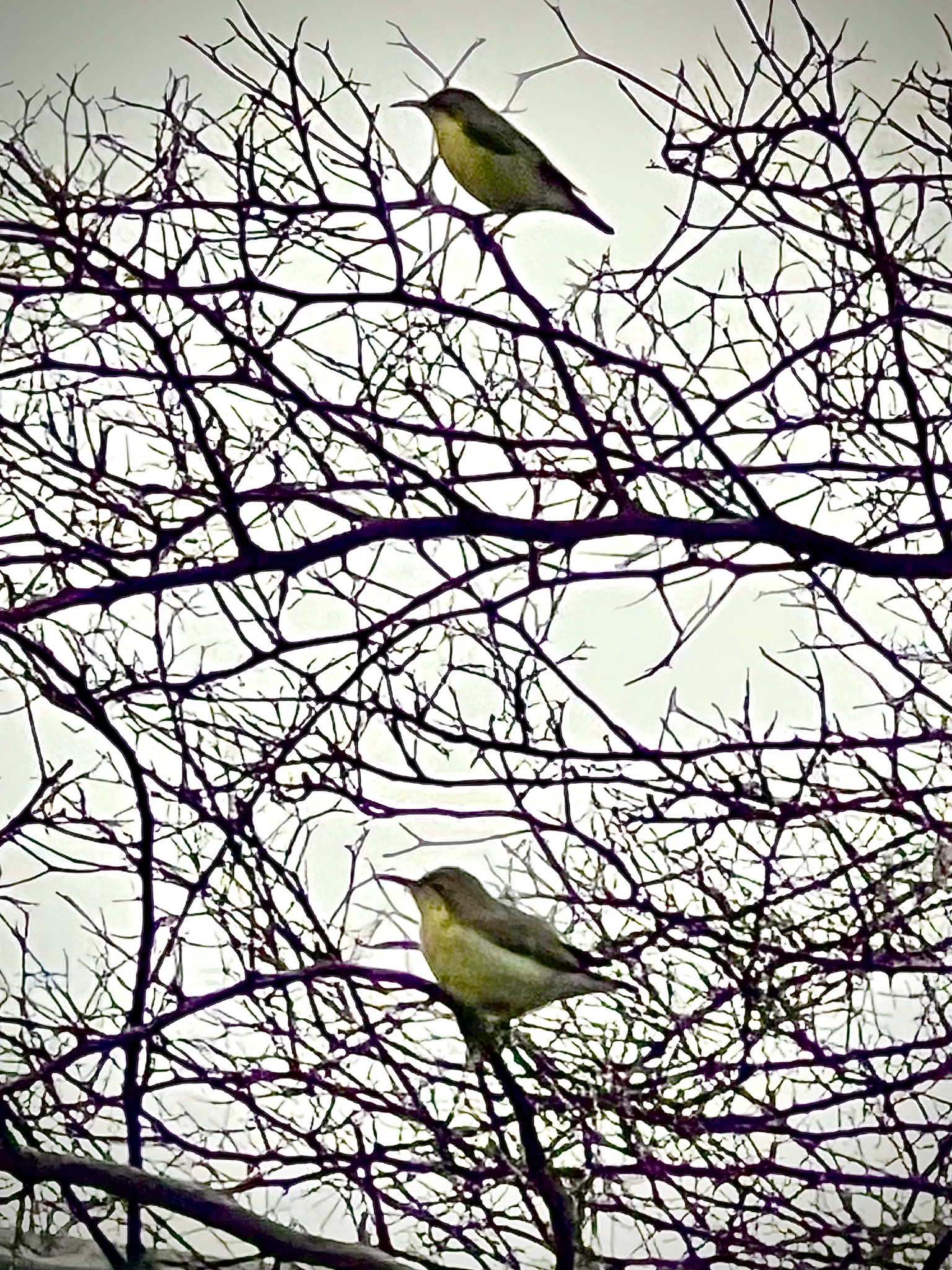
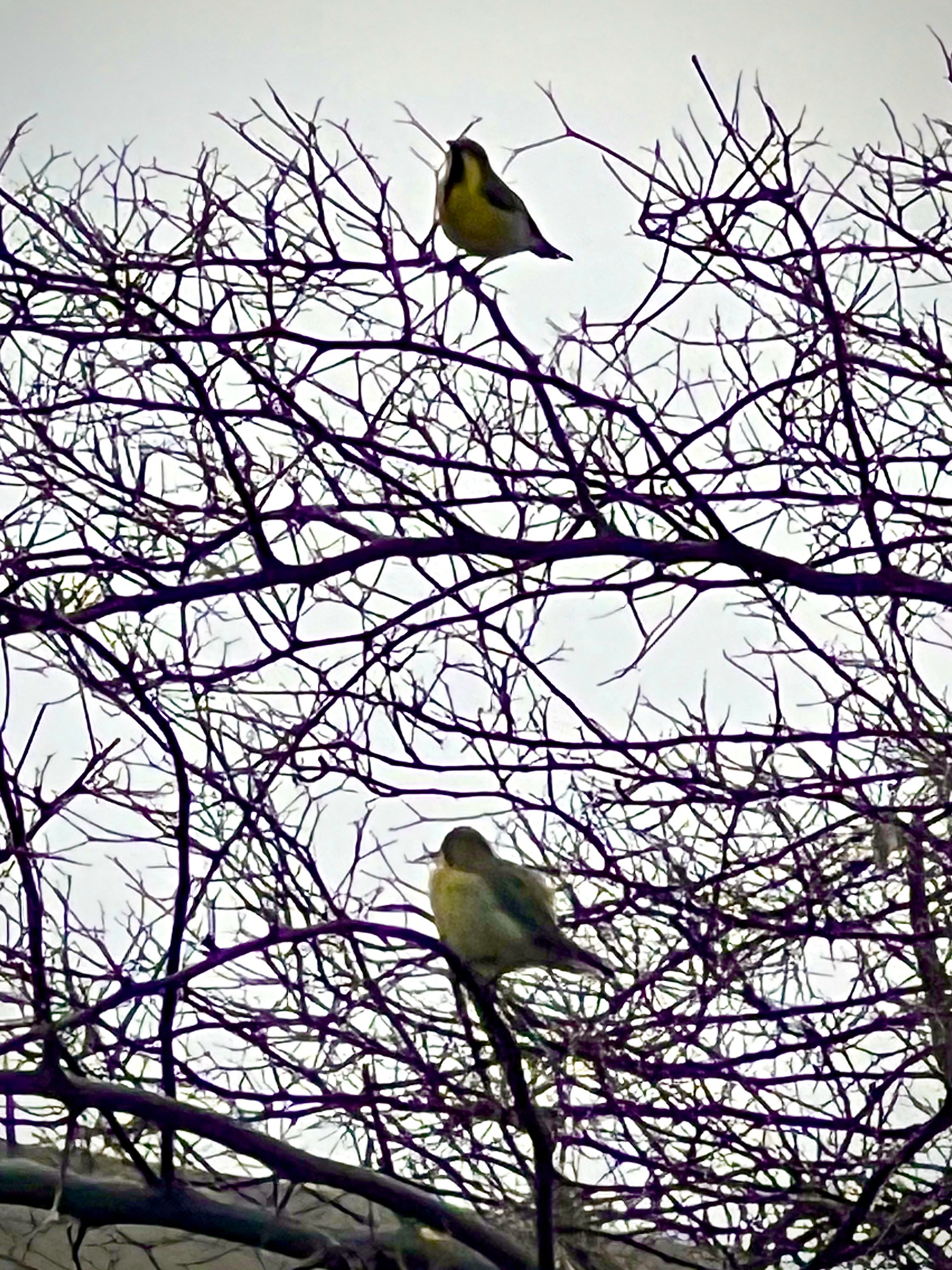
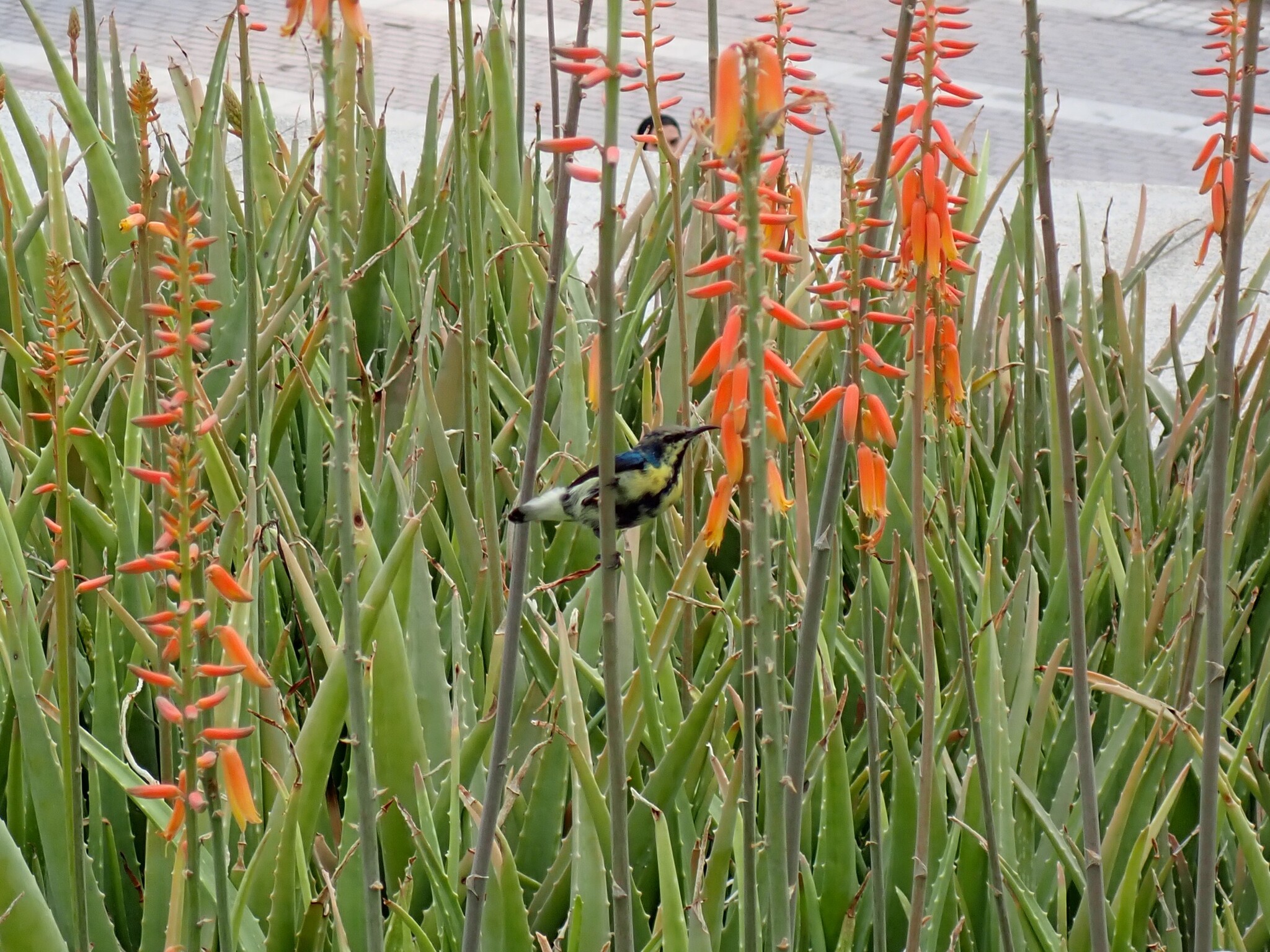
One of the smallest birds in the region, this species measures less than 10 centimeters in length with a compact build. Its most distinctive feature is the short, down-curved bill perfectly adapted for accessing nectar from flowers. The tongue ends in brush-tipped tubes that efficiently lap up sweet secretions. The tail is notably short and square-ended. Breeding males display spectacular glossy metallic bluish to purplish-black plumage on their upperparts, with dark brown wings that may appear black in poor light. The underparts match this purplish-black coloration during the breeding season, and a bright blue patch decorates the shoulder. Females present much more subdued olive-brown upperparts with yellowish underparts, pale supercilium, and a dark eye stripe. Both sexes share white-tipped outer tail feathers. Juveniles resemble adult females but males gradually acquire black plumage as they mature.
Identification
Males in breeding plumage can be mistaken for the sympatric Loten's sunbird, but several distinguishing features separate them. This species has a notably shorter bill, whereas Loten's sunbird possesses an elongated curved bill. More importantly, Loten's sunbird displays a distinctive broad maroon band across the breast, absent in this species. During courtship displays, males reveal yellow pectoral tufts on the chest, a useful identification feature. In non-breeding plumage, males may show a central dark streak running through otherwise yellow underparts. The white tips on the outer tail feathers are visible in flight and help distinguish these birds from similar species. Females are identified by their combination of olive-brown upperparts, yellowish throat and breast that fades toward the vent, pale supercilium, and dark eye stripe.
Distribution & Habitat
This species occupies an extensive range stretching from the Arabian Peninsula through the Indian subcontinent and into Southeast Asia. It is primarily resident throughout most of its range, though local movements occur, particularly in the drier northwestern regions of India and Pakistan where large numbers arrive before summer. The nominate subspecies is found across India east of the desert region and south of the Himalayas, extending through western and southern India and Sri Lanka. It inhabits plains up to elevations of 2,400 meters in southern India and 1,700 meters in the Himalayas. The race brevirostris occupies the dry zone from the Arabian Peninsula through Iran, Afghanistan, and Pakistan to Rajasthan and Gujarat, sometimes wintering south near Goa. The race intermedius extends from the Orissa-Andhra Pradesh border north through Bangladesh, Myanmar, and Indochina. One ringed bird was recovered 350 kilometers from its banding location.
Behavior & Ecology
These birds are remarkably vocal, producing a rapid rattling song followed by ringing metallic notes, along with 'chwit' and 'chwing' call notes. They form strong defenses against predators, joining together to mob owls and other threats. The primary breeding season precedes the monsoon, occurring from April to June in northern India and January to June in Sri Lanka. During courtship, males raise their heads, fan their tails, flutter with partly open wings exposing their yellow pectoral tufts, and sing. They feed primarily on nectar, using brush-tipped tubular tongues, but also consume small berries and insects. They are important pollinators for species including Butea monosperma, Acacia, Woodfordia, and Dendrophthoe, though they sometimes steal nectar by slitting flower bases. The female builds a pouch-shaped nest from cobwebs, vegetation strips, lichens, and bark, taking five to ten days to complete. In some regions, she modifies colonial spider webs as nest foundations. The entrance features an overhanging shade, and the nest is suspended from low branches, sometimes near human dwellings or even indoors. Only the female incubates the two eggs, which hatch after 15-17 days, though both parents feed the chicks.
Conservation
This species is currently listed as Least Concern by the IUCN, reflecting its extensive range and stable population trends. It has adapted remarkably well to human-modified landscapes, thriving in urban gardens and cultivated areas throughout its range. This adaptability provides some buffer against habitat loss, though pressures on natural habitats continue. Its dependence on nectar sources means environmental changes affecting flowering plants could impact local populations. Conservation of native flowering plants in both urban and rural areas would benefit this species and the plant communities it helps pollinate.
Culture
While specific cultural traditions tied to this species vary across its extensive range, sunbirds generally hold appreciation among nature enthusiasts and gardeners throughout South Asia for their beauty and ecological role as pollinators. Their adaptability to human-dominated landscapes has made them familiar companions in household gardens, where their iridescent males and energetic behavior provide year-round interest. In regions where they occur, these birds are often welcomed as indicators of healthy gardens and attract attention from both casual observers and dedicated birdwatchers alike.
Source: Wikipedia · CC BY-SA 3.0
Taxonomy
- Order
- Passeriformes
- Family
- Nectariniidae
- Genus
- Cinnyris
- eBird Code
- pursun4
Vocalizations
Subspecies (3)
-
Cinnyris asiaticus asiaticus
India and Sri Lanka
-
Cinnyris asiaticus brevirostris
northeastern Arabia and southeastern Iran to Afghanistan, Pakistan, and northern India
-
Cinnyris asiaticus intermedius
Bangladesh to Assam, Myanmar, Thailand, and Indochina
Data Sources
Species description from Wikipedia, licensed under CC BY-SA 3.0.
Bird images and sounds sourced from GBIF, contributed by citizen scientists worldwide under Creative Commons licenses.
Taxonomy data from AviList 2025.