Brown Dipper
Cinclus pallasii
褐河乌
Introduction
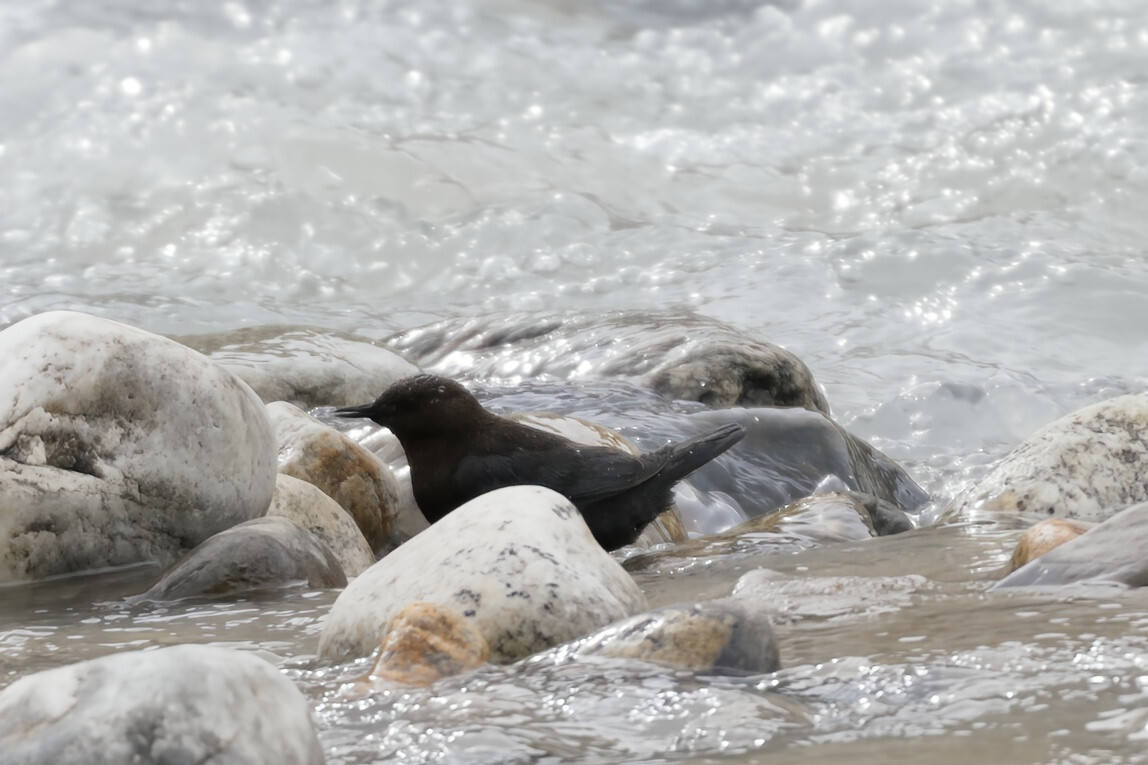
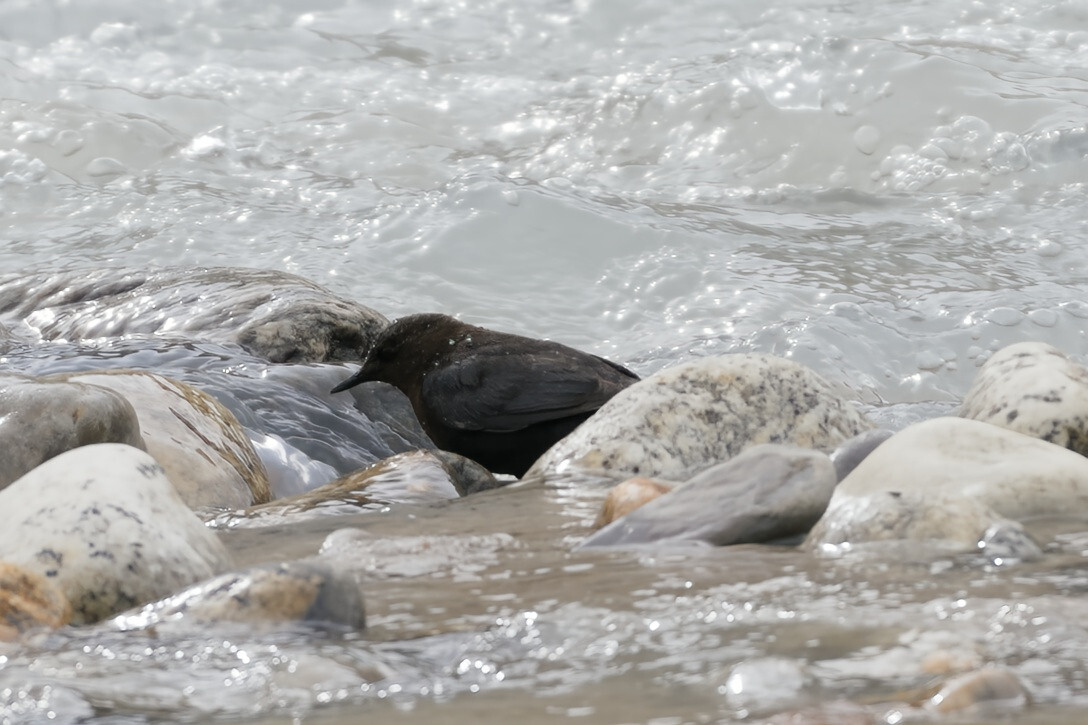
The brown dipper is the largest member of the dipper family (Cinclidae). It inhabits mountain streams throughout the East Palearctic, from Siberia and Central Asia through the Himalayas to Southeast Asia and Japan. It occupies low to medium elevations in cold, fast-flowing, clear, well-oxygenated waters. This species forages by diving and swimming underwater to capture aquatic prey.
Description
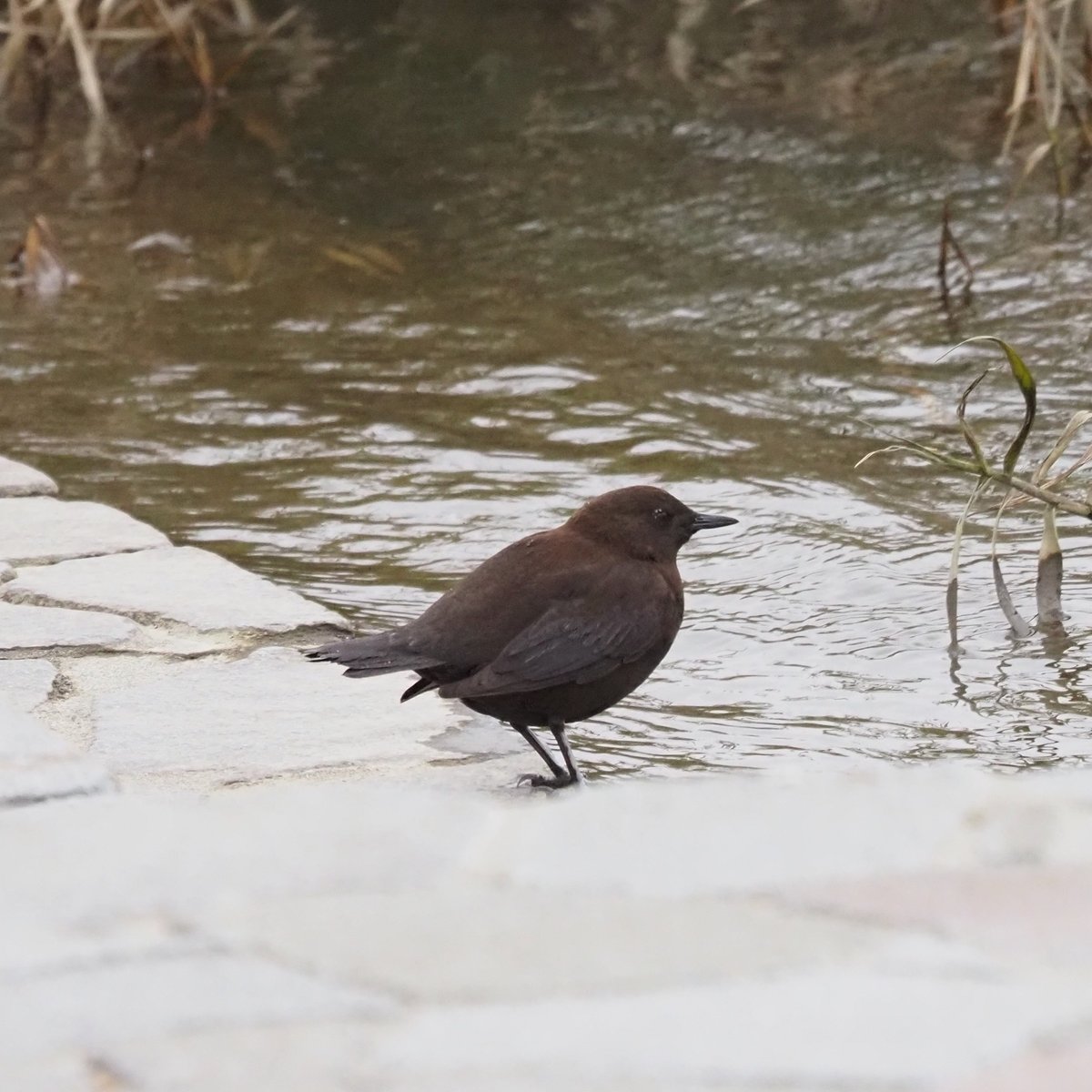
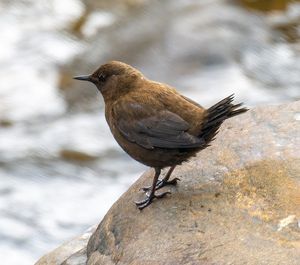
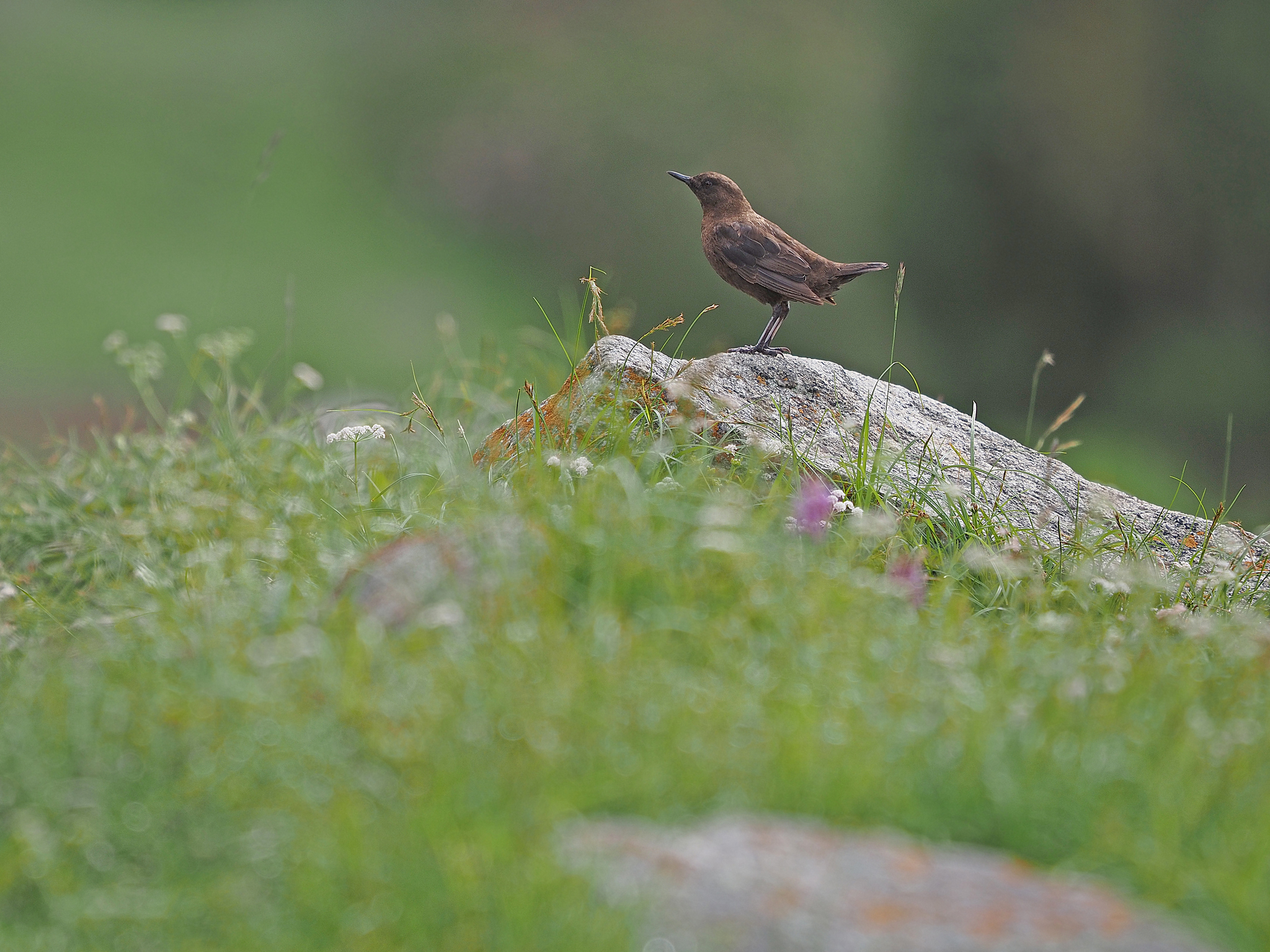
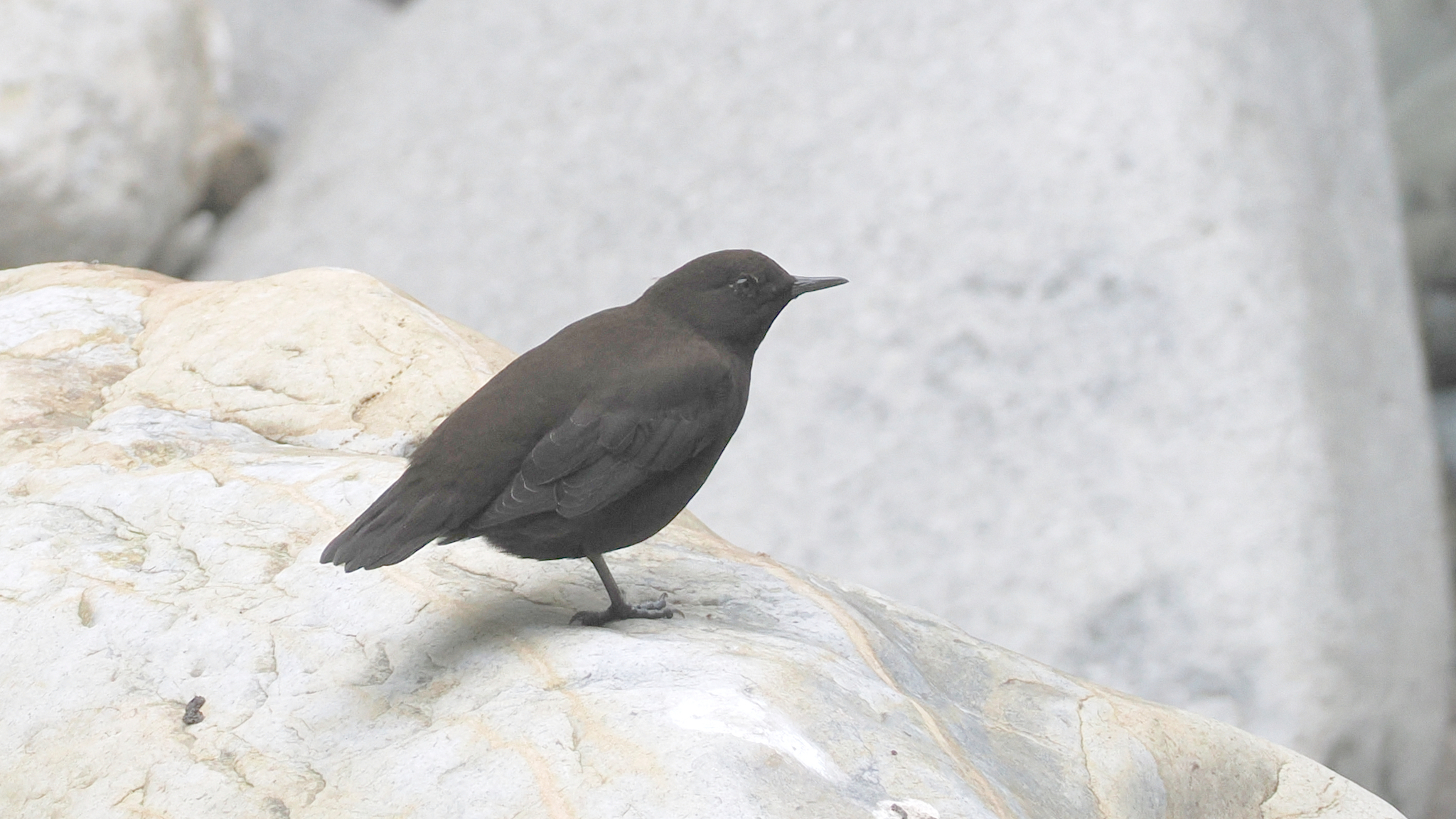
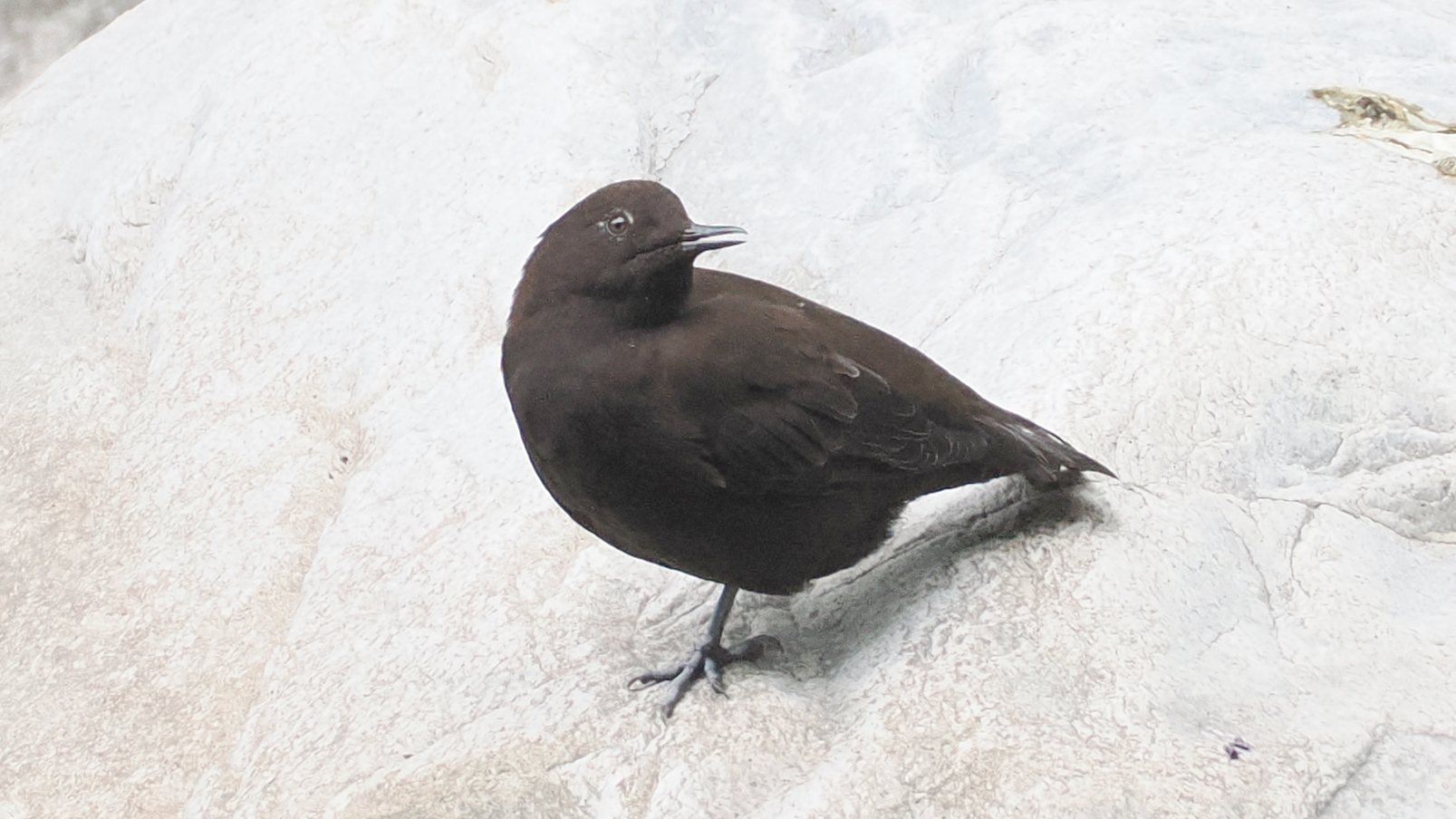
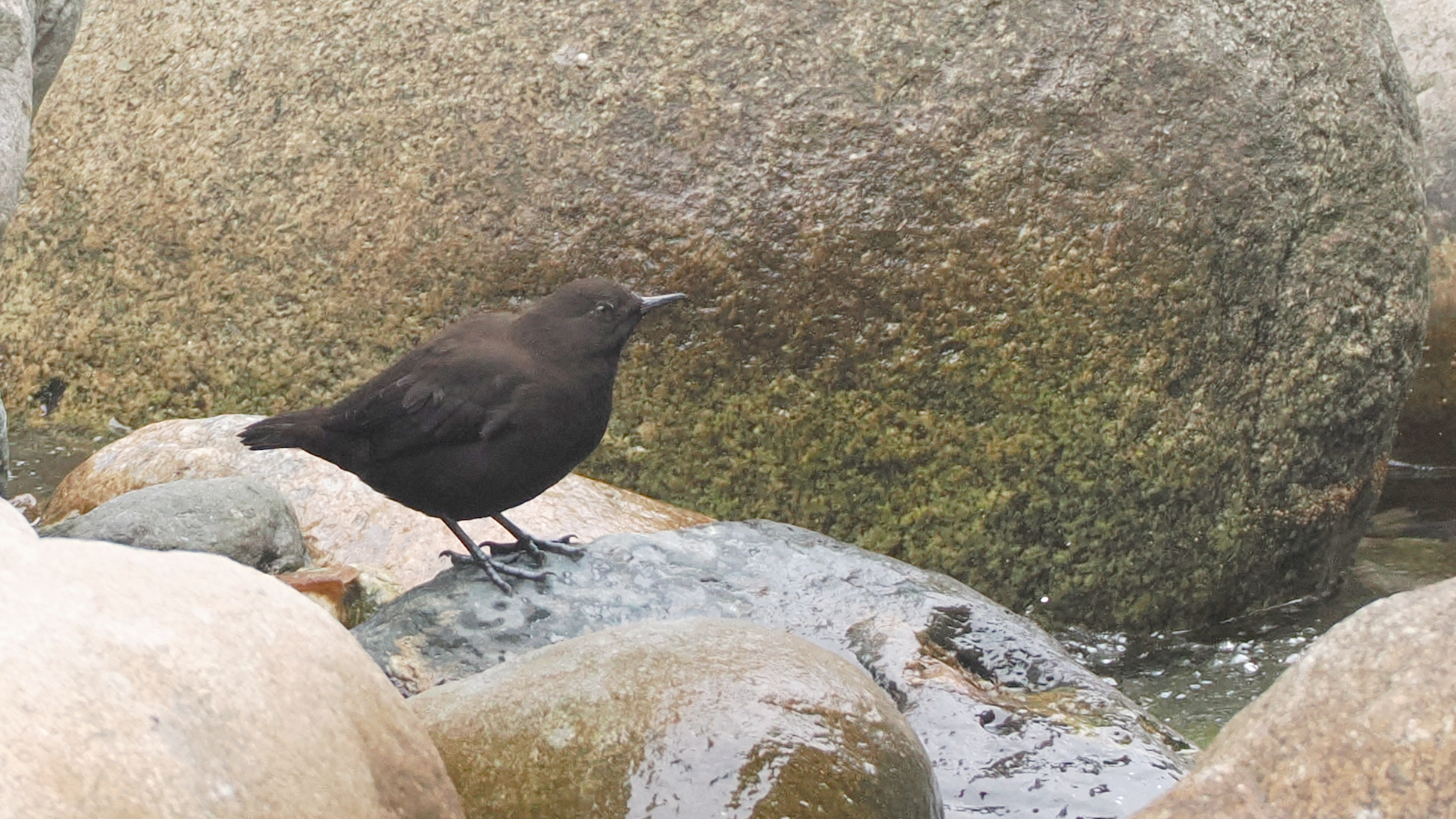
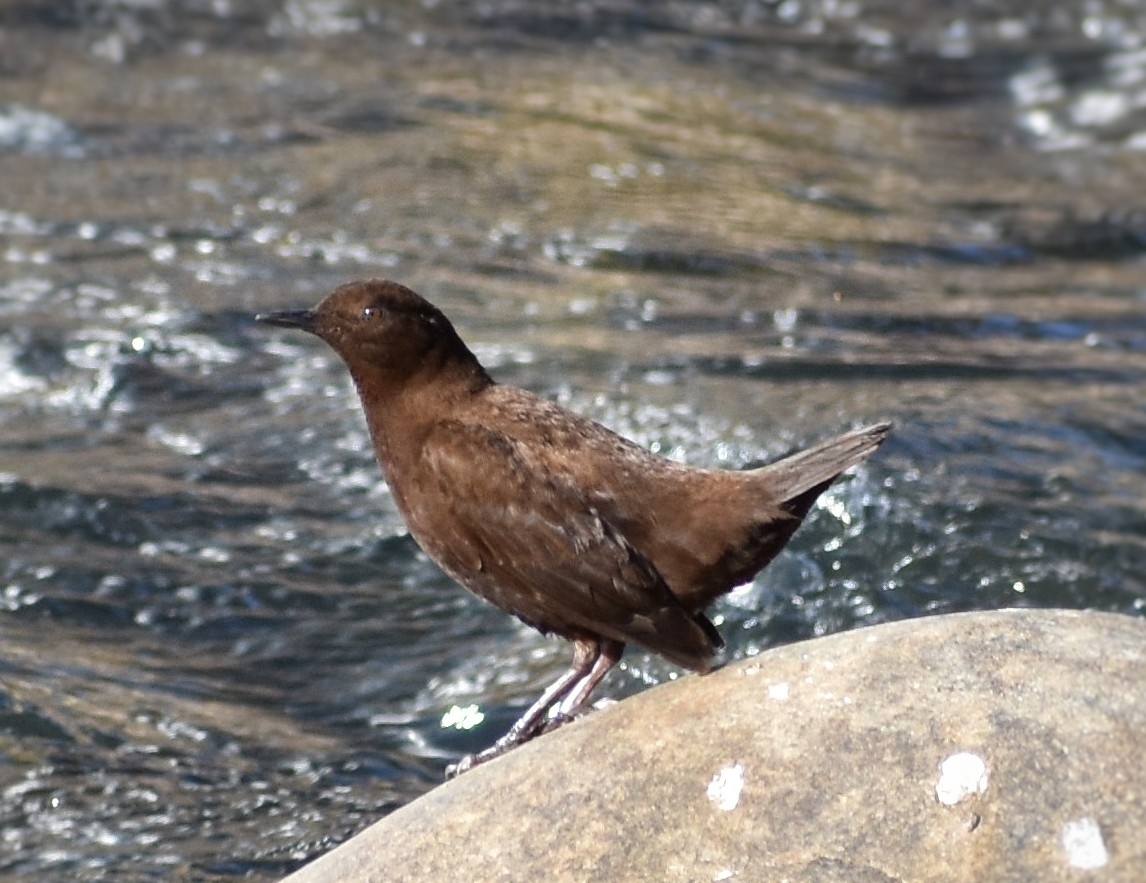
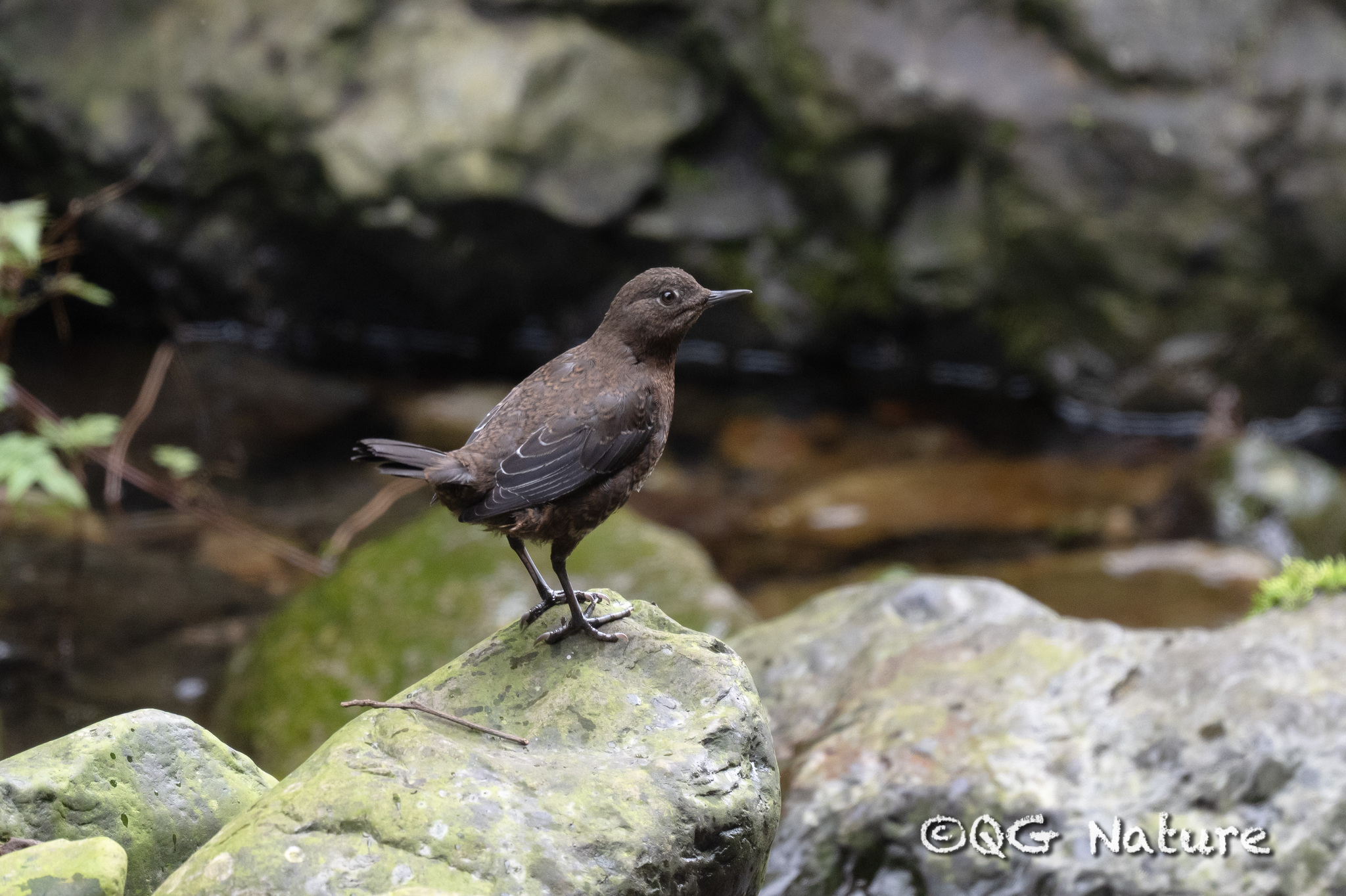
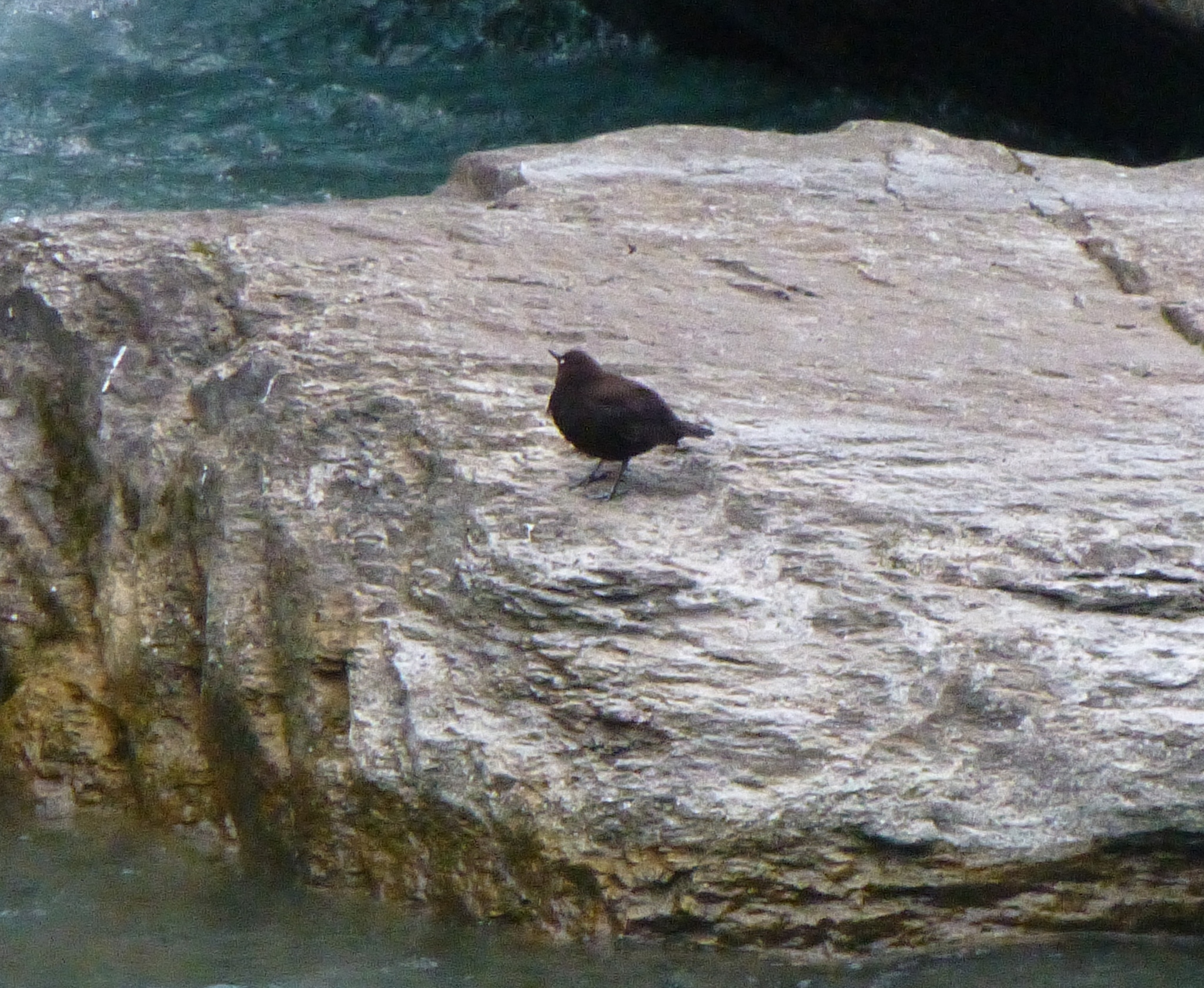
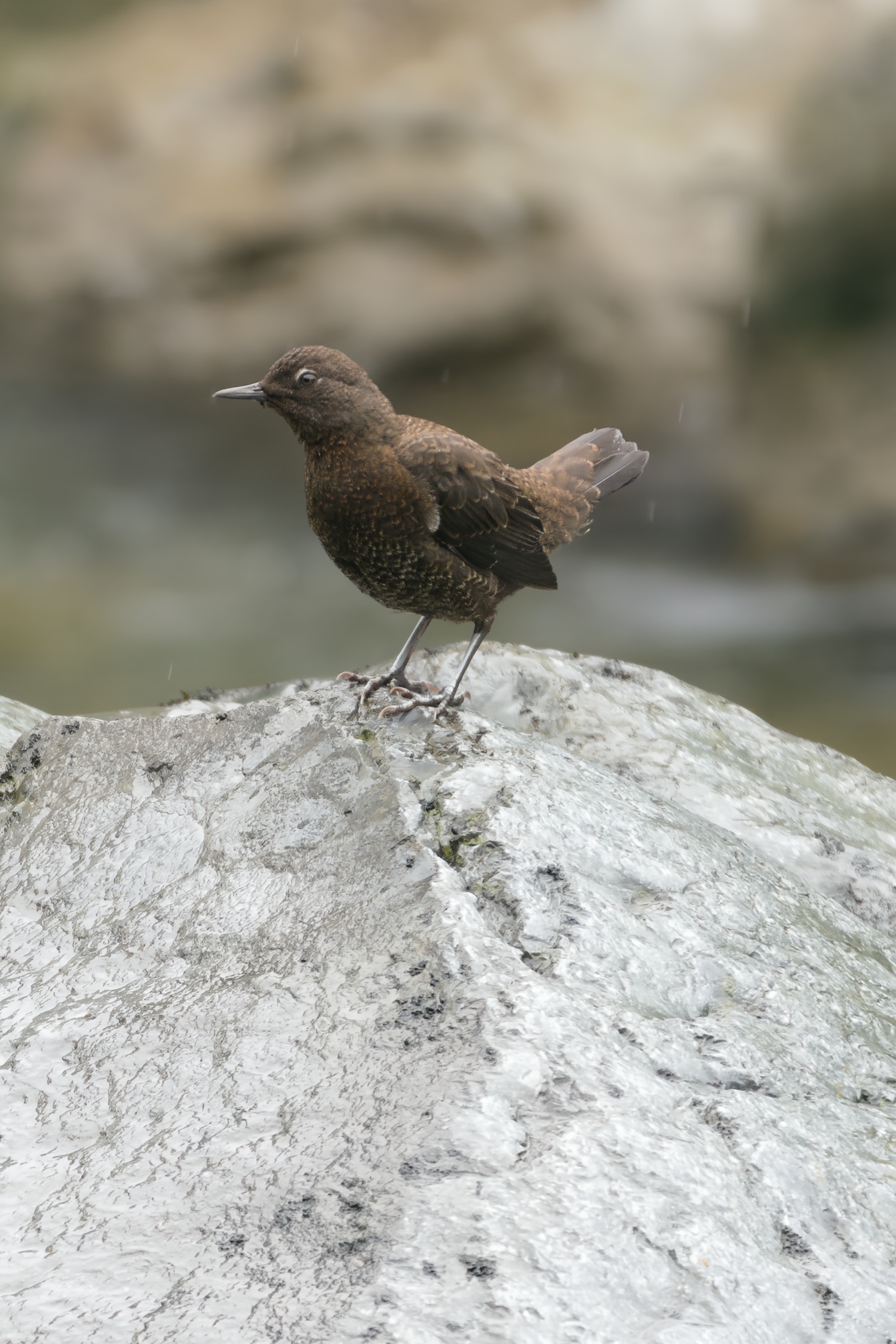
This is the largest dipper species, measuring 22 centimeters in length and weighing 87 grams. The overall plumage is a rich chocolate-brown, with the back and breast appearing slightly lighter in tone compared to the darker head and wings. The bird possesses a characteristic cocked tail that it holds at an angle when perched, giving it a distinctive silhouette among stream-side birds. Its compact, thrush-like build is adapted for an aquatic lifestyle, with relatively short legs that are adapted for perching on rocks rather than extensive walking. The wingbeats are reported to be fast and direct when the bird takes flight, typically low over the water before disappearing around river bends or into vegetation.
Distribution & Habitat
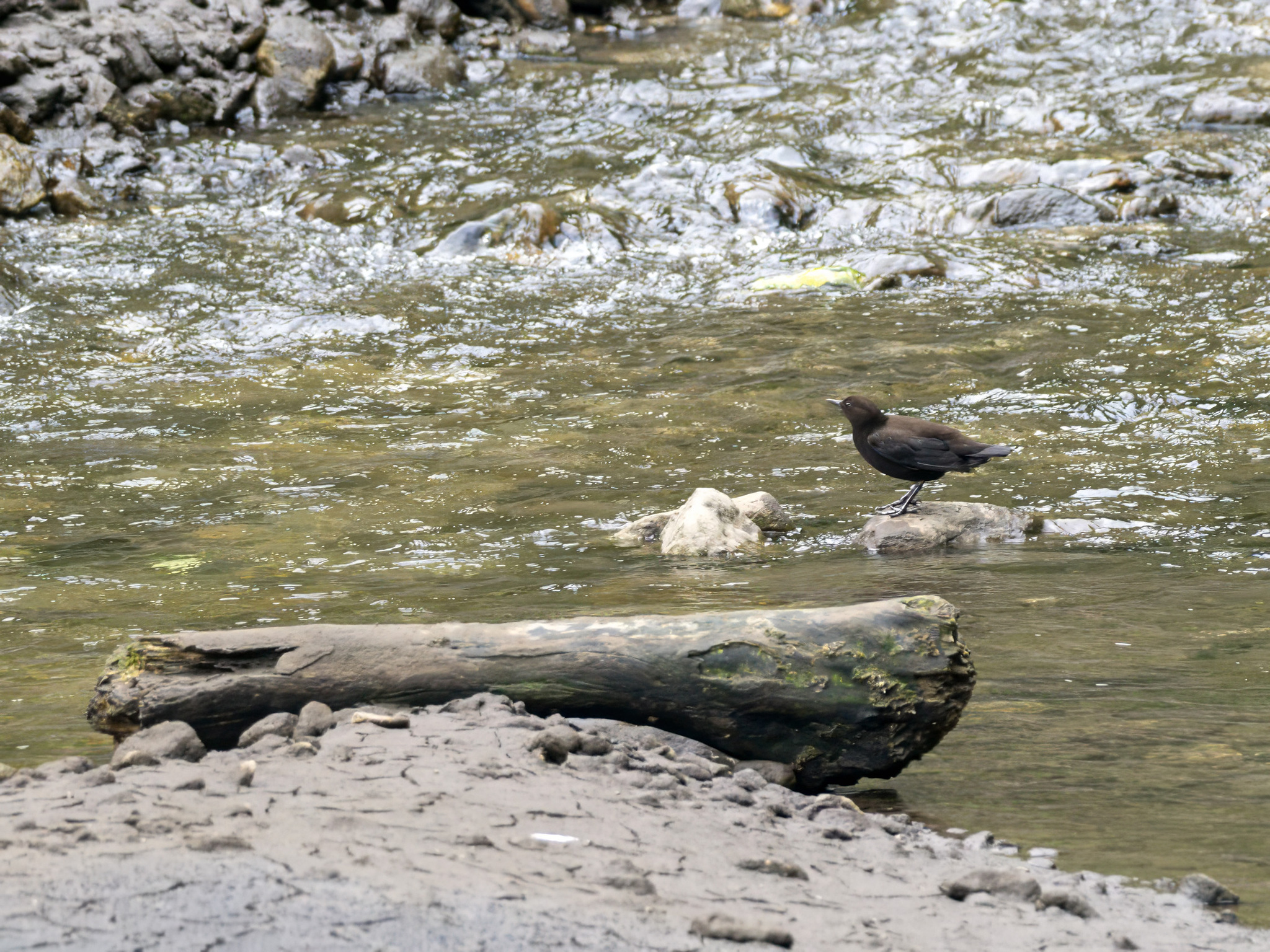
The species occupies mountain stream habitats across an extensive range that includes eastern Siberia, the Russian Far East including Sakhalin and the Kuril Islands, Japan, Taiwan, central and southern China, and northern Indochina. In the west, populations extend through Central Asia to Afghanistan and the Himalayas. It is found at medium to low elevations where clear, fast-flowing mountain streams provide suitable foraging habitat. While primarily resident throughout most of its range, some populations may make local movements in response to seasonal conditions or habitat disturbances.
Behavior & Ecology
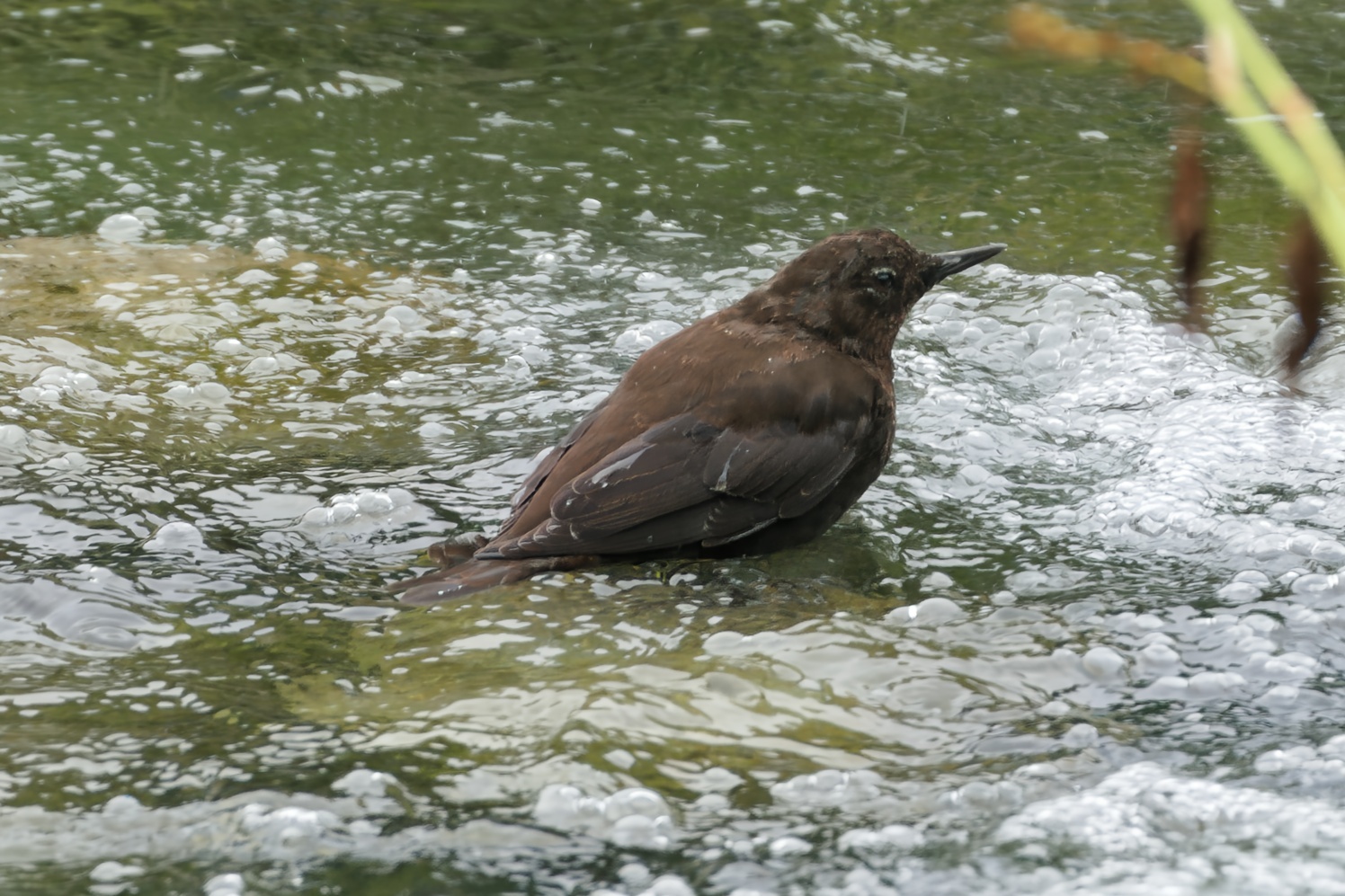
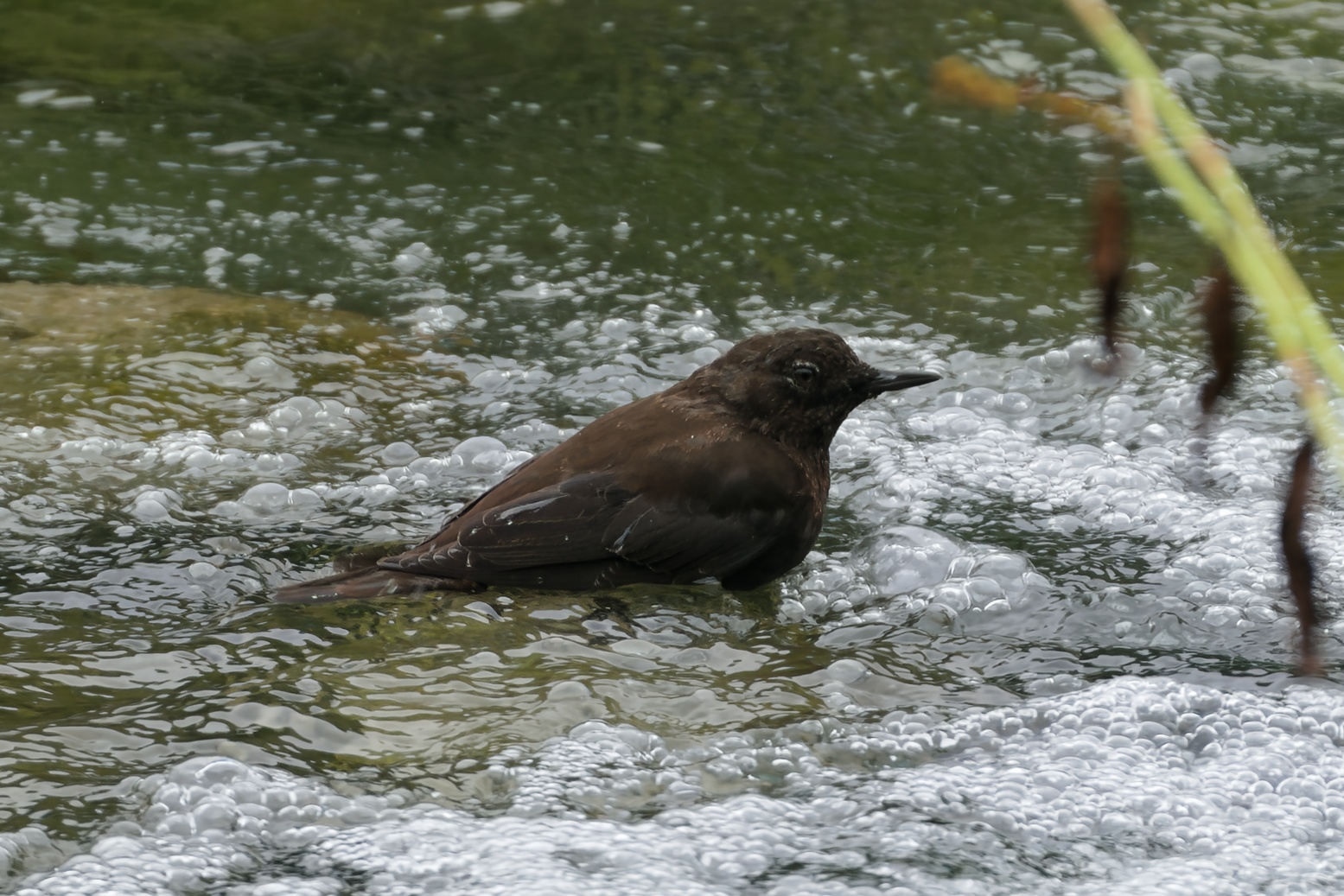
The brown dipper employs two distinct foraging strategies depending on the season. During the breeding season from December through April, adults dive into streams to capture larger benthic organisms, switching to wading and picking smaller organisms from the stream bottom for the rest of the year. Both chicks and fledglings also dive for food. A remarkable population in Siberia's Suntar-Khayata Mountains continues feeding underwater even when air temperatures plunge to -55°C. Following typhoons in Taiwan, populations are displaced by flooding into alternative streams that serve as important refuges. The species appears to be territorial during breeding season but otherwise relatively sedentary within its stream habitat.
Conservation
The brown dipper is not currently considered globally threatened, though like all stream-dependent species, it faces ongoing risks from water pollution, habitat degradation, and alterations to mountain stream ecosystems. Its specialized habitat requirements make it vulnerable to environmental changes that affect water quality or flow patterns in mountain streams. Conservation efforts focused on protecting the integrity of mountain watershed systems benefit this species alongside other aquatic wildlife.
Culture
The brown dipper holds historical cultural significance, particularly in South Asia where it was depicted by the renowned Mughal painter Ustad Mansur around 1620. This early artistic representation stands as one of the earliest known visual records of the species, demonstrating its presence and recognition in the artistic and natural history traditions of the region during the Mughal era.
Source: Wikipedia · CC BY-SA 3.0
Taxonomy
- Order
- Passeriformes
- Family
- Cinclidae
- Genus
- Cinclus
- eBird Code
- brodip1
Subspecies (3)
-
Cinclus pallasii dorjei
mountains of eastern Sikkim, Assam, eastern Tibet, northern Myanmar, and northern Thailand
-
Cinclus pallasii pallasii
mountains of northeastern Asia, Japan, eastern and central China, Taiwan, northern Thailand, and northern Vietnam
-
Cinclus pallasii tenuirostris
mountains of central Asia and Himalayas
Data Sources
Species description from Wikipedia, licensed under CC BY-SA 3.0.
Bird images and sounds sourced from GBIF, contributed by citizen scientists worldwide under Creative Commons licenses.
Taxonomy data from AviList 2025.