
Silver Gull
Chroicocephalus novaehollandiae
澳洲红嘴鸥
Introduction
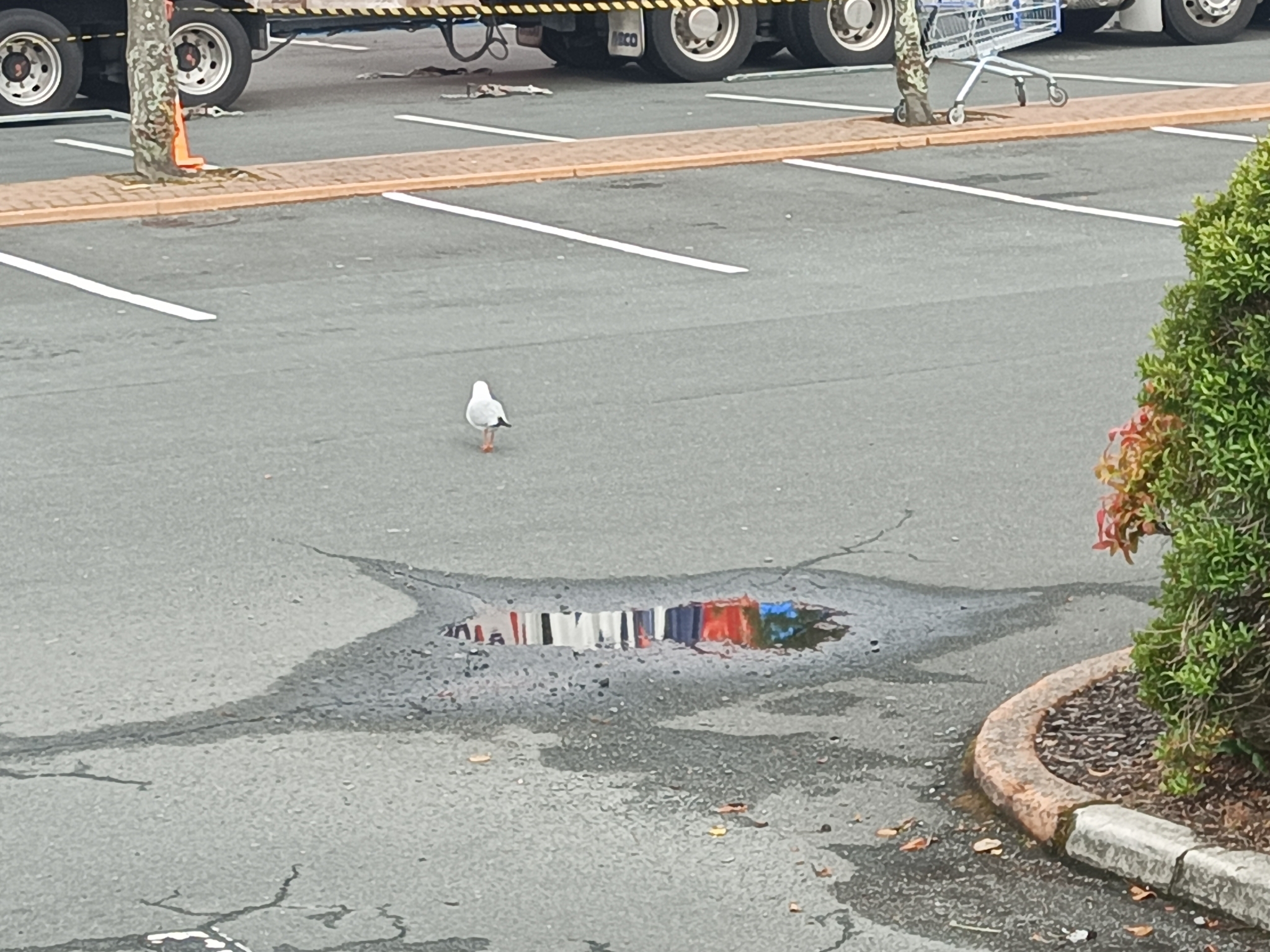
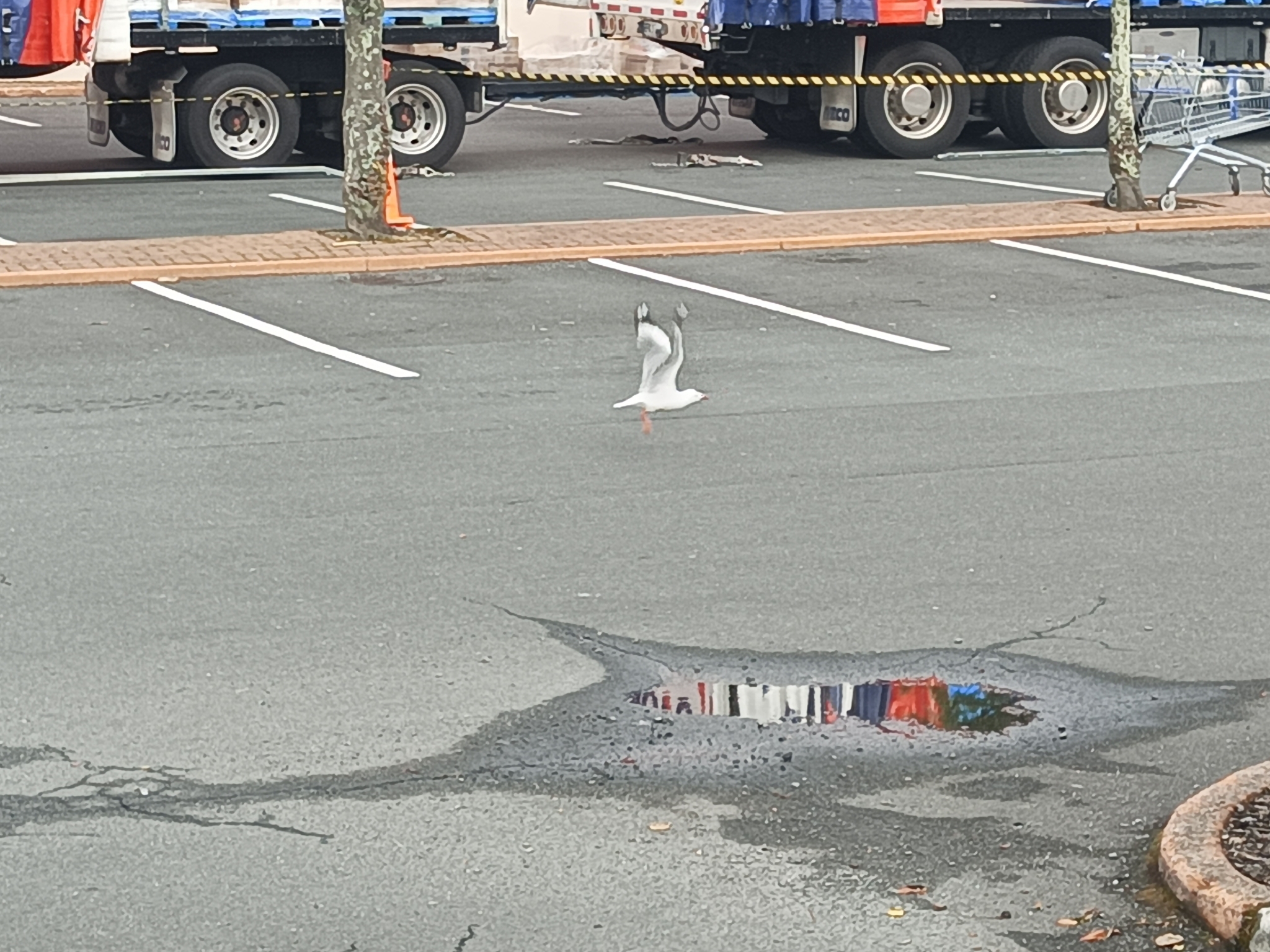
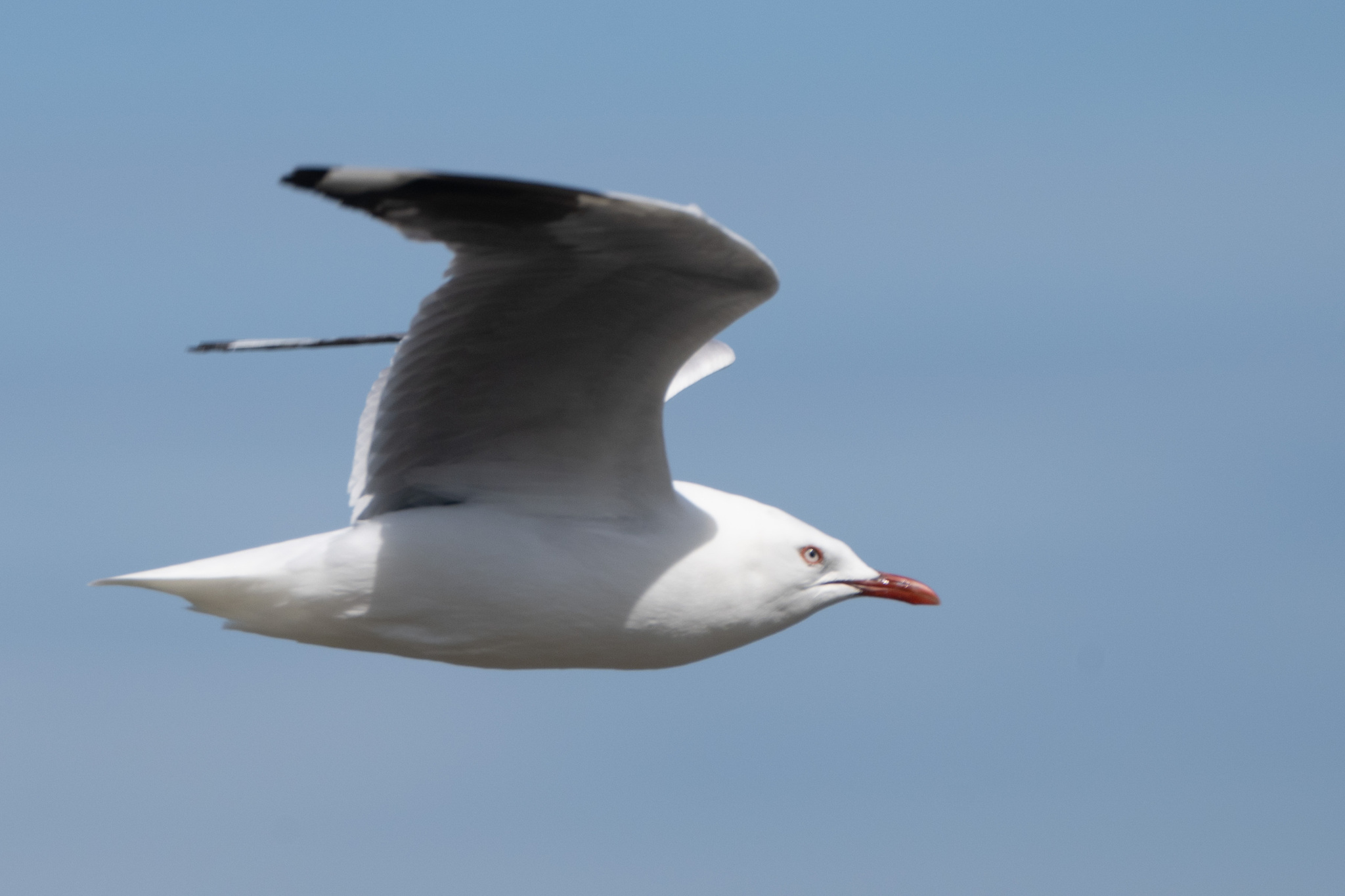
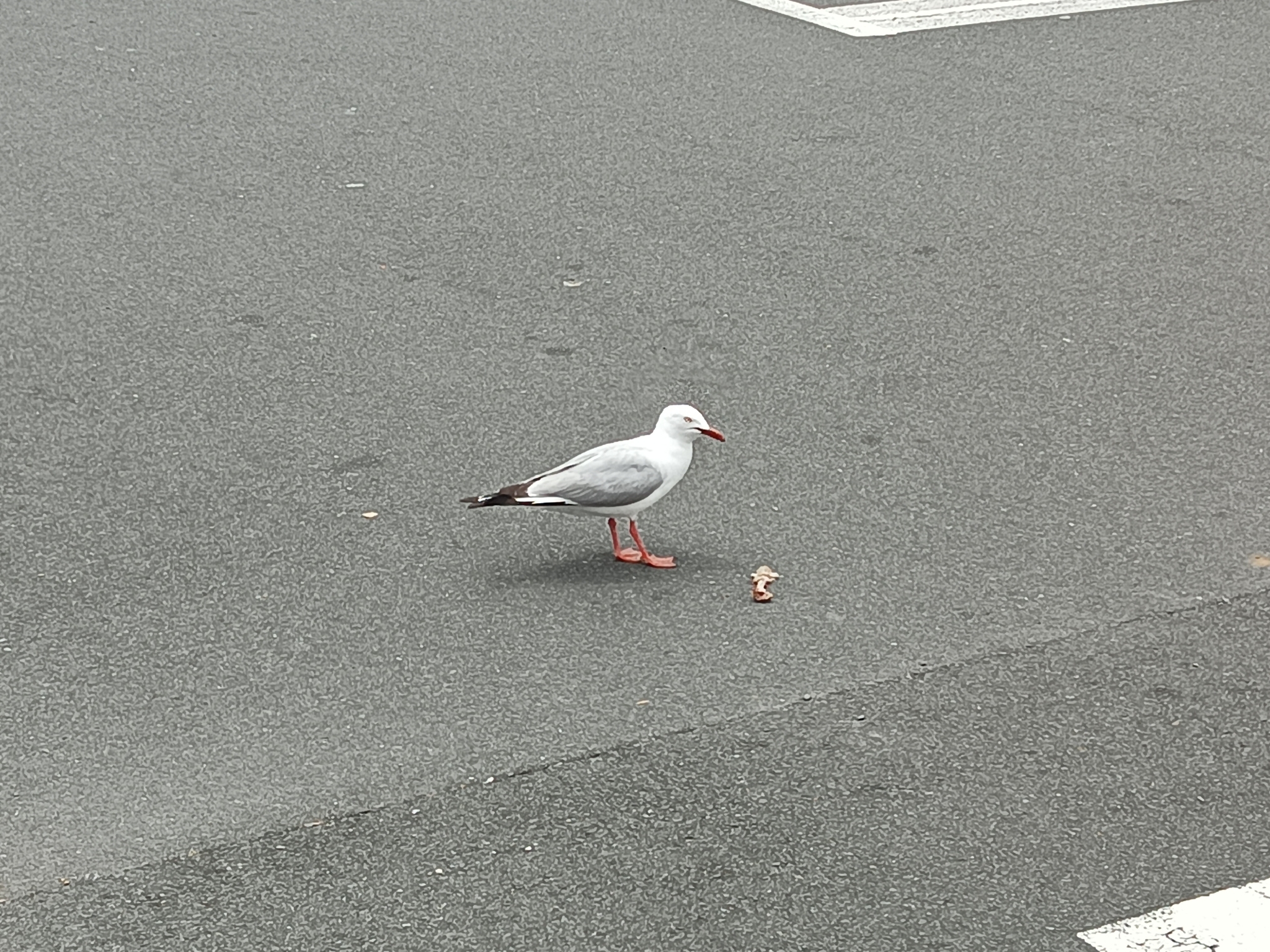
The Silver Gull (Chroicocephalus novaehollandiae) is the most widely distributed gull species across Australia, occurring in coastal and inland habitats associated with human settlement, including beaches, urban areas, shopping centres, parking areas, and waste facilities. It is smaller than the Pacific Gull (Larus pacificus). The species readily exploits human food sources and approaches humans in urban environments. Despite the common name, it is not closely related to the Northern Hemisphere species formerly classified as Larus argentatus (Herring Gull).
Description
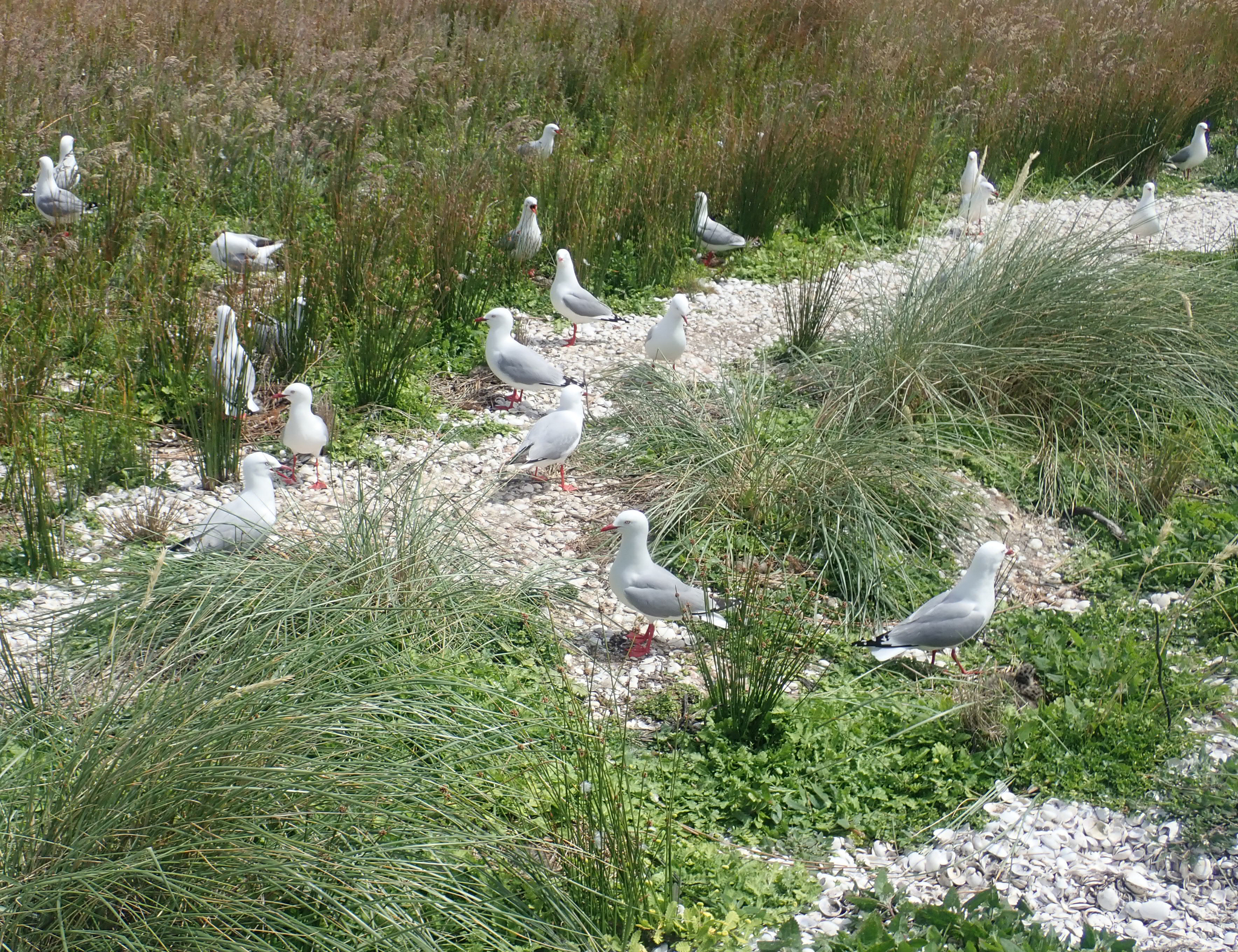
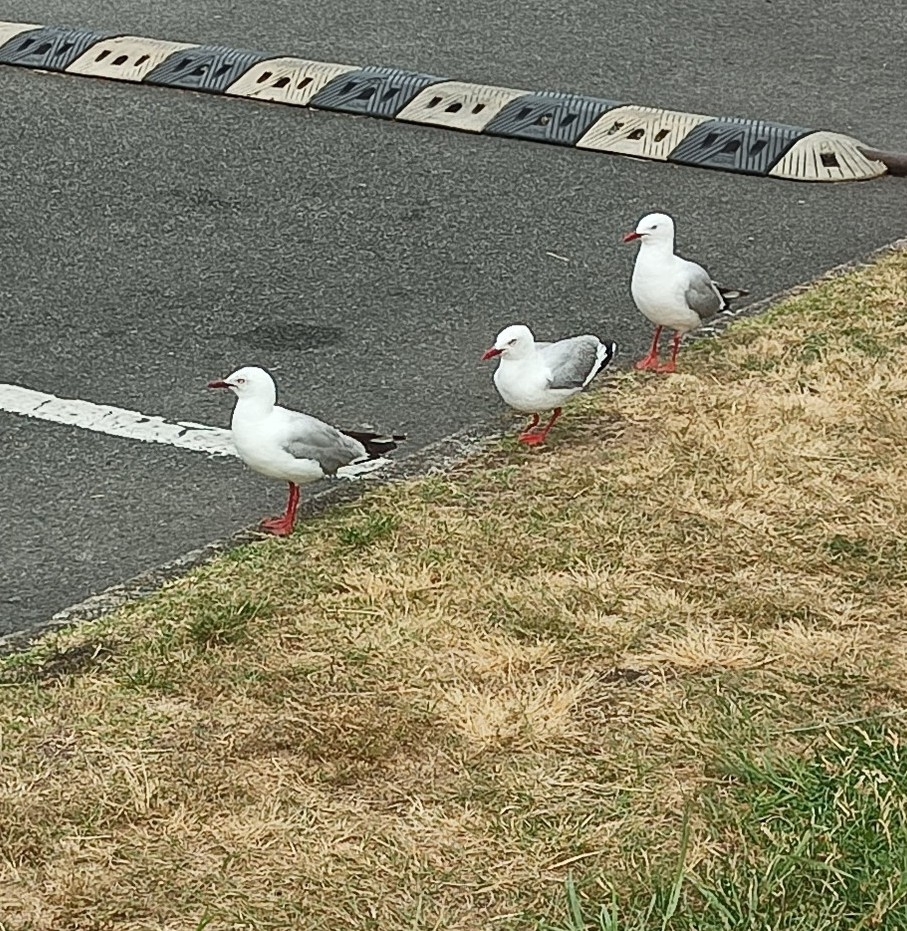
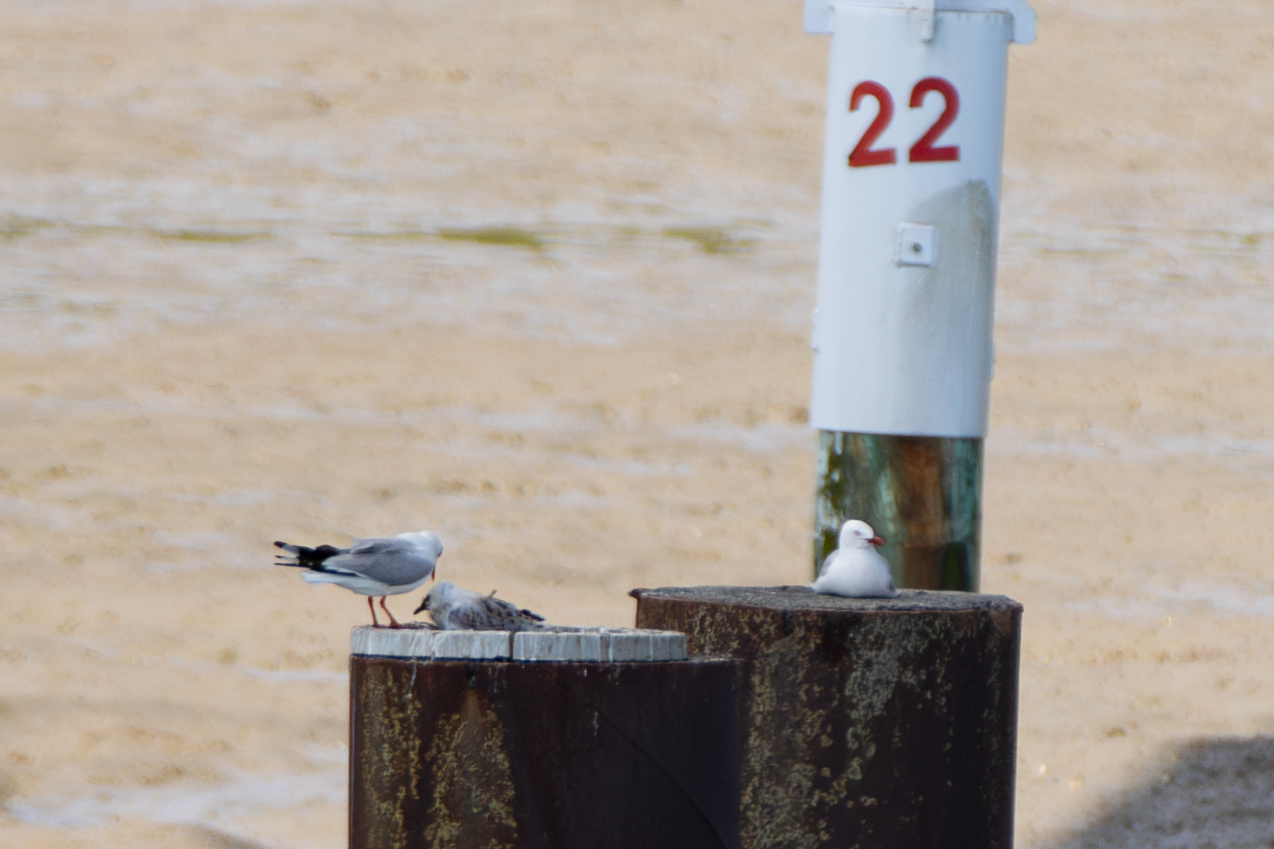
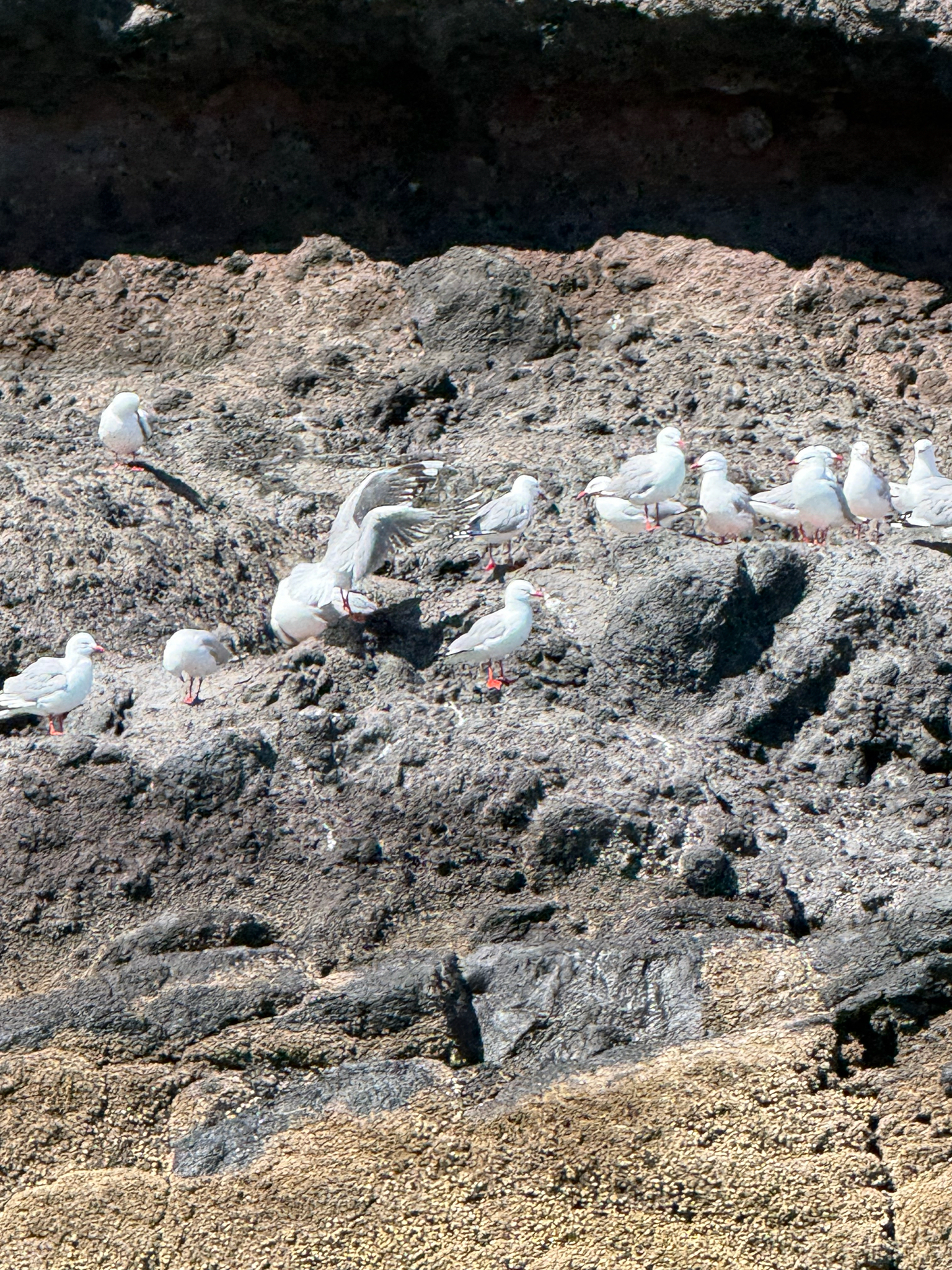
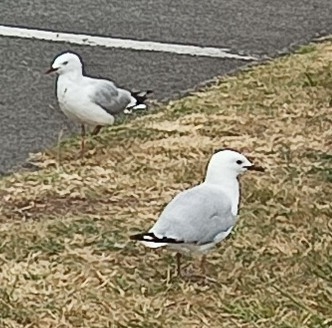
Adults are predominantly white on the head, body, and tail, with wings in a soft light grey colour featuring white-spotted black tips. They measure 40-45 cm in length with a wingspan of 27-31 cm. The most striking feature is their bright red bill, which becomes particularly vivid during the breeding season and in older individuals. Juveniles are readily distinguished by brown patterning on their wings and a dark coloured beak that gradually changes to red as they mature.
Identification
The most reliable distinguishing feature from Australia's other large gull, the Pacific gull, is the significantly smaller size and lighter build. The red bill of adults is distinctive among Australian gulls, though care should be taken to separate this species from the red-billed gull of New Zealand, which is treated as a subspecies in some classifications. The combination of white body, grey wings with black tips, and red bill in adults makes identification relatively straightforward within their range.
Distribution & Habitat
This species occurs throughout all Australian states, as well as New Zealand and New Caledonia. They are particularly abundant in coastal areas but have adapted successfully to urban environments, being common around beaches, shopping centres, and garbage disposal sites. Nesting grounds appear to be the primary limiting factor on population growth, with their numbers thriving wherever suitable nesting sites are available. Vagrants have occasionally appeared in North America, with two records: a bird collected at Lake Ontario in 1947 and another photographed in New Jersey in 1996, both thought to be escaped captives.
Behavior & Ecology
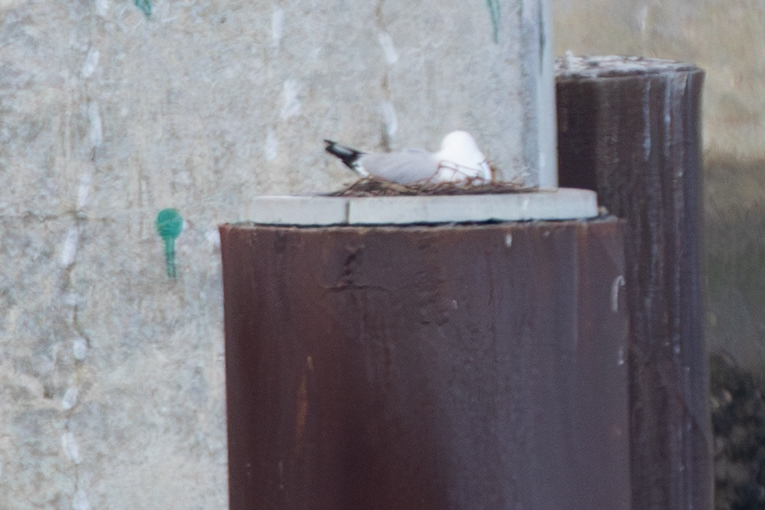
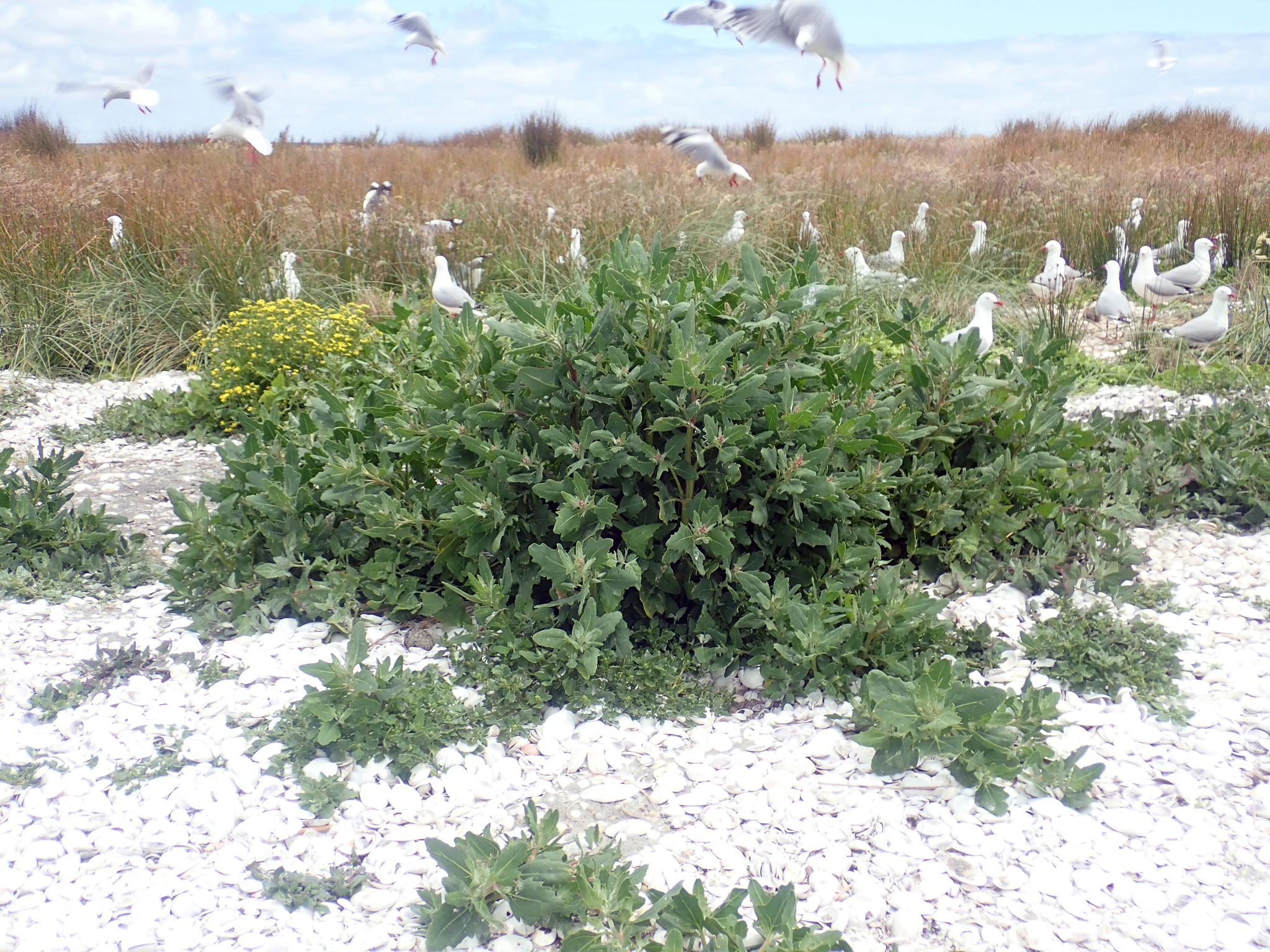
These gulls are vocal birds, producing a sharp variety of calls with the most distinctive being a harsh, high-pitched 'kwarwh'. Their natural diet includes worms, fish, insects, and crustaceans, but they have become highly successful scavengers around human settlements. They readily pest visitors for food scraps and will steal unattended meals. Breeding takes place from August to December in large colonies on offshore islands. Nests are constructed on the ground using seaweed, roots, and plant stems, situated in low shrubs, rocks, or on jetties. Clutches consist of one to three eggs, and pairs typically raise two broods annually with both parents sharing duties.
Conservation
The species is currently classified as Least Concern by the IUCN, reflecting its large population and extensive range. Numbers have increased significantly in areas of human activity where food resources are readily available. The main conservation concerns relate to potential impacts from lead poisoning, collisions with vehicles, and disturbance at nesting colonies. Their successful adaptation to urban habitats means they are not currently threatened, though dependence on human food sources could present long-term risks.
Culture
As Australia's most familiar gull, this species features prominently in coastal Australian culture and is a common subject in wildlife photography. It often appears in educational materials about Australian coastal wildlife and is a familiar sight to generations of Australians visiting beaches. The species has adapted so well to human presence that it has become something of a cultural symbol of the Australian coastal experience, for better or worse.
Source: Wikipedia · CC BY-SA 3.0
Taxonomy
- Order
- Charadriiformes
- Family
- Laridae
- Genus
- Chroicocephalus
- eBird Code
- silgul2
Vocalizations
Subspecies (3)
-
Chroicocephalus novaehollandiae forsteri
northern-eastern Australia (Northern Territory to central eastern Queensland), and New Caledonia including Loyalty Islands
-
Chroicocephalus novaehollandiae novaehollandiae
western and southern Australia including Tasmania north to central eastern Queensland
-
Chroicocephalus novaehollandiae scopulinus
coastal eastern New Zealand from North southward to Stewart Island, and inland in central North Island, also Chatham, Snares, Auckland, Campbell, and Bounty Islands
Data Sources
Species description from Wikipedia, licensed under CC BY-SA 3.0.
Bird images and sounds sourced from GBIF, contributed by citizen scientists worldwide under Creative Commons licenses.
Taxonomy data from AviList 2025.