Slender-billed Gull
Chroicocephalus genei
细嘴鸥
Introduction
This medium-sized gull occurs in the Mediterranean and coastal regions of the northwestern Indian Ocean. It has a nomadic distribution, with most birds migrating southward for winter to coastlines across North Africa and India. It inhabits lagoons, estuaries, and coastal wetlands, and feeds at landfill sites in some areas. Breeding colonies are localized and were historically considered rare; however, a significant population was discovered in Algeria's mountain lakes in 2010.
Description
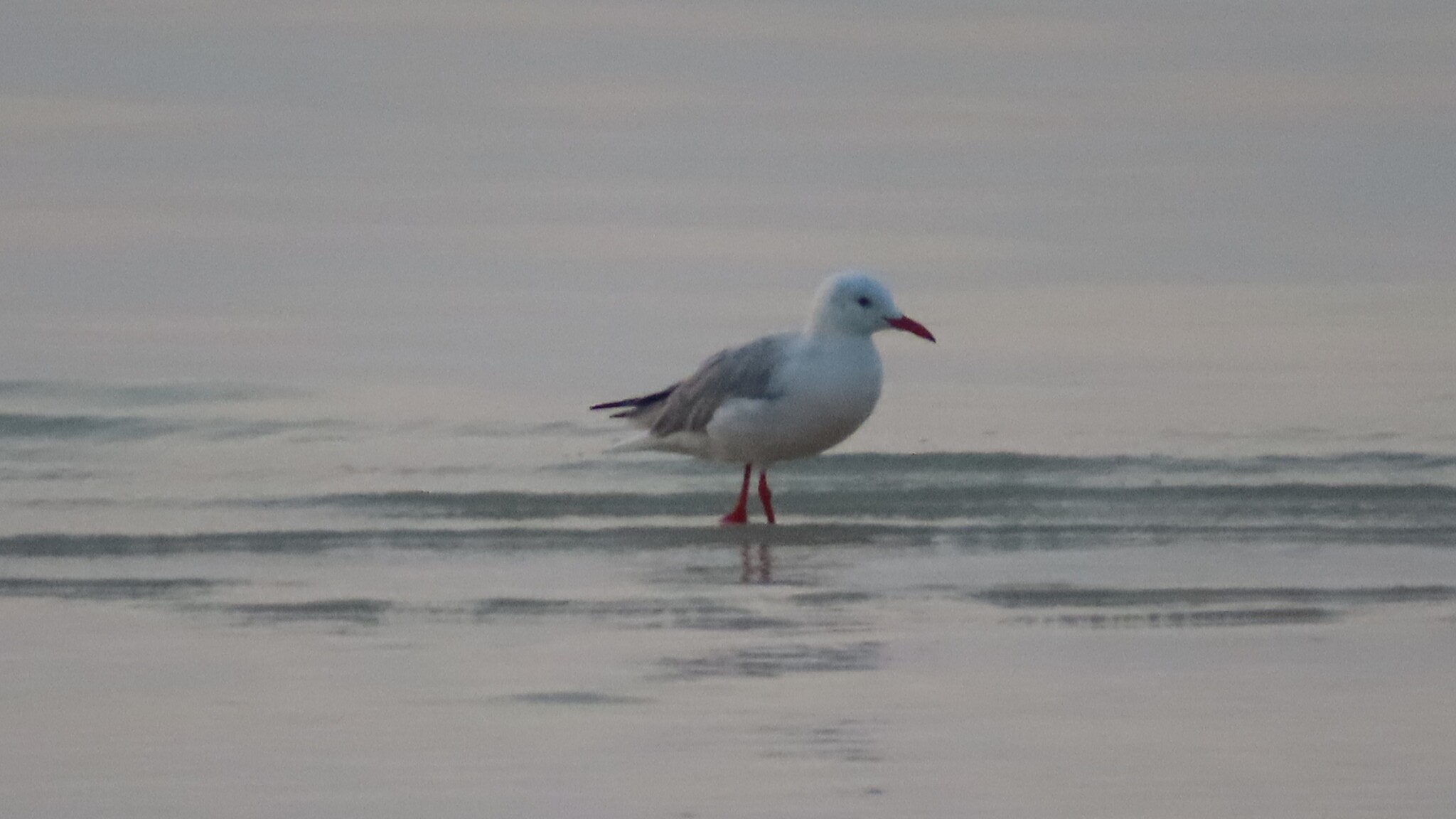
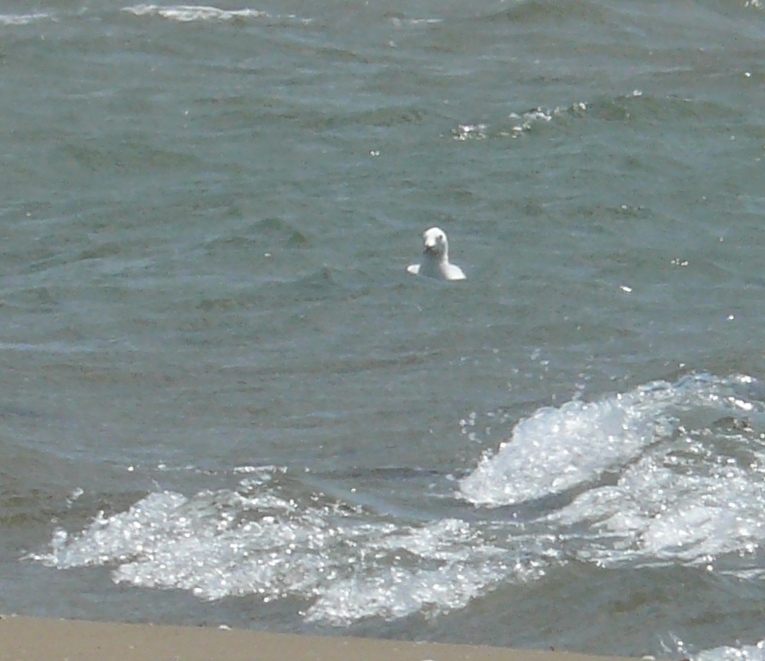
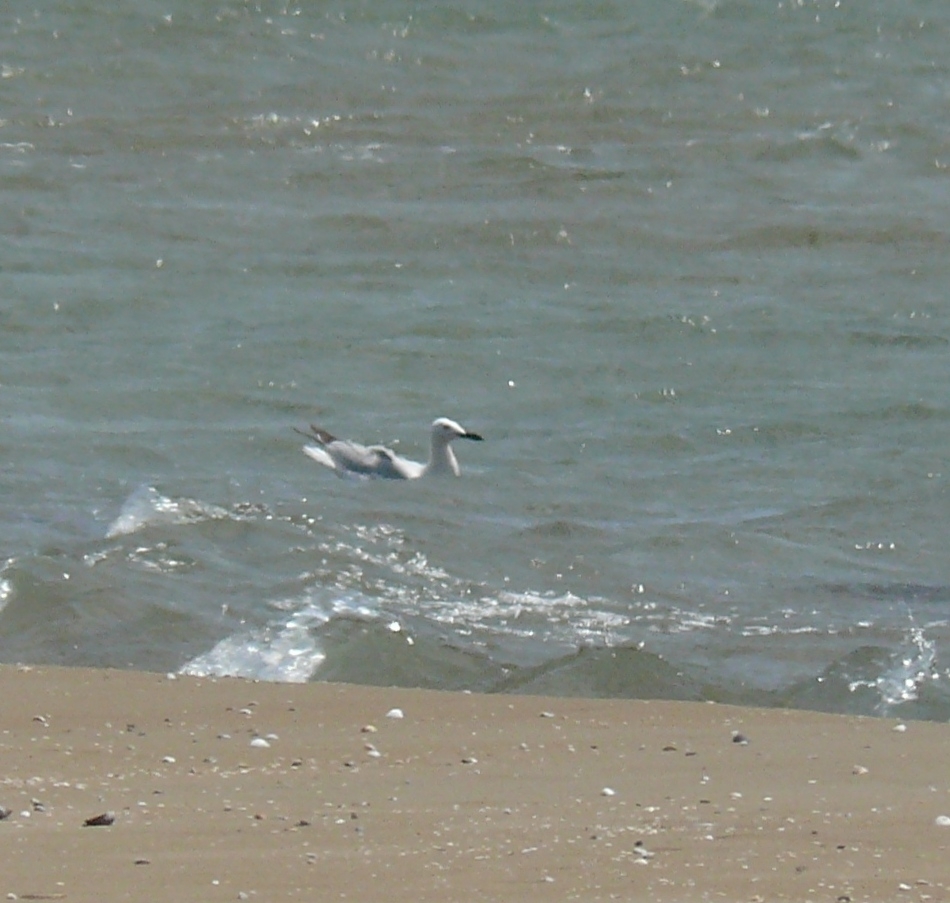
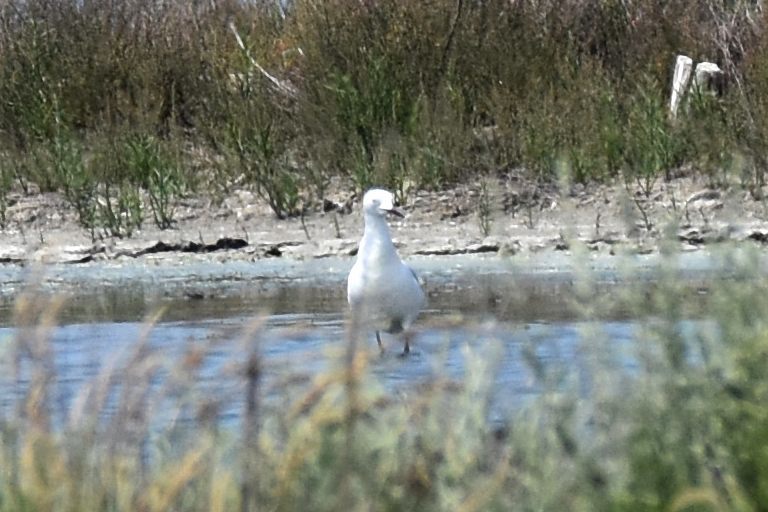
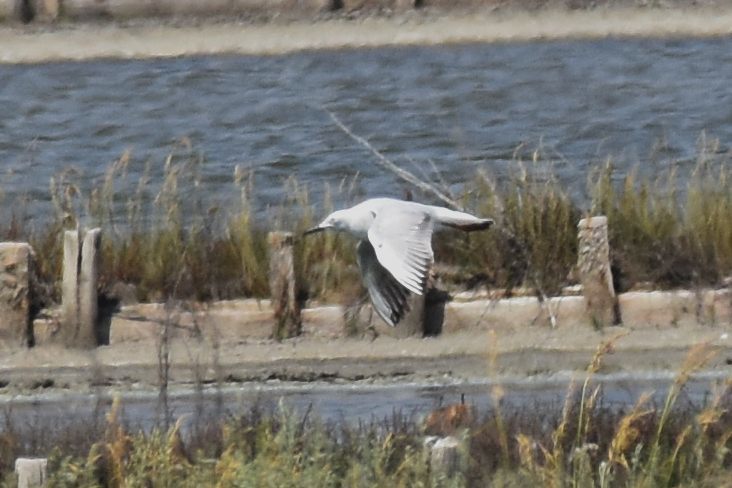
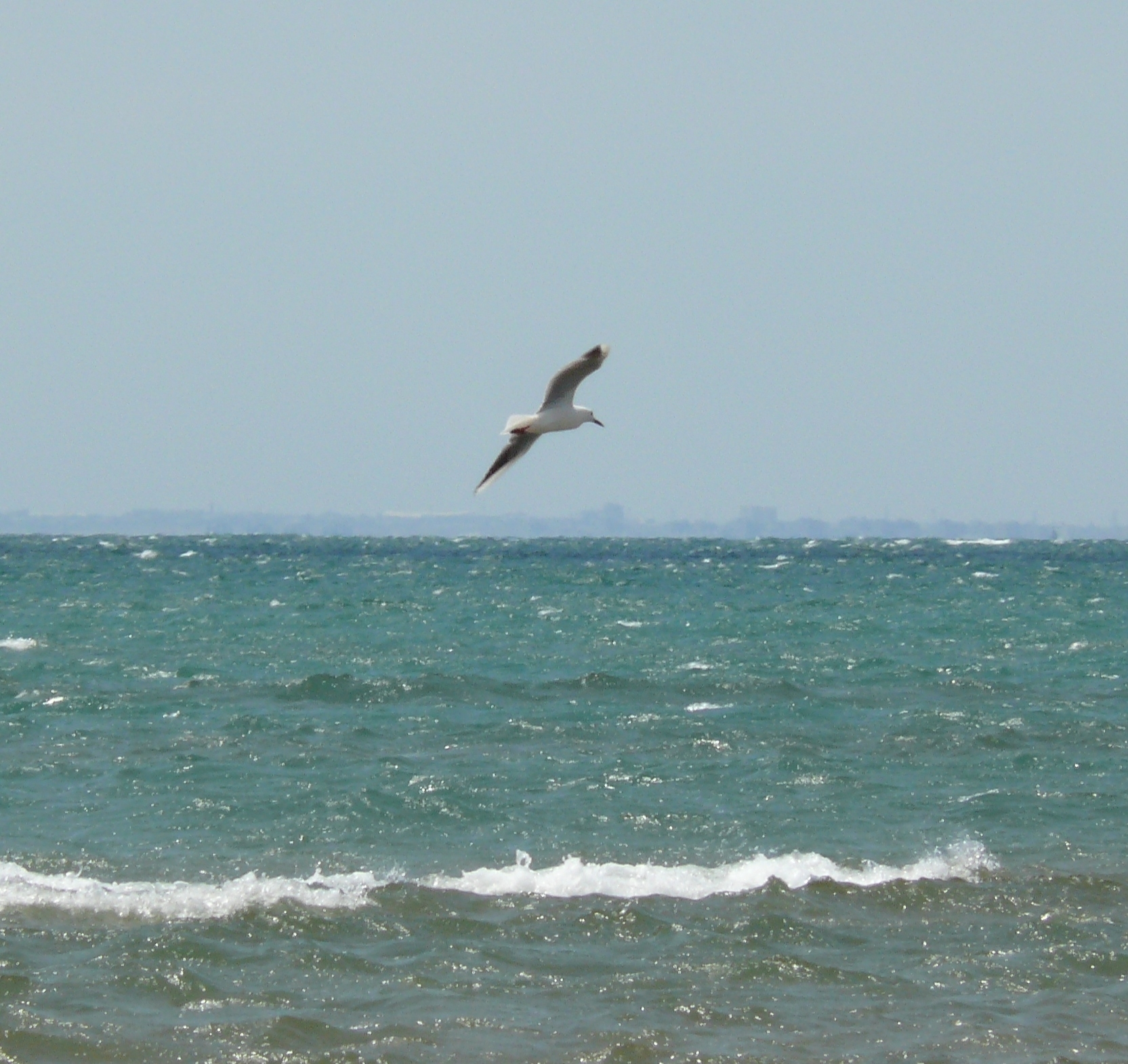
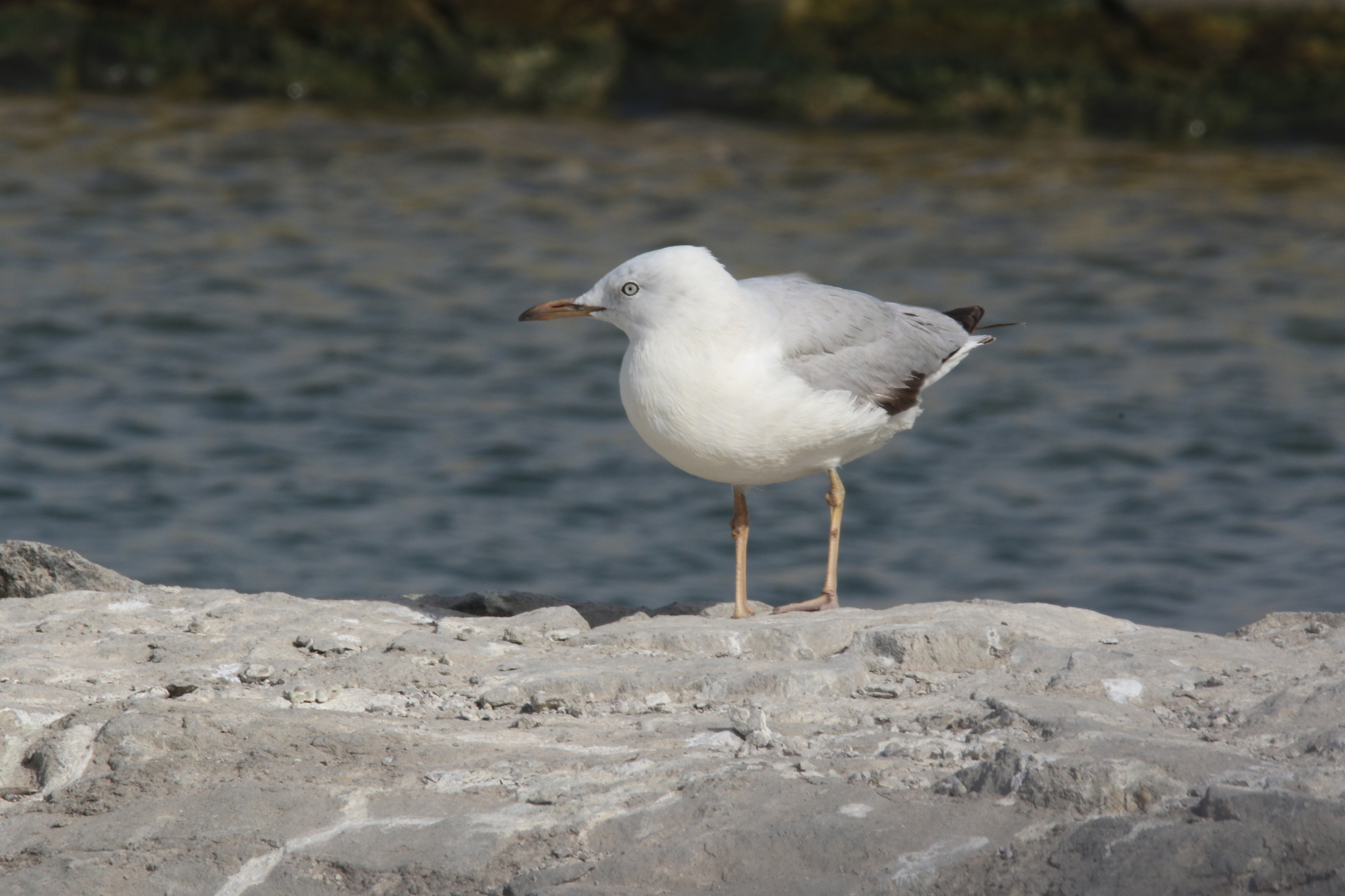
Adults measure 37 to 40 centimeters in length with a wingspan of 90 to 102 centimeters, making them slightly larger than the black-headed gull. The plumage is pale grey across the body with a white head and breast. The primary wing feathers display black tips. The most distinctive feature is the elongated, tapering shape of the head and the dark red bill, creating a long-necked appearance. The legs are dark red and the iris is yellow. During the breeding season, adults develop a faint pink coloration on the breast. The species takes two years to reach maturity. First-year immatures are characterized by a black terminal tail band and darker areas on the wings.
Identification
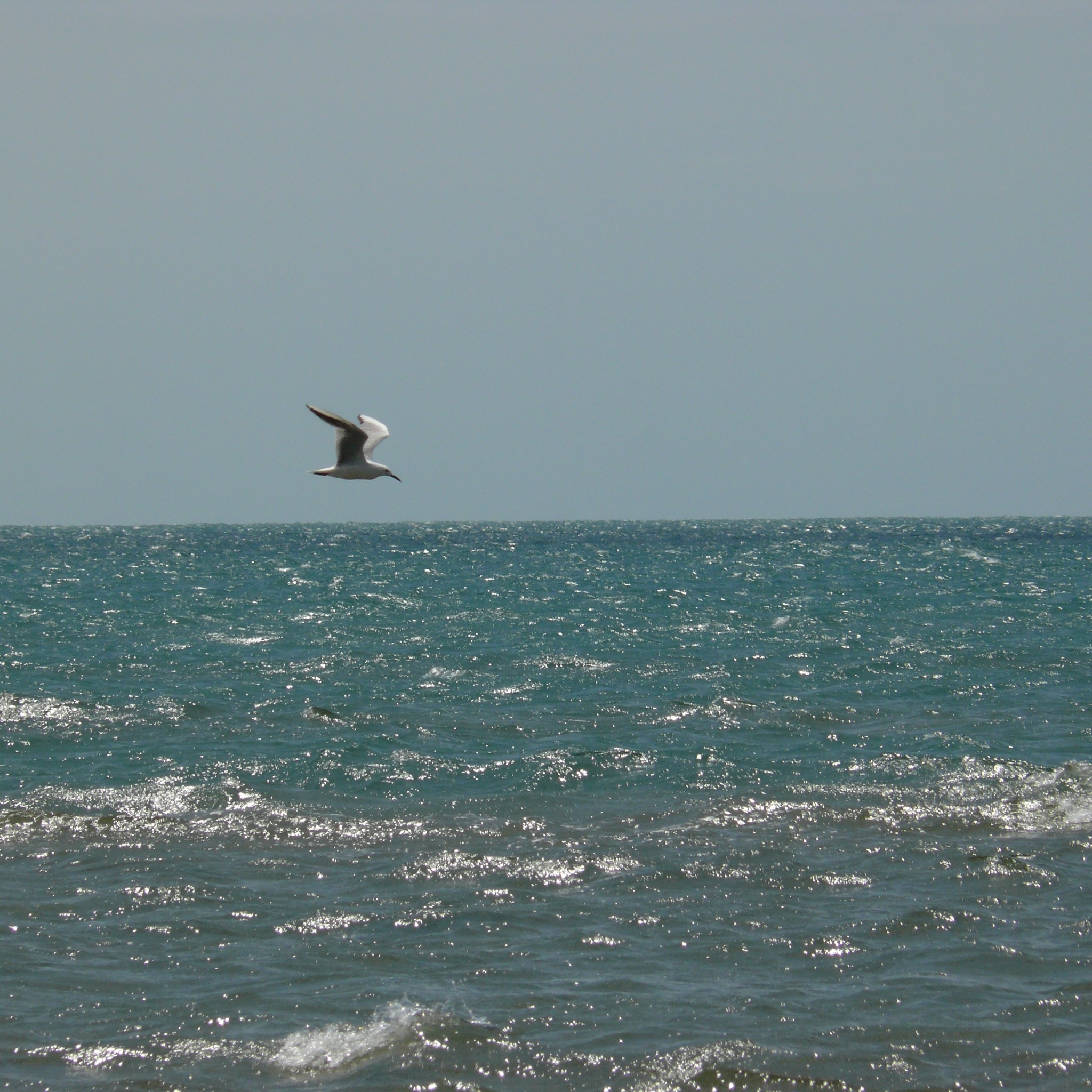
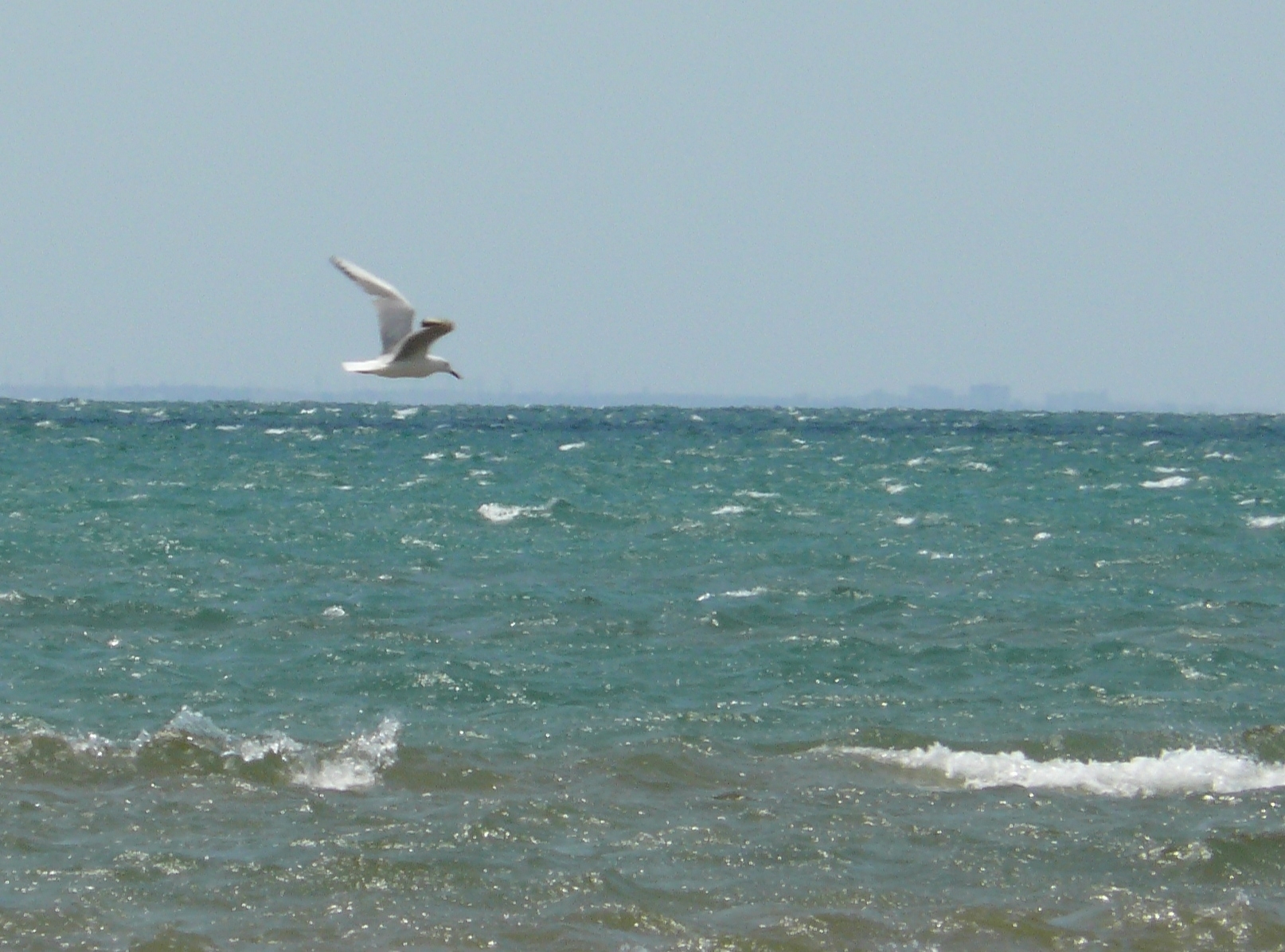
This species is best identified by its distinctive head shape - elongated and tapered rather than rounded like most gulls. The dark red bill and legs are diagnostic, as is the yellow iris. Unlike the black-headed gull, it never shows a black hood, even in breeding plumage. The pale grey upperparts combined with white head and breast distinguish it from larger herring-type gulls. In flight, the black wingtip contrasting with otherwise pale grey upperwings is distinctive. The combination of medium size, long head profile, and red bill color should separate it from any similar species within its range.
Distribution & Habitat
The breeding range centers on lagoons and lakes around the Mediterranean Sea, extending to similar habitats in countries bordering the northwestern Indian Ocean including Pakistan. A significant colony was discovered in 2010 on an island in a mountain lake in Algeria, where the absence of predators allowed exceptional breeding success with over 98% of eggs hatching. The species overwinters along coasts in estuaries and bays, migrating south to North Africa and India. Vagrant individuals have appeared in western Europe and as far afield as Antigua. The bird frequents deltas, marshes, grassland, and readily visits landfill sites for feeding opportunities.
Behavior & Ecology
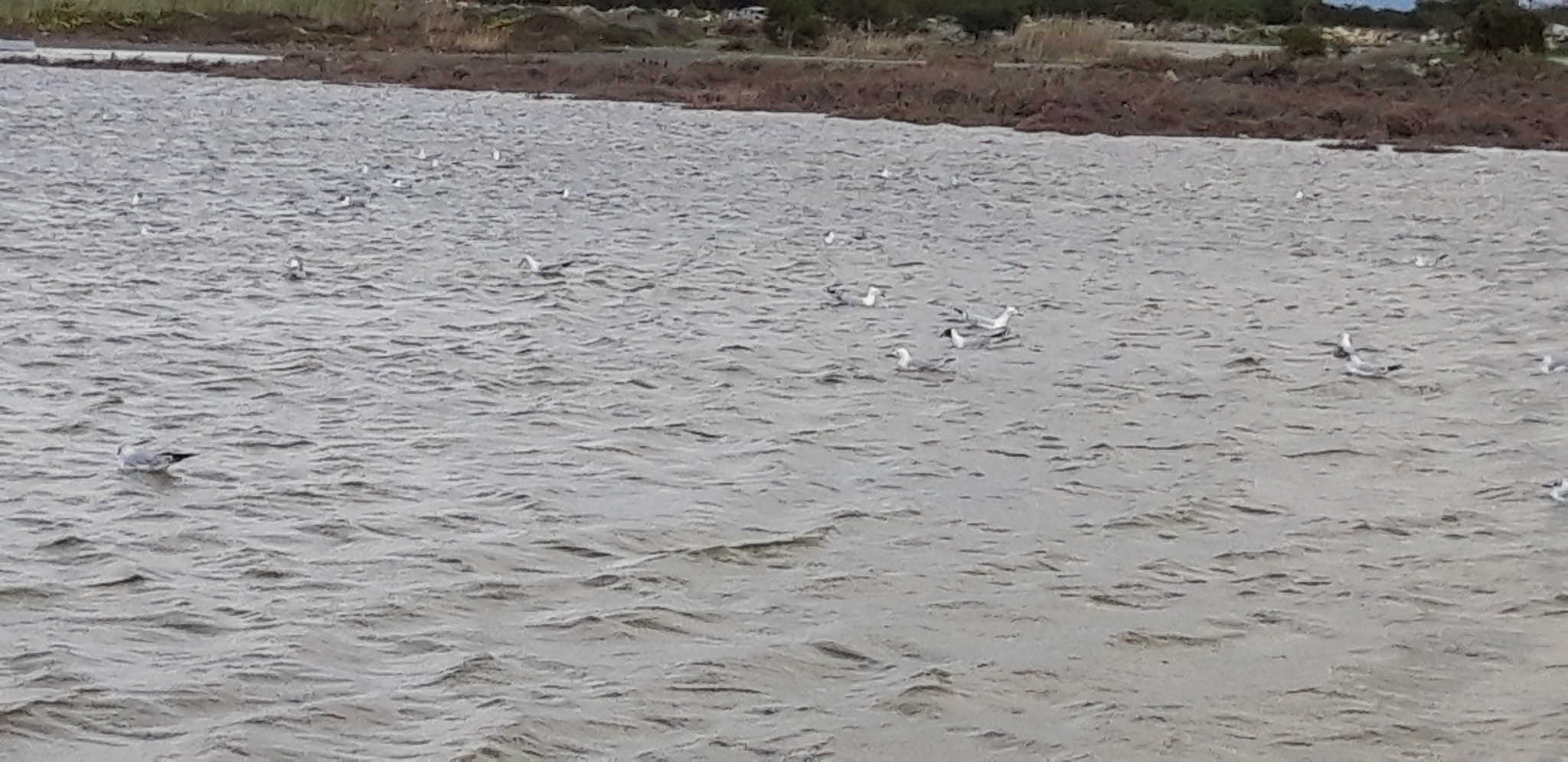
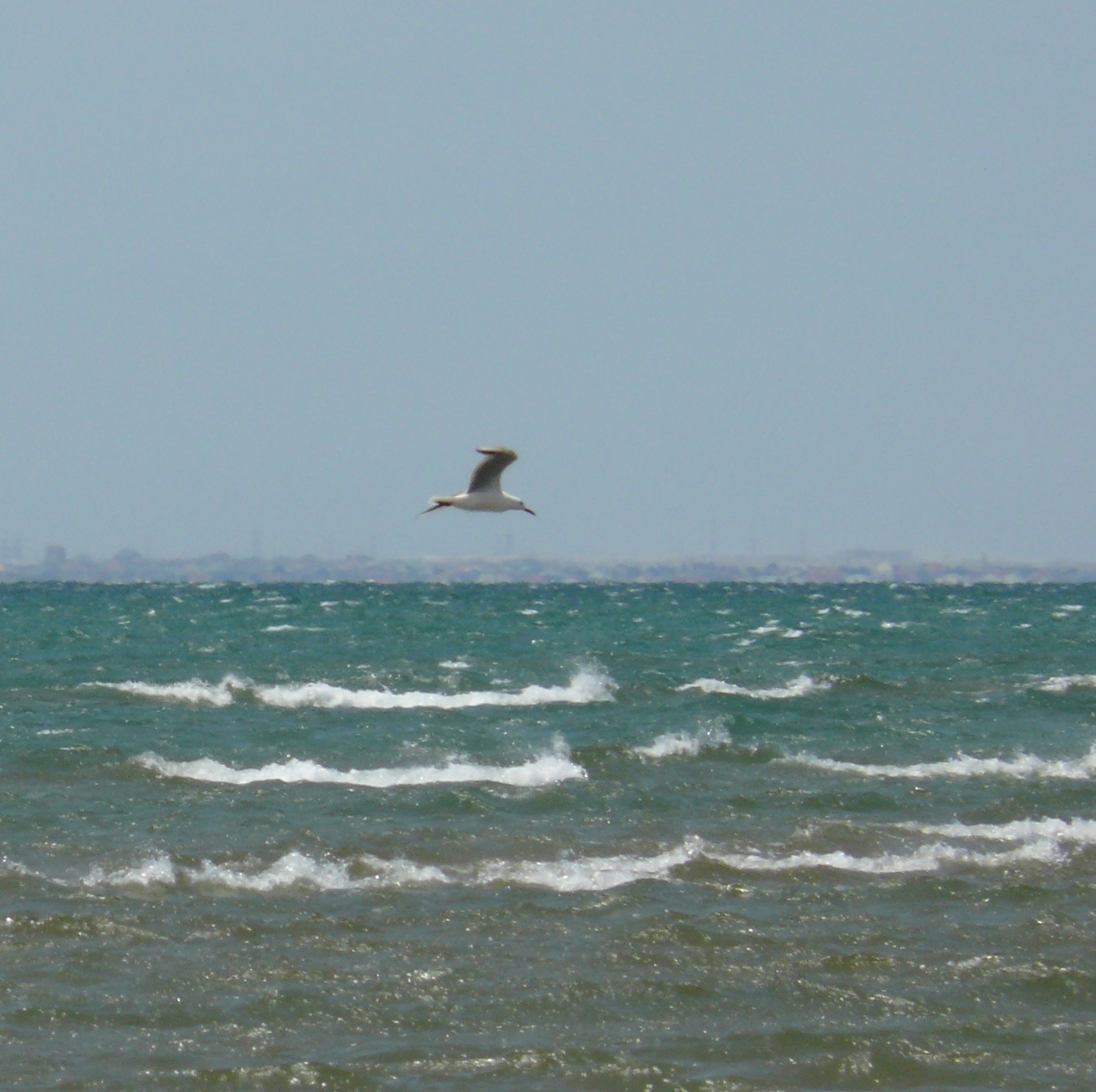
Approximately half of this gull's diet consists of fish. It employs a distinctive hunting technique, flying just a few meters above the water's surface and diving when suitable prey is spotted. It also probes mud with its bill to feed on marine invertebrates and catches flying insects in the air. Breeding occurs in colonies, with nests constructed as ground scrapes sparsely lined with feathers and vegetation. Females lay up to three brown-spotted white eggs, with an incubation period of around 25 days. The young fledge after another 25 days. Like most gulls, it is gregarious during winter, both when feeding and at evening roosts. It is not truly pelagic and is rarely found far from land.
Conservation
The species is protected under the Agreement on the Conservation of African-Eurasian Migratory Waterbirds (AEWA). While specific population trends are not detailed in available sources, its somewhat localized and patchy distribution suggests it requires attention in conservation planning. The discovery of successful breeding colonies in Algeria demonstrates the importance of protecting predator-free island habitats for this species.
Culture
No cultural significance, folklore, or traditional references are documented for this species.
Source: Wikipedia · CC BY-SA 3.0
Taxonomy
- Order
- Charadriiformes
- Family
- Laridae
- Genus
- Chroicocephalus
- eBird Code
- slbgul1
Distribution
breeds patchily on coasts and saline lakes from southern Iberian Peninsula to Central Asia, Pakistan, and coastal far northwestern India, also Mauritania and Senegambia; winters to coasts of Arabian Peninsula and western India
Data Sources
Species description from Wikipedia, licensed under CC BY-SA 3.0.
Bird images and sounds sourced from GBIF, contributed by citizen scientists worldwide under Creative Commons licenses.
Taxonomy data from AviList 2025.