Yellow-breasted Greenfinch
Chloris spinoides
高山金翅雀
Introduction
Chloris spinoides is a small finch species in the Fringillidae family. Its range extends from Afghanistan through the Himalayas to Vietnam. It inhabits temperate forest and shrubland habitats at mid-elevations, typically found at forest edges and in shrubby areas. The species exhibits yellow wing bars and yellow underparts contrasting with brownish upperparts. It was described scientifically in 1831 and was reclassified from the genus Carduelis to Chloris based on molecular phylogenetic studies.
Description
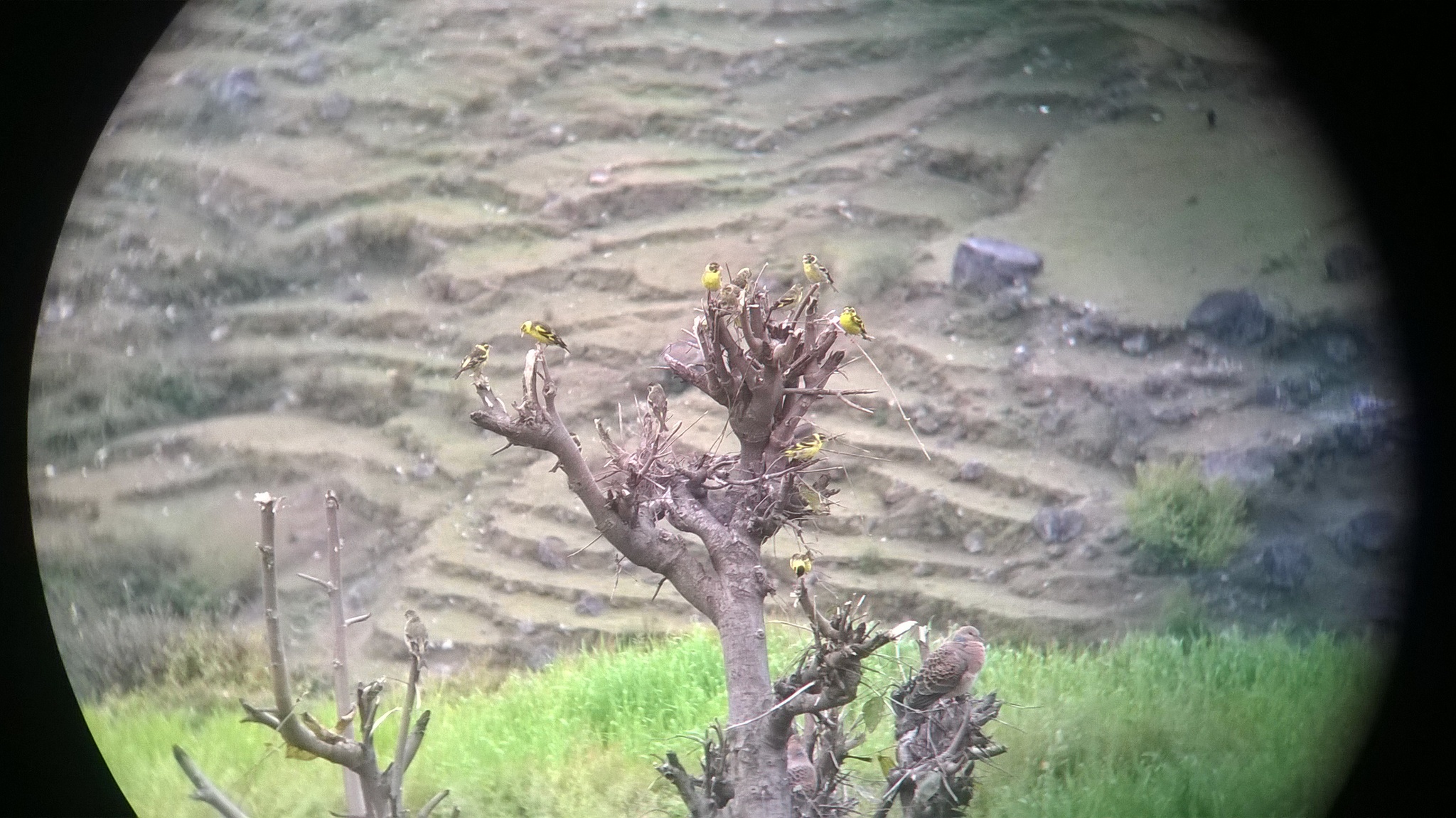
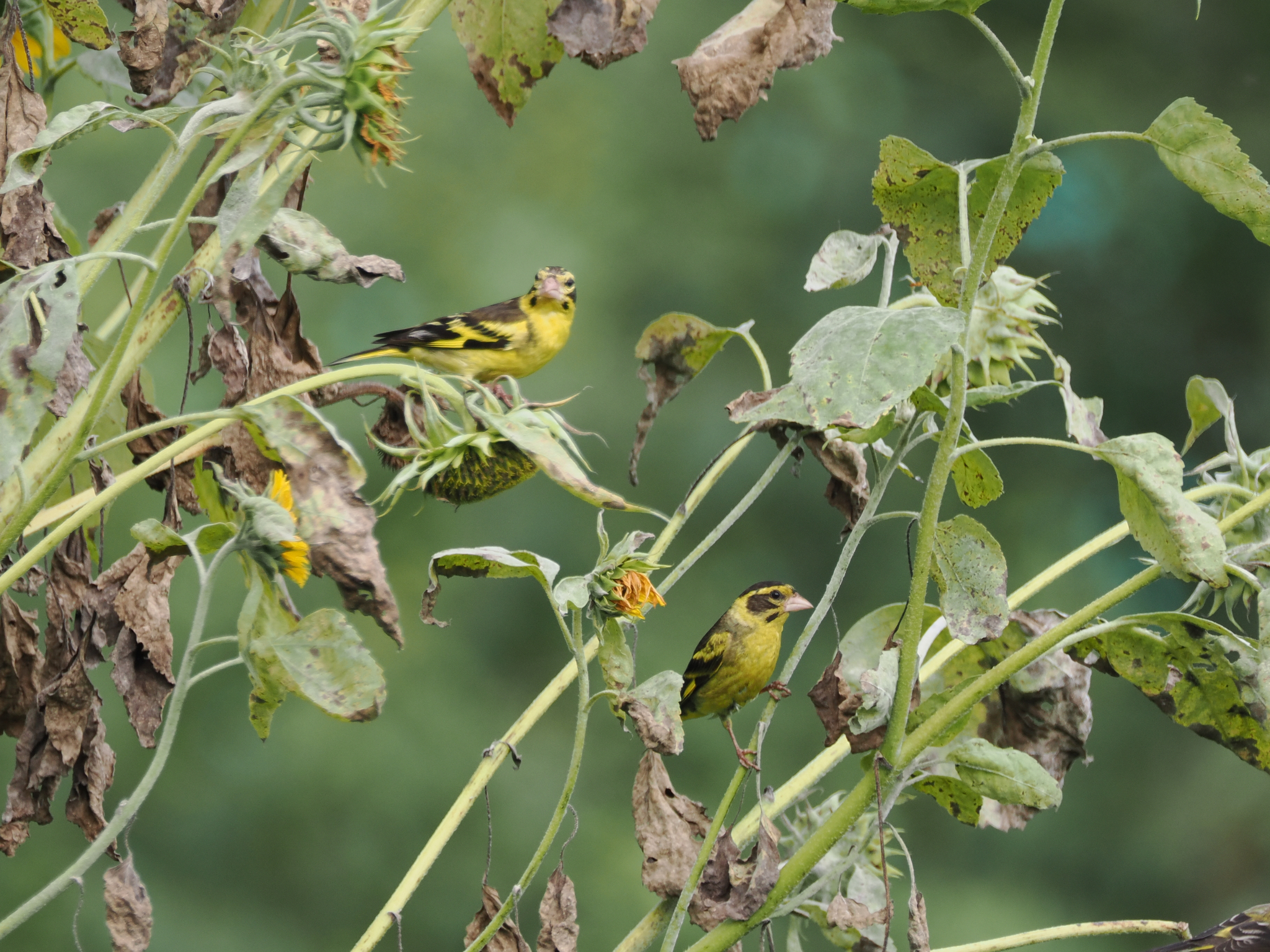
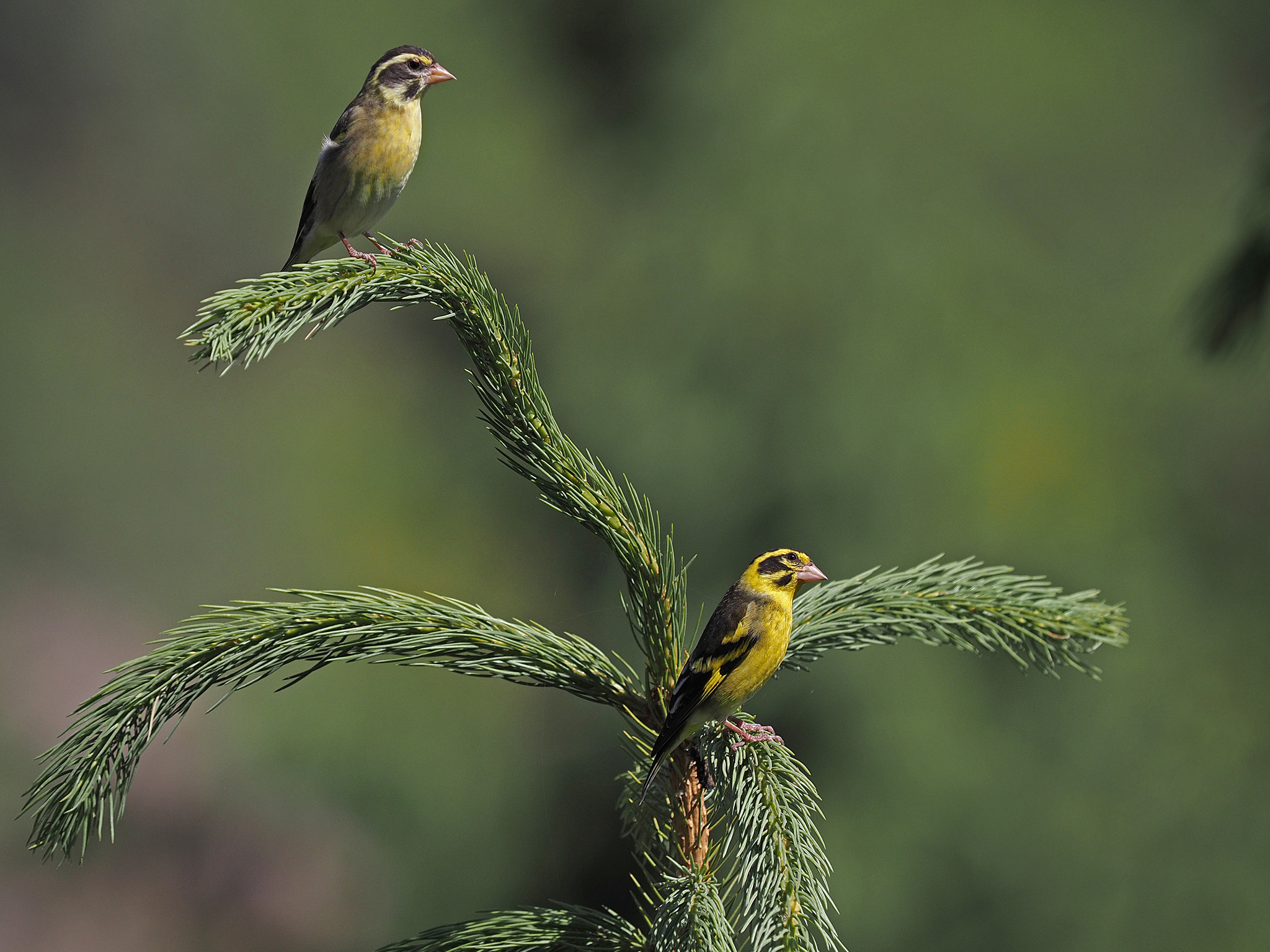
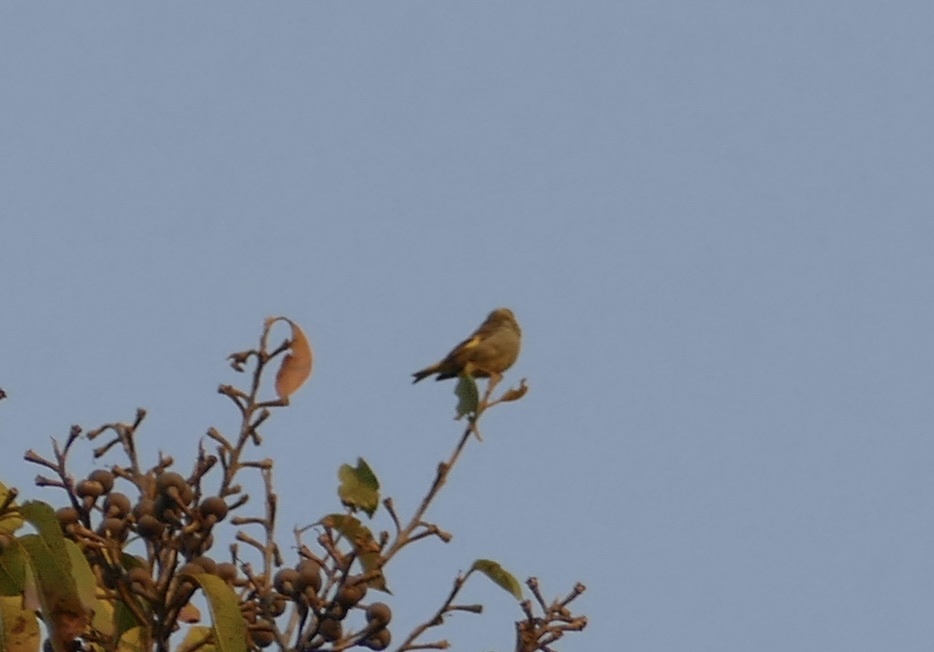
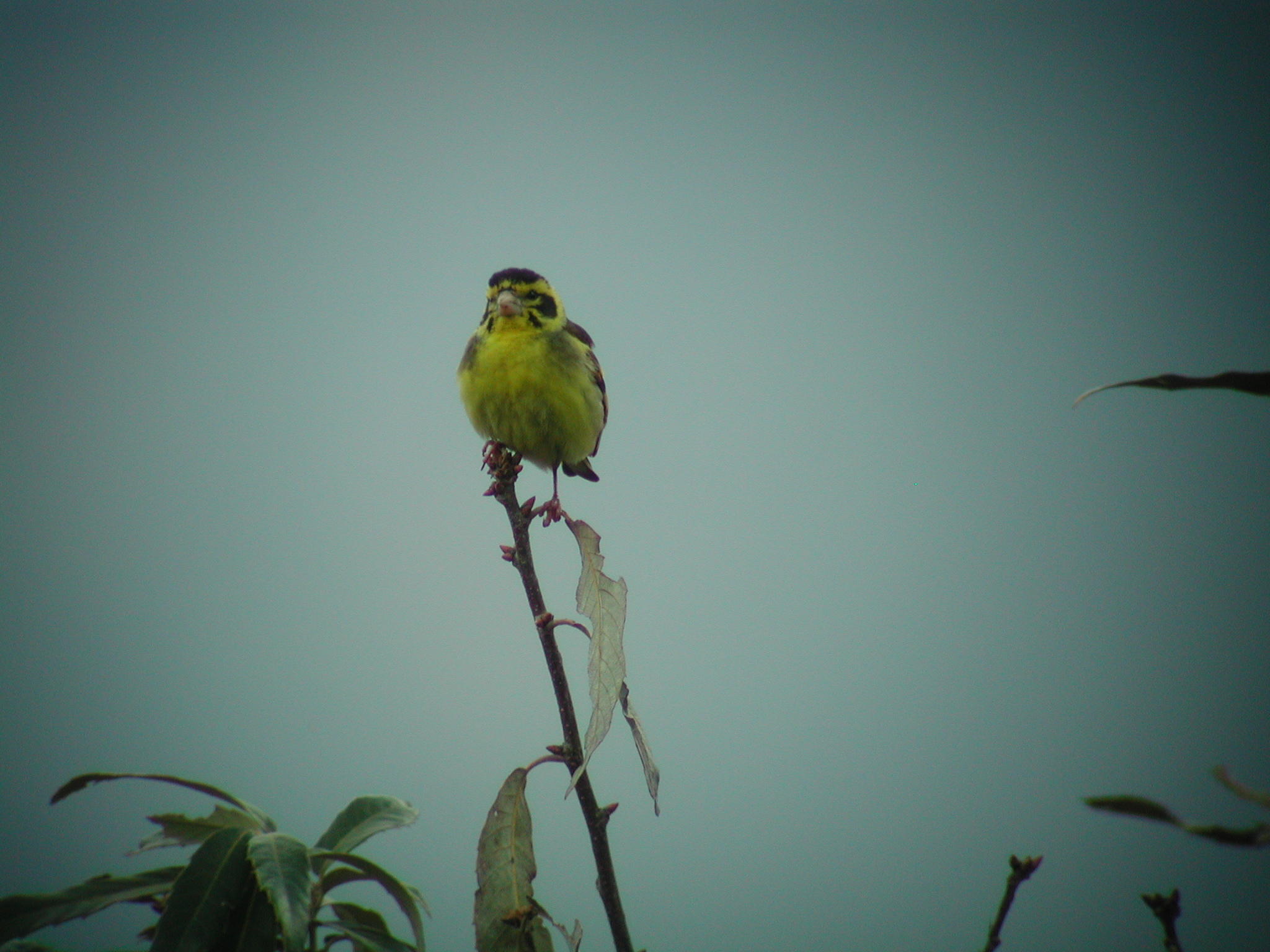
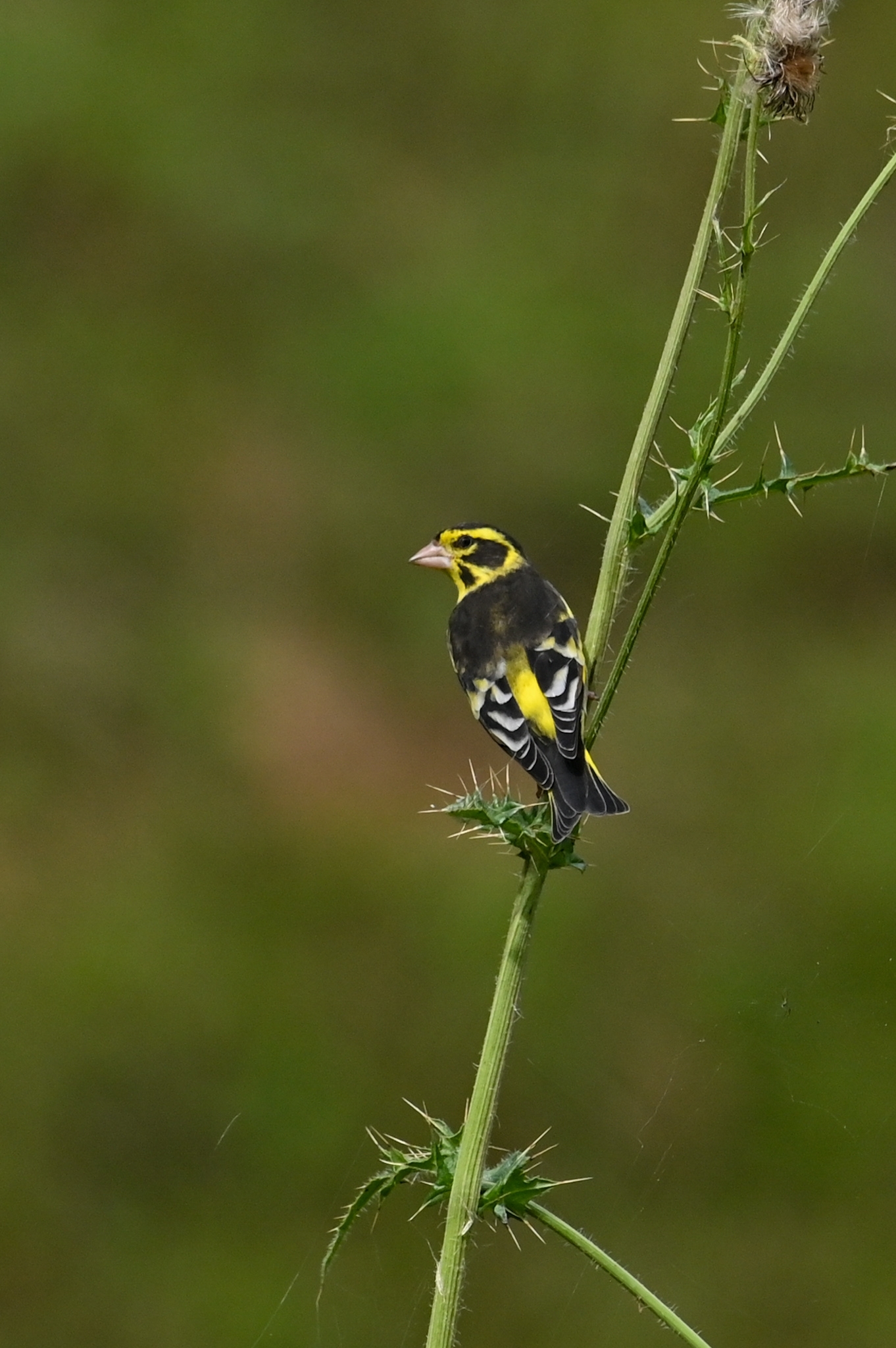
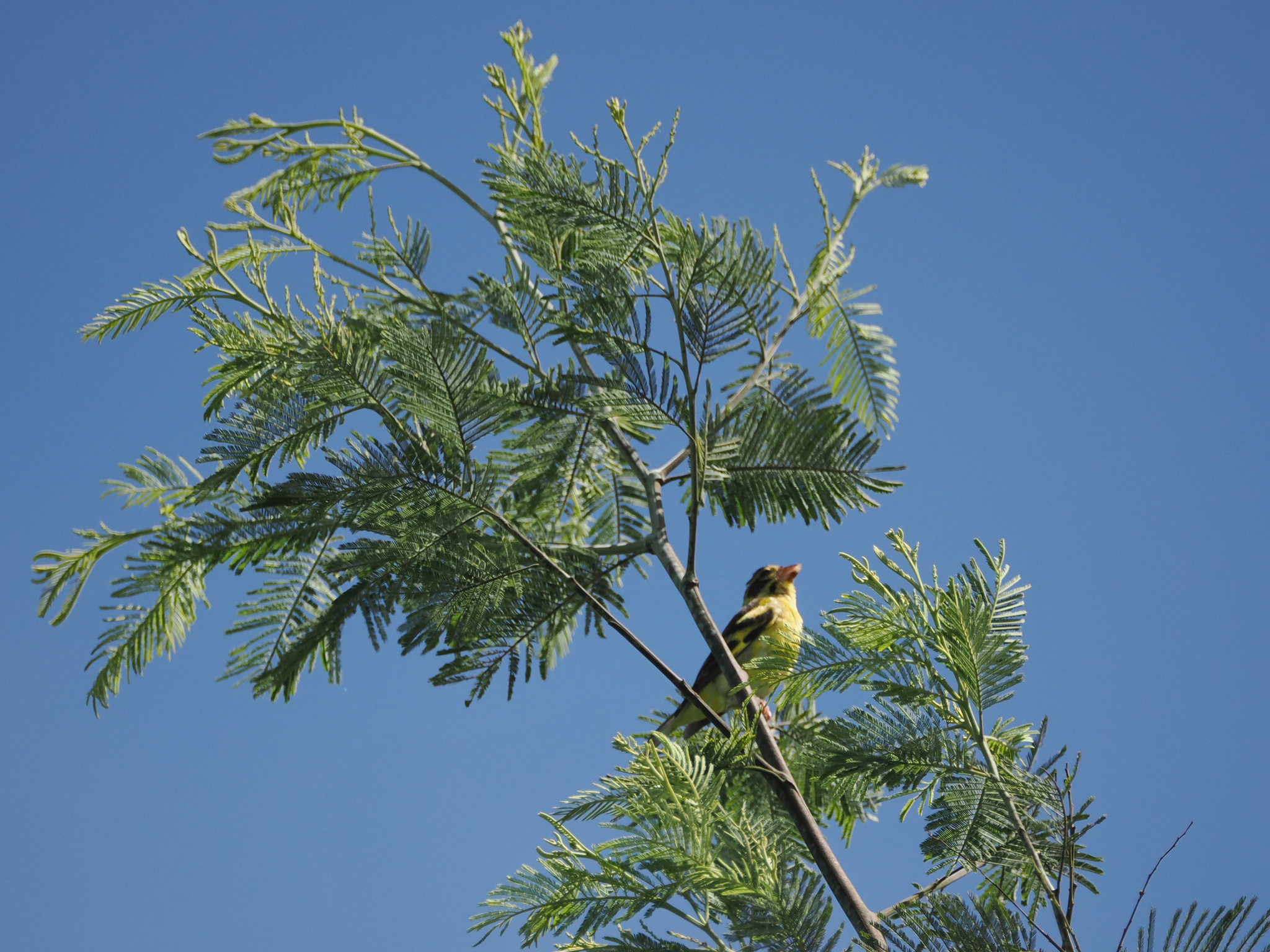
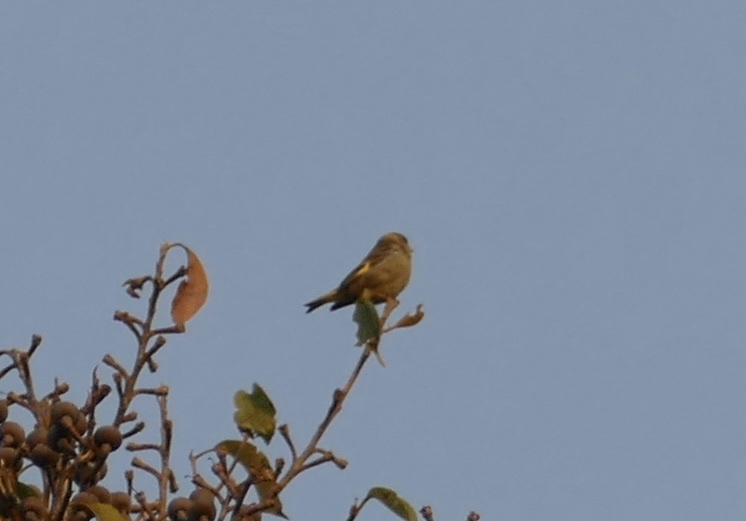
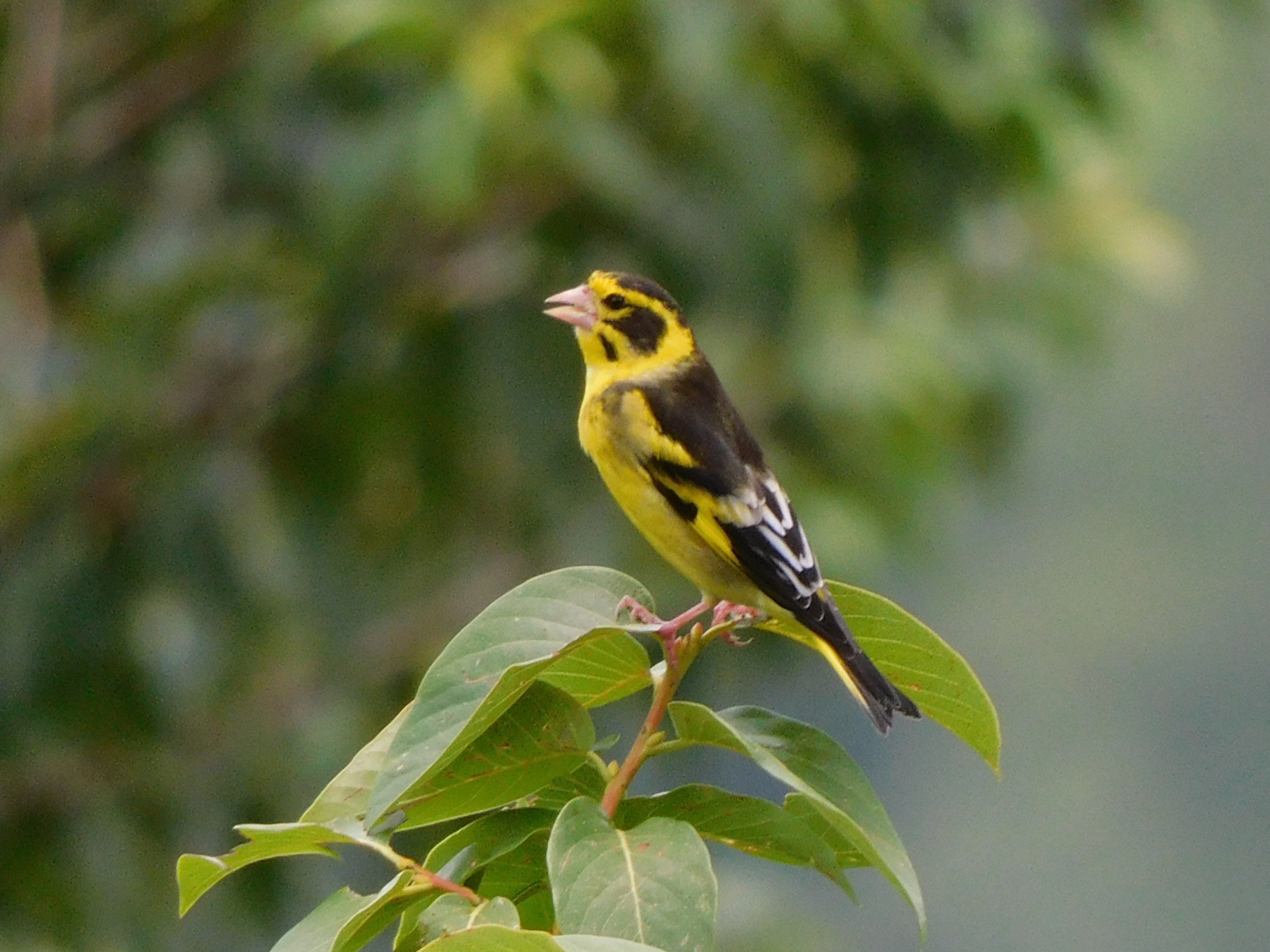
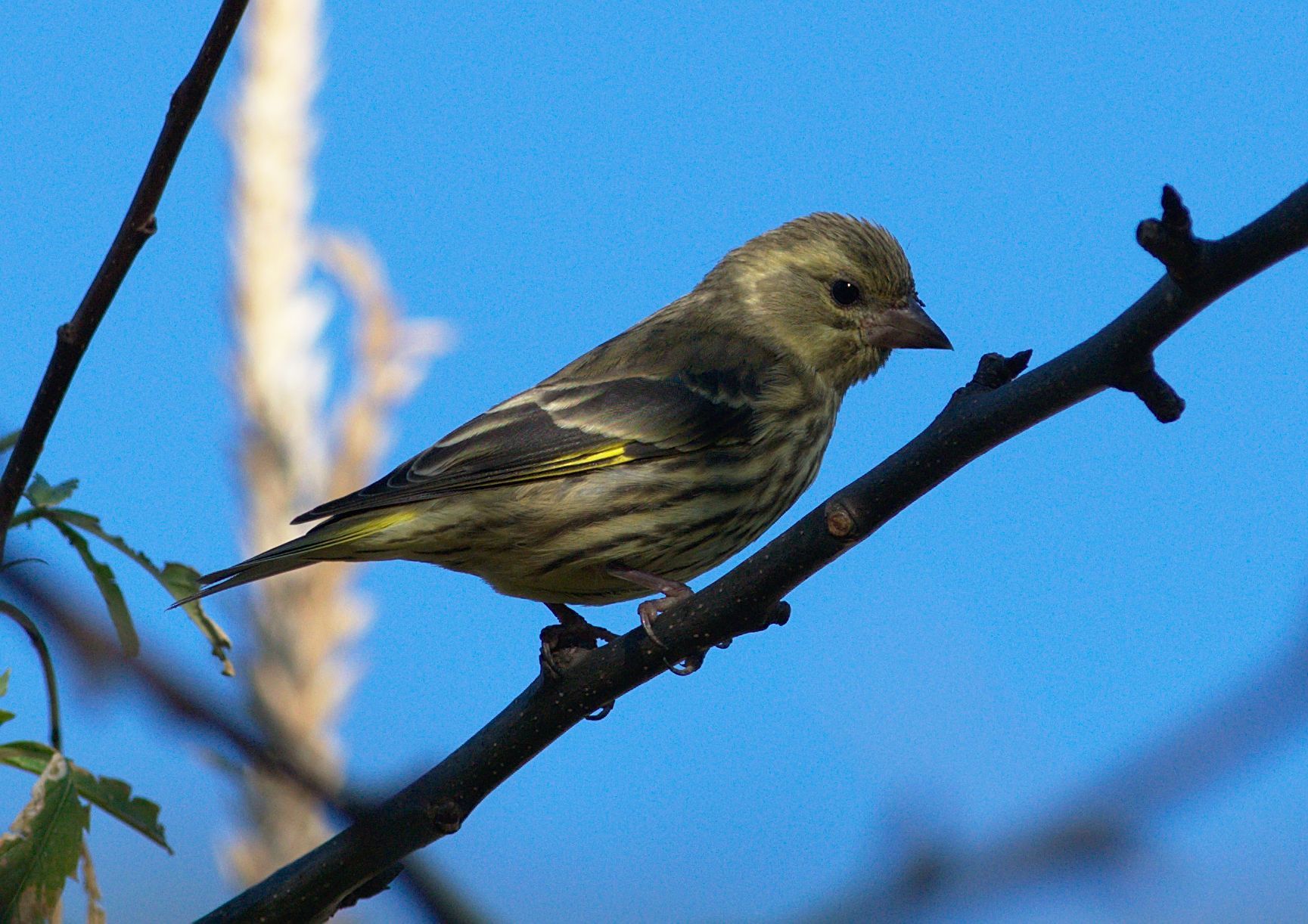
A compact small passerine measuring 12–14 cm in length and weighing 15–21 g. It possesses a characteristic brown conical bill typical of seed-eating finches. The most striking feature is the bright yellow wing bars, which contrast sharply with the brownish upperparts. The underparts are predominantly bright yellow, giving the species its descriptive name. The sexes share similar plumage patterns, though females display less vibrant coloration overall, appearing somewhat duller than their male counterparts. The overall impression is of a stocky, active finch with bold wing markings.
Identification
The combination of small size, bright yellow underparts, and prominent yellow wing bars distinguishes this species from similar finches in its range. The brown conical bill separates it from warblers and babblers. Males are brighter overall, while females show reduced yellow saturation. The species' range overlap with other greenfinches is limited, and its distinctive wing pattern and yellow underparts are reliable field marks.
Distribution & Habitat
This species occupies the mid-altitude zones of the Himalayas and extends into parts of Southeast Asia. Its range spans Afghanistan, Bhutan, India, Myanmar, Nepal, Thailand, Tibet, and Vietnam. It inhabits temperate forests and temperate shrubland environments, typically found at moderate elevations throughout its range. The species is non-migratory but may make local movements in response to seasonal conditions.
Behavior & Ecology
As a member of the Fringillidae family, this bird feeds primarily on seeds, using its conical bill to crack open various plant seeds. It forages actively in shrubs and forest edges, often in small groups. The breeding behavior follows typical finch patterns, though specific details are not extensively documented. Vocalizations include typical finch-like calls and songs.
Conservation
The species is currently assessed as Least Concern by the IUCN, indicating it is not considered to be facing immediate threats to its survival. However, like many forest-dependent species, it may face pressures from habitat degradation and loss across its range.
Culture
No specific cultural significance or folklore is documented for this species.
Source: Wikipedia · CC BY-SA 3.0
Taxonomy
- Order
- Passeriformes
- Family
- Fringillidae
- Genus
- Chloris
- eBird Code
- yebgre4
Subspecies (2)
-
Chloris spinoides heinrichi
northeastern India (southeastern Assam and Manipur) to southwestern Myanmar (Mount Victoria)
-
Chloris spinoides spinoides
Pakistan to southeastern Tibet, southwestern China, northern India, Nepal, Sikkim, and Bhutan
Data Sources
Species description from Wikipedia, licensed under CC BY-SA 3.0.
Bird images and sounds sourced from GBIF, contributed by citizen scientists worldwide under Creative Commons licenses.
Taxonomy data from AviList 2025.