Yellow-bellied Fantail
Chelidorhynx hypoxanthus
黄腹扇尾鹟
Introduction
This species inhabits montane woodlands across South and Southeast Asia. It is among the smallest passerines in the region. It gleans insects from leaves and branches and uses soft call notes while foraging in the canopy. During breeding season, it occurs at higher elevations in broadleaf and coniferous forests with dense understory. Formerly classified with the fantails (Rhipiduridae), genetic studies have placed it in the family Stenostiridae, close relatives of the fairy flycatchers.
Description
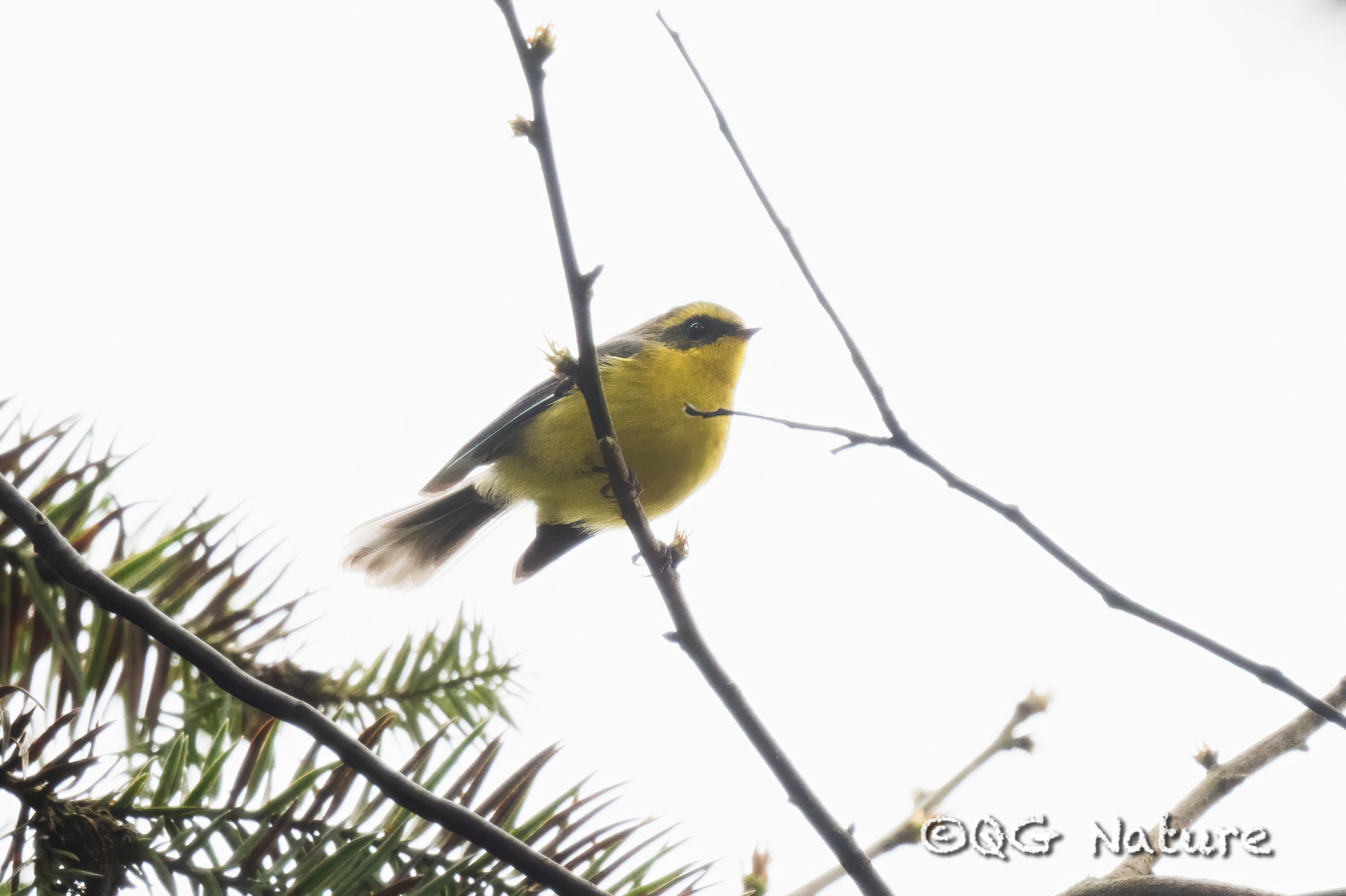
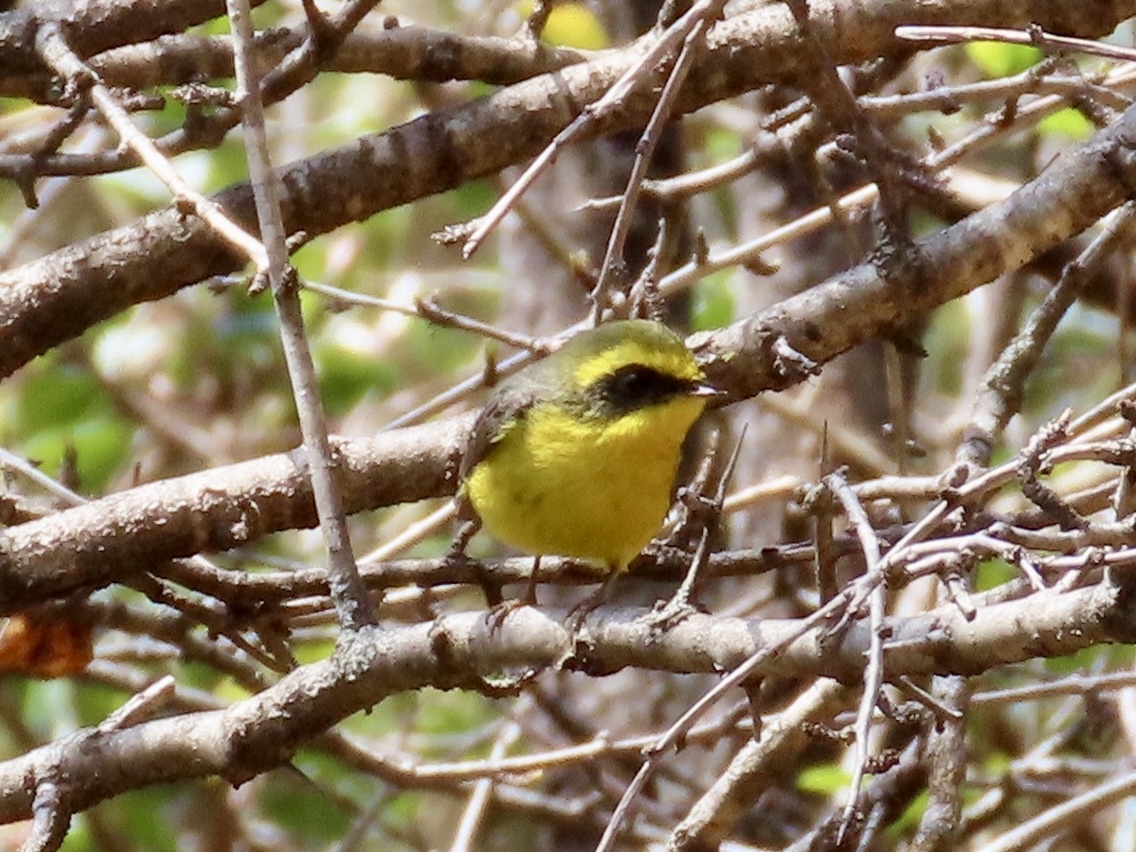
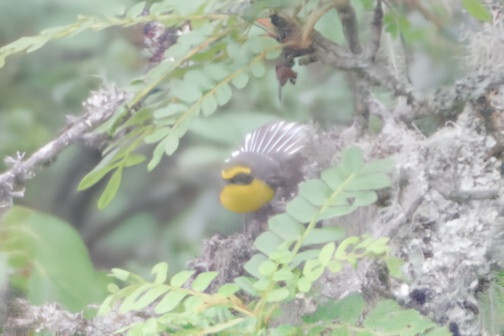
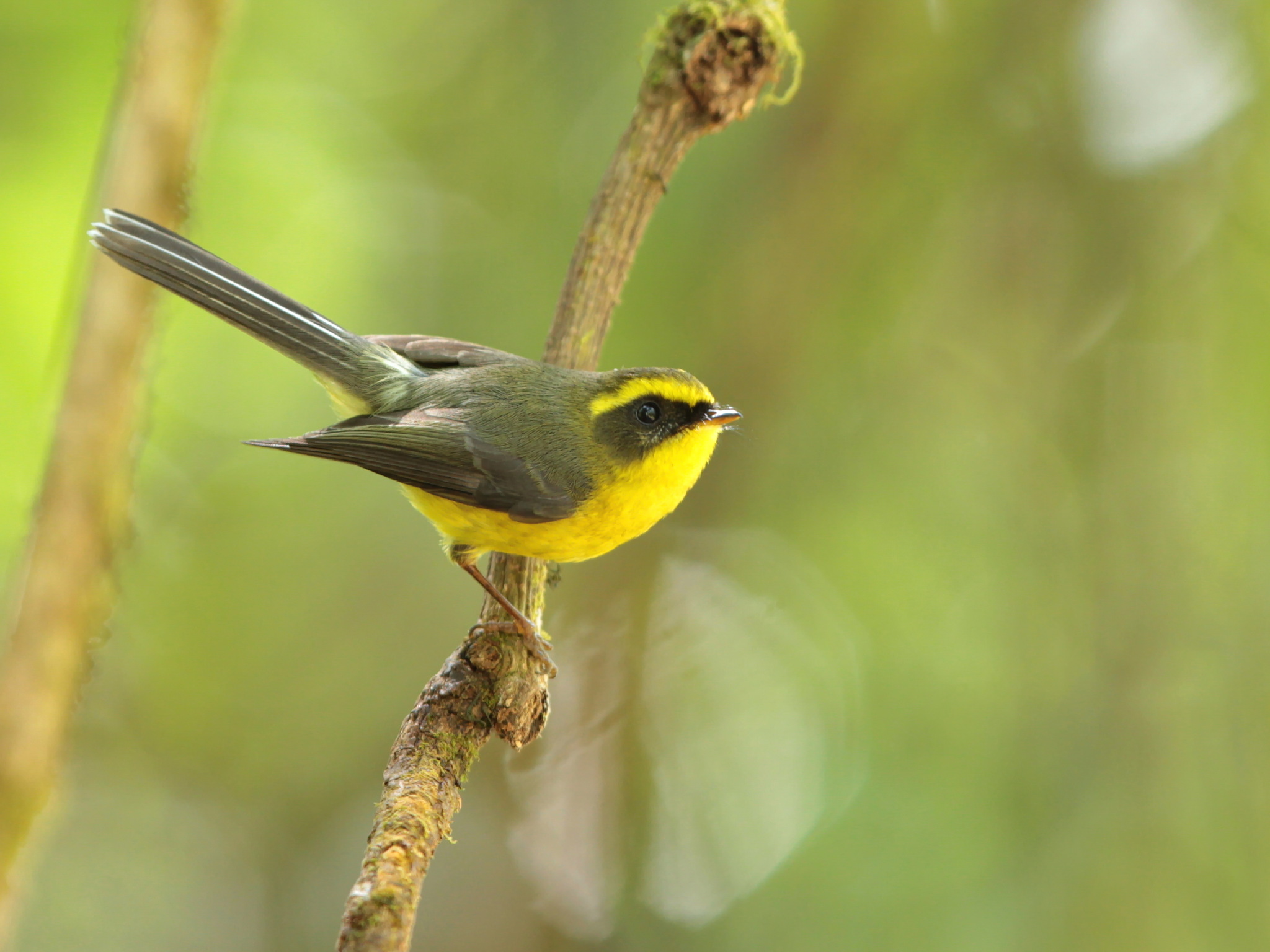
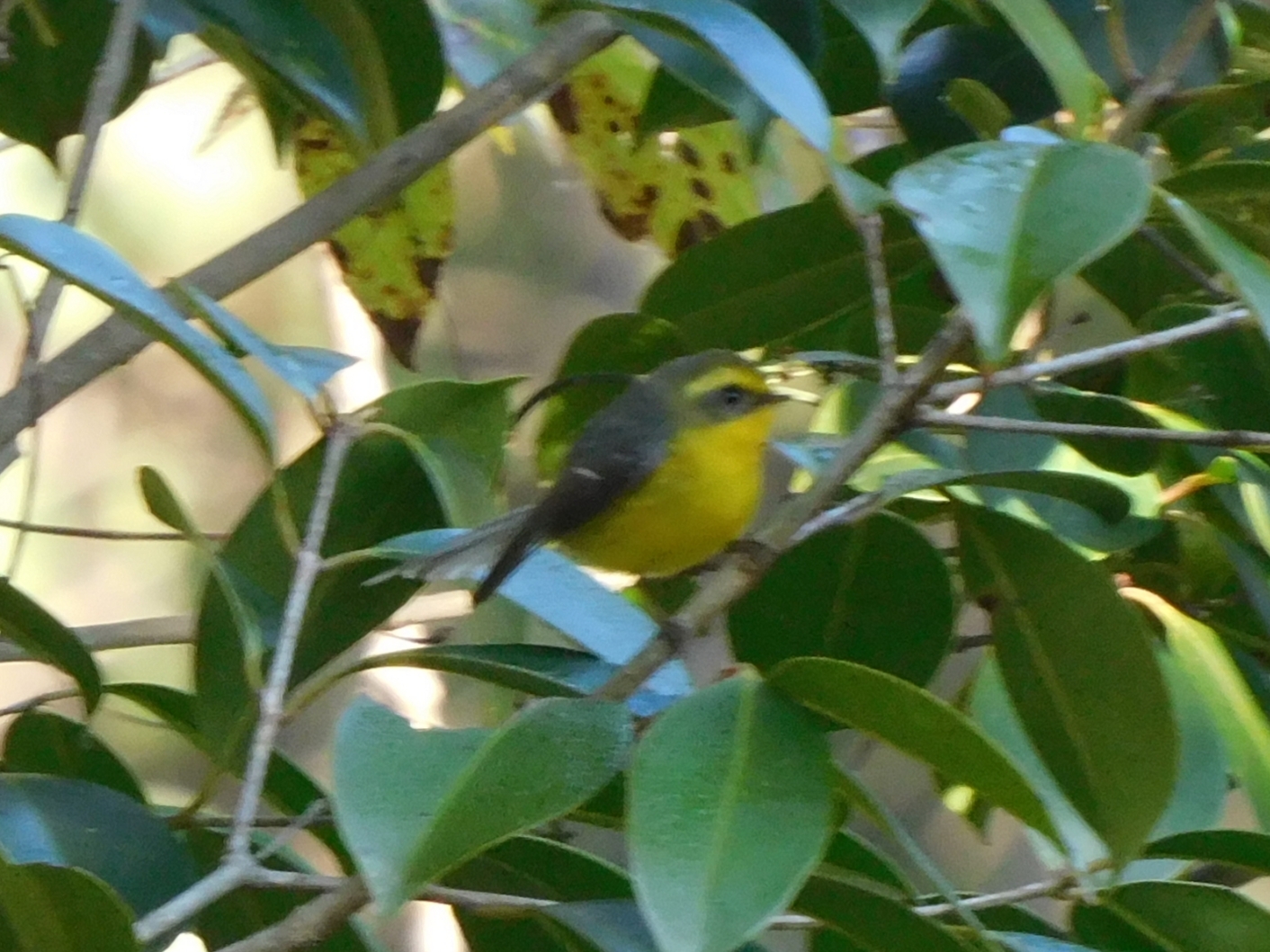
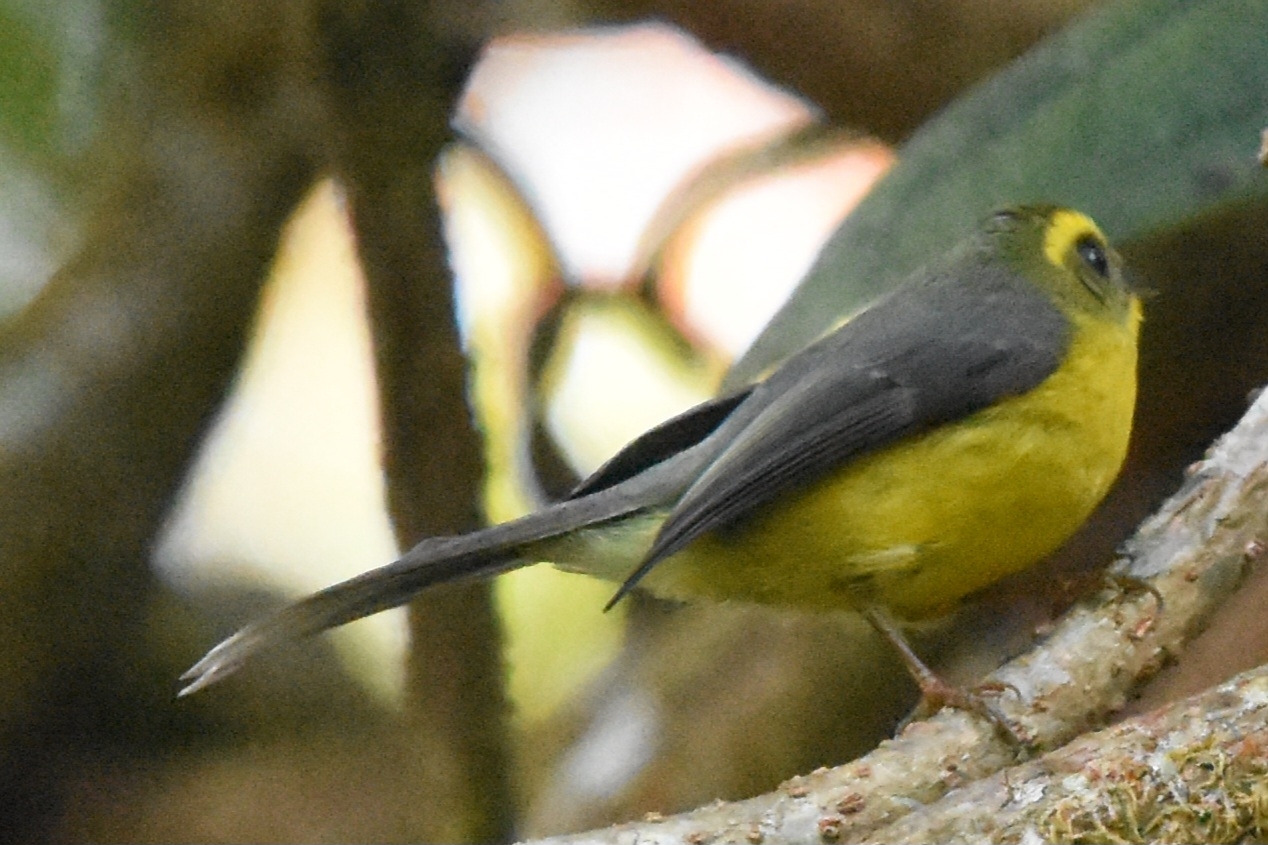
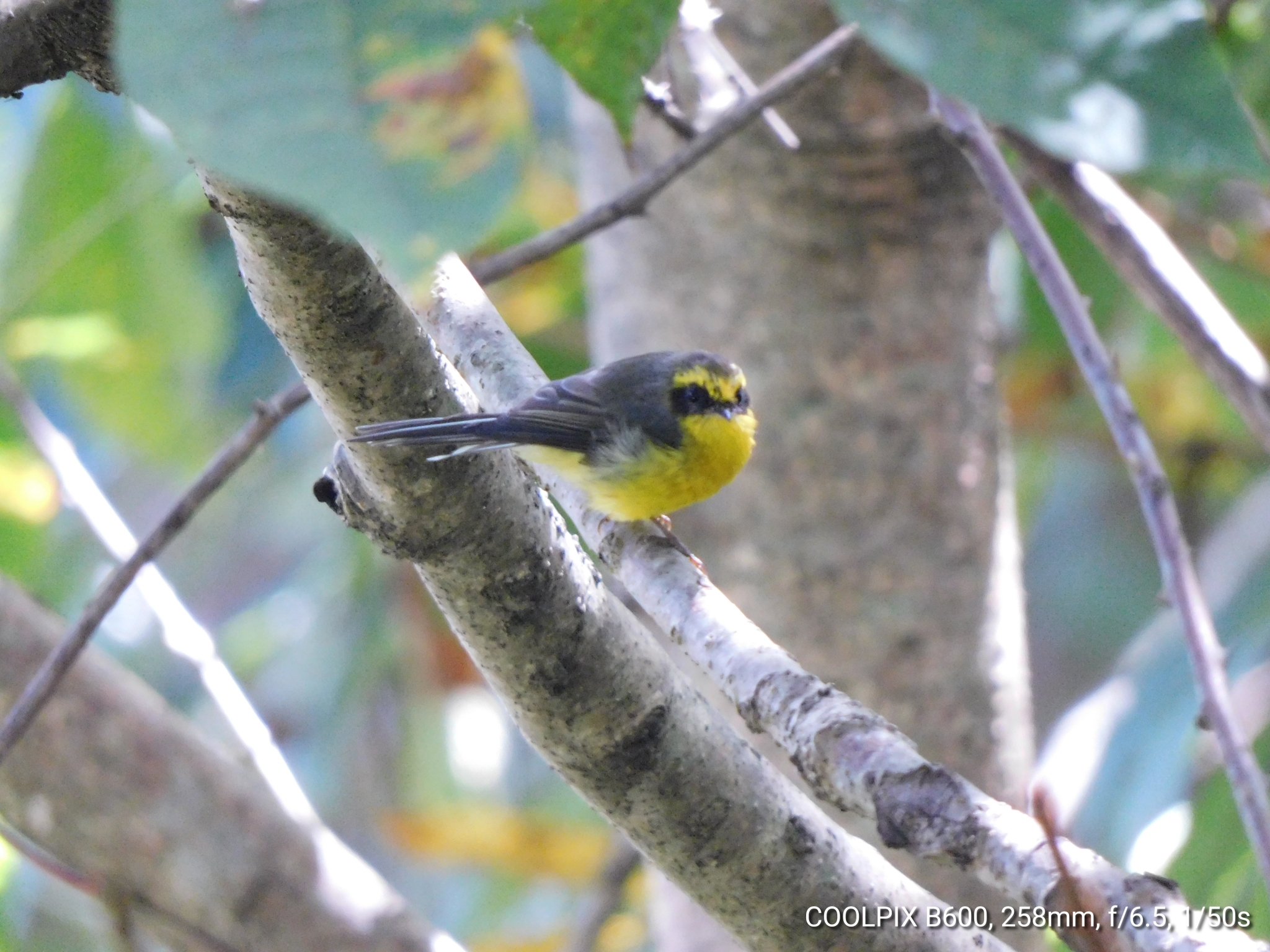
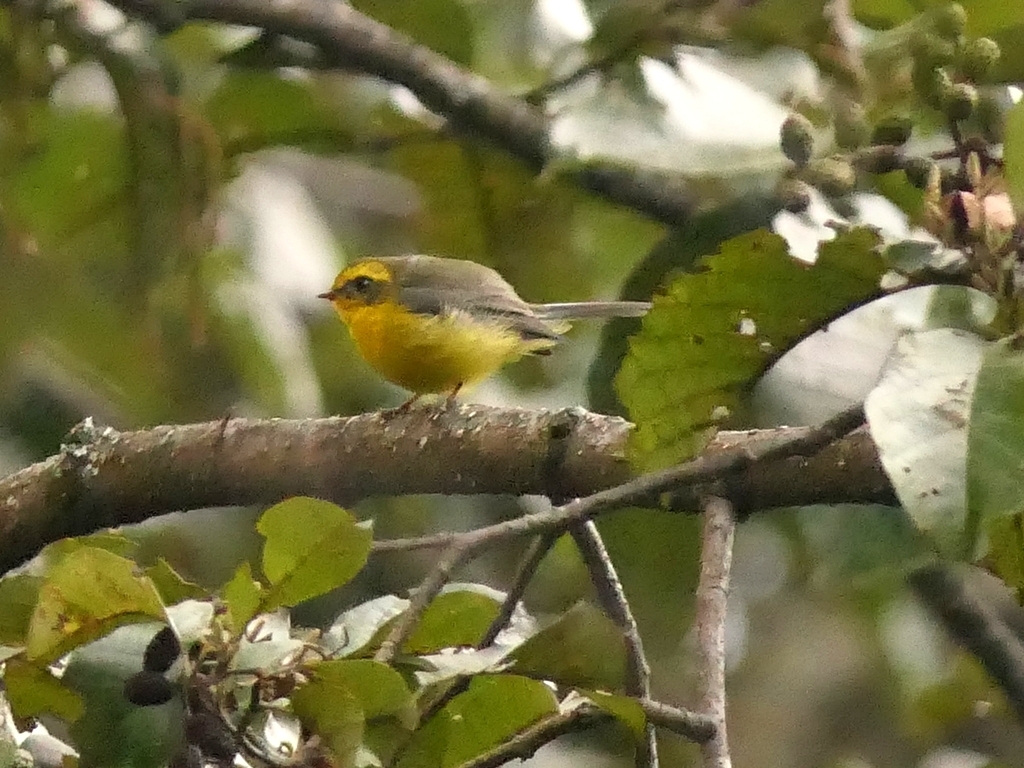
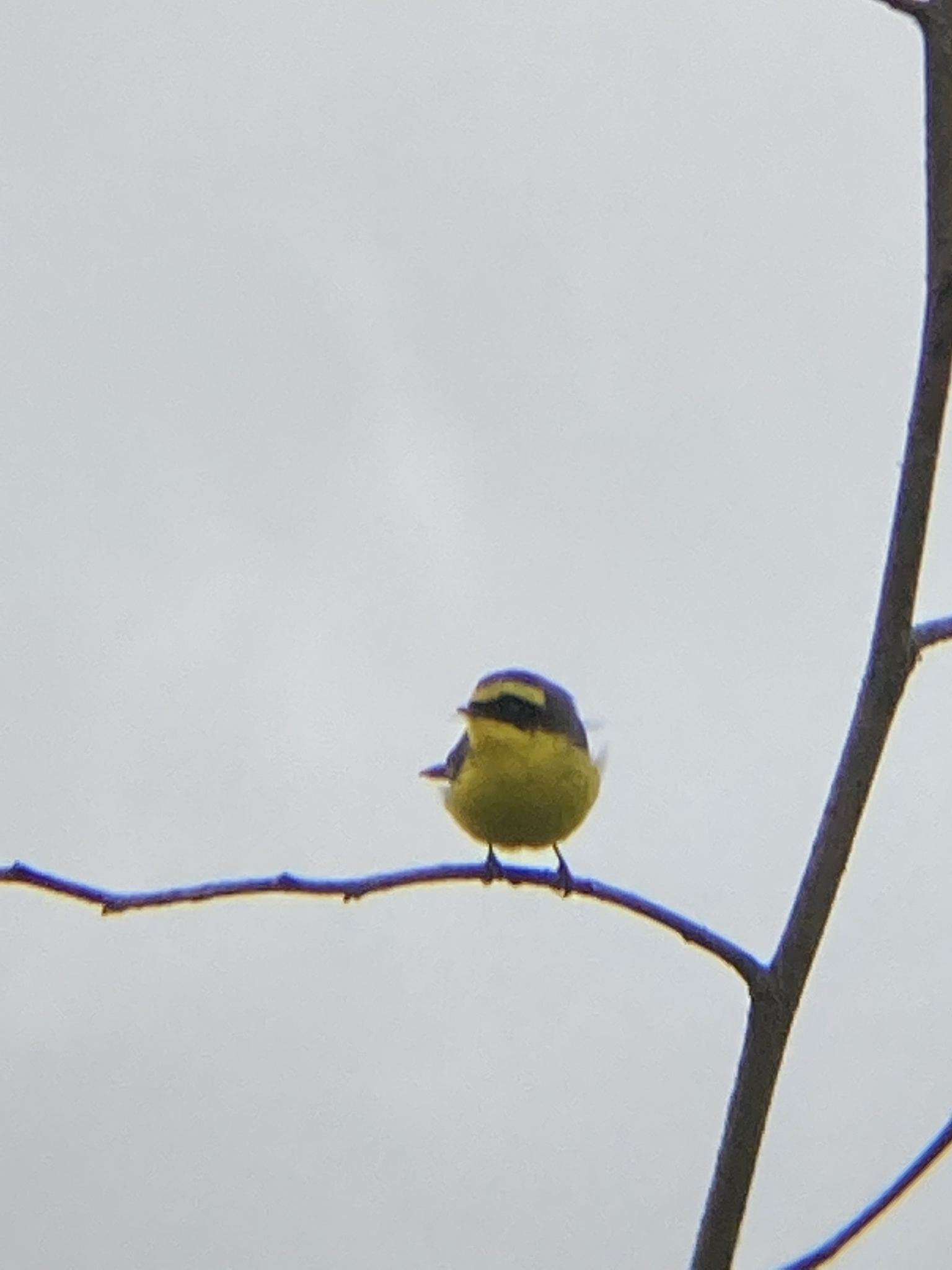
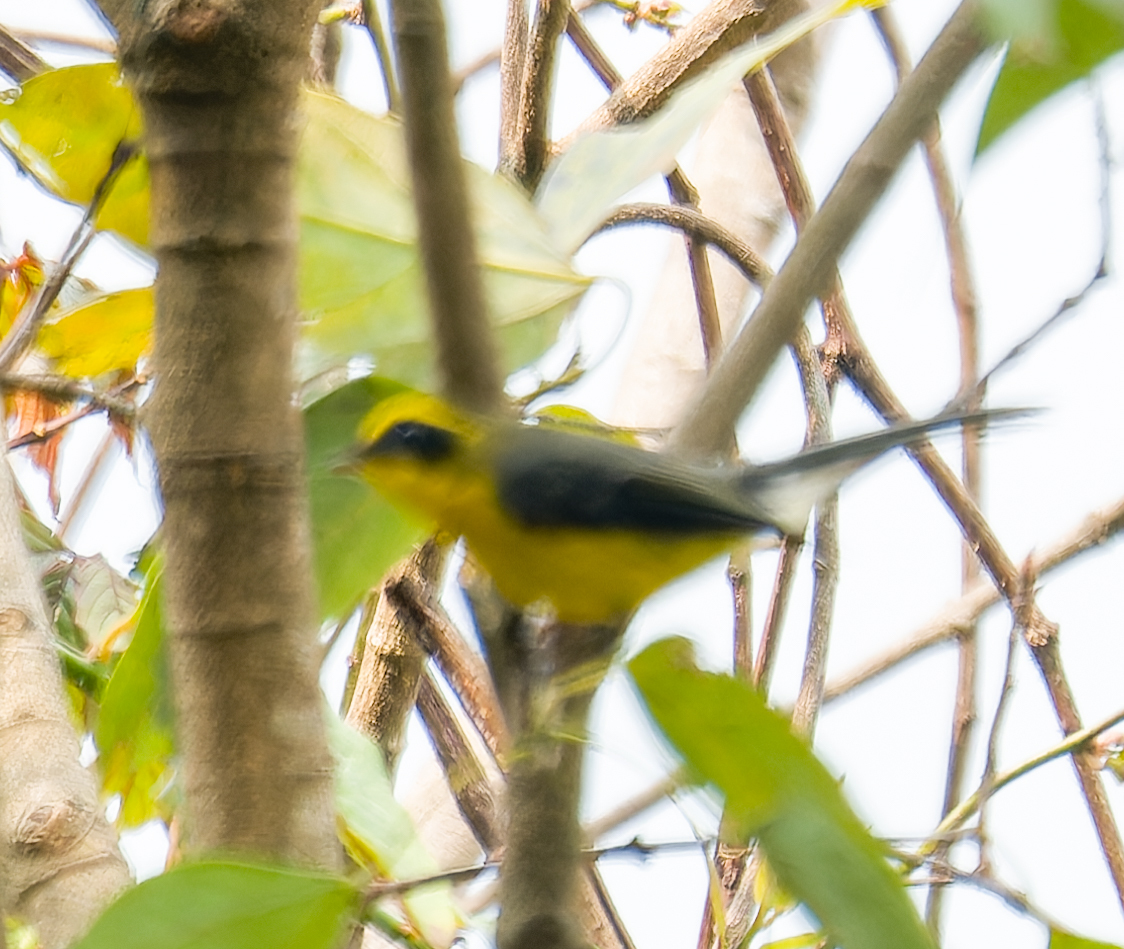
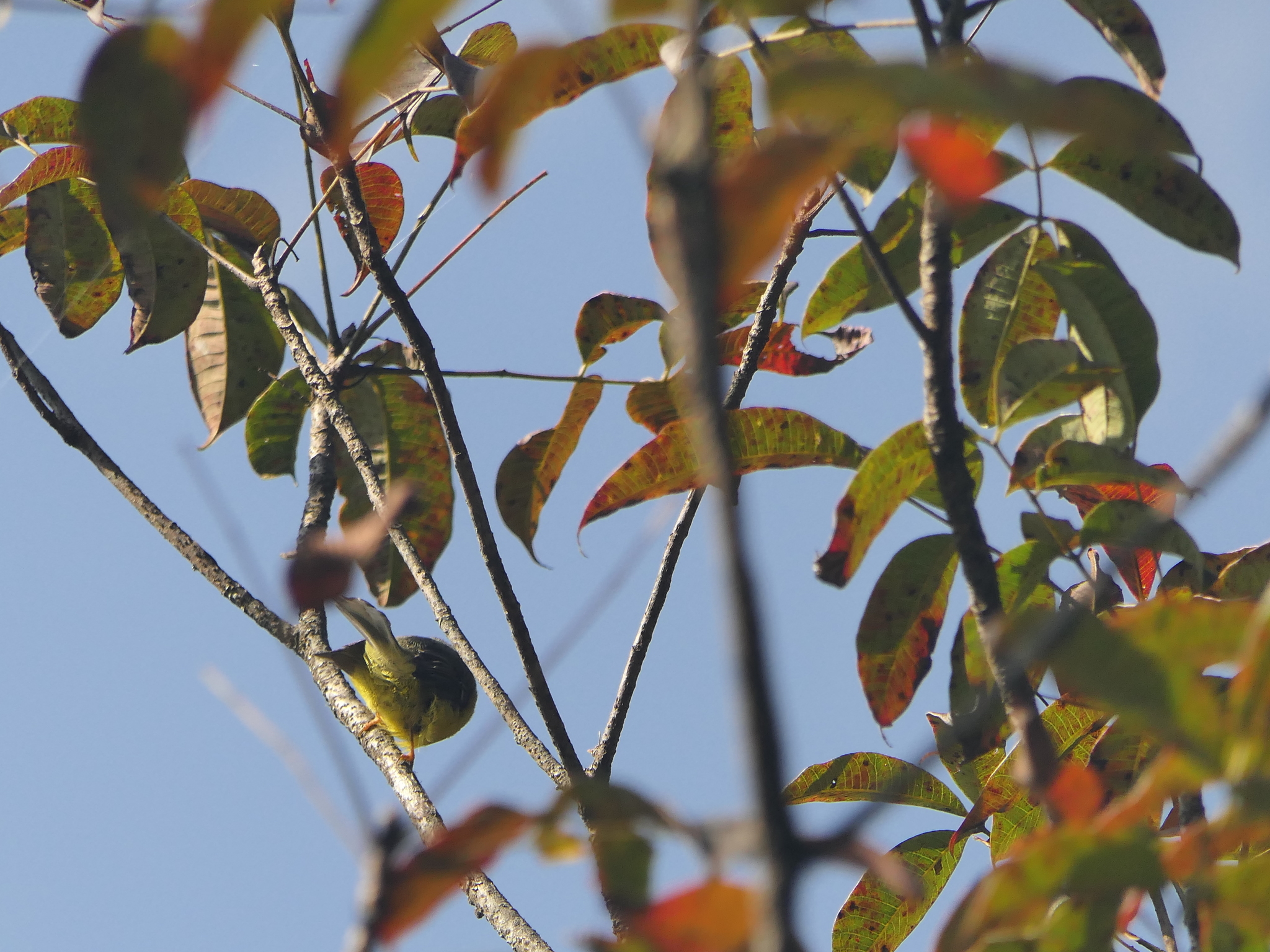
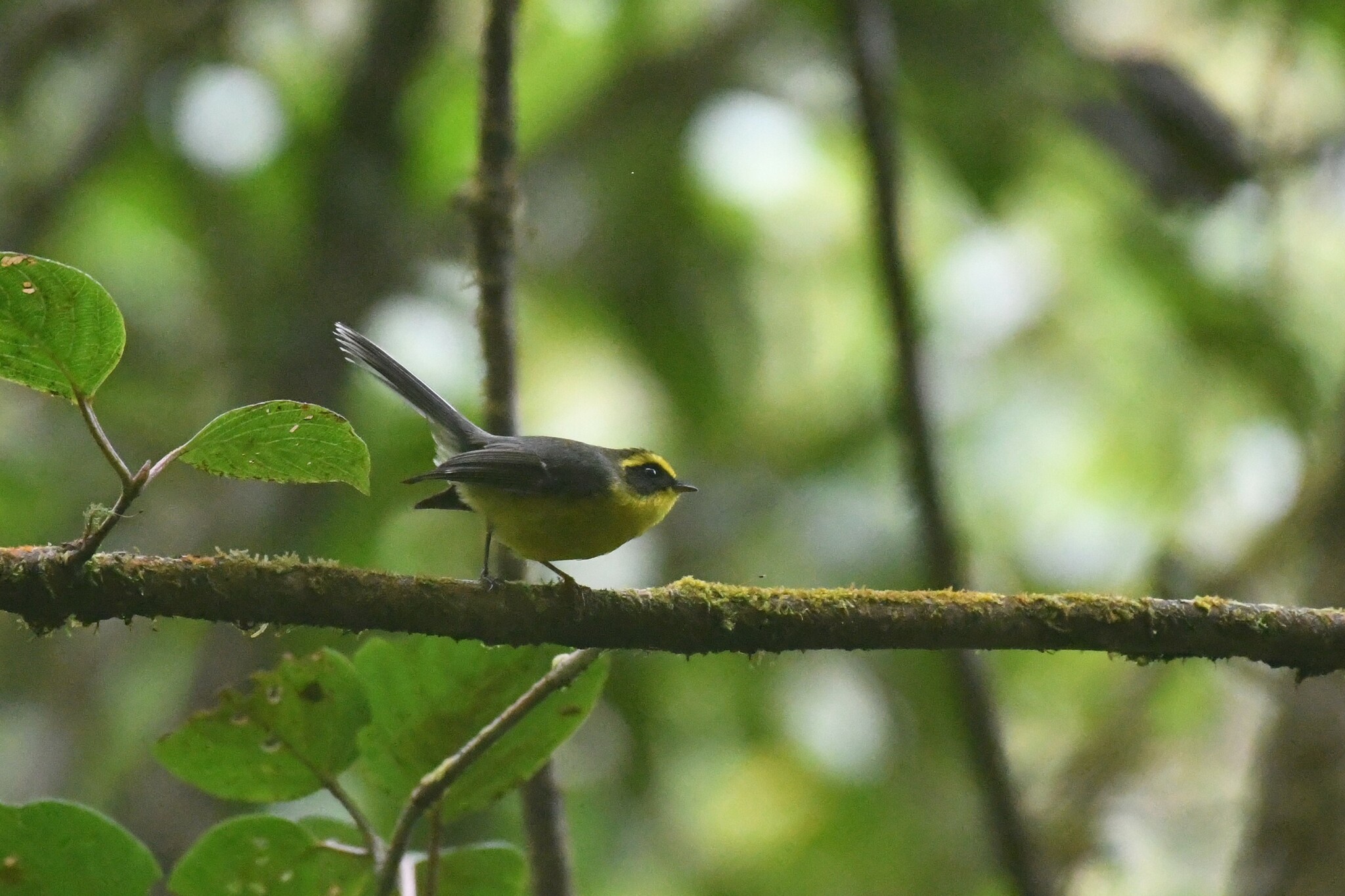
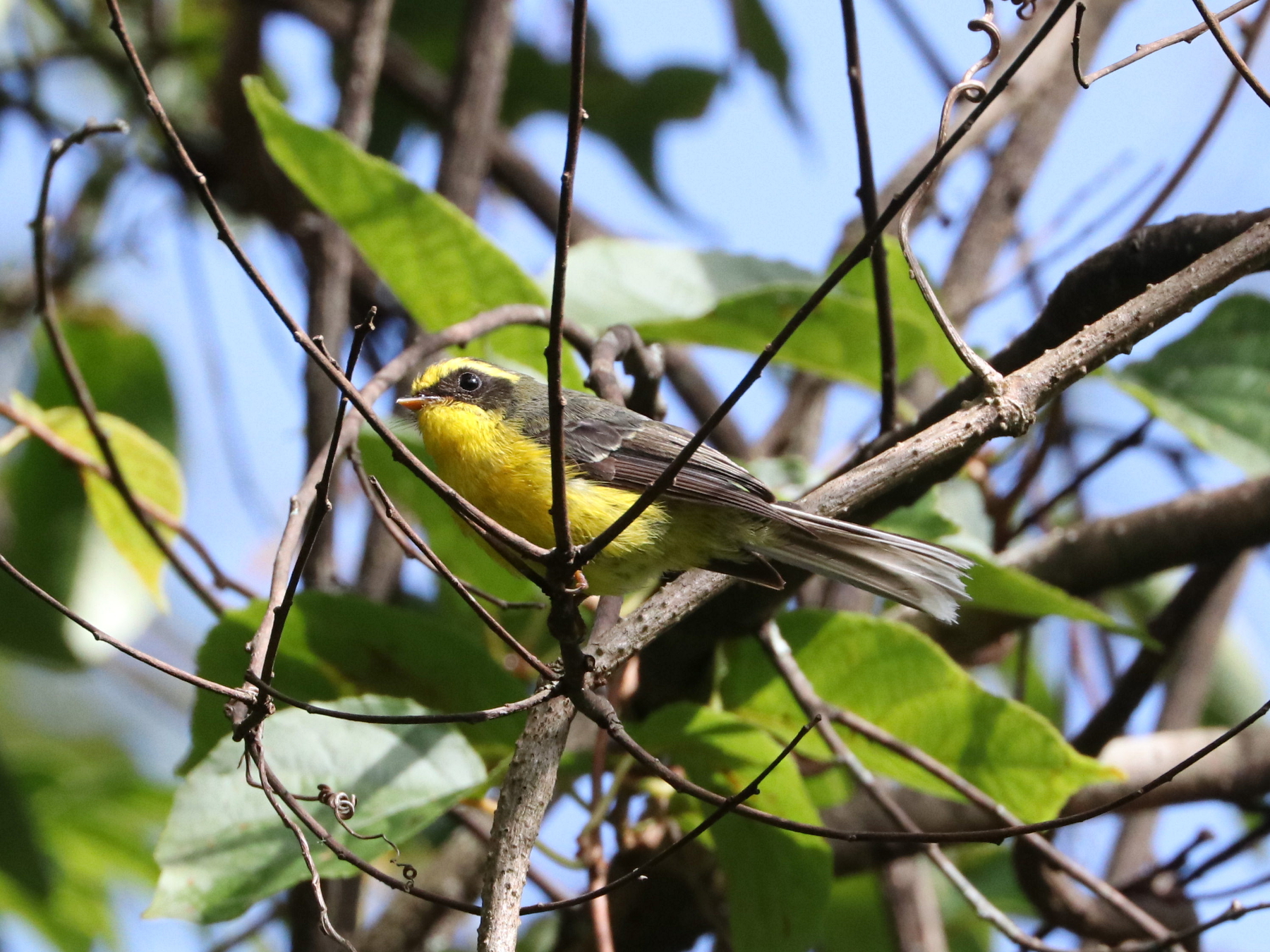
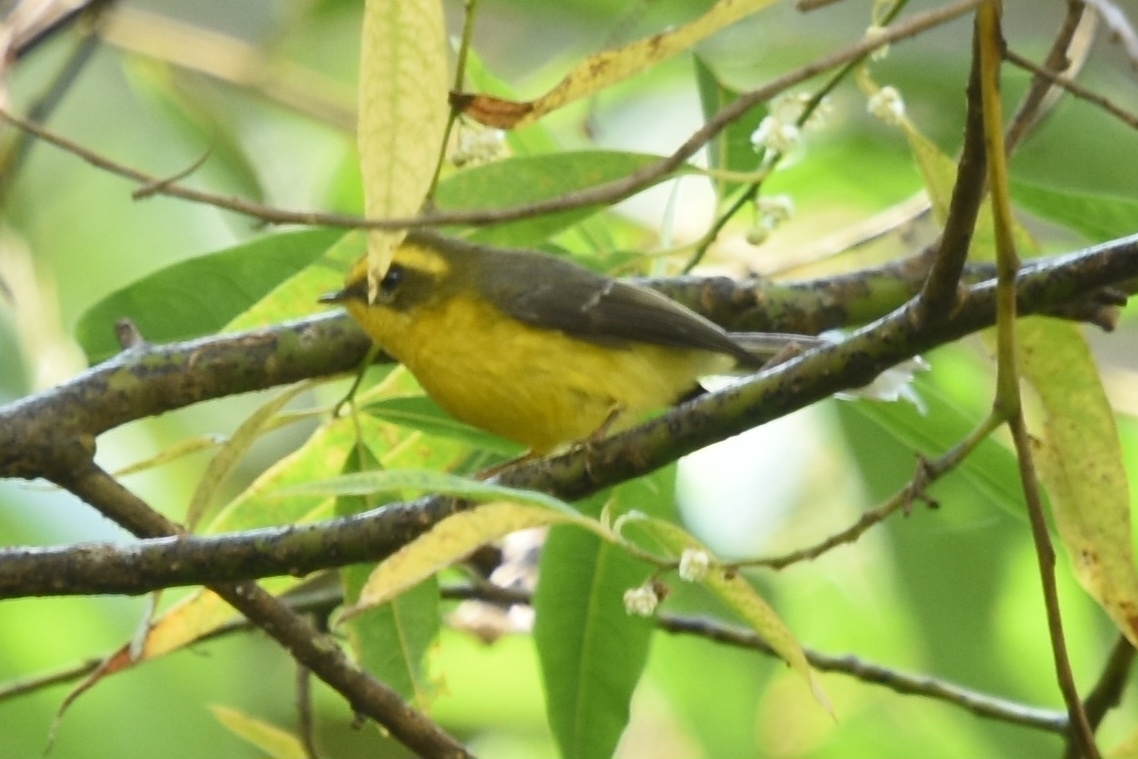
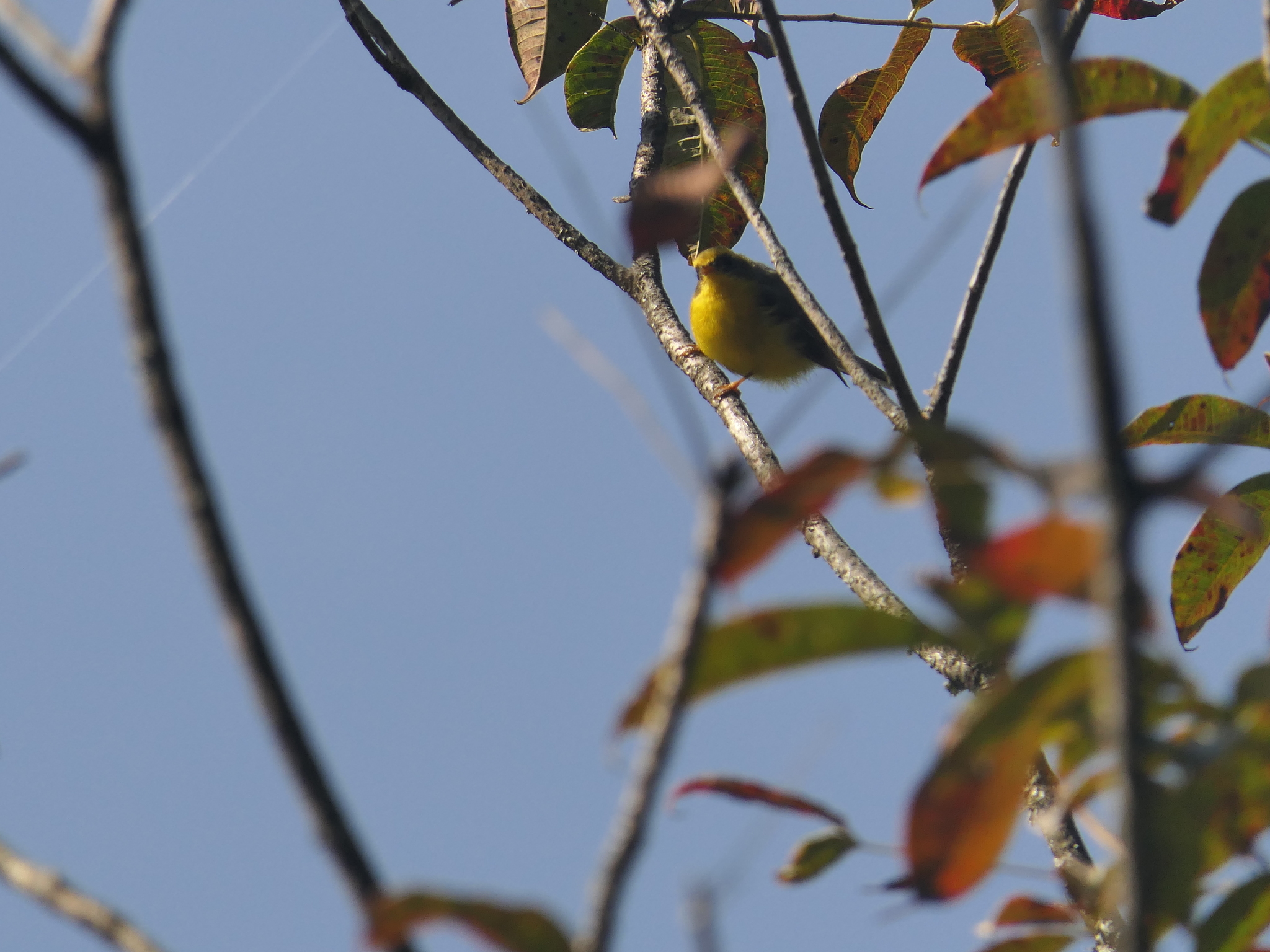
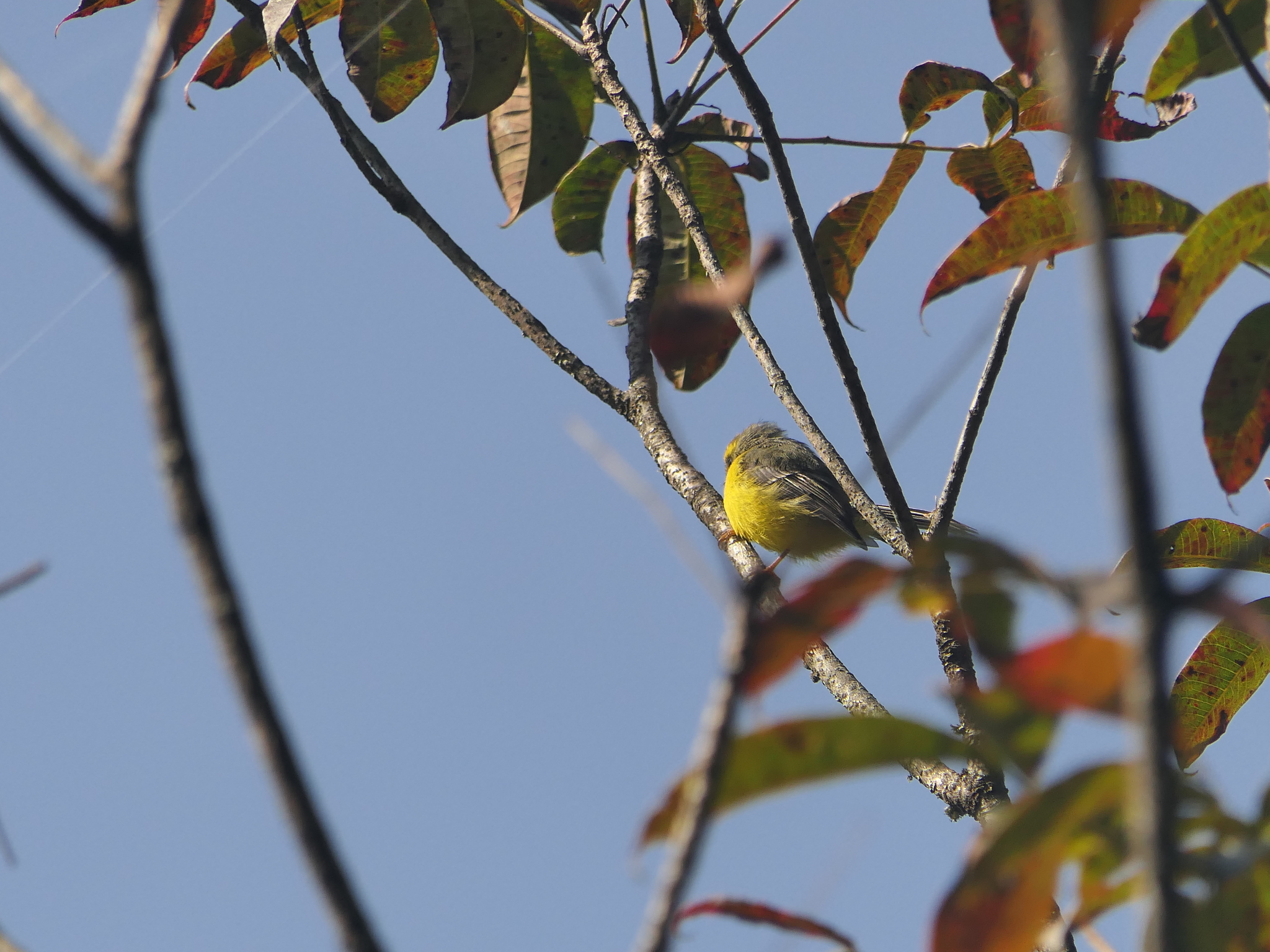
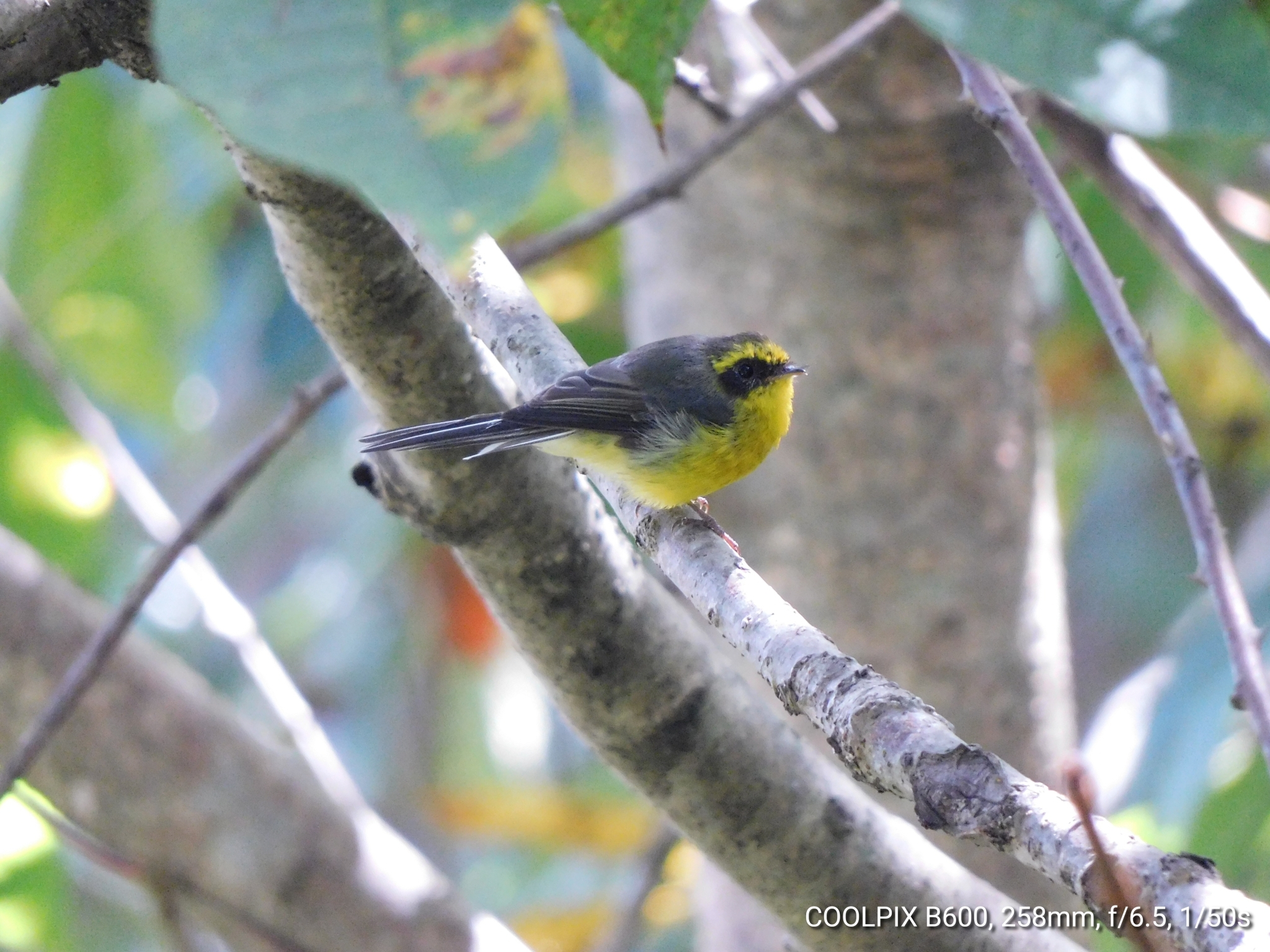
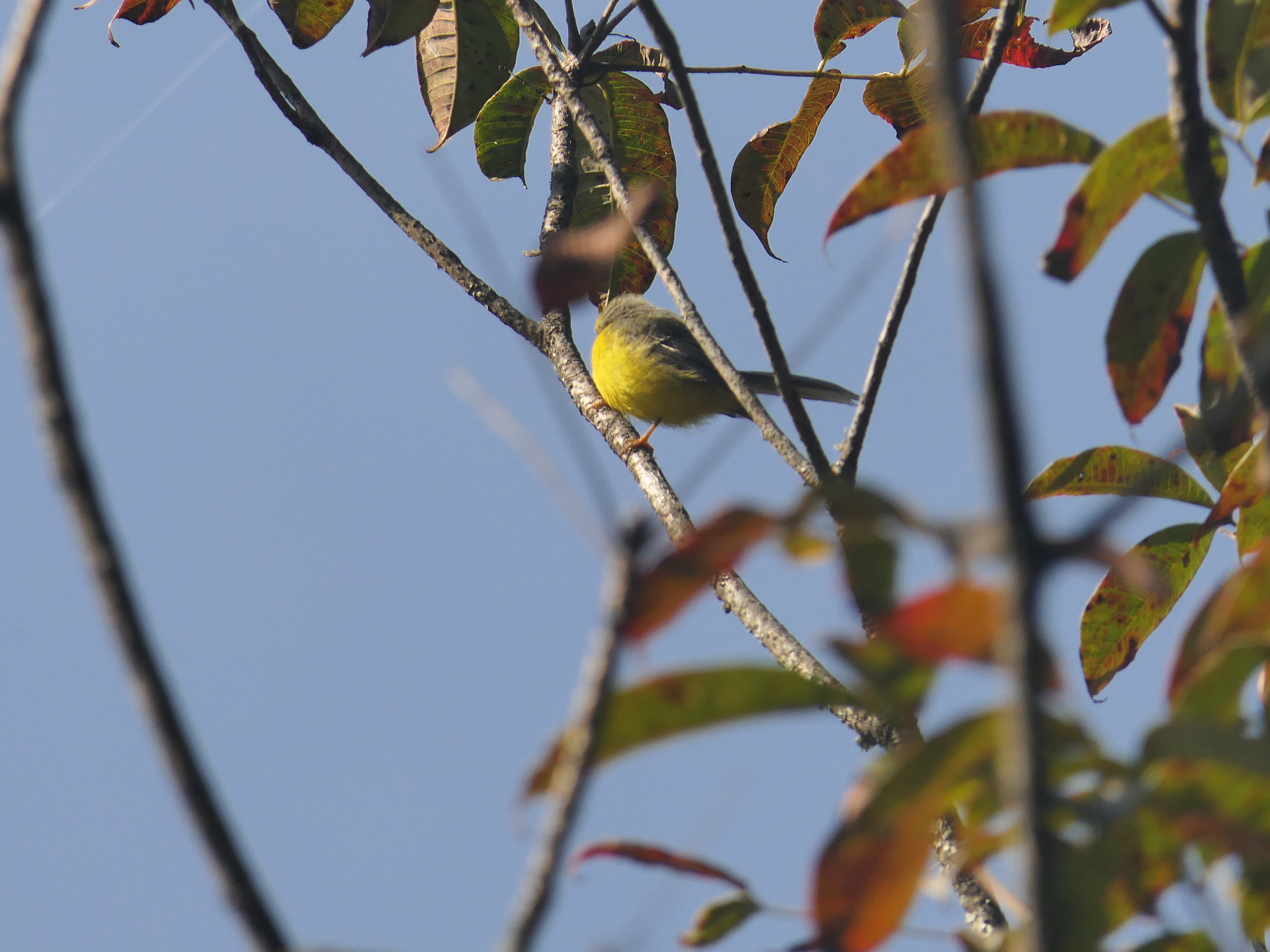
A remarkably small passerine measuring approximately 8 centimeters in length. The upperparts are generally dark, while the underparts display a striking yellow coloration that gives the species its distinctive name. The face features a prominent black eye-stripe that contrasts with the surrounding plumage. A conspicuous white wing-bar crosses the dark wings, providing an excellent field mark. The tail is broad and black, with white tips on the terminal feathers that become visible when the bird fans its tail during display or agitation. The combination of yellow underparts, facial stripe, and white-tipped tail create a distinctive profile among small forest birds in its range.
Distribution & Habitat
Occurs throughout the Indian subcontinent and the Himalayan region, extending eastward into portions of Southeast Asia including Thailand, Vietnam, and Myanmar. This species is an altitudinal migrant, moving to lower elevations during the non-breeding season. Its habitat consists of montane forests, typically occurring at higher elevations during summer months and descending to lower foothills and valleys when temperatures drop. The species shows a preference for dense forest habitats with well-developed understories where it can forage efficiently among the vegetation.
Behavior & Ecology
Highly social, particularly outside the breeding season, this species frequently joins mixed-species foraging flocks. During winter months, it commonly associates with leaf-warblers, various tit species, and black-faced warblers, moving through the forest together as a coordinated unit. This flocking behavior likely provides protection from predators and increased foraging efficiency. The bird actively gleans insects from leaves and twigs while maintaining constant movement through the understory. Further details regarding specific diet items, breeding biology, and vocalizations would require additional observation and study.
Source: Wikipedia · CC BY-SA 3.0
Taxonomy
- Order
- Passeriformes
- Family
- Stenostiridae
- Genus
- Chelidorhynx
- eBird Code
- yebfan1
Distribution
eastern Himalayas to southeastern Tibet, southern China, Myanmar, Thailand, and Tonkin
Data Sources
Species description from Wikipedia, licensed under CC BY-SA 3.0.
Bird images and sounds sourced from GBIF, contributed by citizen scientists worldwide under Creative Commons licenses.
Taxonomy data from AviList 2025.