Cetti's Warbler
Cettia cetti
宽尾树莺
Introduction
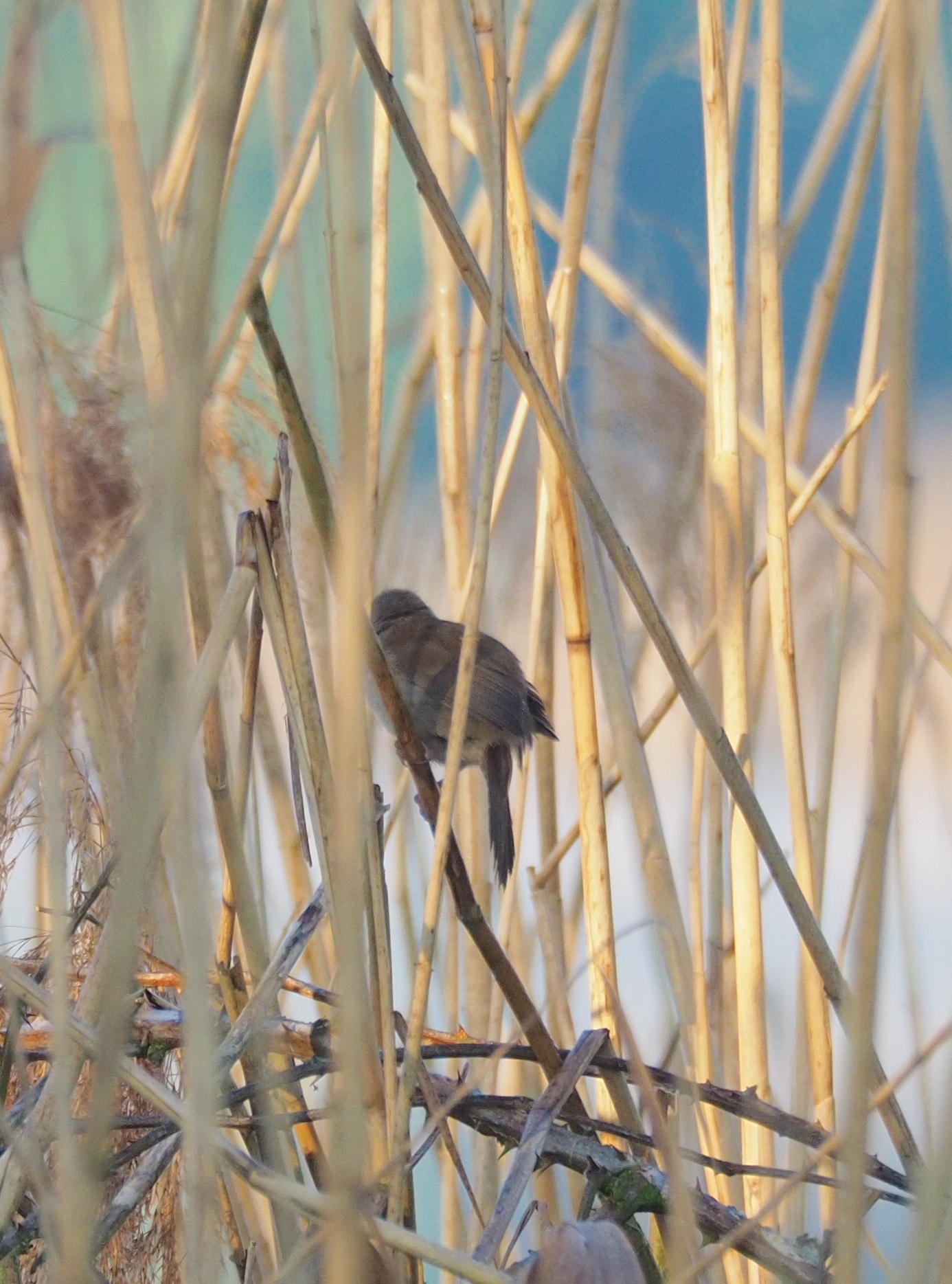
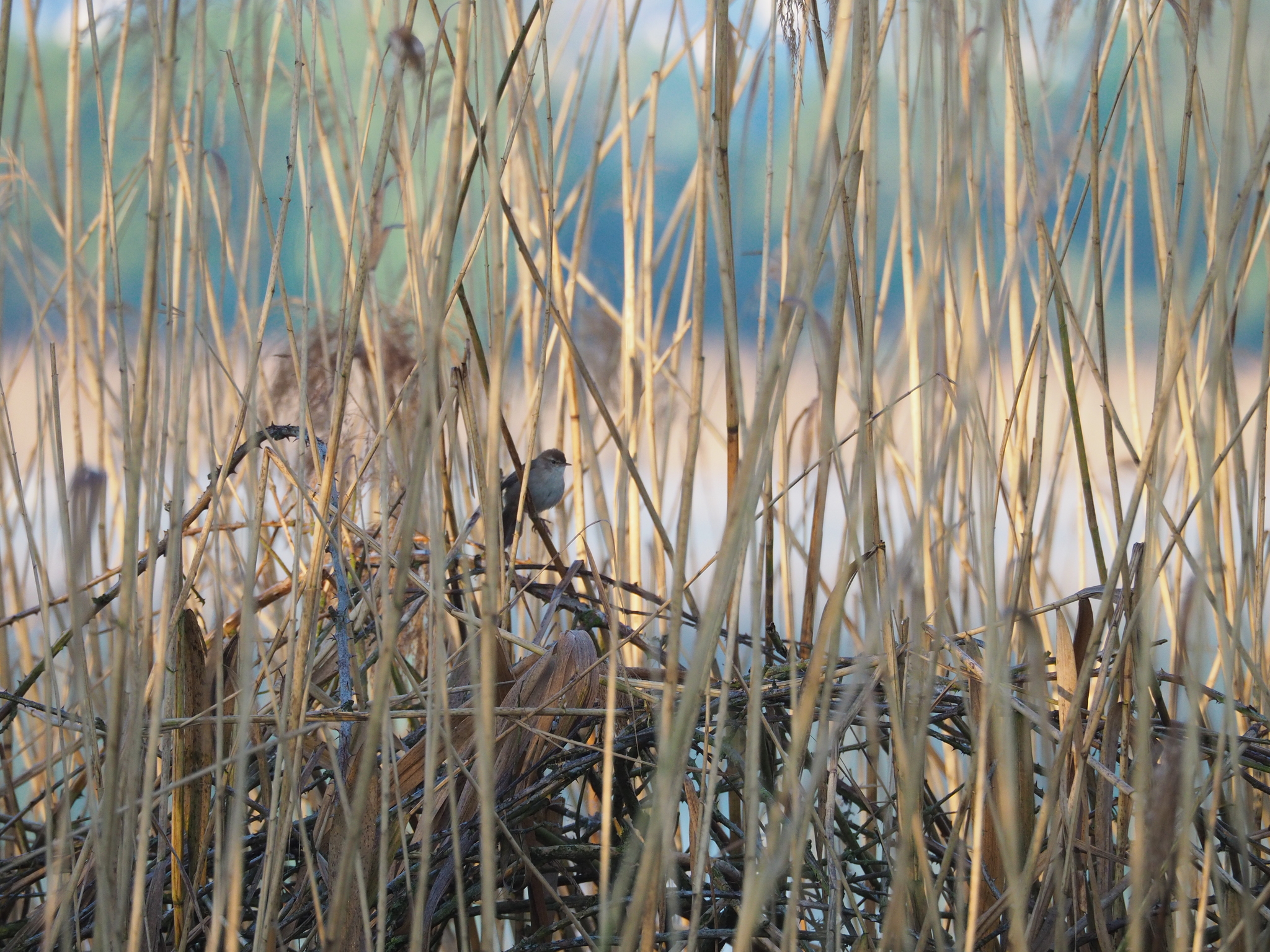
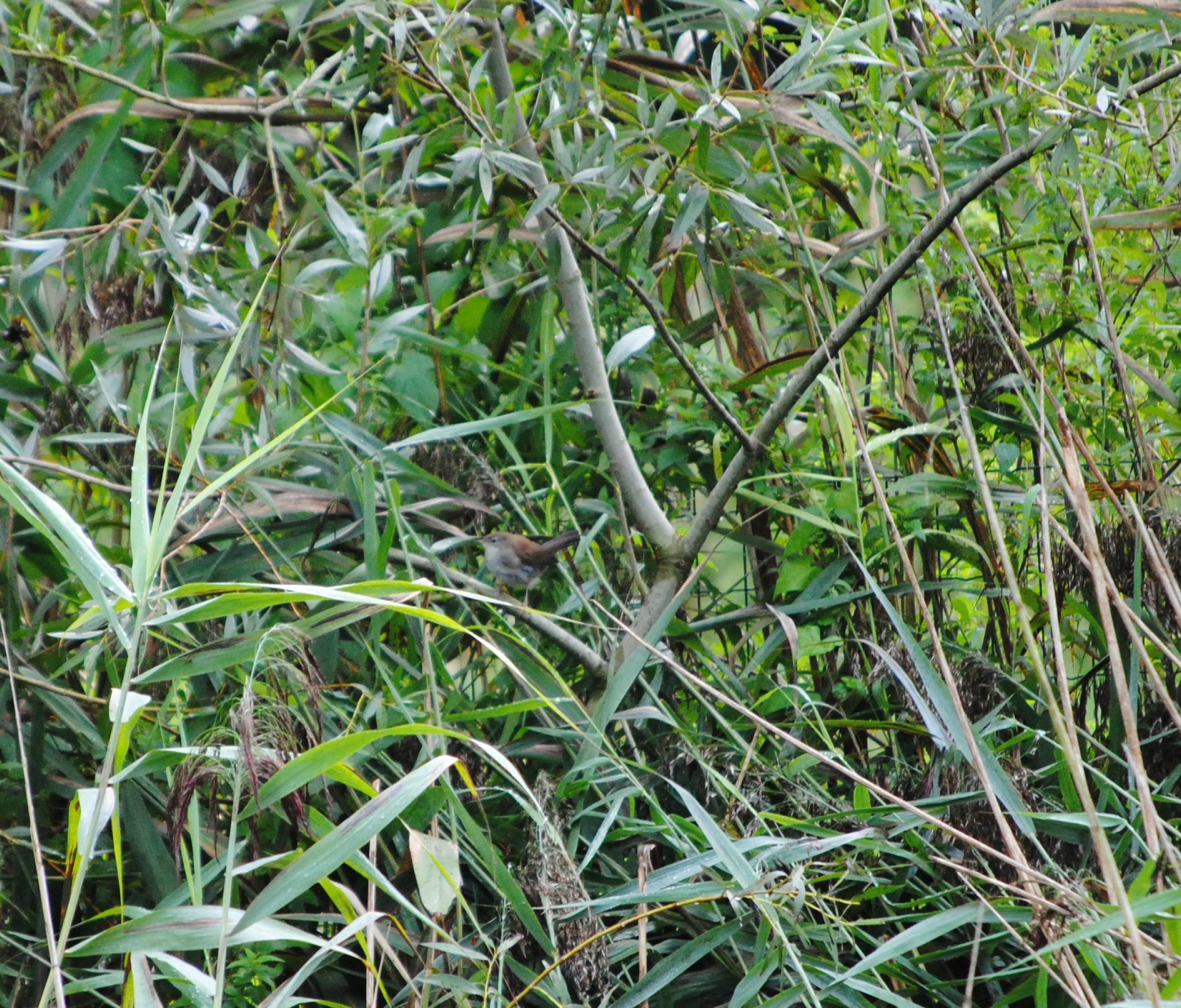
This species occupies dense waterside vegetation across southern and western Europe, North Africa, and the Palearctic region. It is a compact, rounded warbler with warm chestnut upperparts and a pale stripe arching over the dark eye. The tail is longer and broader than typical for warblers and bobs constantly during movement. The species remains concealed within thick shrubby cover and is detected primarily by its sudden, explosive song bursts. European populations have increased substantially since 1990, with successful colonization of Britain and Ireland over recent decades.
Description
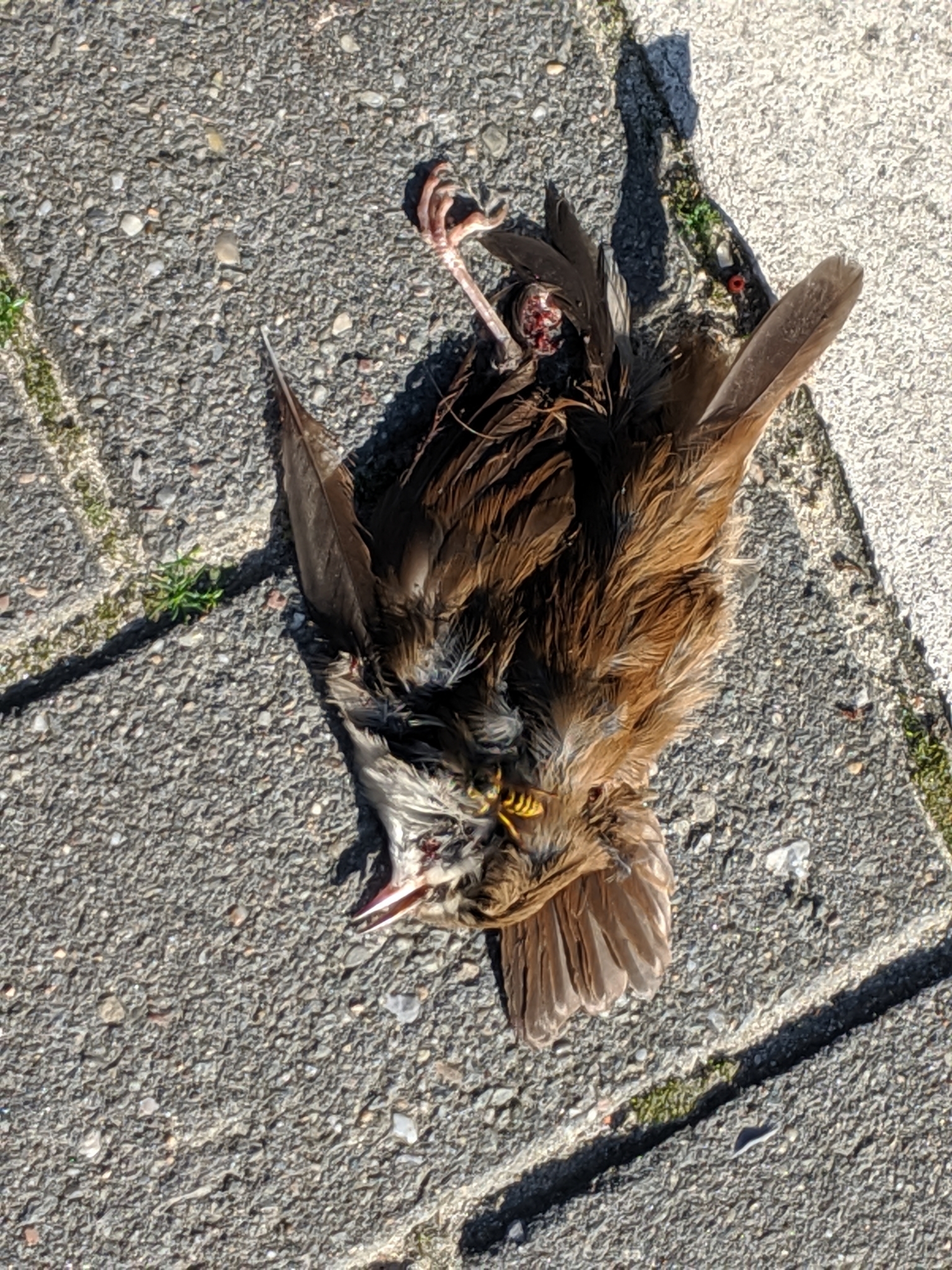
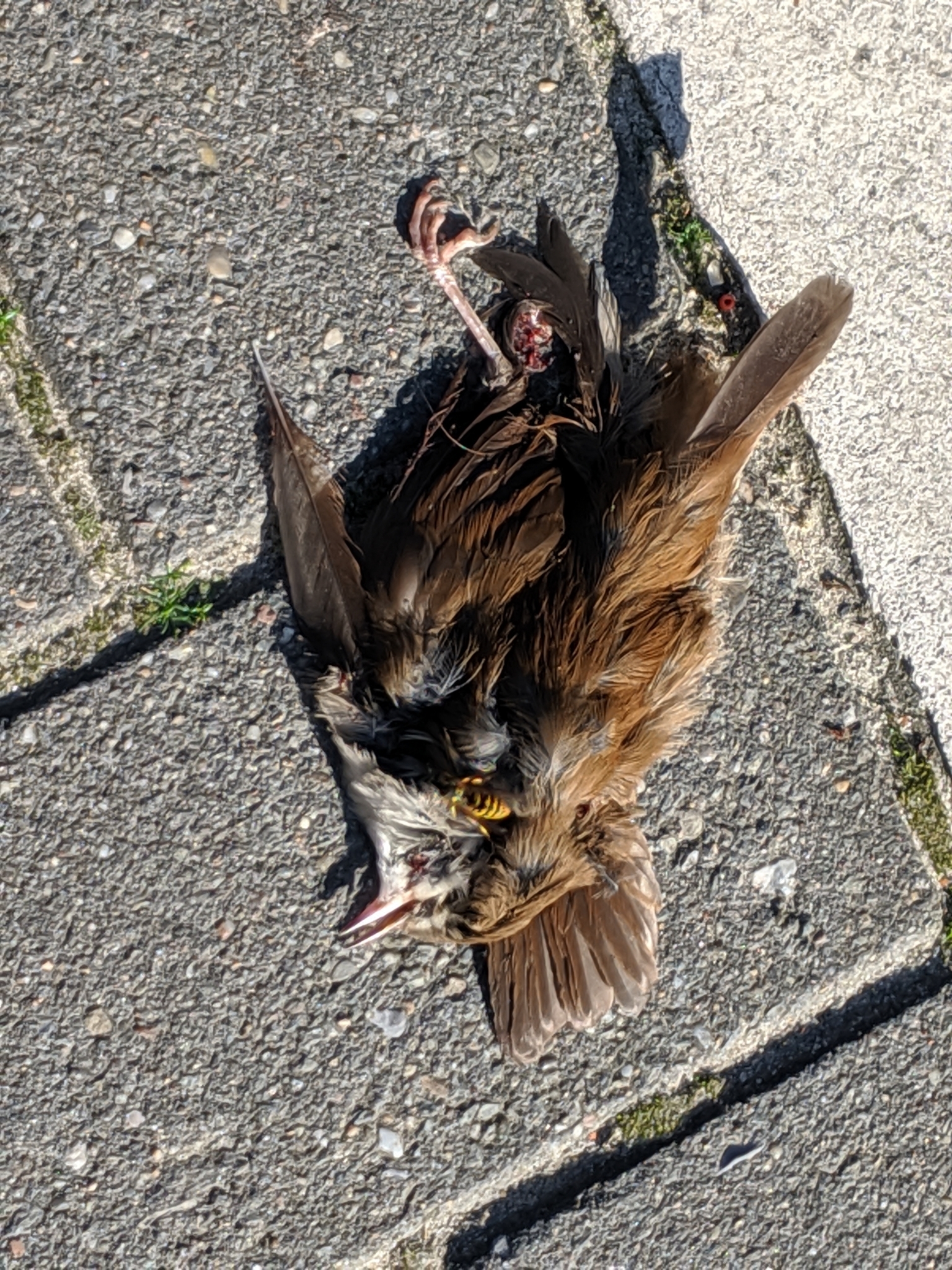
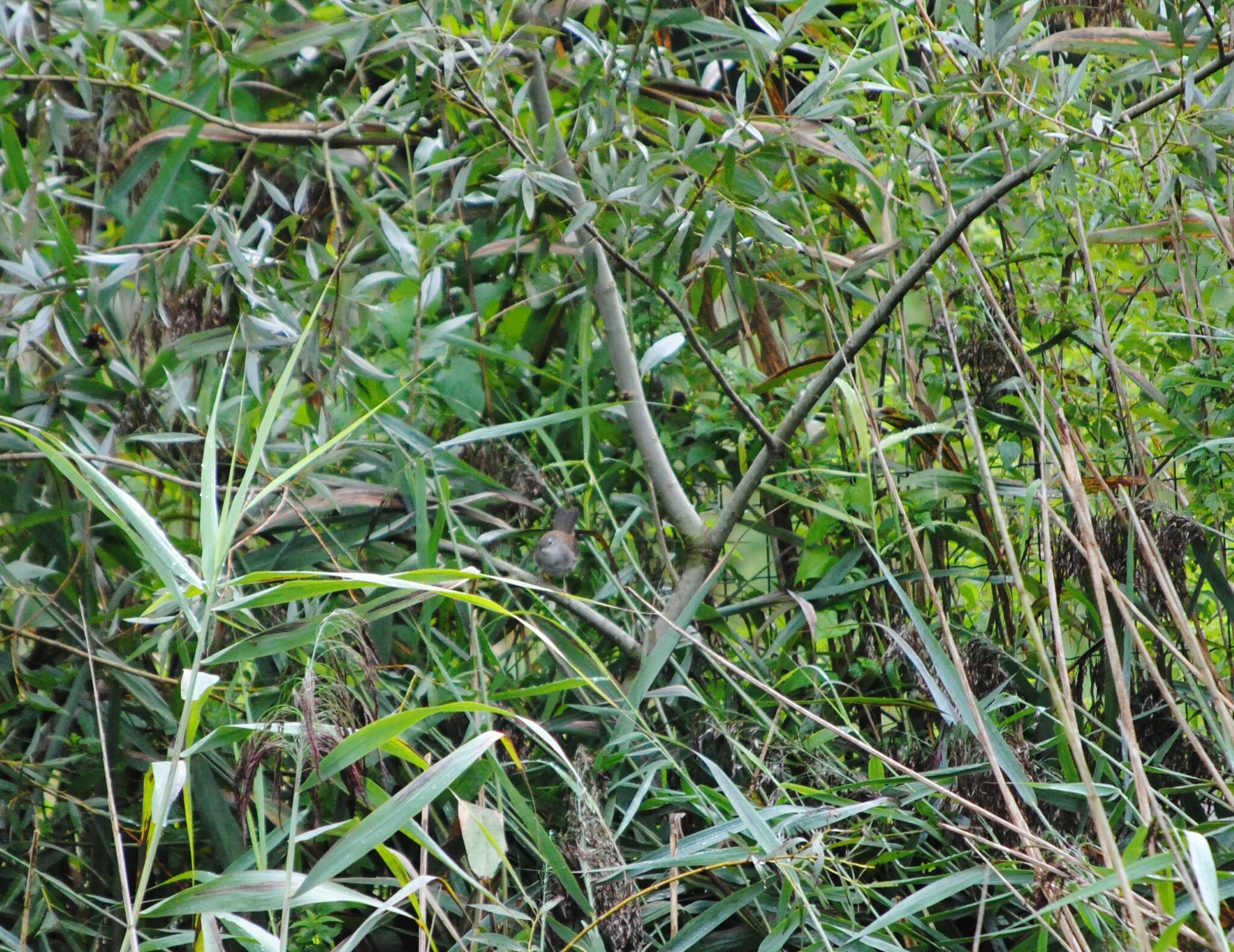
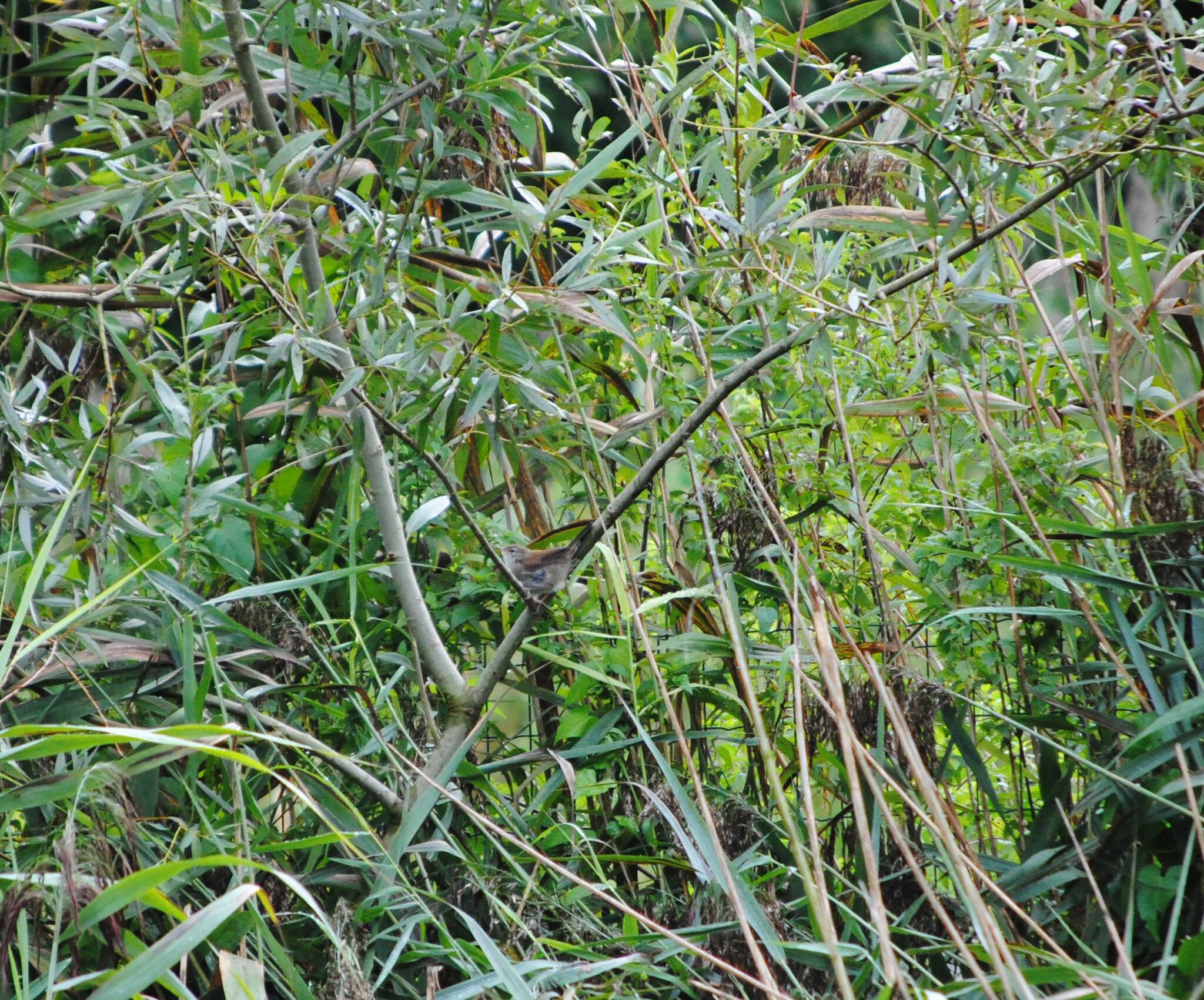
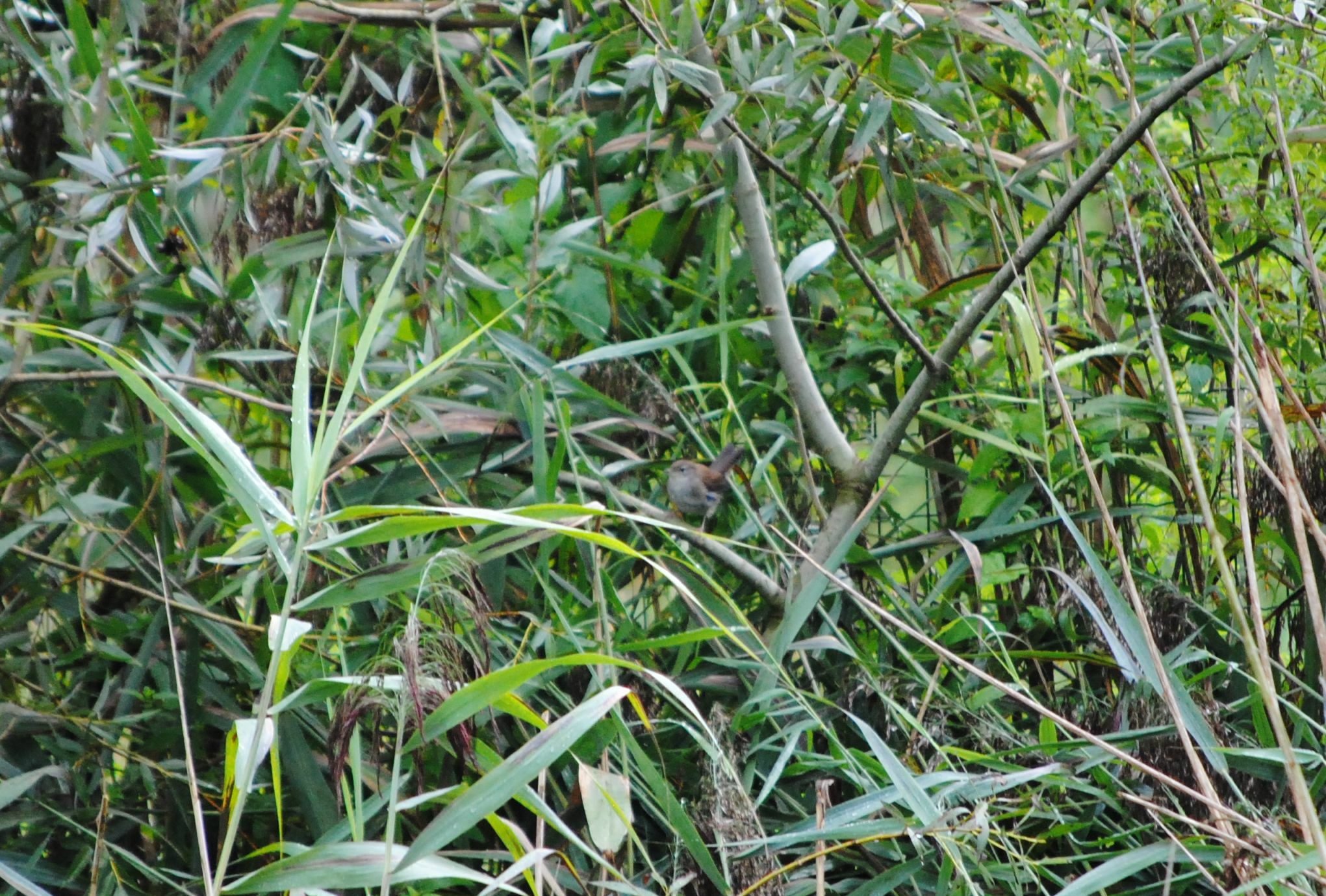
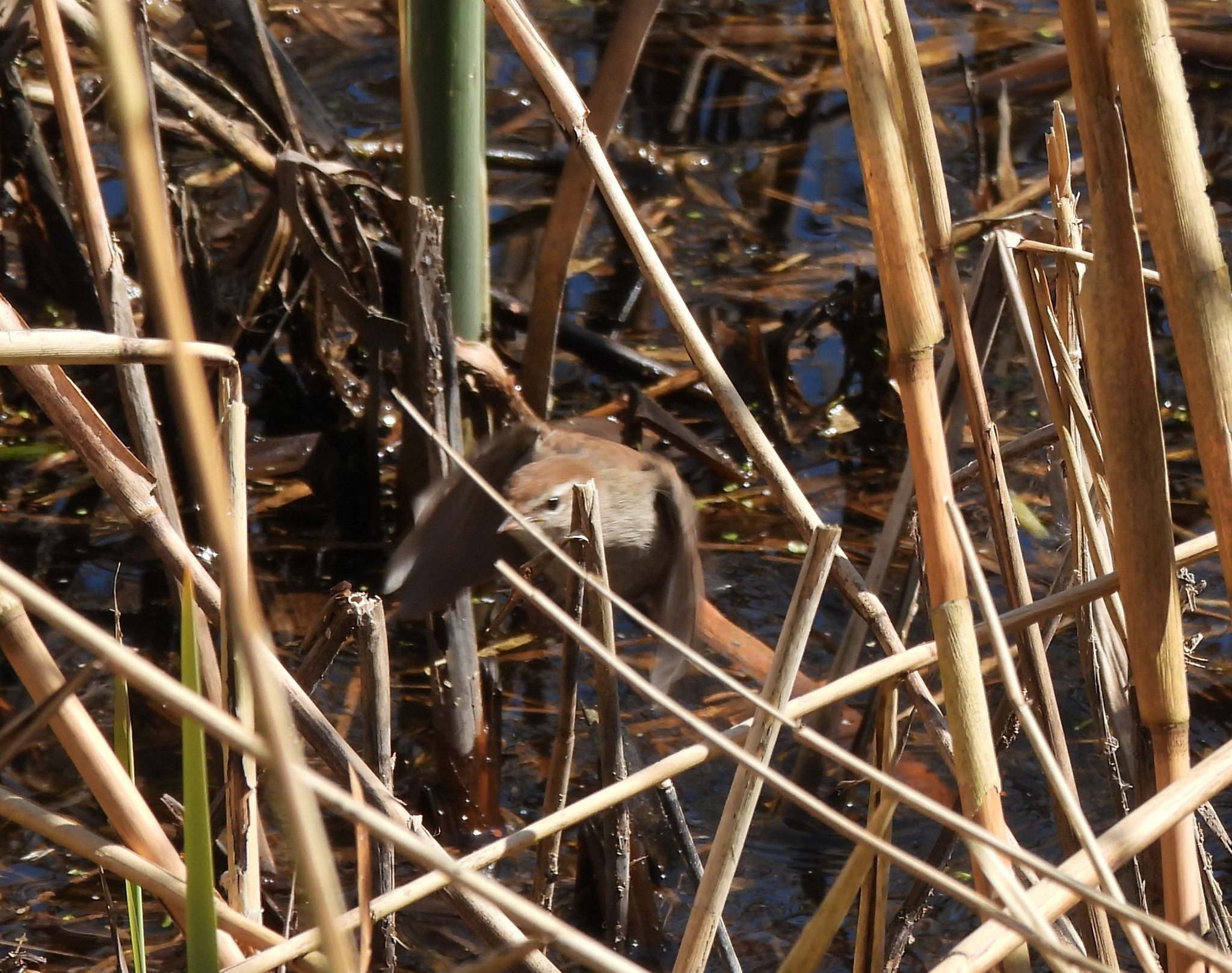
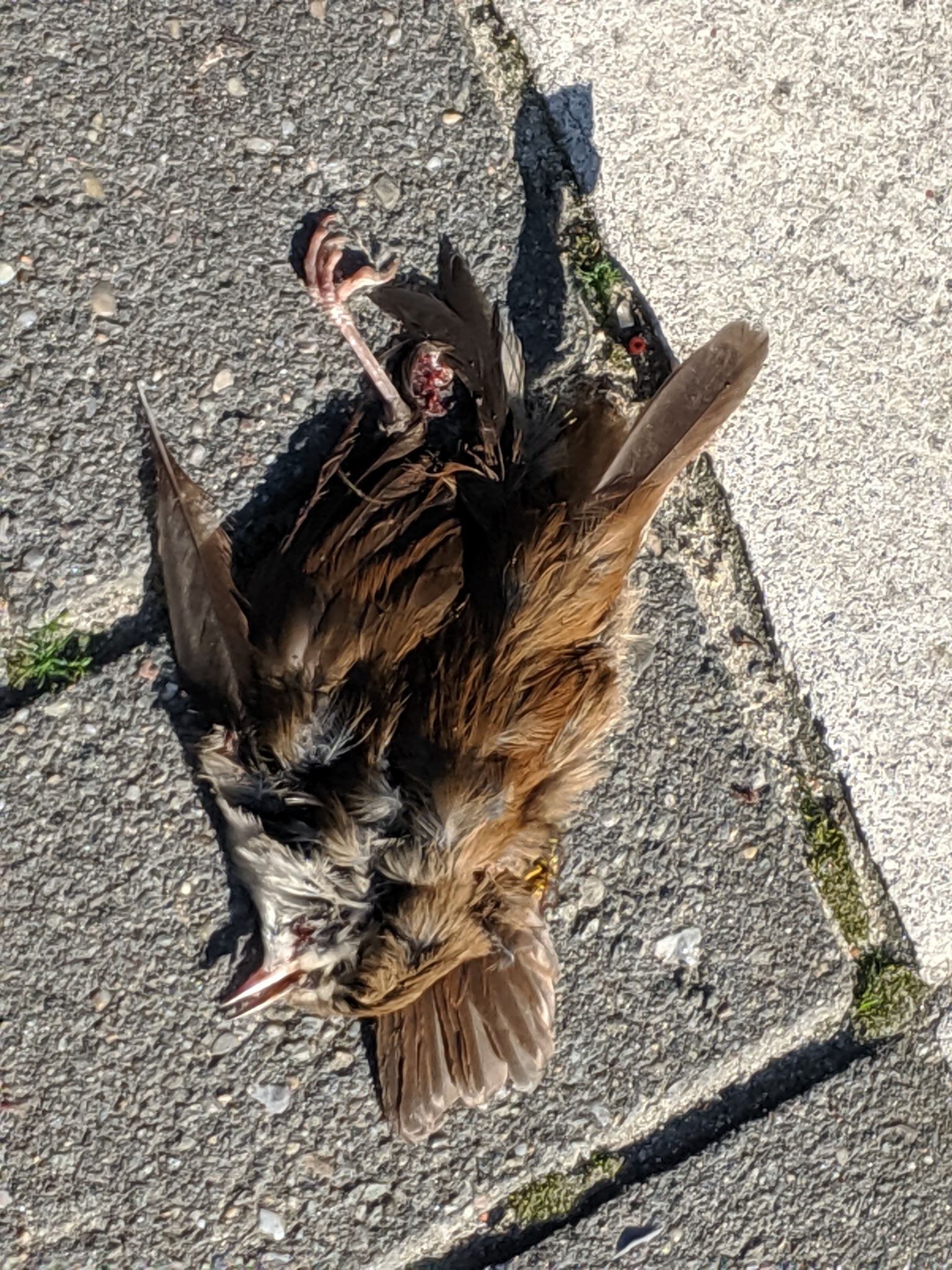
This compact warbler measures 13-14 cm in length, making it a relatively small bird overall. Males average 15 grams in weight while females are slightly lighter at around 12 grams. The species displays a rounded head profile marked by a narrow pale grey stripe that arcs gracefully over its conspicuous black eyes. Its short, rounded wings and long, broad tail give it a distinctive silhouette among European warblers. The upperparts exhibit rich chestnut to dark reddish-brown coloration, while the throat and breast show pale grey-brown tones. A particularly notable feature is the presence of only ten tail feathers, unusual among passerine birds which typically have twelve. The sexes appear similar in plumage, though males are substantially heavier and possess longer wings—males exceeding 60mm wing length while females fall below 55mm. Juveniles closely resemble adults but possess fresh plumage and distinctive dark spots on the tongue.
Identification
The primary identification feature is the distinctive song—a sudden, loud, explosive burst of notes that erupts from dense vegetation and carries considerable distance. This vocal performance often provides the only clue to the bird's presence, as individuals rarely expose themselves fully. The combination of warm chestnut upperparts, pale grey supercilium, and dark eye helps distinguish it from similar warbler species when views are obtained. The relatively long, broad tail and habit of constantly pumping it while perched also aid identification. The ten tail feathers represent a technical distinguishing feature but require in-hand examination. The skulking behavior in dense waterside cover, rather than open movement through vegetation, further separates this species from more visible warblers.
Distribution & Habitat
This species breeds across southern and western Europe, extending through northwest Africa and eastward through the Palearctic region to Afghanistan and northwest Pakistan. Three subspecies occupy different regions: the nominate race across western Europe to Greece and northwest Africa, an eastern subspecies from Turkey through Iran to Afghanistan, and a central Asian race from Kazakhstan and Turkmenistan to northwest China. Its preferred habitat consists of thick shrubby vegetation in damp areas near ponds, lakes, marshes, and rivers, though it avoids open water itself. In Britain, first recorded in 1961, with breeding established in 1972-73; populations grew rapidly but declined by over a third following the severe 1985-86 winter before recovering. By 2016, around 3,450 territorial males occupied most of England and Wales, with first Scottish breeding confirmed in 2023. Ireland recorded its first bird in 2023 and documented first breeding in 2022. European population estimated at 600,000-1,600,000 breeding pairs, with Italian and Turkish populations stable or increasing.
Behavior & Ecology
During breeding season, males invest heavily in establishing and defending territories through song, showing minimal involvement in egg care or chick-rearing after attracting females. Males typically maintain territories large enough to support multiple females. Egg-laying in Europe occurs primarily from mid-June onward. The female alone constructs an untidy cup-shaped nest from leaves and stems, lined with feathers and hair, positioned 30-45 cm above ground within dense vegetation. Clutches contain 4-5 chestnut-red eggs measuring approximately 18 x 13.9 mm. The female incubates alone for 16-17 days, and she primarily feeds and broods the young. Chicks fledge after 14-16 days but continue receiving parental food for at least another 15 days, becoming fully independent around 30 days. Two broods per season are normal, with first breeding attempted at one year of age. The species is entirely insectivorous, specializing in small, soft-bodied arthropods and larvae that can be digested quickly.
Conservation
With an estimated 600,000-1,600,000 breeding pairs across Europe, this species holds a substantial population and qualifies as secure overall. European numbers have increased markedly since 1990, with Italian and Turkish populations showing particular stability or growth. Greece represents the primary concern, with slight population decrease documented between 1990 and 2000. British populations suffered a significant setback, declining by more than one-third following the severe 1985-86 winter before recovering and continuing to expand. The species demonstrates resilience to climate fluctuations and has shown capacity for range expansion, including successful colonization of Scotland as recently as 2023. No major conservation concerns exist given the species' adaptability and generally positive population trends.
Culture
The species holds historical significance as a marker of changing British avifauna, representing one of the more notable European colonists to establish itself during the twentieth century. Its first British record in 1961 and subsequent breeding in 1972-73 documented a significant range expansion northward. This colonization pattern has continued into Scotland, with first breeding confirmed in 2023. Similarly, Ireland recorded its first individual in 2013 and documented inaugural breeding in 2022, representing another step in the species' gradual northwestward spread. The bird carries eponymous honor through its naming after Francesco Cetti, the 18th-century Italian zoologist, though it otherwise holds minimal cultural or folklore significance in the regions it inhabits.
Source: Wikipedia · CC BY-SA 3.0
Taxonomy
- Order
- Passeriformes
- Family
- Cettiidae
- Genus
- Cettia
- eBird Code
- cetwar1
Subspecies (3)
-
Cettia cetti albiventris
Iran to Kazakhstan, Afghanistan, Pakistan, and western Xinjiang
-
Cettia cetti cetti
southern Europe to Türkiye and North Africa
-
Cettia cetti orientalis
Türkiye to Crimea, northern Iran (Zagros Mountains), and northern Afghanistan
Data Sources
Species description from Wikipedia, licensed under CC BY-SA 3.0.
Bird images and sounds sourced from GBIF, contributed by citizen scientists worldwide under Creative Commons licenses.
Taxonomy data from AviList 2025.