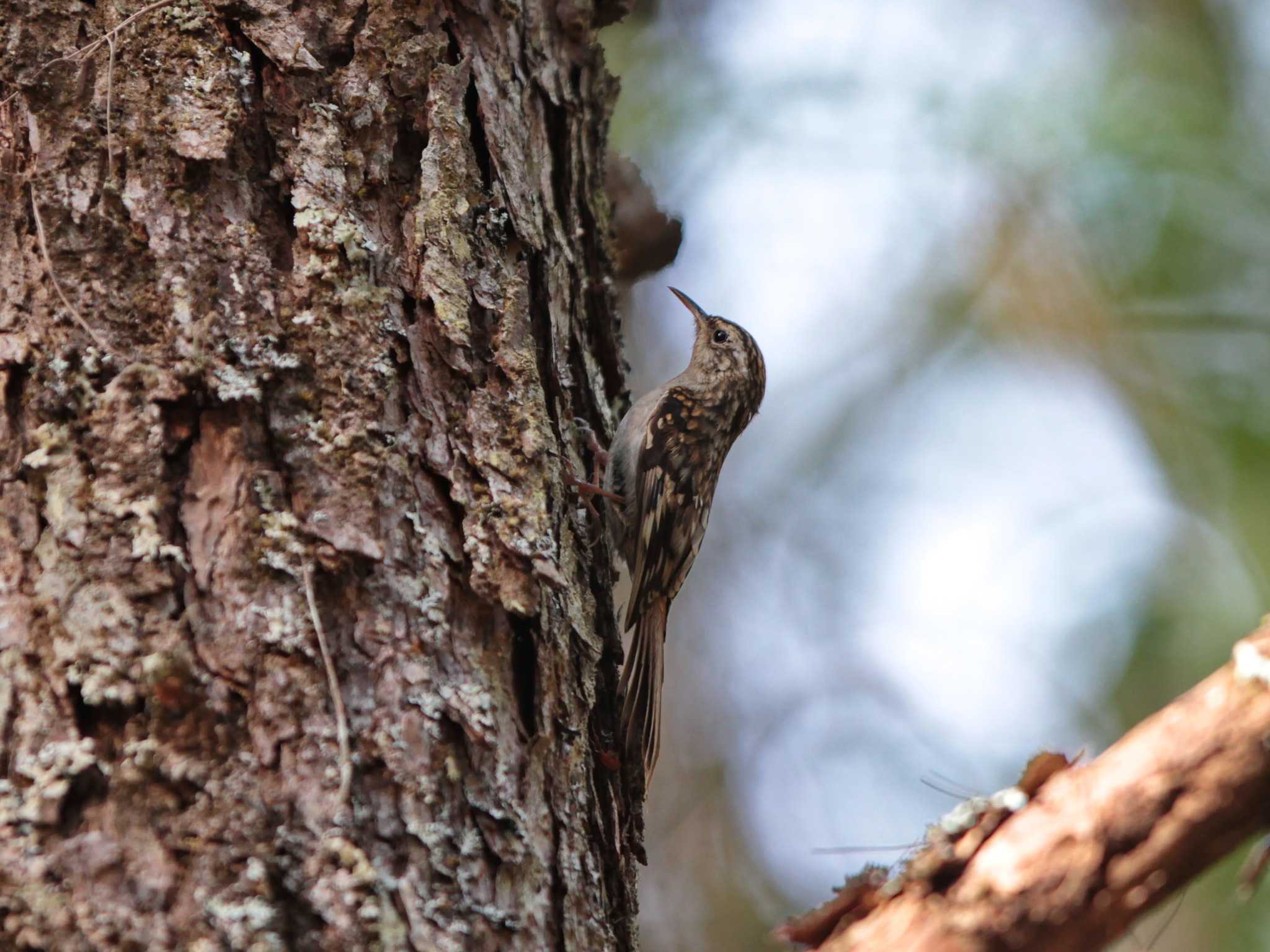
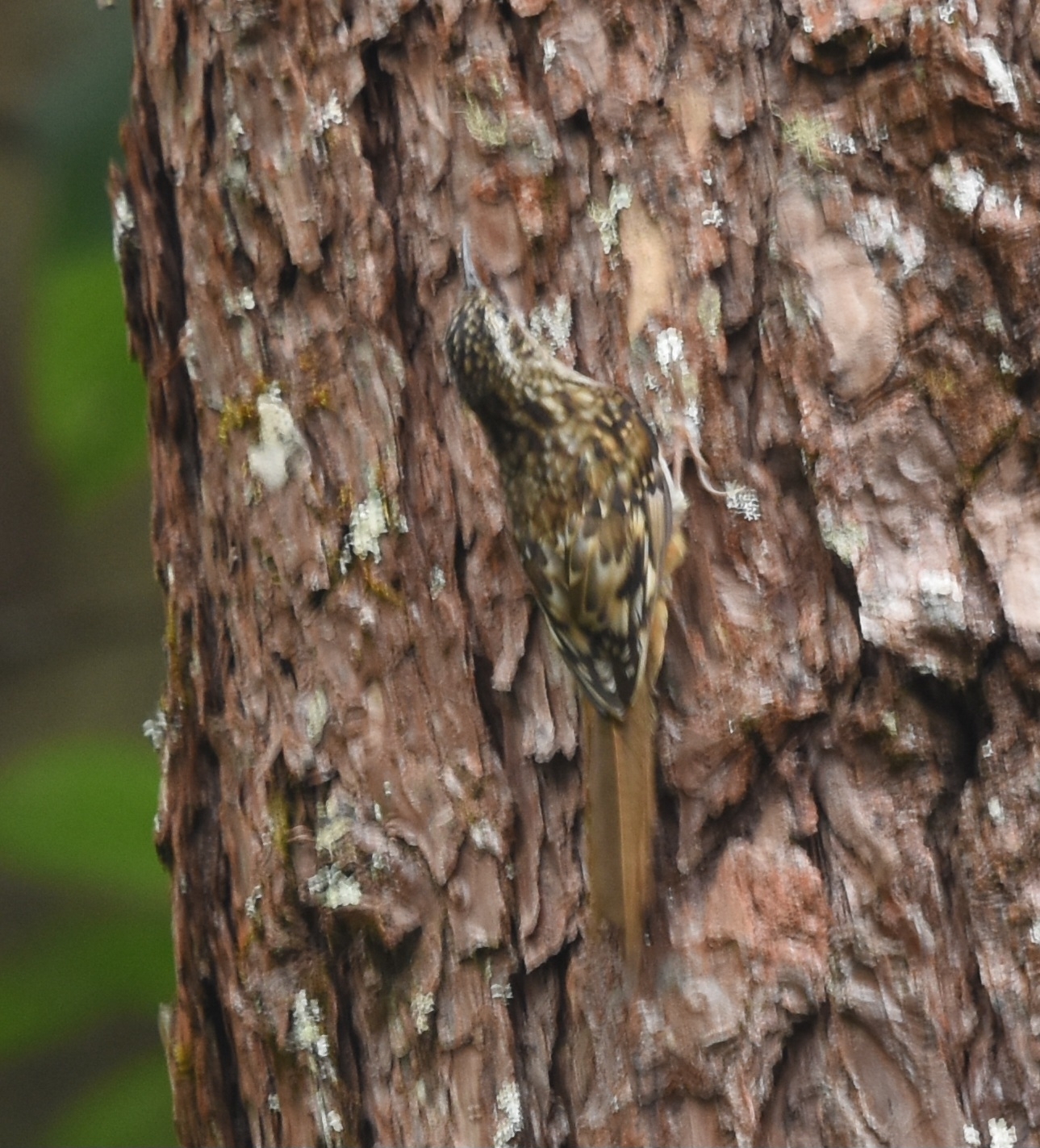
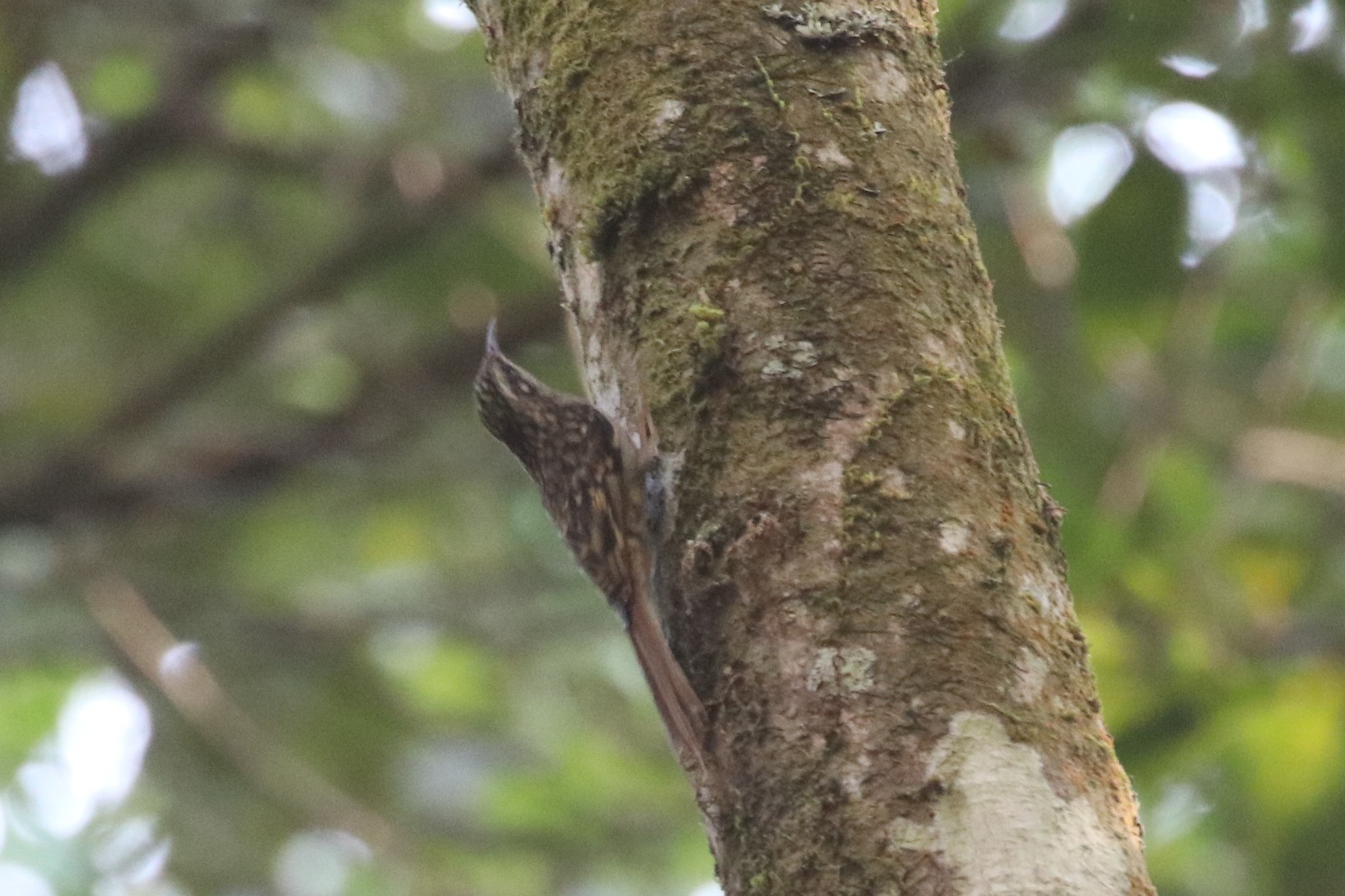
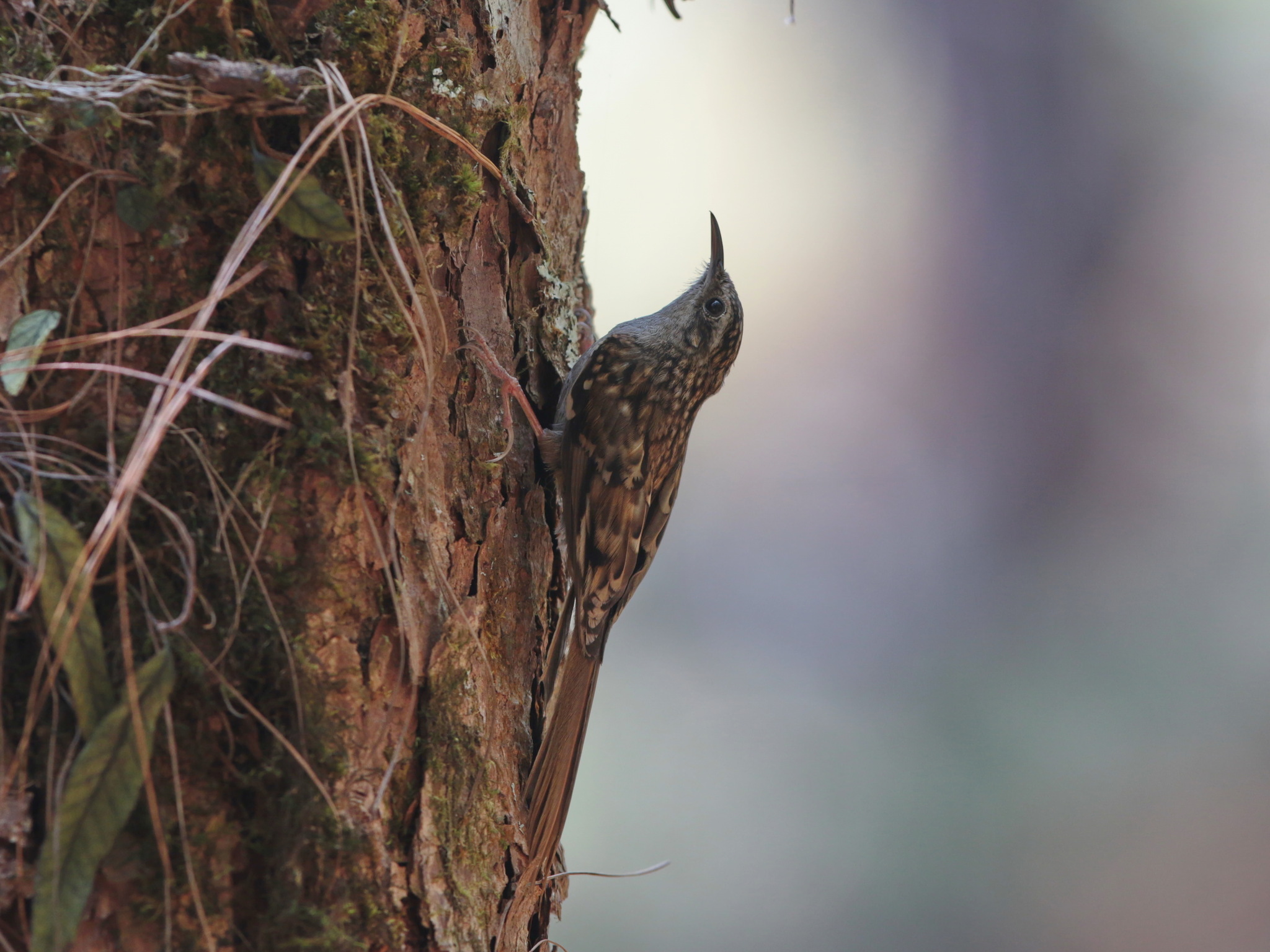
Hume's Treecreeper
Certhia manipurensis
休氏旋木雀
Introduction
The Hume's treecreeper is one of several Asian treecreeper species. It was recently recognized as distinct from the brown-throated treecreeper complex based on vocalization differences and genetic evidence. Its range includes montane forests of Northeast India, Myanmar, and northern Southeast Asia. It exhibits typical treecreeper behavior, spiraling upward along tree trunks while foraging for insects in bark crevices. The species is named after Allan Octavian Hume, a British naturalist.
Description
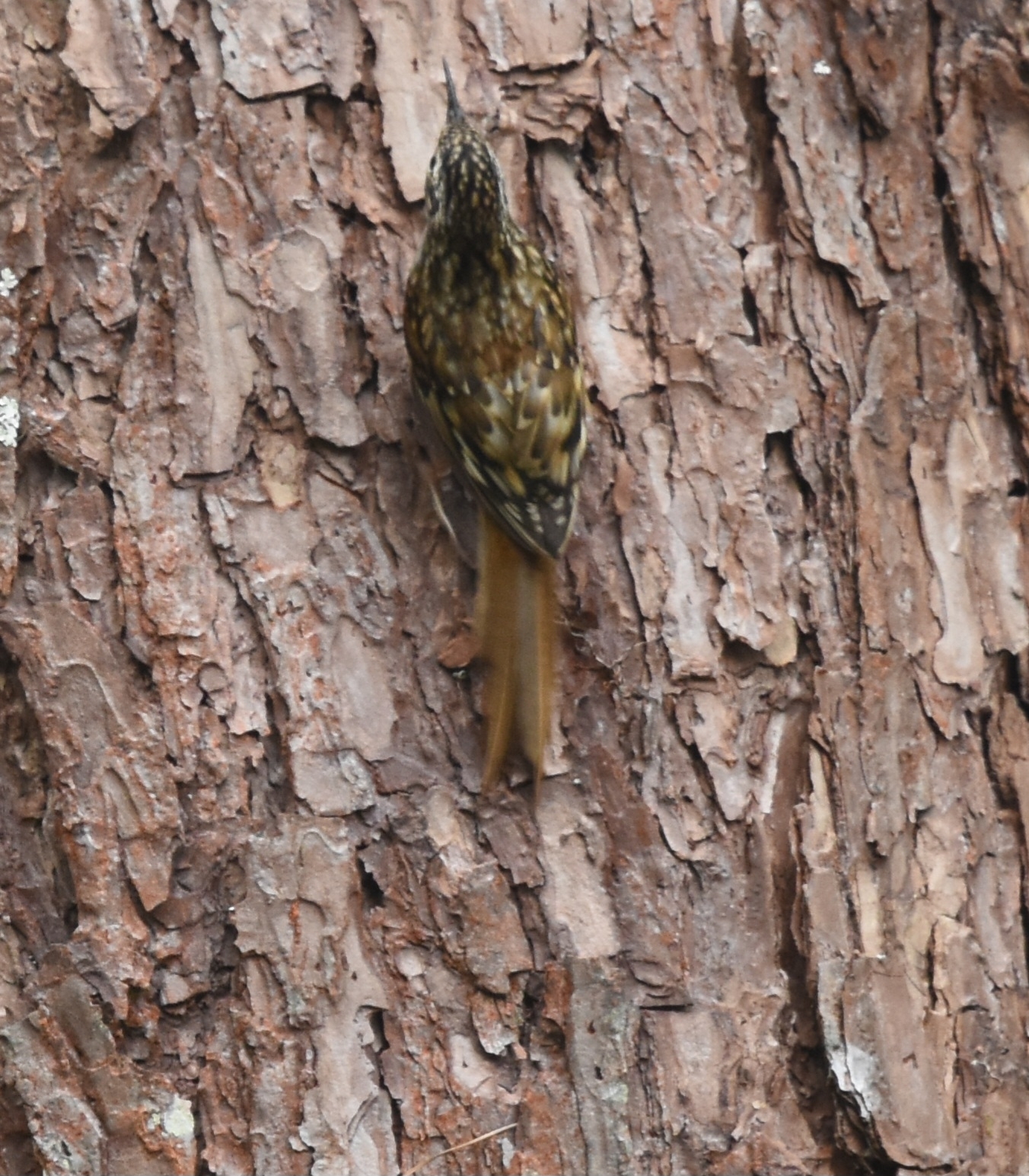
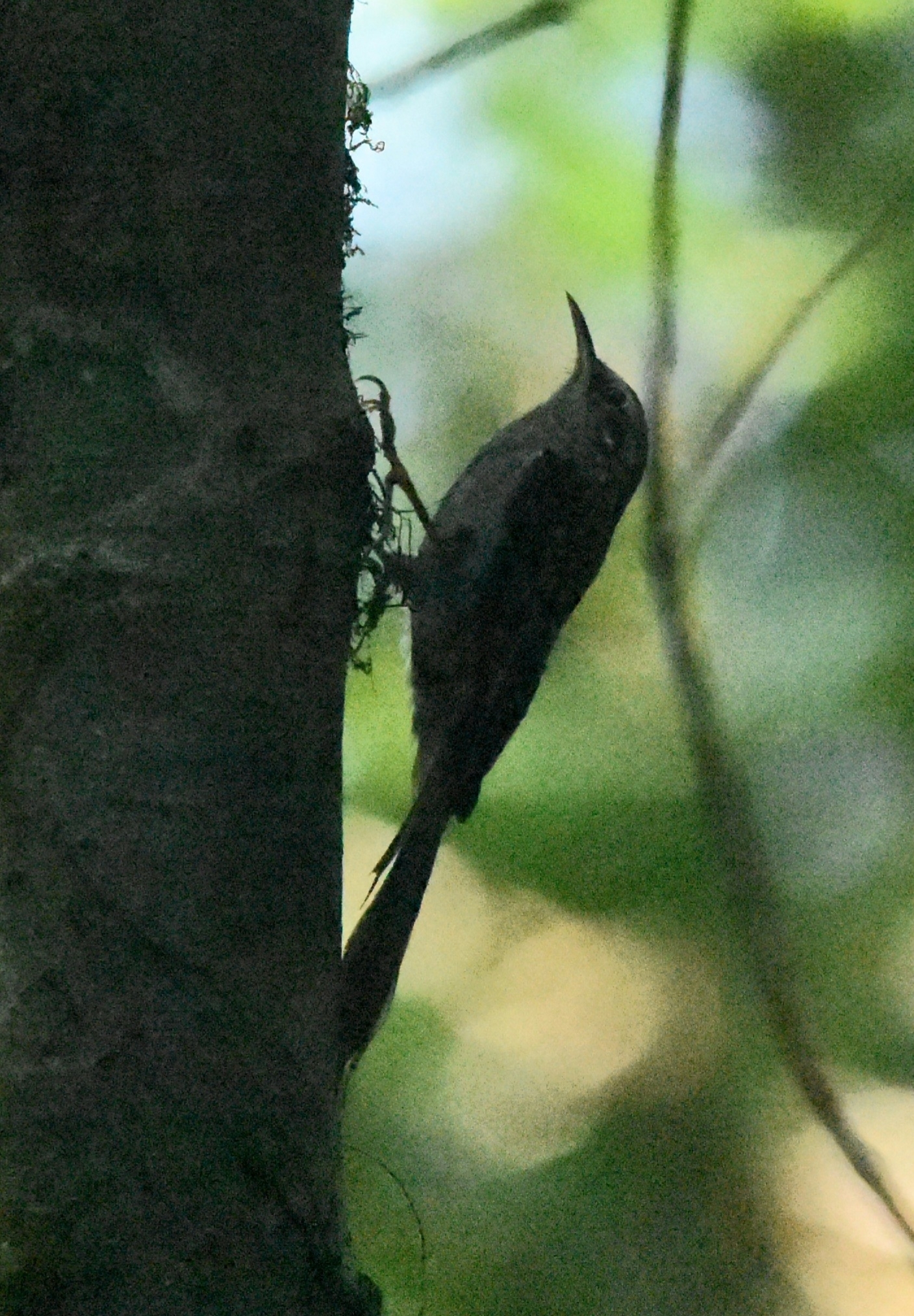
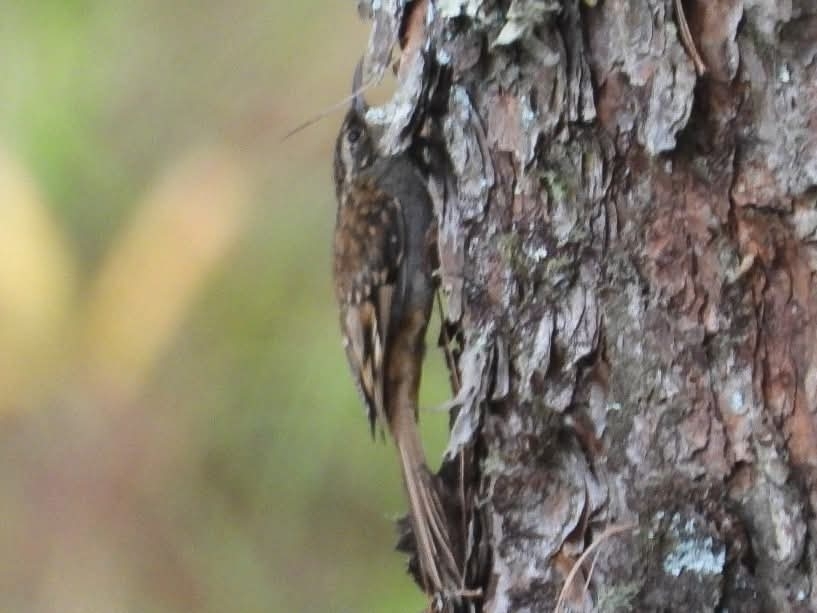
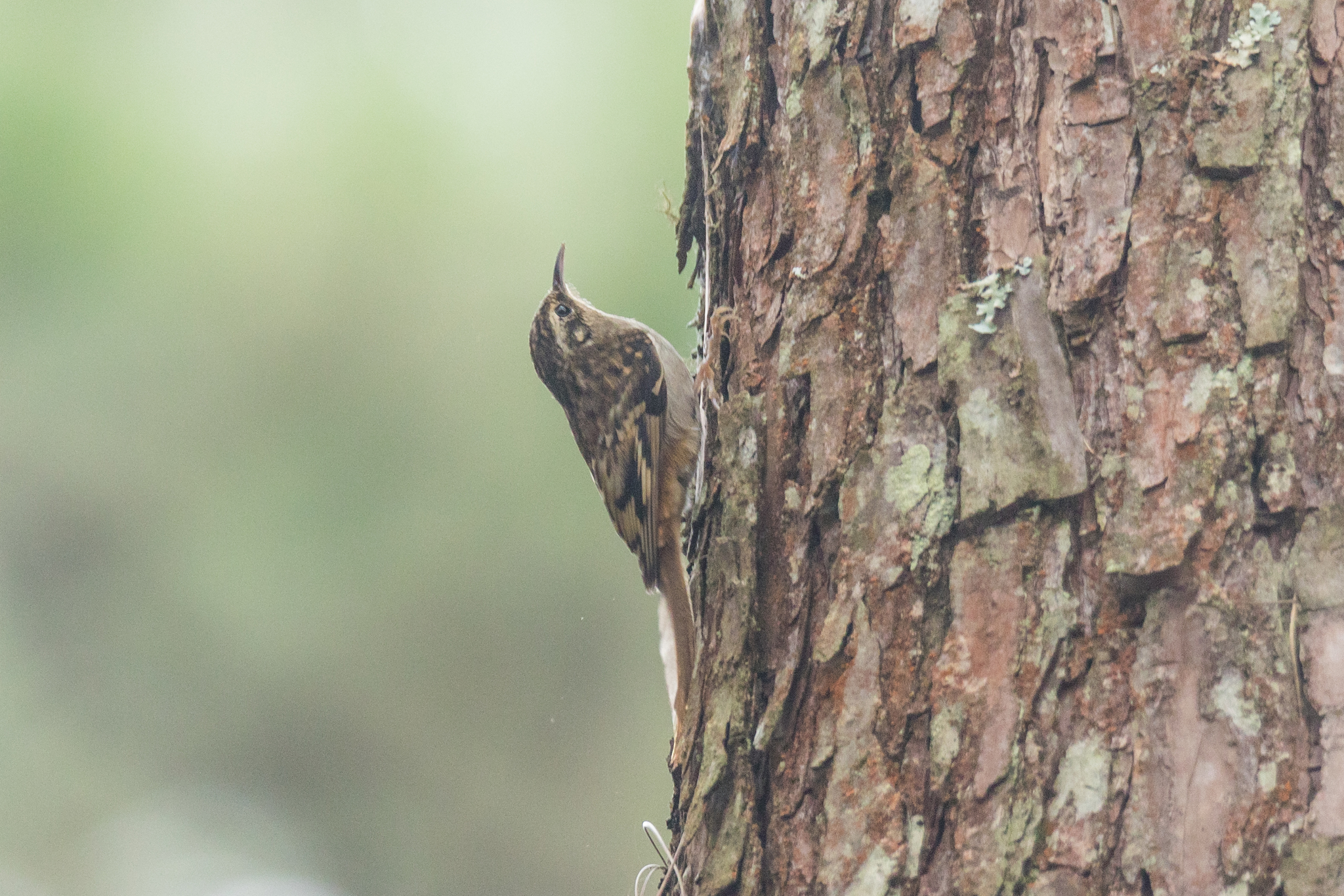
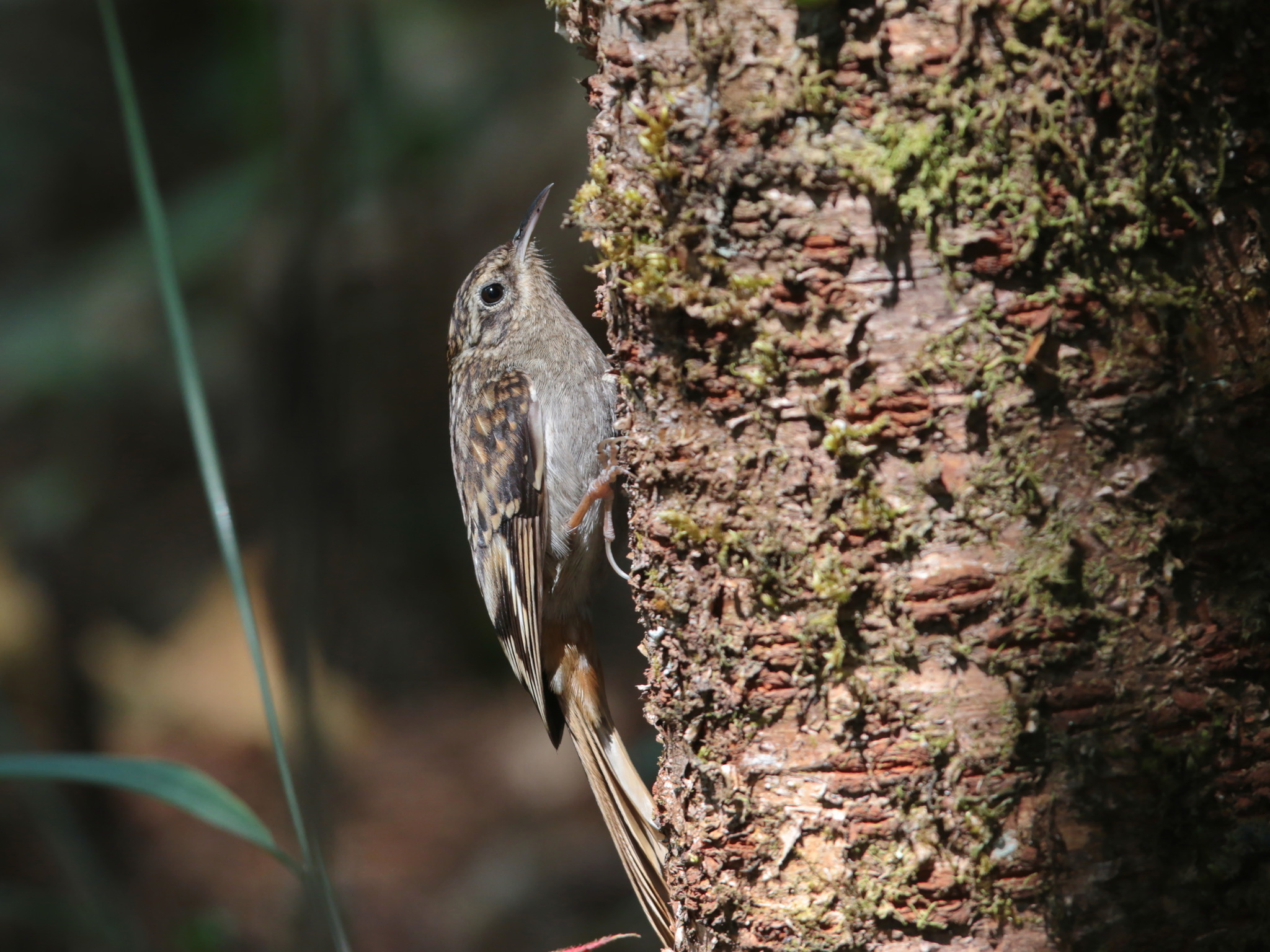
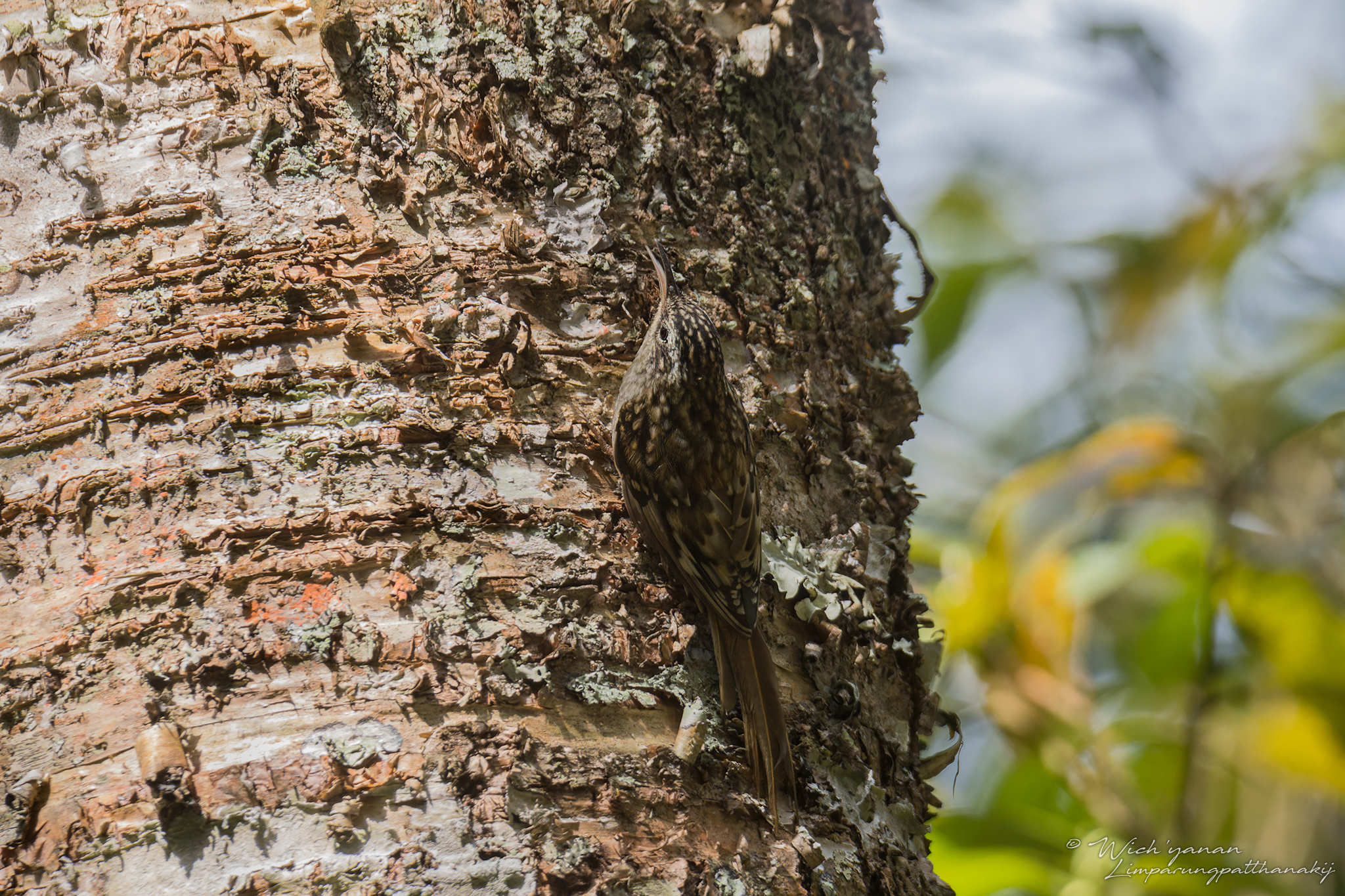
This is a small, slender treecreeper with the characteristic long, curved bill and stiff tail feathers typical of the family. The upperparts are brown and streaked, providing excellent camouflage against tree bark. The most distinctive feature is the rich cinnamon coloring on the throat and breast, which contrasts with the otherwise cryptic plumage. The underparts are generally pale, and the species possesses the typical white supercilium found in many Certhia treecreepers. Like all treecreepers, it has specialized feet for gripping vertical surfaces and uses its tail for support while climbing.
Identification
This species is most reliably distinguished from the brown-throated treecreeper and other similar treecreepers by its distinctive vocalizations, which were the primary basis for its recognition as a separate species. The rich cinnamon throat and breast are important visual identification features, though care must be taken as lighting conditions can affect the appearance of these colors. It overlaps in range with other Certhia species in the region, and voice recordings are often necessary for confident identification. The species' taxonomic separation has been supported by molecular evidence, confirming that it represents a distinct evolutionary lineage.
Distribution & Habitat
This species occupies the montane forests of Southeast Asia, with its range including Assam in India, Myanmar, the Shan Mountains, Northern Thailand, Laos, and the Dalat Plateau in Vietnam. It appears to be associated with forested habitats at moderate to higher elevations, though specific elevation range details are not provided in available sources. The species may be resident within its range or undertake some seasonal movements, but details of its migration patterns, if any, require further study. Like other treecreepers, it is likely dependent on mature forest habitat with sufficient tree cover for foraging.
Behavior & Ecology
The species exhibits typical treecreeper behavior, climbing spirally up tree trunks while probing bark crevices for insects and other small invertebrates. It was initially recognized as a separate species primarily on the basis of its distinctive call notes, which differ from those of the brown-throated treecreeper. Breeding behavior likely follows the general treecreeper pattern of building a cup-shaped nest in crevices or behind loose bark, though specific details for this species are not well documented. The species is probably territorial during the breeding season.
Culture
The species name commemorates Allan Octavian Hume (1829-1912), a British civil servant, political administrator, and naturalist who worked extensively in India during the colonial period. Hume was a founding member of the British Ornithologists' Union and contributed significantly to the study of South Asian birds. His work laid important foundations for Indian ornithology, and numerous species across South and Southeast Asia bear his name in recognition of his contributions to the field.
Source: Wikipedia · CC BY-SA 3.0
Taxonomy
- Order
- Passeriformes
- Family
- Certhiidae
- Genus
- Certhia
- eBird Code
- bnttre2
Subspecies (4)
-
Certhia manipurensis laotiana
Laos (Tranninh Plateau)
-
Certhia manipurensis manipurensis
northeastern India (south of the Brahmaputra) and adjacent southwestern Myanmar
-
Certhia manipurensis meridionalis
southern Vietnam (Da Lat Plateau)
-
Certhia manipurensis shanensis
northeastern Myanmar to southwestern China (Yunnan), Thailand, and northwestern Vietnam
Data Sources
Species description from Wikipedia, licensed under CC BY-SA 3.0.
Bird images and sounds sourced from GBIF, contributed by citizen scientists worldwide under Creative Commons licenses.
Taxonomy data from AviList 2025.