Rufous-tailed Scrub Robin
Cercotrichas galactotes
棕薮鸲
Introduction
Medium-sized chat inhabiting dry Mediterranean habitats. Breeds across southern Europe from Portugal to the Balkans, through the Middle East to Pakistan, and across North Africa south to Somalia. Partial migrant, wintering in North Africa, the Indian subcontinent, and parts of East Africa. Inhabits dry, scrubby open countryside with dense bush patches; also occurs in parks, vineyards, and large gardens. Characterized by distinctive tail movements, including bobbing and fanning. Widespread and common in suitable habitat; rare vagrant to northern Europe.
Description
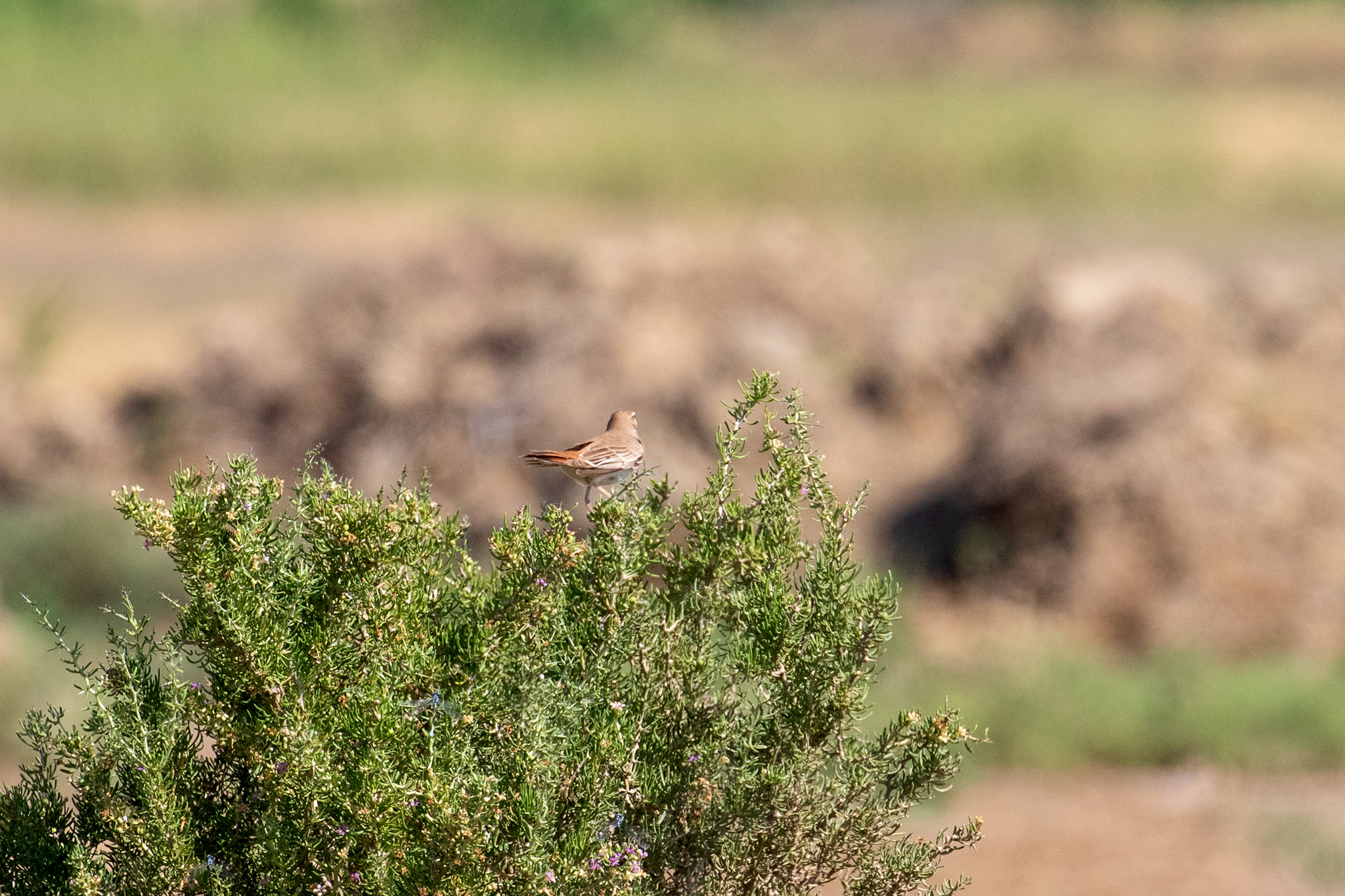
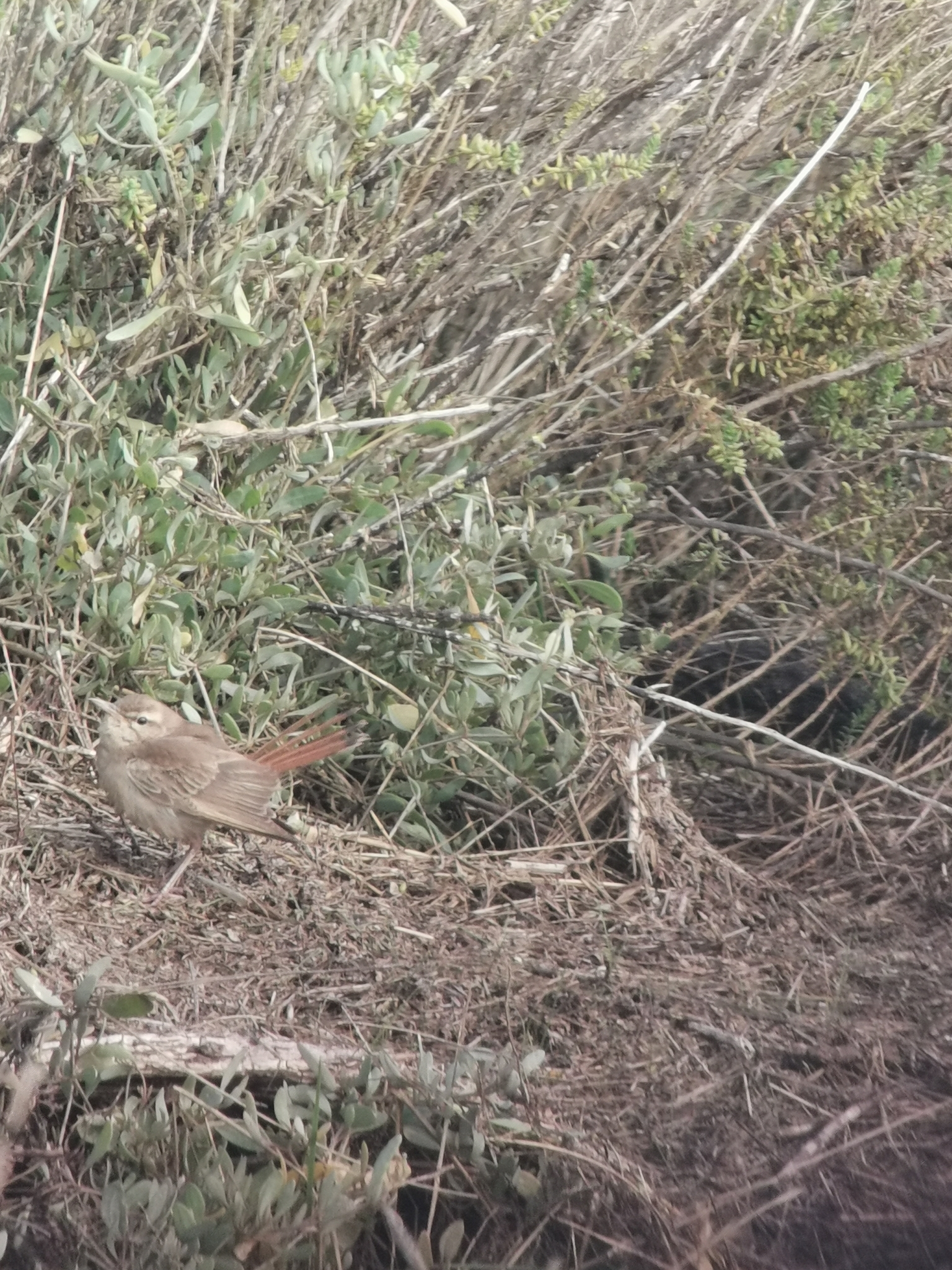
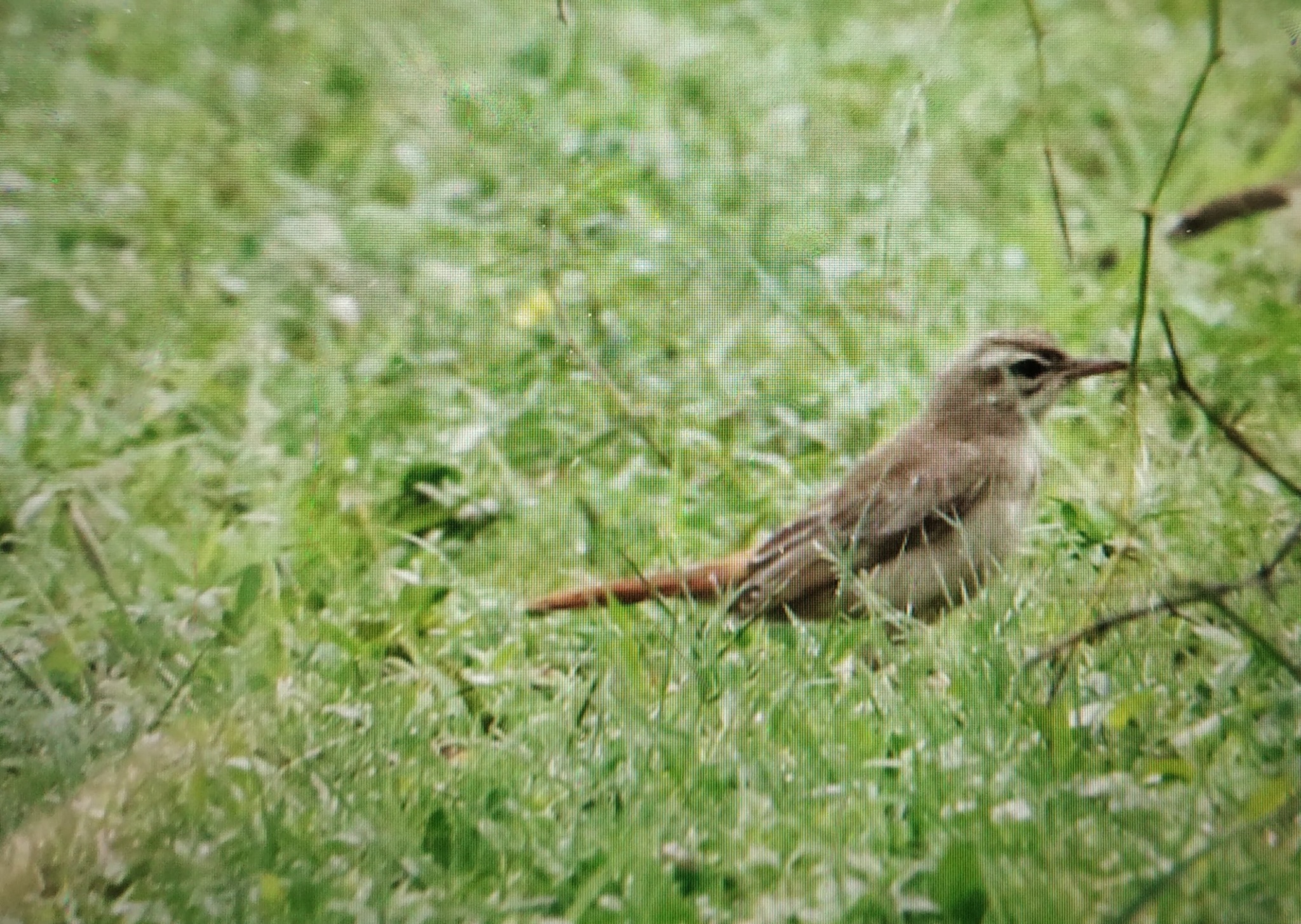
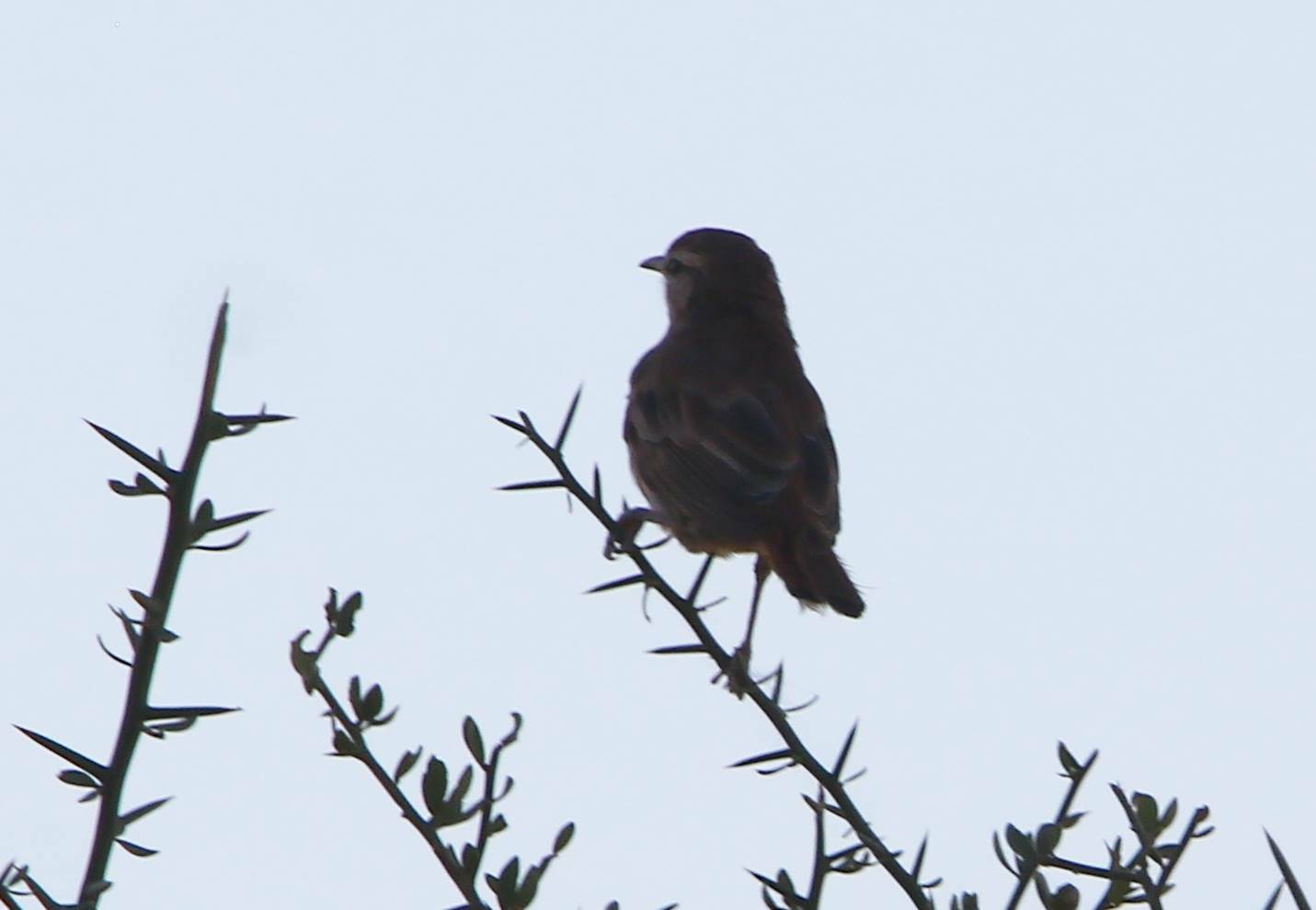
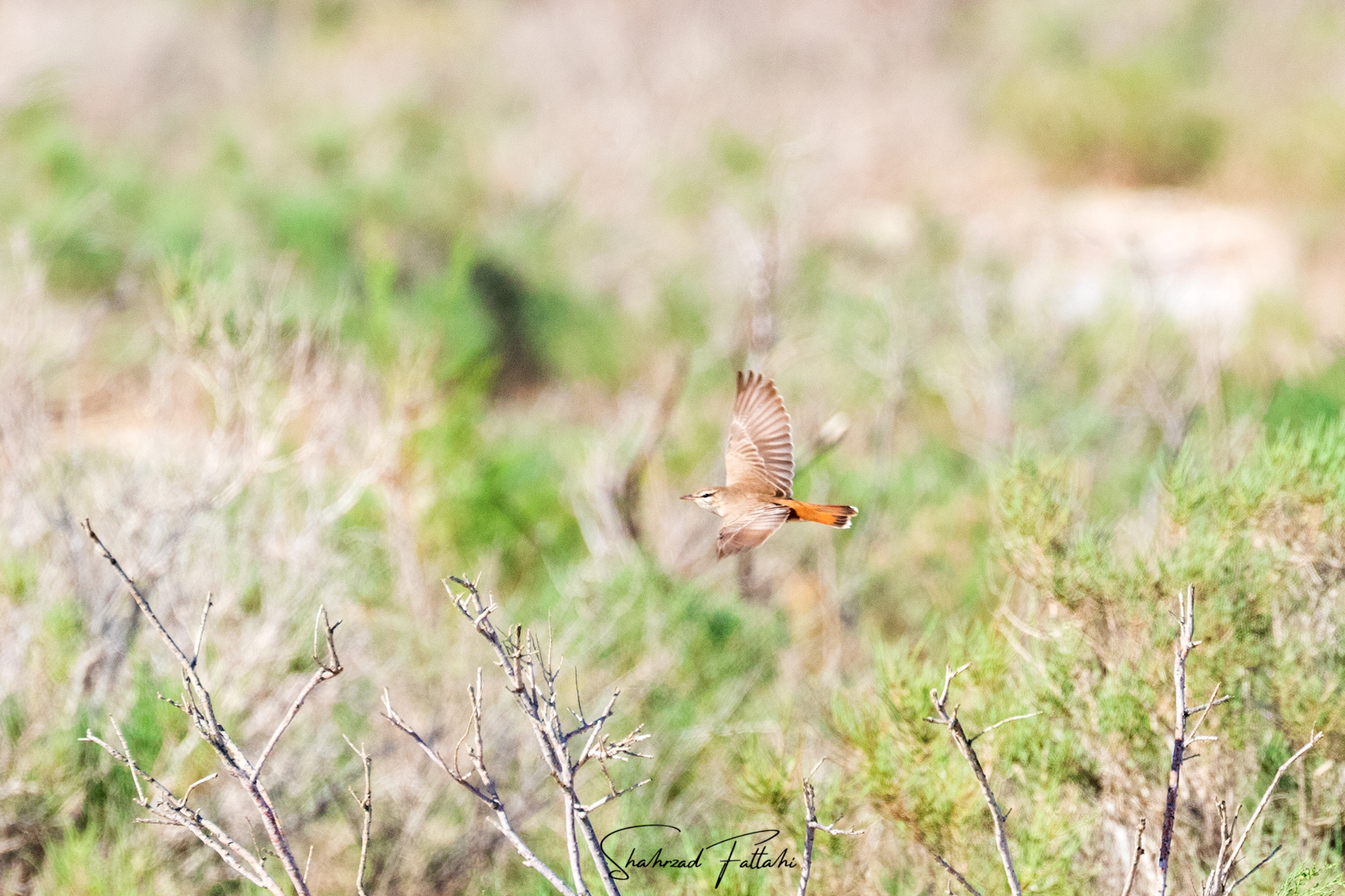
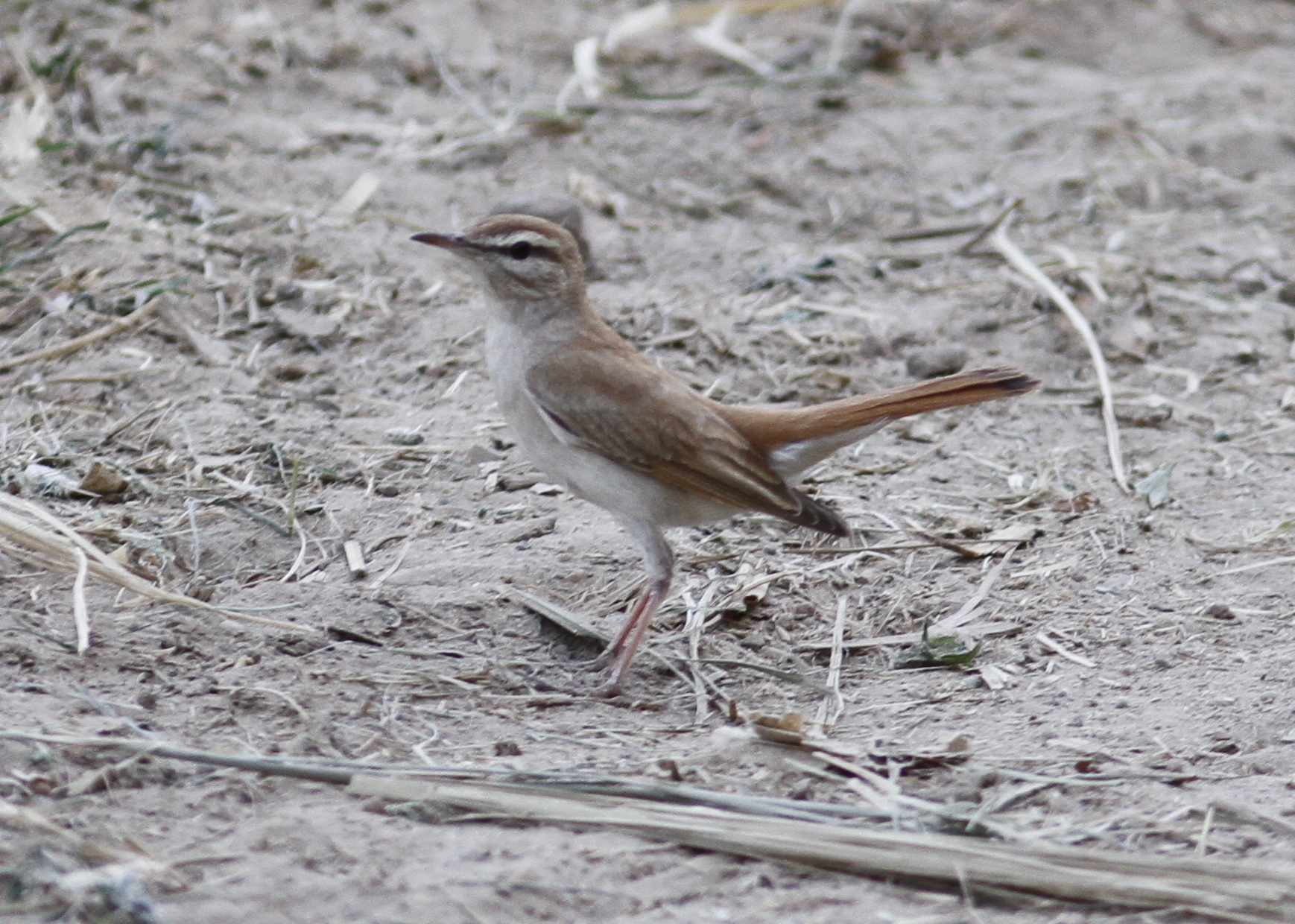
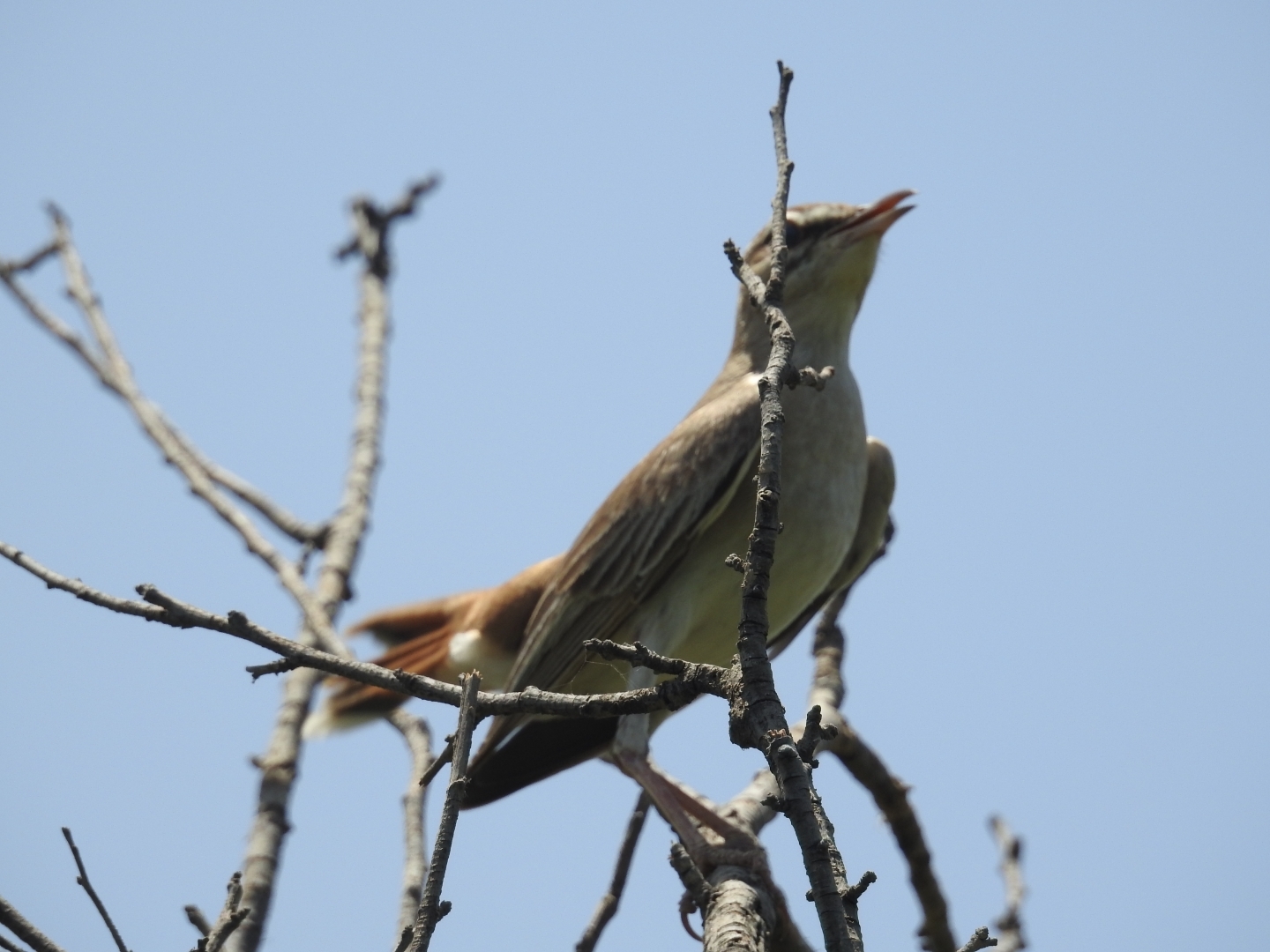
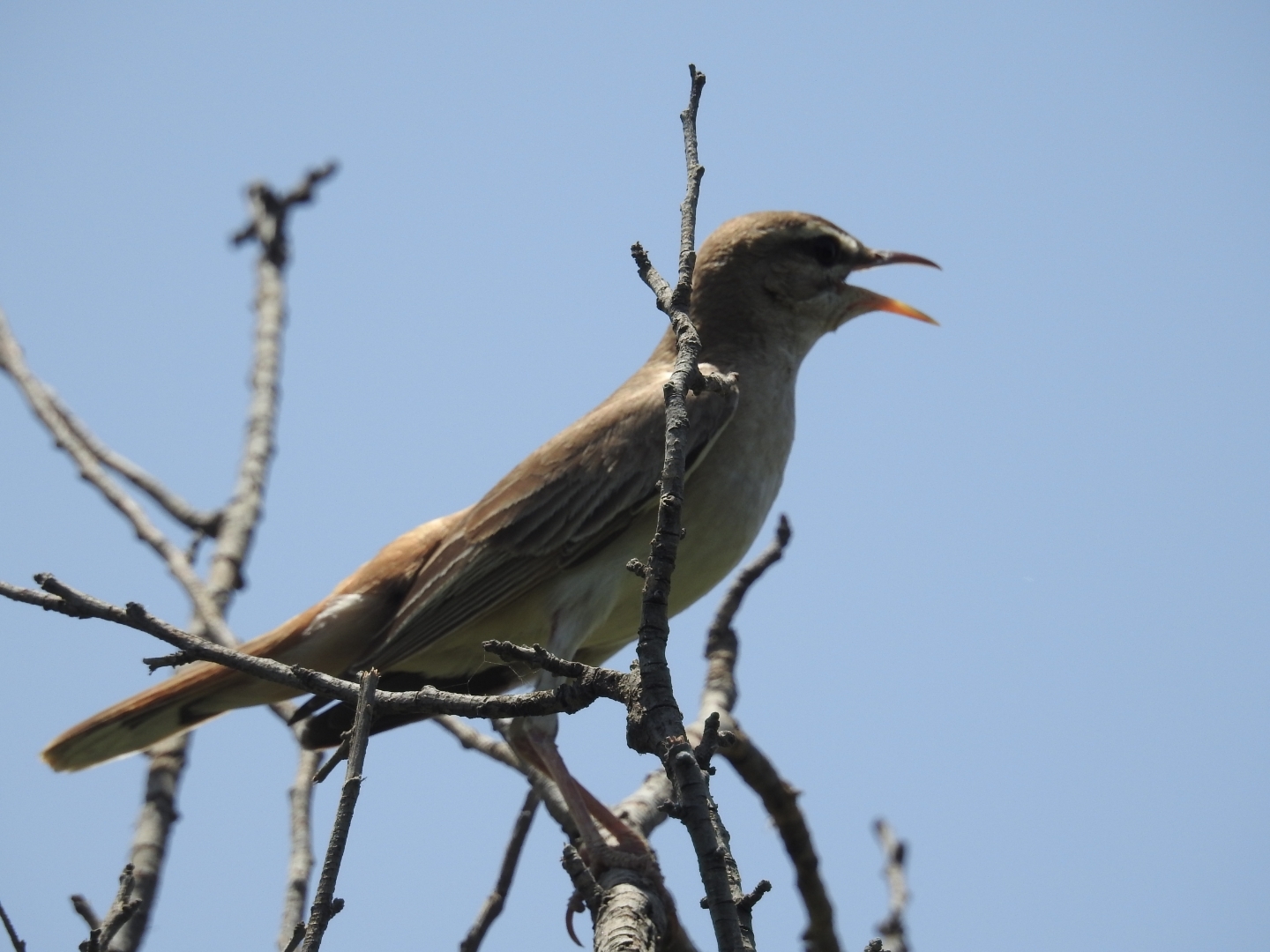
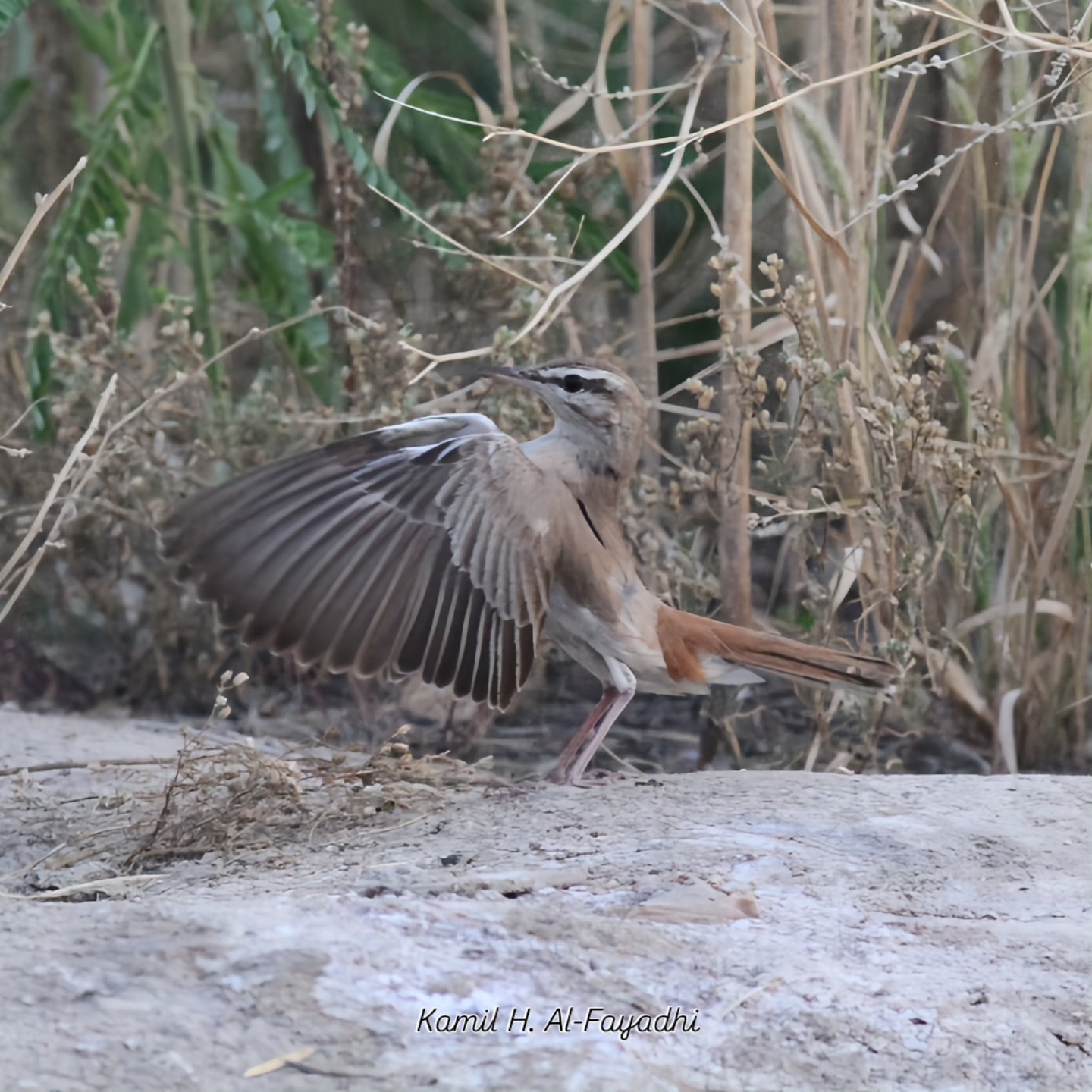
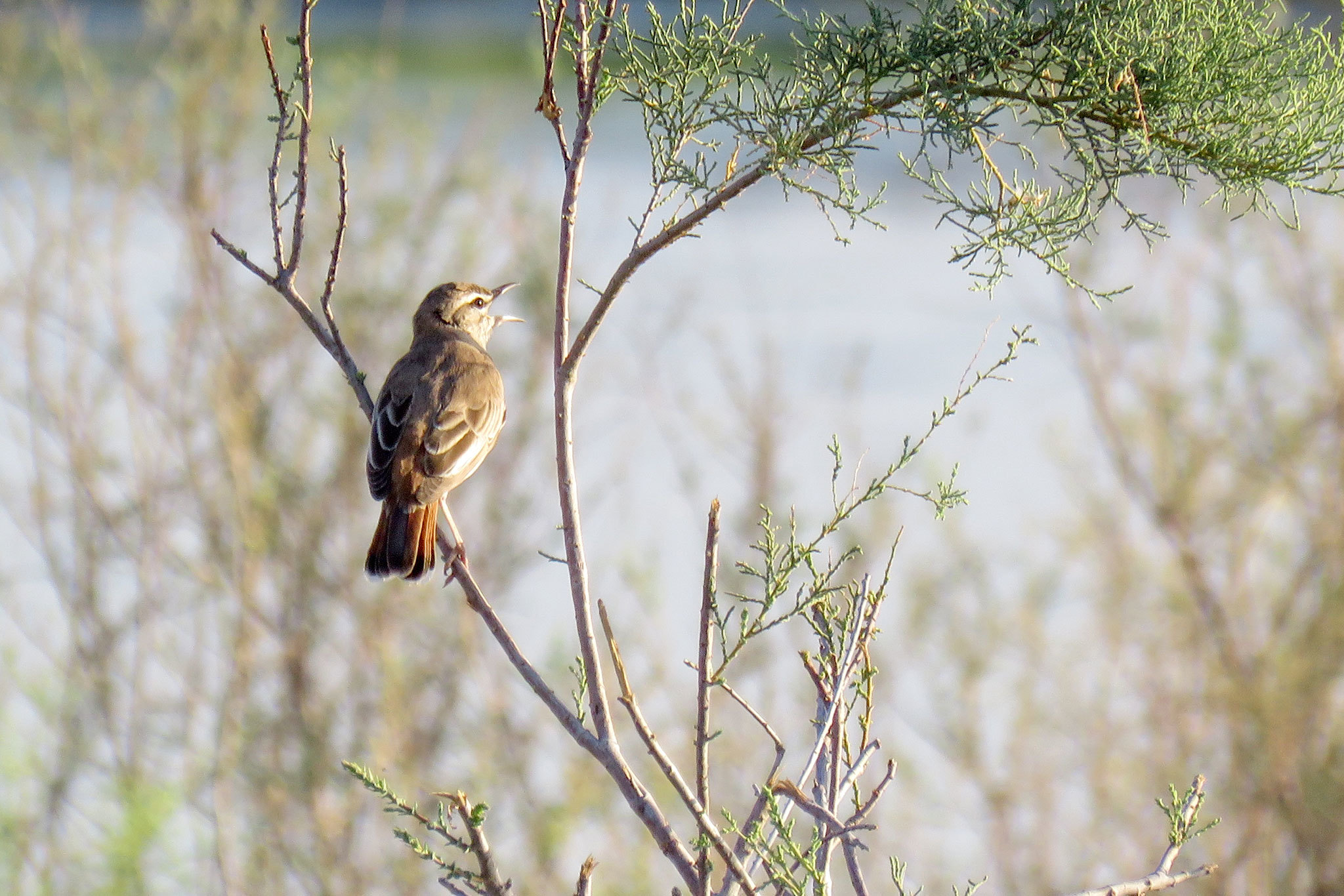
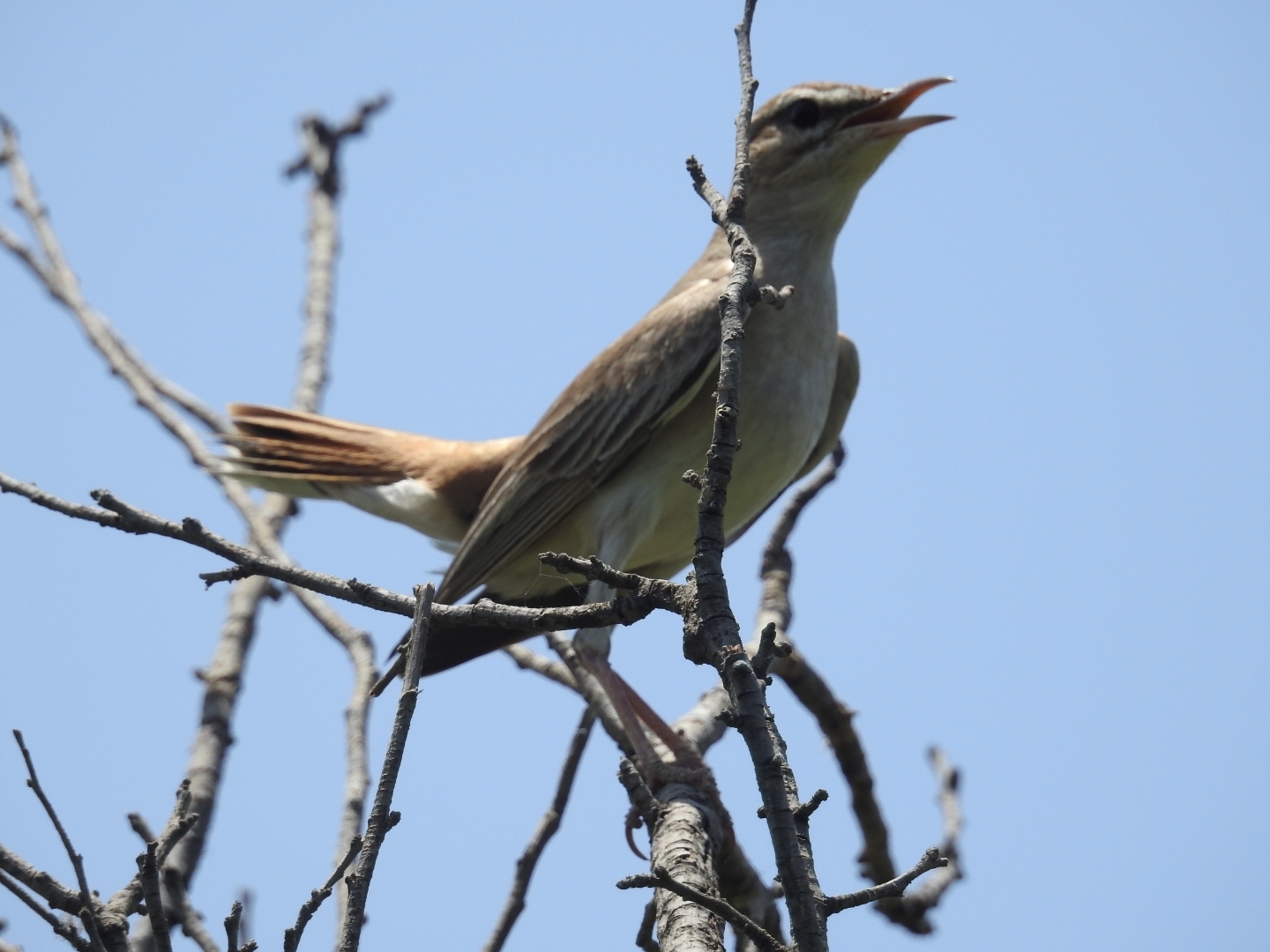
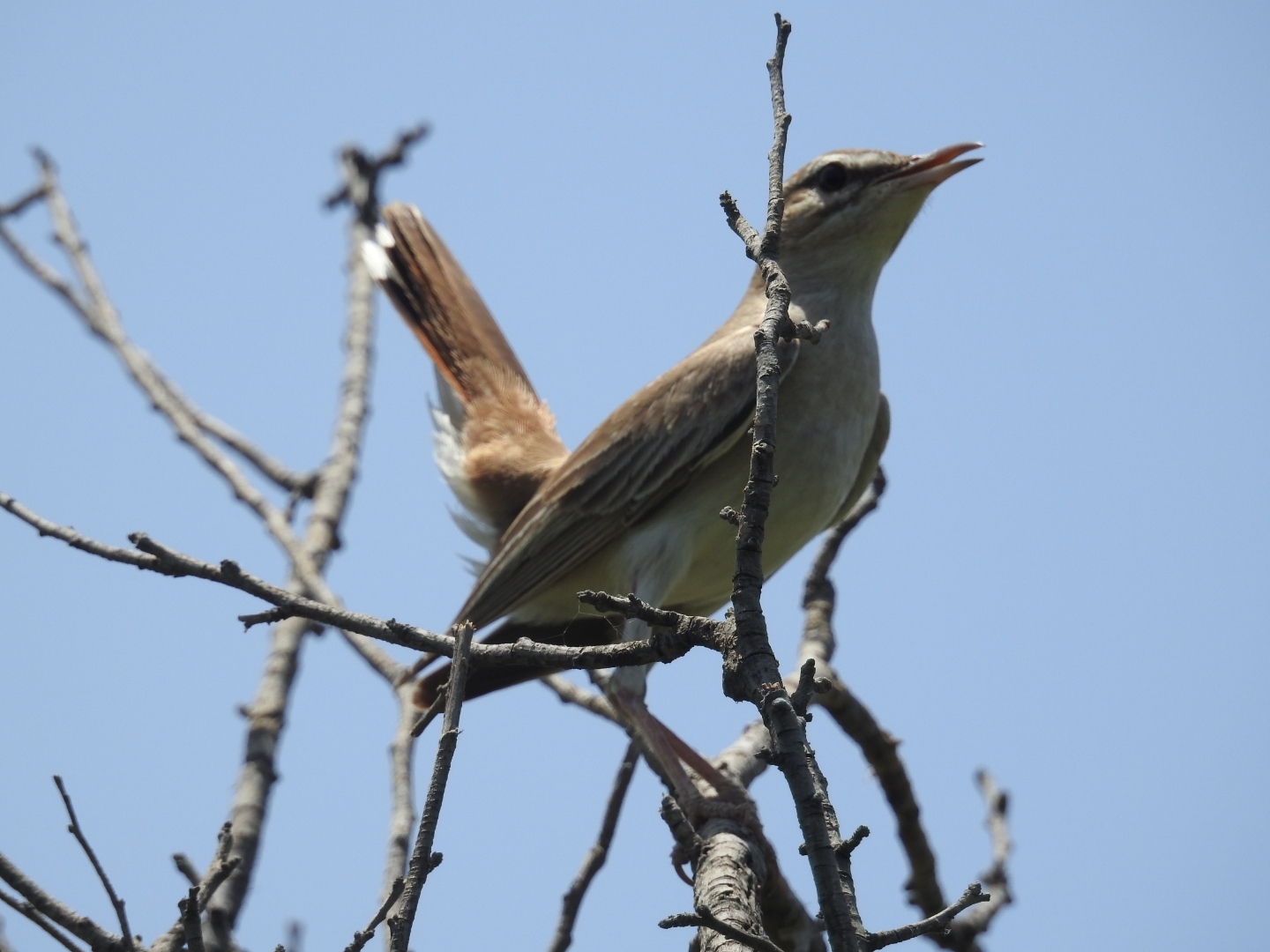
This species measures approximately 150mm (6 inches) in length with relatively long legs and a large, rounded tail. The upperparts are a rich brownish chestnut, becoming more rufous on the rump and uppertail coverts. A distinctive curved creamy-white stripe extends from the nostrils to behind the eye, while a dark brown line passes through the eye. The underparts are buffish white, with the chin, central belly, and undertail coverts appearing paler. The wing feathers are dark brown with buff and chestnut fringes, and the secondaries are tipped with white. The tail is bright rufous-chestnut with black tips and white markings. The legs and feet are pale brown. Juveniles are similar but generally a paler sandy-brown colour.
Identification
Larger than the European robin, this species is distinguished by its long, rufous tail which is frequently fanned to reveal black and white tips. The prominent whitish supercilium and dark eye-stripe create a striking facial pattern. Western populations have a paler, warmer brown back compared to birds from southeastern Europe and Asia. The species often bobs and flairs its tail while perched or on the ground, a useful behavioural clue for identification. Adult male and female are similar in appearance.
Distribution & Habitat
The breeding range extends from Portugal and southern Spain across the Balkan Peninsula through the Middle East to Iraq, Kazakhstan, and Pakistan. African populations breed from Morocco to Egypt, south of the Sahara to Somalia. It is an uncommon vagrant to northern Europe. The species winters in North Africa eastwards to India. It inhabits dry scrubby open country with patches of dense bushes in lowlands or foothills, and may also be found in parks, vineyards, and large gardens where it is numerous.
Behavior & Ecology
The species feeds primarily on the ground, searching through leaf litter for insects including beetles, grasshoppers, moth and butterfly larvae, and earthworms. It frequently bobs and flares its tail while hopping about on the ground and when perched in bushes or trees. The male performs an unusual display flight involving a downward swoop with uplifted wings while singing. The nest is built a few feet above ground in a well-concealed bush, hedge, or tree stump, constructed untidily from grasses and fibres but with a neat cup-shaped interior lined with fine roots, hairs, and often snakeskin. A clutch of four to five eggs is laid, measuring about 22 by 16mm with a pale greenish or greyish-white background covered in greyish-brown spots.
Conservation
The species has an extensive range of approximately 4.3 million square kilometres and a large population. European population estimates range from 96,000 to 288,000 individuals, and global numbers are estimated between 196,000 and 1.15 million. The population size appeared stable in 2013 and was evaluated as Least Concern by the IUCN, as it does not approach the thresholds for population decline criteria.
Culture
The species is sometimes found nesting in association with woodchat shrikes, with both species cooperating to mob and lure away predators such as snakes, cats, foxes, and birds of prey. The scrub robin can recognise warning calls from other bird species and respond appropriately.
Source: Wikipedia · CC BY-SA 3.0
Taxonomy
- Order
- Passeriformes
- Family
- Muscicapidae
- Genus
- Cercotrichas
- eBird Code
- rutscr1
Vocalizations
Subspecies (5)
-
Cercotrichas galactotes familiaris
breeds southern Caucasus to Iran and Pakistan; winters to southern Arabia and Kenya
-
Cercotrichas galactotes galactotes
breeds western Mediterranean basin and North Africa; winters to southern Sahara
-
Cercotrichas galactotes hamertoni
eastern Somalia (Beira and Wagar mountains)
-
Cercotrichas galactotes minor
Senegambia to Sudan, Eritrea, Ethiopia, and northern Somalia
-
Cercotrichas galactotes syriaca
breeds eastern Mediterranean basin and Middle East; winters to eastern Africa
Data Sources
Species description from Wikipedia, licensed under CC BY-SA 3.0.
Bird images and sounds sourced from GBIF, contributed by citizen scientists worldwide under Creative Commons licenses.
Taxonomy data from AviList 2025.