Sharpe's Rosefinch
Carpodacus verreauxii
淡腹点翅朱雀
Introduction
This small passerine finch is endemic to the high-altitude regions of central China and far northern Myanmar, inhabiting montane shrubland and forest edge habitats between 3,000 and 4,600 meters elevation. It descends to lower elevations in winter. Formerly classified as a subspecies of the spot-winged rosefinch, it was elevated to species status following genetic analysis. The species is monotypic, with no recognized subspecies, and is named after the British zoologist Richard Bowdler Sharpe.
Description
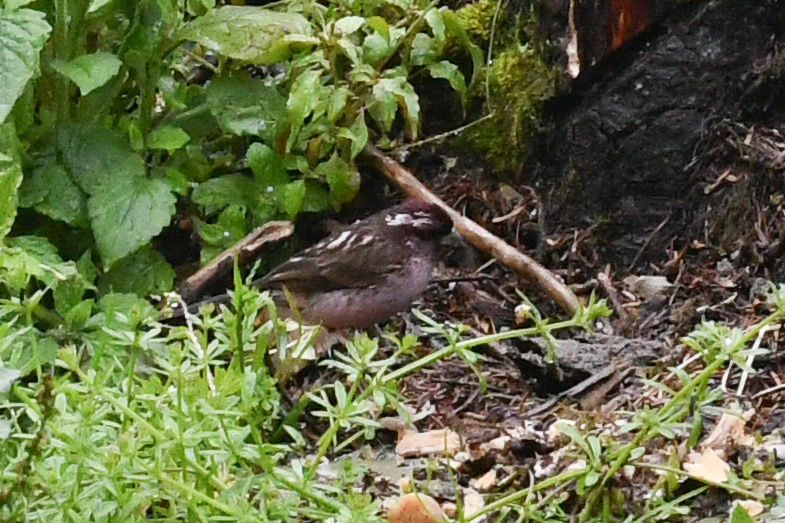
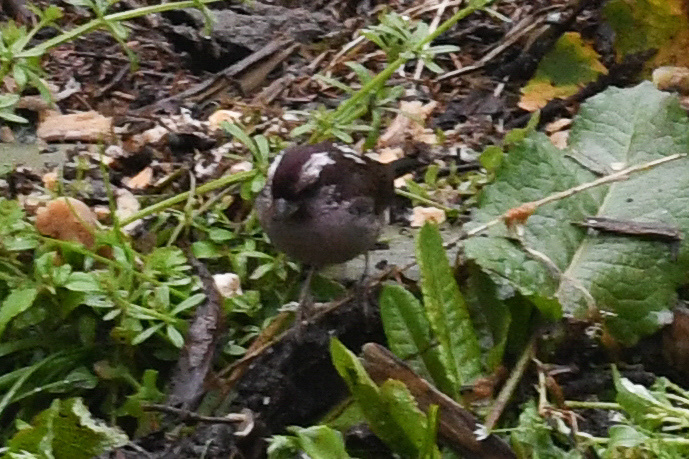
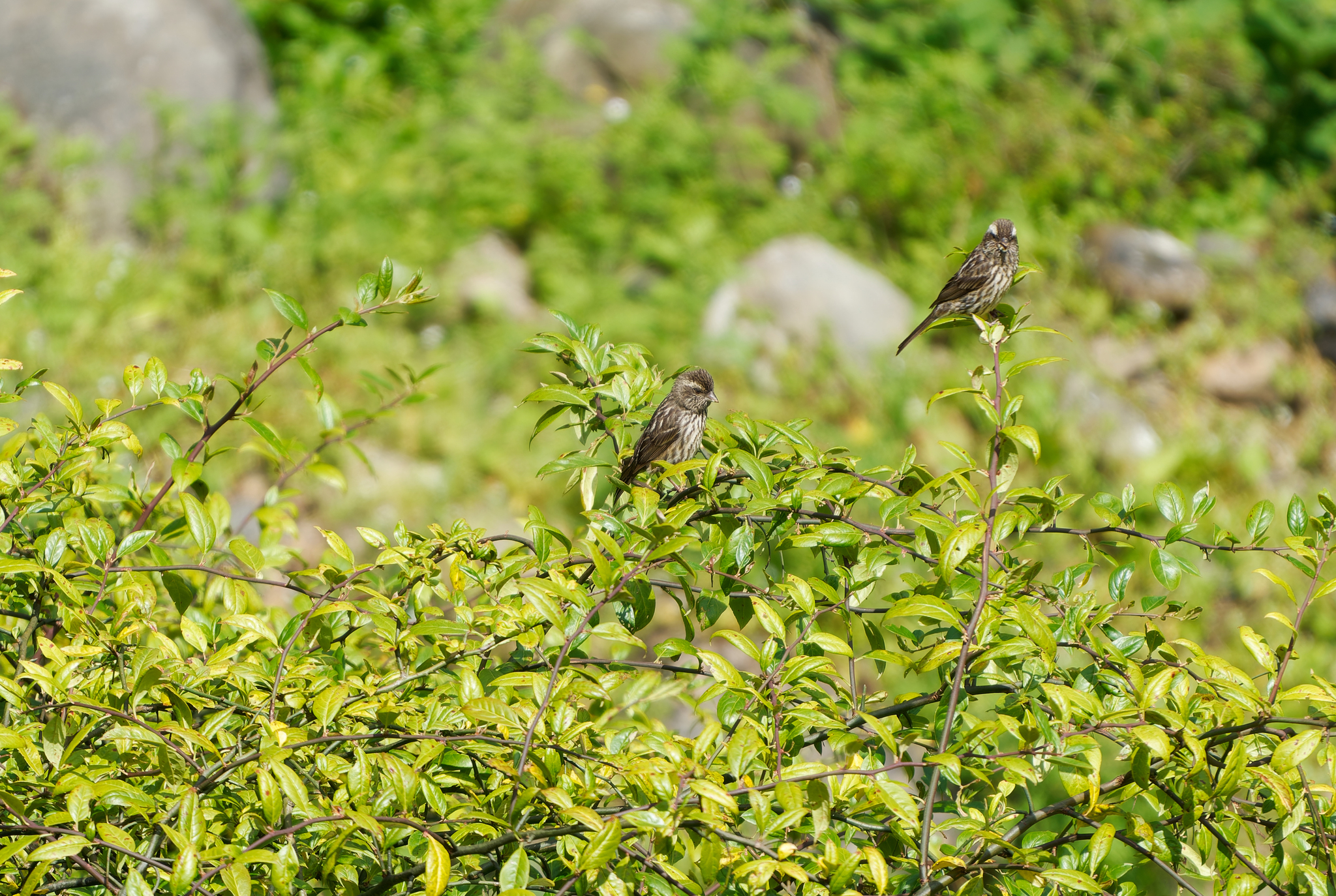
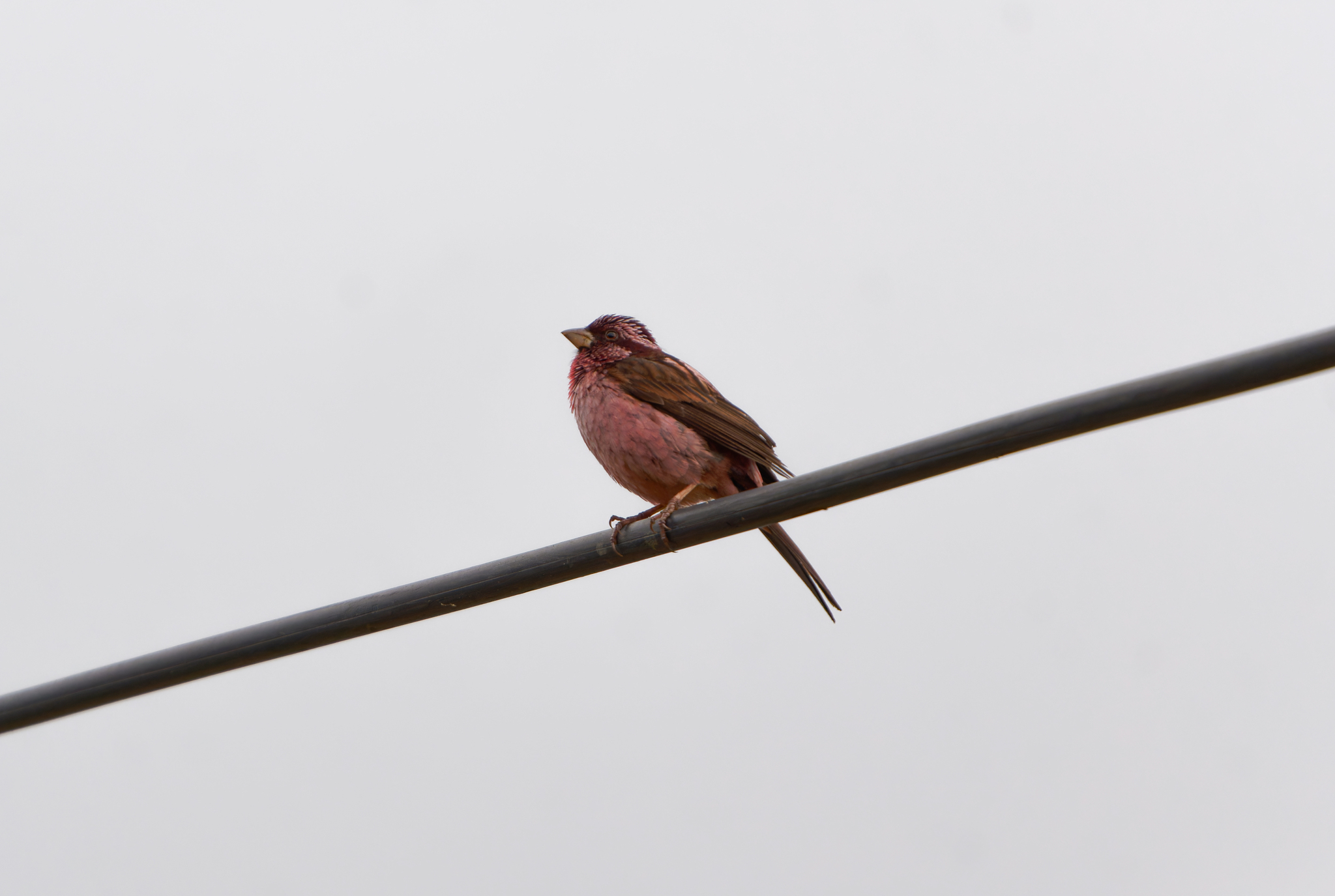
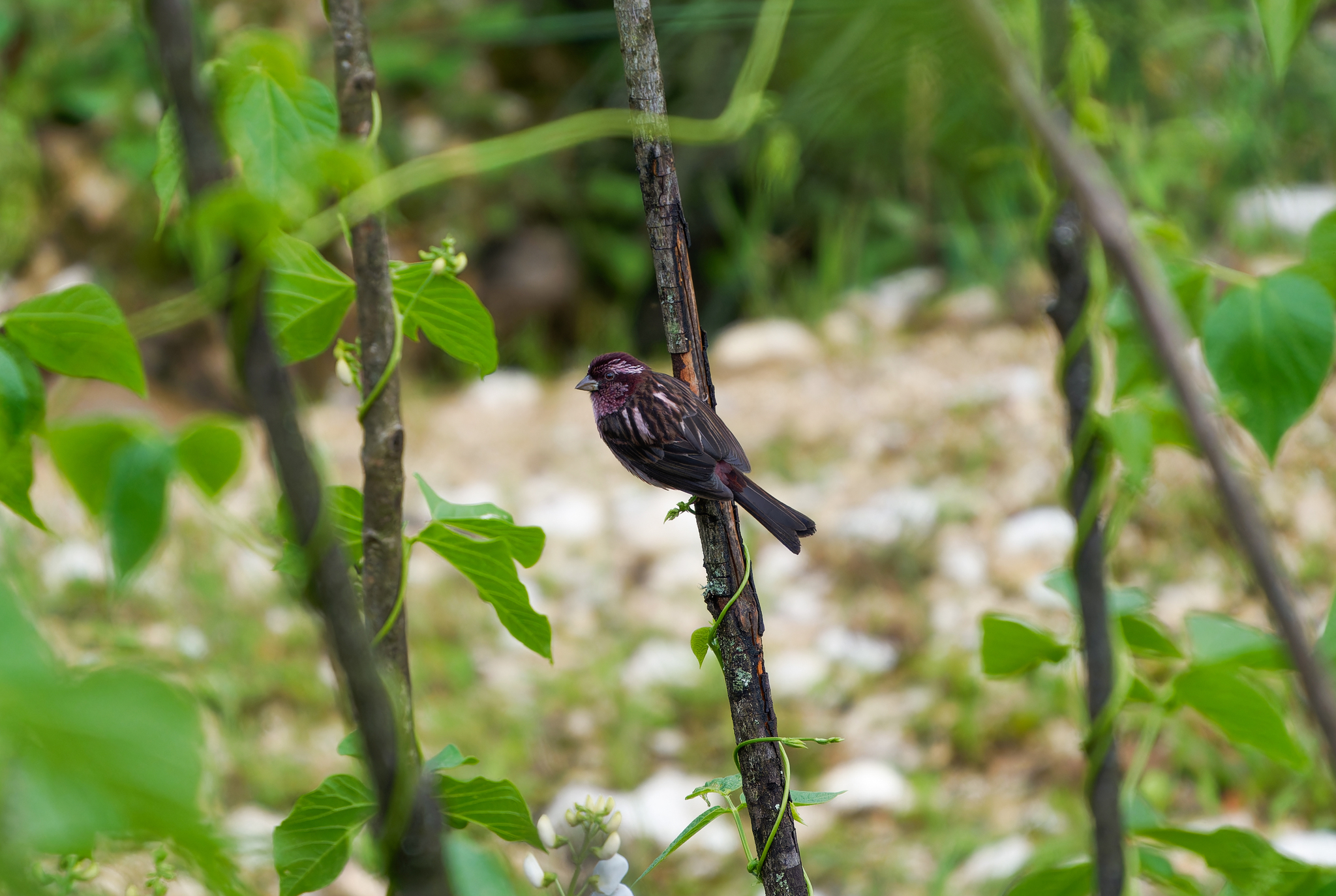
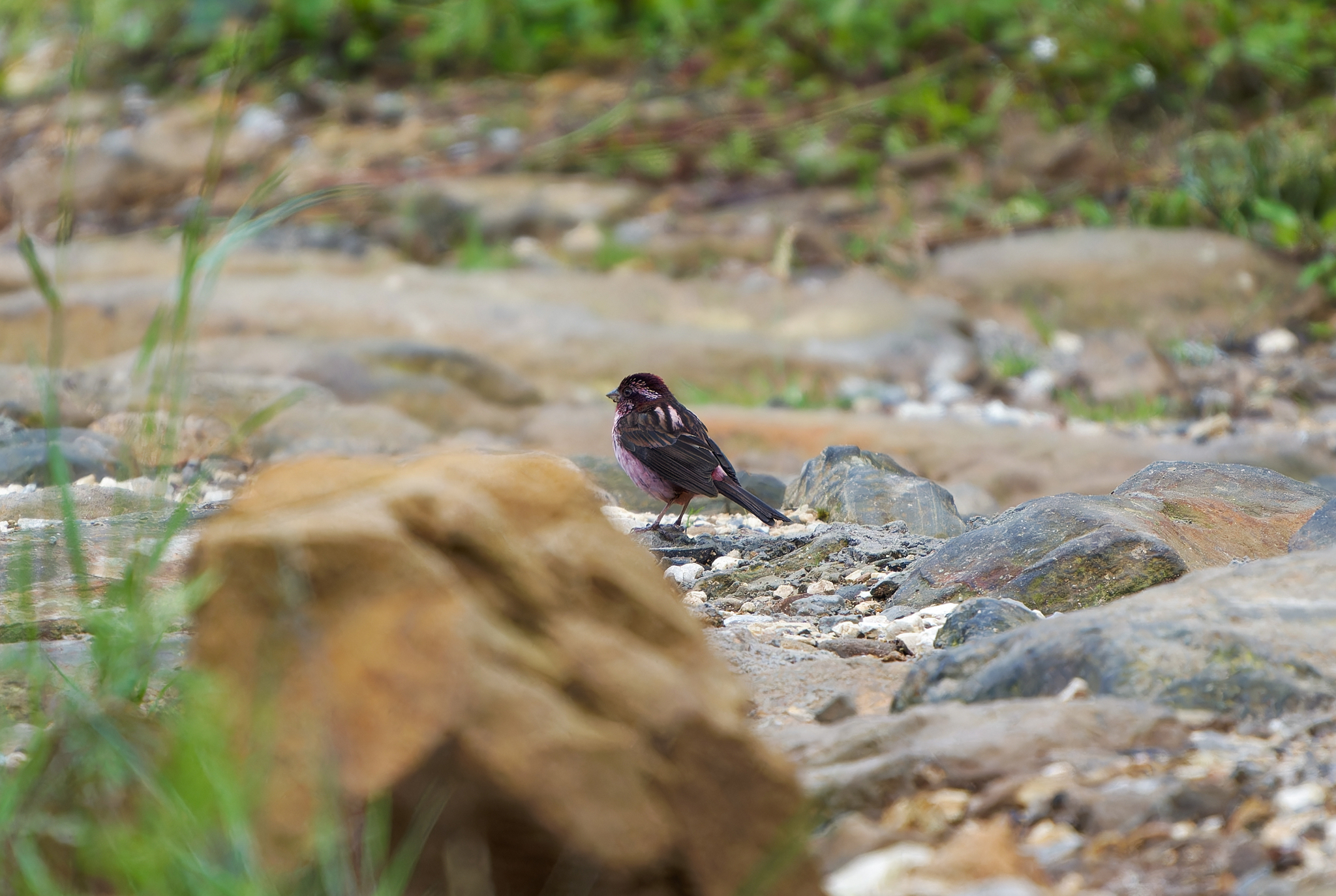
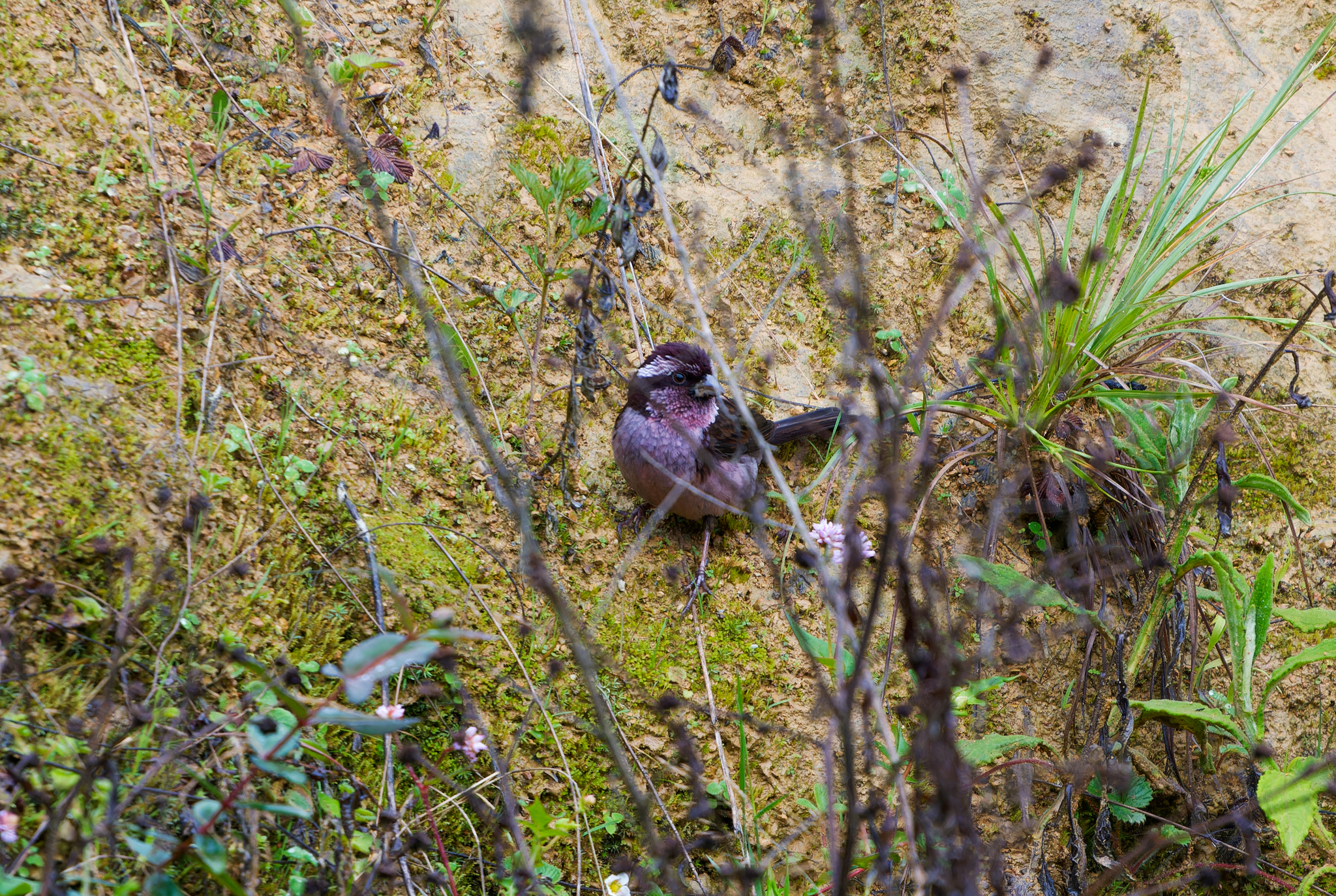
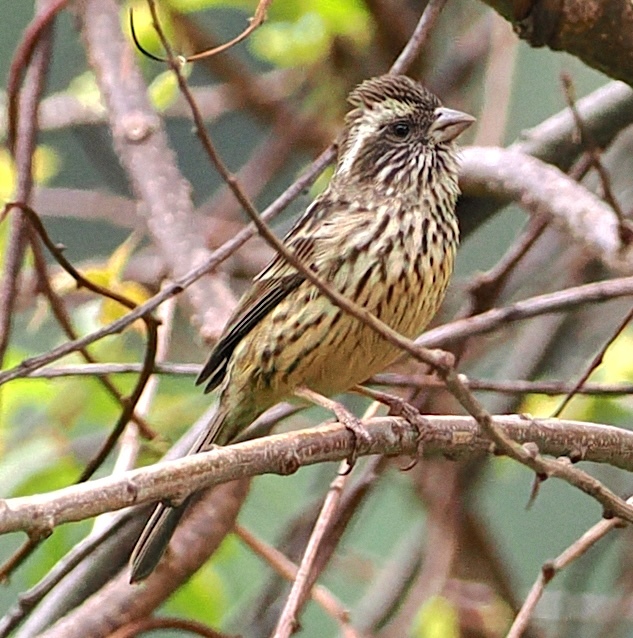
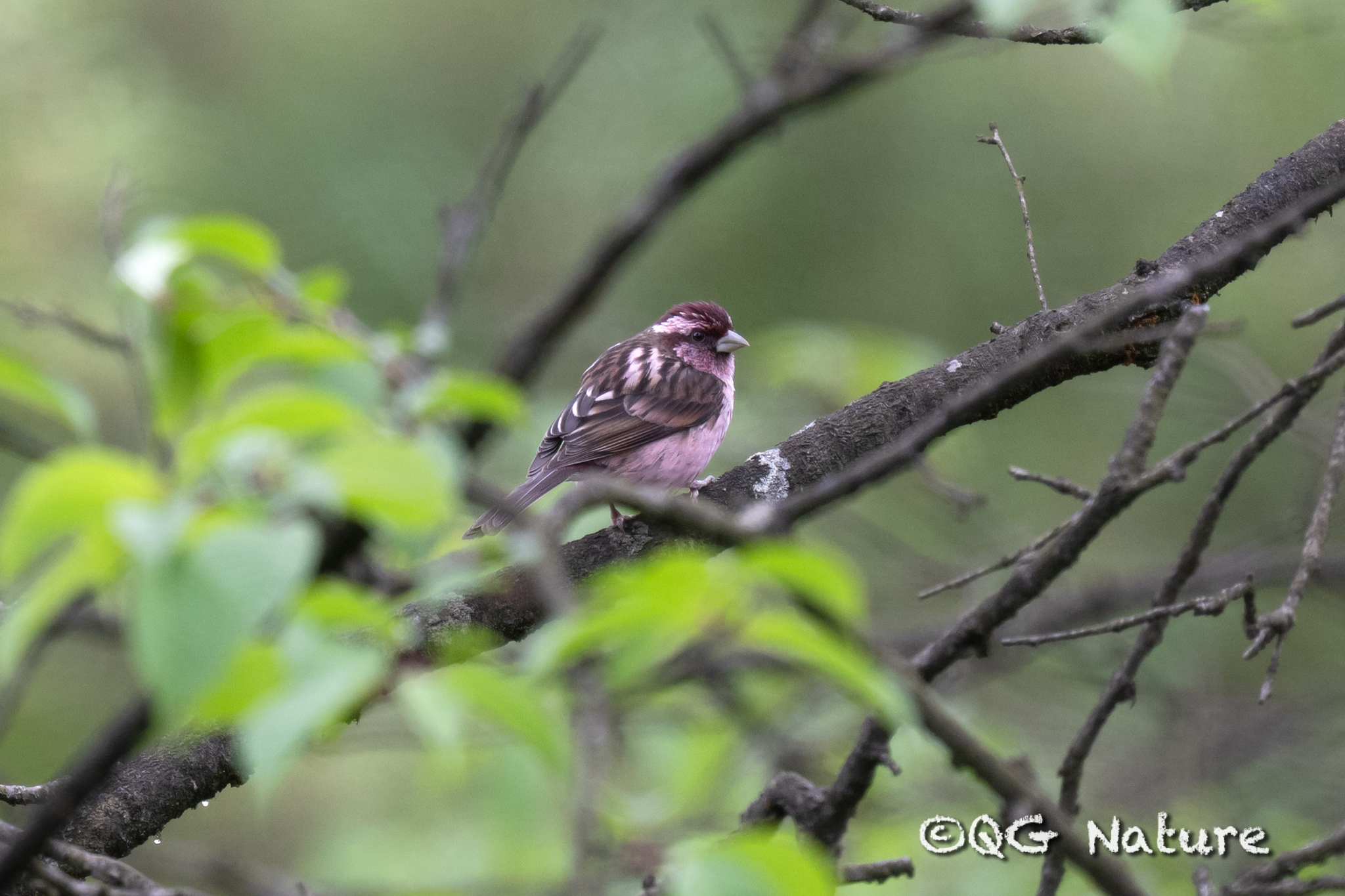
This compact rosefinch measures approximately 15 centimeters in length and features a slender build with a relatively small bill and a long, slightly notched tail. The male displays a dark maroon crown and nape heavily streaked with black, offset by a conspicuous pale pink supercilium extending from above the lores to behind the ear-coverts. The face shows very dark crimson coloring with pink streaking. Upperparts are brownish with broad black streaks, while the rump stands out as contrastingly pale pink. The underparts are pale pinkish overall. Females are predominantly greyish olive-brown above with heavy black streaking from crown to rump, a pale buff supercilium, and warm buff-brown underparts heavily marked with blackish streaks on the breast and flanks.
Identification
Careful attention to bill size and plumage pattern distinguishes this species from similar rosefinches. The most reliable features are the distinctly smaller bill compared to related species and the strong, long black streaking on the upperparts. Males are notably paler pink overall than the spot-winged rosefinch, with a bright pink rump that contrasts sharply with the dark upperparts—unlike the spot-winged, which lacks a distinct pale rump. The combination of pale supercilium, small bill, and notched tail in a 15-centimeter finch should alert observers to this species. Female identification is more challenging but can be accomplished through the heavily streaked underparts and overall brownish coloration.
Distribution & Habitat
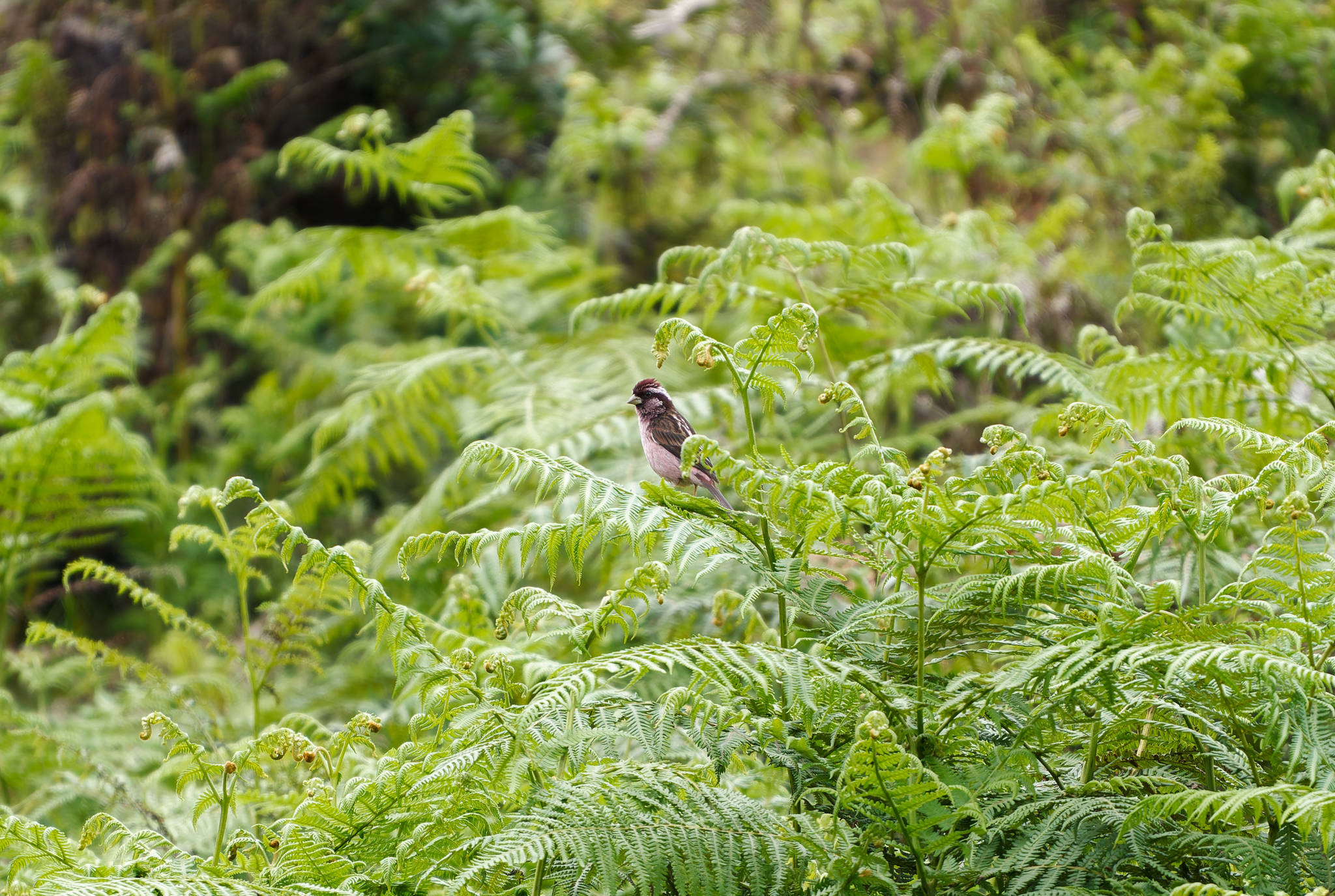
The species occurs in southern and western Sichuan and northeastern Yunnan provinces in China, extending into far northern Myanmar. During the breeding season, it inhabits forest edges, second growth, and shrubby alpine meadows at elevations between 3,000 and 4,600 meters. In winter, it descends to lower altitudes between 2,100 and 2,900 meters, where it frequents mixed forests, grassy hillsides with bushes, and bamboo thickets. Its presence in Myanmar may be limited to non-breeding seasons, making it a potential visitor rather than resident there.
Behavior & Ecology
This species remains poorly studied, with much of its natural history undocumented. The song is undescribed, but the call has been characterized as a short, sharp, or piercing metallic 'spink spink' note. Breeding behavior and diet have not been documented in detail. Like other rosefinches, it likely feeds on seeds and plant material, but specific food preferences remain unknown. Social behavior during non-breeding periods is unrecorded, though it likely occurs in small groups or pairs. The species is generally encountered alone or in loose associations rather than in large flocks.
Conservation
Classified as Least Concern on the IUCN Red List, this species is not considered globally threatened. However, it remains very poorly known throughout its range and appears to be generally scarce to rare. In northeastern Yunnan, it may be uncommon, while in northeastern Myanmar, it is possibly only a non-breeding visitor. No significant threats have been identified, and the remote nature of its habitat provides some protection. Further fieldwork is required to determine its true population status and distribution, particularly in Myanmar.
Culture
No cultural significance, folklore, or traditional stories associated with this species have been documented.
Source: Wikipedia · CC BY-SA 3.0
Taxonomy
- Order
- Passeriformes
- Family
- Fringillidae
- Genus
- Carpodacus
- eBird Code
- spwros3
Distribution
southwestern China (far southeastern Tibet to northern Yunnan); winters to northern Myanmar
Data Sources
Species description from Wikipedia, licensed under CC BY-SA 3.0.
Bird images and sounds sourced from GBIF, contributed by citizen scientists worldwide under Creative Commons licenses.
Taxonomy data from AviList 2025.