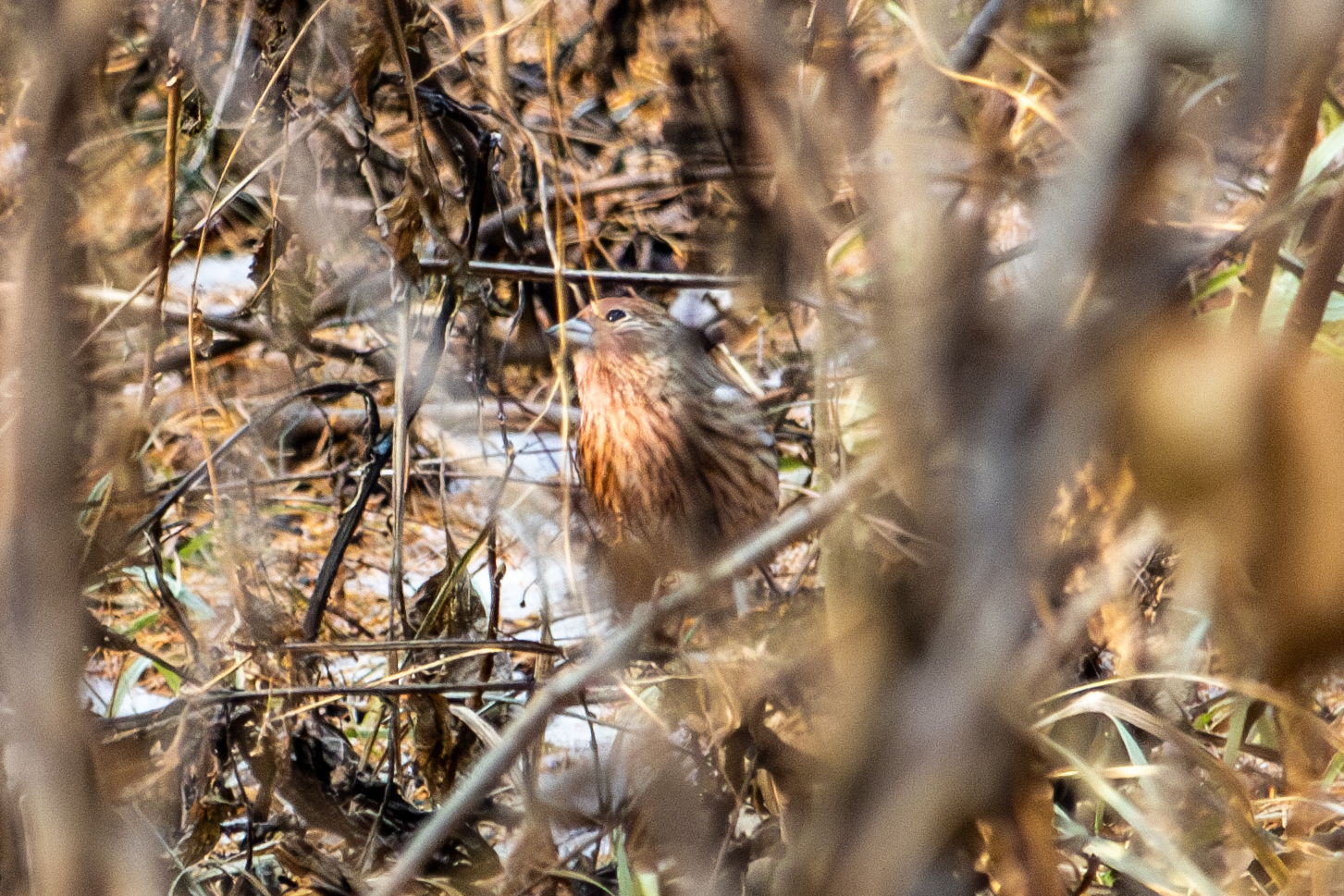
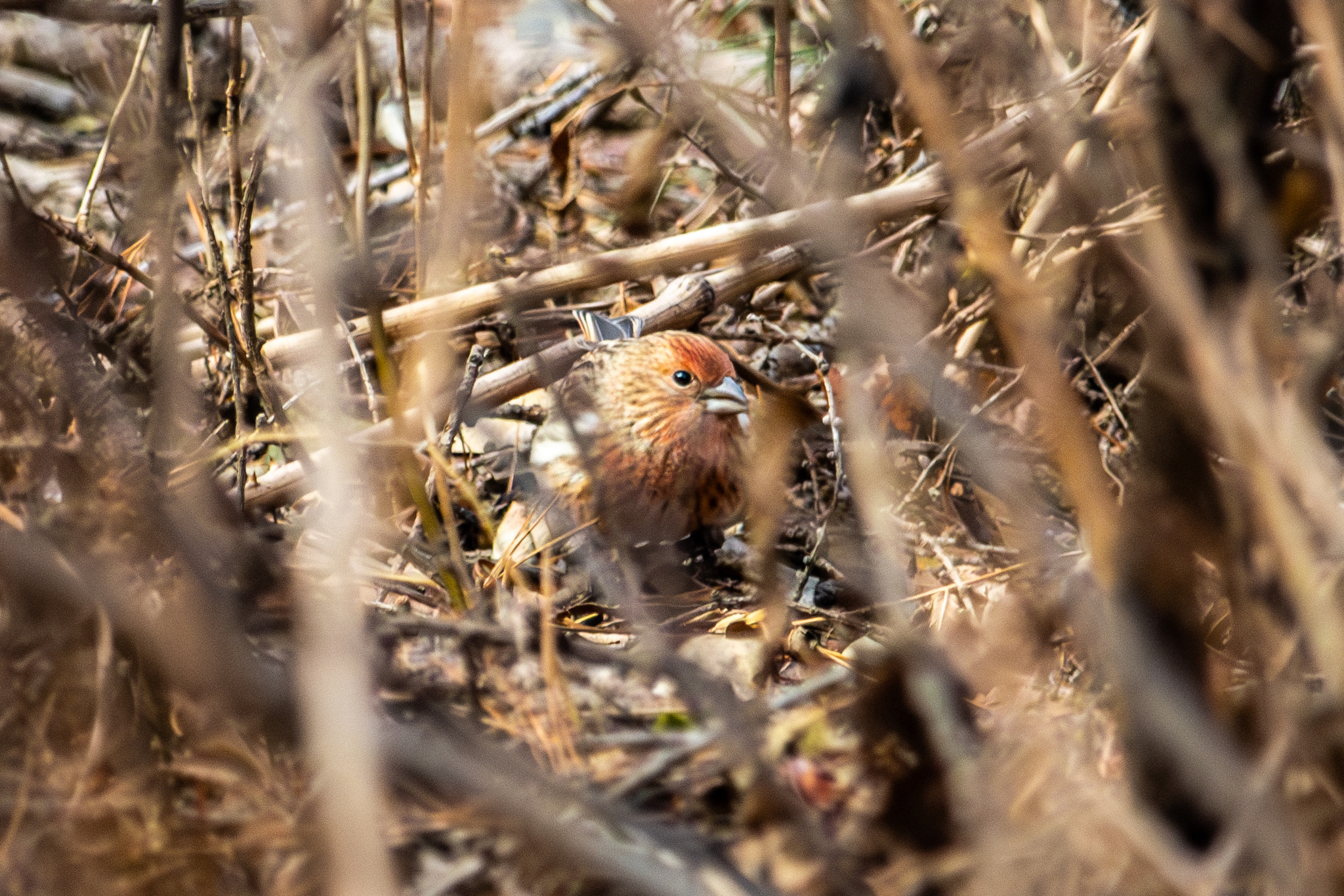
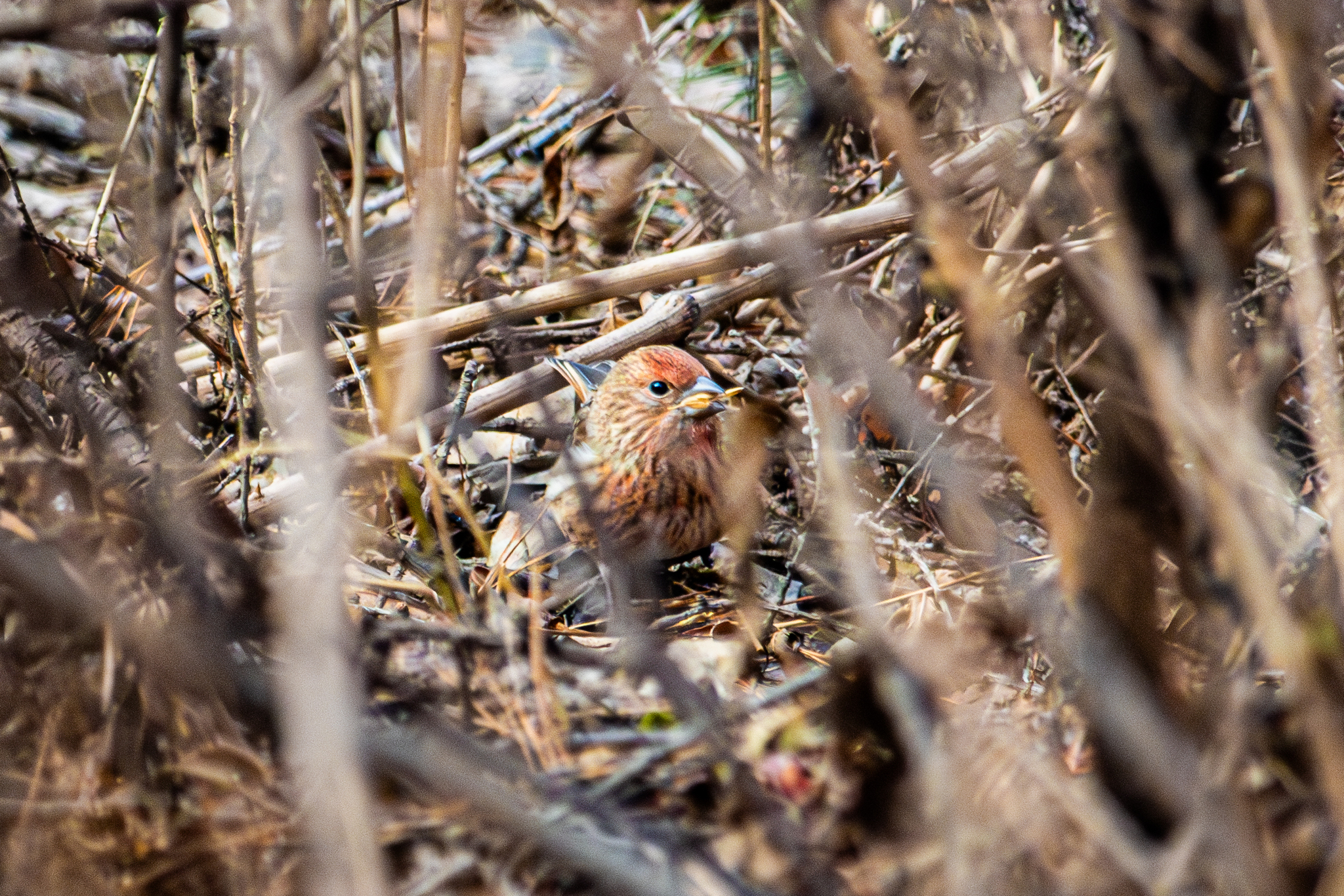
Pallas's Rosefinch
Carpodacus roseus
北朱雀
Introduction
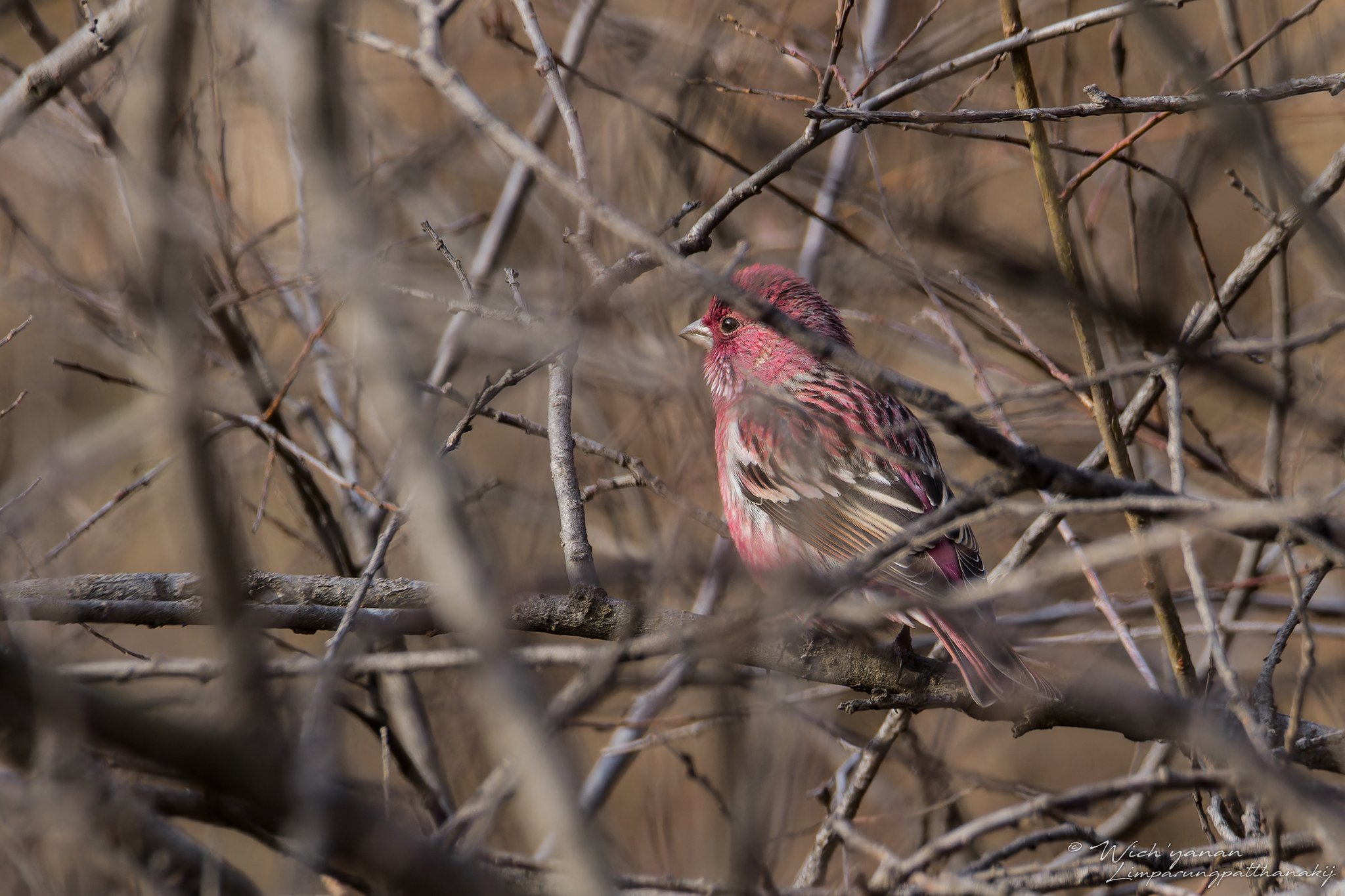
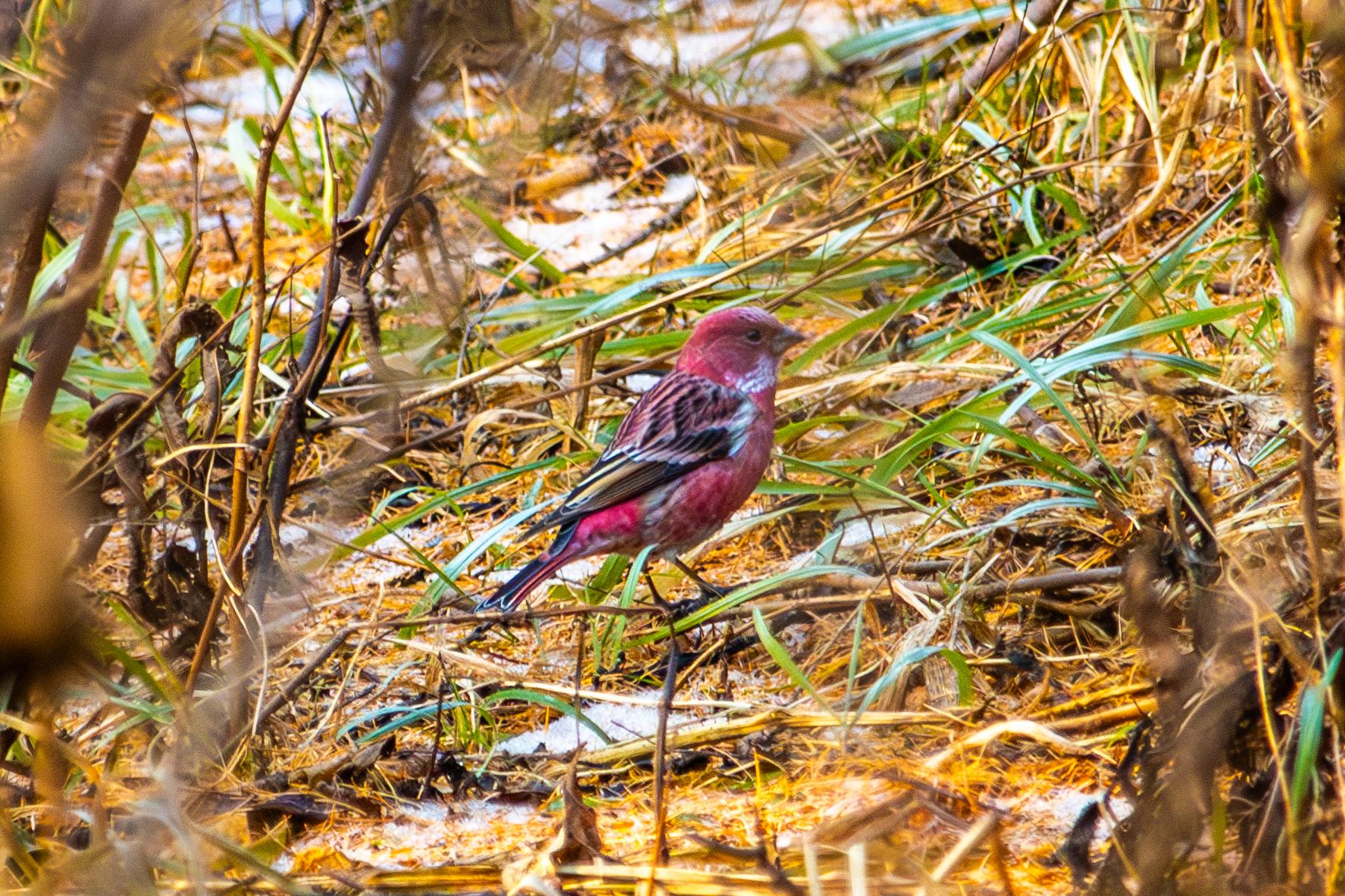
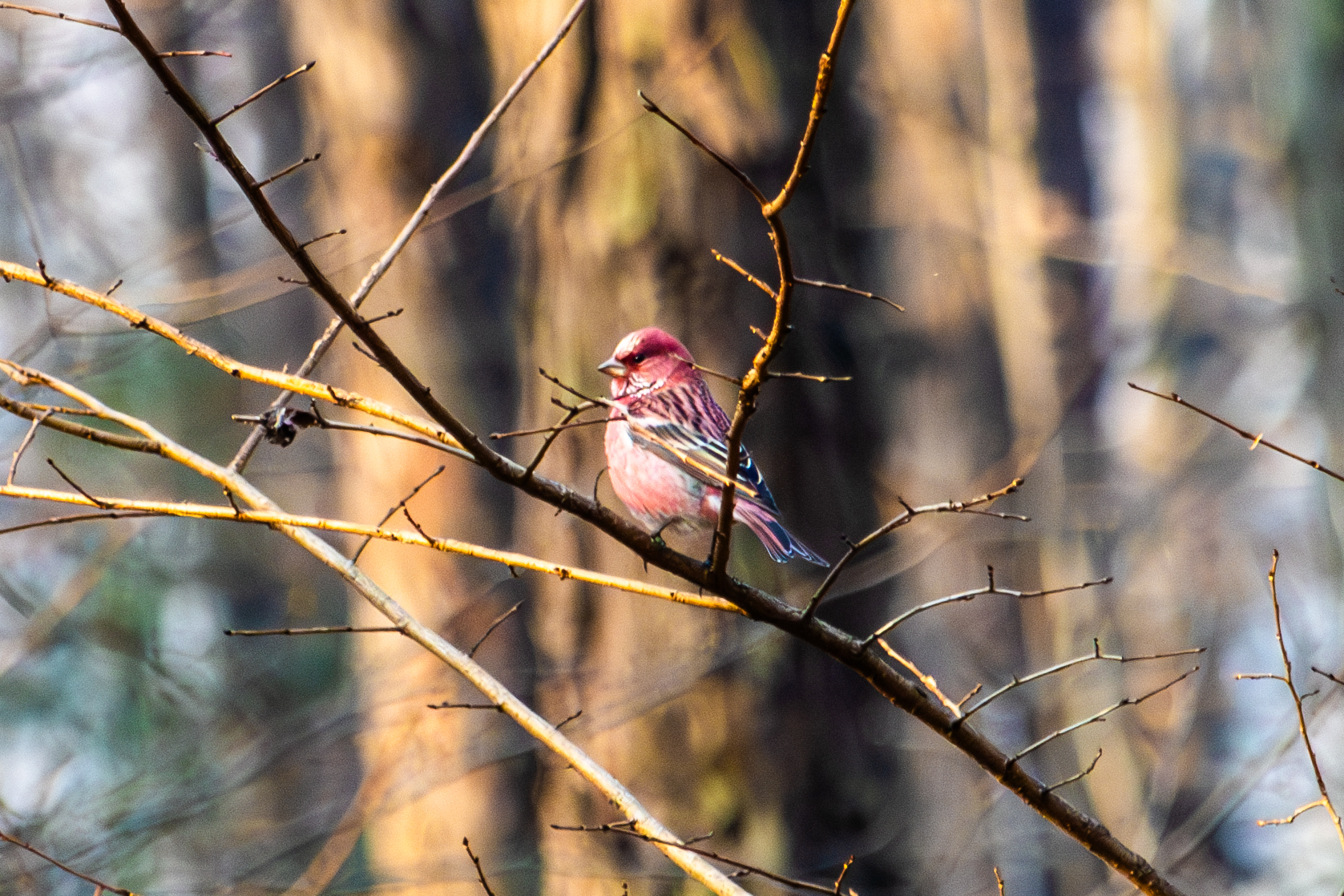
The Long-tailed Rosefinch (Carpodacus sibiricus) is a medium-large, slender finch measuring 16-17 cm in length, characterized by a long notched tail and a short, conical grayish bill adapted for seed consumption. It inhabits boreal forests and shrublands across East Asia, ranging from Central and Southeastern Russia through Mongolia to China and Japan. Males exhibit rose-red coloration on the breast and head, with white spots on the crown and throat. Females and immatures are predominantly brown with a white belly, streaked breast, and reddish-brown head. Both sexes show pale wingbars. While primarily resident, it occasionally appears further west, with rare records from several European regions including Britain; however, the presence of captive-bred birds complicates assessment of vagrant individuals.
Description
A medium-large, slender finch measuring 16–17.5 cm in length with a distinctive long notched tail. The bill is short, conical, and grayish, typical of seed-eating species. Adult males are particularly striking, with rose-red plumage covering the breast and head, supplemented by white spots on both the crown and throat. Females are predominantly brown overall, featuring a white belly and heavily streaked breast, while the head shows a reddish-brown coloration. Both sexes possess pale wingbars, visible in flight and at rest. The combination of size, tail shape, and wingbar pattern helps distinguish this species from other similar finches in its range.
Distribution & Habitat
Breeds across Central and Southeastern Russia, Mongolia, and China. Wintering populations extend into Japan and throughout the species' broader East Asian range. The species inhabits boreal forest environments and adjacent boreal shrubland habitats. While primarily resident within its core range, individuals occasionally wander far beyond expected boundaries, with rare but documented records from several European regions including Britain. The origin of such western vagrants can be difficult to determine due to the cage-bird trade, which may introduce captive individuals into wild bird populations.
Source: Wikipedia · CC BY-SA 3.0
Taxonomy
- Order
- Passeriformes
- Family
- Fringillidae
- Genus
- Carpodacus
- eBird Code
- palros2
Subspecies (2)
-
Carpodacus roseus portenkoi
breeds Sakhalin; winters to southern Korea and northern Japan
-
Carpodacus roseus roseus
breeds Siberia and northern Mongolia; winters to northern China and Japan
Data Sources
Species description from Wikipedia, licensed under CC BY-SA 3.0.
Bird images and sounds sourced from GBIF, contributed by citizen scientists worldwide under Creative Commons licenses.
Taxonomy data from AviList 2025.