Pink-browed Rosefinch
Carpodacus rodochroa
粉眉朱雀
Introduction
Migratory finch inhabiting the northern regions of the Indian subcontinent, including the Himalayan range in Bhutan, Tibet, India, Nepal, and Pakistan. Occupies boreal forests, shrublands, grasslands, and dry forests. Exhibits sexual dimorphism: males have raspberry-pink plumage, females are brown. Occurs at high elevations, moving seasonally between altitude zones. Forages around snow melt edges.
Description
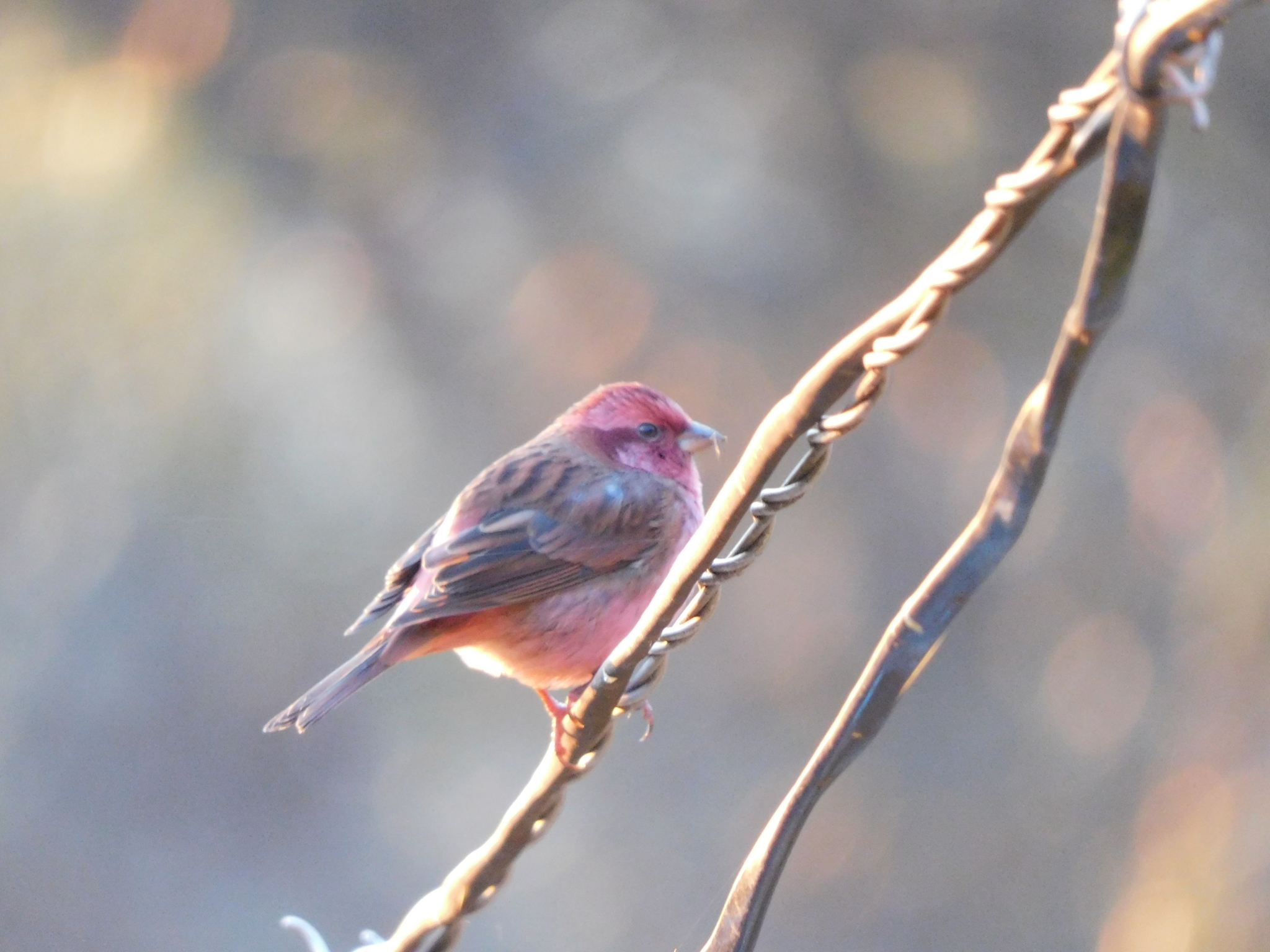
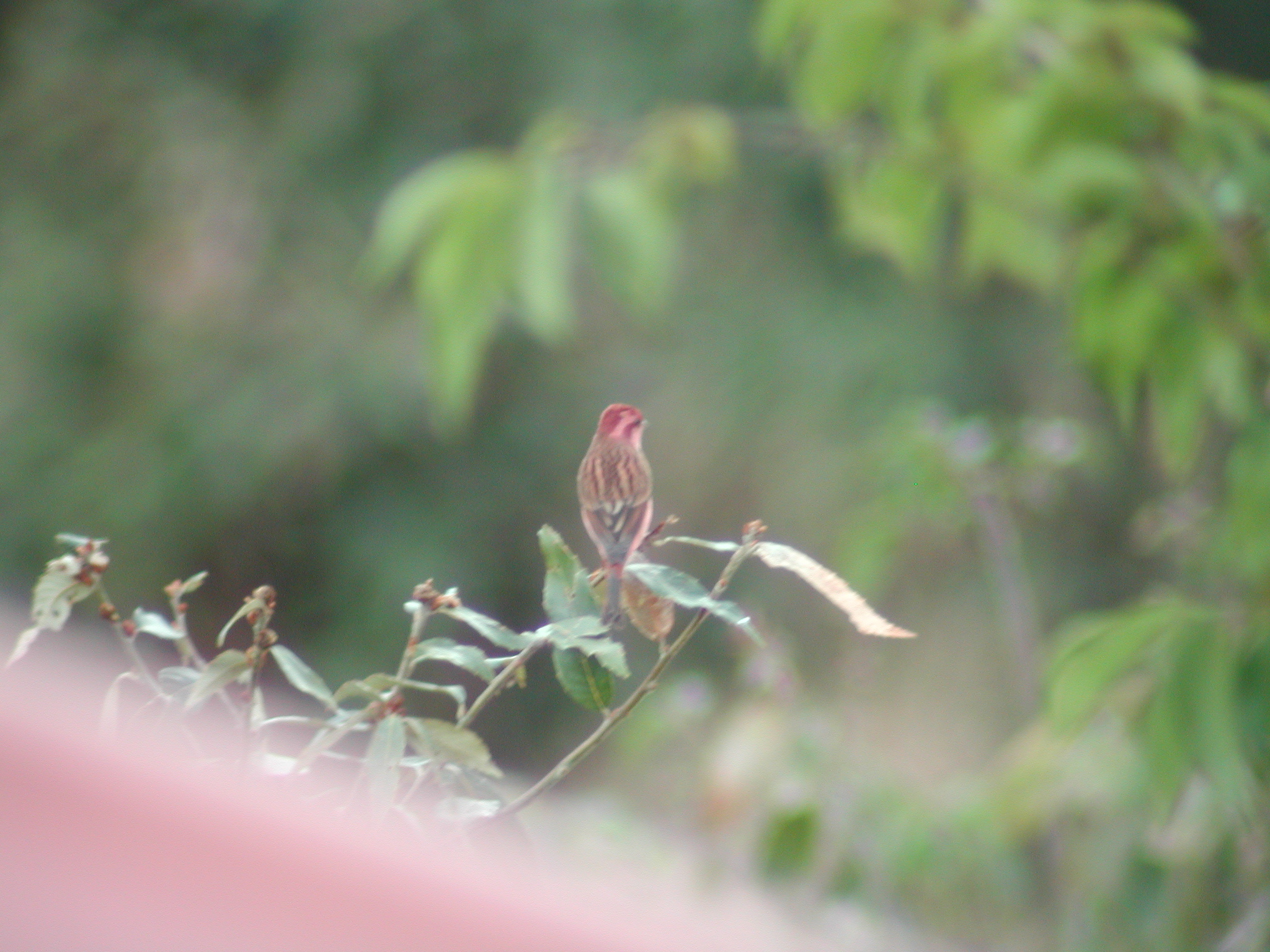
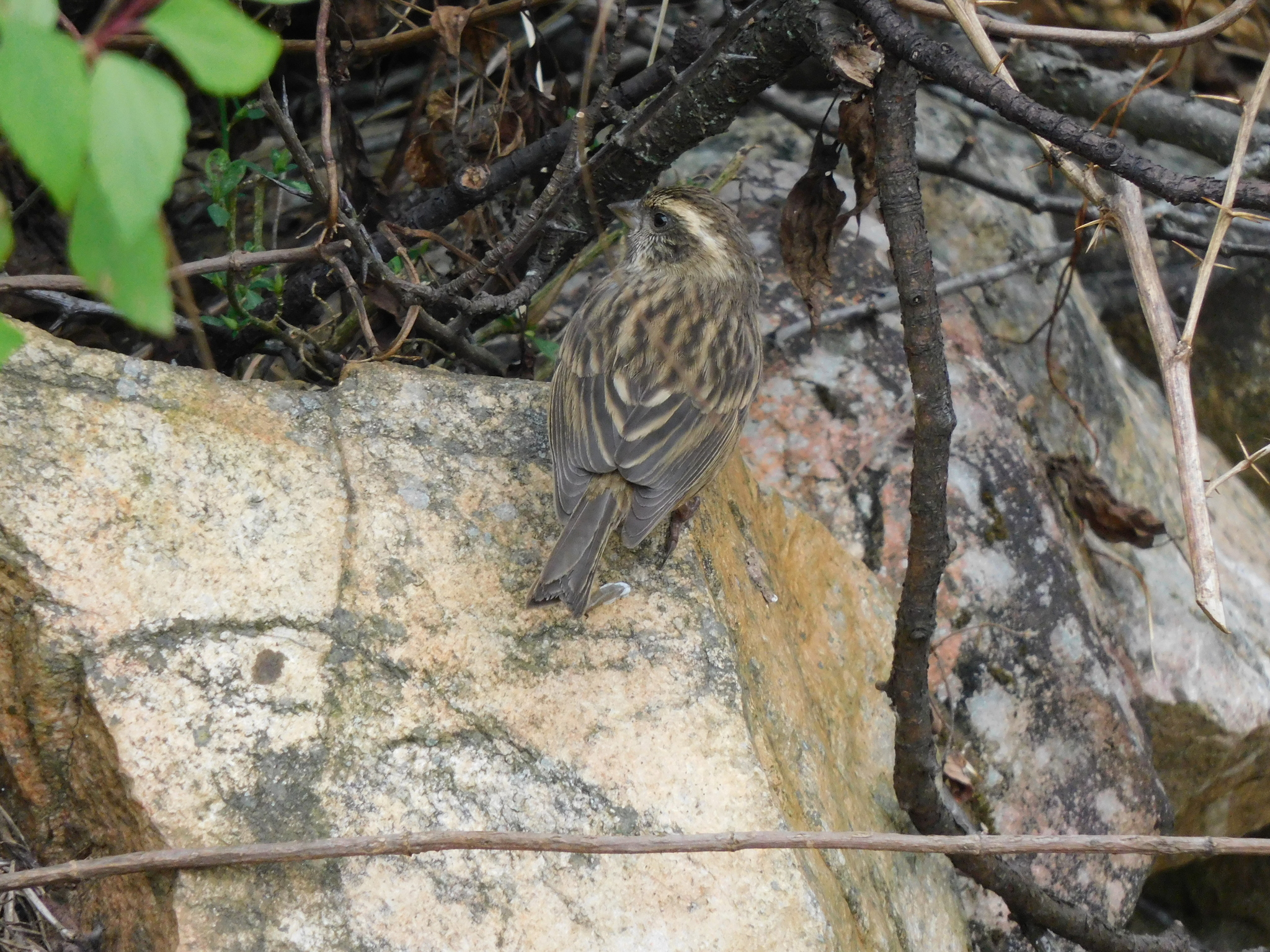
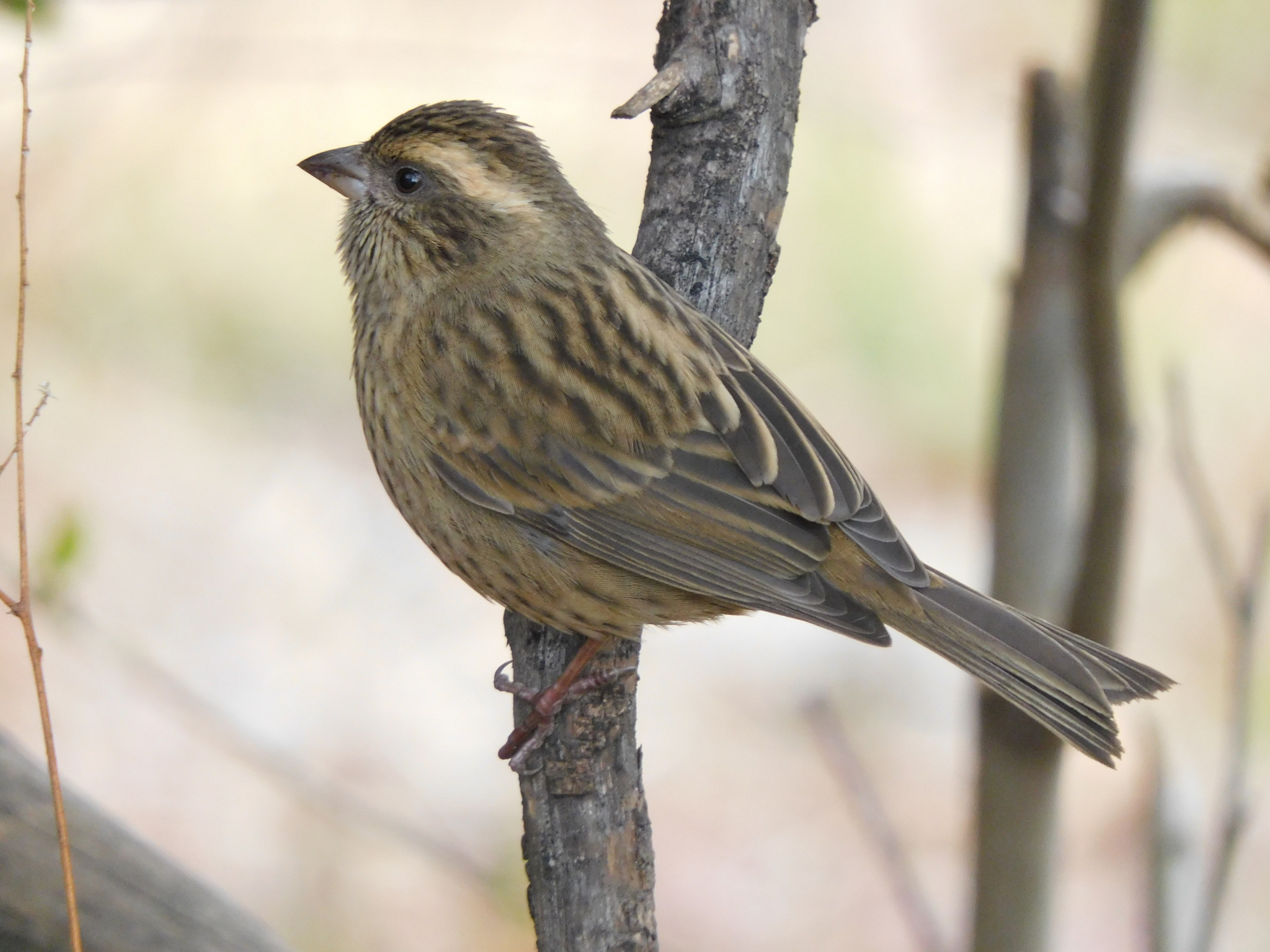
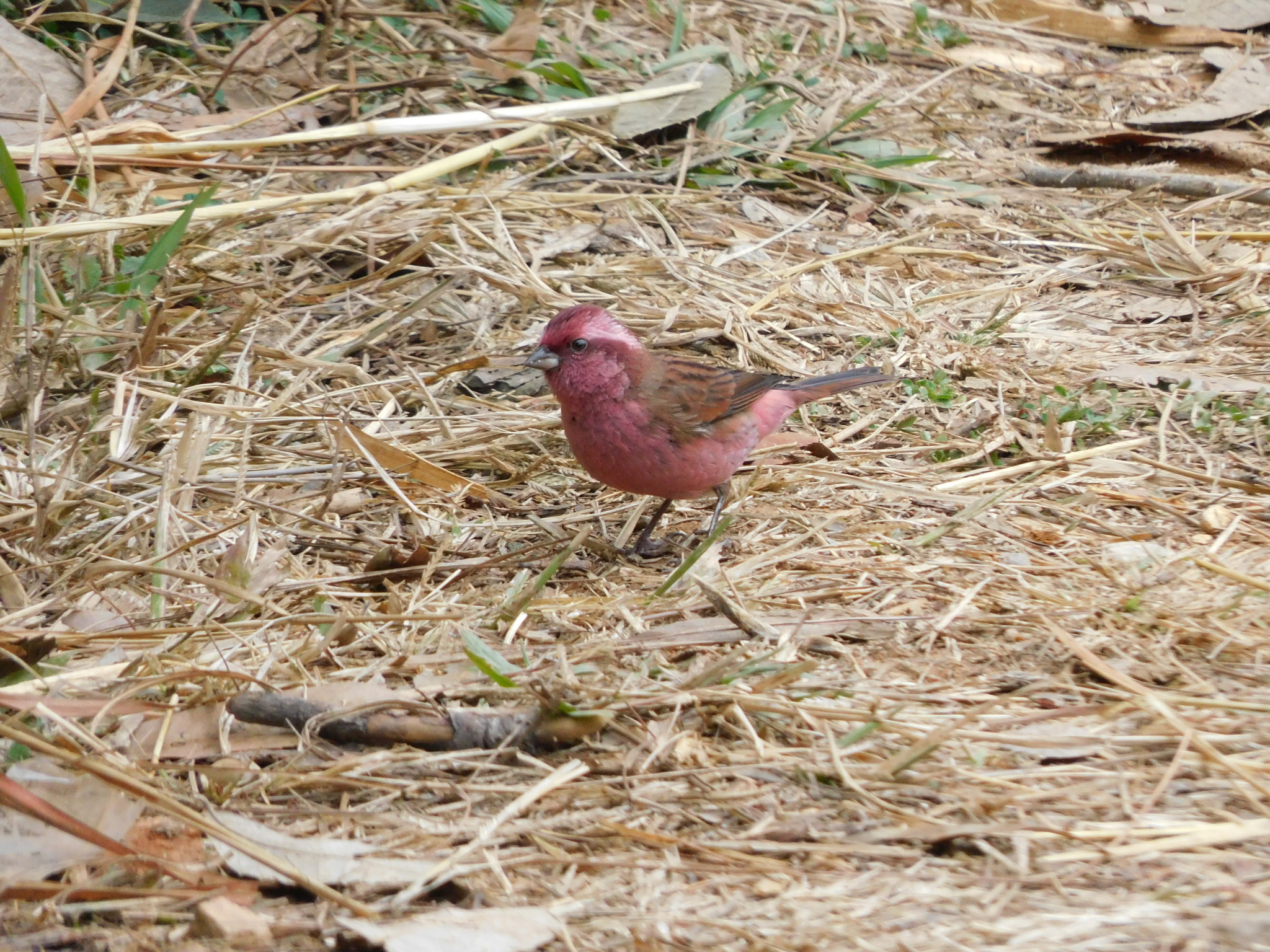
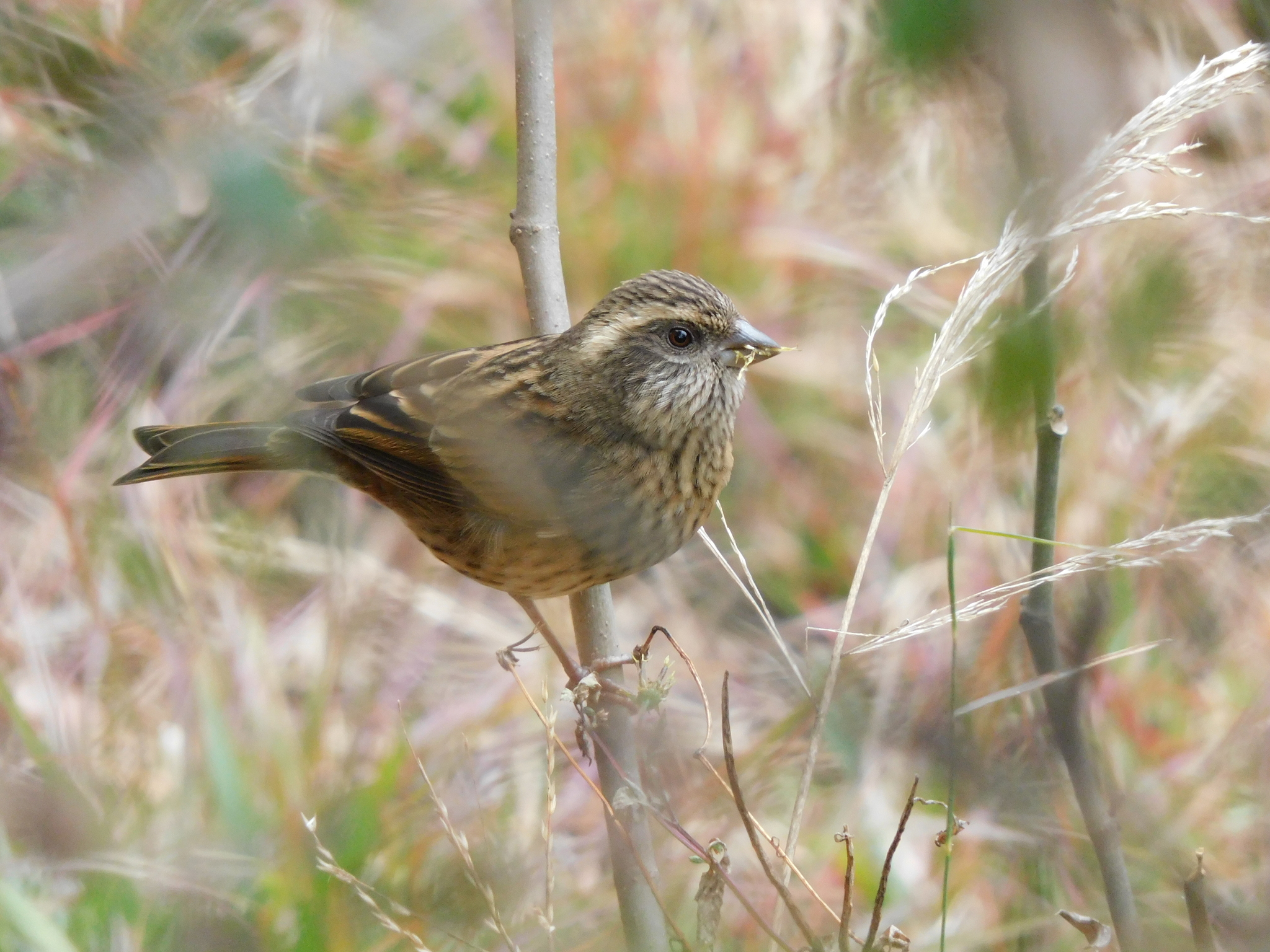
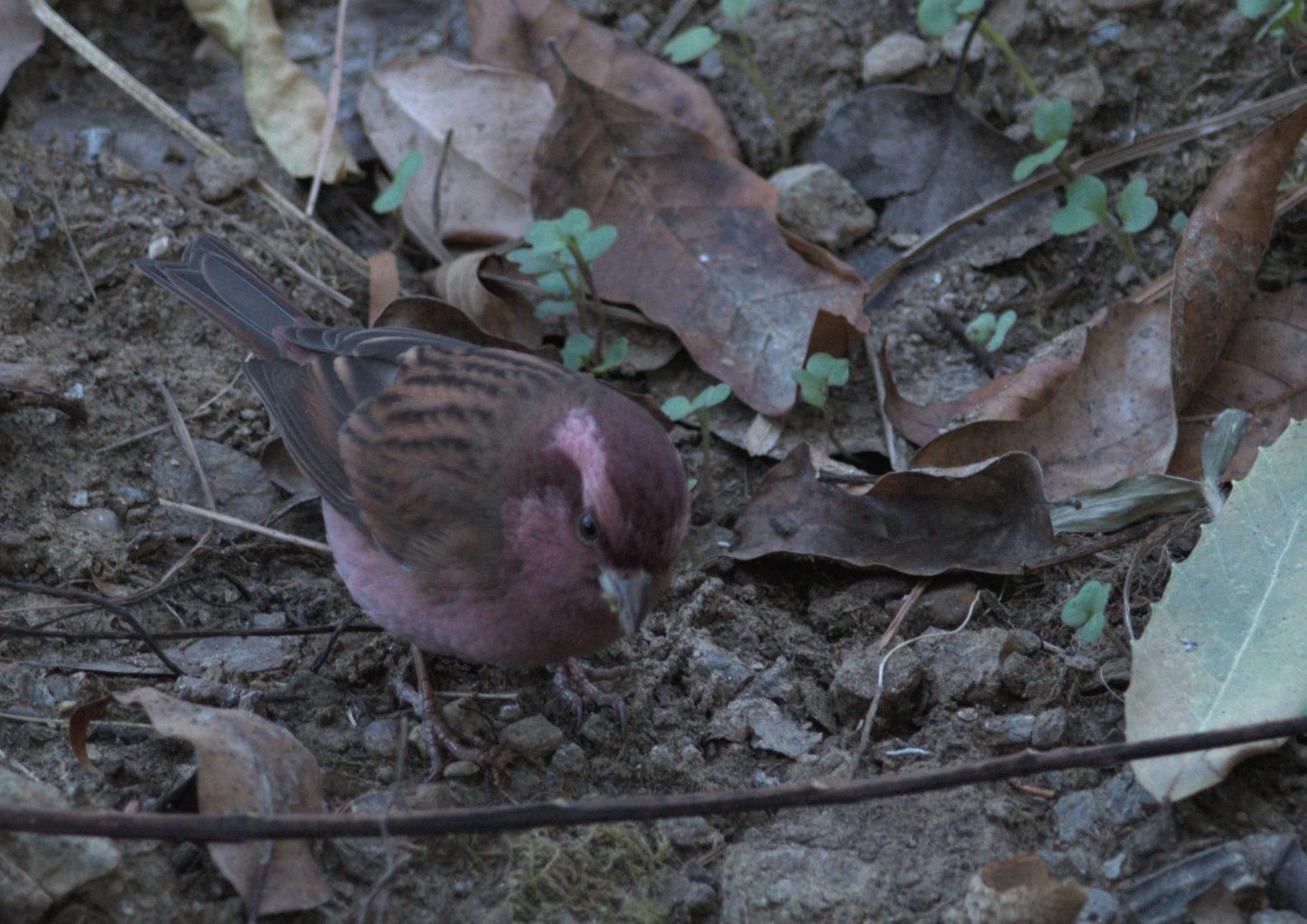
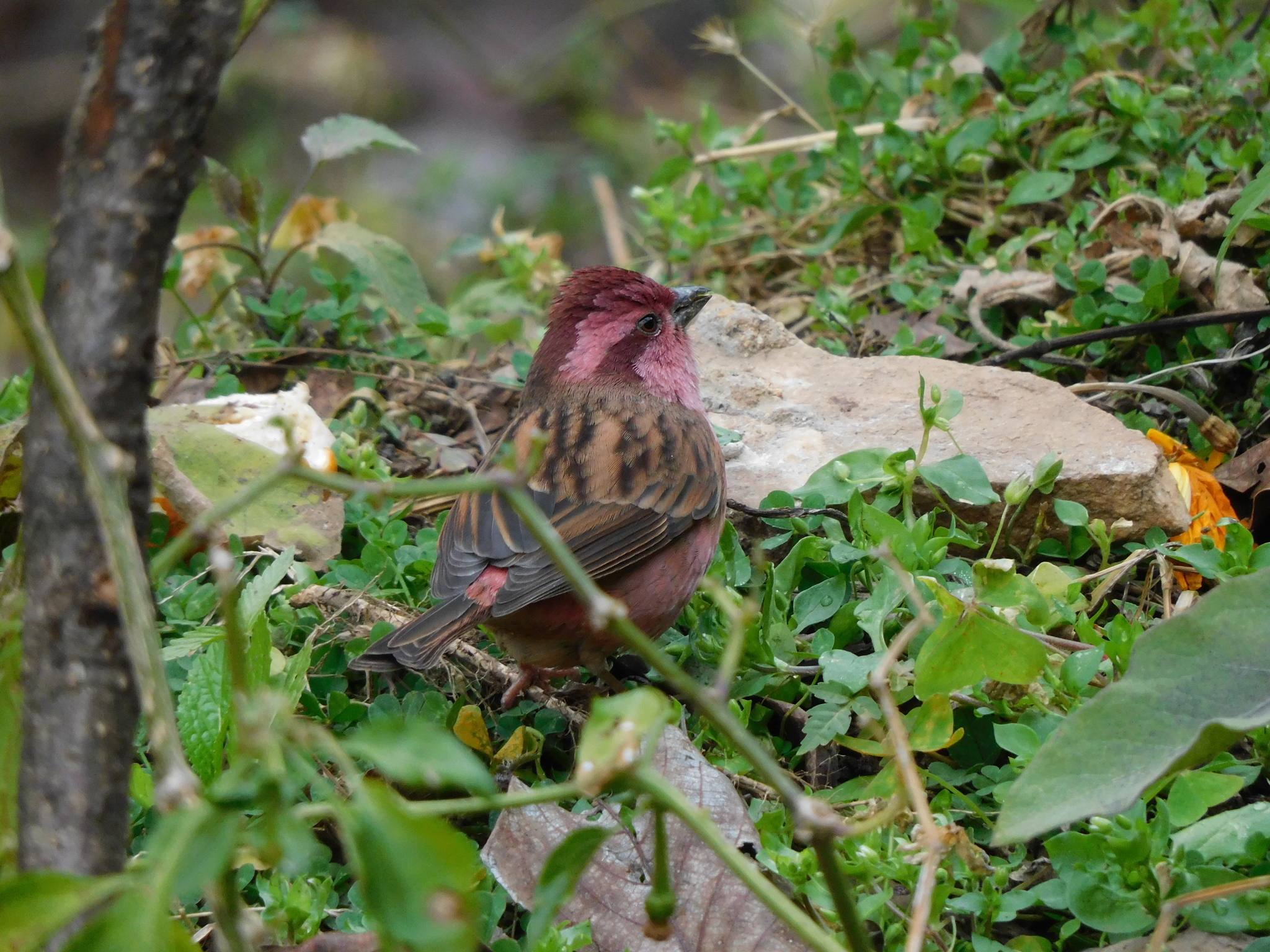
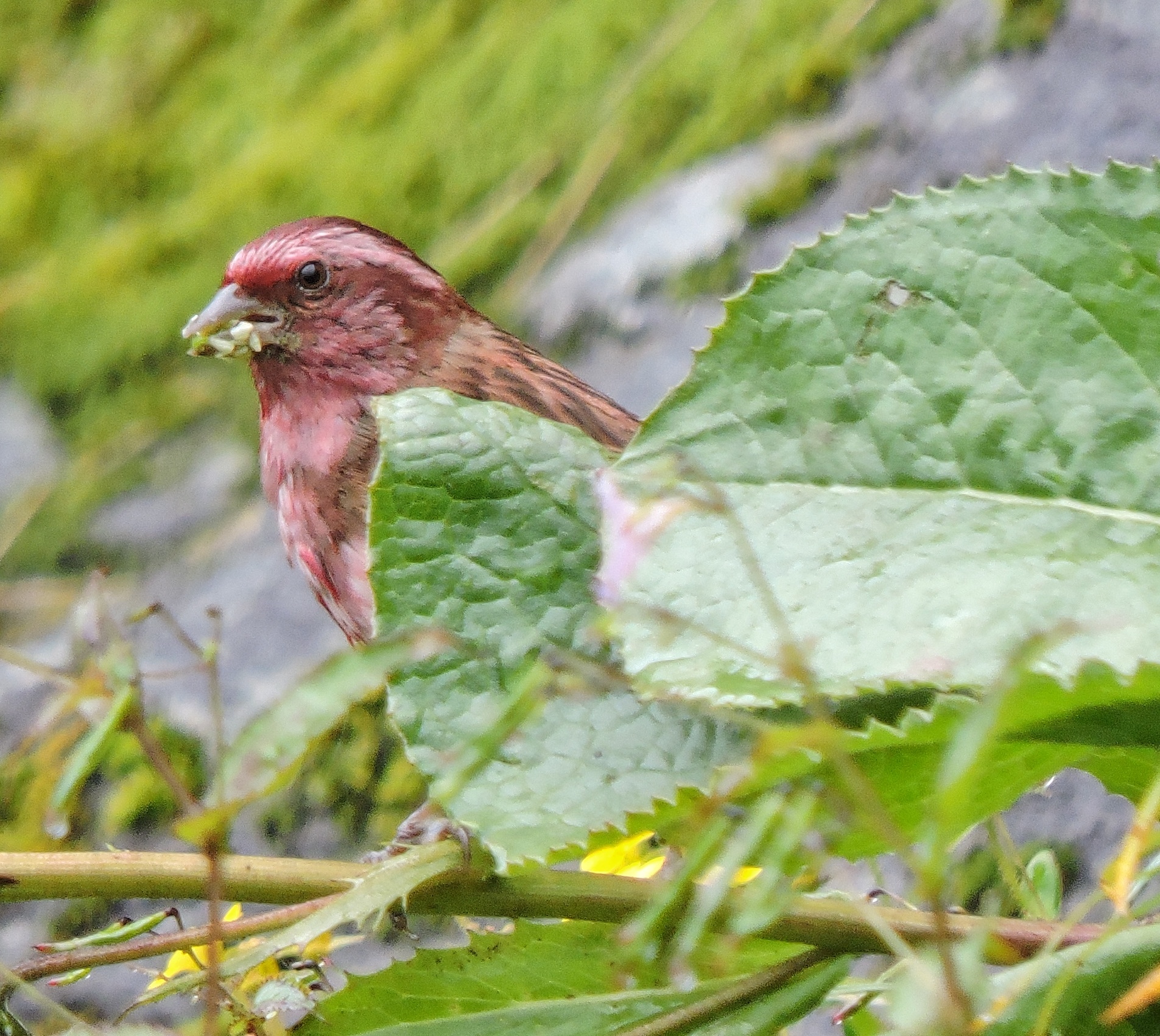
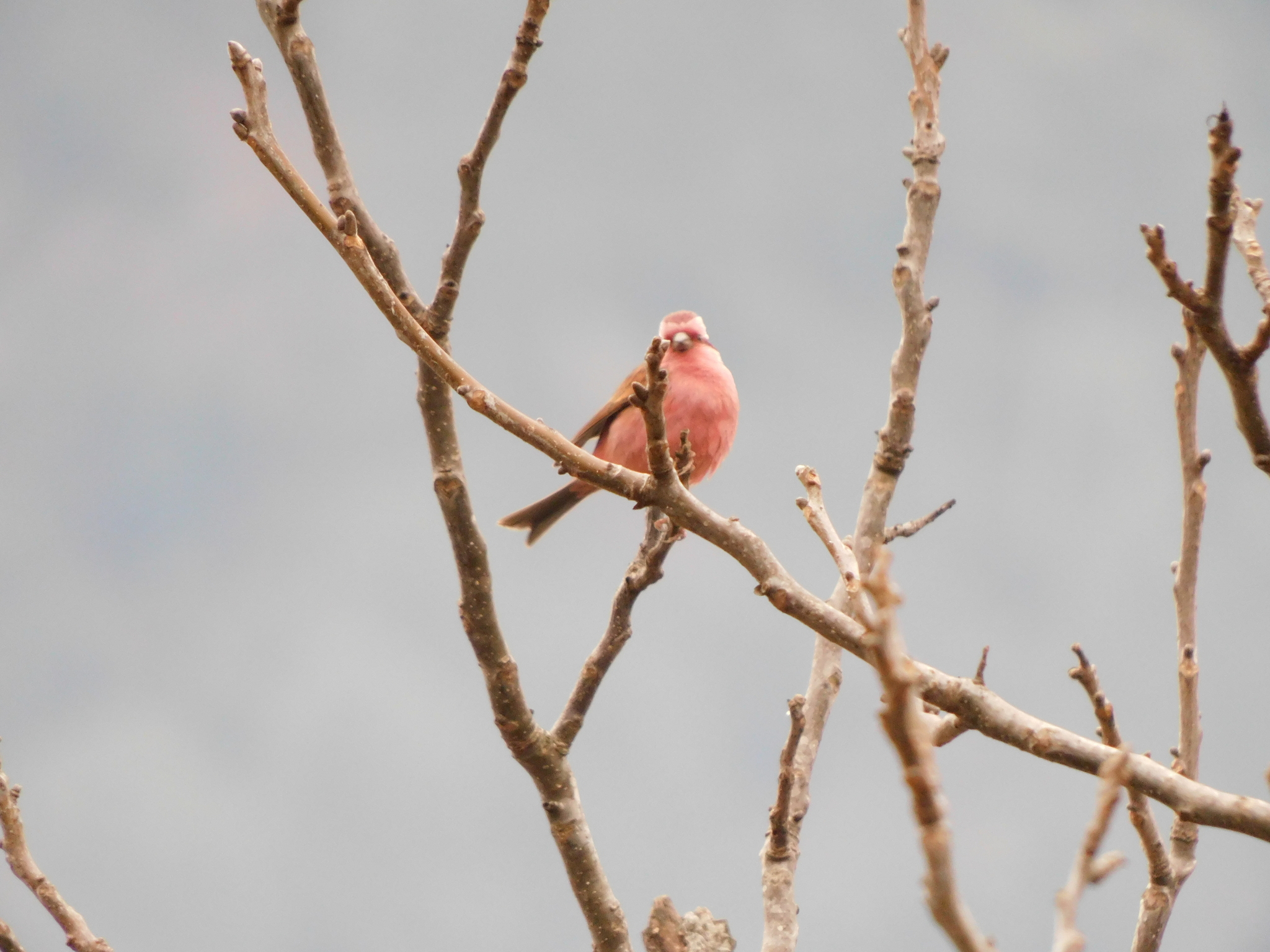
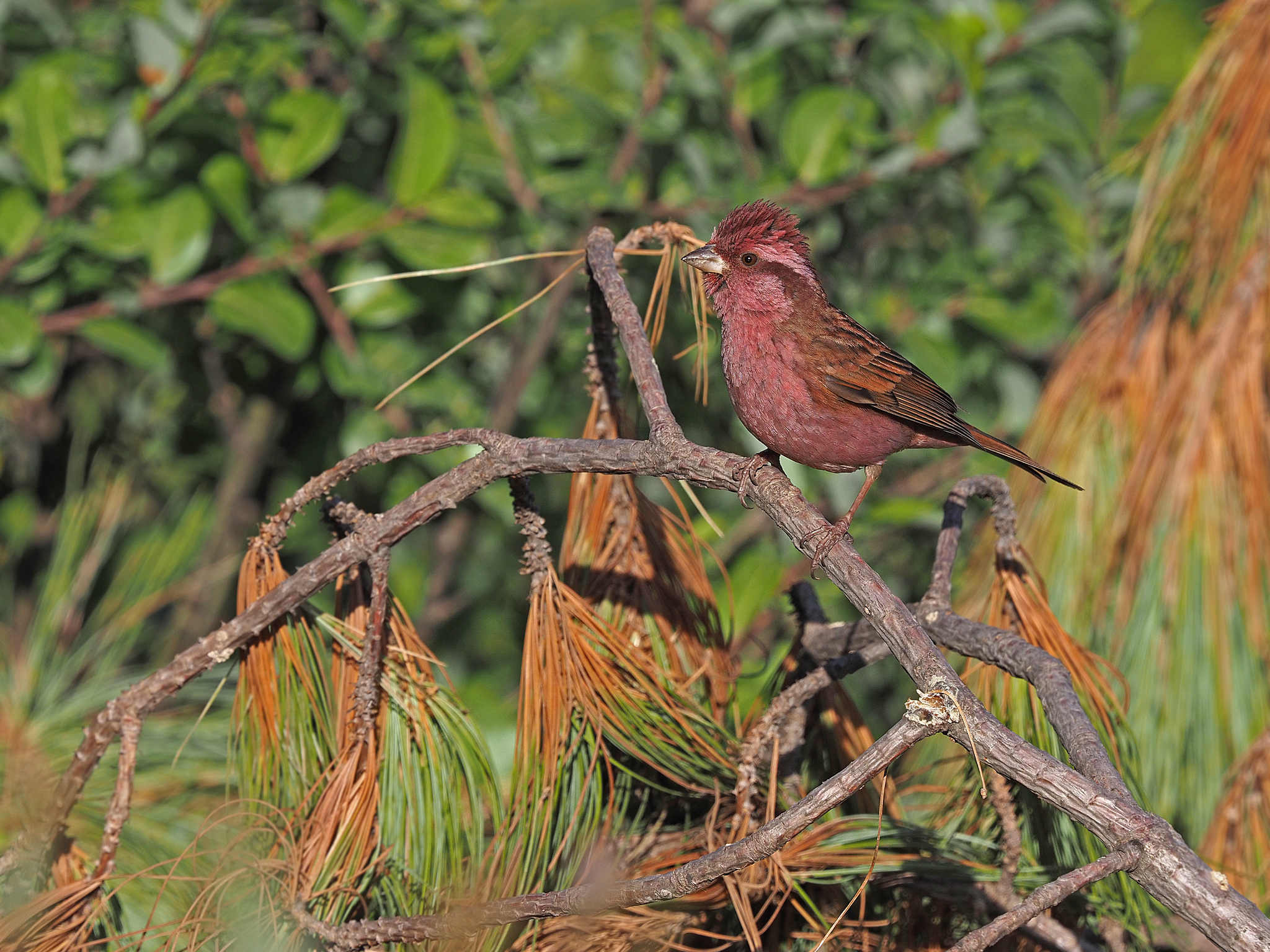
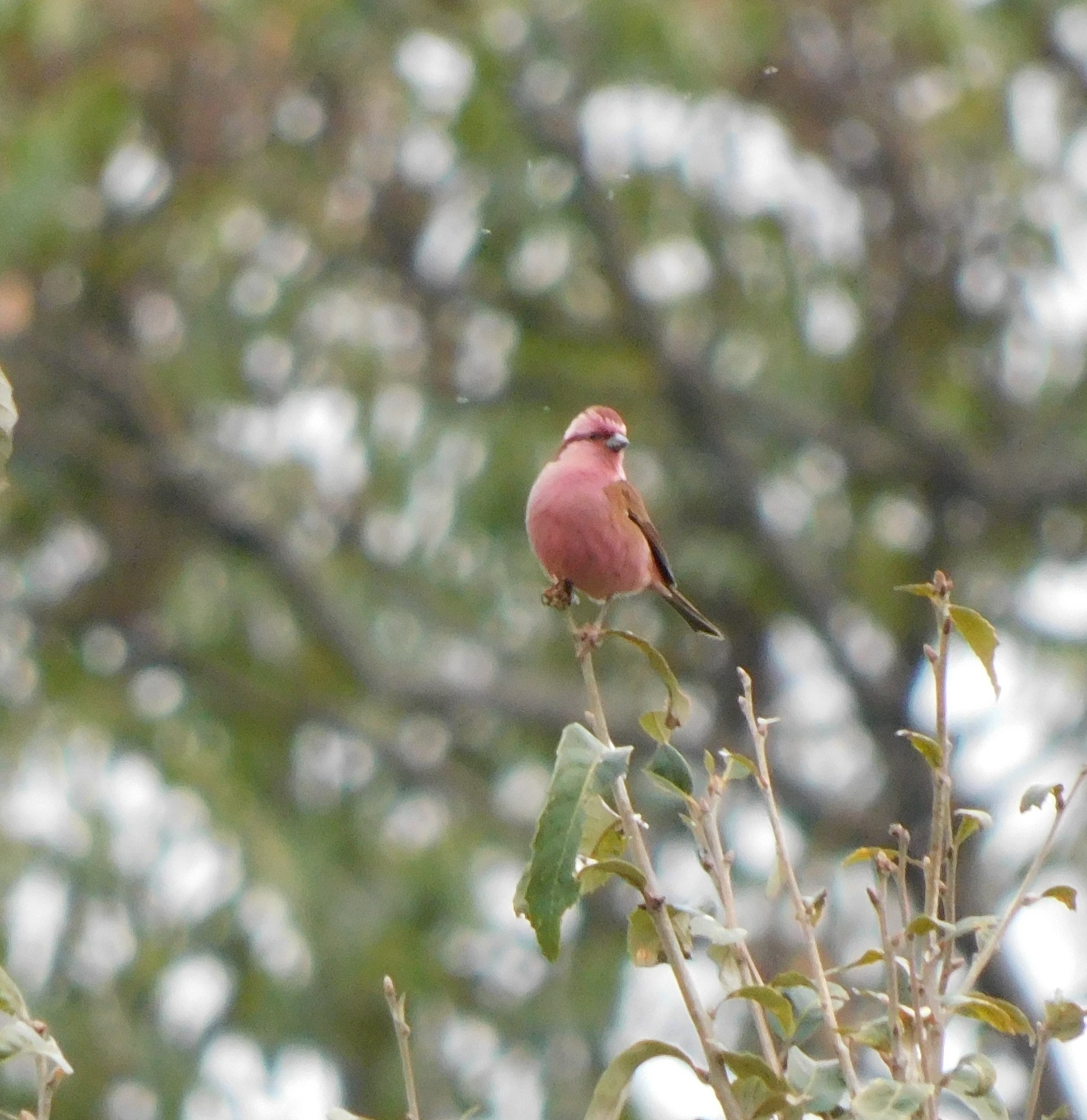
A medium-sized finch measuring 14-15 centimeters in length and weighing 16-20 grams. This slender species has a pointed beak, indented tail, and black eyes. Adult males are distinctive with bright raspberry-pink coloration, featuring characteristic eyestripe and 'browed' facial patterns. The underparts show reddish-brown tones with mauve breast and upper belly, fading to white or pale pink toward the undertail. Legs are pale brown. Females lack pink coloration entirely, appearing streaked brown or blackish with only light pink streaking. They possess white eyebrows rather than the male's facial patterns, with a darker gray head and neck, dark brown tail, and dark brown streaks on the lower throat.
Identification
The male is unmistakable with its bright raspberry-pink plumage and distinctive browed facial pattern. Females can be identified by their streaked brown appearance combined with broad white eyebrows, distinguishing them from similar rosefinch species. The combination of white eyebrow and streaked cheeks/throat in females is a key field mark. The medium size and slender build with indented tail help differentiate it from other rosefinches in the Himalayas.
Distribution & Habitat
This species ranges across South and East Asia, occurring in Bhutan, China, India, Nepal, and Pakistan. It occupies a wide elevation band from 1,800 to 4,540 meters, inhabiting forests, shrublands, grasslands, and various terrestrial environments. The species is migratory, undertaking seasonal movements between lower and higher altitudes with a generation length of 4.1 years.
Behavior & Ecology
Breeding occurs from July through August. The female constructs the nest using twigs, dry plant stems, fibers, grass, birch, moss, and animal hair, laying a clutch of 4-5 turquoise-blue eggs that are either unspotted, lightly spotted, or lined with black or reddish-brown markings. The female alone incubates the eggs. The song, delivered from the tops of shrubs or low trees, consists of loud upwardly toned whistles described as 'toowhi toowhi.' Calls include loud 'per-lee' or 'chew-wee' notes and a 'sweet' sound reminiscent of the Atlantic canary. The diet consists of plants including Cyathula, Viburnum, and Ziziphus Mauritiana, with feeding occurring on the ground through hopping and shuffling movements, often near the edges of melting snow patches.
Conservation
Classified as Least Concern by the IUCN, this species has a stable population trend and shows no immediate signs of decline. The stable population is attributed to its wide distribution across multiple countries and adaptability to various mountain habitats. Generation length is approximately 4.1 years.
Source: Wikipedia · CC BY-SA 3.0
Taxonomy
- Order
- Passeriformes
- Family
- Fringillidae
- Genus
- Carpodacus
- eBird Code
- pibros2
Distribution
Himalayan fir and birch forest from Kashmir to southern Tibet
Data Sources
Species description from Wikipedia, licensed under CC BY-SA 3.0.
Bird images and sounds sourced from GBIF, contributed by citizen scientists worldwide under Creative Commons licenses.
Taxonomy data from AviList 2025.