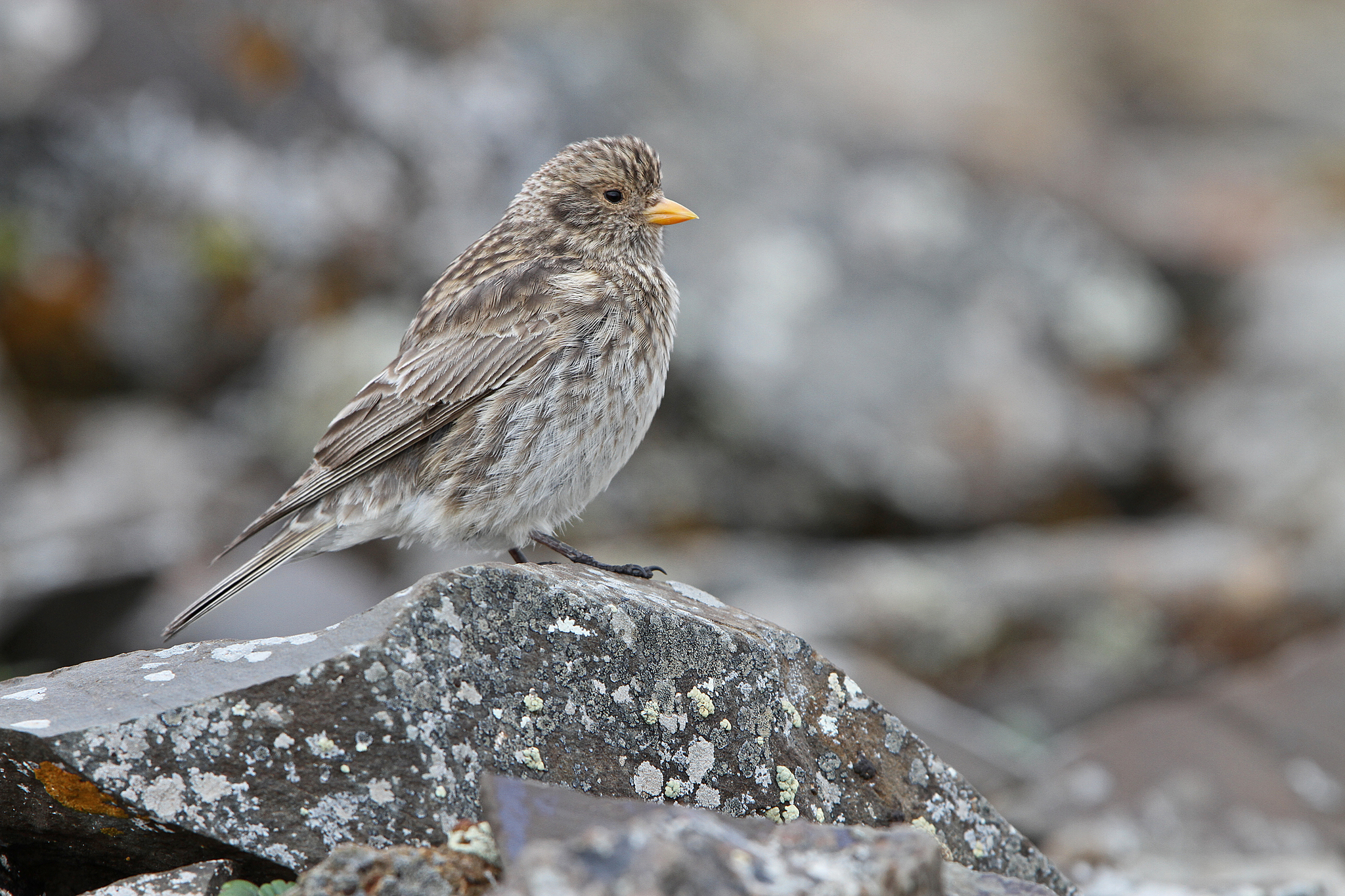
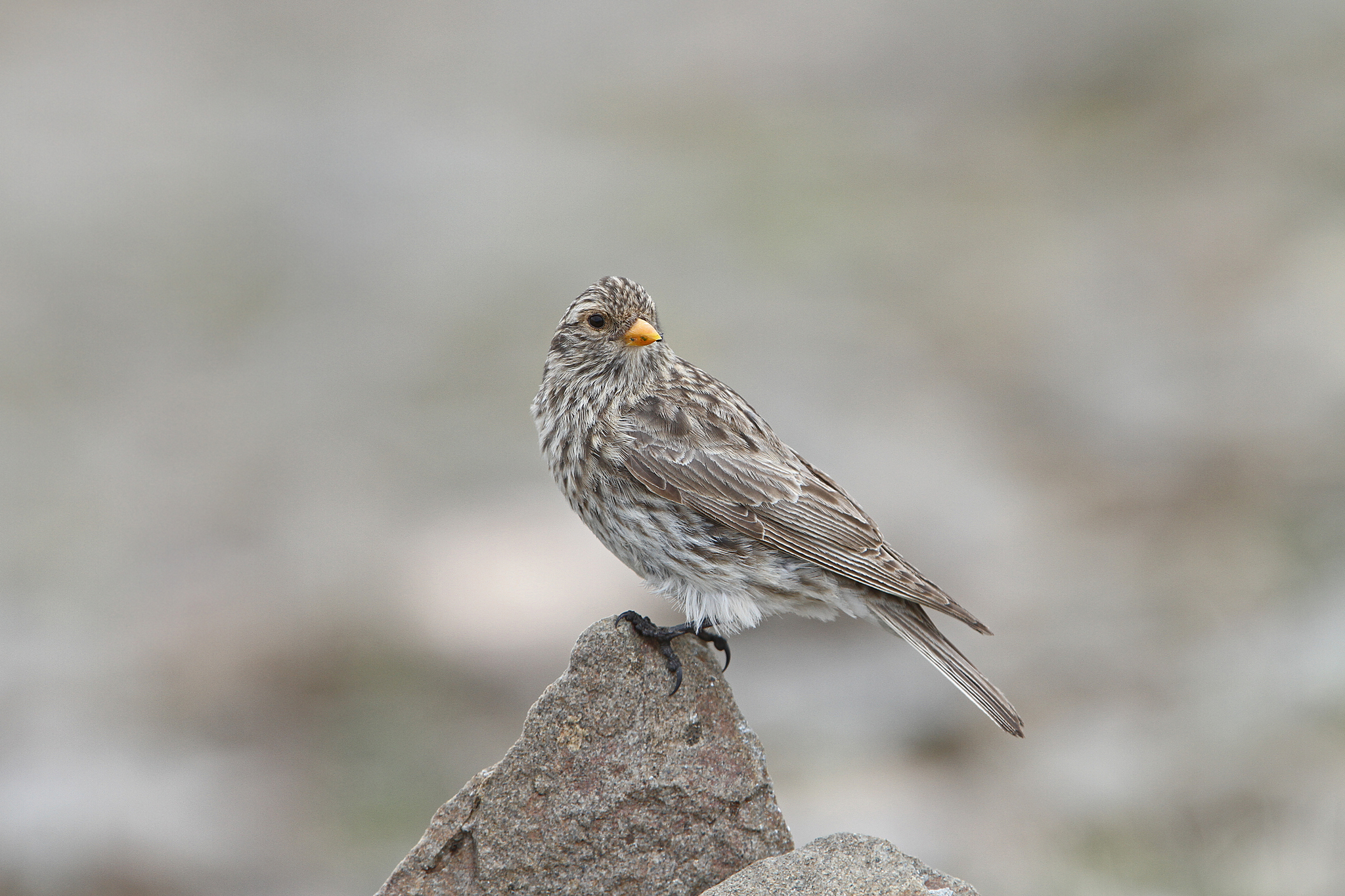


Tibetan Rosefinch
Carpodacus roborowskii
藏雀
Introduction
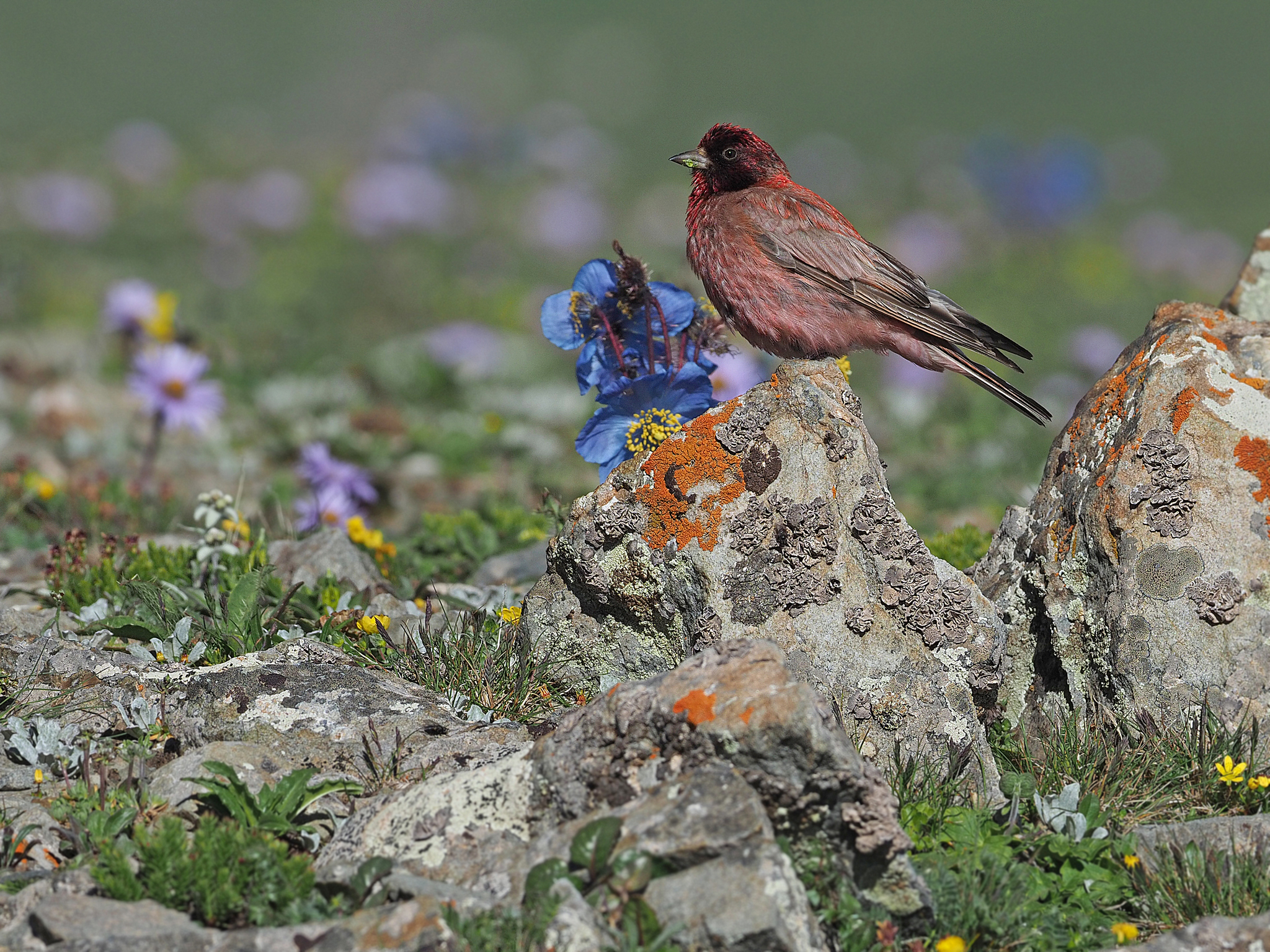
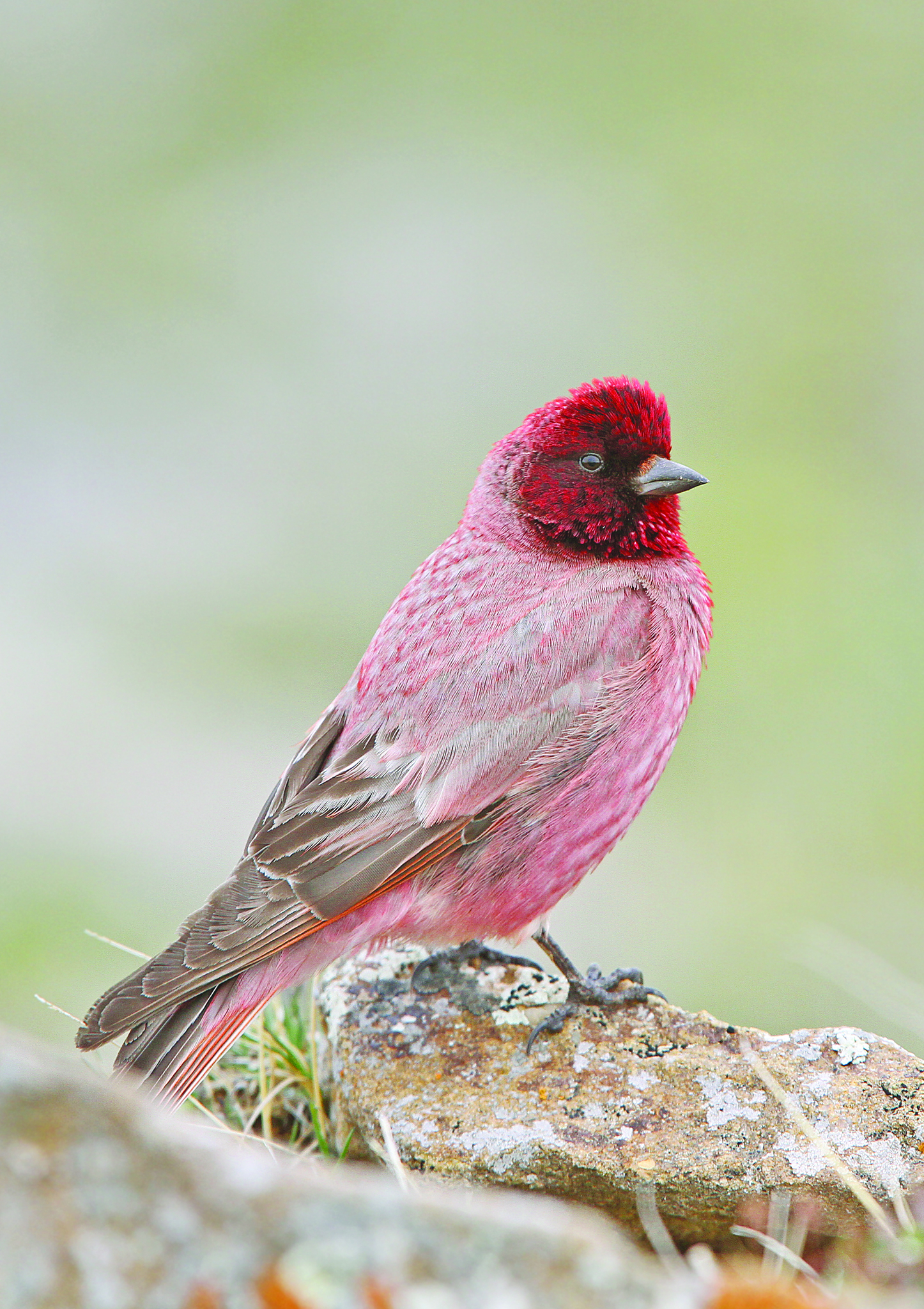
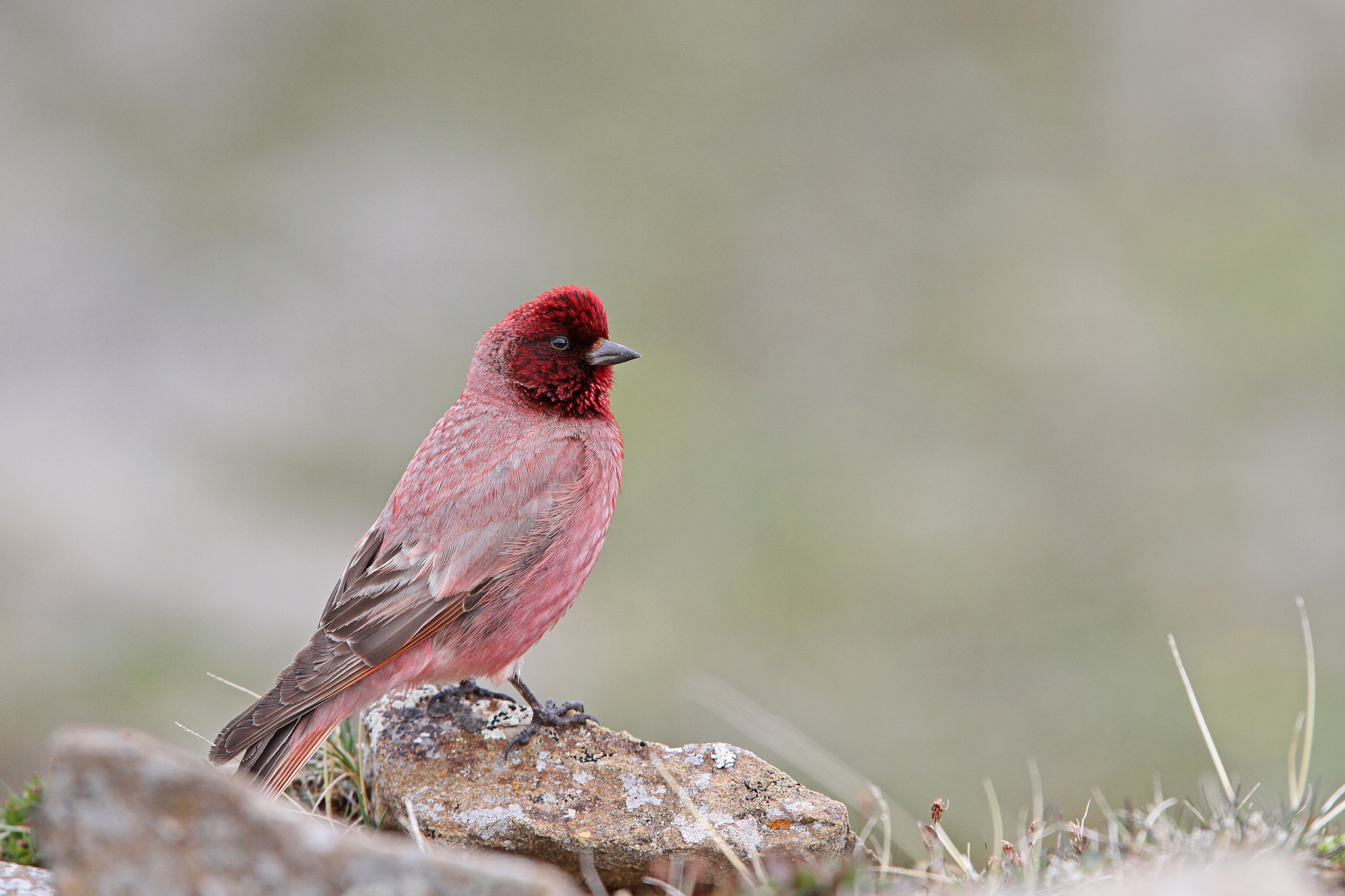
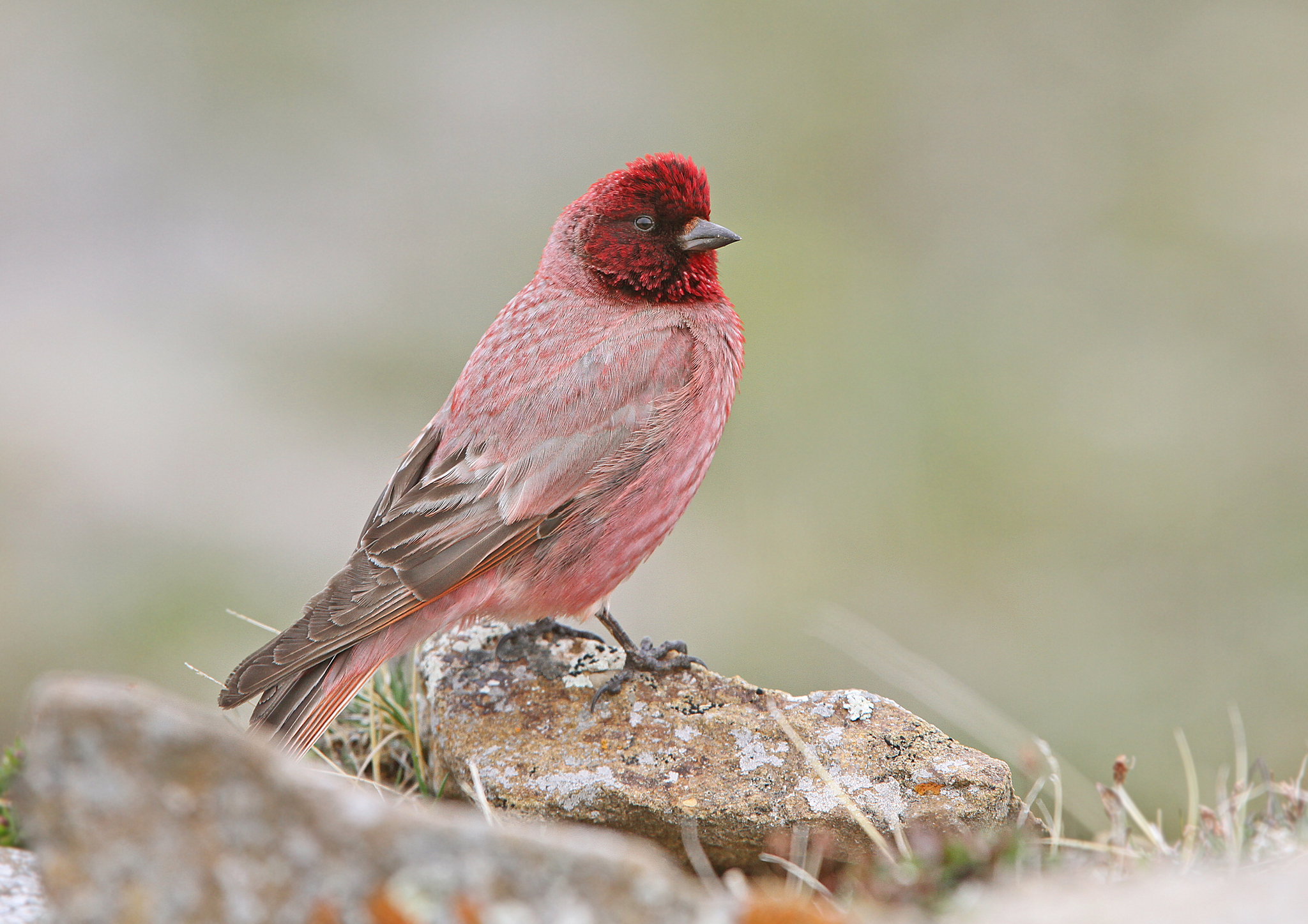
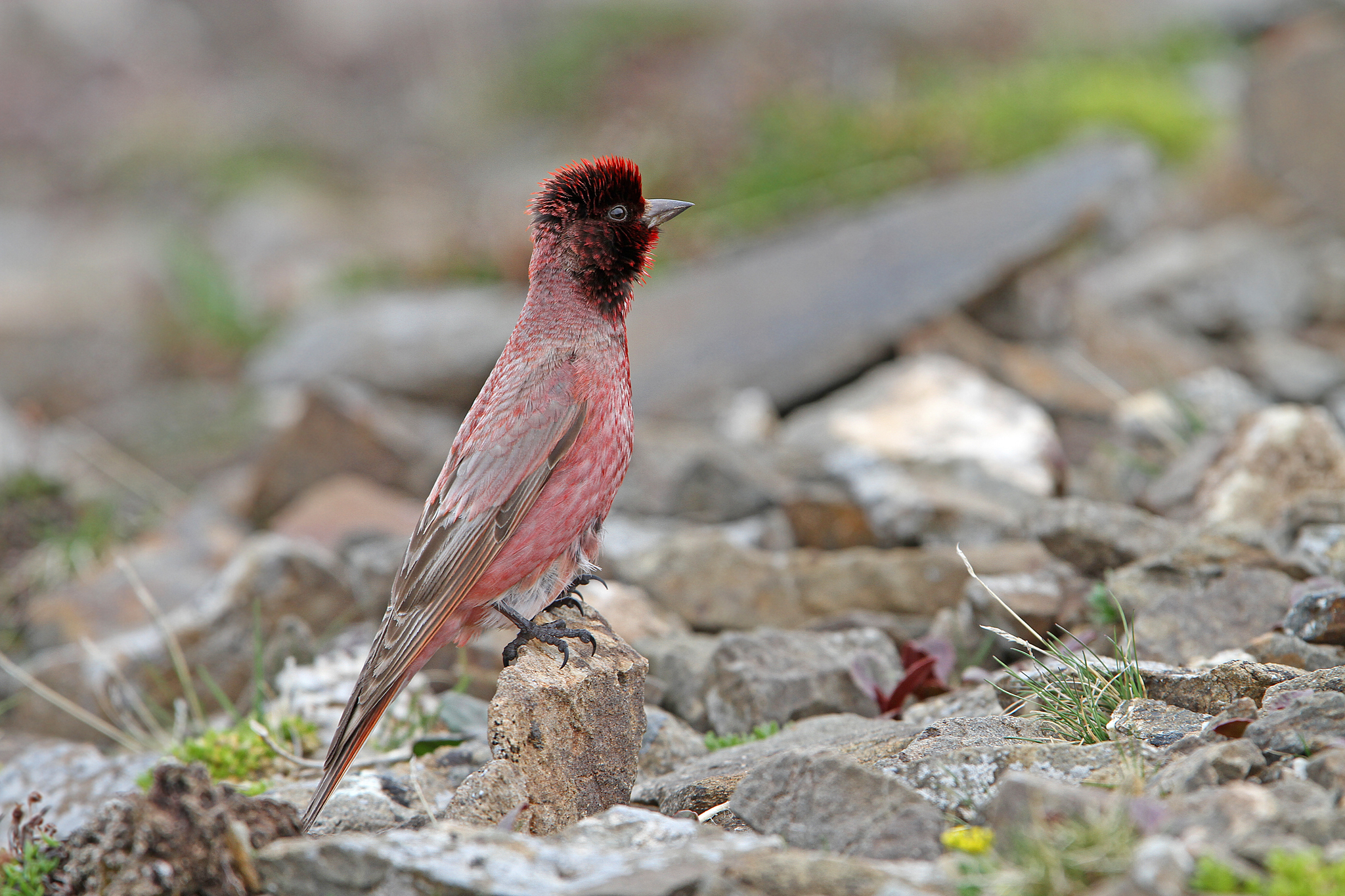
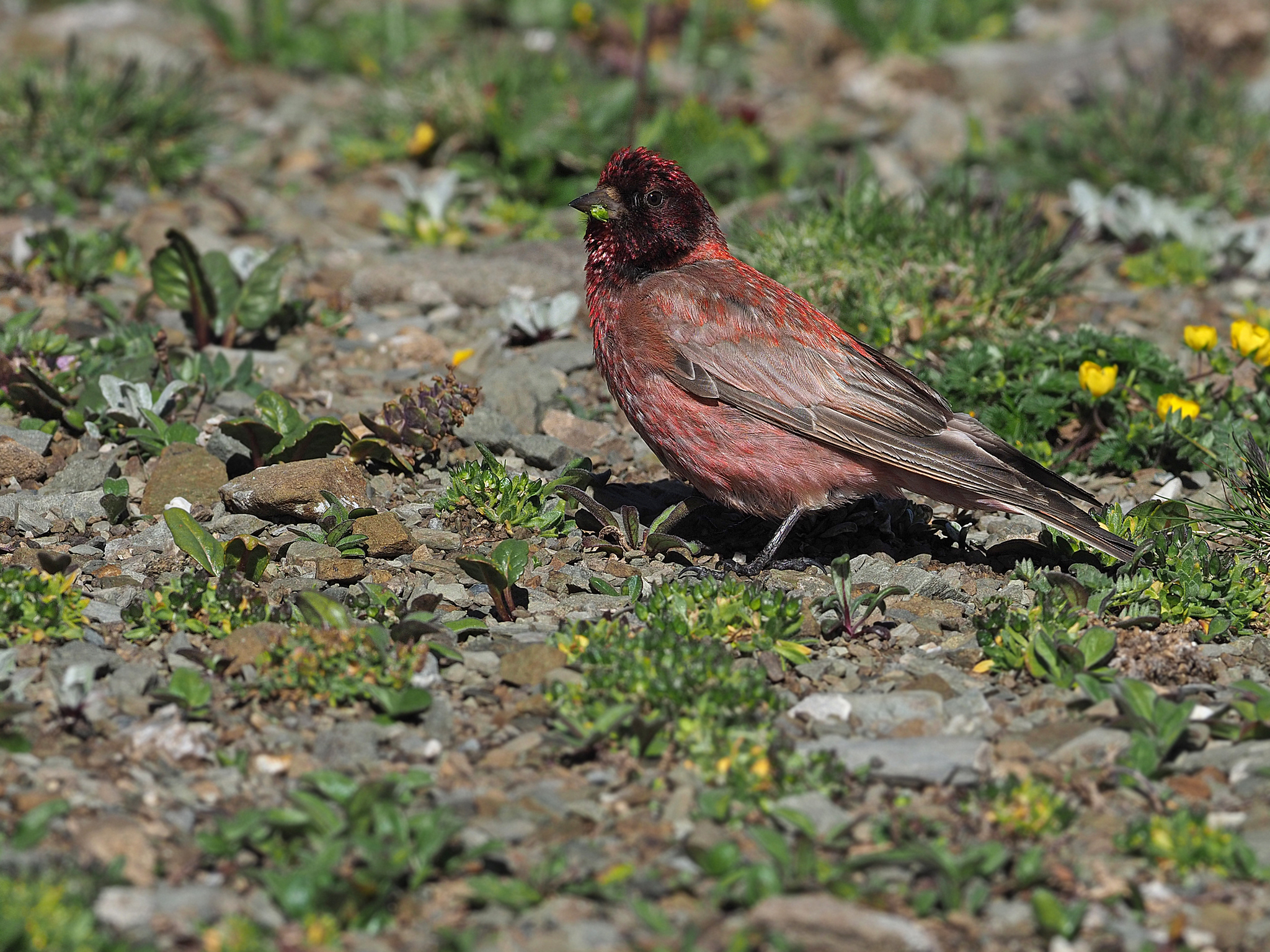
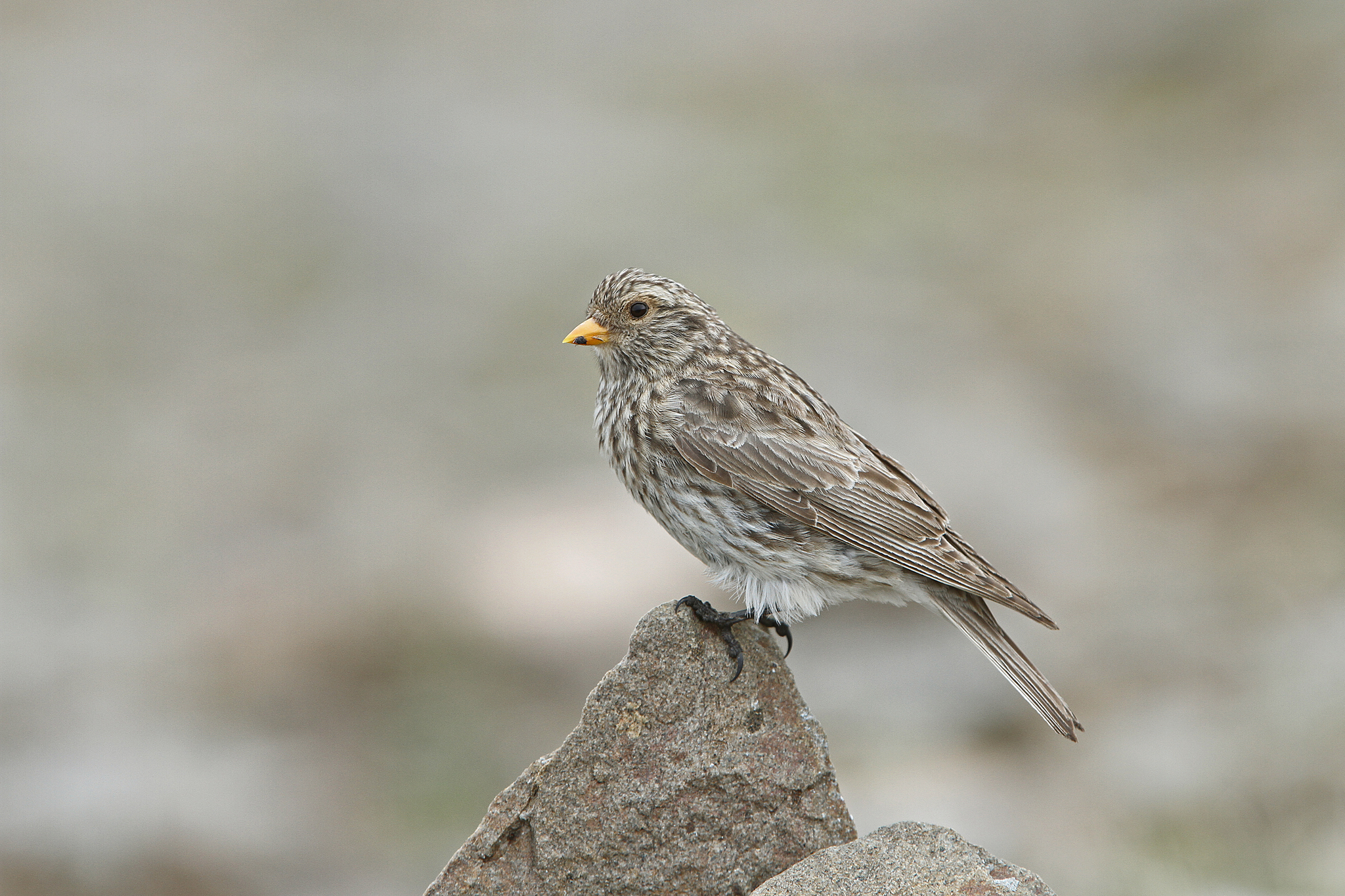
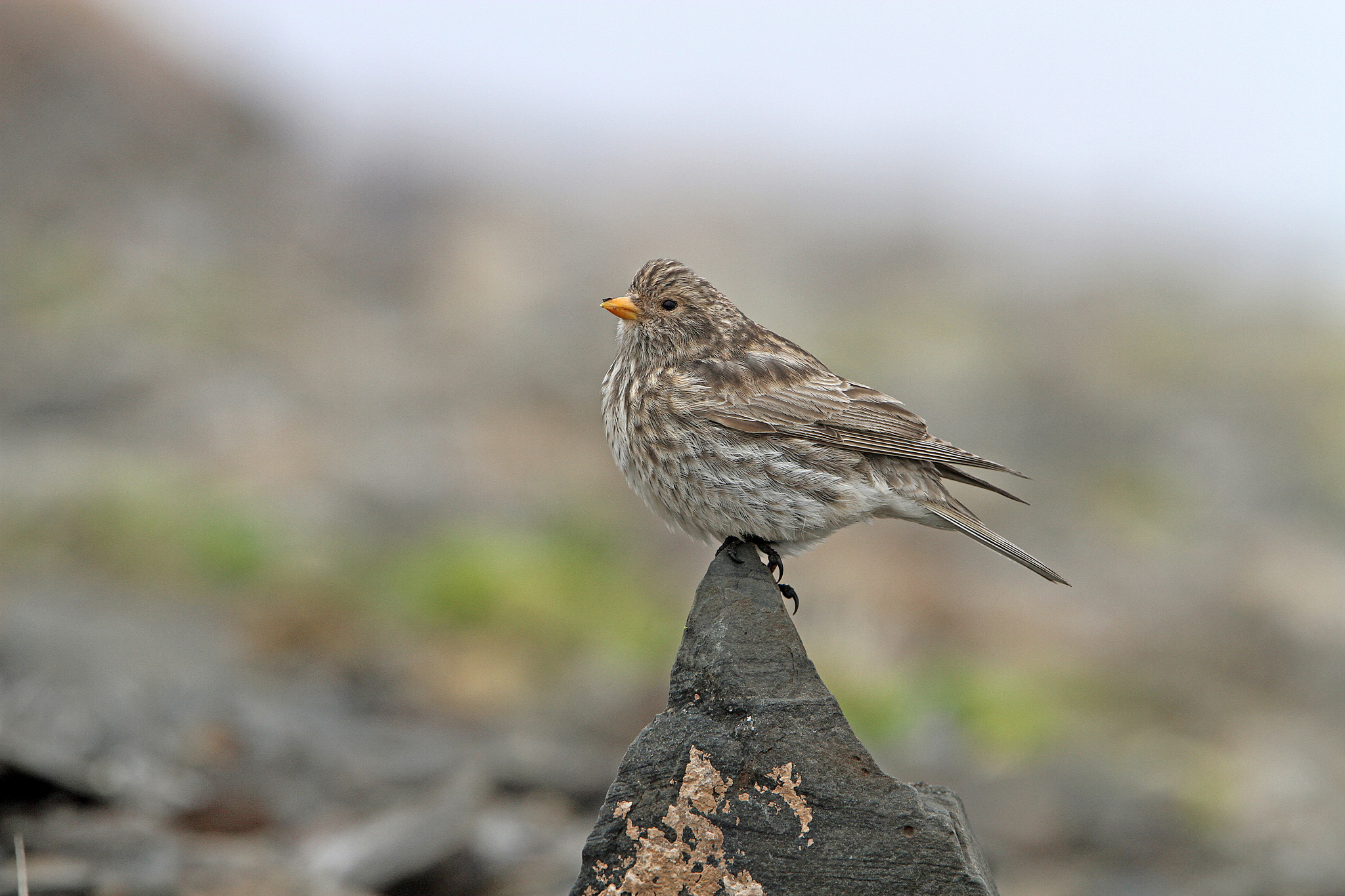
The species occupies rocky steppe and alpine pasture on the Tibetan Plateau in northeastern Tibet, primarily in Qinghai province's Buckhan Boda Shan, Amne Machin, and Kunlun mountain ranges. It inhabits montane tundra with sparse vegetation. As a ground-dwelling finch, it moves swiftly across rocky terrain and typically remains motionless until approached closely.
Distribution & Habitat
Restricted to northeastern Tibet in China, this species is found only in the mountainous regions of Qinghai province. Its range encompasses three specific mountain systems: the Buckhan Boda Shan, Amne Machin, and the Kunlun mountains. These birds inhabit montane tundra environments characterized by rocky steppes and alpine pastures where vegetation is scattered and sparse. The desolate nature of this habitat, with its extreme elevation and harsh conditions, creates a unique ecosystem where few other bird species can survive, making this rosefinch one of the dominant avian inhabitants of this specialized environment.
Behavior & Ecology
Completely terrestrial in its habits, this rosefinch spends nearly all its time on the ground, moving with quick, hopping strides as it searches for food. It is strictly diurnal, remaining active during daylight hours in its inhospitable mountain environment. As a ground feeder, its diet consists primarily of seeds supplemented by fragments of lousewort flowers from the Pedicularis genus. The species is notably quiet, with vocalizations limited to brief whistling calls and louder trills given during flight. It occasionally produces hissing sounds, though such occurrences are infrequent. This combination of ground-dwelling behavior and minimal vocal activity reflects adaptations to the exposed, windy conditions of its high-altitude habitat.
Source: Wikipedia · CC BY-SA 3.0
Taxonomy
- Order
- Passeriformes
- Family
- Fringillidae
- Genus
- Carpodacus
- eBird Code
- tibros1
Distribution
mountains of west-central China (central Qinghai)
Data Sources
Species description from Wikipedia, licensed under CC BY-SA 3.0.
Bird images and sounds sourced from GBIF, contributed by citizen scientists worldwide under Creative Commons licenses.
Taxonomy data from AviList 2025.