

Common Rosefinch
Carpodacus erythrinus
普通朱雀
Introduction
The Common Rosefinch (Carpodacus erythrinus) is a widespread finch species across Asia and Europe, representing the most common rosefinch in these regions. Males display reddish-pink plumage during the breeding season. The species has expanded its range westward through Europe in recent decades. Its habitat includes boreal forests, woodland edges, riverine thickets, and montane shrubland.
Description
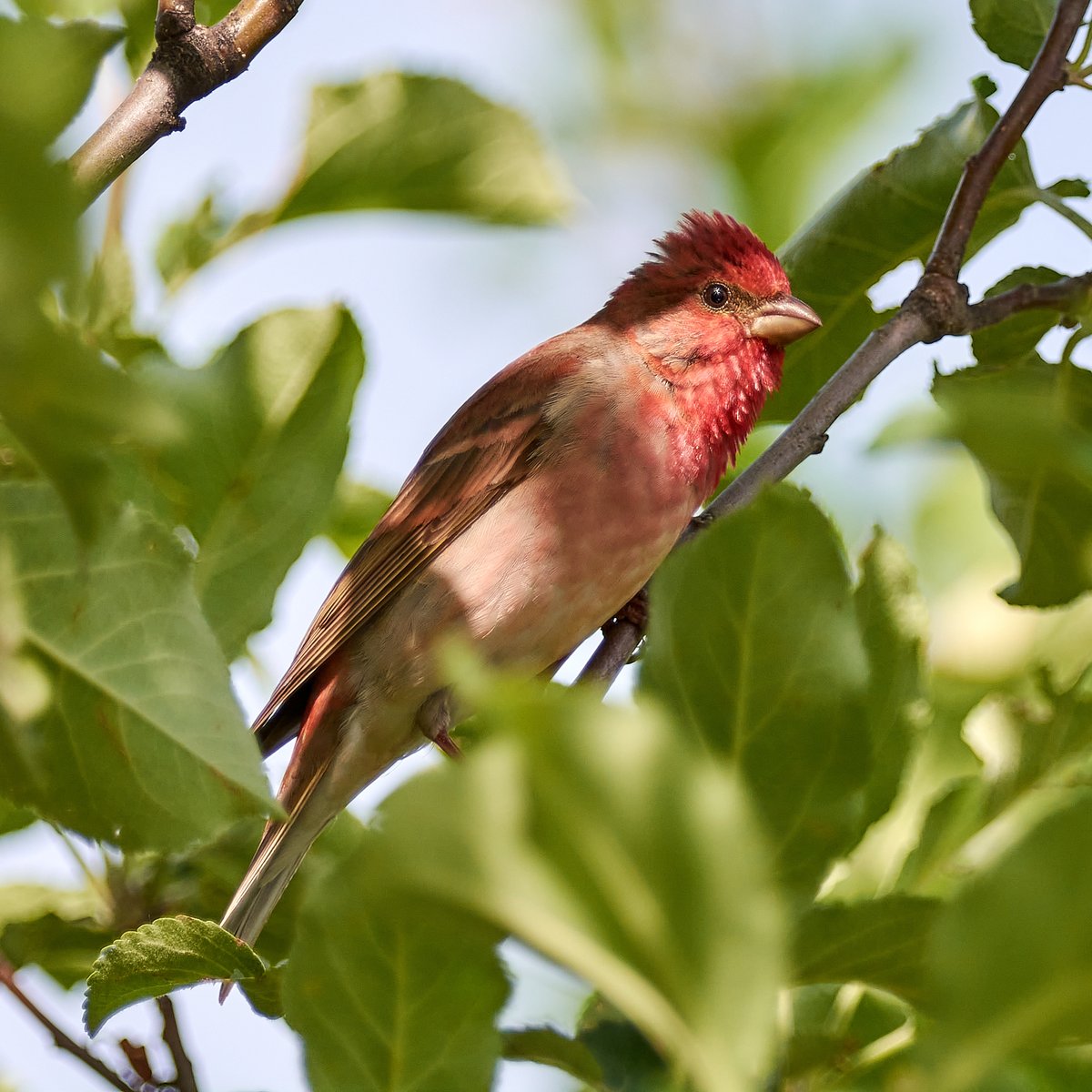
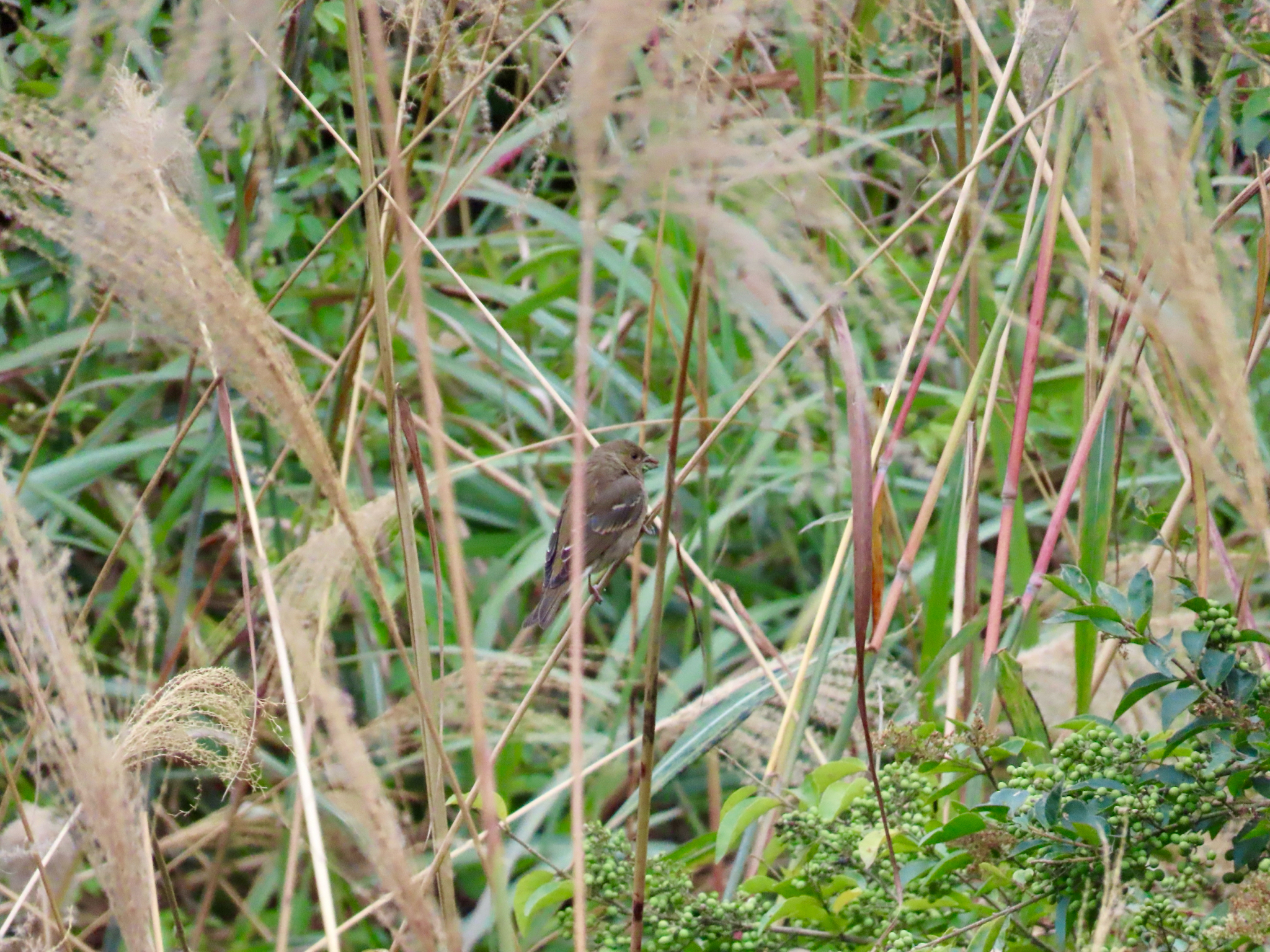
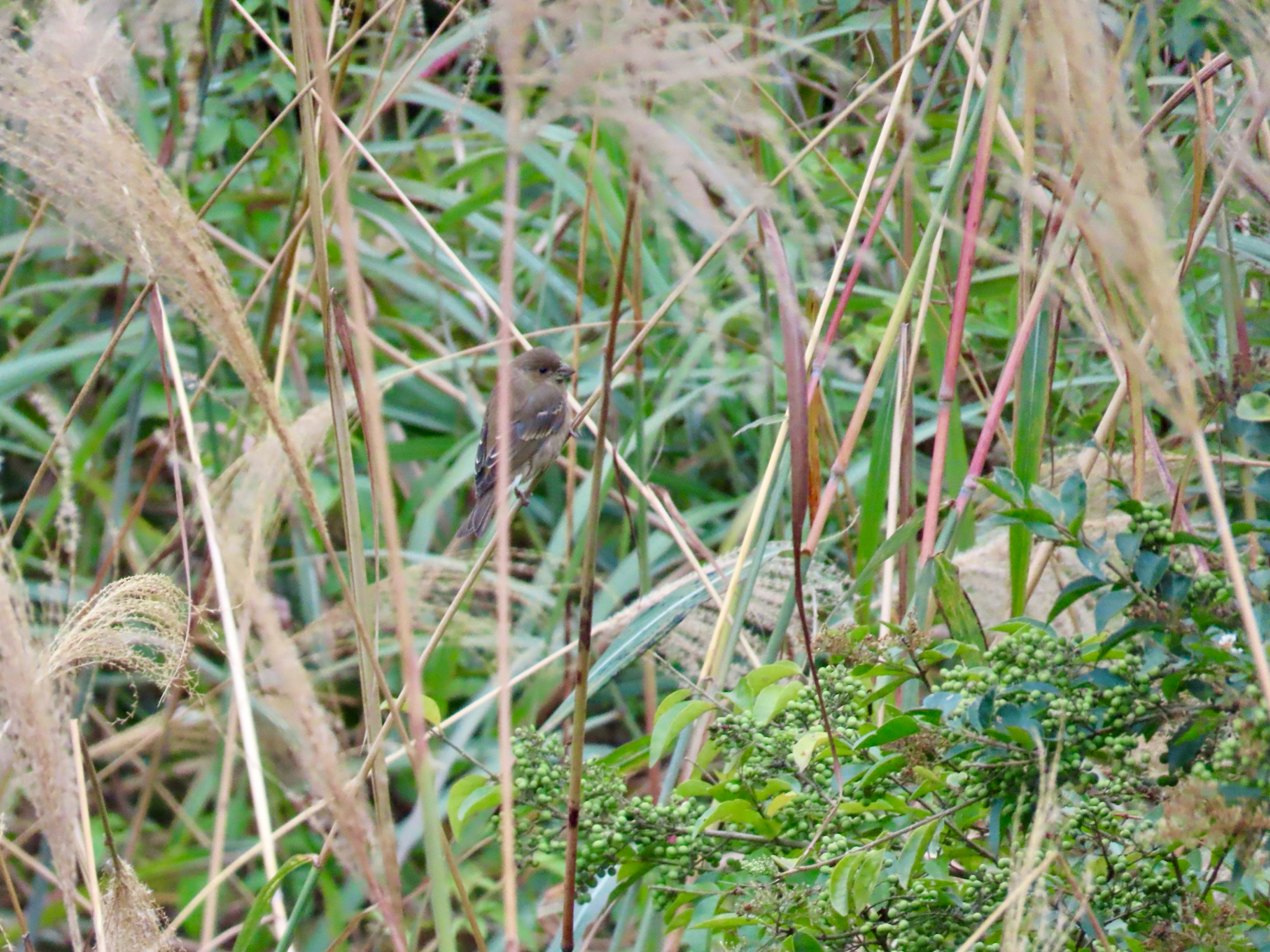
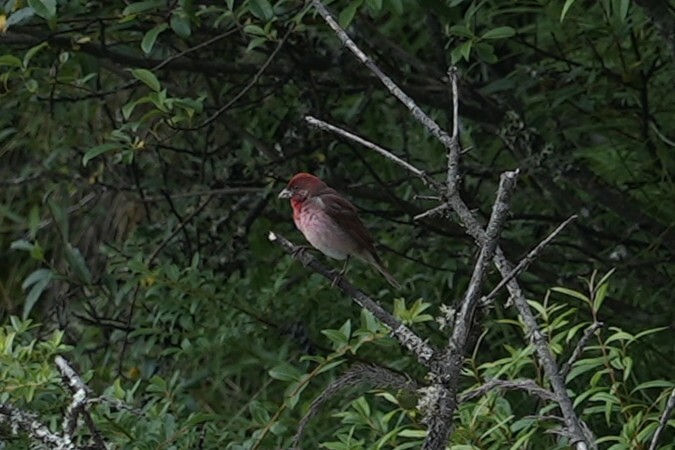
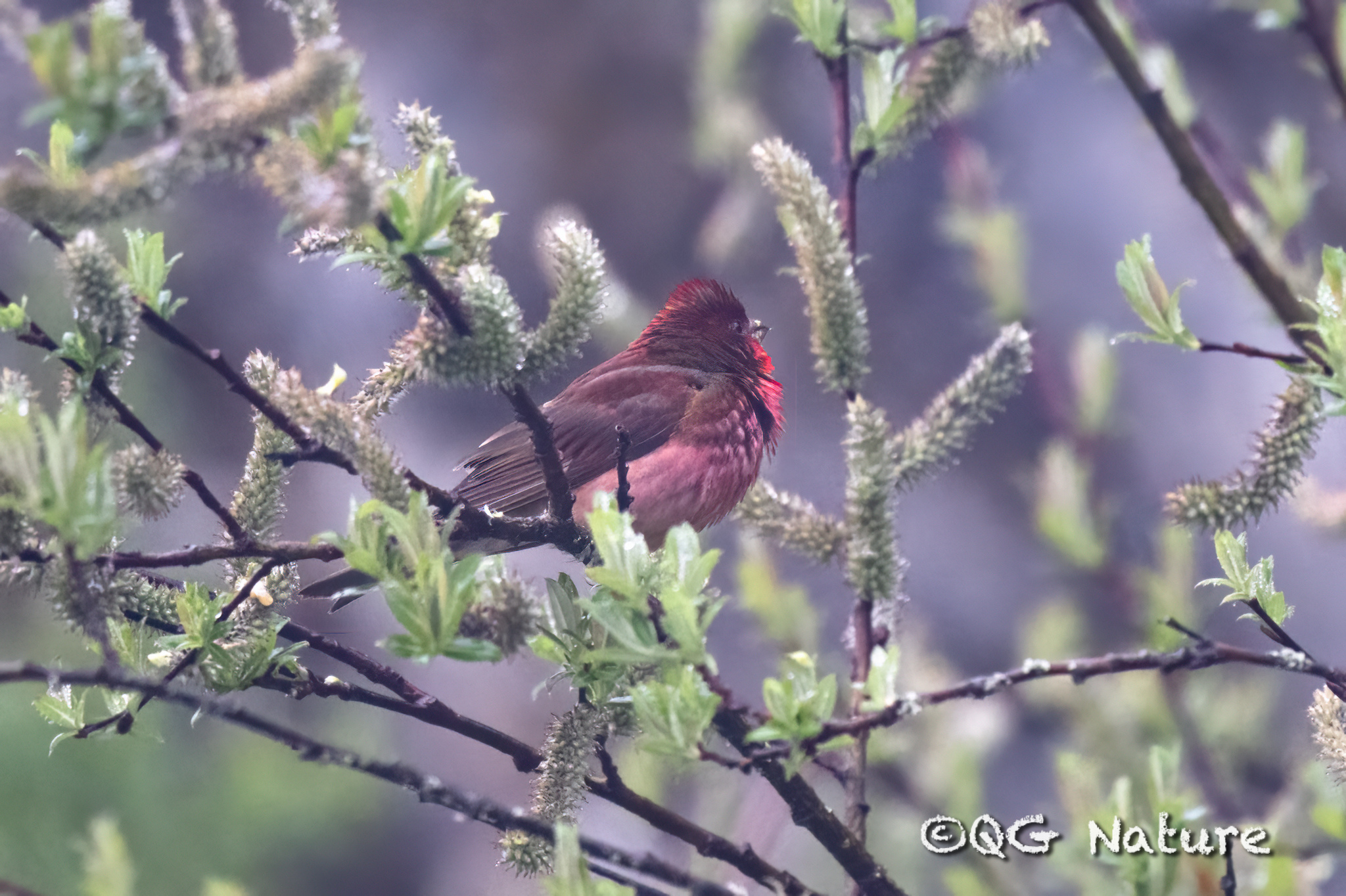
A compact finch measuring 13-15 cm in length with a notably stout, conical bill adapted for seed consumption. Adult males in breeding plumage display a stunning combination of brilliant rosy-carmine on the head, breast, and rump, contrasting with dark brown wings featuring two faint wing bars and a white belly. The heavy-headed appearance is accentuated by the thick bill structure. Females and immature males present a much more subdued appearance, wearing yellowish-brown upperparts that appear brighter on the rump and greyer around the head, with buff-colored underparts. A rare color morph exists in which males display yellow coloration instead of red, attributed to environmental factors including diet and parasite load rather than genetics.
Identification
Males in breeding plumage are unmistakable with their overall rosy-red coloration and stout bill, though the red is concentrated primarily on the head, breast, and rump rather than being uniform across the body. The faint double wing bars on dark wings provide a key识别特征. Females can be more challenging, resembling other brown streaked finches, but their relatively plain appearance, yellowish-brown coloration with brighter rump, and heavy conical bill help distinguish them from similarly plumaged species. The combination of small size, thick bill, and preference for thicket habitats near water serves as useful behavioral clues for identification.
Distribution & Habitat
Breeds across an enormous range extending from the Danube valley through Sweden and Siberia to the Bering Sea, including the Caucasus region, northern Iran and Afghanistan, the western Himalayas, Tibet, China, and Japan between latitudes 25° and 68°. The breeding range has expanded westward through Europe in recent decades, with observations in Portugal and rare but increasing occurrences in the British Isles, including some breeding records. Wintering grounds extend from southern Iran southward through India, Burma, and Indochina to southeastern China. Occurs as a vagrant in Sri Lanka. Summer habitat consists of thickets, woodland, and forest edges near watercourses, while wintering birds favor gardens, orchards, wetlands, and locally dry oak woodlands.
Behavior & Ecology
Nests are constructed low in bushes, with females laying a typical clutch of five eggs. The eggs are distinctive, being dark blue with coarse dark brown spots. Breeding occurs during the summer months in temperate and boreal portions of the range, with southward migration to wintering areas commencing in autumn. Adults undergo a complete molt in their winter quarters between September and November, which temporarily subdues the male's brilliant red coloration; the color intensifies again through winter as the feather edges wear away. The species shows some adaptability to human-modified landscapes, particularly in winter when gardens and orchards provide suitable habitat.
Culture
No cultural significance, folklore, or traditional uses are documented for this species in the available sources.
Source: Wikipedia · CC BY-SA 3.0
Taxonomy
- Order
- Passeriformes
- Family
- Fringillidae
- Genus
- Carpodacus
- eBird Code
- comros
Subspecies (5)
-
Carpodacus erythrinus erythrinus
eastern Europe to western Asia; winters to India and Indochina
-
Carpodacus erythrinus ferghanensis
mountains of northeastern Iran to northern Afghanistan, Pakistan, and western Himalayas
-
Carpodacus erythrinus grebnitskii
eastern Siberia to Bering Sea and Sea of Okhotsk; winters to southeastern China
-
Carpodacus erythrinus kubanensis
Caucasus to northwestern Iran; winters to southwestern Iran
-
Carpodacus erythrinus roseatus
eastern Himalayas to Tibet and China; winters to southern India and Indochina
Data Sources
Species description from Wikipedia, licensed under CC BY-SA 3.0.
Bird images and sounds sourced from GBIF, contributed by citizen scientists worldwide under Creative Commons licenses.
Taxonomy data from AviList 2025.