Chinese White-browed Rosefinch
Carpodacus dubius
白眉朱雀
Introduction
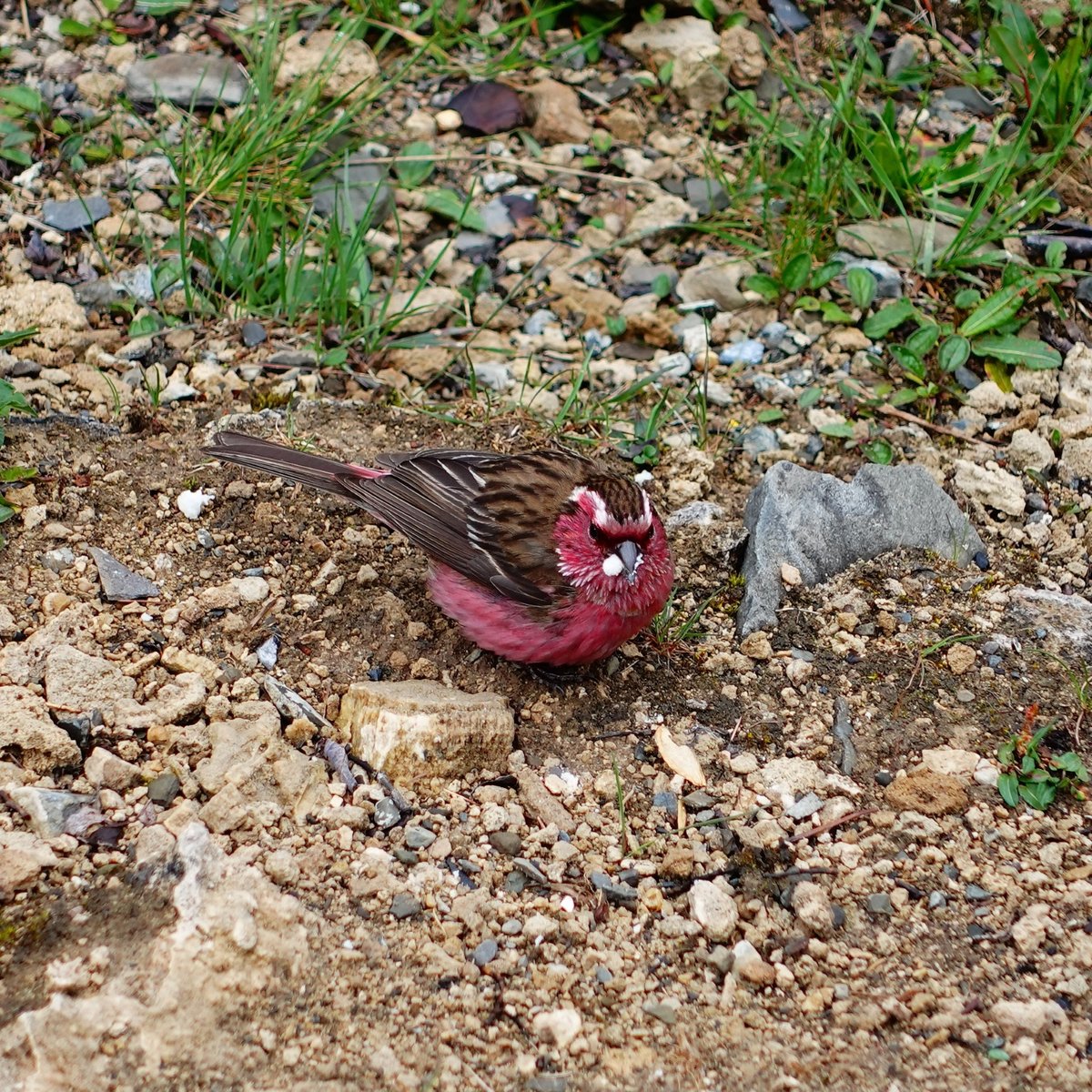
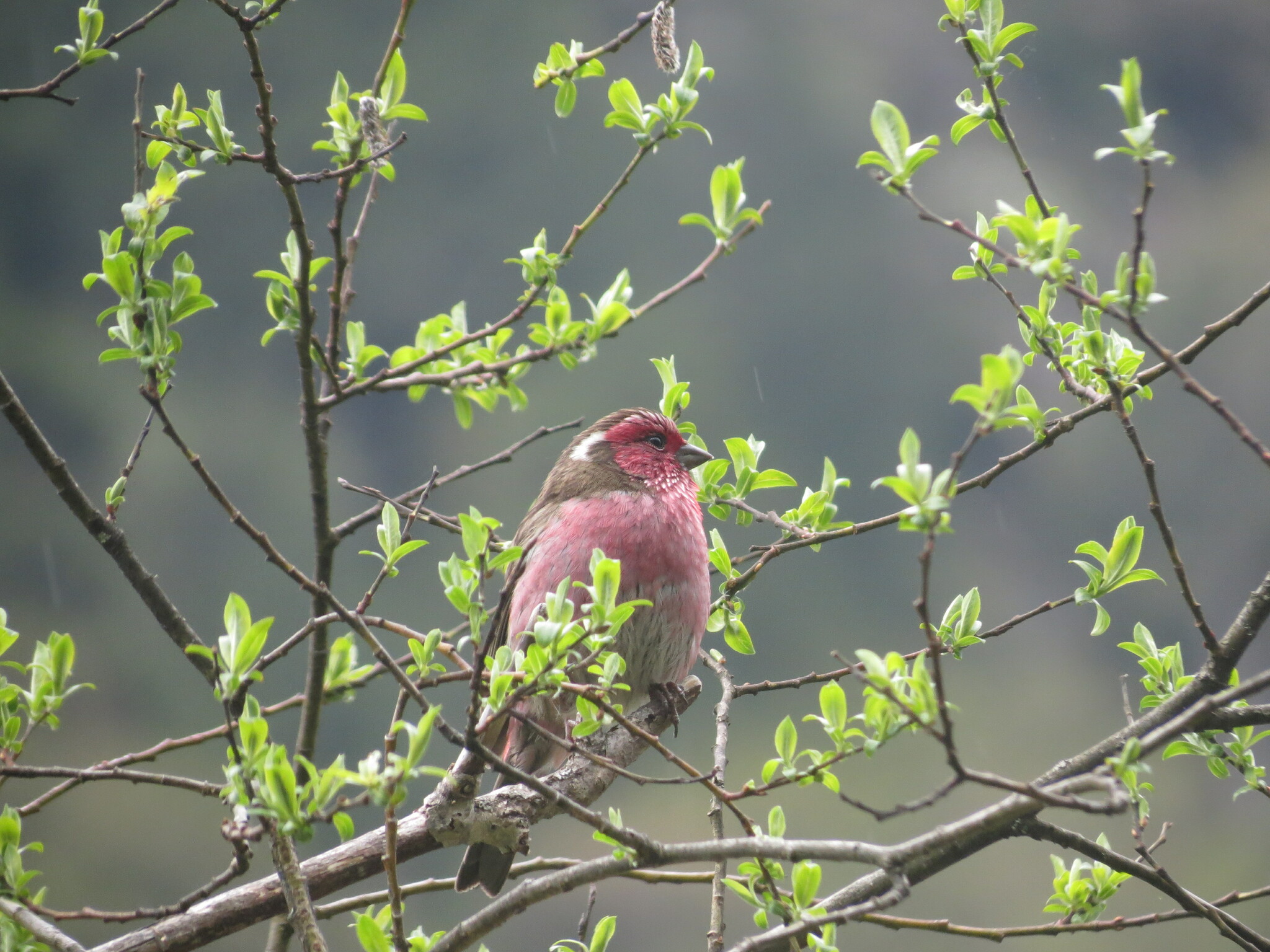
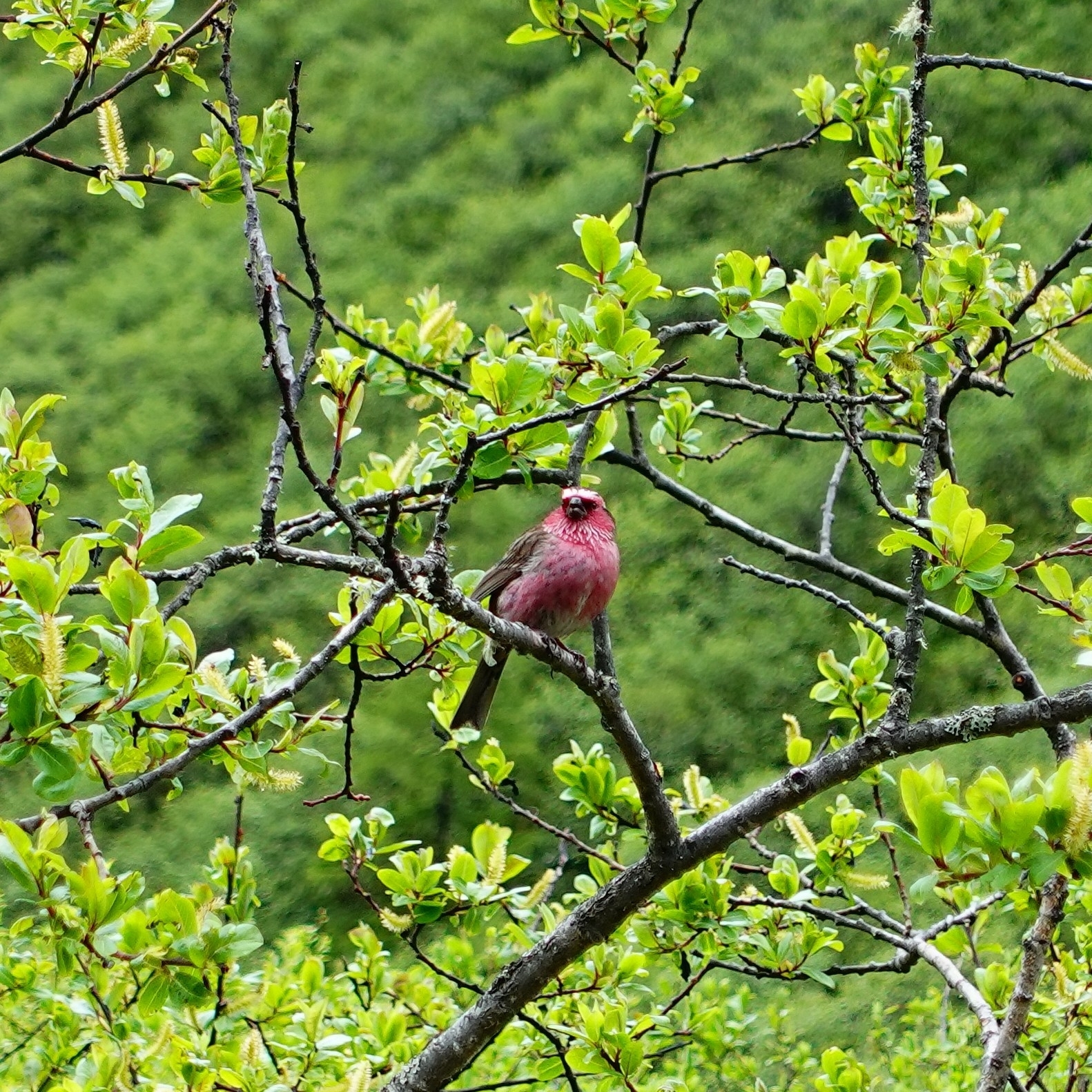
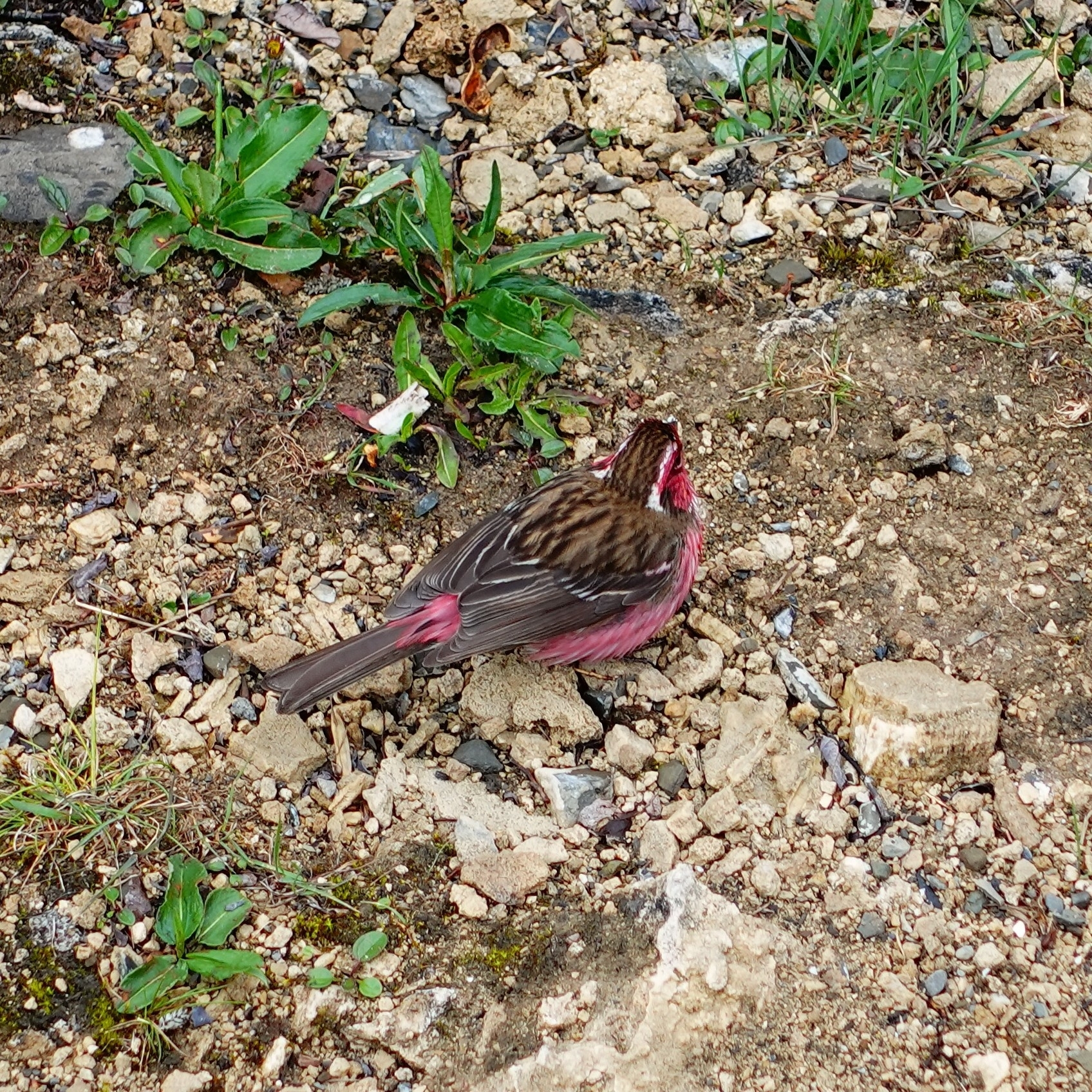
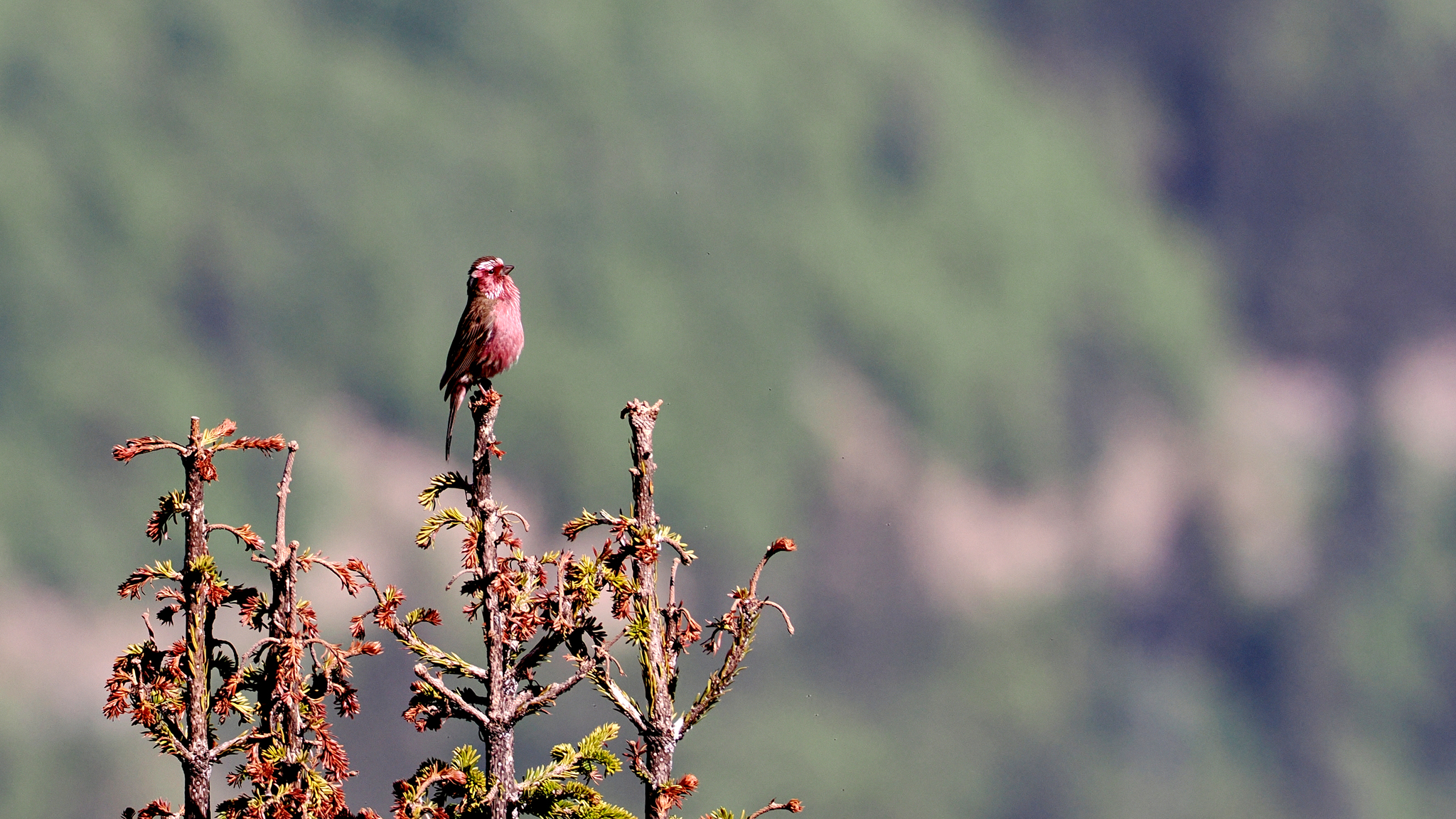
A high-altitude finch inhabiting the mountains of central China and eastern Tibet. This species occurs in temperate forests, shrublands, and forest edges between 3000 and 4800 meters elevation. In summer it occupies high mountain zones, descending in winter to lower, hilly scrub habitats. It forages on the ground for seeds in small flocks. The species was recognized as distinct from the Himalayan white-browed rosefinch following DNA analysis. It gives a rapid series of nasal bleats.
Description
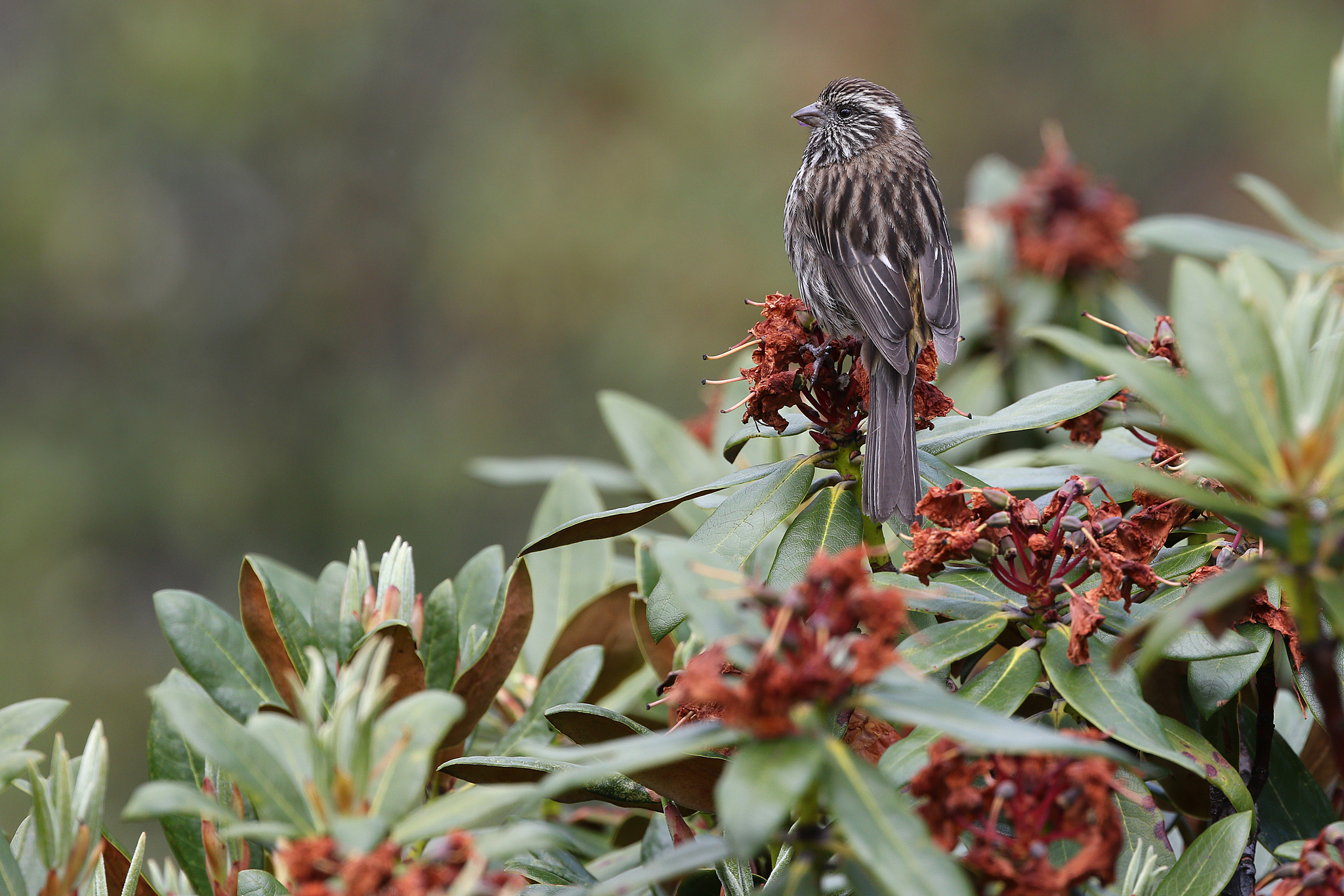
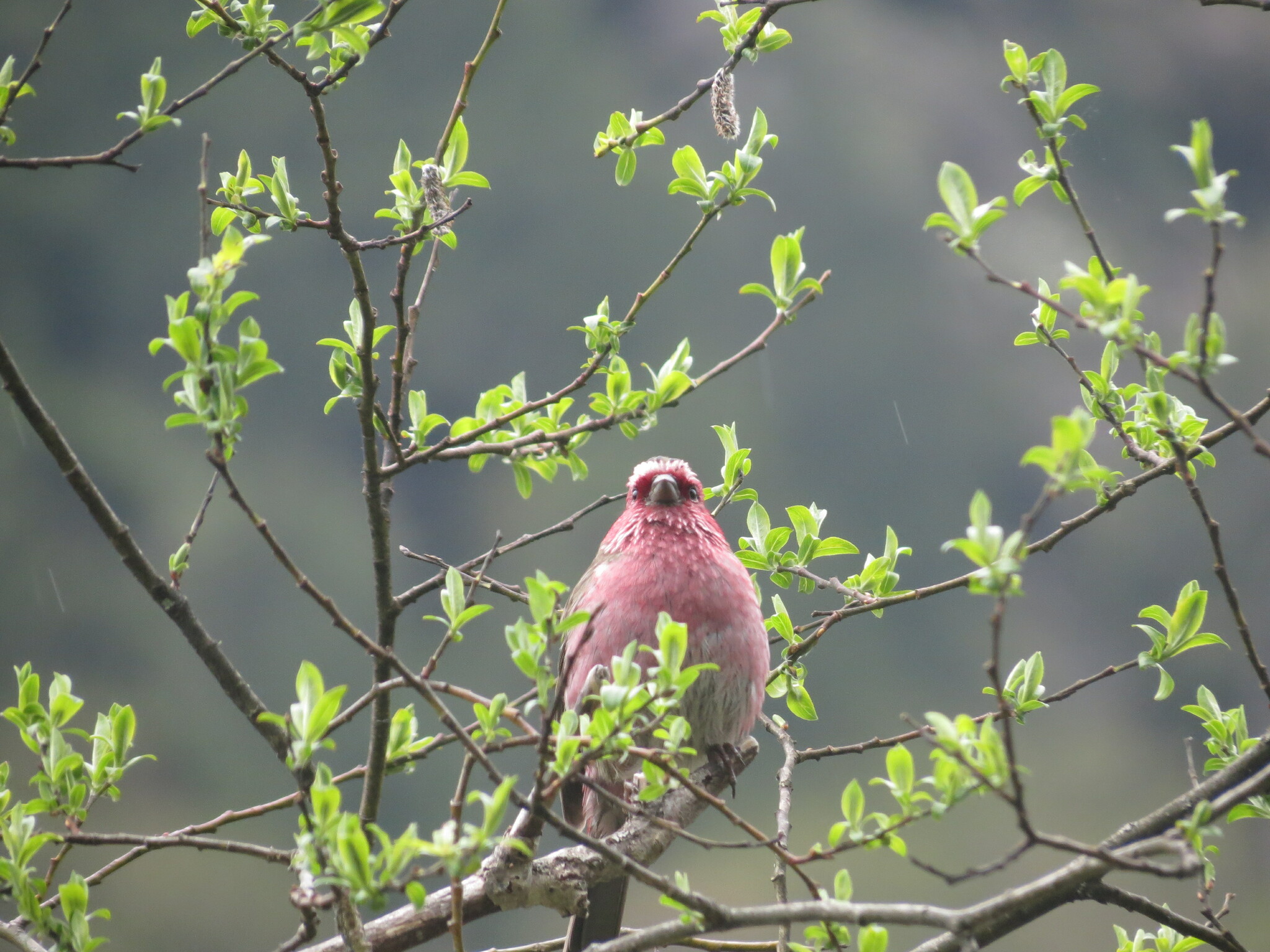
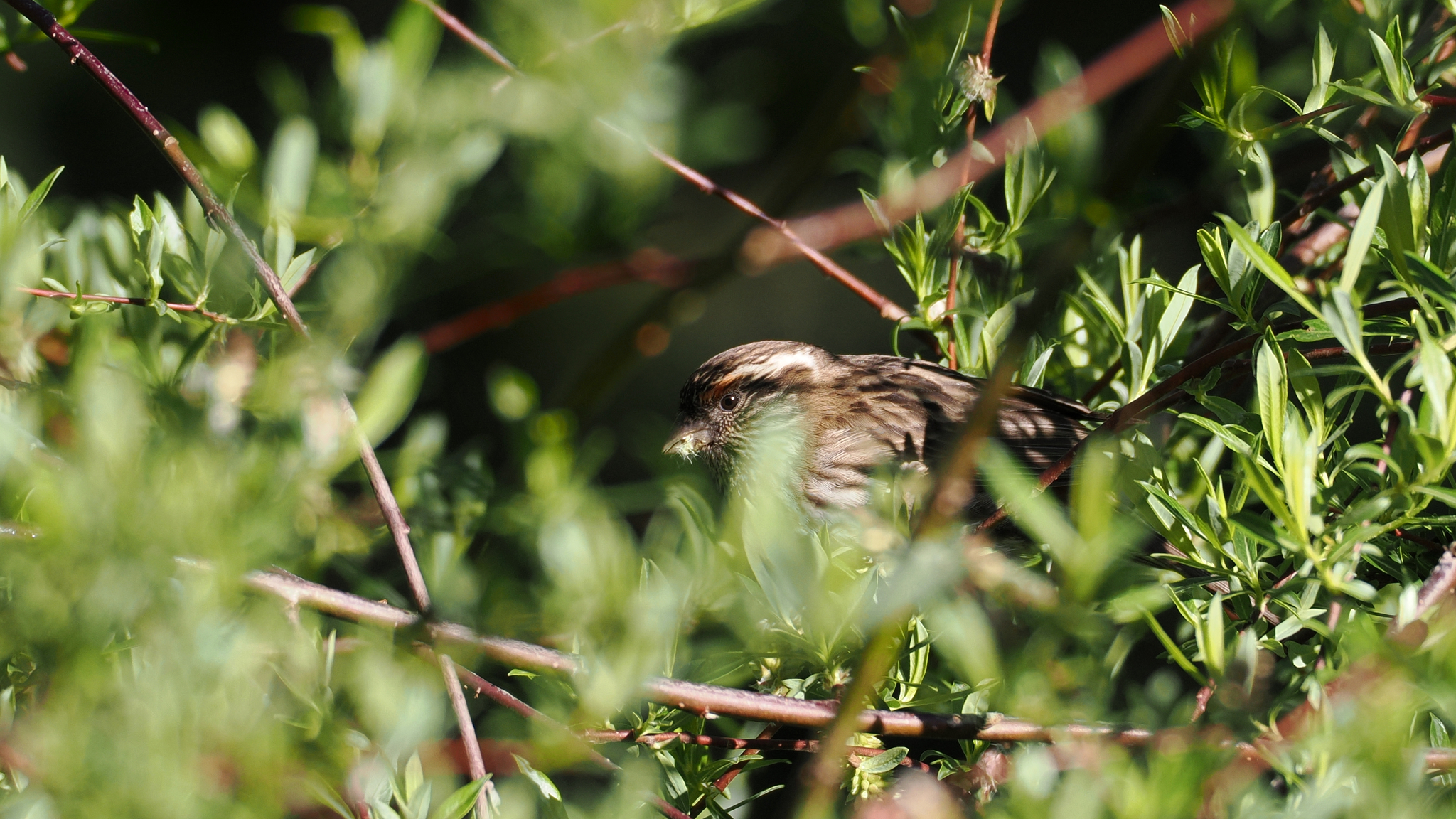
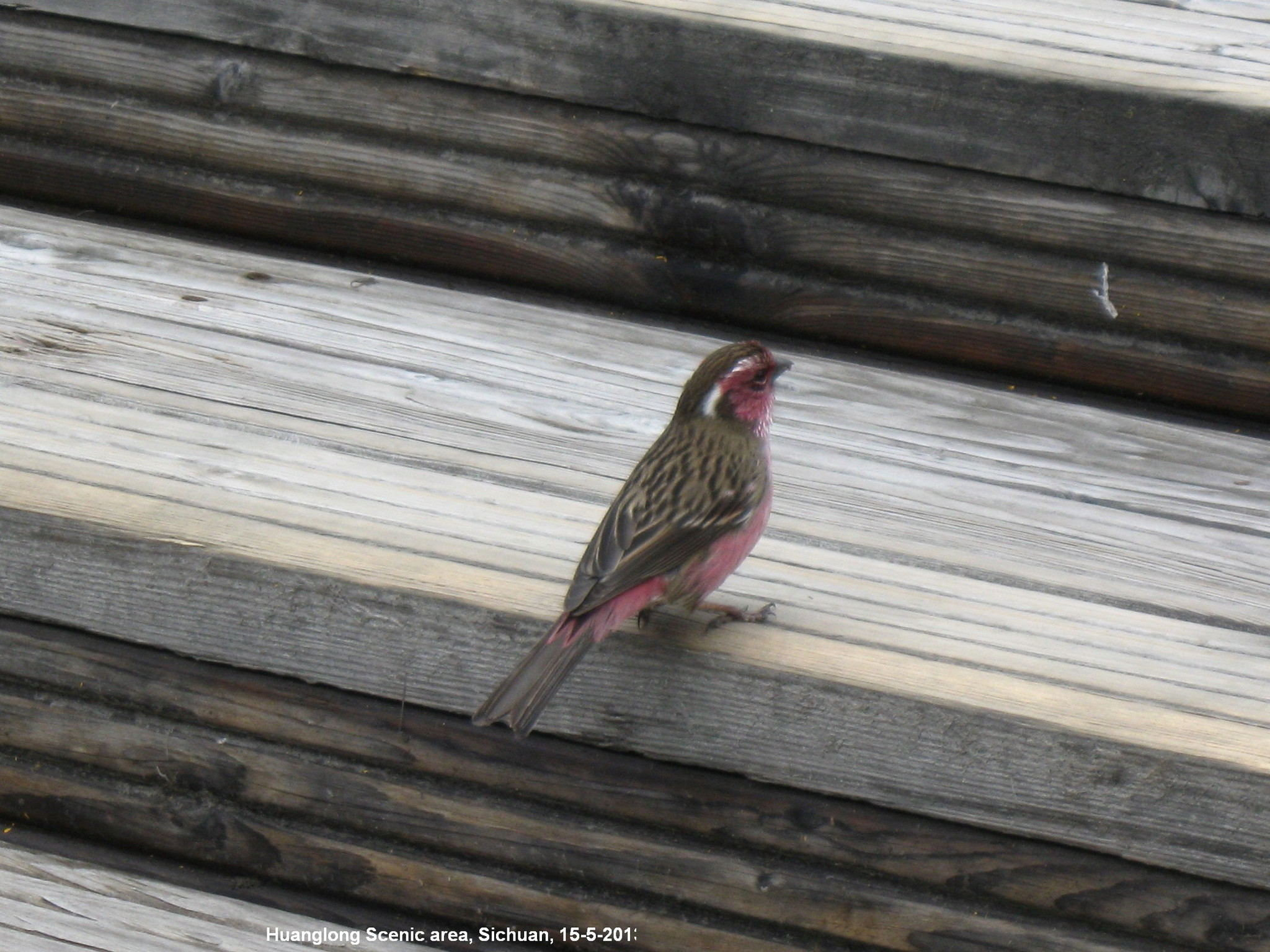
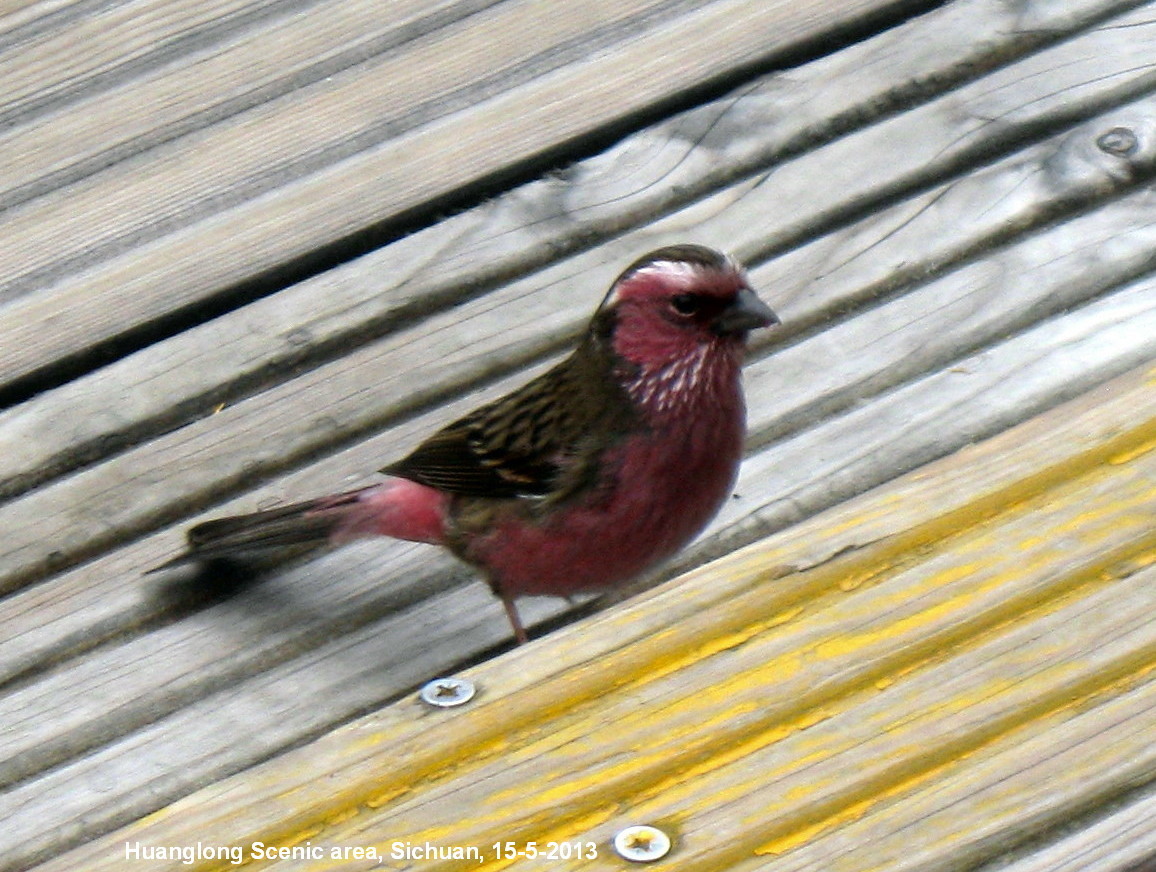
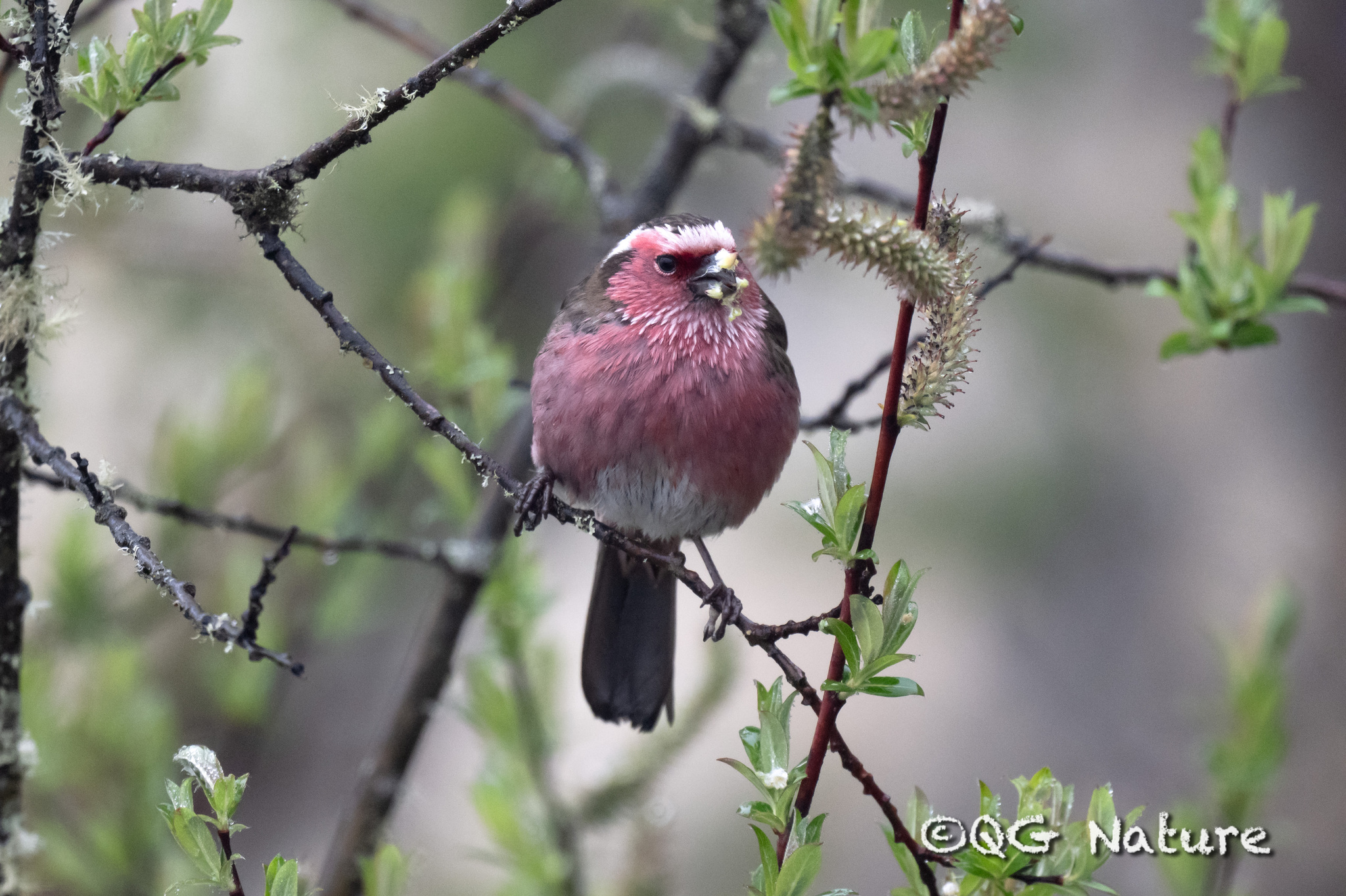
A medium-sized true finch with a compact build, measuring between 9 and 25 centimeters in length. The male displays a brilliant pink face and underparts, creating a striking contrast with its overall appearance. Females are more cryptically colored, dressed in brown plumage with heavy streaking throughout and noticeably paler underparts. Both sexes share the characteristic finch profile: a short, conical bill perfectly suited for seed-crushing. The plumage is smooth and well-groomed, giving these birds a sleek appearance despite their harsh mountain environment.
Distribution & Habitat
Restricted to central China and eastern Tibet, occupying a relatively compact range in the high mountains of western China. This species shows a preference for temperate forest habitats, temperate shrubland, and semi-open scrub areas, typically found between 3000 and 4800 meters elevation during the breeding season. During winter months, individuals descend to lower elevations where they utilize hilly, scrubby habitats. The species demonstrates some elevational migration rather than long-distance movement.
Behavior & Ecology
A social bird that typically occurs in small groups while foraging on the ground for seeds and grains. The diet is primarily granivorous, reflecting the typical feeding ecology of finches in the Fringillidae family. The species is known for its vocal nature, producing a rapid series of nasal bleating calls that carry well in mountain habitats. Breeding begins in spring, with nests constructed as open cups placed within shrub vegetation. The nest architecture incorporates twigs, grasses, mosses, and strips of birch bark, lined internally with fine grasses and animal hairs. Clutch size typically ranges from 4 to 6 eggs.
Conservation
The population remains stable across its range in central China and Tibet. The species has been assessed as 'Least Concern' by the IUCN, indicating no immediate conservation concerns. Its adaptability to multiple temperate habitat types and occurrence across a broad elevational range likely contributes to its stable status. No significant threats have been identified that would adversely affect population numbers.
Source: Wikipedia · CC BY-SA 3.0
Taxonomy
- Order
- Passeriformes
- Family
- Fringillidae
- Genus
- Carpodacus
- eBird Code
- cwbros1
Subspecies (3)
-
Carpodacus dubius deserticolor
western China (northeastern Qinghai)
-
Carpodacus dubius dubius
western China (southeastern Qinghai to southeastern Gansu, southern Ningxia, and northern Sichuan)
-
Carpodacus dubius femininus
southeastern Tibet to southwestern China (western Sichuan and northern Yunnan)
Data Sources
Species description from Wikipedia, licensed under CC BY-SA 3.0.
Bird images and sounds sourced from GBIF, contributed by citizen scientists worldwide under Creative Commons licenses.
Taxonomy data from AviList 2025.