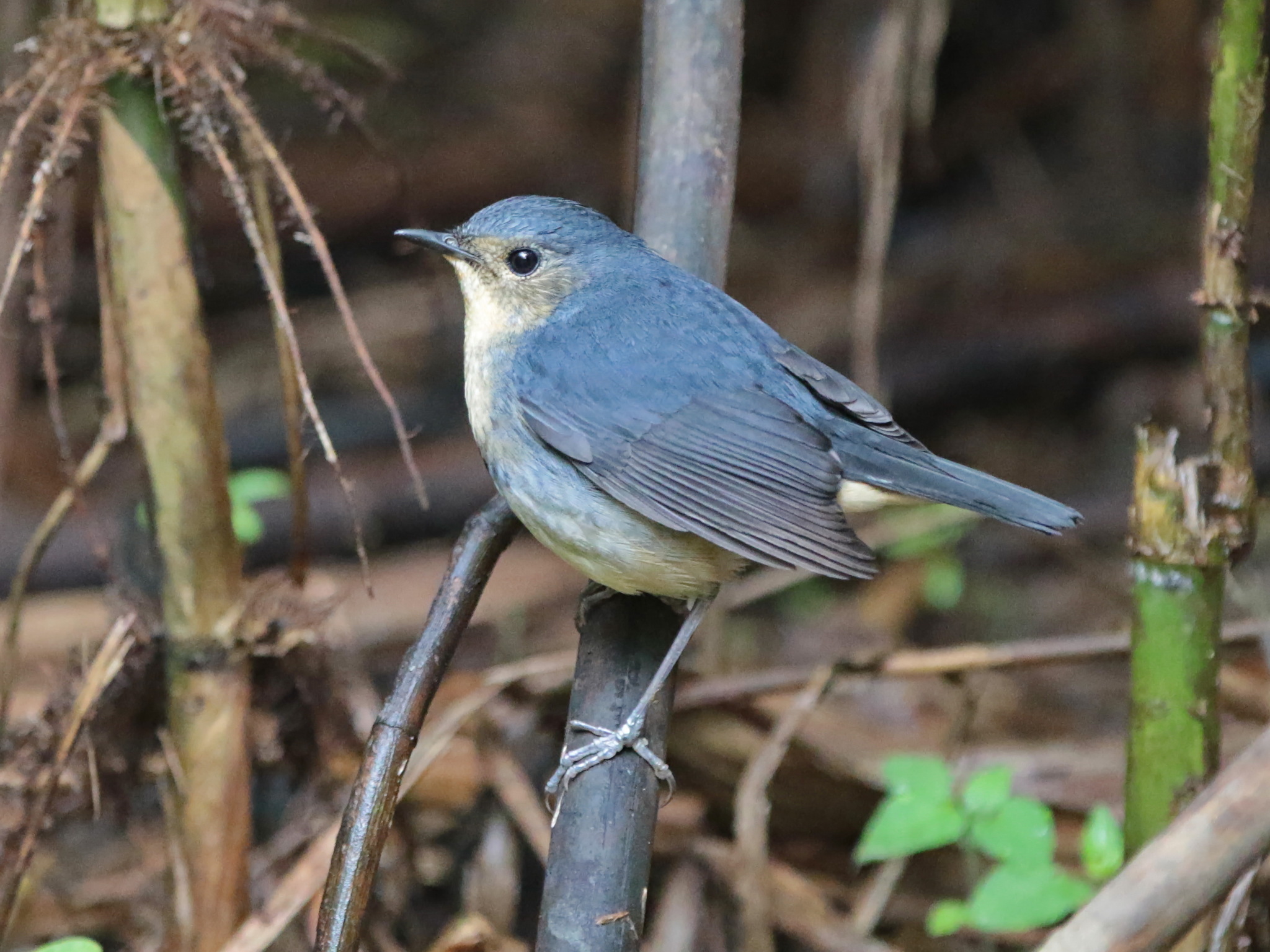
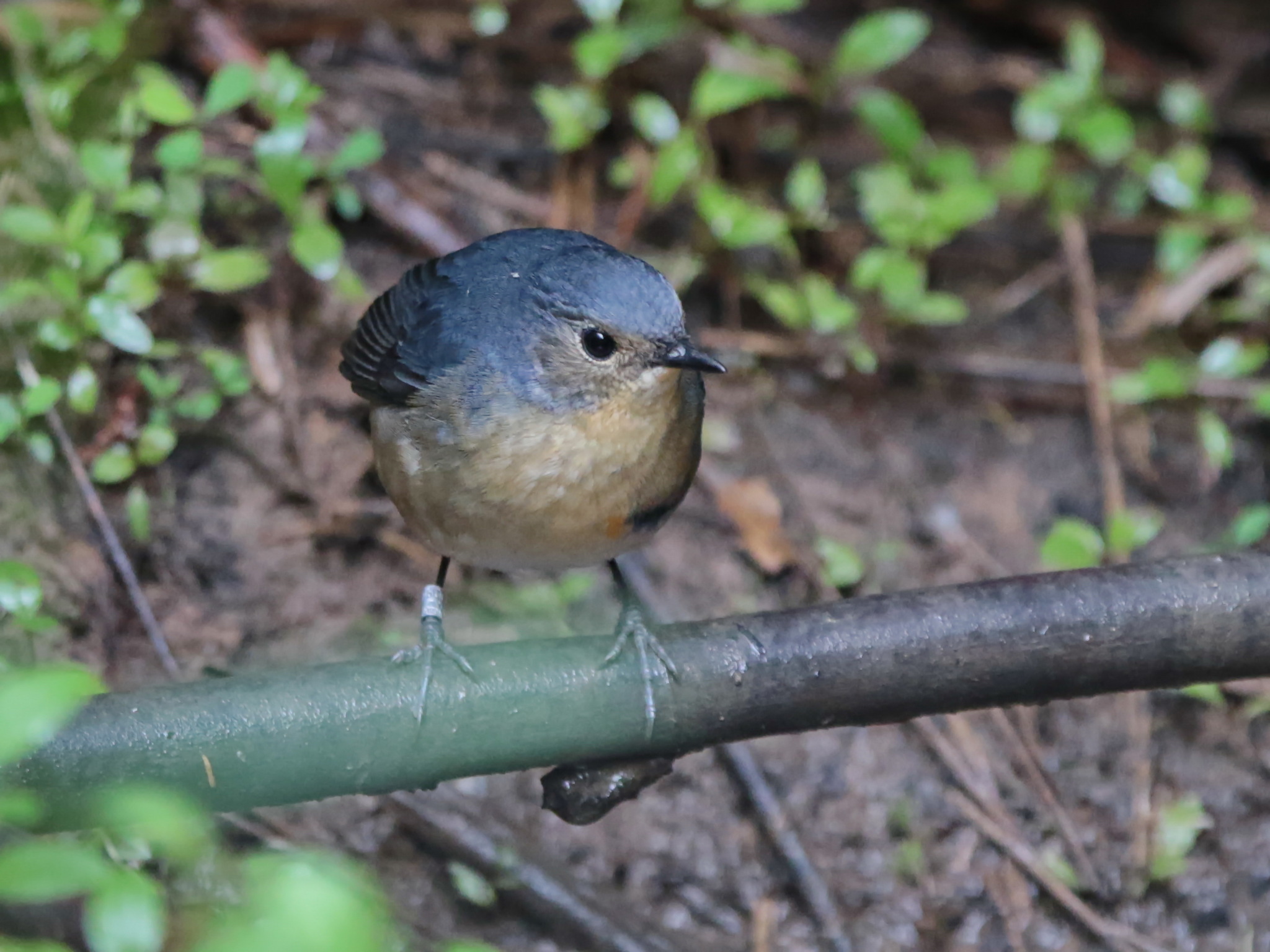
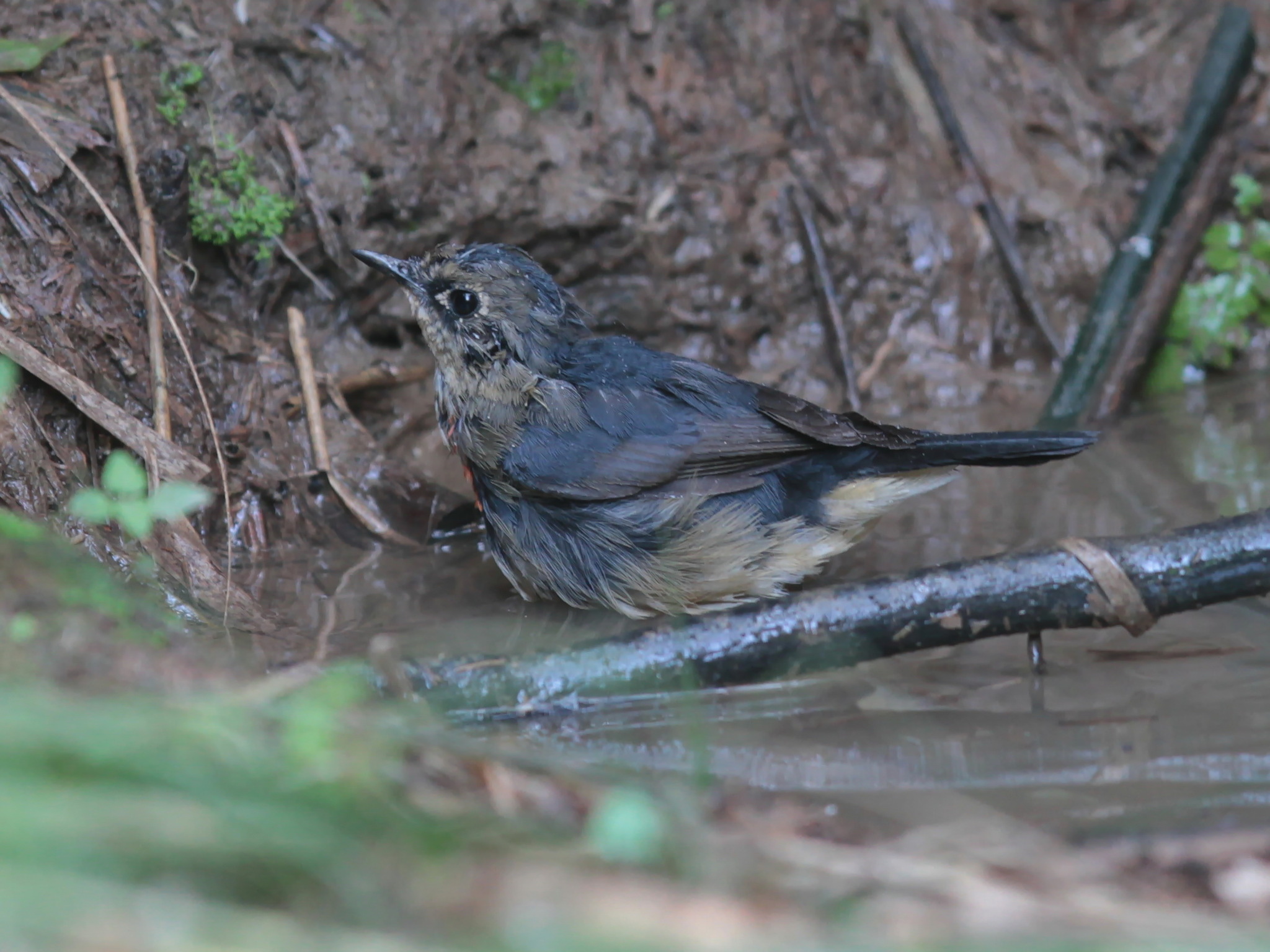
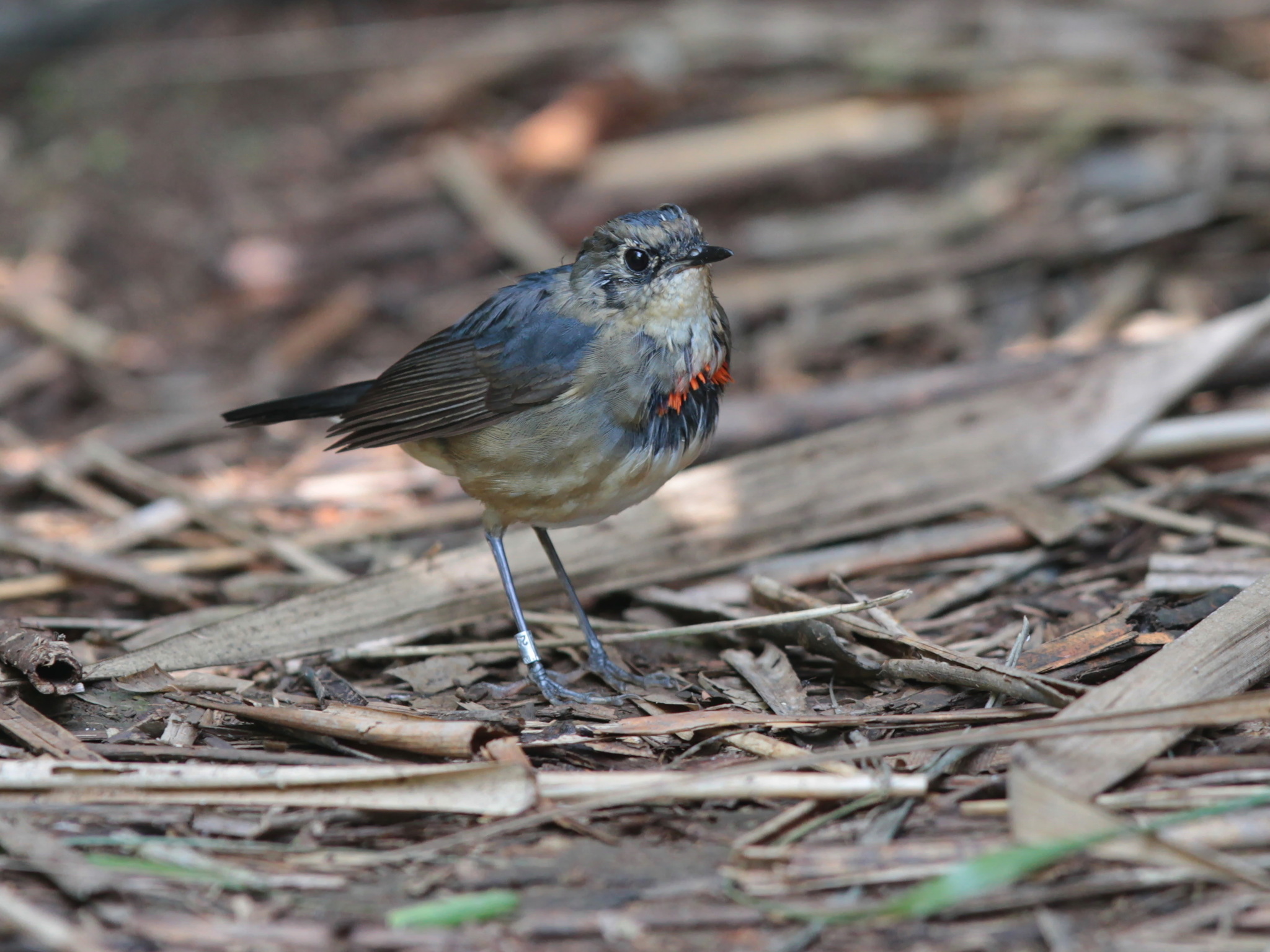
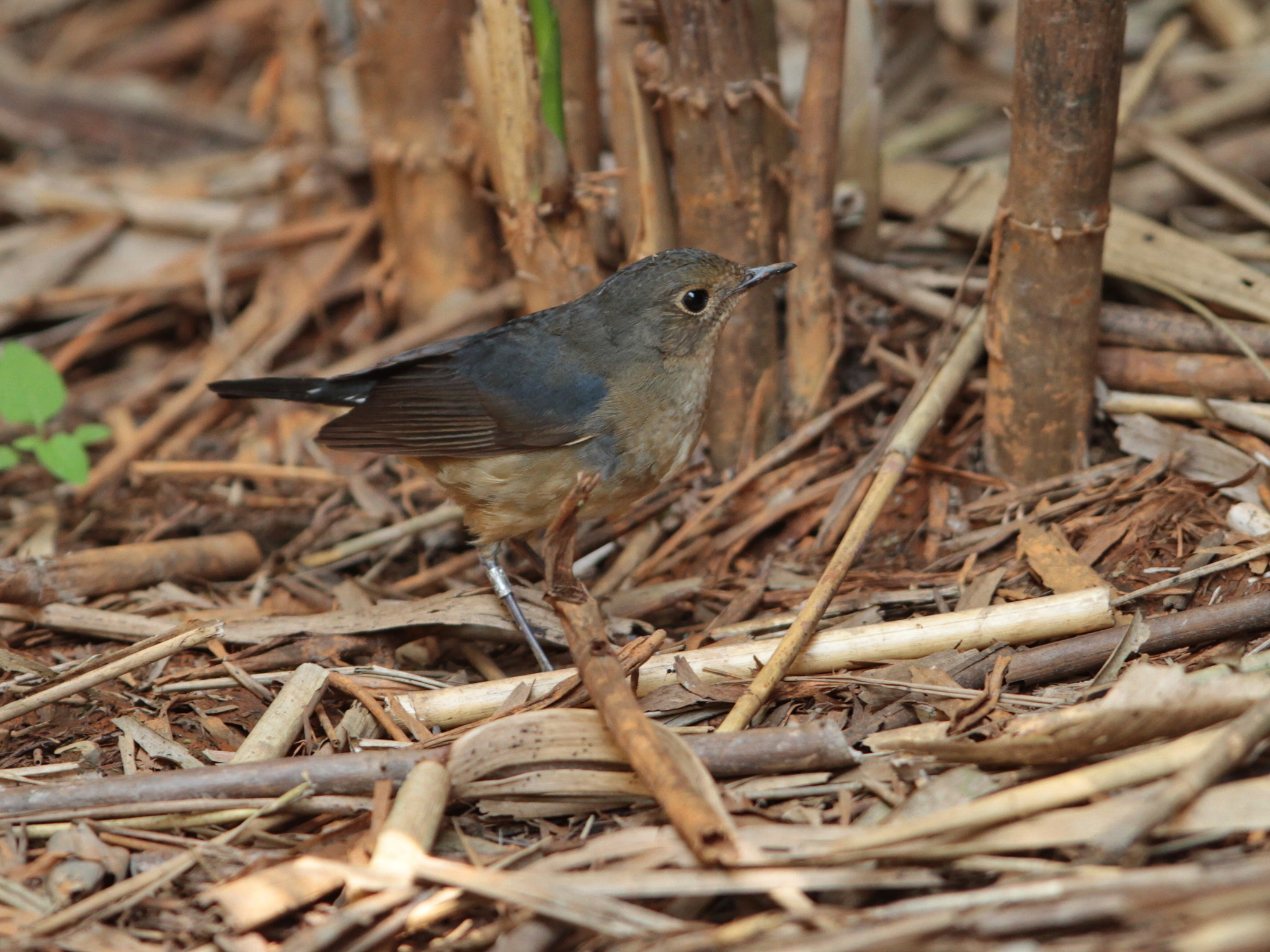
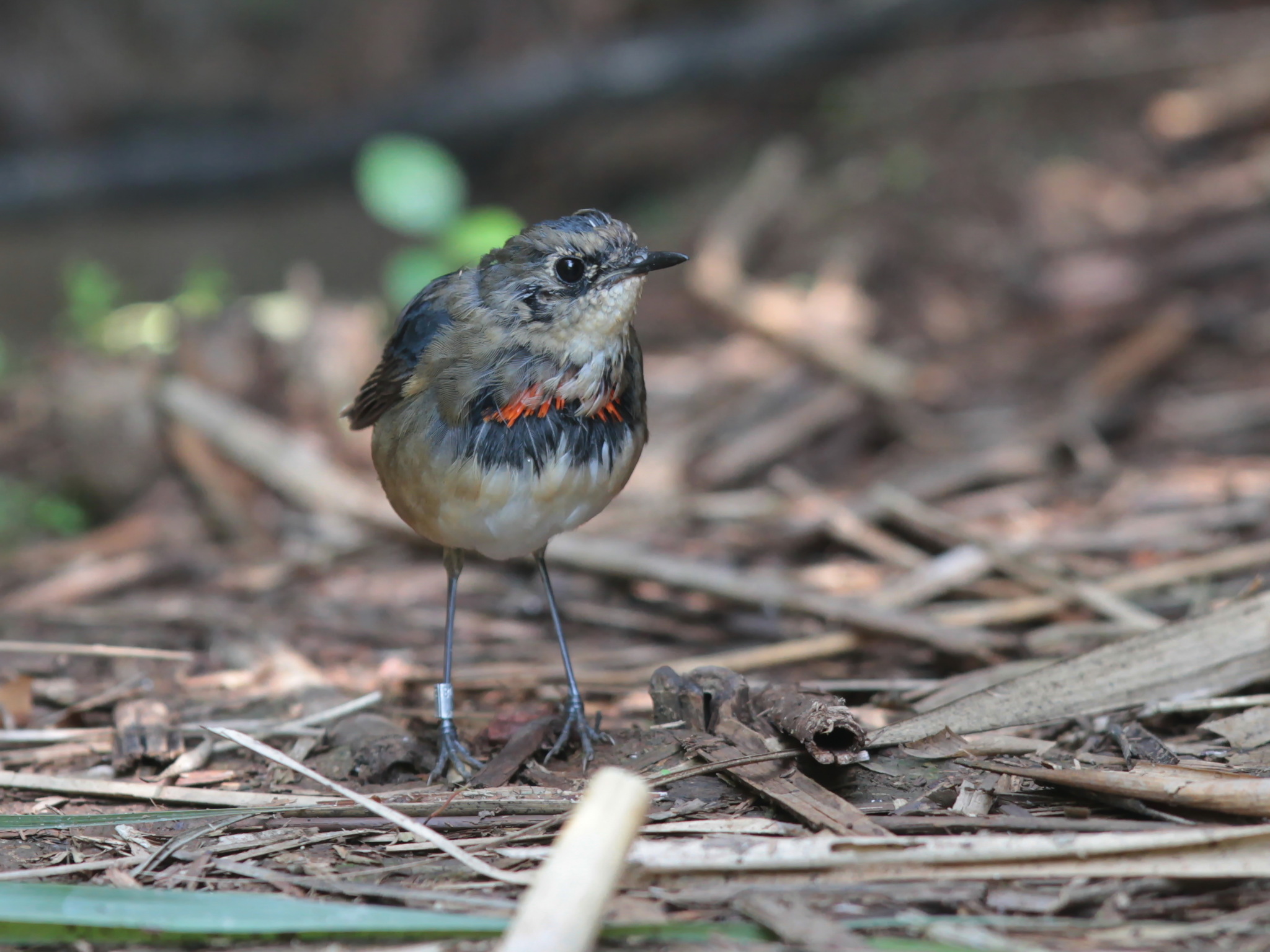
Firethroat
Calliope pectardens
金胸歌鸲
Introduction
A small passerine in the family Muscicapidae. Breeds in temperate forests of western and central China, particularly Sichuan. Migratory; winters in Bangladesh, Bhutan, India, Nepal, Tibet, and Myanmar. Described in 1877 by Armand David. Taxonomic revisions placed it in genera Luscinia and Calliope based on molecular phylogenetic studies. Conservation status affected by habitat loss.
Description
This small passerine displays the characteristic features typical of the Old World flycatcher family. The common name 'firethroat' and alternative names 'orangethroat' and 'rubythroat' refer to the distinctive bright coloration on the throat region that distinguishes this species. The binomial name Calliope pectardens also references this coloring, with 'pectardens' translating from Latin as 'fiery breast.' The species exhibits the compact build and active foraging behavior characteristic of related chats and flycatchers.
Distribution & Habitat
The breeding range centers on Sichuan Province in western and central China, where the species nests in temperate forest habitats. With the arrival of colder weather, the population migrates to lower elevations and more southerly regions across the Indian subcontinent. Wintering territories encompass Bangladesh, Bhutan, India, Nepal, Tibet, and Myanmar. The species inhabits temperate forests in both its breeding and wintering ranges, demonstrating a preference for woodland environments with sufficient understory cover.
Behavior & Ecology
As an insectivorous species within the Muscicapidae family, this bird forages actively among forest vegetation, characteristic behavior of chats and related species. The genus name Calliope derives from the Greek muse of beautiful music, suggesting the species possesses notable vocal qualities, though detailed behavioral observations are limited in available sources.
Conservation
The species faces ongoing threats from habitat loss as deforestation and forest degradation impact its temperate forest habitat. While specific population numbers and IUCN Red List category are not provided in available sources, the species is recognized as threatened by ongoing environmental changes affecting its forest ecosystems in both breeding and wintering ranges.
Source: Wikipedia · CC BY-SA 3.0
Taxonomy
- Order
- Passeriformes
- Family
- Muscicapidae
- Genus
- Calliope
- eBird Code
- fireth1
Distribution
breeds mountains of southeastern Tibet to west-central China; winters to northeastern Myanmar
Data Sources
Species description from Wikipedia, licensed under CC BY-SA 3.0.
Bird images and sounds sourced from GBIF, contributed by citizen scientists worldwide under Creative Commons licenses.
Taxonomy data from AviList 2025.