Western Sandpiper
Calidris mauri
西滨鹬
Introduction
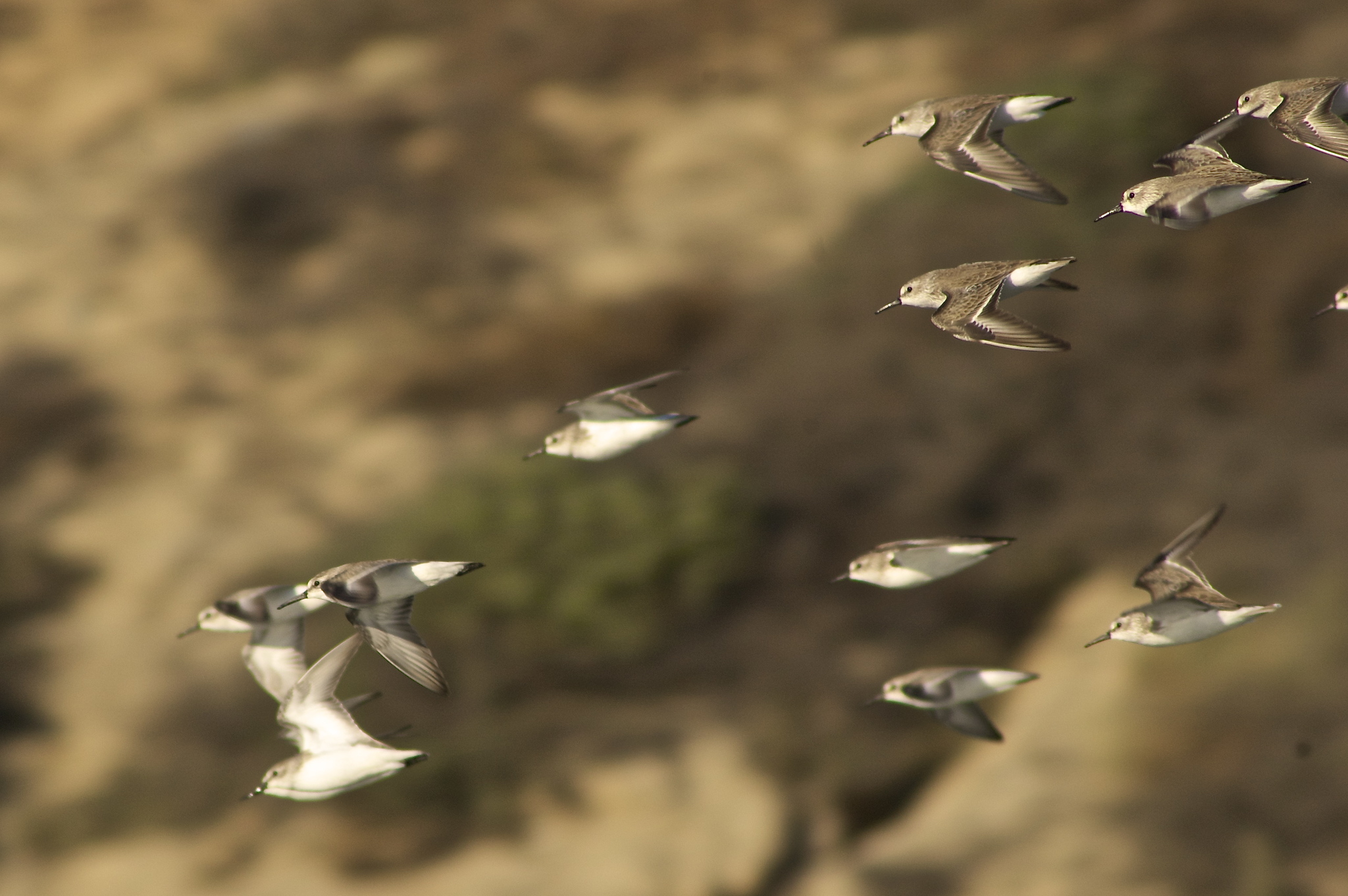
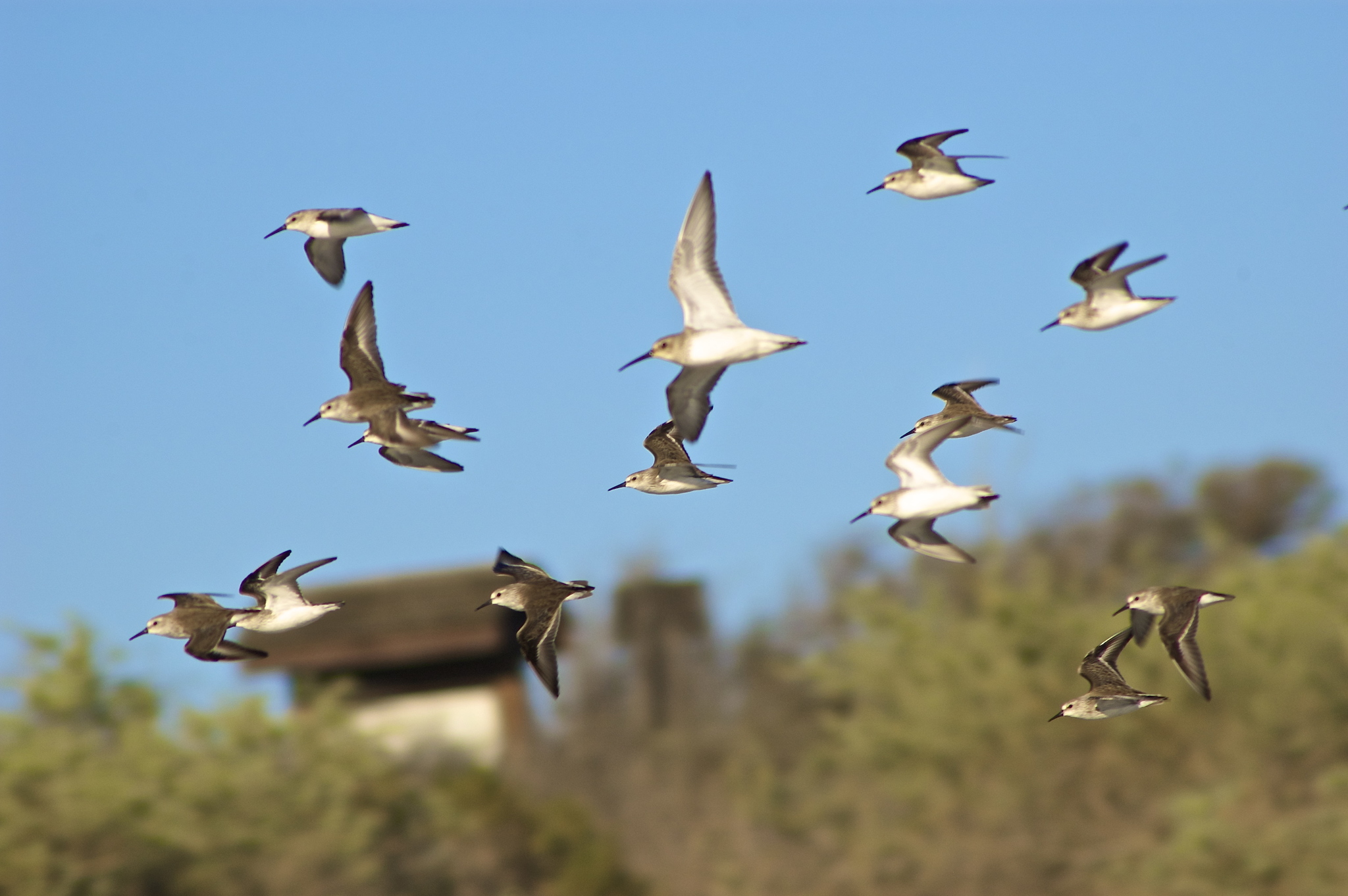
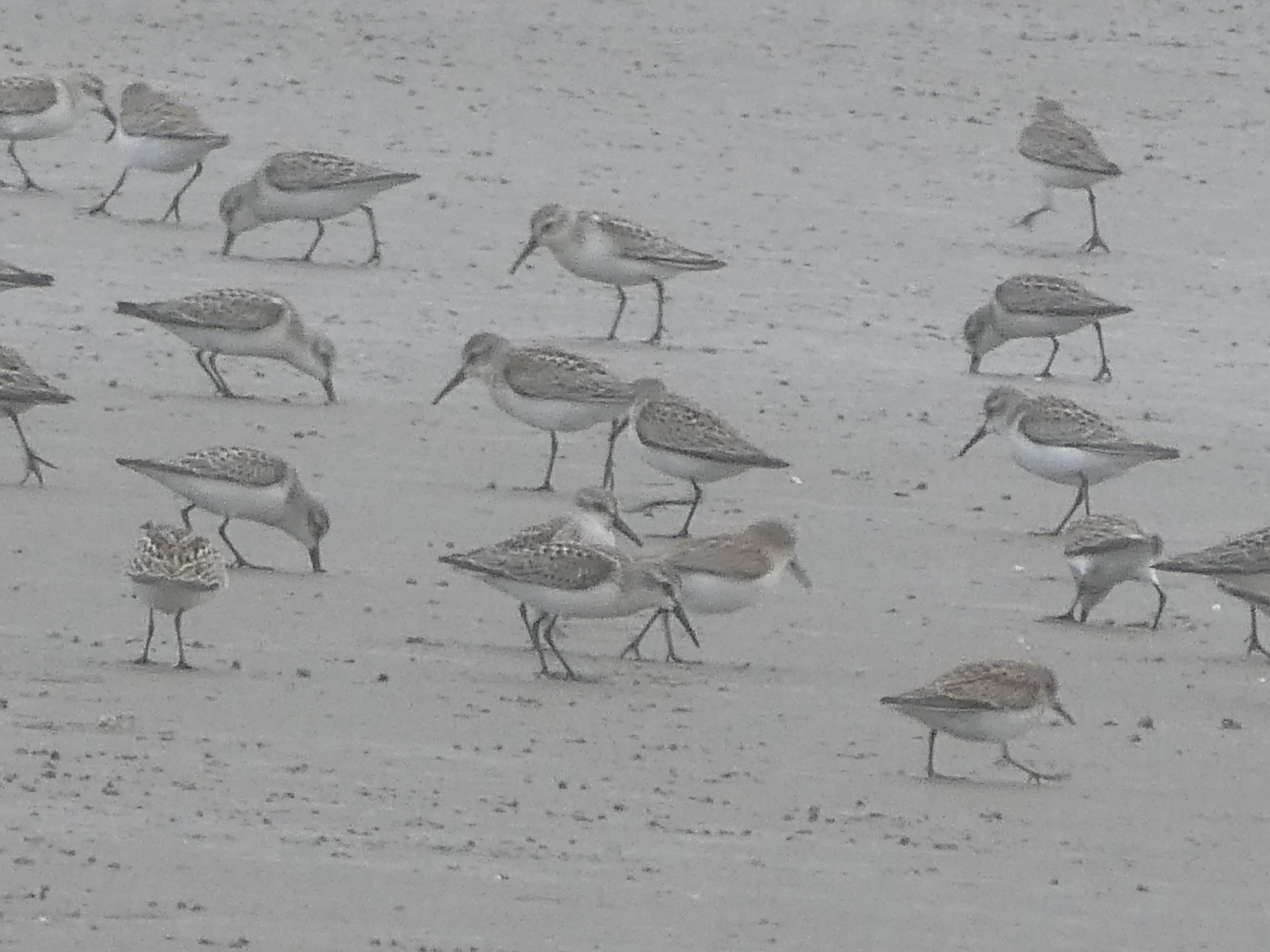
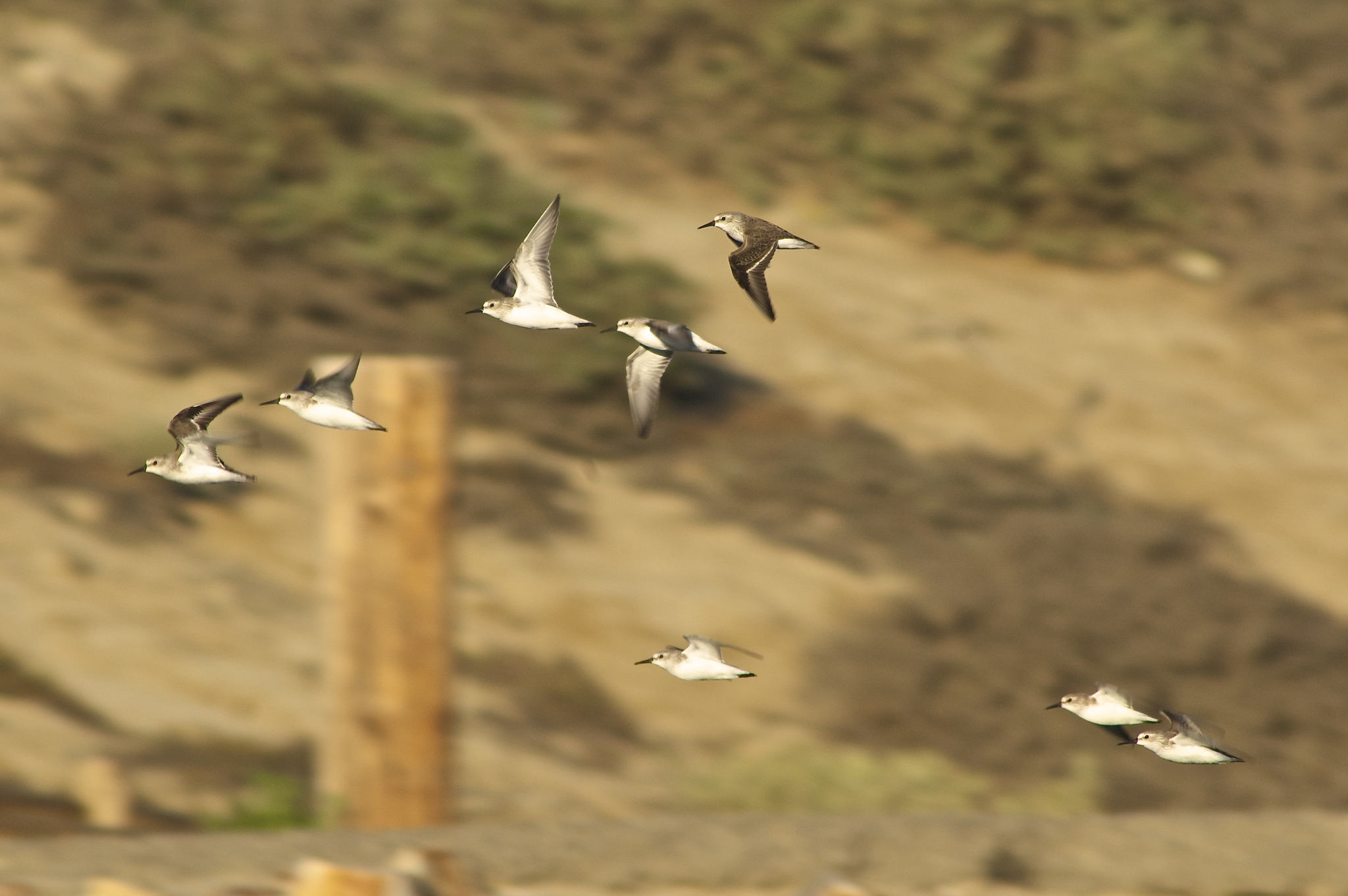
This shorebird migrates between Arctic breeding grounds and wintering areas from Alaska to Tierra del Fuego, occupying both American continents. It is one of the most common shorebird species in North America, with millions of individuals traversing the continent annually. During the breeding season, it inhabits tundra regions. In winter, it is found on mudflats, beaches, and coastal wetlands. The species forms large flocks and feeds by probing mudflats. It belongs to a genus of small sandpipers.
Description
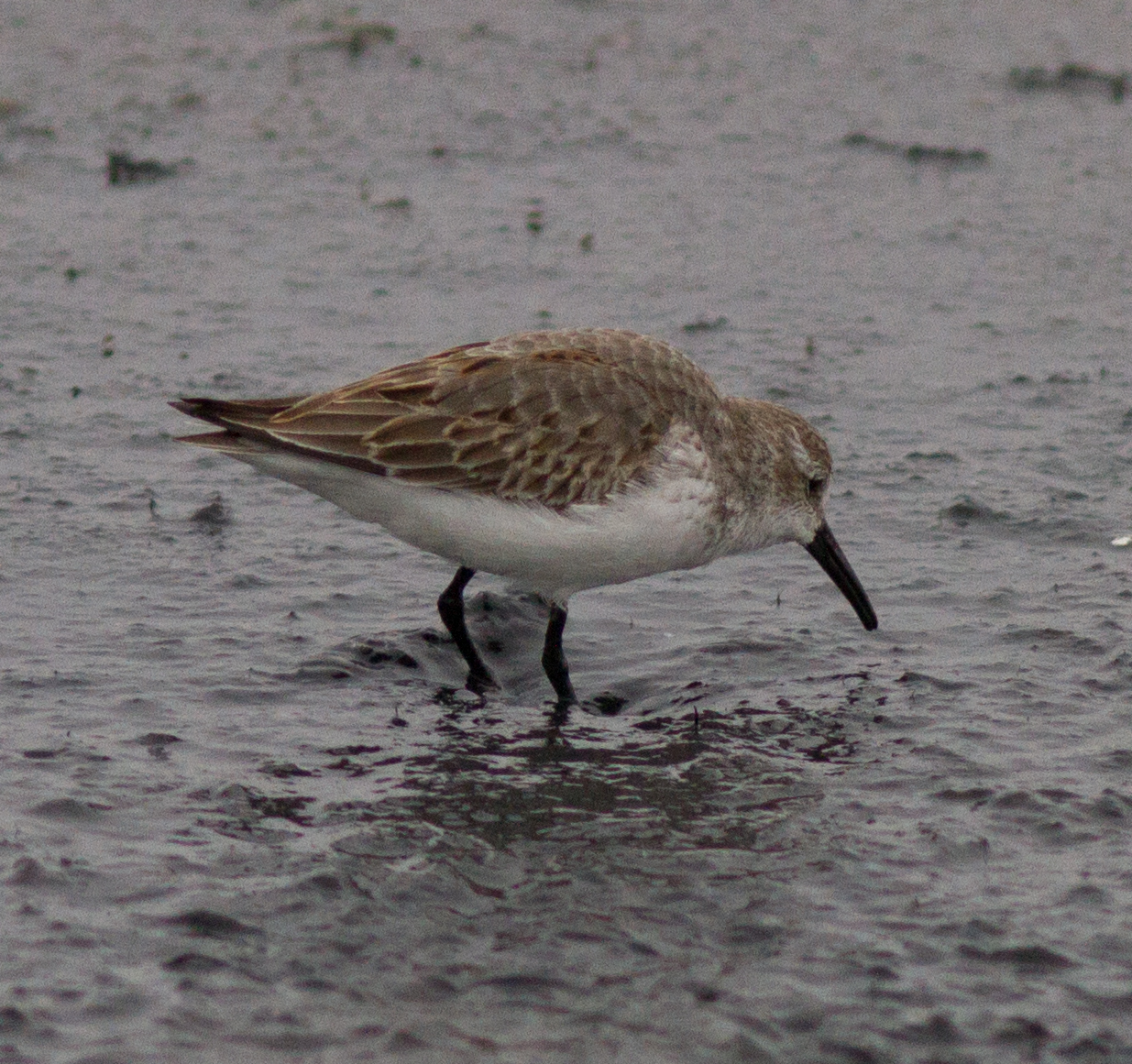
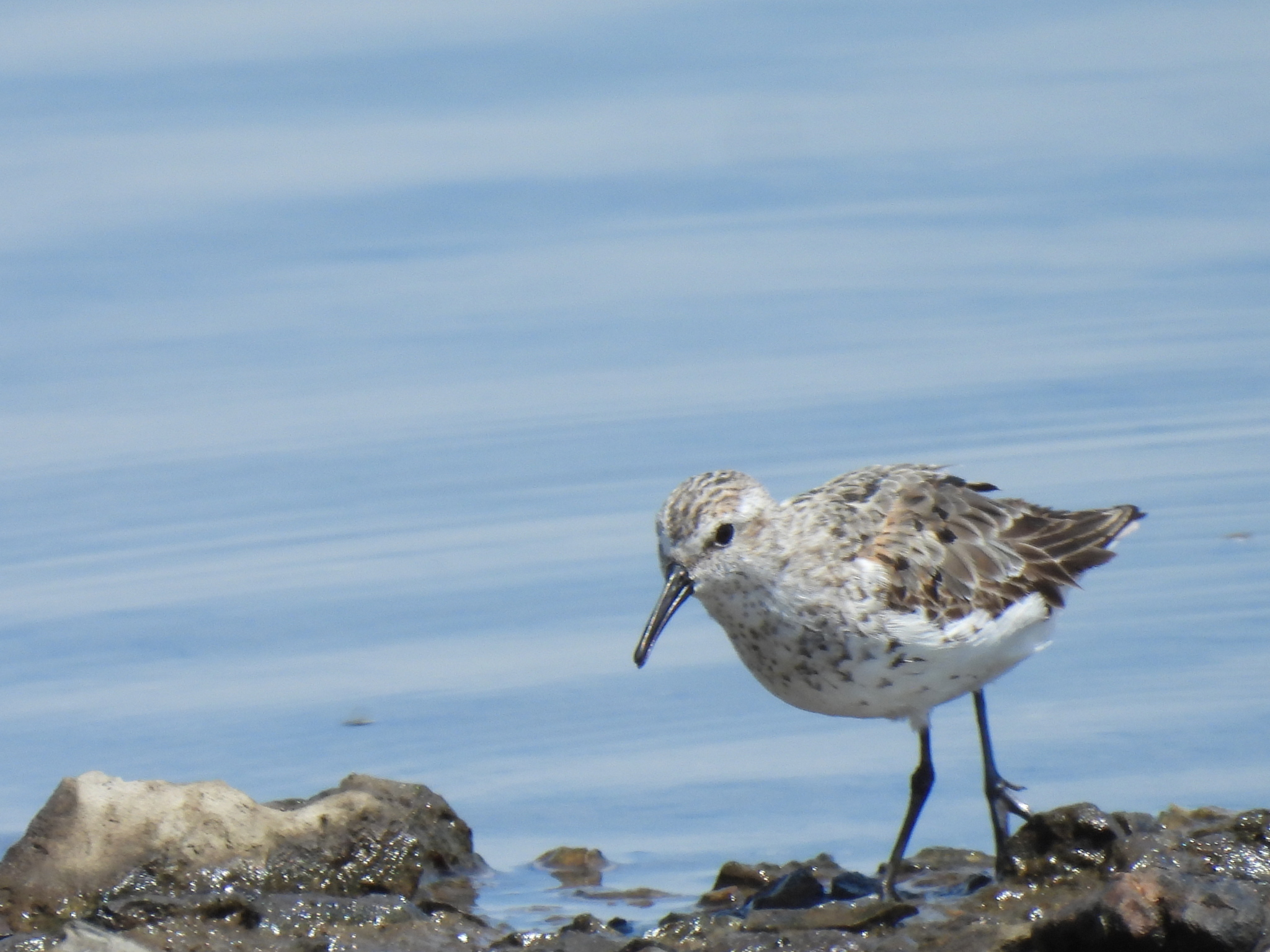
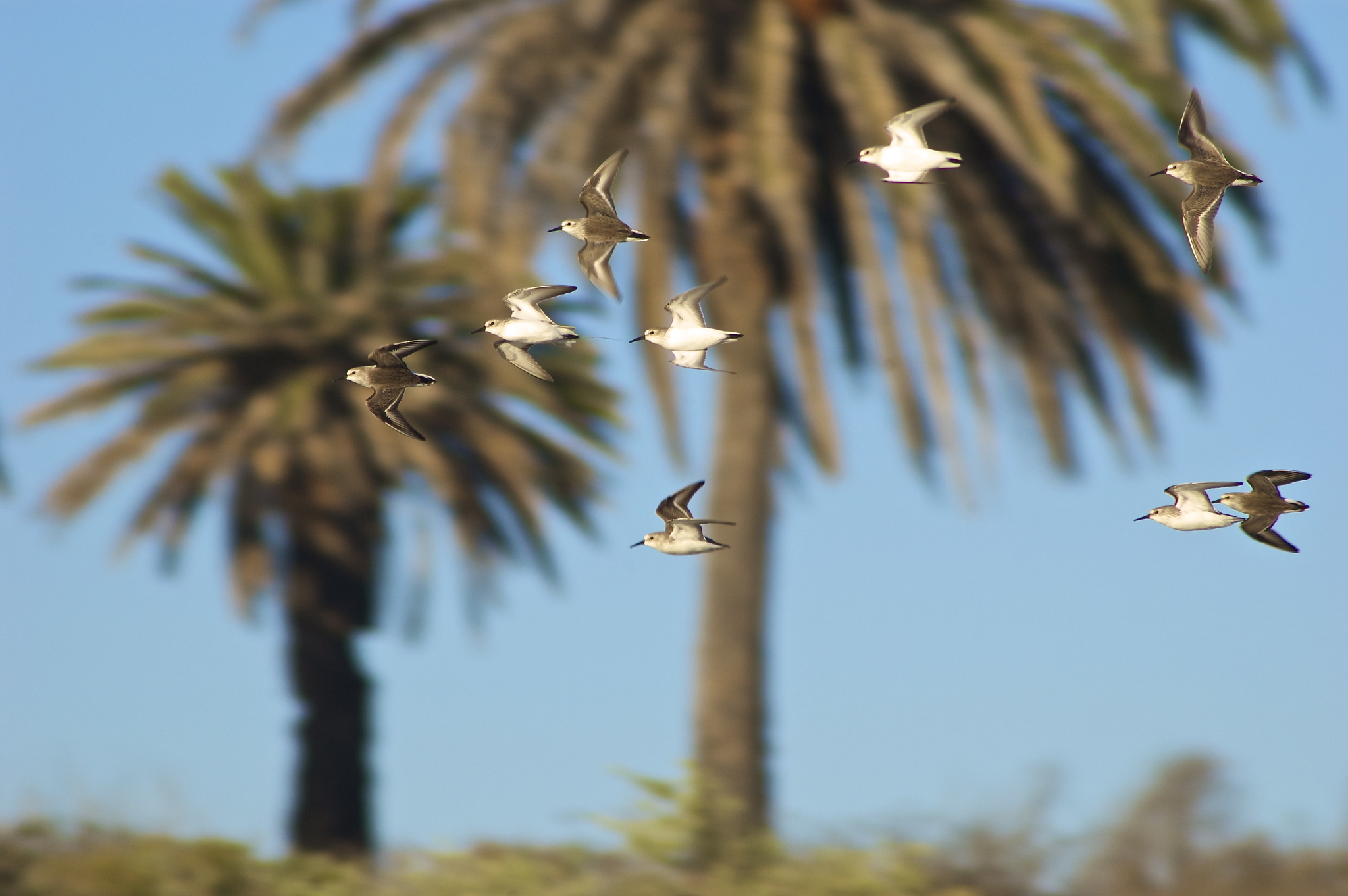
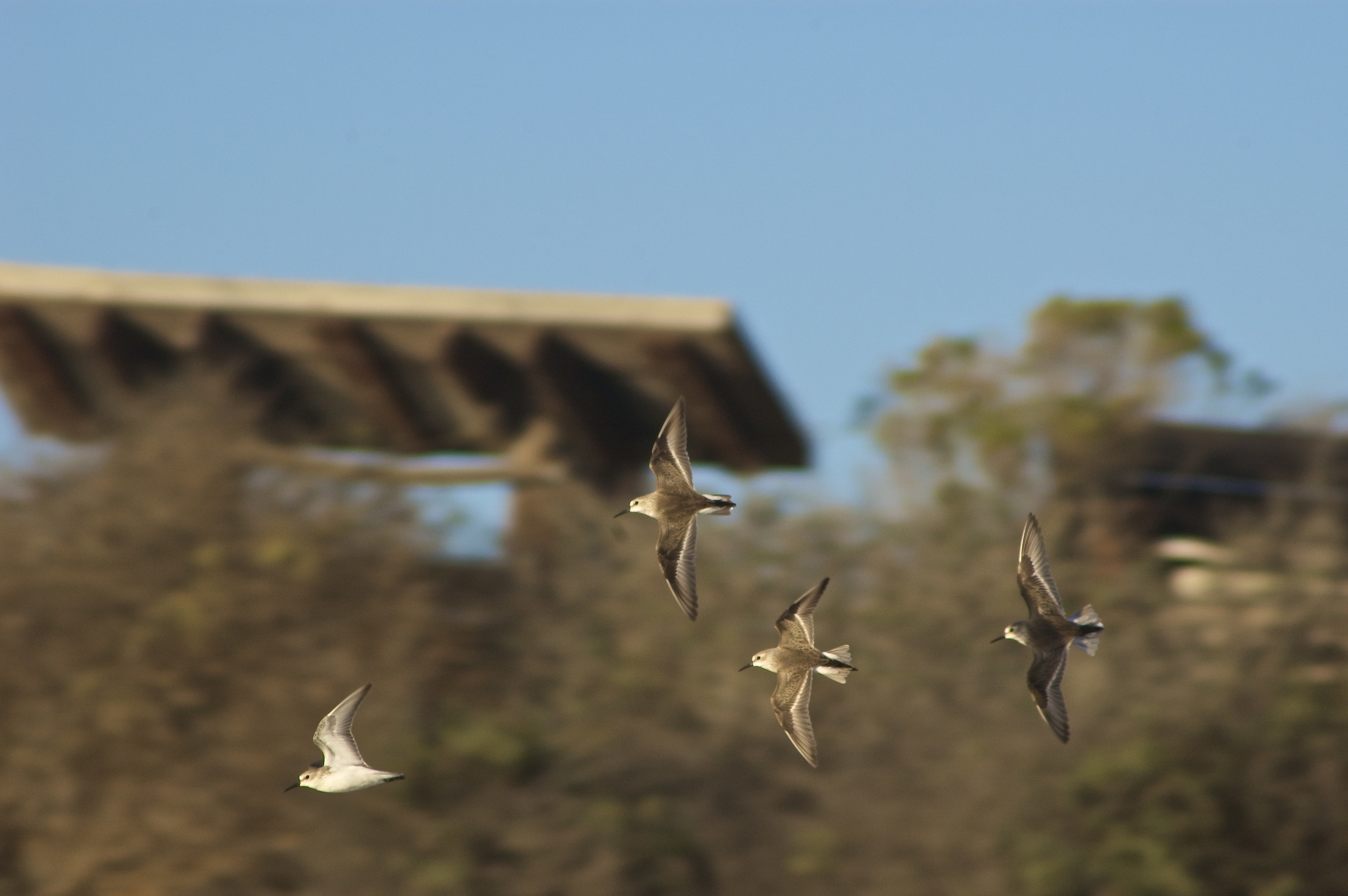
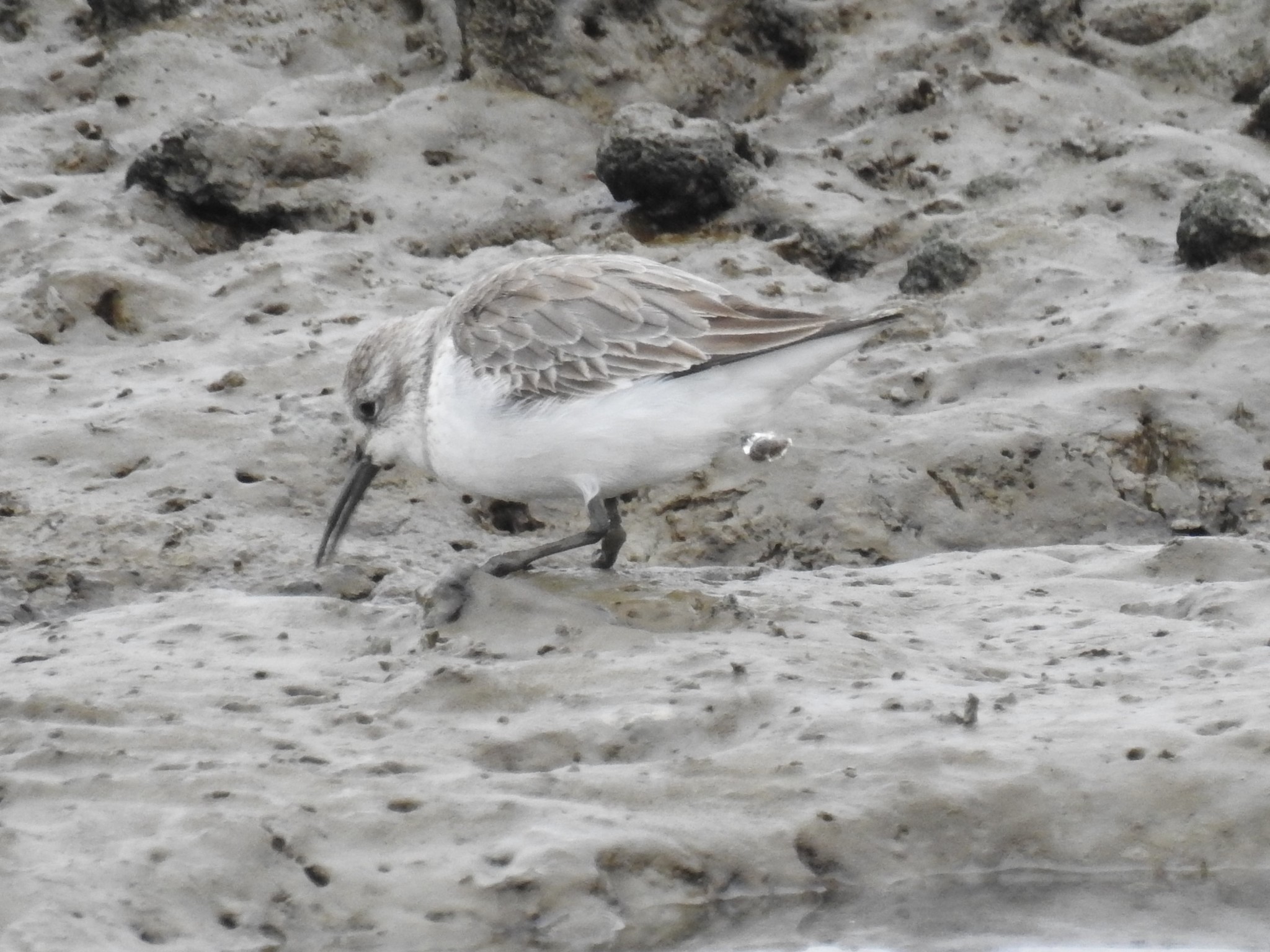
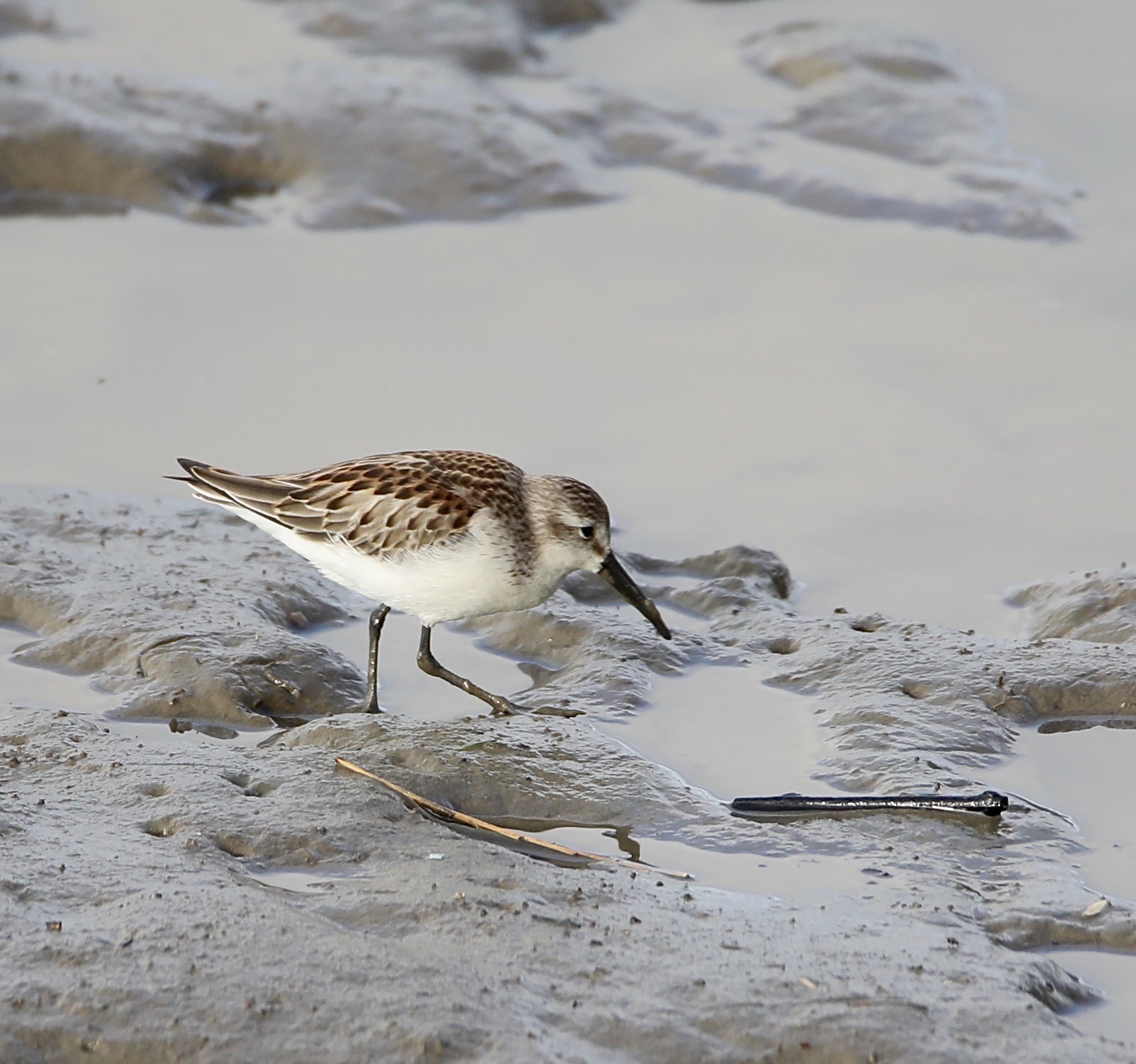
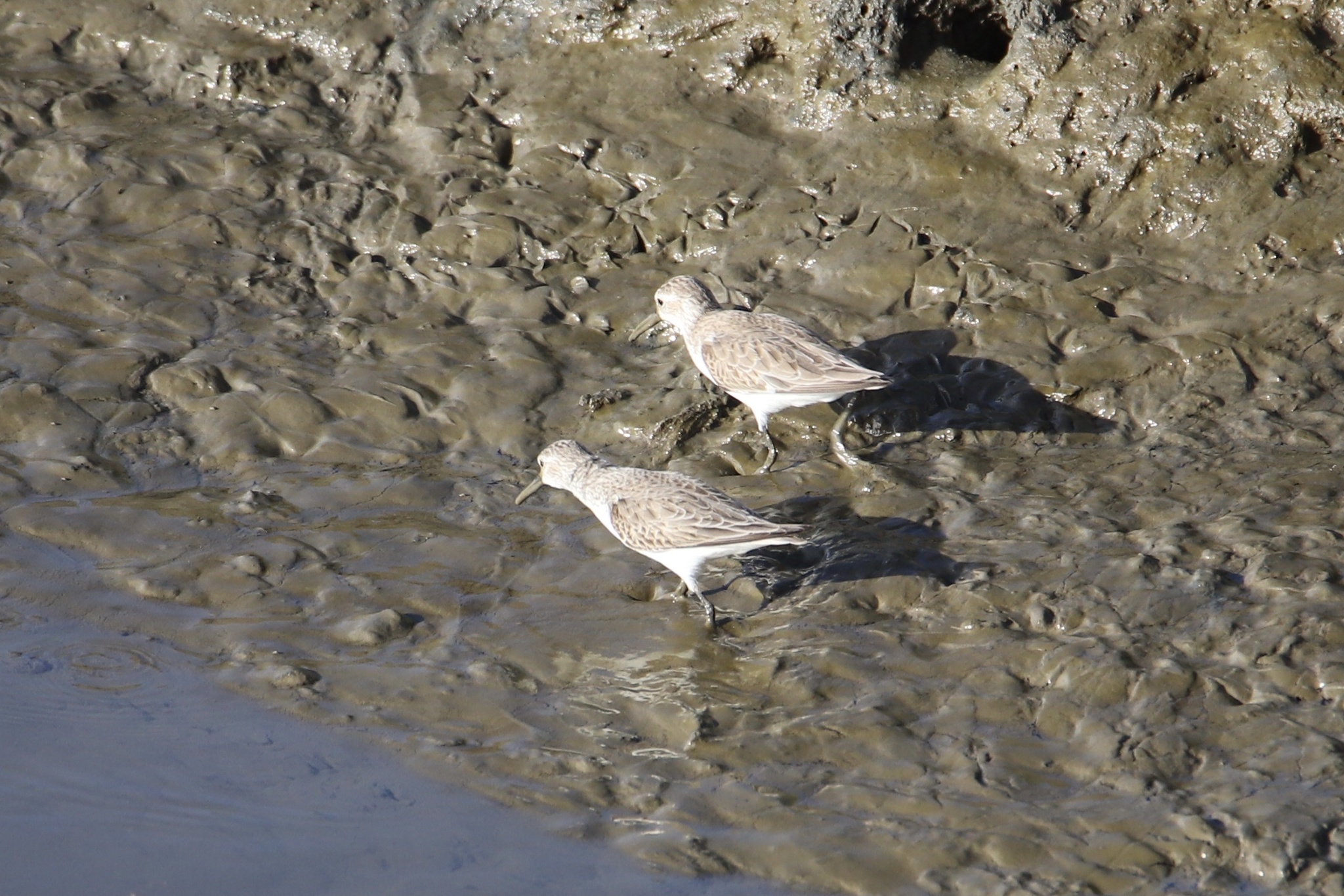
A petite shorebird with a compact build and distinctive foraging style. Adults display dark legs and a notably thin, pointed bill thattapertoward the tip. The upperparts are brown while the underparts remain white, and the crown shows reddish-brown coloration. In winter plumage, both sexes appear plain grey overall, losing the warm tones of the breeding season. This species measures 14 to 17 centimeters in length with a wingspan of 35 to 37 centimeters. Despite its small stature, it weighs between 22 and 35 grams, giving it a delicate but sturdy appearance suited to its long migratory journeys.
Identification
This species presents one of the more challenging identifications in North American shorebirding, as it closely resembles the semipalmated sandpiper in size, structure, and plumage. The two species are nearly indistinguishable in winter dress, when both appear uniformly grey. The key distinguishing feature involves timing: this species molts into winter plumage considerably earlier in autumn than the semipalmated sandpiper. Close observation may reveal subtle differences in bill shape, as this species has a slightly thinner, more needle-like bill, though this characteristic requires practice to use reliably in the field. Vocalizations and foraging behavior can also provide helpful clues for patient observers.
Distribution & Habitat
Breeding occurs on Arctic tundra across eastern Siberia and Alaska, where pairs establish territories in wet meadow habitats. During migration, these birds traverse the continent to reach wintering areas along both coasts of North America, extending throughout the Caribbean and down both coasts of South America to Chile and Argentina. They utilize a variety of coastal habitats including mudflats, estuaries, and protected bays. This species appears as a very rare visitor to western Europe, where sightings generate excitement among local birders.
Behavior & Ecology
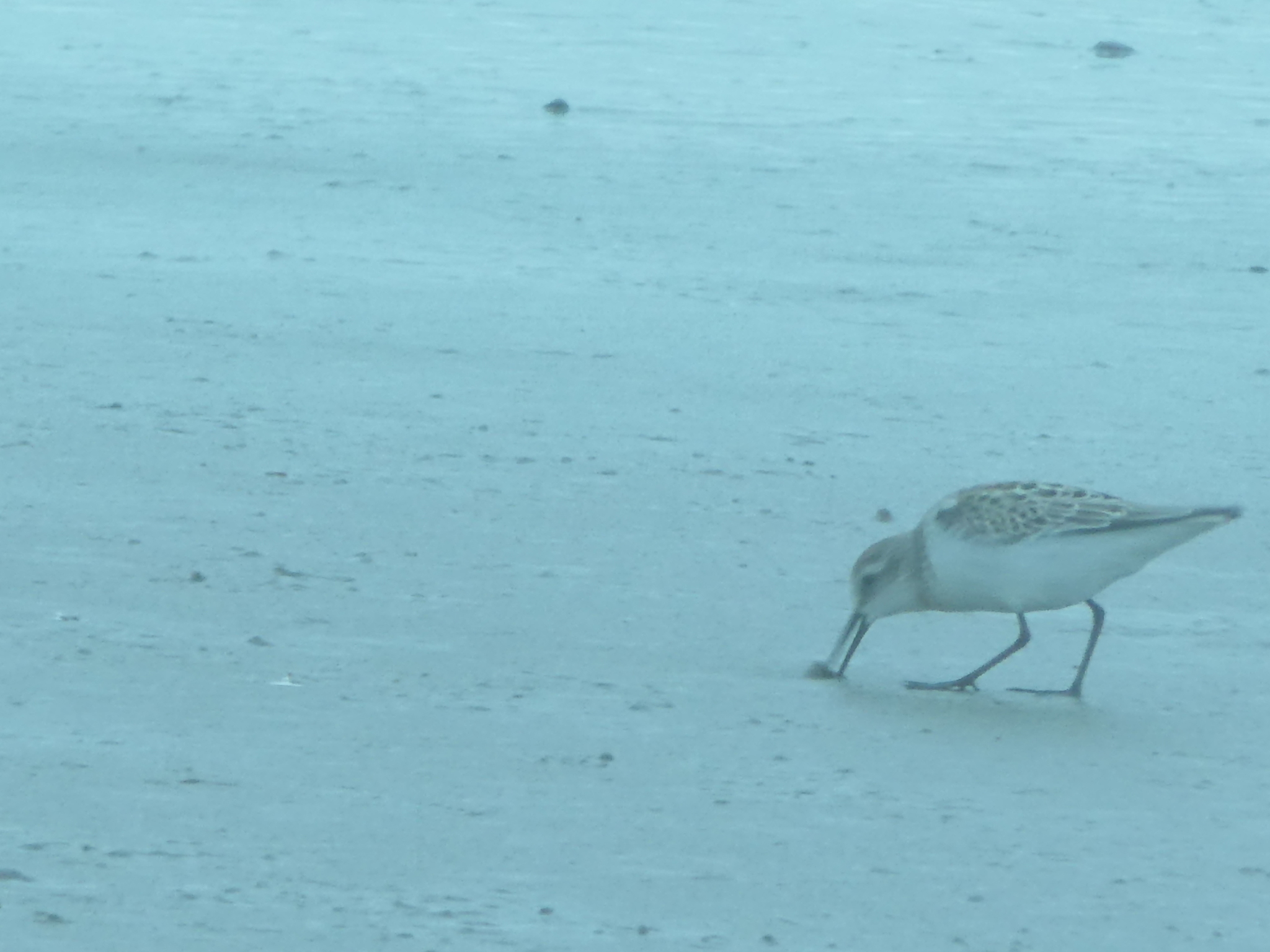
Breeding begins with males constructing multiple shallow ground scrapes, from which the female selects one for egg-laying. A clutch consists of four eggs, and both parents share incubation duties as well as caring for the precocial young, which feed themselves shortly after hatching. The female sometimes abandons her mate and offspring before the young fledge. Foraging strategy varies seasonally: on the breeding tundra and wet meadows, they consume insects and spiders, while during migration and winter they work mudflats by probing with their bills or picking prey by sight. Research has revealed they also graze heavily on biofilm—the microbial community coating intertidal mud surfaces—supplementing their diet with small crustaceans, mollusks, polychaete worms, and seeds.
Conservation
This species holds a status of Least Concern due to its enormous global population numbering in the millions. However, monitoring programs continue to track population trends, as shorebirds face numerous threats across their extensive range including habitat loss at stopover sites, coastal development, pollution, and climate change affecting Arctic breeding grounds. Conservation efforts focus on protecting critical staging areas and wintering habitats throughout the Americas.
Culture
No specific cultural significance or folklore associated with this species is documented.
Source: Wikipedia · CC BY-SA 3.0
Taxonomy
- Order
- Charadriiformes
- Family
- Scolopacidae
- Genus
- Calidris
- eBird Code
- wessan
Distribution
breeds Chukotskiy Peninsula and Anadyr (northeastern Siberia; few), St. Lawrence Island (Bering Sea), and western and northern Alaska mainland; winters coastal Washington to Peru and Galapagos, southeastern Canada to Caribbean, and inland central Mexico to northern Costa Rica
Data Sources
Species description from Wikipedia, licensed under CC BY-SA 3.0.
Bird images and sounds sourced from GBIF, contributed by citizen scientists worldwide under Creative Commons licenses.
Taxonomy data from AviList 2025.