Stilt Sandpiper
Calidris himantopus
高跷鹬
Introduction
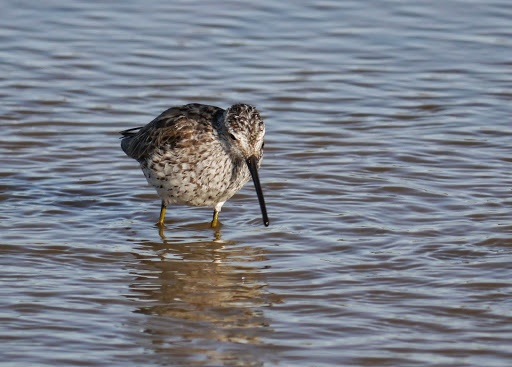
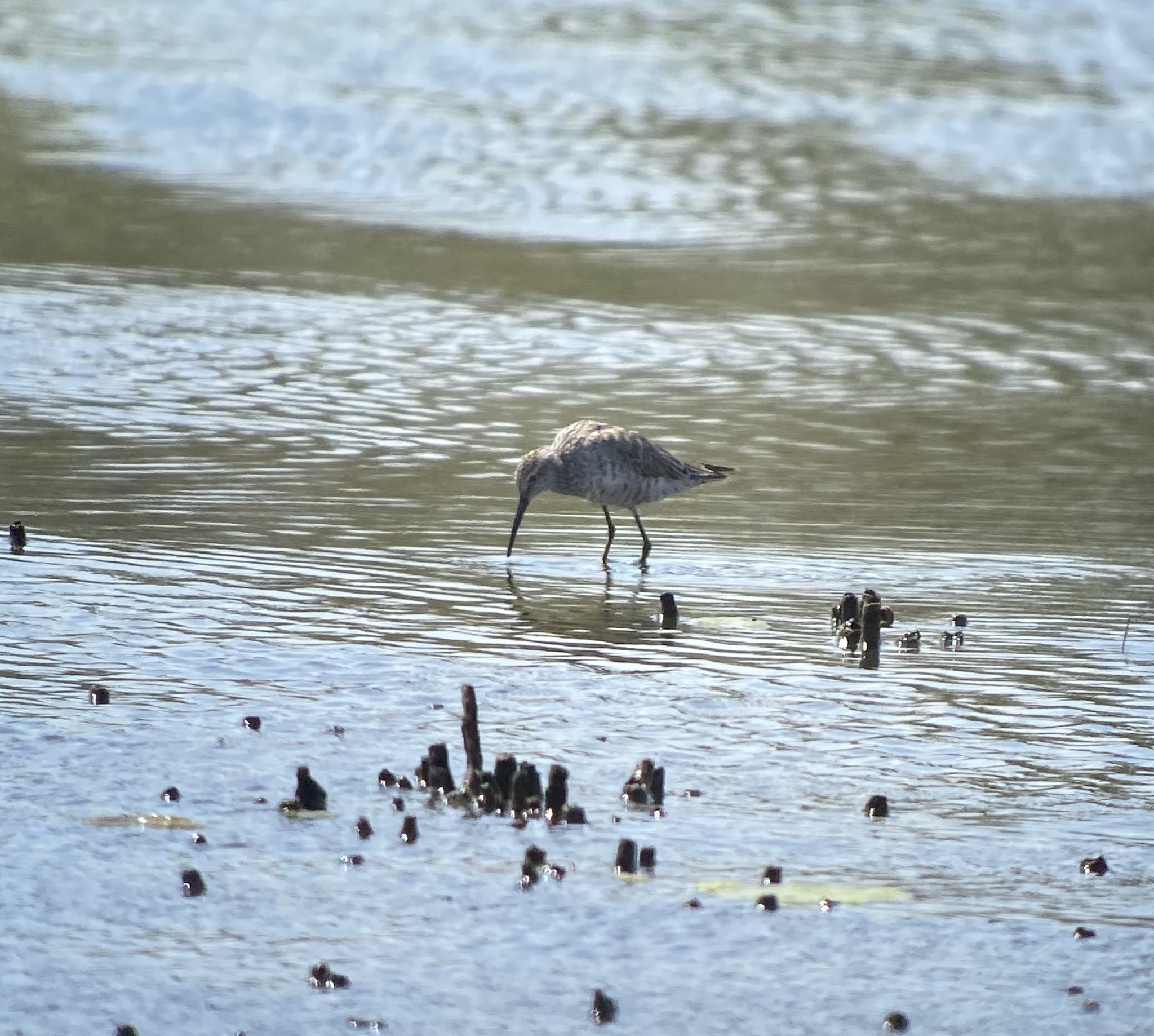
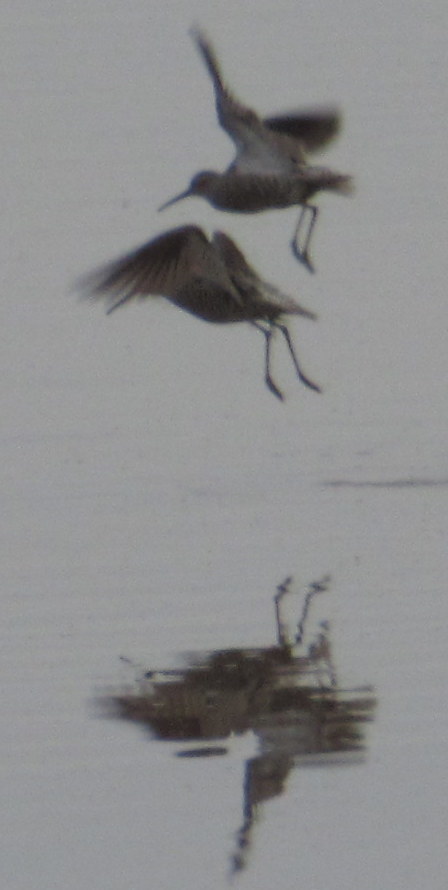
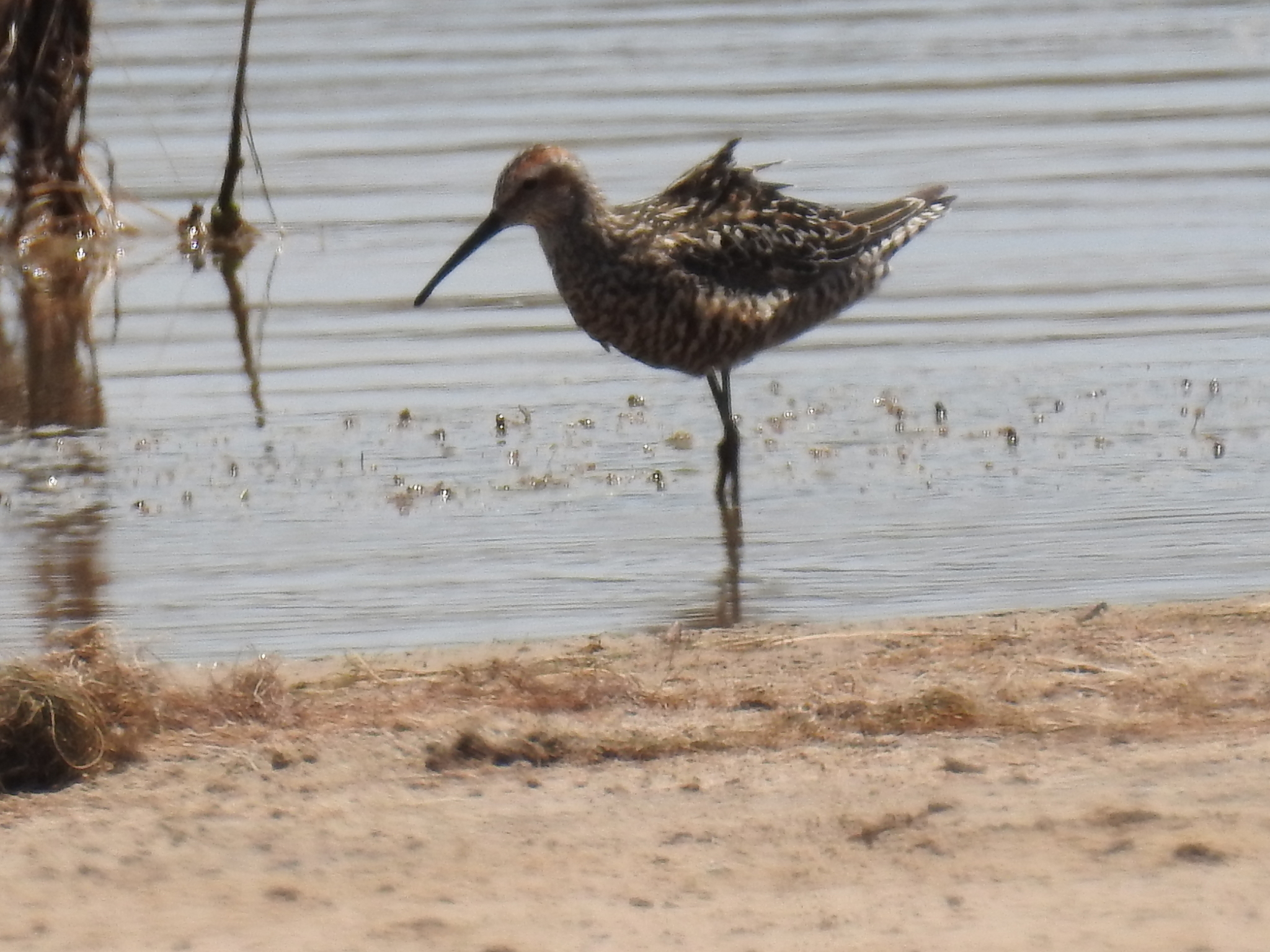
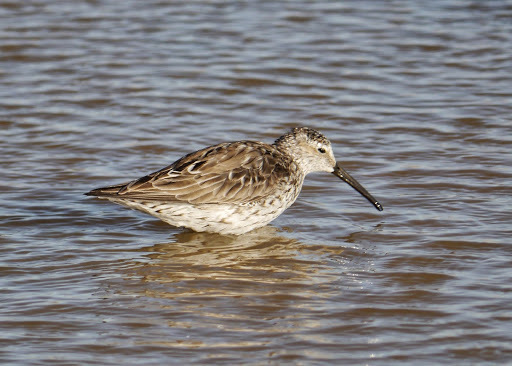
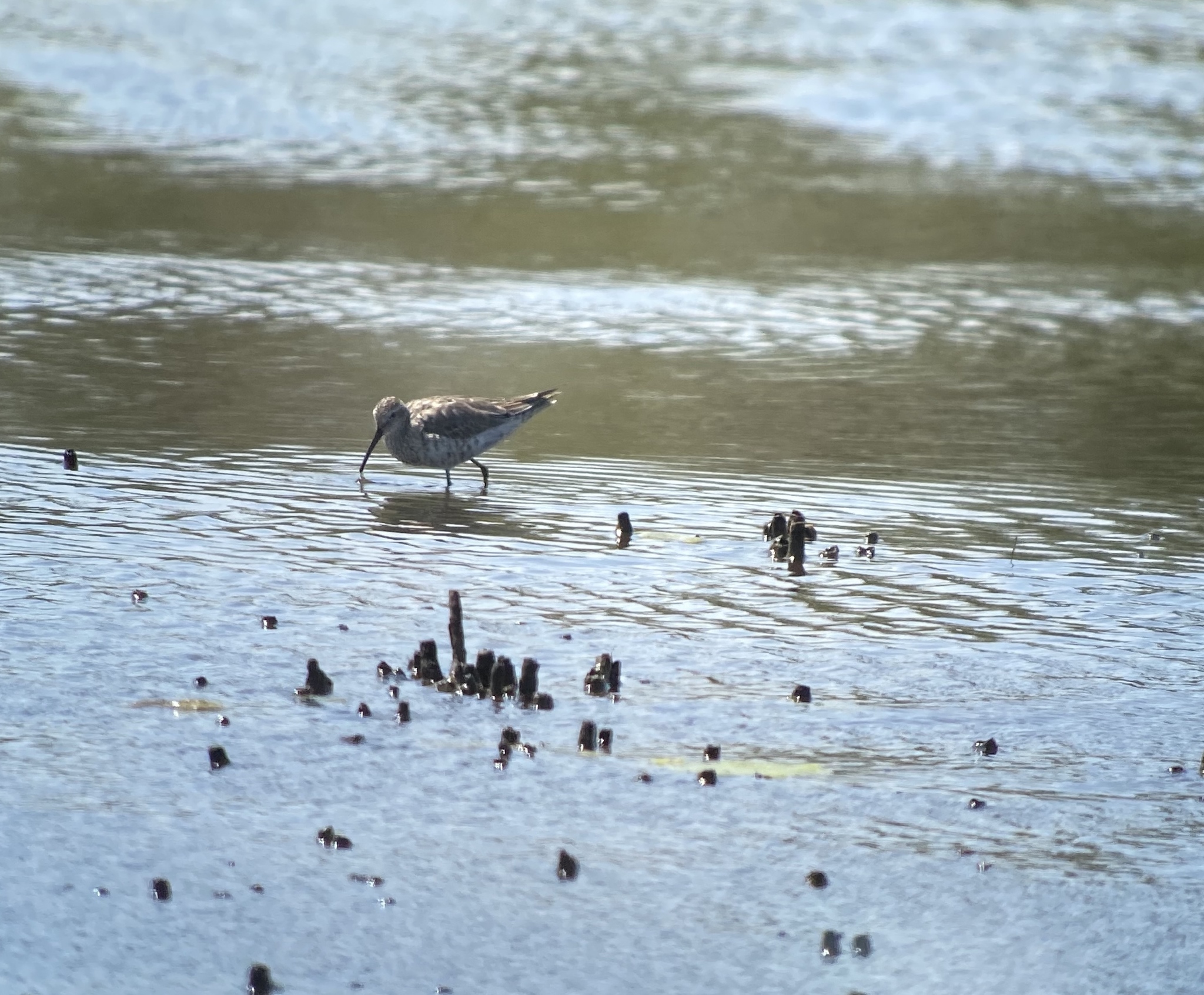
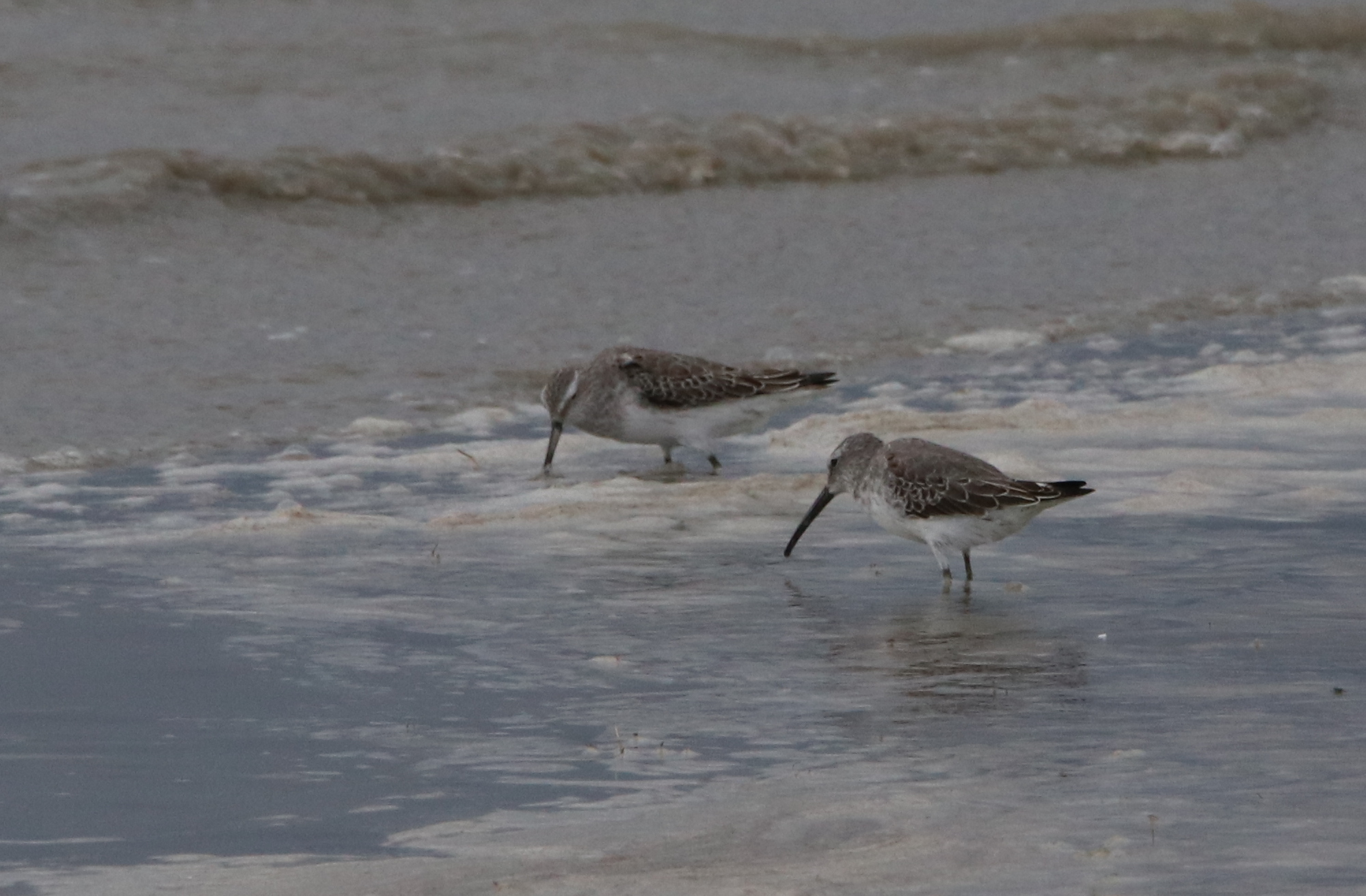
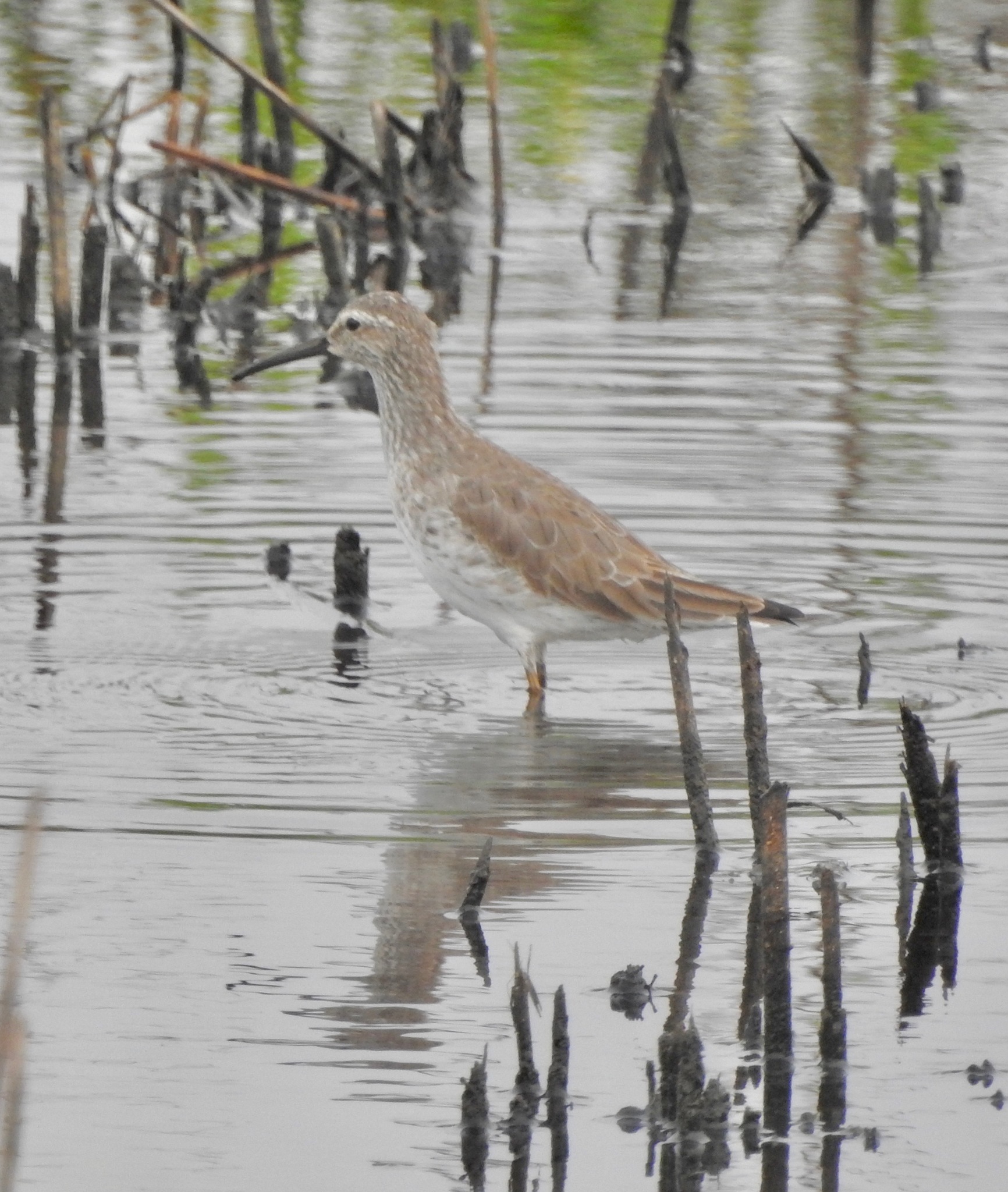
This sandpiper (Calidris genus) has long, slender neck and legs, a slightly curved bill, and a prominent supercilium. It lacks wing bars and has a white rump. Breeding plumage features heavily barred underparts; non-breeding plumage is gray-and-white. It feeds deliberately along muddy pool edges and often associates with dowitchers. Breeding range extends across Arctic regions; wintering areas include South America. It occurs in small numbers throughout its range.
Description
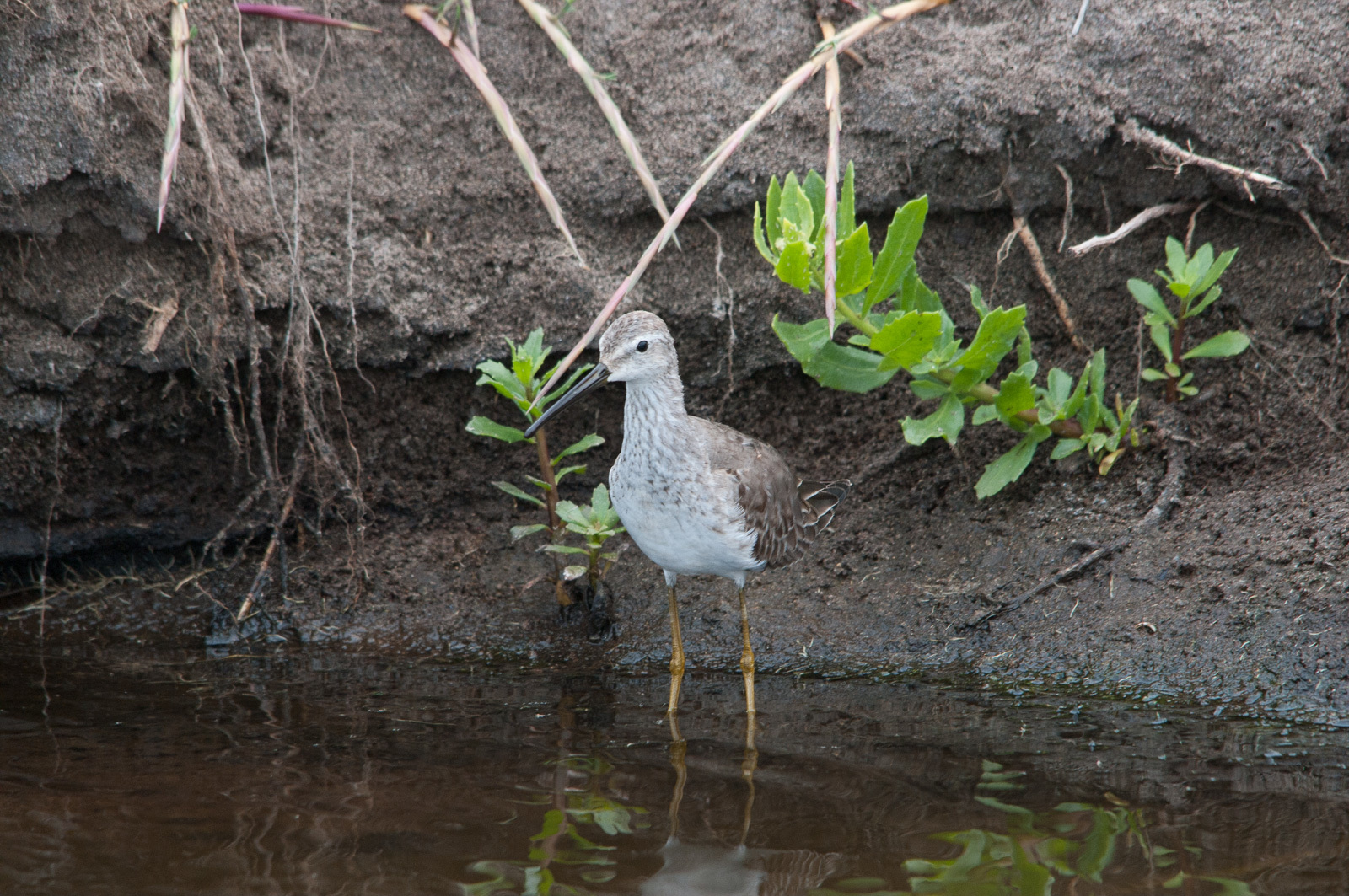
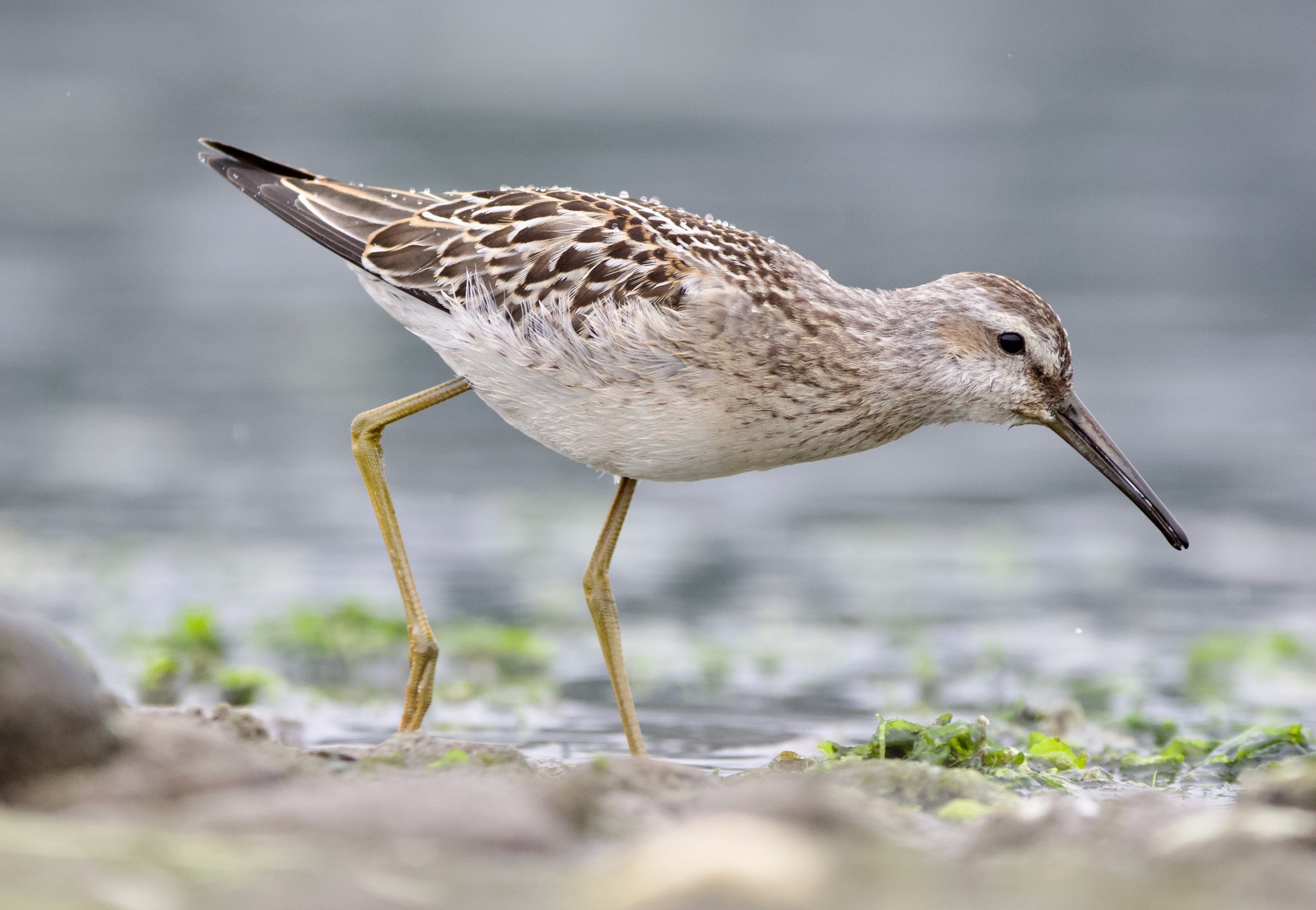
A small, elegantly proportioned sandpiper measuring 18-23 cm in length with a wingspan of 37-42 cm and weighing 50-70 g. The most distinctive features are its long neck, long greenish-yellow legs, and slightly curved bill of moderate length. The supercilium is prominent and white. Breeding plumage is striking: heavily barred blackish underparts contrast with reddish-orange patches around the eye and on the supercilium, while the back is brown with darker feather centers. Winter birds are gray above with white underparts, retaining the white supercilium. Juveniles show a strong head pattern and brownish back with white fringes on the feathers, but lack the barring below seen in adults. The white rump is visible in flight, but unlike most sandpipers, there is no wing bar.
Identification
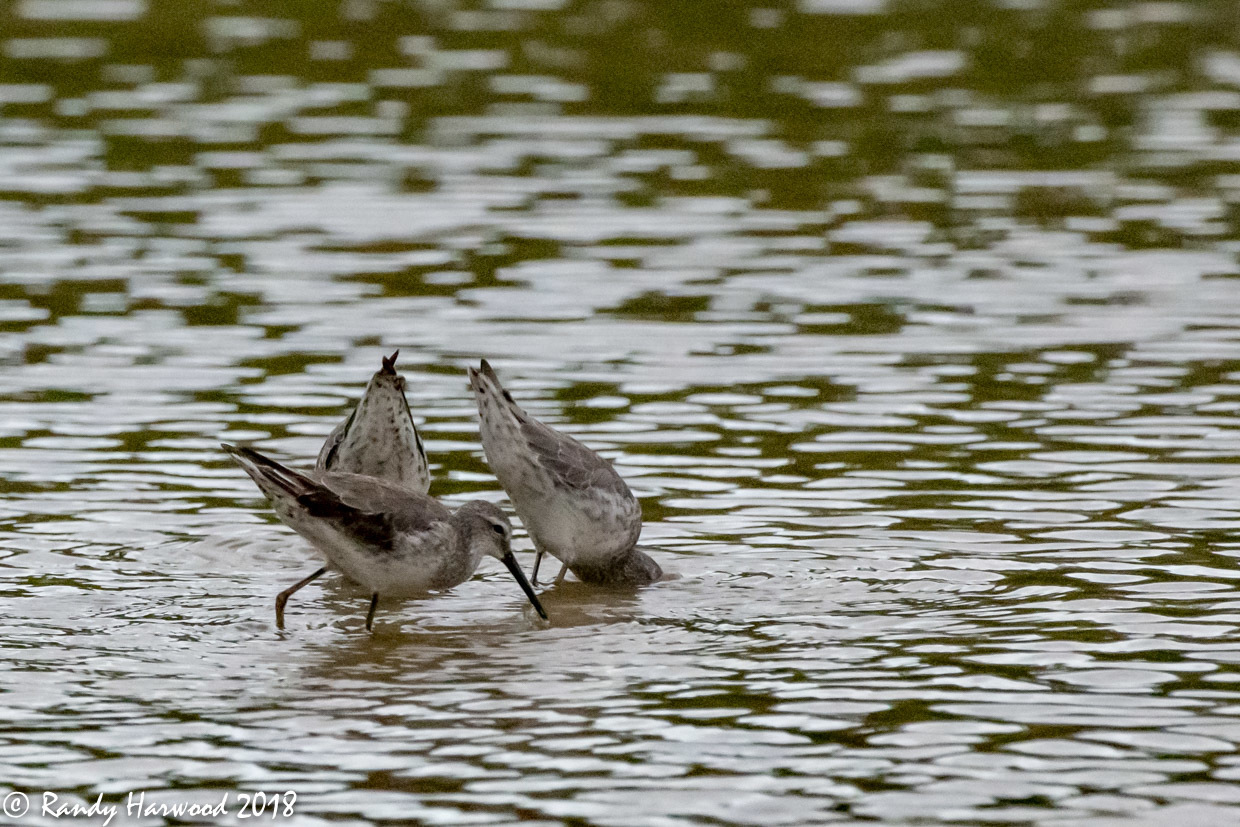
Separating this species from the similar curlew sandpiper requires attention to leg color and bill shape. The legs are noticeably longer and greenish-yellow rather than black, and the bill is only slightly curved—not obviously decurved like the curlew sandpiper's. In flight, both species show a white rump, but the absence of any wing bar helps distinguish this bird from most other Calidris sandpipers. Breeding adults are unmistakable with their heavily barred underparts. When in winter plumage, the combination of gray upperparts, white underparts, supercilium, and greenish-yellow legs remains diagnostic. The foraging style—jabbing at mud like dowitchers—also provides a behavioral clue when multiple species are present together.
Distribution & Habitat
Breeding occurs across the open Arctic tundra of northern Alaska and northern Canada. This is a long-distance migrant that winters mainly in central South America, from southern Peru across to southern Brazil, south to northern Chile and northern Argentina. Small numbers winter farther north in California, Texas, Florida, and Mexico. During migration, flocks stop at the muddy margins of freshwater pools, primarily in the eastern United States and Canadian provinces, with smaller numbers occurring west to the Pacific coast. This species is a rare vagrant in western Europe, Japan, and Australia.
Behavior & Ecology
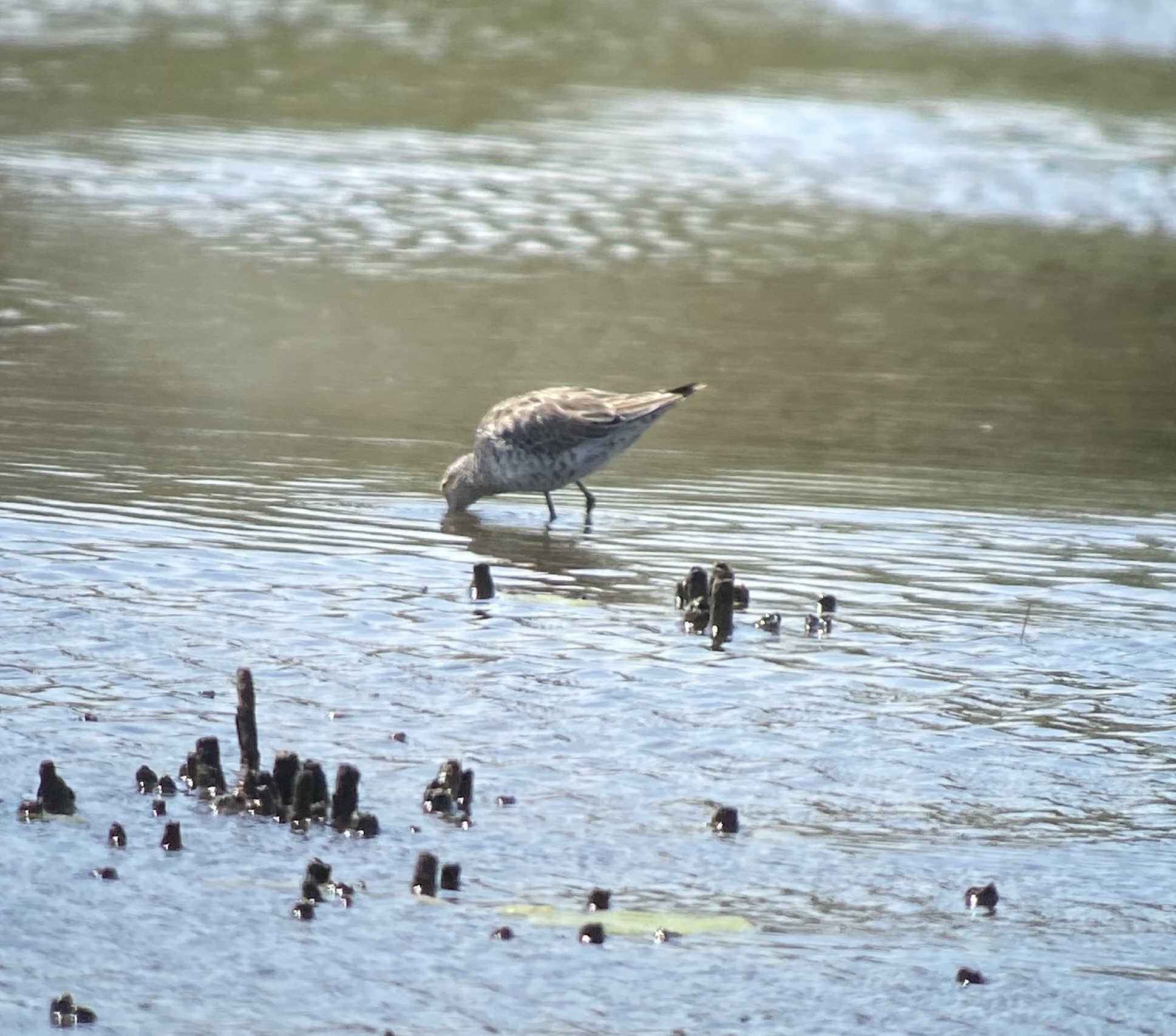
This bird breeds on the ground, with the male performing a display flight. The nest contains three or four eggs. Outside the breeding season, it shows a strong preference for inland freshwater habitats rather than open coasts. Foraging takes place on muddy pool margins, where it picks up food by sight using a distinctive jabbing motion similar to dowitchers—species with which it frequently associates. The diet consists mainly of insects and other invertebrates such as molluscs, along with seeds and the leaves and roots of aquatic plants.
Conservation
No specific conservation assessment or population data is provided in the source article.
Culture
No cultural significance or folklore is documented for this species.
Source: Wikipedia · CC BY-SA 3.0
Taxonomy
- Order
- Charadriiformes
- Family
- Scolopacidae
- Genus
- Calidris
- eBird Code
- stisan
Distribution
breeds tundra to taiga edge of North Slope of Alaska eastward to north-central Canada; winters Mexico and throughout the Caribbean; in Central America mainly along Pacific coast; coastal South America to Peru and northern Brazil, and in pampas of north-central Argentina
Vocalizations
Data Sources
Species description from Wikipedia, licensed under CC BY-SA 3.0.
Bird images and sounds sourced from GBIF, contributed by citizen scientists worldwide under Creative Commons licenses.
Taxonomy data from AviList 2025.