Baird's Sandpiper
Calidris bairdii
黑腰滨鹬
Introduction
Among the smallest Calidris sandpipers, this species breeds in Arctic regions and winters in high-altitude areas of the South American Andes. During migration, it occurs at muddy lake edges, sewage ponds, and short-grass fields. This species regularly winters at elevations exceeding 4,700 meters. In fall, individuals migrate to the puna grasslands and lake shores of the Andes. It feeds along water's edges with characteristic sandpiper movements. During migration, it occurs in mixed flocks with other small Calidris species.
Description
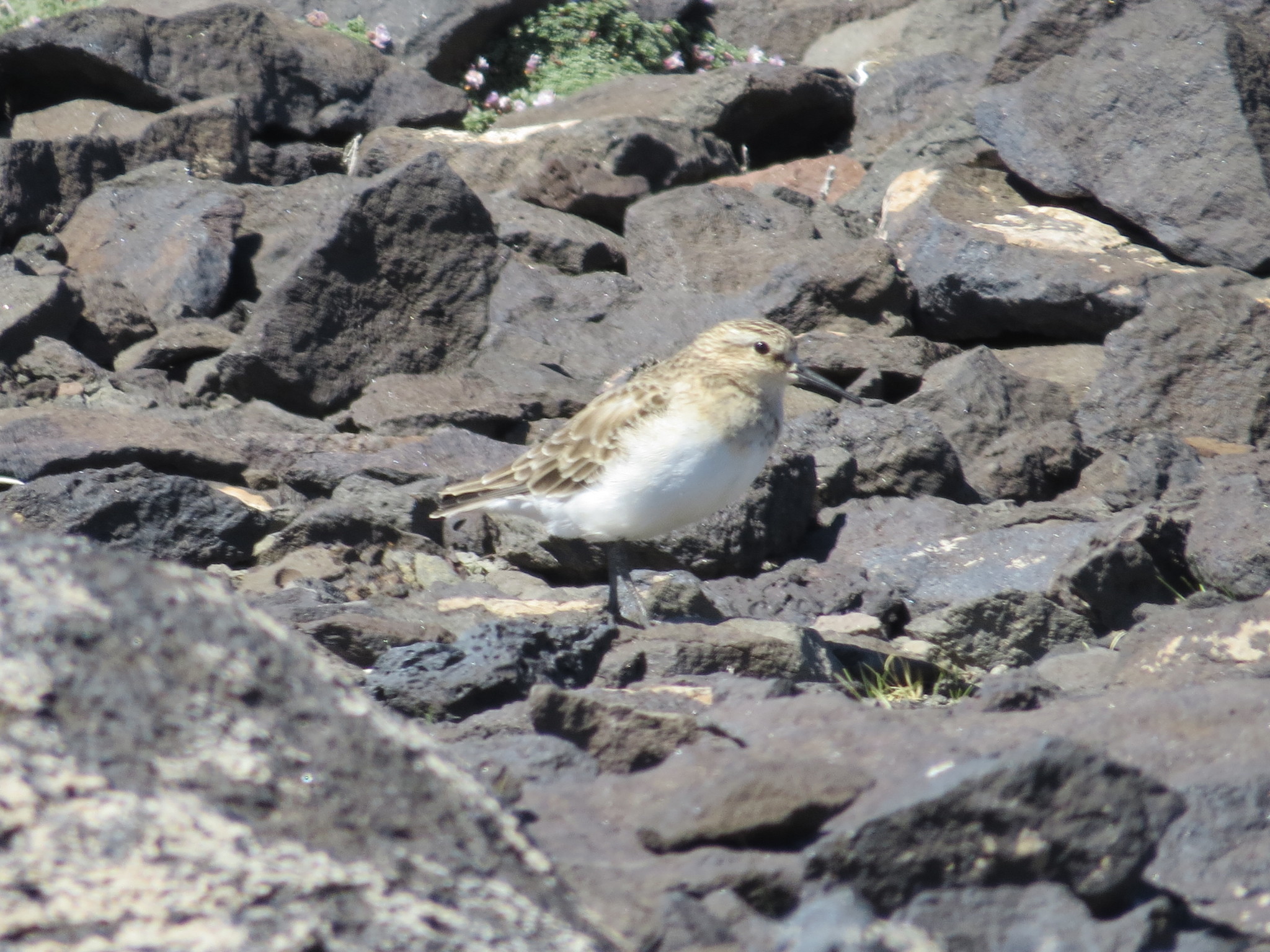
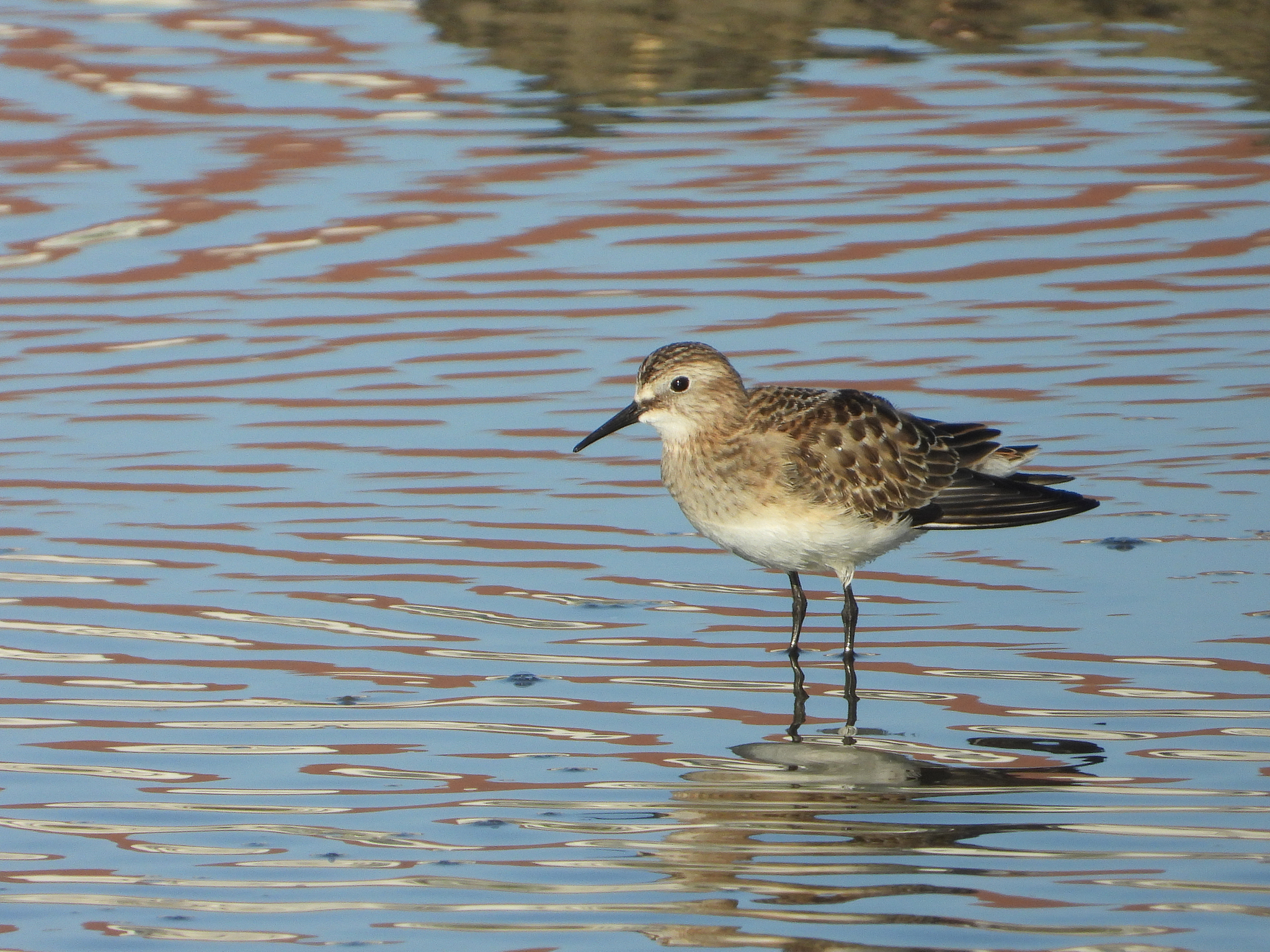
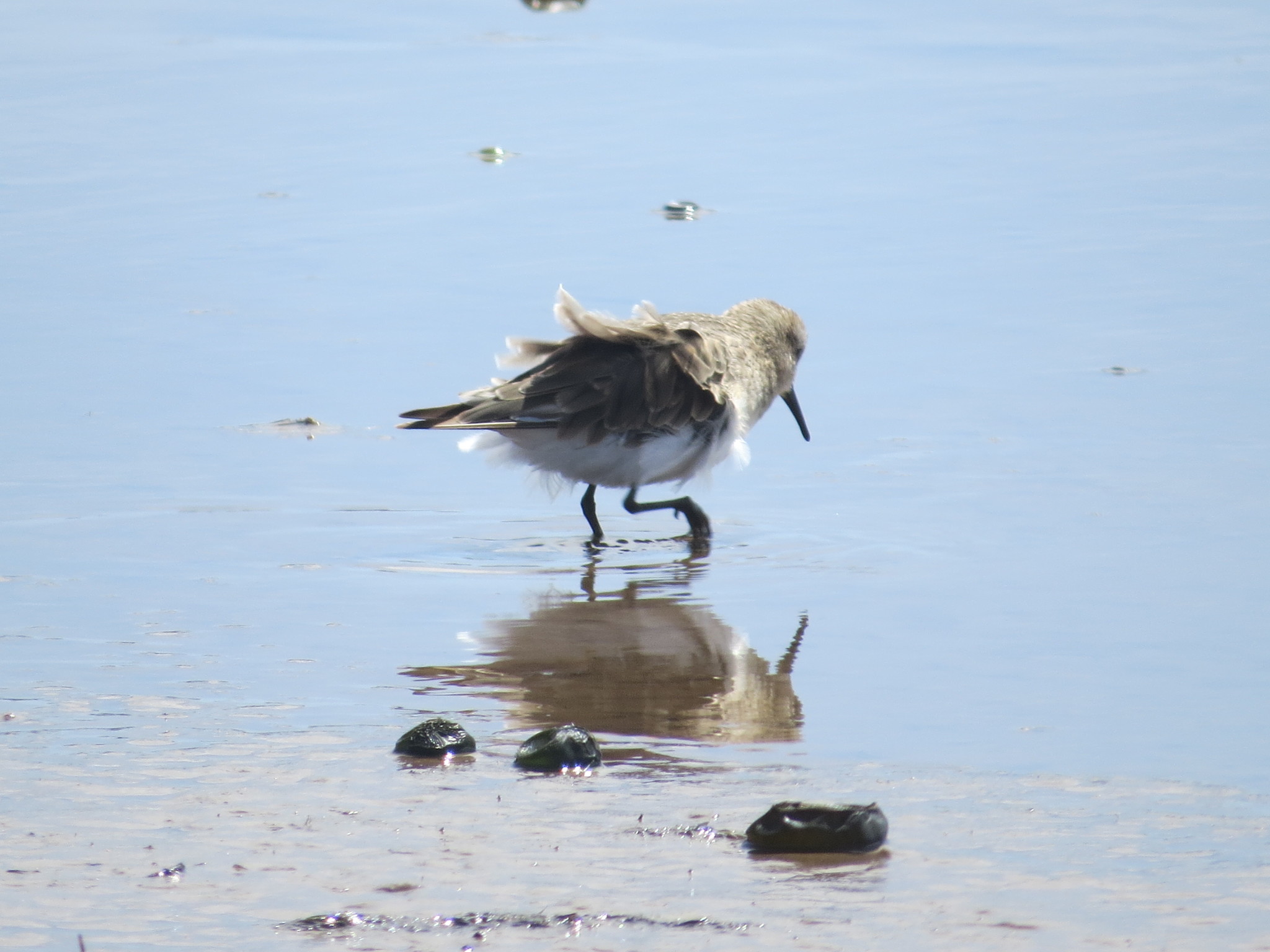
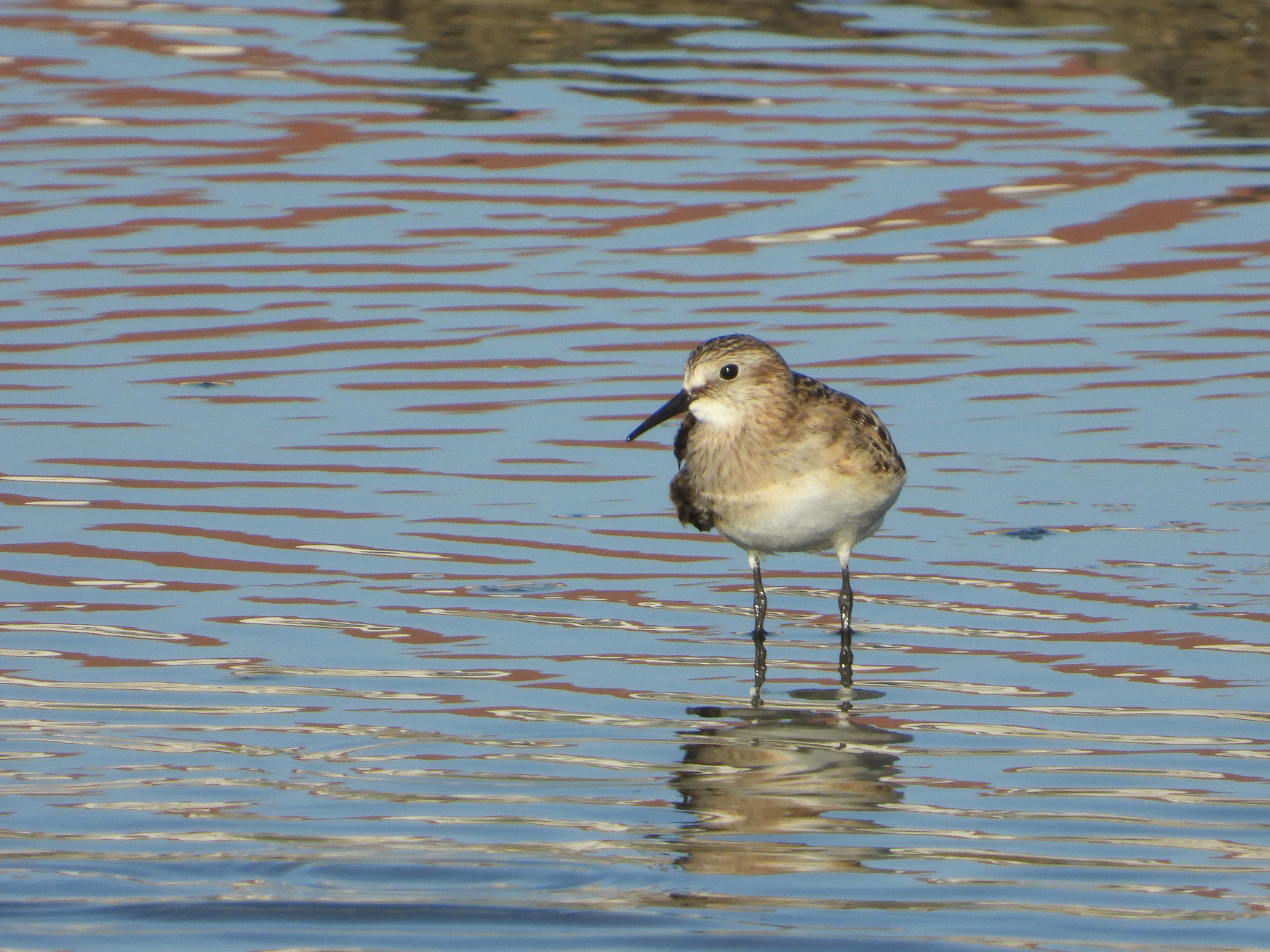
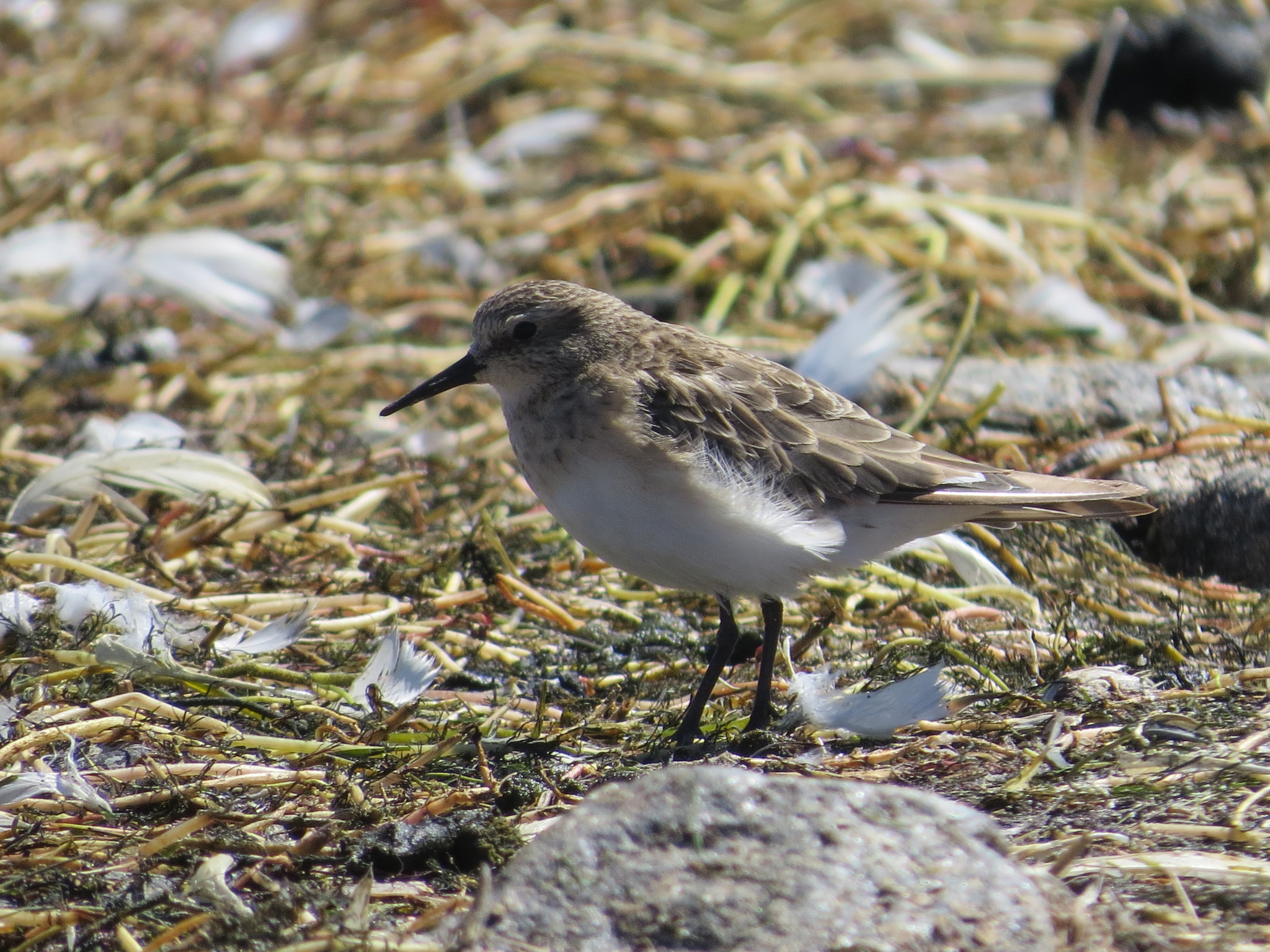
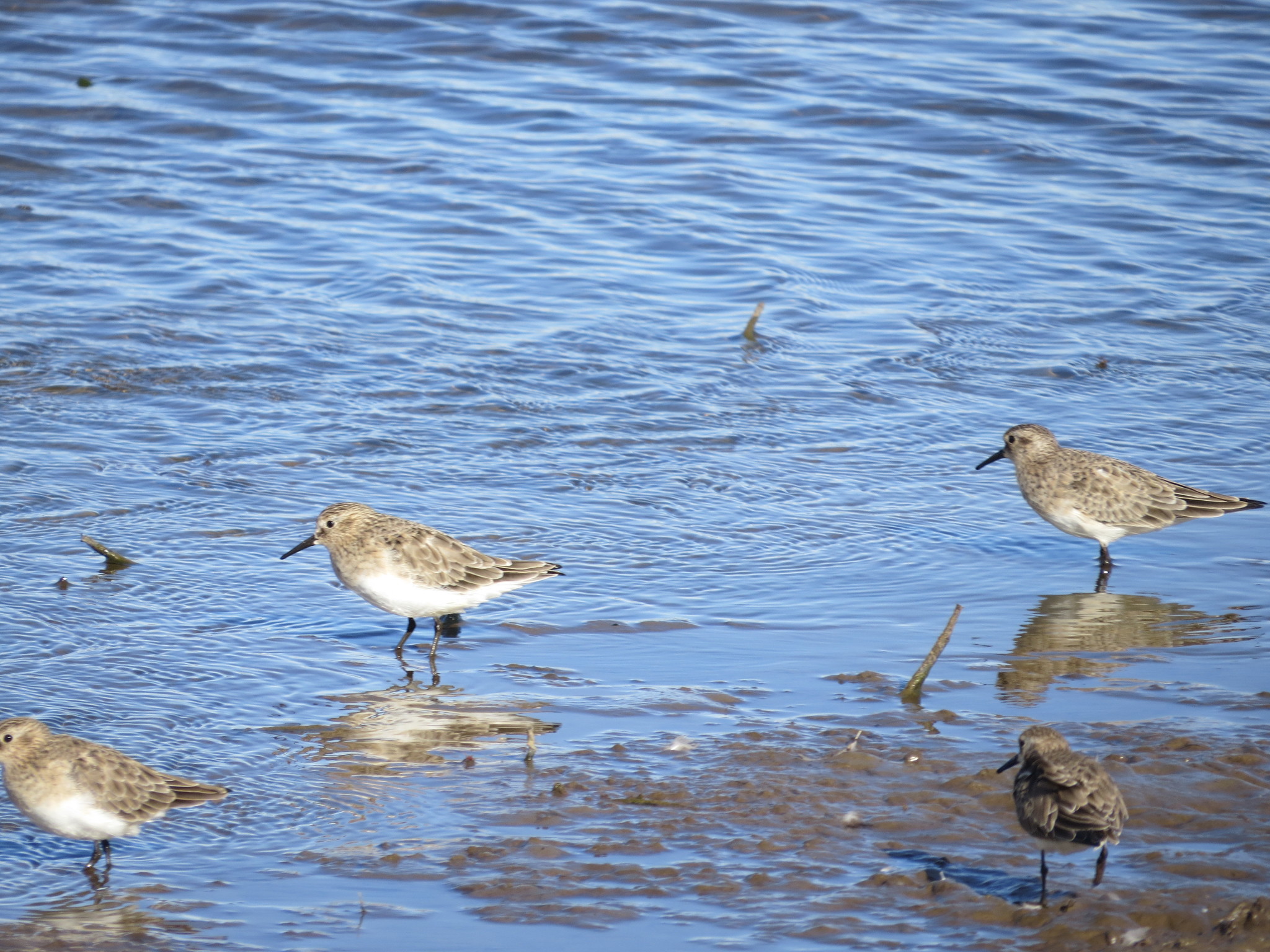
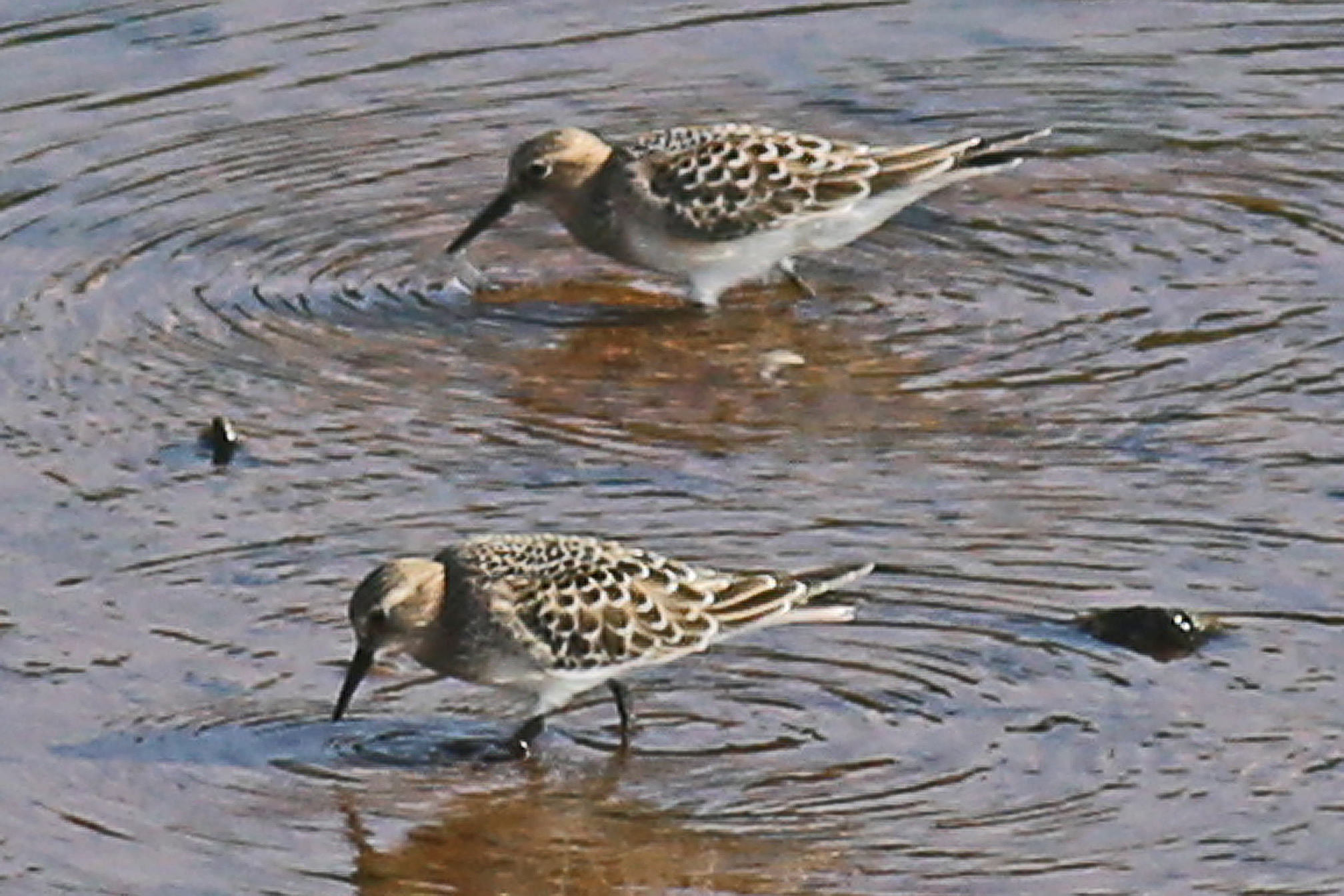
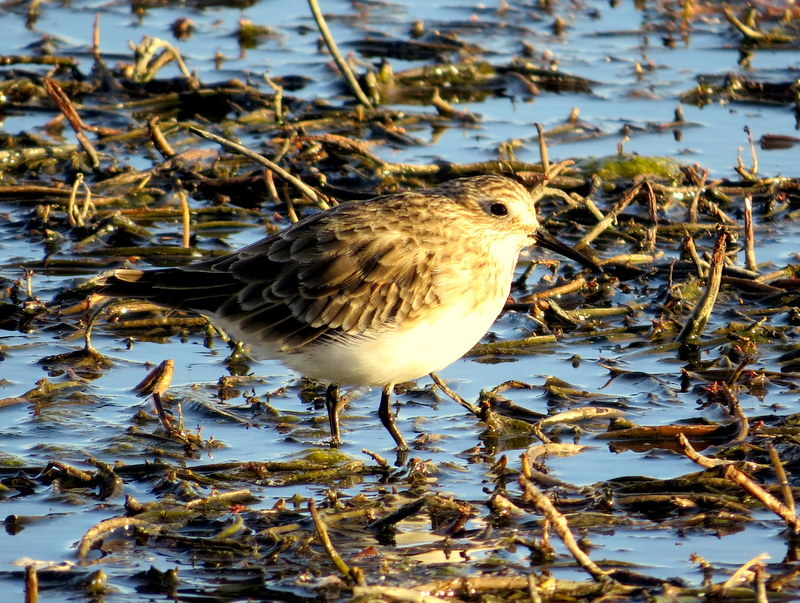
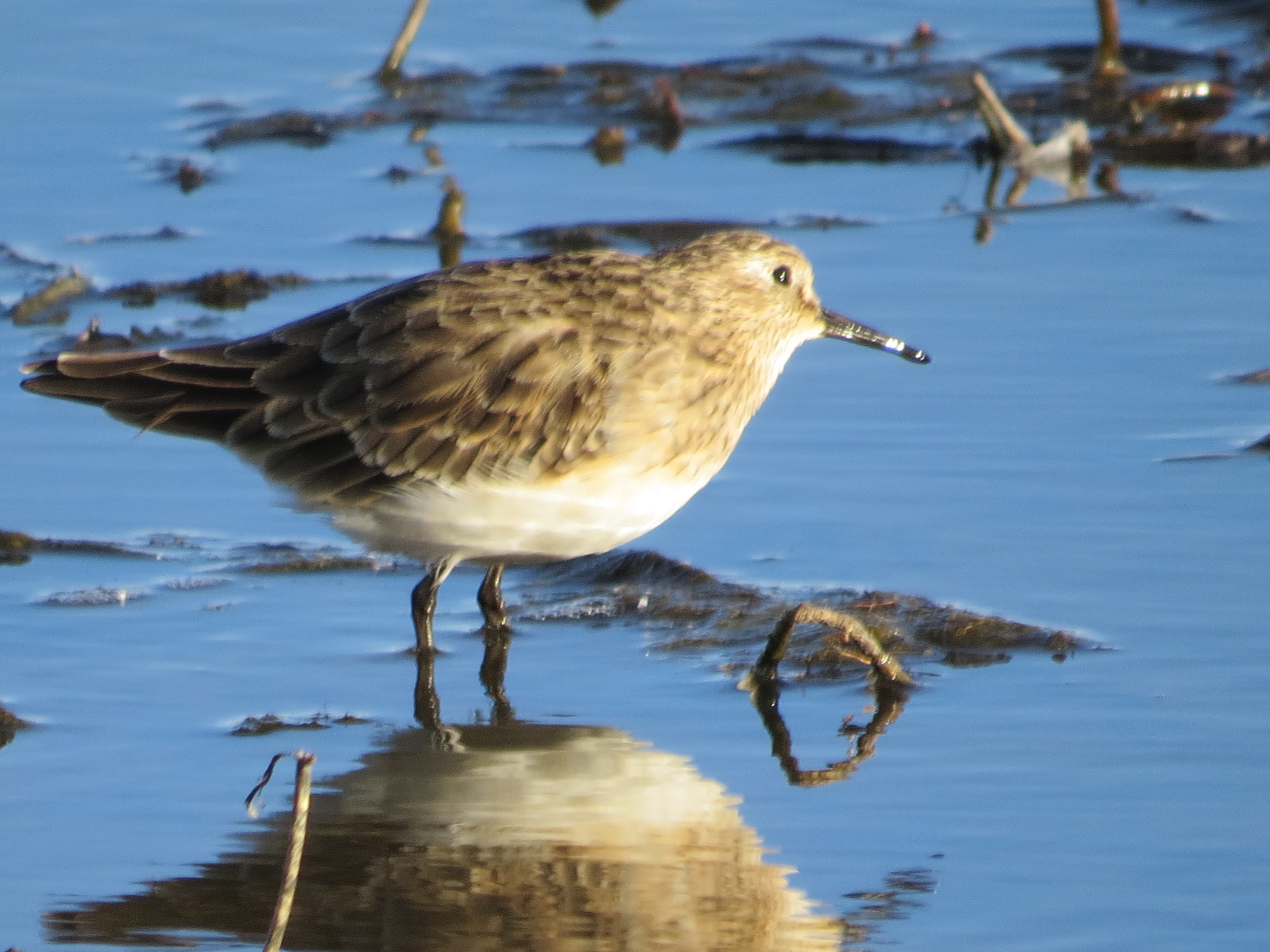
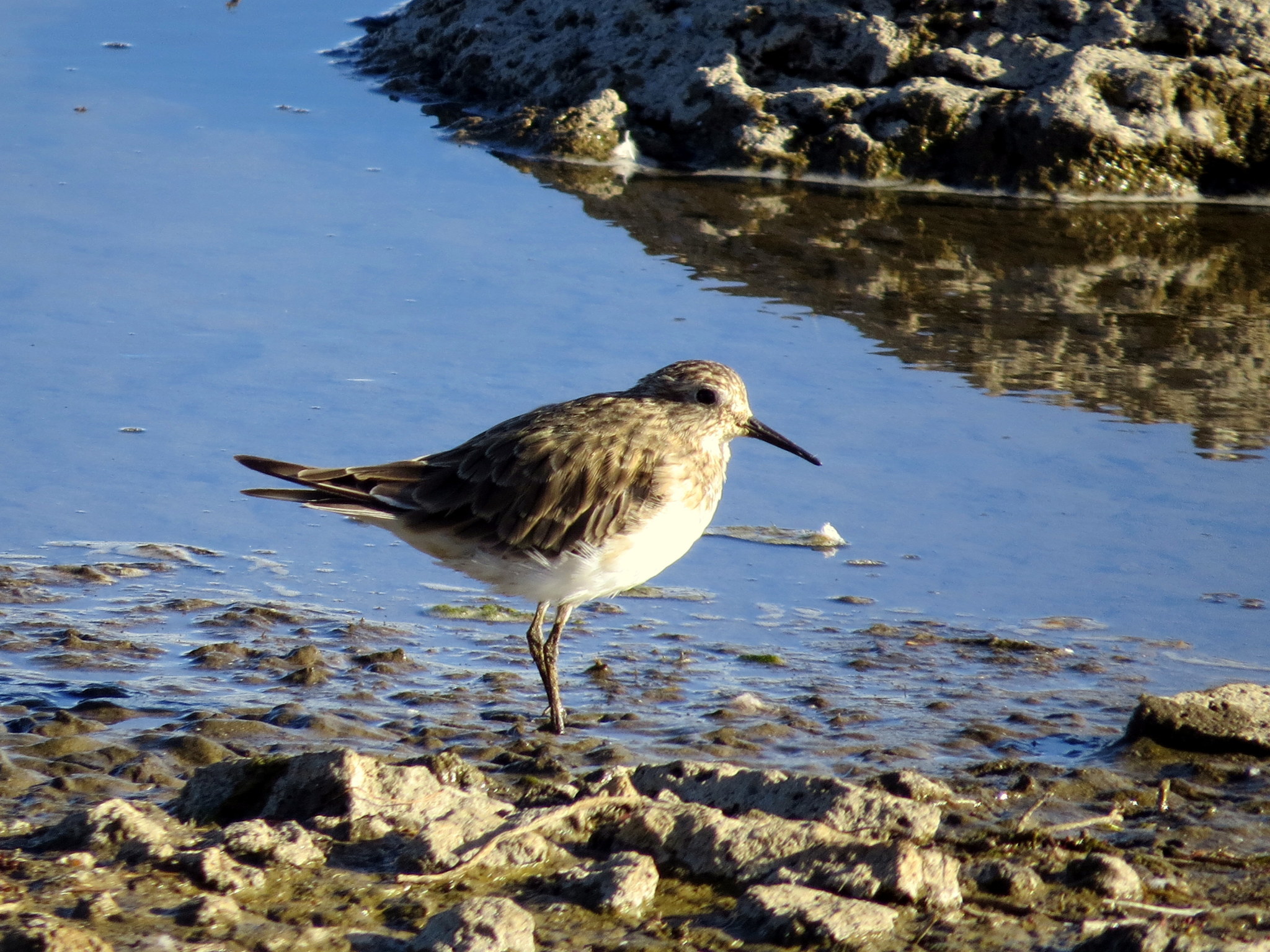
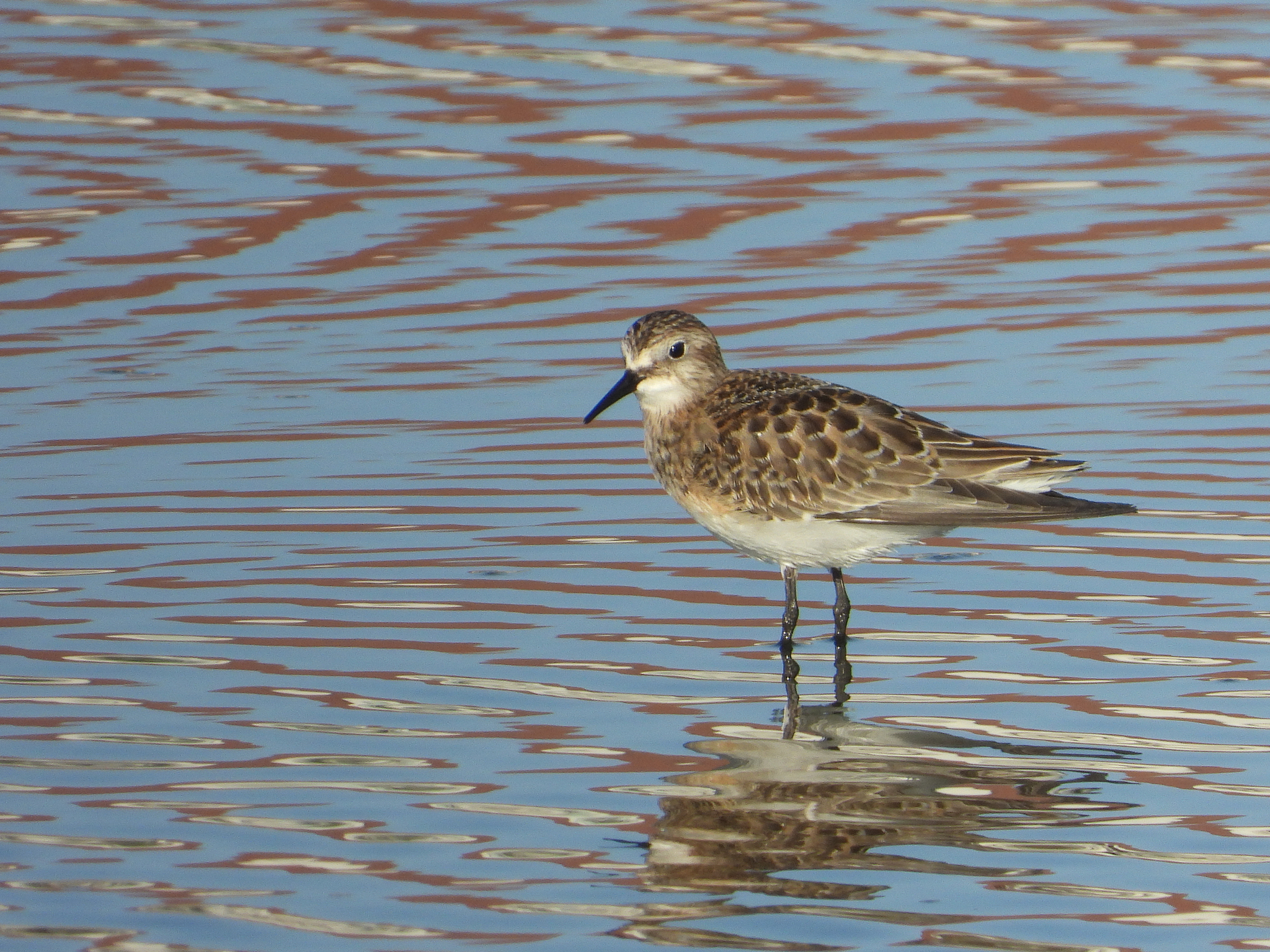
This small sandpiper measures 14-18 cm in length with relatively long wings that extend beyond the tail—a key identification feature. Adults in breeding plumage show dark brown upperparts with pale edging, creating a scaly appearance, while the underparts are white with a dark rump patch. The head and breast display warm brown tones with fine dark streaking. The legs are black, and the bill is short, straight, and slender. Winter birds are more muted, appearing grayish-brown above with less distinct streaking below. The overall impression is of a compact, neat little shorebird with a somewhat flat-headed profile.
Identification
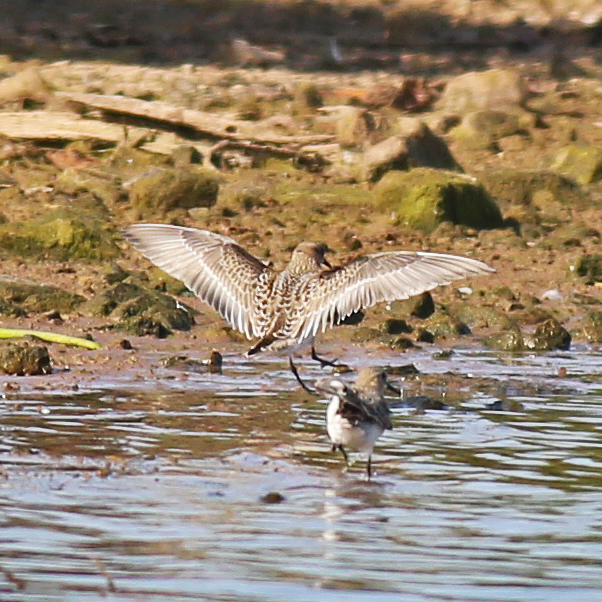
This species is part of the challenging 'peep' group of tiny sandpipers. The most reliable field mark is the long wings that project past the tail tip when the bird is at rest—only one other North American stint shares this feature. The white-rumped sandpiper can be distinguished by its conspicuous white rump patch, which this species lacks. In flight, both show a dark rump. Other similar species include the semipalmated and least sandpipers, which have shorter wings that do not extend beyond the tail. The dark rump, combined with the wing projection and the brown, streaked breast, helps separate this species from the pale-breasted semipalmated sandpiper.
Distribution & Habitat
Breeding occurs across the high Arctic from far eastern Siberia through northern Canada to western Greenland, where birds nest on barren coastal tundra and upland hillsides in dry areas with low vegetation. Migration routes take birds through central North America, with wintering grounds concentrated in western and southern South America from Peru south to Tierra del Fuego. A rare visitor to western Europe. Uniquely, this species regularly uses high-altitude habitats during migration and winter, frequenting lake shores and sparse grassland in the Andes up to 4,700 meters elevation.
Behavior & Ecology
Foraging occurs by active movement across mudflats and wet shorelines, with birds picking prey items by sight. The diet consists primarily of insects including flies, beetles, and larvae, supplemented by small crustaceans. Breeding pairs nest on the ground in dry, vegetated locations, with chicks precocial and leaving the nest shortly after hatching. During migration and winter, birds occur singly or in small loose flocks, often associating with other Calidris species. The species has been suggested as potentially hybridizing with the buff-breasted sandpiper.
Conservation
IUCN Red List assessment and specific population figures are not provided in source material. As a high-Arctic breeder with remote nesting areas, comprehensive population monitoring presents challenges. Climate change effects on Arctic breeding habitats and Andean wintering grounds may represent long-term concerns for this long-distance migrant.
Source: Wikipedia · CC BY-SA 3.0
Taxonomy
- Order
- Charadriiformes
- Family
- Scolopacidae
- Genus
- Calidris
- eBird Code
- baisan
Distribution
breeds high Arctic dry tundra from Wrangel Island to eastern Chukotskiy Peninsula (northeastern Siberia) through northern and central Alaska, northern Canada including Arctic islands from Banks to Ellesmere and Baffin islands, and northwestern Greenland; winters in mountains and coastally from southern Peru through Chile and southern Argentina
Vocalizations
Data Sources
CBR Notes: 2022年9月12日,浙江温州瑞安,常惠、刘勇、庄磊隽、严志文、方明和、许莉颖、刘爱华、王晓梅、刘海、王翠(严志文等,2023)
Species description from Wikipedia, licensed under CC BY-SA 3.0.
Bird images and sounds sourced from GBIF, contributed by citizen scientists worldwide under Creative Commons licenses.
Taxonomy data from AviList 2025.