Lapland Longspur
Calcarius lapponicus
铁爪鹀
Introduction
A passerine bird in the longspur family Calcariidae. Circumpolar arctic breeder found across Arctic Europe, the Palearctic, Canada, and the northernmost United States. The only member of the genus Calcarius present in Eurasia. Breeds in wet tundra, riparian areas, and marshes. Migratory species that winters in the Russian steppes, southern United States, Northern Scandinavian arctic areas, and coastal areas of Southern Sweden, Denmark, and Great Britain. Distinctive for its ground-nesting behavior and formation of large mixed-species flocks in winter with horned larks and snow buntings.
Description
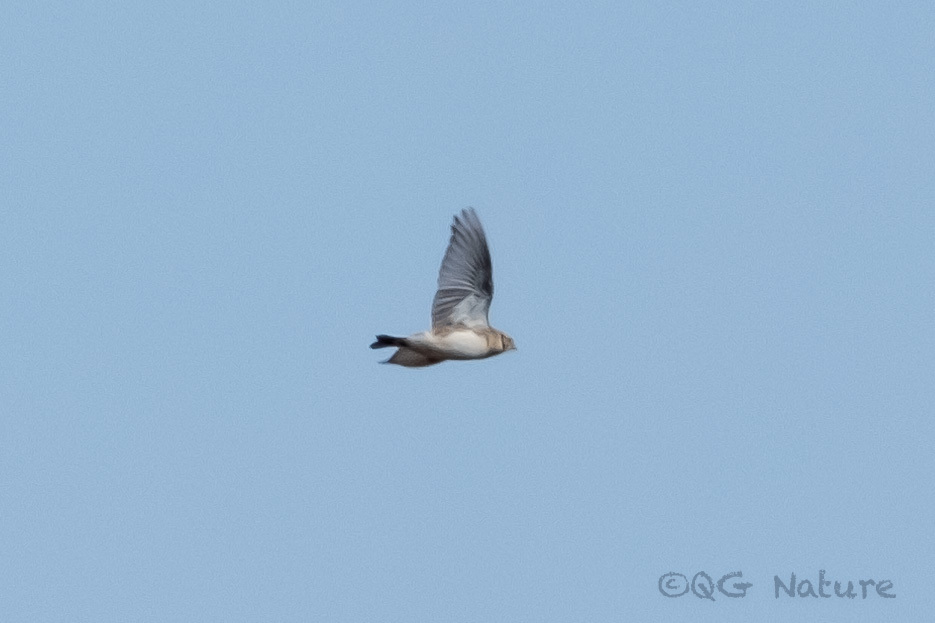
A robust bird with a thick yellow seed-eater's bill. Length ranges from 5.9–6.3 inches (15–16 cm) with a wingspan of 8.7–11.4 inches (22–29 cm). Weight: 0.8–1.2 oz (22.3–33.1 g). Summer males have a black head and throat, white eyestripe, chestnut nape, white underparts, and a heavily streaked black-grey back. Other plumages show a plainer orange-brown head, browner back, chestnut nape, and chestnut wing panels.
Identification
The black-headed summer plumage of males is distinctive among North American and Eurasian longspurs. The combination of black face and throat with white eyestripe and chestnut nape separates it from other longspur species. The thick yellow bill and heavily streaked back are characteristic field marks. Winter plumage is more subdued with orange-brown tones on the head.
Distribution & Habitat
Breeds across Arctic Europe and the Palearctic, including north Europe and north Asia, as well as Canada and the northernmost United States. Five subspecies recognized: subcalcaratus (north Canada and Greenland), lapponicus (north Europe and north Asia), kamtschaticus (northeast Siberia), alascensis (extreme east Siberia, Alaska and northwest Canada), and coloratus (Commander Islands). Winters in the Russian steppes, southern United States, Northern Scandinavian arctic areas, coastal Southern Sweden, Denmark, and Great Britain. Has been present in Eastern Europe for at least 30,000 years.
Behavior & Ecology
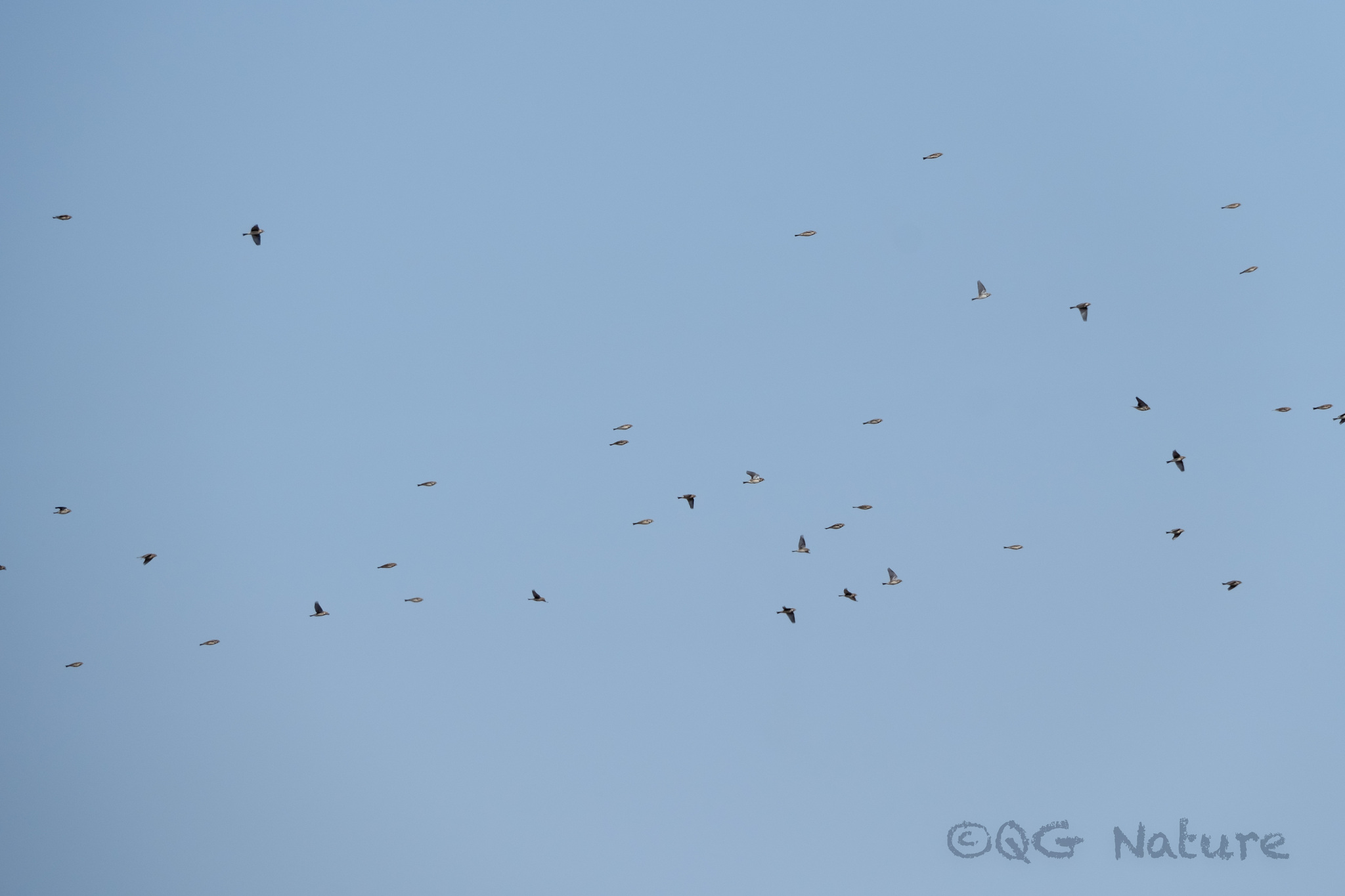
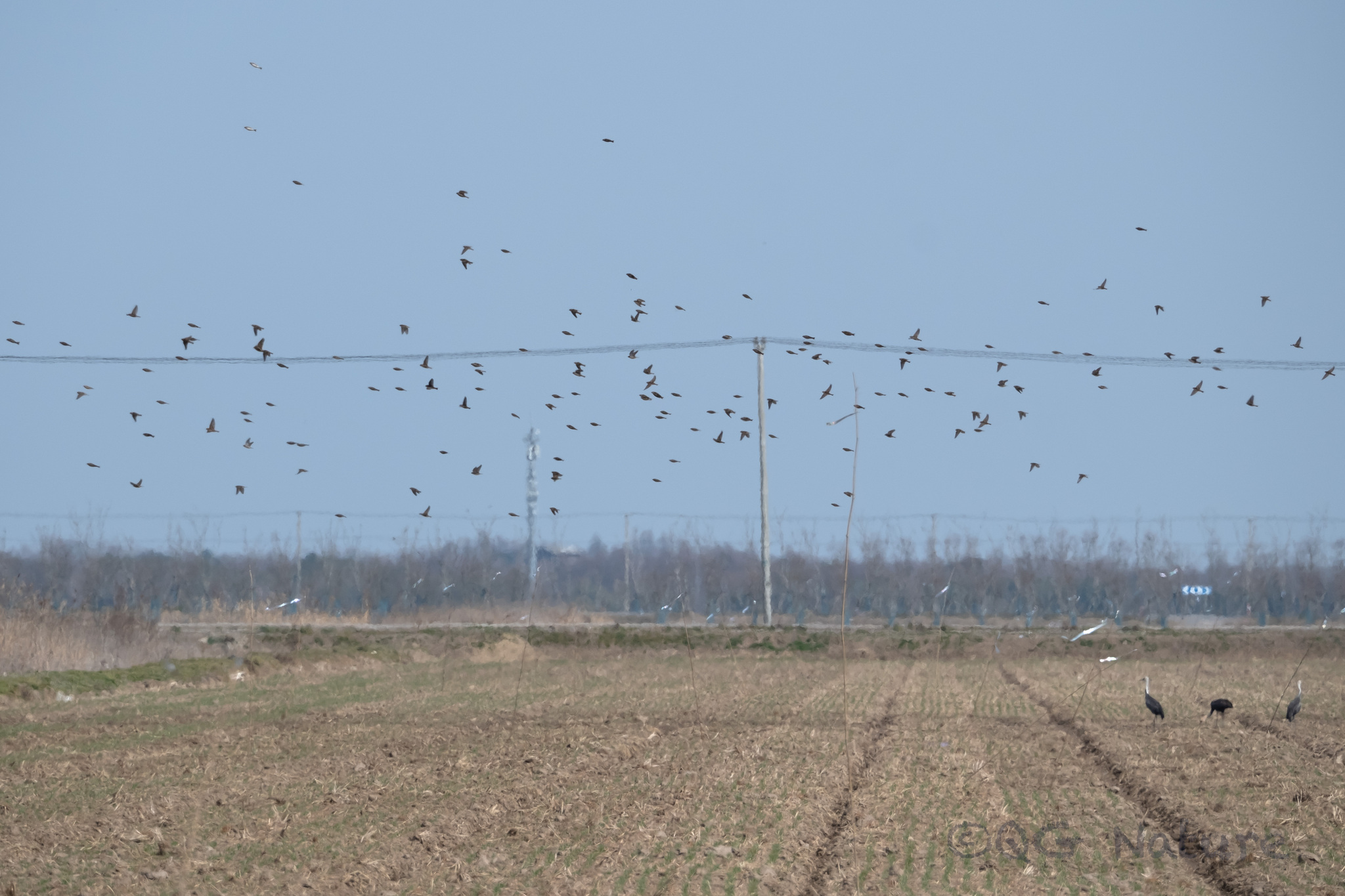
Ground-nesting bird that builds cup nests on heavily-vegetated slopes or among tussocks in low-lying wet areas. Lays an average of 5 eggs per brood. Diet consists primarily of seeds in winter (grass, foxtail, cultivated millet, crabgrass, and wheat) and arthropods during breeding season. Forages by picking seeds from the ground rather than directly from plants. During breeding, catches insects in mid-air and forages through vegetation. Consumes 3,000–10,000 prey items daily, increasing by 3,000 when feeding young. Flight call is a hard 'prrrrt' usually preceded by a nasal 'teeww'. Breeding calls include a softer 'duyyeee' followed by a pause and 'triiiuuu'. Forms mixed-species flocks in winter with horned larks and snow buntings.
Conservation
Not assessed in provided text.
Culture
Not assessed in provided text.
Source: Wikipedia · CC BY-SA 3.0
Taxonomy
- Order
- Passeriformes
- Family
- Calcariidae
- Genus
- Calcarius
- eBird Code
- laplon
Subspecies (5)
-
Calcarius lapponicus alascensis
breeds far eastern Siberia, Alaska, and northwestern Canada; winters to western USA
-
Calcarius lapponicus coloratus
breeds Commander Islands; winters to east-central China
-
Calcarius lapponicus kamtschaticus
breeds northeastern Siberia; winters to eastern Asia
-
Calcarius lapponicus lapponicus
breeds northern Europe and northern Asia; winters to southern Europe and central Asia
-
Calcarius lapponicus subcalcaratus
breeds northern Canada and Greenland; winters to USA and northwestern Europe
Data Sources
Species description from Wikipedia, licensed under CC BY-SA 3.0.
Bird images and sounds sourced from GBIF, contributed by citizen scientists worldwide under Creative Commons licenses.
Taxonomy data from AviList 2025.